India allows Chinese investment in electronics and solar sectors under revised FDI rules
India has approved changes to its foreign direct investment policy to allow Chinese companies to invest in selected sectors, marking a cautious step toward improving economic ties between the two countries after years of strained relations. The decision was cleared by the Union Cabinet led by Prime Minister Narendra Modi and is aimed at easing investment constraints faced by certain industries while strengthening domestic manufacturing capacity. Under the revised policy framework, C
India allows Chinese investment in electronics and solar sectors under revised FDI rules
India has approved changes to its foreign direct investment policy to allow Chinese companies to invest in selected sectors, marking a cautious step toward improving economic ties between the two countries after years of strained relations. The decision was cleared by the Union Cabinet led by Prime Minister Narendra Modi and is aimed at easing investment constraints faced by certain industries while strengthening domestic manufacturing capacity. Under the revised policy framework, C
India lift T20 World Cup 2026 after posting record 255 against New Zealand
India created history by becoming the first team to successfully defend a T20 World Cup title after securing a dominant 96-run victory over New Zealand in the 2026 final at the Narendra Modi Stadium in Ahmedabad on Sunday. In a match filled with powerful batting and clinical bowling, India delivered a commanding performance to lift the trophy and underline their dominance in the shortest format of the game. Match Result India won by 96 runs
India lift T20 World Cup 2026 after posting record 255 against New Zealand
India created history by becoming the first team to successfully defend a T20 World Cup title after securing a dominant 96-run victory over New Zealand in the 2026 final at the Narendra Modi Stadium in Ahmedabad on Sunday. In a match filled with powerful batting and clinical bowling, India delivered a commanding performance to lift the trophy and underline their dominance in the shortest format of the game. Match Result India won by 96 runs
PM Modi Calls for Diplomatic Solution to End Ukraine and Iran Wars
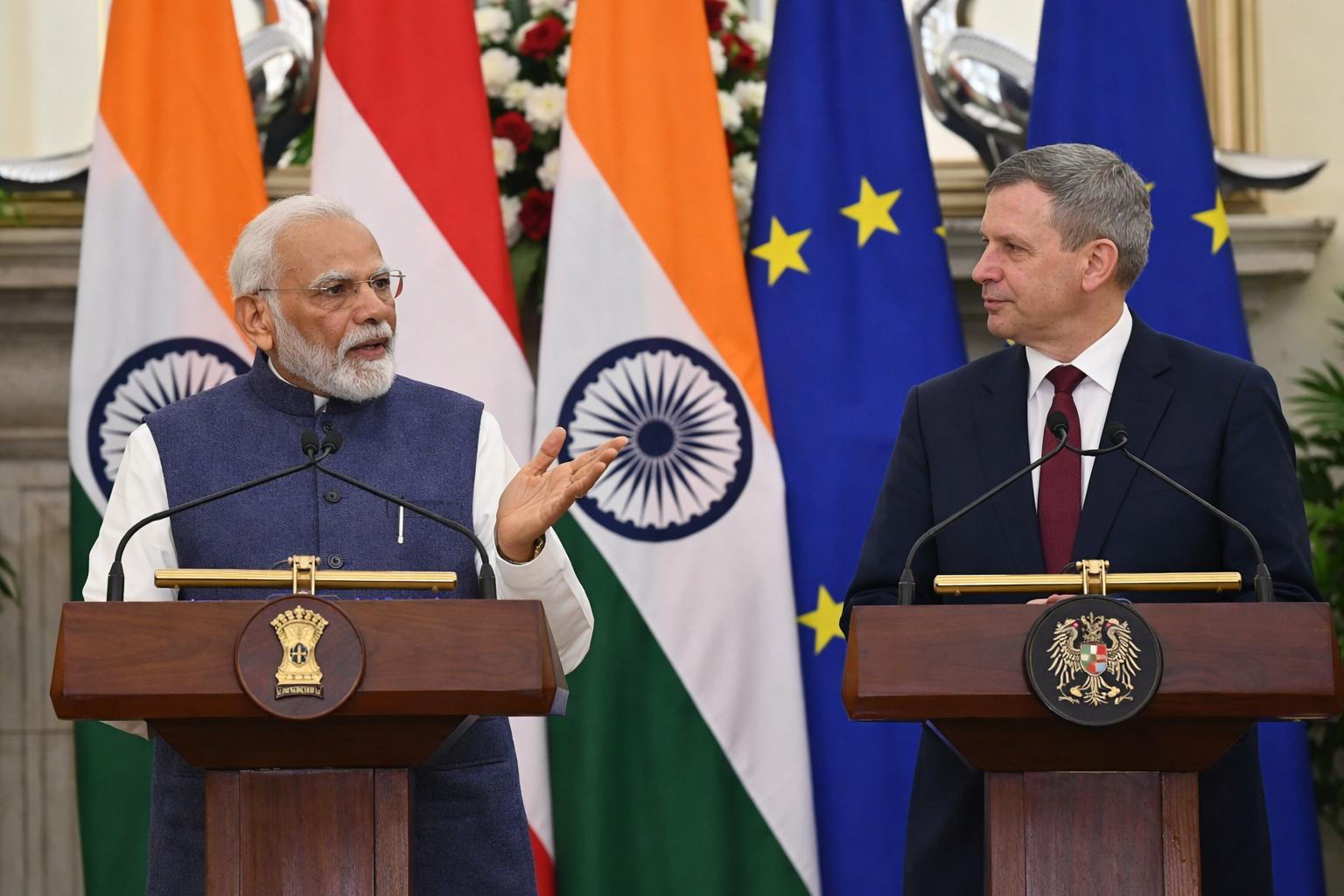
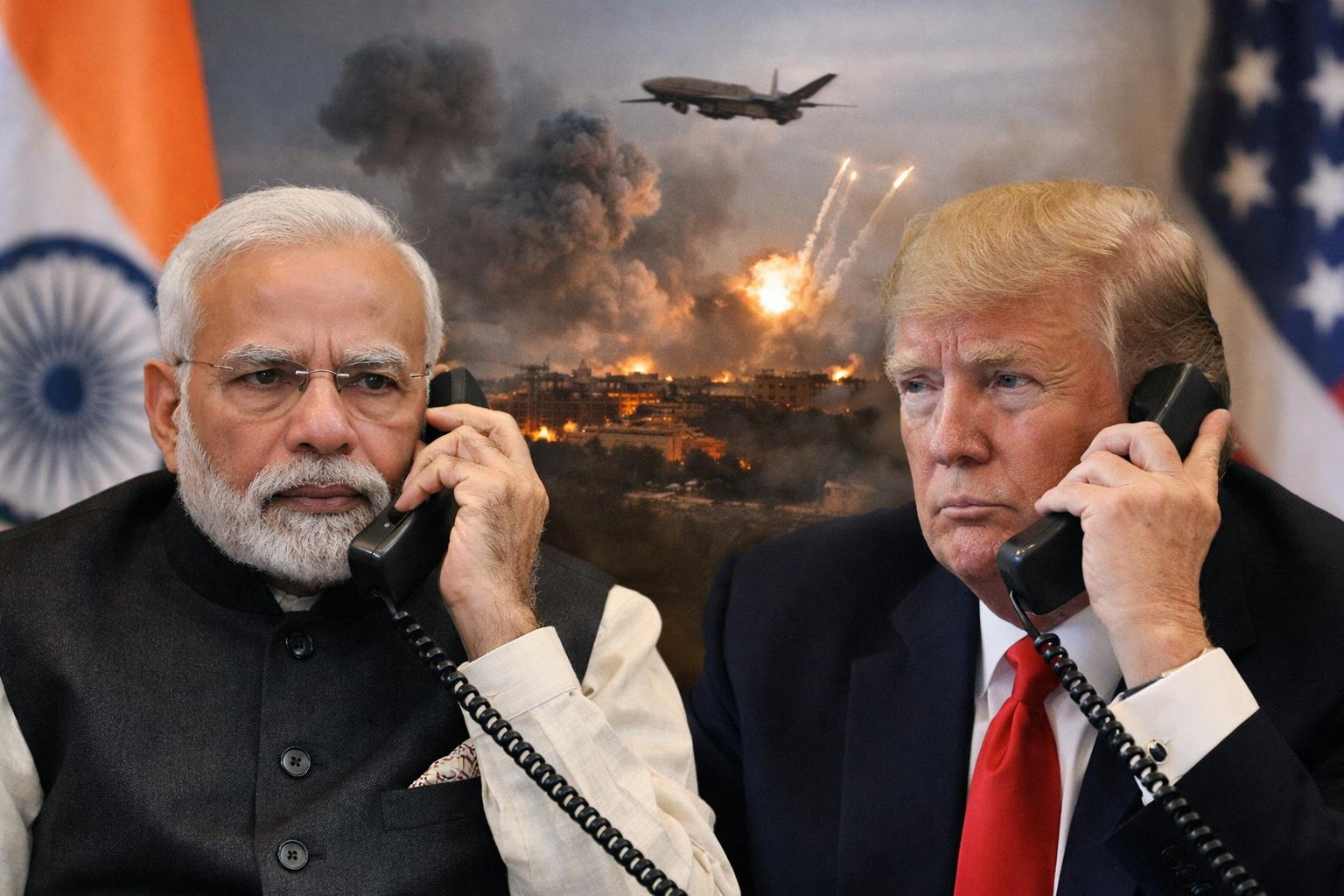
Prime Minister Narendra Modi on Thursday called for the early end to the ongoing conflicts in Ukraine and the Middle East, underlining that dialogue and diplomacy remain the only way to resolve global disputes. His remarks came during a joint press conference in New Delhi with Finnish President Alexander Stubb, where Modi highlighted the growing instability in the world, particularly due to the ongoing wars in Ukraine and the escalating confrontation between the US, Israel, and Iran.

PM Modi Calls for Diplomatic Solution to End Ukraine and Iran Wars
Prime Minister Narendra Modi on Thursday called for the early end to the ongoing conflicts in Ukraine and the Middle East, underlining that dialogue and diplomacy remain the only way to resolve global disputes. His remarks came during a joint press conference in New Delhi with Finnish President Alexander Stubb, where Modi highlighted the growing instability in the world, particularly due to the ongoing wars in Ukraine and the escalating confrontation between the US, Israel, and Iran.


Indian embassy relocates students from Tehran amid rising Iran security tensions
Amid escalating security concerns in Iran, the Indian Embassy in Tehran has relocated most Indian students from the capital to safer locations outside the city. In an advisory issued on March 3, the mission cited a heightened risk perception in Tehran and said transport, food and accommodation had been arranged for those moved. A small number of students remain in the city after declining the relocation offer. The embassy reiterated earlier guidance for Indian nationals still in Ira
Indian embassy relocates students from Tehran amid rising Iran security tensions
Amid escalating security concerns in Iran, the Indian Embassy in Tehran has relocated most Indian students from the capital to safer locations outside the city. In an advisory issued on March 3, the mission cited a heightened risk perception in Tehran and said transport, food and accommodation had been arranged for those moved. A small number of students remain in the city after declining the relocation offer. The embassy reiterated earlier guidance for Indian nationals still in Ira
PM Narendra Modi YouTube Channel Crosses 30 Million Subscribers, Highest Among World Leaders
Prime Minister Narendra Modi has achieved a major digital milestone as his official YouTube channel surpassed 30 million subscribers, making him the most followed world leader on the platform. The achievement highlights the Prime Minister’s unmatched global digital presence and reinforces his dominance across social media platforms. According to official sources, the subscriber count places Narendra Modi well ahead of other prominent international leaders. Former Brazilian President Jair Bolsonaro, who holds the second-highest subscriber base among world leaders on YouTube, has only about one-fourth of Modi’s subscribers. Similarly, US President Donald Trump trails far behind, with Modi reportedly having more than seven times the number of subscribers. The Prime Minister’s strong presence on YouTube reflects his strategic use of digital platforms to connect directly with citizens in India and audiences worldwide. His channel features speeches, policy announcements, live event broadcasts, campaign messages, and cultural highlights, drawing millions of views regularly. The content appeals not only to domestic supporters but also to the Indian diaspora and global viewers interested in India’s political landscape. Within India, Modi’s digital reach also surpasses that of his political rivals. His YouTube subscriber base is around three times larger than that of Congress leader Rahul Gandhi. It is also more than four times higher than the subscriber counts of the Aam Aadmi Party and the Indian National Congress when considered individually. This gap underscores the Bharatiya Janata Party leader’s commanding influence in the digital political arena. The YouTube milestone comes just weeks after Modi became the first world leader to cross 100 million followers on Instagram. Having joined the platform in 2014, his Instagram account has evolved into one of the most engaging profiles among global political figures. Over the past decade, he has consistently leveraged visual storytelling, behind-the-scenes moments, diplomatic engagements, and public outreach initiatives to maintain high engagement rates. Political analysts note that Modi’s digital strategy has played a crucial role in shaping modern political communication in India. By effectively utilizing social media platforms such as YouTube and Instagram, he has managed to bypass traditional media channels and communicate directly with the public. With 30 million YouTube subscribers and 100 million Instagram followers, Narendra Modi continues to set new benchmarks for digital engagement among world leaders. The milestone not only reflects his popularity but also signals the growing importance of online platforms in global politics and governance.
PM Narendra Modi YouTube Channel Crosses 30 Million Subscribers, Highest Among World Leaders
Prime Minister Narendra Modi has achieved a major digital milestone as his official YouTube channel surpassed 30 million subscribers, making him the most followed world leader on the platform. The achievement highlights the Prime Minister’s unmatched global digital presence and reinforces his dominance across social media platforms. According to official sources, the subscriber count places Narendra Modi well ahead of other prominent international leaders. Former Brazilian President Jair Bolsonaro, who holds the second-highest subscriber base among world leaders on YouTube, has only about one-fourth of Modi’s subscribers. Similarly, US President Donald Trump trails far behind, with Modi reportedly having more than seven times the number of subscribers. The Prime Minister’s strong presence on YouTube reflects his strategic use of digital platforms to connect directly with citizens in India and audiences worldwide. His channel features speeches, policy announcements, live event broadcasts, campaign messages, and cultural highlights, drawing millions of views regularly. The content appeals not only to domestic supporters but also to the Indian diaspora and global viewers interested in India’s political landscape. Within India, Modi’s digital reach also surpasses that of his political rivals. His YouTube subscriber base is around three times larger than that of Congress leader Rahul Gandhi. It is also more than four times higher than the subscriber counts of the Aam Aadmi Party and the Indian National Congress when considered individually. This gap underscores the Bharatiya Janata Party leader’s commanding influence in the digital political arena. The YouTube milestone comes just weeks after Modi became the first world leader to cross 100 million followers on Instagram. Having joined the platform in 2014, his Instagram account has evolved into one of the most engaging profiles among global political figures. Over the past decade, he has consistently leveraged visual storytelling, behind-the-scenes moments, diplomatic engagements, and public outreach initiatives to maintain high engagement rates. Political analysts note that Modi’s digital strategy has played a crucial role in shaping modern political communication in India. By effectively utilizing social media platforms such as YouTube and Instagram, he has managed to bypass traditional media channels and communicate directly with the public. With 30 million YouTube subscribers and 100 million Instagram followers, Narendra Modi continues to set new benchmarks for digital engagement among world leaders. The milestone not only reflects his popularity but also signals the growing importance of online platforms in global politics and governance.
PM Modi Becomes the First World Leader to Reach 100 Million Followers on Instagram
Prime Minister Narendra Modi has achieved a major milestone in the digital world, becoming the first world leader to amass 100 million followers on Instagram. This unprecedented achievement highlights his dominant presence on social media platforms and marks him as one of the most influential global political figures online. Since joining Instagram in 2014, PM Modi’s account has grown significantly, providing glimpses into his official engagements, international visits, cultural m
PM Modi Becomes the First World Leader to Reach 100 Million Followers on Instagram
Prime Minister Narendra Modi has achieved a major milestone in the digital world, becoming the first world leader to amass 100 million followers on Instagram. This unprecedented achievement highlights his dominant presence on social media platforms and marks him as one of the most influential global political figures online. Since joining Instagram in 2014, PM Modi’s account has grown significantly, providing glimpses into his official engagements, international visits, cultural m
Canada says no ongoing India link to violent crimes ahead of Mark Carney visit
Canada has indicated a significant shift in its position on India, stating that it no longer believes New Delhi is linked to violent crimes or ongoing foreign interference within Canadian territory. The remarks were made during a briefing with journalists ahead of Prime Minister Mark Carney’s scheduled nine-day visit to India, which includes stops in Mumbai and New Delhi and a planned meeting with Prime Minister Narendra Modi. Senior Canadian officials said there is currently no evidence of continued foreign interference or violent activity tied to India. One official noted that diplomatic engagement between the two countries remains robust, including regular communication between national security advisers. The official added that the visit would not be taking place if authorities believed such activities were still ongoing. The statement marks a notable change from Canada’s earlier stance, when concerns about alleged foreign interference had strained bilateral ties. Relations between Ottawa and New Delhi deteriorated sharply following the June 2023 killing of Hardeep Singh Nijjar outside a gurdwara in British Columbia. Months after the incident, then Prime Minister Justin Trudeau stated that there was credible evidence linking agents of the Indian government to the killing. India strongly denied the allegations, calling them unfounded. The dispute escalated into a diplomatic standoff, with both countries expelling senior diplomats. In 2024, the Royal Canadian Mounted Police alleged that individuals linked to the Indian government were associated with violent crimes in Canada, including death threats and possible involvement in homicides. However, the latest comments from Canadian officials suggest that authorities no longer see active or continuing interference connected to India. The evolving position has drawn mixed reactions. Moninder Singh, a religious leader in British Columbia, said that Vancouver police had recently warned him of an imminent threat to his life and that of his family. Meanwhile, members of Sikhs for Justice staged protests on Parliament Hill, criticizing the government’s renewed engagement with India and expressing concern over the Nijjar case. Indian officials have consistently maintained that they are willing to cooperate with Canadian authorities within the framework of the law. India’s High Commissioner to Ottawa, Dinesh Patnaik, has previously emphasized that disagreements should be resolved through dialogue rather than actions that damage the broader relationship. He described recent discussions between the two countries’ national security advisers, including a visit by NSA Ajit Doval to Ottawa, as an important step toward strengthening bilateral security cooperation. Carney’s visit is being viewed as part of Ottawa’s effort to adopt a more pragmatic foreign policy approach and to deepen economic and strategic ties with India. With trade, investment, and security collaboration on the agenda, both sides appear to be seeking a reset after months of diplomatic friction. While the Nijjar case remains before the courts and political sensitivities persist, the latest statements suggest a willingness from both governments to stabilize relations and rebuild trust through sustained engagement.
Canada says no ongoing India link to violent crimes ahead of Mark Carney visit
Canada has indicated a significant shift in its position on India, stating that it no longer believes New Delhi is linked to violent crimes or ongoing foreign interference within Canadian territory. The remarks were made during a briefing with journalists ahead of Prime Minister Mark Carney’s scheduled nine-day visit to India, which includes stops in Mumbai and New Delhi and a planned meeting with Prime Minister Narendra Modi. Senior Canadian officials said there is currently no evidence of continued foreign interference or violent activity tied to India. One official noted that diplomatic engagement between the two countries remains robust, including regular communication between national security advisers. The official added that the visit would not be taking place if authorities believed such activities were still ongoing. The statement marks a notable change from Canada’s earlier stance, when concerns about alleged foreign interference had strained bilateral ties. Relations between Ottawa and New Delhi deteriorated sharply following the June 2023 killing of Hardeep Singh Nijjar outside a gurdwara in British Columbia. Months after the incident, then Prime Minister Justin Trudeau stated that there was credible evidence linking agents of the Indian government to the killing. India strongly denied the allegations, calling them unfounded. The dispute escalated into a diplomatic standoff, with both countries expelling senior diplomats. In 2024, the Royal Canadian Mounted Police alleged that individuals linked to the Indian government were associated with violent crimes in Canada, including death threats and possible involvement in homicides. However, the latest comments from Canadian officials suggest that authorities no longer see active or continuing interference connected to India. The evolving position has drawn mixed reactions. Moninder Singh, a religious leader in British Columbia, said that Vancouver police had recently warned him of an imminent threat to his life and that of his family. Meanwhile, members of Sikhs for Justice staged protests on Parliament Hill, criticizing the government’s renewed engagement with India and expressing concern over the Nijjar case. Indian officials have consistently maintained that they are willing to cooperate with Canadian authorities within the framework of the law. India’s High Commissioner to Ottawa, Dinesh Patnaik, has previously emphasized that disagreements should be resolved through dialogue rather than actions that damage the broader relationship. He described recent discussions between the two countries’ national security advisers, including a visit by NSA Ajit Doval to Ottawa, as an important step toward strengthening bilateral security cooperation. Carney’s visit is being viewed as part of Ottawa’s effort to adopt a more pragmatic foreign policy approach and to deepen economic and strategic ties with India. With trade, investment, and security collaboration on the agenda, both sides appear to be seeking a reset after months of diplomatic friction. While the Nijjar case remains before the courts and political sensitivities persist, the latest statements suggest a willingness from both governments to stabilize relations and rebuild trust through sustained engagement.
Narendra Modi receives rare honours from both Israel and Palestine
Prime Minister Narendra Modi was on Wednesday conferred with the prestigious Speaker of the Knesset Medal, marking a significant milestone in India-Israel relations. The honour, considered the highest award of Israel’s Parliament, was presented in recognition of Modi’s exceptional contribution to strengthening the strategic partnership between the two nations. Knesset Speaker Amir Ohana presented the medal to the Indian prime minister following his address to the Israeli Parliam
Narendra Modi receives rare honours from both Israel and Palestine
Prime Minister Narendra Modi was on Wednesday conferred with the prestigious Speaker of the Knesset Medal, marking a significant milestone in India-Israel relations. The honour, considered the highest award of Israel’s Parliament, was presented in recognition of Modi’s exceptional contribution to strengthening the strategic partnership between the two nations. Knesset Speaker Amir Ohana presented the medal to the Indian prime minister following his address to the Israeli Parliam
Modi receives standing ovation during historic address at Knesset
Indian Prime Minister Narendra Modi received a standing ovation in Israel’s parliament on Wednesday as he delivered a historic address to the Knesset, becoming the first Indian prime minister to speak before the Israeli legislature. Lawmakers rose to their feet and chanted his name as Modi began his remarks by conveying greetings from 1.4 billion Indians. In his speech, the prime minister strongly condemned terrorism and reiterated India’s firm policy of zero tolerance toward ex
Modi receives standing ovation during historic address at Knesset
Indian Prime Minister Narendra Modi received a standing ovation in Israel’s parliament on Wednesday as he delivered a historic address to the Knesset, becoming the first Indian prime minister to speak before the Israeli legislature. Lawmakers rose to their feet and chanted his name as Modi began his remarks by conveying greetings from 1.4 billion Indians. In his speech, the prime minister strongly condemned terrorism and reiterated India’s firm policy of zero tolerance toward ex
Mark Carney to visit India to boost Canada-India ties
Canadian Prime Minister Mark Carney has announced a high-profile visit to India as part of a broader Indo-Pacific tour, in what officials describe as a significant step toward revitalizing bilateral relations that have faced strain in recent years. The visit, scheduled from February 26 to March 7, 2026, will also include stops in Australia and Japan, reflecting Ottawa’s strategic focus on strengthening partnerships across the Indo-Pacific region. Carney’s itinerary begins in Mum
Mark Carney to visit India to boost Canada-India ties
Canadian Prime Minister Mark Carney has announced a high-profile visit to India as part of a broader Indo-Pacific tour, in what officials describe as a significant step toward revitalizing bilateral relations that have faced strain in recent years. The visit, scheduled from February 26 to March 7, 2026, will also include stops in Australia and Japan, reflecting Ottawa’s strategic focus on strengthening partnerships across the Indo-Pacific region. Carney’s itinerary begins in Mum
Modi’s Israel visit to deepen defence and innovation ties, says envoy
Israel’s Ambassador to India, Reuven Azar, on Monday expressed enthusiasm ahead of Prime Minister Narendra Modi’s upcoming visit, describing it as a significant step forward in strengthening India-Israel relations. The visit, scheduled for February 25, is expected to accelerate cooperation across defence, technology, and economic sectors, reflecting the growing depth of the strategic partnership between the two nations. In a video message shared on social media, Azar said Israel was l
Modi’s Israel visit to deepen defence and innovation ties, says envoy
Israel’s Ambassador to India, Reuven Azar, on Monday expressed enthusiasm ahead of Prime Minister Narendra Modi’s upcoming visit, describing it as a significant step forward in strengthening India-Israel relations. The visit, scheduled for February 25, is expected to accelerate cooperation across defence, technology, and economic sectors, reflecting the growing depth of the strategic partnership between the two nations. In a video message shared on social media, Azar said Israel was l
India attends Trump’s Gaza Board of Peace meeting as observer
India participated as an observer in the inaugural meeting of United States President Donald Trump’s newly announced Board of Peace initiative focused on Gaza, according to official participant records. The meeting was held at the Donald J. Trump Institute of Peace in Washington, DC, where India was represented by Chargé d’Affaires Namgya Khampa from the Indian embassy. New Delhi has not formally joined the Board of Peace but attended in a limited observer capacity as international discussions around Gaza reconstruction and regional stability continue to evolve. During the launch event, Trump announced a pledge of $10 billion toward the reconstruction of the Gaza Strip, positioning the initiative as a major international effort following the recent ceasefire. Several Muslim-majority countries also committed financial and security support. Leaders from Qatar, Saudi Arabia, and the United Arab Emirates each pledged at least $1 billion, according to officials present at the gathering. The White House Press Secretary later stated that total commitments from participating nations had crossed $6.5 billion, a figure that appeared to exclude the separate US contribution. The Board of Peace was convened in the aftermath of a ceasefire agreement reached in October following negotiations facilitated by the United States in coordination with Qatar and Egypt. The ceasefire aimed to halt nearly two years of intense conflict in Gaza. Under the proposed second phase of the framework, Hamas is expected to be disarmed as part of broader stabilisation measures. The current war was triggered by Hamas’ October 7, 2023 attack on Israel, which led to a large-scale Israeli military response in the Gaza Strip. In a notable development, Morocco announced its readiness to contribute police personnel and officers to the newly proposed International Stabilisation Force, marking what officials described as a first-of-its-kind commitment by an Arab nation in the context of the Gaza peace initiative. The move is seen as part of wider efforts to establish security arrangements alongside reconstruction planning. Prime Minister Narendra Modi was among several global leaders invited by the US President to be associated with the Board of Peace, which was formally announced as part of the second phase of the Israel-Hamas ceasefire framework. India, however, had not been present at the earlier January 22 ceremony in Davos where Trump first unveiled the initiative aimed at fostering long-term peace in Gaza and potentially addressing other global conflicts. The Board of Peace has drawn attention in diplomatic circles due to perceptions that it could emerge as an alternative multilateral platform. Trump has previously suggested that the body “might” replace the United Nations, arguing that existing global institutions have not fully delivered on their mandates. Observers note that the structure, scope, and long-term objectives of the Board of Peace remain under discussion as participating countries evaluate their roles. India’s decision to attend as an observer reflects its cautious diplomatic approach to the evolving Middle East situation. Officials have not indicated any immediate plan to formally join the initiative, but New Delhi continues to monitor developments closely as international stakeholders shape the future framework for Gaza’s reconstruction and regional stability.
India attends Trump’s Gaza Board of Peace meeting as observer
India participated as an observer in the inaugural meeting of United States President Donald Trump’s newly announced Board of Peace initiative focused on Gaza, according to official participant records. The meeting was held at the Donald J. Trump Institute of Peace in Washington, DC, where India was represented by Chargé d’Affaires Namgya Khampa from the Indian embassy. New Delhi has not formally joined the Board of Peace but attended in a limited observer capacity as international discussions around Gaza reconstruction and regional stability continue to evolve. During the launch event, Trump announced a pledge of $10 billion toward the reconstruction of the Gaza Strip, positioning the initiative as a major international effort following the recent ceasefire. Several Muslim-majority countries also committed financial and security support. Leaders from Qatar, Saudi Arabia, and the United Arab Emirates each pledged at least $1 billion, according to officials present at the gathering. The White House Press Secretary later stated that total commitments from participating nations had crossed $6.5 billion, a figure that appeared to exclude the separate US contribution. The Board of Peace was convened in the aftermath of a ceasefire agreement reached in October following negotiations facilitated by the United States in coordination with Qatar and Egypt. The ceasefire aimed to halt nearly two years of intense conflict in Gaza. Under the proposed second phase of the framework, Hamas is expected to be disarmed as part of broader stabilisation measures. The current war was triggered by Hamas’ October 7, 2023 attack on Israel, which led to a large-scale Israeli military response in the Gaza Strip. In a notable development, Morocco announced its readiness to contribute police personnel and officers to the newly proposed International Stabilisation Force, marking what officials described as a first-of-its-kind commitment by an Arab nation in the context of the Gaza peace initiative. The move is seen as part of wider efforts to establish security arrangements alongside reconstruction planning. Prime Minister Narendra Modi was among several global leaders invited by the US President to be associated with the Board of Peace, which was formally announced as part of the second phase of the Israel-Hamas ceasefire framework. India, however, had not been present at the earlier January 22 ceremony in Davos where Trump first unveiled the initiative aimed at fostering long-term peace in Gaza and potentially addressing other global conflicts. The Board of Peace has drawn attention in diplomatic circles due to perceptions that it could emerge as an alternative multilateral platform. Trump has previously suggested that the body “might” replace the United Nations, arguing that existing global institutions have not fully delivered on their mandates. Observers note that the structure, scope, and long-term objectives of the Board of Peace remain under discussion as participating countries evaluate their roles. India’s decision to attend as an observer reflects its cautious diplomatic approach to the evolving Middle East situation. Officials have not indicated any immediate plan to formally join the initiative, but New Delhi continues to monitor developments closely as international stakeholders shape the future framework for Gaza’s reconstruction and regional stability.
Canada, India and Australia deepen AI cooperation through ACITI partnership
New Delhi: Canada’s Minister of Artificial Intelligence and Digital Innovation, Evan Solomon, has underscored the growing momentum behind trilateral collaboration among Canada, India and Australia in the field of emerging technologies, particularly artificial intelligence. Speaking to reporters in the national capital, Solomon described the three countries as natural partners in advancing responsible and inclusive AI development. He noted that Canada and India have both establishe
Canada, India and Australia deepen AI cooperation through ACITI partnership
New Delhi: Canada’s Minister of Artificial Intelligence and Digital Innovation, Evan Solomon, has underscored the growing momentum behind trilateral collaboration among Canada, India and Australia in the field of emerging technologies, particularly artificial intelligence. Speaking to reporters in the national capital, Solomon described the three countries as natural partners in advancing responsible and inclusive AI development. He noted that Canada and India have both establishe
PM Modi Unveils MANAV Framework At AI Summit 2026, Calls For Inclusive AI For Global South
Prime Minister Narendra Modi presented India’s bold and human-centric vision for artificial intelligence at the India AI Impact Summit 2026 in New Delhi, calling for the democratisation of AI and introducing the MANAV framework to guide its ethical and inclusive development. Addressing global leaders, technology pioneers, and policymakers, the Prime Minister stressed that artificial intelligence must empower humanity rather than reduce people to mere data points. He highlighted the need to ensure that AI benefits everyone, particularly developing nations in the Global South, and does not remain concentrated in the hands of a few powerful entities. The MANAV framework, introduced as India’s roadmap for responsible AI governance, focuses on five core principles: Moral and Ethical Systems, Accountable Governance, National Data Sovereignty, Accessible and Inclusive Technology, and Valid and Legitimate AI systems. According to the Prime Minister, AI must operate within ethical boundaries, ensure transparency, protect national data rights, and remain accessible to all sections of society. He emphasized that AI should serve as a multiplier of human potential rather than a monopolistic force controlled by limited stakeholders. The framework aims to ensure that AI remains lawful, trustworthy, and beneficial to humanity while supporting innovation and growth. Prime Minister Modi described artificial intelligence as one of the most transformative technologies in human history, comparable to major breakthroughs such as the discovery of fire and the invention of communication systems. He noted that AI is evolving at an unprecedented pace, impacting industries, economies, and societies worldwide. He warned that without proper governance, AI could create disruption, but with the right direction, it can become a powerful solution to global challenges including healthcare, education, and economic development. The India AI Impact Summit 2026, which brought together over 200,000 participants and representatives from more than 100 countries, reflects India’s growing leadership role in shaping the future of AI. The event featured participation from major global technology leaders, innovators, and policymakers, highlighting India’s position as a key hub for AI innovation. The Prime Minister also praised young innovators and entrepreneurs, noting that the next generation is actively shaping the future of artificial intelligence despite early scepticism surrounding emerging technologies. Prime Minister Modi emphasized that India’s MANAV vision is designed not just for national development but for global benefit, particularly for countries in the Global South. He called on international leaders to work together to ensure that artificial intelligence remains inclusive, ethical, and aligned with human values. He reiterated that the ultimate goal of AI should be welfare for all and happiness for all, ensuring that technological progress strengthens societies rather than widening inequalities. The summit marks a significant milestone in India’s technological journey, positioning the country as a global advocate for responsible AI governance. With its focus on inclusivity, ethics, and accessibility, the MANAV framework represents a major step toward building a balanced and human-centric artificial intelligence ecosystem that can benefit people across the world.
PM Modi Unveils MANAV Framework At AI Summit 2026, Calls For Inclusive AI For Global South
Prime Minister Narendra Modi presented India’s bold and human-centric vision for artificial intelligence at the India AI Impact Summit 2026 in New Delhi, calling for the democratisation of AI and introducing the MANAV framework to guide its ethical and inclusive development. Addressing global leaders, technology pioneers, and policymakers, the Prime Minister stressed that artificial intelligence must empower humanity rather than reduce people to mere data points. He highlighted the need to ensure that AI benefits everyone, particularly developing nations in the Global South, and does not remain concentrated in the hands of a few powerful entities. The MANAV framework, introduced as India’s roadmap for responsible AI governance, focuses on five core principles: Moral and Ethical Systems, Accountable Governance, National Data Sovereignty, Accessible and Inclusive Technology, and Valid and Legitimate AI systems. According to the Prime Minister, AI must operate within ethical boundaries, ensure transparency, protect national data rights, and remain accessible to all sections of society. He emphasized that AI should serve as a multiplier of human potential rather than a monopolistic force controlled by limited stakeholders. The framework aims to ensure that AI remains lawful, trustworthy, and beneficial to humanity while supporting innovation and growth. Prime Minister Modi described artificial intelligence as one of the most transformative technologies in human history, comparable to major breakthroughs such as the discovery of fire and the invention of communication systems. He noted that AI is evolving at an unprecedented pace, impacting industries, economies, and societies worldwide. He warned that without proper governance, AI could create disruption, but with the right direction, it can become a powerful solution to global challenges including healthcare, education, and economic development. The India AI Impact Summit 2026, which brought together over 200,000 participants and representatives from more than 100 countries, reflects India’s growing leadership role in shaping the future of AI. The event featured participation from major global technology leaders, innovators, and policymakers, highlighting India’s position as a key hub for AI innovation. The Prime Minister also praised young innovators and entrepreneurs, noting that the next generation is actively shaping the future of artificial intelligence despite early scepticism surrounding emerging technologies. Prime Minister Modi emphasized that India’s MANAV vision is designed not just for national development but for global benefit, particularly for countries in the Global South. He called on international leaders to work together to ensure that artificial intelligence remains inclusive, ethical, and aligned with human values. He reiterated that the ultimate goal of AI should be welfare for all and happiness for all, ensuring that technological progress strengthens societies rather than widening inequalities. The summit marks a significant milestone in India’s technological journey, positioning the country as a global advocate for responsible AI governance. With its focus on inclusivity, ethics, and accessibility, the MANAV framework represents a major step toward building a balanced and human-centric artificial intelligence ecosystem that can benefit people across the world.
India must lead in artificial intelligence, says PM Modi at AI Impact Summit
Prime Minister Narendra Modi on Tuesday emphasized that India must position itself as a global leader in artificial intelligence, urging the country to transition from being primarily a consumer of technology to a creator of advanced AI solutions. His remarks came during the ongoing India AI Impact Summit 2026 in New Delhi, a high-profile international gathering widely regarded as the first global AI forum of this scale hosted in the Global South. In an interview with ANI, the Prime Minister
India must lead in artificial intelligence, says PM Modi at AI Impact Summit
Prime Minister Narendra Modi on Tuesday emphasized that India must position itself as a global leader in artificial intelligence, urging the country to transition from being primarily a consumer of technology to a creator of advanced AI solutions. His remarks came during the ongoing India AI Impact Summit 2026 in New Delhi, a high-profile international gathering widely regarded as the first global AI forum of this scale hosted in the Global South. In an interview with ANI, the Prime Minister
Macron begins India visit focusing on AI ties and Rafale jet deal
French President Emmanuel Macron is set to begin a three-day visit to India on Tuesday, with high-level discussions expected to focus on artificial intelligence cooperation and a potential multibillion-dollar agreement involving Dassault Aviation Rafale fighter jets. The visit underscores the growing India-France relations and reflects both countries’ efforts to strengthen their strategic partnership across defence, technology, and economic sectors. Macron, accompanied by his wife Brigitte
Macron begins India visit focusing on AI ties and Rafale jet deal
French President Emmanuel Macron is set to begin a three-day visit to India on Tuesday, with high-level discussions expected to focus on artificial intelligence cooperation and a potential multibillion-dollar agreement involving Dassault Aviation Rafale fighter jets. The visit underscores the growing India-France relations and reflects both countries’ efforts to strengthen their strategic partnership across defence, technology, and economic sectors. Macron, accompanied by his wife Brigitte
PM Modi to visit Israel on February 25–26 to boost strategic ties
Prime Minister Narendra Modi is expected to undertake a two-day visit to Israel from February 25 to 26, according to sources familiar with the development. The programme for the trip is currently being finalised, but officials indicate that the visit will include high-level engagements aimed at strengthening the already robust India–Israel partnership. During the visit, Modi is likely to address the Israeli parliament, the Knesset, where discussions are expected to focus on key bilateral an
PM Modi to visit Israel on February 25–26 to boost strategic ties
Prime Minister Narendra Modi is expected to undertake a two-day visit to Israel from February 25 to 26, according to sources familiar with the development. The programme for the trip is currently being finalised, but officials indicate that the visit will include high-level engagements aimed at strengthening the already robust India–Israel partnership. During the visit, Modi is likely to address the Israeli parliament, the Knesset, where discussions are expected to focus on key bilateral an
India to Host Global AI Impact Summit 2026 in New Delhi with World Leaders
New Delhi is set to host a major international gathering of technology executives, political leaders and policy experts as the India-AI Impact Summit 2026 begins in the national capital from February 16 to 20. The Ministry of External Affairs confirmed that delegations from more than 45 countries will attend the high-level event, positioning the summit as one of the largest global forums focused on artificial intelligence and digital policy. Among the notable participants is Antonio Guterres, the Secretary-General of the United Nations, along with senior officials from several international organisations. The presence of global leadership underscores the summit’s growing significance as countries seek to collaborate on the opportunities and challenges posed by rapidly advancing AI technologies. The summit’s framework is built around three central themes—People, Planet and Progress—reflecting India’s stated aim of shaping artificial intelligence governance that promotes inclusive growth, environmental sustainability and technological advancement. Officials said the agenda will focus on balancing innovation with responsibility, ensuring that digital transformation benefits both developing and developed economies. Several heads of state and government are scheduled to attend at the invitation of Prime Minister Narendra Modi. Leaders expected to participate include Tshering Tobgay of Bhutan, Luiz Inácio Lula da Silva of Brazil, Emmanuel Macron of France, Pedro Sánchez of Spain and Dick Schoof of the Netherlands, among others. Additional representation will come from vice presidents, crown princes and senior ministers, highlighting broad geographic participation across Europe, Latin America, Asia and Africa. Beyond government delegations, the event will draw prominent figures from the global technology sector. Executives expected to attend include Sundar Pichai of Google, Sam Altman of OpenAI, Jensen Huang of Nvidia, Demis Hassabis of DeepMind, Brad Smith of Microsoft and Cristiano Amon of Qualcomm. Their participation is expected to add industry insight into emerging AI trends, research and investment. According to officials, the summit will facilitate discussions on responsible AI governance, innovation ecosystems, digital public infrastructure and climate-conscious technology. Sessions are also planned on equitable access to emerging tools, reflecting concerns that technological gaps could widen inequalities between regions. Organisers have described the India-AI Impact Summit as a platform designed not only for dialogue but also for measurable outcomes. By encouraging collaboration between policymakers, startups and multinational firms, the event aims to generate partnerships and frameworks that support economic growth, social development and the sustainable use of artificial intelligence. With a strong international presence and a broad agenda, the summit is expected to reinforce India’s role as an influential player in shaping global AI policy while promoting cooperation on the future of the digital economy.
India to Host Global AI Impact Summit 2026 in New Delhi with World Leaders
New Delhi is set to host a major international gathering of technology executives, political leaders and policy experts as the India-AI Impact Summit 2026 begins in the national capital from February 16 to 20. The Ministry of External Affairs confirmed that delegations from more than 45 countries will attend the high-level event, positioning the summit as one of the largest global forums focused on artificial intelligence and digital policy. Among the notable participants is Antonio Guterres, the Secretary-General of the United Nations, along with senior officials from several international organisations. The presence of global leadership underscores the summit’s growing significance as countries seek to collaborate on the opportunities and challenges posed by rapidly advancing AI technologies. The summit’s framework is built around three central themes—People, Planet and Progress—reflecting India’s stated aim of shaping artificial intelligence governance that promotes inclusive growth, environmental sustainability and technological advancement. Officials said the agenda will focus on balancing innovation with responsibility, ensuring that digital transformation benefits both developing and developed economies. Several heads of state and government are scheduled to attend at the invitation of Prime Minister Narendra Modi. Leaders expected to participate include Tshering Tobgay of Bhutan, Luiz Inácio Lula da Silva of Brazil, Emmanuel Macron of France, Pedro Sánchez of Spain and Dick Schoof of the Netherlands, among others. Additional representation will come from vice presidents, crown princes and senior ministers, highlighting broad geographic participation across Europe, Latin America, Asia and Africa. Beyond government delegations, the event will draw prominent figures from the global technology sector. Executives expected to attend include Sundar Pichai of Google, Sam Altman of OpenAI, Jensen Huang of Nvidia, Demis Hassabis of DeepMind, Brad Smith of Microsoft and Cristiano Amon of Qualcomm. Their participation is expected to add industry insight into emerging AI trends, research and investment. According to officials, the summit will facilitate discussions on responsible AI governance, innovation ecosystems, digital public infrastructure and climate-conscious technology. Sessions are also planned on equitable access to emerging tools, reflecting concerns that technological gaps could widen inequalities between regions. Organisers have described the India-AI Impact Summit as a platform designed not only for dialogue but also for measurable outcomes. By encouraging collaboration between policymakers, startups and multinational firms, the event aims to generate partnerships and frameworks that support economic growth, social development and the sustainable use of artificial intelligence. With a strong international presence and a broad agenda, the summit is expected to reinforce India’s role as an influential player in shaping global AI policy while promoting cooperation on the future of the digital economy.
China signals support for India’s UNSC bid amid renewed diplomatic engagement
China has said it understands and respects India’s aspiration for permanent membership of the United Nations Security Council, marking a notable shift in tone as the two Asian powers work to stabilise relations after several years of tension. The statement came during high-level diplomatic talks in New Delhi and is being viewed as a cautious but significant gesture aimed at rebuilding trust between the neighbours. China’s Executive Vice Foreign Minister Ma Zhaoxu conveyed the po
China signals support for India’s UNSC bid amid renewed diplomatic engagement
China has said it understands and respects India’s aspiration for permanent membership of the United Nations Security Council, marking a notable shift in tone as the two Asian powers work to stabilise relations after several years of tension. The statement came during high-level diplomatic talks in New Delhi and is being viewed as a cautious but significant gesture aimed at rebuilding trust between the neighbours. China’s Executive Vice Foreign Minister Ma Zhaoxu conveyed the po
Modi, Ramgoolam discuss India–Mauritius ties and Indian Ocean stability
Prime Minister Narendra Modi on Monday held a telephone conversation with Mauritian Prime Minister Dr Navinchandra Ramgoolam, during which both leaders reaffirmed their commitment to deepening the special and historic relationship between India and Mauritius. The discussion focused on strengthening bilateral ties, expanding development cooperation, and ensuring peace and stability in the Indian Ocean Region, underscoring the strategic significance of the island nation in India’s foreign pol
Modi, Ramgoolam discuss India–Mauritius ties and Indian Ocean stability
Prime Minister Narendra Modi on Monday held a telephone conversation with Mauritian Prime Minister Dr Navinchandra Ramgoolam, during which both leaders reaffirmed their commitment to deepening the special and historic relationship between India and Mauritius. The discussion focused on strengthening bilateral ties, expanding development cooperation, and ensuring peace and stability in the Indian Ocean Region, underscoring the strategic significance of the island nation in India’s foreign pol