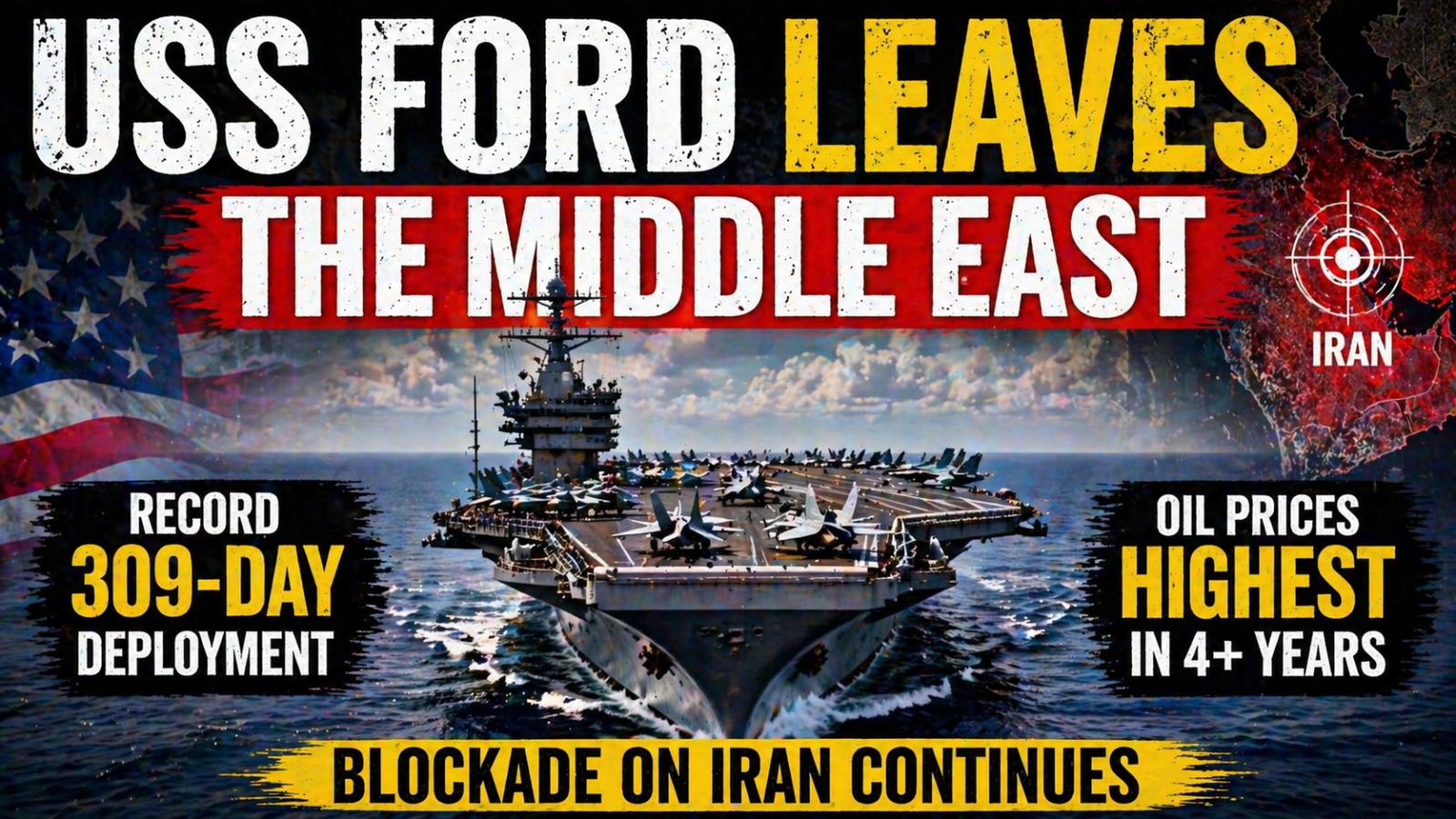
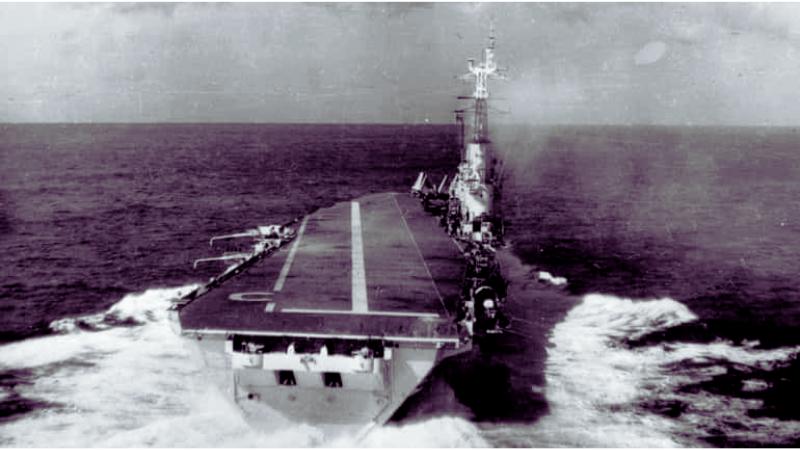
The USS Gerald R. Ford, the US Navy’s newest aircraft carrier, is preparing to leave the Middle East after completing a record 309-day deployment, marking the longest continuous mission for a modern American carrier. The vessel is expected to return to its home port at Naval Station Norfolk, Virginia, around mid-May, concluding an extended operational period that has drawn attention from lawmakers and defense officials.
The decision to bring the USS Ford back follows a demanding d
The USS Gerald R. Ford, the US Navy’s newest aircraft carrier, is preparing to leave the Middle East after completing a record 309-day deployment, marking the longest continuous mission for a modern American carrier. The vessel is expected to return to its home port at Naval Station Norfolk, Virginia, around mid-May, concluding an extended operational period that has drawn attention from lawmakers and defense officials.
The decision to bring the USS Ford back follows a demanding d
Seizure of Majestic X in Indian Ocean amid rising tensions
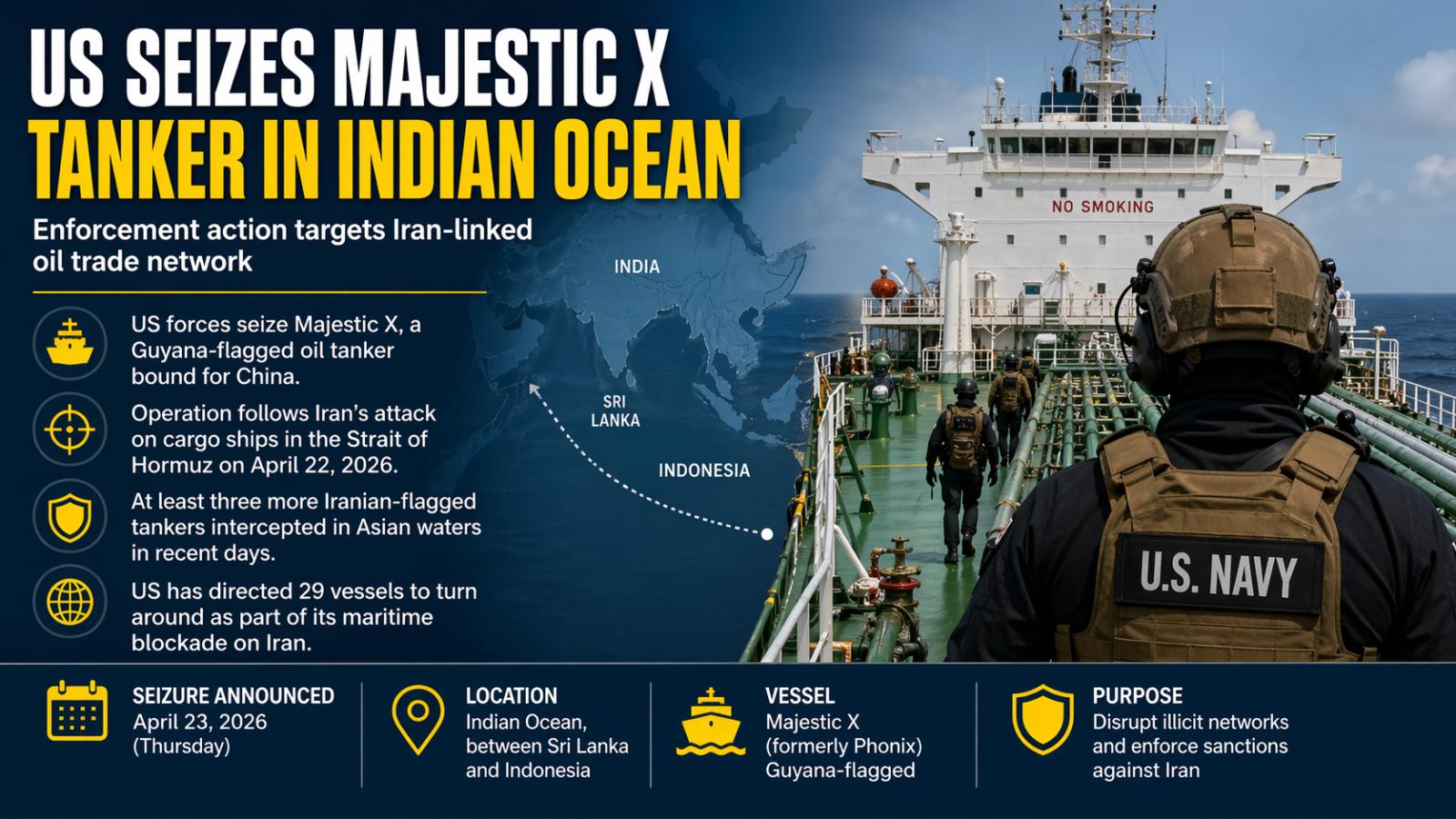
The U.S. Department of Defense announced on Thursday, April 23, 2026, that it seized the oil tanker Majestic X in the Indian Ocean while it was en route to Zhoushan, China. Officials said the operation is part of ongoing maritime enforcement aimed at disrupting networks linked to Iranian oil exports in violation of U.S. sanctions.
The Pentagon released video footage showing U.S. troops boarding a
Seizure of Majestic X in Indian Ocean amid rising tensions
The U.S. Department of Defense announced on Thursday, April 23, 2026, that it seized the oil tanker Majestic X in the Indian Ocean while it was en route to Zhoushan, China. Officials said the operation is part of ongoing maritime enforcement aimed at disrupting networks linked to Iranian oil exports in violation of U.S. sanctions.
The Pentagon released video footage showing U.S. troops boarding a
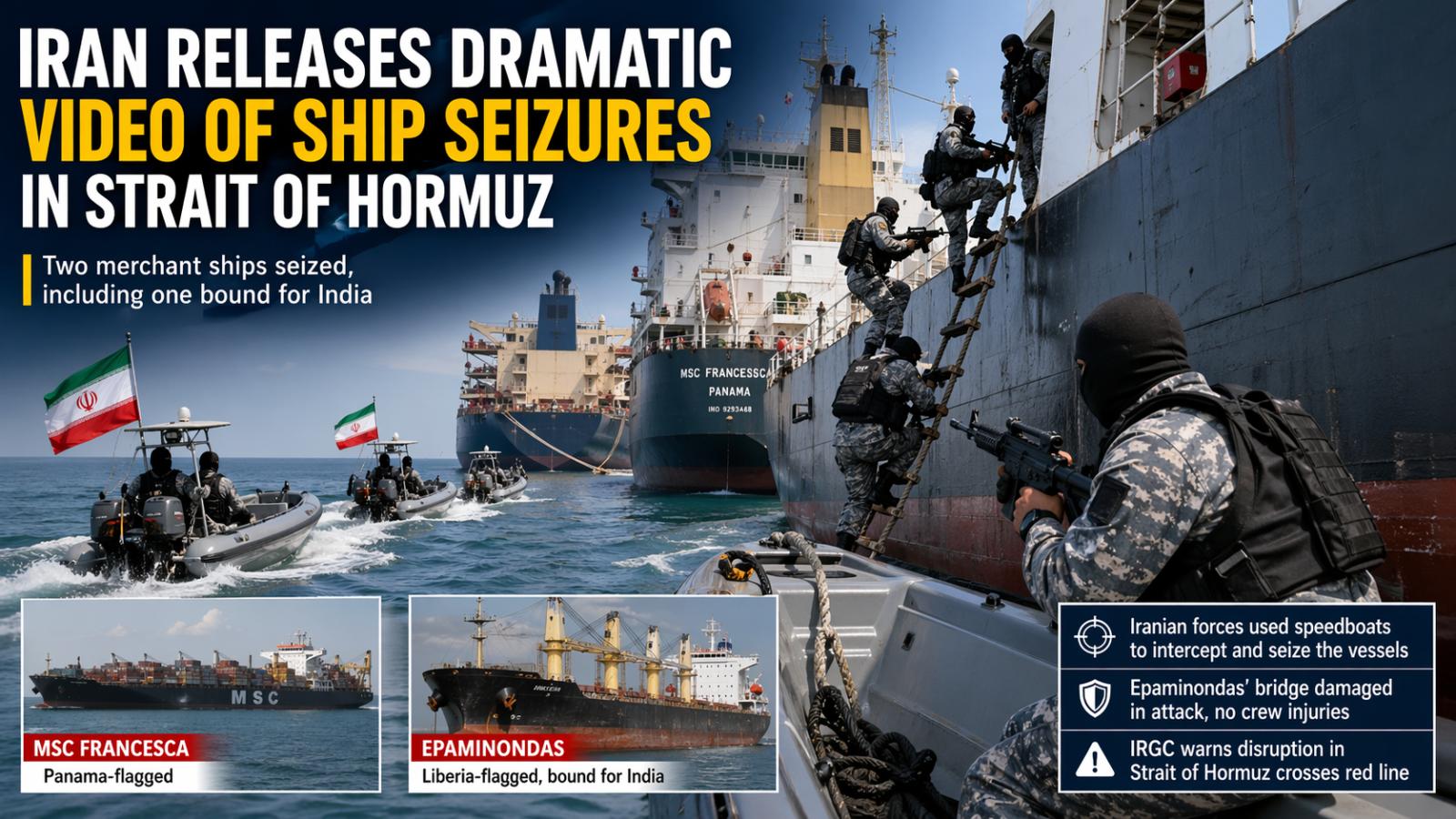
Iran released footage of naval forces seizing two merchant ships in the Strait of Hormuz, including an India-bound vessel, intensifying regional tensions and raising global shipping concerns.
Iranian authorities released a dramatic video on Thursday, April 23, 2026, a day after naval forces seized two merchant vessels in the strategically critical Strait of Hormuz, including one ship bound for India. The footage shows masked commandos in speedboats pursuing the vessels, boarding them, and taking control in an operation that underscores escalating tensions in the region.
The seizures occurred on Wednesday, April 22, 2026, shortly after U.S. President Donald Trump announced an extension of a ceasefire. Iranian naval units intercepted the Panama-flagged MSC Francesca and the Liberia-flagged Epaminondas, the latter traveling from Dubai to Mundra Port in Gujarat, India. Both ships were escorted to Iranian waters, marking Tehran’s first such action since the latest conflict began.
The released footage shows fast-moving boats approaching the vessels, with armed personnel boarding and conducting searches. U.S. officials attributed the operation to Iran’s “mosquito fleet,” small, agile craft associated with the Islamic Revolutionary Guard Corps. Commandos are seen climbing ladders, sweeping through decks, and entering critical areas such as engine rooms to secure control.
The Epaminondas sustained damage to its bridge after Iranian forces reportedly opened fire and used grenades during the boarding. Despite the intensity of the operation, no crew injuries were reported. The MSC Francesca, located about six miles off Iran’s coast, also came under heavy fire during the seizure.
Iranian officials stated the vessels lacked proper authorization and had interfered with navigation systems, posing a threat to maritime safety in the Strait of Hormuz. Authorities warned that disruptions in the waterway would be treated as a serious violation.The incident follows a recent U.S. operation targeting an Iranian-linked vessel accused of breaching a maritime blockade. Analysts view the seizures as a potential retaliatory move, raising concerns about further escalation in one of the world’s most vital shipping corridors. The involvement of an India-bound vessel may also complicate diplomatic relations between Tehran and New Delhi as tensions continue to rise.
Iran released footage of naval forces seizing two merchant ships in the Strait of Hormuz, including an India-bound vessel, intensifying regional tensions and raising global shipping concerns.
Iranian authorities released a dramatic video on Thursday, April 23, 2026, a day after naval forces seized two merchant vessels in the strategically critical Strait of Hormuz, including one ship bound for India. The footage shows masked commandos in speedboats pursuing the vessels, boarding them, and taking control in an operation that underscores escalating tensions in the region.
The seizures occurred on Wednesday, April 22, 2026, shortly after U.S. President Donald Trump announced an extension of a ceasefire. Iranian naval units intercepted the Panama-flagged MSC Francesca and the Liberia-flagged Epaminondas, the latter traveling from Dubai to Mundra Port in Gujarat, India. Both ships were escorted to Iranian waters, marking Tehran’s first such action since the latest conflict began.
The released footage shows fast-moving boats approaching the vessels, with armed personnel boarding and conducting searches. U.S. officials attributed the operation to Iran’s “mosquito fleet,” small, agile craft associated with the Islamic Revolutionary Guard Corps. Commandos are seen climbing ladders, sweeping through decks, and entering critical areas such as engine rooms to secure control.
The Epaminondas sustained damage to its bridge after Iranian forces reportedly opened fire and used grenades during the boarding. Despite the intensity of the operation, no crew injuries were reported. The MSC Francesca, located about six miles off Iran’s coast, also came under heavy fire during the seizure.
Iranian officials stated the vessels lacked proper authorization and had interfered with navigation systems, posing a threat to maritime safety in the Strait of Hormuz. Authorities warned that disruptions in the waterway would be treated as a serious violation.The incident follows a recent U.S. operation targeting an Iranian-linked vessel accused of breaching a maritime blockade. Analysts view the seizures as a potential retaliatory move, raising concerns about further escalation in one of the world’s most vital shipping corridors. The involvement of an India-bound vessel may also complicate diplomatic relations between Tehran and New Delhi as tensions continue to rise.
During the Indo-Pakistani War of 1971, India’s naval strategy played a significant role in shaping the outcome of the conflict. While much of the attention remained on ground operations, a strong Indian naval presence in the Bay of Bengal effectively restricted maritime movement and added pressure on Pakistani forces in East Pakistan (now
During the Indo-Pakistani War of 1971, India’s naval strategy played a significant role in shaping the outcome of the conflict. While much of the attention remained on ground operations, a strong Indian naval presence in the Bay of Bengal effectively restricted maritime movement and added pressure on Pakistani forces in East Pakistan (now
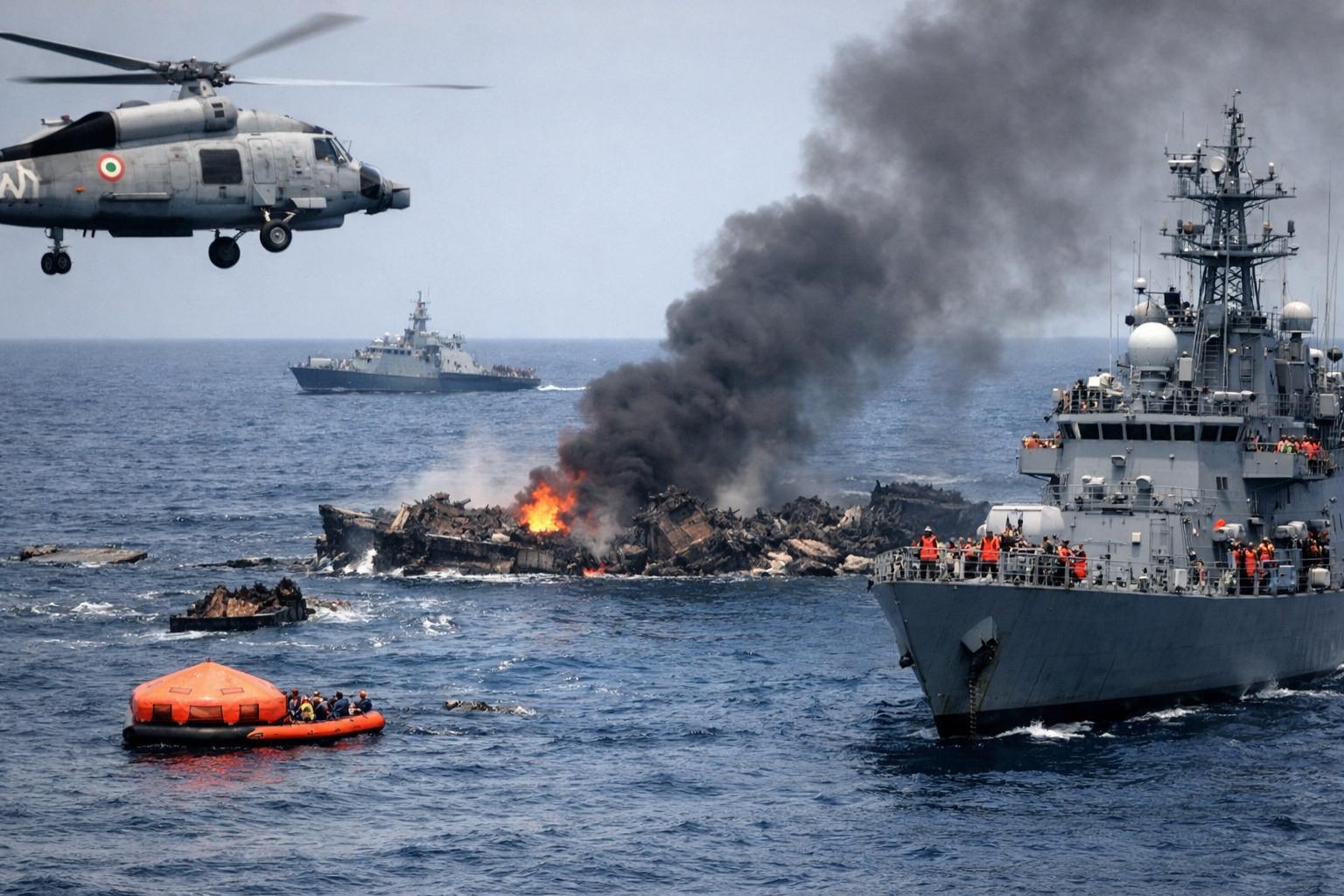
The Indian Navy launched a coordinated search and rescue operation in the Indian Ocean after the Iranian frigate IRIS Dena sank near Sri Lanka earlier this week. The incident triggered a rapid maritime rescue response involving Indian naval aircraft and ships, working alongside Sri Lankan authorities to locate survivors and support ongoing recovery efforts.
According to naval officials, the Maritime Rescue Coordination Centre in Colombo received a distress signal from the Iranian warship early on March 4. At the time, the vessel was operating roughly 20 nautical miles west of the coastal city of Galle, within Sri Lanka’s designated search and rescue zone. Sri Lankan naval units initiated rescue operations immediately after receiving the alert.
The Indian Navy soon joined the operation by deploying a long-range maritime patrol aircraft at around 1000 hours to assist Sri Lanka’s ongoing search effort. Another aircraft equipped with air-droppable life rafts was kept on standby to provide additional support if required. The Indian naval ship INS Tarangini, which was already operating in nearby waters, was redirected to the incident location and reached the search area by approximately 1600 hours on the same day.
To further strengthen the maritime rescue mission, INS Ikshak sailed from Kochi and continues to remain in the region to assist in the humanitarian effort. Naval authorities described the deployment as a measure aimed at aiding shipwrecked personnel and supporting regional cooperation in emergency response operations. Coordination between the Indian Navy and Sri Lankan authorities remains ongoing as search operations continue in the surrounding waters.
Meanwhile, the United States confirmed that the sinking of the Iranian frigate resulted from a military strike. US Secretary of Defense Pete Hegseth stated that the operation was conducted under direct orders from President Donald Trump and described it as a decisive action carried out as part of a joint effort with Israel.
The Iranian warship had reportedly been returning from a naval exercise in Visakhapatnam, India, when it was struck in the Indian Ocean, nearly 2,000 nautical miles from Iranian territory. Initial reports indicate that approximately 87 sailors were killed in the incident, while Sri Lankan rescue teams managed to save 32 survivors. Several crew members remain missing and are feared dead as search and recovery operations continue across the maritime zone.
The Indian Navy launched a coordinated search and rescue operation in the Indian Ocean after the Iranian frigate IRIS Dena sank near Sri Lanka earlier this week. The incident triggered a rapid maritime rescue response involving Indian naval aircraft and ships, working alongside Sri Lankan authorities to locate survivors and support ongoing recovery efforts.
According to naval officials, the Maritime Rescue Coordination Centre in Colombo received a distress signal from the Iranian warship early on March 4. At the time, the vessel was operating roughly 20 nautical miles west of the coastal city of Galle, within Sri Lanka’s designated search and rescue zone. Sri Lankan naval units initiated rescue operations immediately after receiving the alert.
The Indian Navy soon joined the operation by deploying a long-range maritime patrol aircraft at around 1000 hours to assist Sri Lanka’s ongoing search effort. Another aircraft equipped with air-droppable life rafts was kept on standby to provide additional support if required. The Indian naval ship INS Tarangini, which was already operating in nearby waters, was redirected to the incident location and reached the search area by approximately 1600 hours on the same day.
To further strengthen the maritime rescue mission, INS Ikshak sailed from Kochi and continues to remain in the region to assist in the humanitarian effort. Naval authorities described the deployment as a measure aimed at aiding shipwrecked personnel and supporting regional cooperation in emergency response operations. Coordination between the Indian Navy and Sri Lankan authorities remains ongoing as search operations continue in the surrounding waters.
Meanwhile, the United States confirmed that the sinking of the Iranian frigate resulted from a military strike. US Secretary of Defense Pete Hegseth stated that the operation was conducted under direct orders from President Donald Trump and described it as a decisive action carried out as part of a joint effort with Israel.
The Iranian warship had reportedly been returning from a naval exercise in Visakhapatnam, India, when it was struck in the Indian Ocean, nearly 2,000 nautical miles from Iranian territory. Initial reports indicate that approximately 87 sailors were killed in the incident, while Sri Lankan rescue teams managed to save 32 survivors. Several crew members remain missing and are feared dead as search and recovery operations continue across the maritime zone.
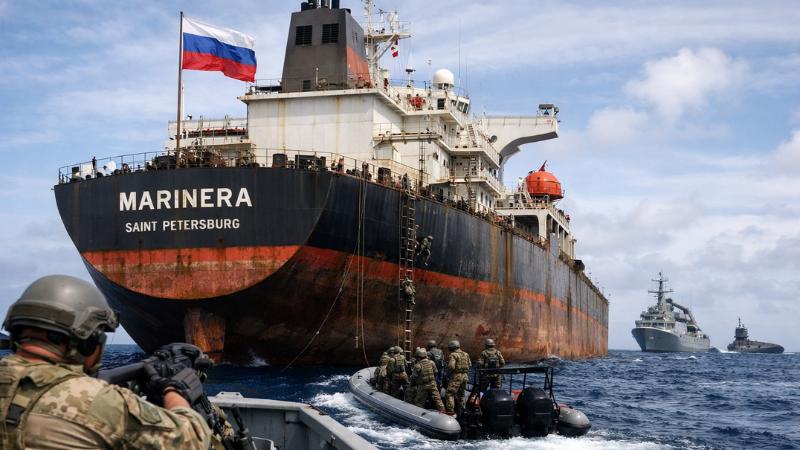
The United States has seized a Russia-flagged oil tanker in the North Atlantic, escalating enforcement of American sanctions and drawing attention to an unusual maritime confrontation involving Russian military assets. The vessel, originally known as Bella-1, was taken into custody on Wednesday following a coordinated operation by US civilian and military authorities acting under a federal court warrant.
According to official statements, the seizure was carried out after the tanker
The United States has seized a Russia-flagged oil tanker in the North Atlantic, escalating enforcement of American sanctions and drawing attention to an unusual maritime confrontation involving Russian military assets. The vessel, originally known as Bella-1, was taken into custody on Wednesday following a coordinated operation by US civilian and military authorities acting under a federal court warrant.
According to official statements, the seizure was carried out after the tanker