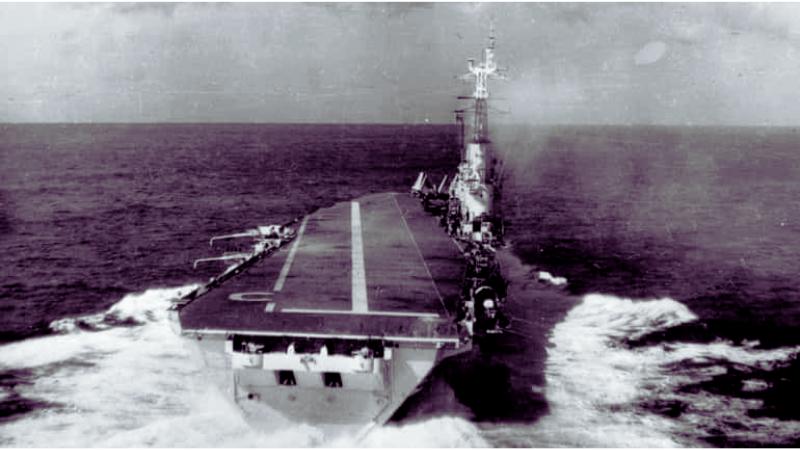
During the Indo-Pakistani War of 1971, India’s naval strategy played a significant role in shaping the outcome of the conflict. While much of the attention remained on ground operations, a strong Indian naval presence in the Bay of Bengal effectively restricted maritime movement and added pressure on Pakistani forces in East Pakistan (now Bangladesh).
The operation limited Pakistan’s ability to maintain supply lines between its eastern and western regions. Given the geographical separation, East Pakistan relied heavily on sea routes for reinforcements and logistics. Indian naval deployments disrupted these links, making it increasingly difficult to sustain military operations.
Although not formally declared as a blockade, India’s actions significantly curtailed maritime access. The presence of Indian naval forces discouraged shipping activity and reduced the flow of essential supplies such as fuel, equipment, and reinforcements, contributing to the growing isolation of Pakistani forces.
At the centre of these operations was INS Vikrant, which led missions in the eastern theatre. Aircraft launched from the carrier carried out strikes on key ports, including Chittagong and Cox's Bazar, targeting infrastructure and further disrupting logistics.
With limited support arriving by sea and increasing pressure on land, Pakistani forces in East Pakistan became progressively isolated. By mid-December 1971, they were surrounded, and on December 16, 1971, Pakistan surrendered—marking a decisive moment in the conflict. While multiple factors contributed to the outcome, India’s naval operations played an important supporting role in tightening the strategic situation.