




















#northindiaweather
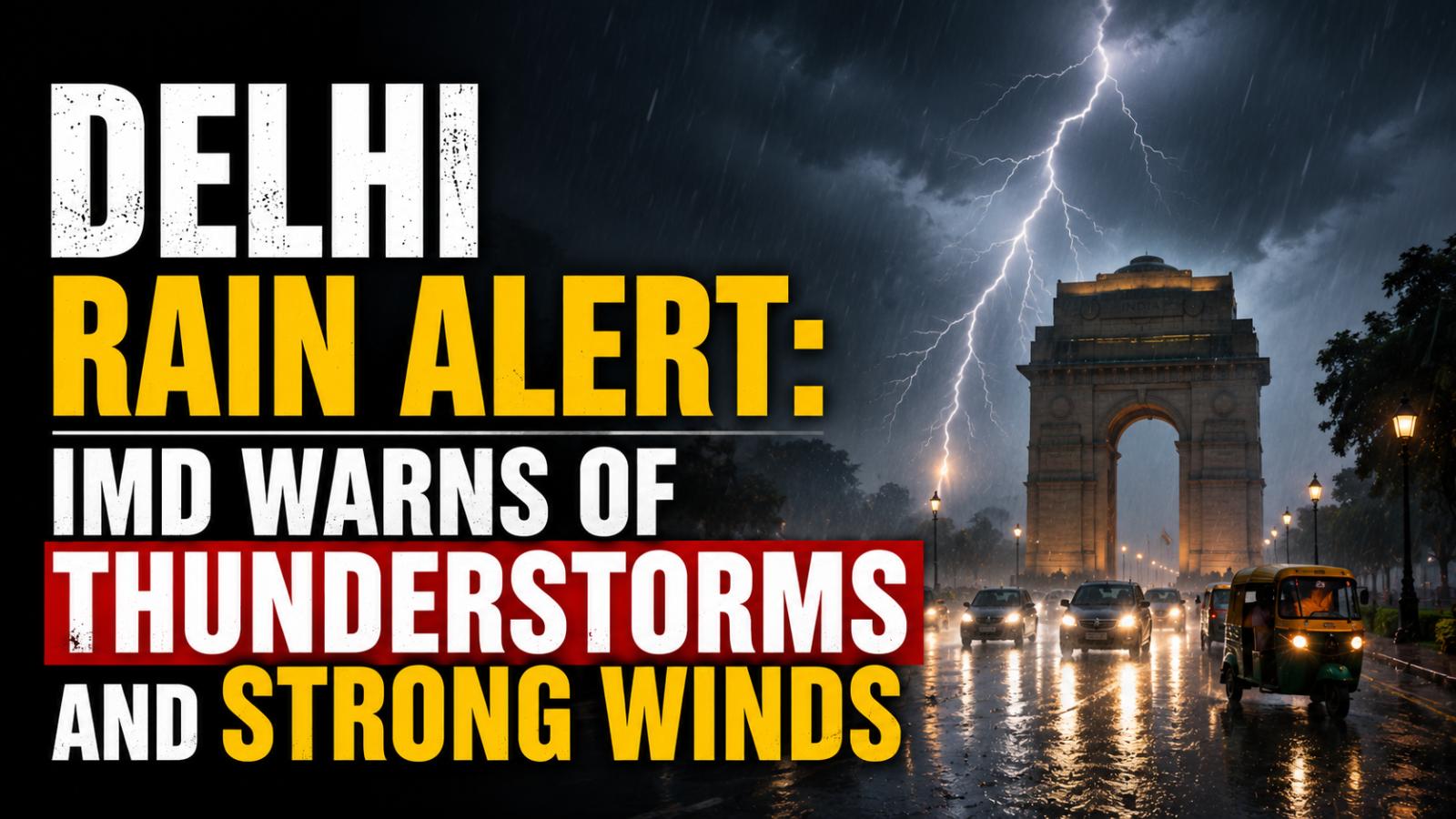
Delhi rain alert: IMD warns of thunderstorms and strong winds
Delhi remained under a severe weather warning on June 12, 2026, after heavy rain lashed several parts of the national capital late Wednesday night. The India Meteorological Department warned that Delhi could witness thunderstorms, lightning, light to moderate rain and strong gusty winds as unstable weather conditions continued across northwest India. The weather department said strong thunderstorms may bring wind speeds of 70 to 90 kmph in
Delhi rain alert: IMD warns of thunderstorms and strong winds
Delhi remained under a severe weather warning on June 12, 2026, after heavy rain lashed several parts of the national capital late Wednesday night. The India Meteorological Department warned that Delhi could witness thunderstorms, lightning, light to moderate rain and strong gusty winds as unstable weather conditions continued across northwest India. The weather department said strong thunderstorms may bring wind speeds of 70 to 90 kmph in
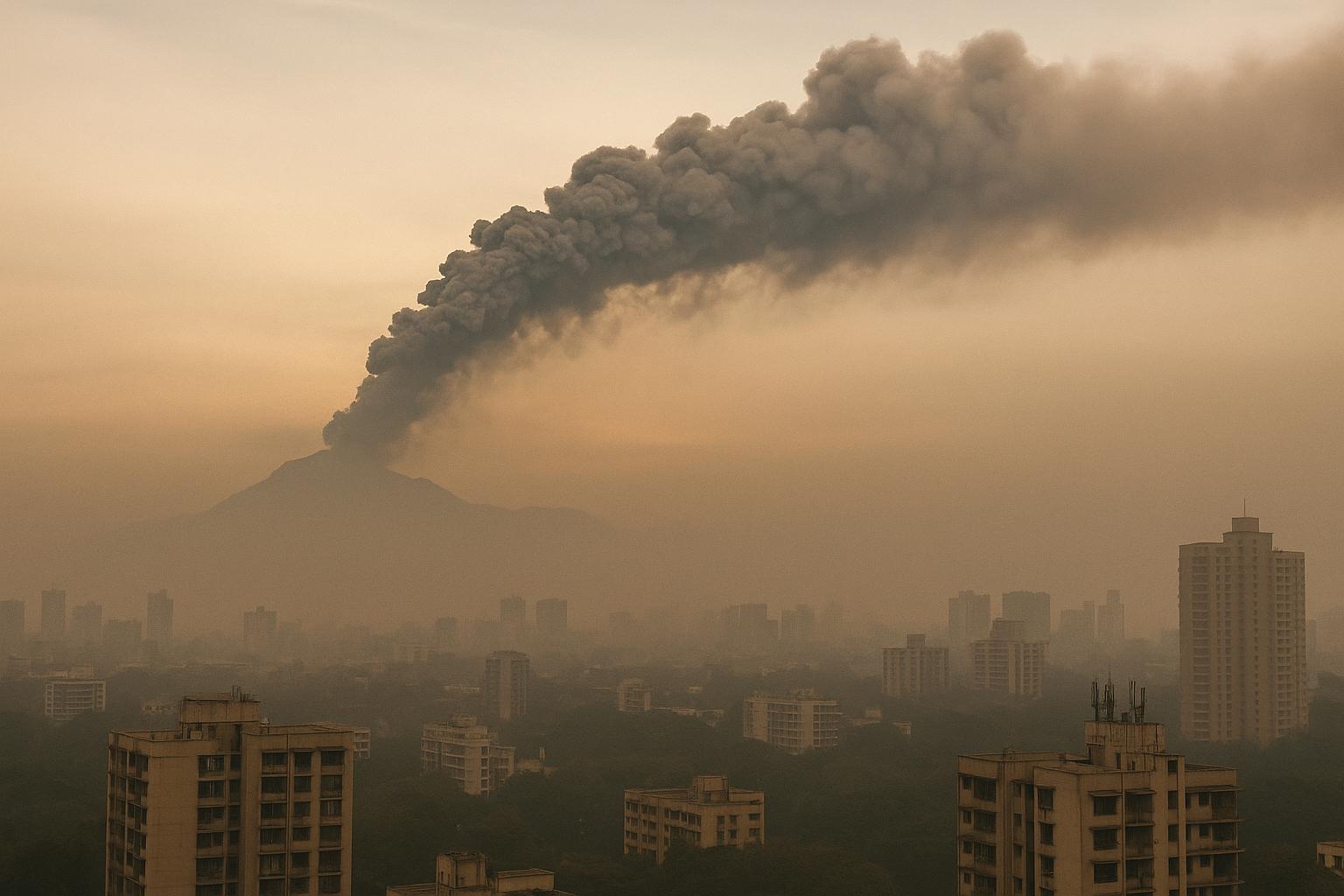
Ethiopian volcanic plume moves across Delhi-NCR; flyers warned of disruptions
A sulphur dioxide–laden ash plume originating from Ethiopia’s Hayli Gubbi volcano has drifted across parts of north India, raising concerns about potential effects on regional air quality and aviation movement. According to meteorological observers tracking the plume from the Afar Rift region, the cloud has moved over Delhi-NCR, Haryana and portions of Uttar Pradesh, carried eastward by upper-level wind patterns. While the ash concentration remains low at the surface, satellite readings i
Ethiopian volcanic plume moves across Delhi-NCR; flyers warned of disruptions
A sulphur dioxide–laden ash plume originating from Ethiopia’s Hayli Gubbi volcano has drifted across parts of north India, raising concerns about potential effects on regional air quality and aviation movement. According to meteorological observers tracking the plume from the Afar Rift region, the cloud has moved over Delhi-NCR, Haryana and portions of Uttar Pradesh, carried eastward by upper-level wind patterns. While the ash concentration remains low at the surface, satellite readings i


