#nri-guide
What Happens After a Domestic Violence Arrest in the US?
A domestic violence arrest in the US begins a legal process that may include booking, bail decisions, prosecutor review, court appearances, and possible protective orders. While procedures vary by state, understanding the process helps individuals know what to expect after an arrest. What Happens Immediately Afte
What Happens After a Domestic Violence Arrest in the US?
A domestic violence arrest in the US begins a legal process that may include booking, bail decisions, prosecutor review, court appearances, and possible protective orders. While procedures vary by state, understanding the process helps individuals know what to expect after an arrest. What Happens Immediately Afte
What Should You Do If Police Arrive During a Domestic Dispute?
If police arrive during a domestic dispute in the US, officers first focus on everyone's safety before determining what happened. Understanding the investigation process, your legal rights, and how to respond calmly can help prevent unnecessary complications. Domestic disturbance calls are treated as a high priority because officers often have limited information before arriving. Their first responsibility is to determine whether anyone is injured, in immediate dang
What Should You Do If Police Arrive During a Domestic Dispute?
If police arrive during a domestic dispute in the US, officers first focus on everyone's safety before determining what happened. Understanding the investigation process, your legal rights, and how to respond calmly can help prevent unnecessary complications. Domestic disturbance calls are treated as a high priority because officers often have limited information before arriving. Their first responsibility is to determine whether anyone is injured, in immediate dang
Can Your Neighbor Call 911 During a Family Argument in the US?
Can your neighbor call 911 during a family argument in the US? Yes, if someone reasonably believes a person may be in danger, they can request emergency assistance. Police then assess the situation, check everyone's safety, and determine whether further investigation is needed. Yes. In the United States, anyone who reasonably believes another person may be in immediate danger can call 911. The caller does not have to be a family member or directly involved in the incident. Neighbors, friends, visitors, or passersby may report situations they believe require emergency assistance. Calling 911 does not automatically mean a crime has occurred. It simply alerts emergency services so they can assess the situation. When Should Someone Call? Emergency operators encourage people to call when they believe there is an immediate threat to life, safety, or property. Loud shouting, repeated cries for help, sounds suggesting physical violence, or other signs of possible danger may lead a neighbor to contact emergency services. If the situation is not an emergency, many communities also provide non-emergency police numbers for reporting less urgent concerns. What Happens After the Call? What happens if 911 is called during a domestic argument in the US? Once a 911 call is received, a dispatcher gathers information about the location and nature of the incident before sending police officers or other emergency responders if necessary. Can police arrest someone without the victim pressing charges? When officers arrive, they focus on ensuring everyone's safety. They may separate those involved, speak with witnesses, check for injuries, document observations, and determine whether further investigation is required. Can a Neighbor Get Into Trouble for Calling? People who make emergency reports in good faith because they genuinely believe someone may be at risk are generally protected from liability under many state laws. However, knowingly making a false emergency report can result in criminal penalties, and the exact laws vary by state. This distinction encourages people to report genuine safety concerns while discouraging misuse of emergency services. Why Apartment Communities See More Calls Apartment buildings place neighbors in close proximity, making it easier to hear loud arguments or disturbances. Property managers often encourage residents to prioritize safety by contacting emergency services rather than personally intervening in situations that could become dangerous. What should you do if police arrive during a domestic dispute? Neighbors play an important role in public safety by reporting situations that appear to involve an immediate risk. While not every emergency call leads to criminal charges, a timely 911 report allows trained responders to assess the circumstances, provide assistance if needed, and determine whether any further legal action is appropriate under applicable state law. Domestic violence laws in Texas
Can Your Neighbor Call 911 During a Family Argument in the US?
Can your neighbor call 911 during a family argument in the US? Yes, if someone reasonably believes a person may be in danger, they can request emergency assistance. Police then assess the situation, check everyone's safety, and determine whether further investigation is needed. Yes. In the United States, anyone who reasonably believes another person may be in immediate danger can call 911. The caller does not have to be a family member or directly involved in the incident. Neighbors, friends, visitors, or passersby may report situations they believe require emergency assistance. Calling 911 does not automatically mean a crime has occurred. It simply alerts emergency services so they can assess the situation. When Should Someone Call? Emergency operators encourage people to call when they believe there is an immediate threat to life, safety, or property. Loud shouting, repeated cries for help, sounds suggesting physical violence, or other signs of possible danger may lead a neighbor to contact emergency services. If the situation is not an emergency, many communities also provide non-emergency police numbers for reporting less urgent concerns. What Happens After the Call? What happens if 911 is called during a domestic argument in the US? Once a 911 call is received, a dispatcher gathers information about the location and nature of the incident before sending police officers or other emergency responders if necessary. Can police arrest someone without the victim pressing charges? When officers arrive, they focus on ensuring everyone's safety. They may separate those involved, speak with witnesses, check for injuries, document observations, and determine whether further investigation is required. Can a Neighbor Get Into Trouble for Calling? People who make emergency reports in good faith because they genuinely believe someone may be at risk are generally protected from liability under many state laws. However, knowingly making a false emergency report can result in criminal penalties, and the exact laws vary by state. This distinction encourages people to report genuine safety concerns while discouraging misuse of emergency services. Why Apartment Communities See More Calls Apartment buildings place neighbors in close proximity, making it easier to hear loud arguments or disturbances. Property managers often encourage residents to prioritize safety by contacting emergency services rather than personally intervening in situations that could become dangerous. What should you do if police arrive during a domestic dispute? Neighbors play an important role in public safety by reporting situations that appear to involve an immediate risk. While not every emergency call leads to criminal charges, a timely 911 report allows trained responders to assess the circumstances, provide assistance if needed, and determine whether any further legal action is appropriate under applicable state law. Domestic violence laws in Texas
Indian Student Grocery Packing Guide for Dallas
For Indian students traveling to Dallas for the first time, grocery packing can be confusing. Many students wonder whether they should carry rice, dal, atta, masalas, snacks, ready-to-eat packets or other food items from India. The simple answer is this: carry only a small grocery starter kit for the first one or two weeks. Dallas has a large Indian community and good Indian grocery availability, so students do not need to fill their luggage with food. For most students, grocery packing should be about first-week comfort, not long-term storage. How Much Grocery Should Indian Students Carry to Dallas? For most Indian students, 3 kg to 4 kg of groceries is enough. Even if a student has around 44 kg to 46 kg of check-in luggage, groceries should take only a small part of that space. The remaining luggage is more useful for clothes, winter wear, documents, medicines, laptop items, shoes and student essentials. A practical grocery weight plan looks like this: Spices and masalas: 500g to 700g Ready-to-eat food: 1 kg to 1.5 kg Instant mixes: 500g to 800g Snacks and biscuits: 500g to 800g Tea, coffee or small pickle: 300g to 500g Total ideal grocery weight: 2.5 kg to 3.5 kg Maximum suggested grocery weight: 4 kg Why Carry Groceries From India? Indian students should carry groceries mainly for convenience during the first few days after landing. After reaching Dallas, students may be busy with airport travel, housing setup, university formalities, SIM card, bank account work and transportation. During this time, a few ready-to-eat packets, instant mixes and familiar snacks can be helpful. Some students may also prefer carrying their favorite regional masalas, chutney powder, sambar powder, rasam powder or tea brand because the exact taste may not be immediately available near their apartment. However, students should not treat groceries as the main part of their luggage. Best Grocery Items to Carry From India Students should carry only sealed, branded and commercially packed food items. Good options include: Ready-to-eat vegetarian packets Carry 4 to 6 packets. These are useful during the first few days when cooking may not be possible. Instant breakfast mixes Carry 2 to 3 packets of poha, upma, idli mix, dosa mix or similar items. Small masala packets Carry limited quantities of turmeric powder, chilli powder, garam masala, sambar powder, rasam powder or biryani masala. Regional taste items Students can carry chutney powder, special spice mix or a favorite regional masala if it is properly sealed and labelled. Tea or coffee Carry one small pack if you prefer a specific Indian brand. Snacks Carry 3 to 5 small packets of biscuits, namkeen, khakhra, chikki or dry snacks for travel and the first week. Pickle Carry only one small sealed branded bottle if needed. Pack it carefully in check-in baggage to avoid leakage. What Not to Carry From India: Buy These in Dallas Instead Indian students traveling to Dallas should avoid carrying heavy daily groceries such as rice, dal, atta, oil, ghee, sugar and salt. These items are easily available in Indian grocery stores across the Dallas-Fort Worth area and can be bought after arrival. Carrying these items from India usually does not help much because they take up luggage space, add weight quickly and are not difficult to find in Dallas. A student’s check-in baggage is better used for clothes, winter wear, documents, medicines, personal items and first-week essentials. Students should also avoid carrying fresh fruits, fresh vegetables, curry leaves, coriander leaves, mint leaves, seeds, plants, soil, homemade pickles, homemade chutneys, meat products, egg-based food items and loose masala powders without original labels. These items may create problems during U.S. customs inspection. For regular cooking after arrival, students can buy rice, dal, atta, oil, ghee, vegetables, paneer, frozen chapati, dosa batter, snacks and larger masala packs from local Indian grocery stores in Dallas. The best approach is simple: carry only 3 kg to 4 kg of sealed, dry, branded food items from India and buy heavy regular groceries after reaching Dallas. Should Groceries Go in Check-In or Cabin Baggage? Students should keep almost all groceries in check-in baggage. Check-in baggage is better for: Masala powders Sambar powder Rasam powder Chutney powder Ready-to-eat packets Instant mixes Pickle bottles Tea or coffee Snacks in larger quantities Cabin baggage should carry only small travel snacks such as biscuits, dry fruits, chocolate, protein bars or one small namkeen packet. Avoid keeping pickle, chutney, liquid food, large masala packets or too many powders in cabin baggage. This can create extra security checking during travel. How to Pack Groceries Safely Students should keep grocery packing simple and clean. Use original sealed packets. Do not open and repack masalas into plain covers. Keep all food items together in one transparent plastic bag or pouch inside checked baggage. Double-wrap pickle or liquid-based items. Avoid glass bottles if possible. Keep food away from clothes. Do not carry anything that smells strongly or leaks easily. Keep total grocery weight below 4 kg. U.S. Customs Rule: Declare Food Items Students should declare all food items when entering the United States. If asked at the airport, students can clearly say: “I have sealed Indian dry spices, vegetarian ready-to-eat packets, tea and snacks. I am not carrying fresh fruits, vegetables, meat, seeds or plants.” Declaring food is safer than hiding it. If an officer decides that an item is not allowed, it may be removed, but proper declaration helps avoid bigger problems. What to Buy After Reaching Dallas After arrival, students can buy regular cooking items locally. See our guide to Indian grocery stores in Dallas-Fort Worth for nearby stores, timings and shopping options. After reaching Dallas, students can buy regular Indian groceries locally instead of carrying heavy items from India. Indian grocery stores in the Dallas-Fort Worth area usually sell daily cooking items, Indian snacks, masalas, frozen foods, fresh vegetables and other student-friendly groceries. After arrival, students can use local Indian grocery stores for regular purchases. For store options, read our guide to Indian grocery stores in Dallas-Fort Worth. Final Grocery Packing Checklist Carry from India: 4 to 6 ready-to-eat vegetarian packets 2 to 3 instant breakfast mixes Small masala packets Sambar powder or rasam powder Chutney powder or regional spice mix Tea or coffee A few snacks One small sealed pickle bottle, optional Keep grocery weight around 3 kg to 4 kg maximum. Final Advice for Indian Students Students planning their complete luggage can also read our full India to Dallas student packing checklist for documents, clothes, toiletries, medicines, cabin bag items and first-week essentials For Indian students traveling to Dallas, groceries should be a small comfort kit, not a major part of luggage. The smartest plan is to carry a few sealed food items for the first week and buy regular groceries after reaching Dallas. This keeps luggage lighter, reduces customs risk and gives students more space for important items. Students planning their complete luggage can also read our full India to Dallas student packing checklist.
Indian Student Grocery Packing Guide for Dallas
For Indian students traveling to Dallas for the first time, grocery packing can be confusing. Many students wonder whether they should carry rice, dal, atta, masalas, snacks, ready-to-eat packets or other food items from India. The simple answer is this: carry only a small grocery starter kit for the first one or two weeks. Dallas has a large Indian community and good Indian grocery availability, so students do not need to fill their luggage with food. For most students, grocery packing should be about first-week comfort, not long-term storage. How Much Grocery Should Indian Students Carry to Dallas? For most Indian students, 3 kg to 4 kg of groceries is enough. Even if a student has around 44 kg to 46 kg of check-in luggage, groceries should take only a small part of that space. The remaining luggage is more useful for clothes, winter wear, documents, medicines, laptop items, shoes and student essentials. A practical grocery weight plan looks like this: Spices and masalas: 500g to 700g Ready-to-eat food: 1 kg to 1.5 kg Instant mixes: 500g to 800g Snacks and biscuits: 500g to 800g Tea, coffee or small pickle: 300g to 500g Total ideal grocery weight: 2.5 kg to 3.5 kg Maximum suggested grocery weight: 4 kg Why Carry Groceries From India? Indian students should carry groceries mainly for convenience during the first few days after landing. After reaching Dallas, students may be busy with airport travel, housing setup, university formalities, SIM card, bank account work and transportation. During this time, a few ready-to-eat packets, instant mixes and familiar snacks can be helpful. Some students may also prefer carrying their favorite regional masalas, chutney powder, sambar powder, rasam powder or tea brand because the exact taste may not be immediately available near their apartment. However, students should not treat groceries as the main part of their luggage. Best Grocery Items to Carry From India Students should carry only sealed, branded and commercially packed food items. Good options include: Ready-to-eat vegetarian packets Carry 4 to 6 packets. These are useful during the first few days when cooking may not be possible. Instant breakfast mixes Carry 2 to 3 packets of poha, upma, idli mix, dosa mix or similar items. Small masala packets Carry limited quantities of turmeric powder, chilli powder, garam masala, sambar powder, rasam powder or biryani masala. Regional taste items Students can carry chutney powder, special spice mix or a favorite regional masala if it is properly sealed and labelled. Tea or coffee Carry one small pack if you prefer a specific Indian brand. Snacks Carry 3 to 5 small packets of biscuits, namkeen, khakhra, chikki or dry snacks for travel and the first week. Pickle Carry only one small sealed branded bottle if needed. Pack it carefully in check-in baggage to avoid leakage. What Not to Carry From India: Buy These in Dallas Instead Indian students traveling to Dallas should avoid carrying heavy daily groceries such as rice, dal, atta, oil, ghee, sugar and salt. These items are easily available in Indian grocery stores across the Dallas-Fort Worth area and can be bought after arrival. Carrying these items from India usually does not help much because they take up luggage space, add weight quickly and are not difficult to find in Dallas. A student’s check-in baggage is better used for clothes, winter wear, documents, medicines, personal items and first-week essentials. Students should also avoid carrying fresh fruits, fresh vegetables, curry leaves, coriander leaves, mint leaves, seeds, plants, soil, homemade pickles, homemade chutneys, meat products, egg-based food items and loose masala powders without original labels. These items may create problems during U.S. customs inspection. For regular cooking after arrival, students can buy rice, dal, atta, oil, ghee, vegetables, paneer, frozen chapati, dosa batter, snacks and larger masala packs from local Indian grocery stores in Dallas. The best approach is simple: carry only 3 kg to 4 kg of sealed, dry, branded food items from India and buy heavy regular groceries after reaching Dallas. Should Groceries Go in Check-In or Cabin Baggage? Students should keep almost all groceries in check-in baggage. Check-in baggage is better for: Masala powders Sambar powder Rasam powder Chutney powder Ready-to-eat packets Instant mixes Pickle bottles Tea or coffee Snacks in larger quantities Cabin baggage should carry only small travel snacks such as biscuits, dry fruits, chocolate, protein bars or one small namkeen packet. Avoid keeping pickle, chutney, liquid food, large masala packets or too many powders in cabin baggage. This can create extra security checking during travel. How to Pack Groceries Safely Students should keep grocery packing simple and clean. Use original sealed packets. Do not open and repack masalas into plain covers. Keep all food items together in one transparent plastic bag or pouch inside checked baggage. Double-wrap pickle or liquid-based items. Avoid glass bottles if possible. Keep food away from clothes. Do not carry anything that smells strongly or leaks easily. Keep total grocery weight below 4 kg. U.S. Customs Rule: Declare Food Items Students should declare all food items when entering the United States. If asked at the airport, students can clearly say: “I have sealed Indian dry spices, vegetarian ready-to-eat packets, tea and snacks. I am not carrying fresh fruits, vegetables, meat, seeds or plants.” Declaring food is safer than hiding it. If an officer decides that an item is not allowed, it may be removed, but proper declaration helps avoid bigger problems. What to Buy After Reaching Dallas After arrival, students can buy regular cooking items locally. See our guide to Indian grocery stores in Dallas-Fort Worth for nearby stores, timings and shopping options. After reaching Dallas, students can buy regular Indian groceries locally instead of carrying heavy items from India. Indian grocery stores in the Dallas-Fort Worth area usually sell daily cooking items, Indian snacks, masalas, frozen foods, fresh vegetables and other student-friendly groceries. After arrival, students can use local Indian grocery stores for regular purchases. For store options, read our guide to Indian grocery stores in Dallas-Fort Worth. Final Grocery Packing Checklist Carry from India: 4 to 6 ready-to-eat vegetarian packets 2 to 3 instant breakfast mixes Small masala packets Sambar powder or rasam powder Chutney powder or regional spice mix Tea or coffee A few snacks One small sealed pickle bottle, optional Keep grocery weight around 3 kg to 4 kg maximum. Final Advice for Indian Students Students planning their complete luggage can also read our full India to Dallas student packing checklist for documents, clothes, toiletries, medicines, cabin bag items and first-week essentials For Indian students traveling to Dallas, groceries should be a small comfort kit, not a major part of luggage. The smartest plan is to carry a few sealed food items for the first week and buy regular groceries after reaching Dallas. This keeps luggage lighter, reduces customs risk and gives students more space for important items. Students planning their complete luggage can also read our full India to Dallas student packing checklist.
What Legal Documents Do NRI Kids Need While Traveling?
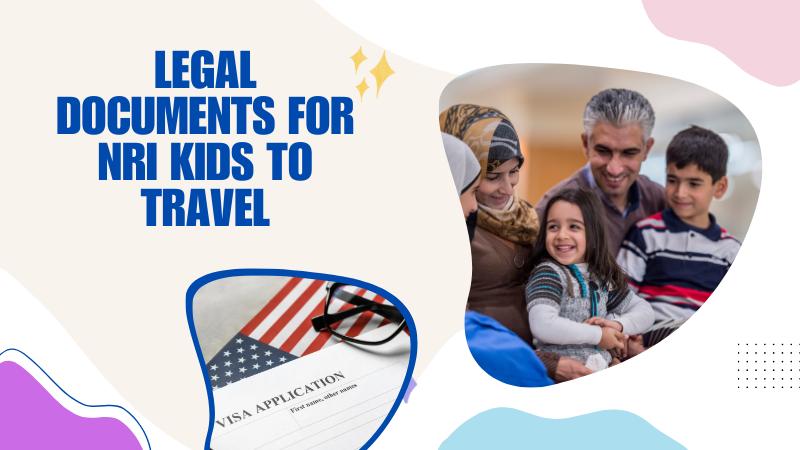
What Legal Documents Do NRI Kids Need While Traveling? Traveling internationally with children always requires extra care, and for Non-Resident Indian (NRI) families, the paperwork can be particularly complex. Whether your child is traveling with you, with a relative, or alone, having the correct legal documents in hand is crucial to avoid unnecessary issues during check-in, immigration, or customs. Here’s a breakdown of the key documents NRI kids need while traveli
What Legal Documents Do NRI Kids Need While Traveling?
What Legal Documents Do NRI Kids Need While Traveling? Traveling internationally with children always requires extra care, and for Non-Resident Indian (NRI) families, the paperwork can be particularly complex. Whether your child is traveling with you, with a relative, or alone, having the correct legal documents in hand is crucial to avoid unnecessary issues during check-in, immigration, or customs. Here’s a breakdown of the key documents NRI kids need while traveli
Yellow Fever and Other Rare Vaccines for NRI Travelers
For many NRI families, international travel is a regular part of life. Whether it’s visiting relatives in India, exploring new destinations, or moving between countries for work, travel brings both opportunities and responsibilities. One area that often raises questions is vaccination, especially when it comes to vaccines that are not part of the standard childhood immunization schedule. Yellow fever and a few other rare vaccines fall into this category, and understanding when they are
Yellow Fever and Other Rare Vaccines for NRI Travelers
For many NRI families, international travel is a regular part of life. Whether it’s visiting relatives in India, exploring new destinations, or moving between countries for work, travel brings both opportunities and responsibilities. One area that often raises questions is vaccination, especially when it comes to vaccines that are not part of the standard childhood immunization schedule. Yellow fever and a few other rare vaccines fall into this category, and understanding when they are
Is the BCG Vaccine Necessary for NRI Children Born Abroad?
When it comes to raising children abroad, NRI parents often face unique challenges regarding vaccinations. One of the most common questions is whether the BCG vaccine, which protects against tuberculosis (TB), is necessary for children born outside India. Understanding the importance of this vaccine and its relevance in different countries can help parents make informed decisions. The BCG (Bacille Calmette-Guérin) vaccine is routinely given to newborns in India and many other
Is the BCG Vaccine Necessary for NRI Children Born Abroad?
When it comes to raising children abroad, NRI parents often face unique challenges regarding vaccinations. One of the most common questions is whether the BCG vaccine, which protects against tuberculosis (TB), is necessary for children born outside India. Understanding the importance of this vaccine and its relevance in different countries can help parents make informed decisions. The BCG (Bacille Calmette-Guérin) vaccine is routinely given to newborns in India and many other
Complete Vaccination Checklist for Indian Kids Living Abroad
For Indian families living abroad, ensuring children receive the right vaccinations is one of the most important aspects of healthcare. While India has its own immunization schedule, moving to another country often means adapting to new guidelines and adding vaccines that may not be common back home. Having a complete vaccination checklist helps parents stay organized and ensures their child is protected no matter where they grow up. The foundation of any vaccination plan starts wit
Complete Vaccination Checklist for Indian Kids Living Abroad
For Indian families living abroad, ensuring children receive the right vaccinations is one of the most important aspects of healthcare. While India has its own immunization schedule, moving to another country often means adapting to new guidelines and adding vaccines that may not be common back home. Having a complete vaccination checklist helps parents stay organized and ensures their child is protected no matter where they grow up. The foundation of any vaccination plan starts wit
Essential Vaccines Every NRI Parent Should Know About
For NRI parents, ensuring their child’s health is a top priority, especially when living in a different country with new healthcare guidelines. Vaccinations play a crucial role in protecting children from preventable diseases, but the schedule and types of vaccines may vary depending on where you live. Understanding which vaccines are essential helps parents make informed decisions and ensures their children remain healthy, no matter where they are growing up. The first and mo
Essential Vaccines Every NRI Parent Should Know About
For NRI parents, ensuring their child’s health is a top priority, especially when living in a different country with new healthcare guidelines. Vaccinations play a crucial role in protecting children from preventable diseases, but the schedule and types of vaccines may vary depending on where you live. Understanding which vaccines are essential helps parents make informed decisions and ensures their children remain healthy, no matter where they are growing up. The first and mo
RBI Tightens Rules on Offshore Gifting by Indian Families to NRIs
In recent years, affluent Indian families have increasingly turned to offshore gifting as a means to support their children settled abroad, whether for education, property acquisitions, or participation in investor immigration programs like the U.S. EB-5 visa. While such familial financial support is common, the Reserve Bank of India (RBI) has intensified scrutiny over these transactions, particularly when they involve significant foreign investments and large remittances. T
RBI Tightens Rules on Offshore Gifting by Indian Families to NRIs
In recent years, affluent Indian families have increasingly turned to offshore gifting as a means to support their children settled abroad, whether for education, property acquisitions, or participation in investor immigration programs like the U.S. EB-5 visa. While such familial financial support is common, the Reserve Bank of India (RBI) has intensified scrutiny over these transactions, particularly when they involve significant foreign investments and large remittances. T