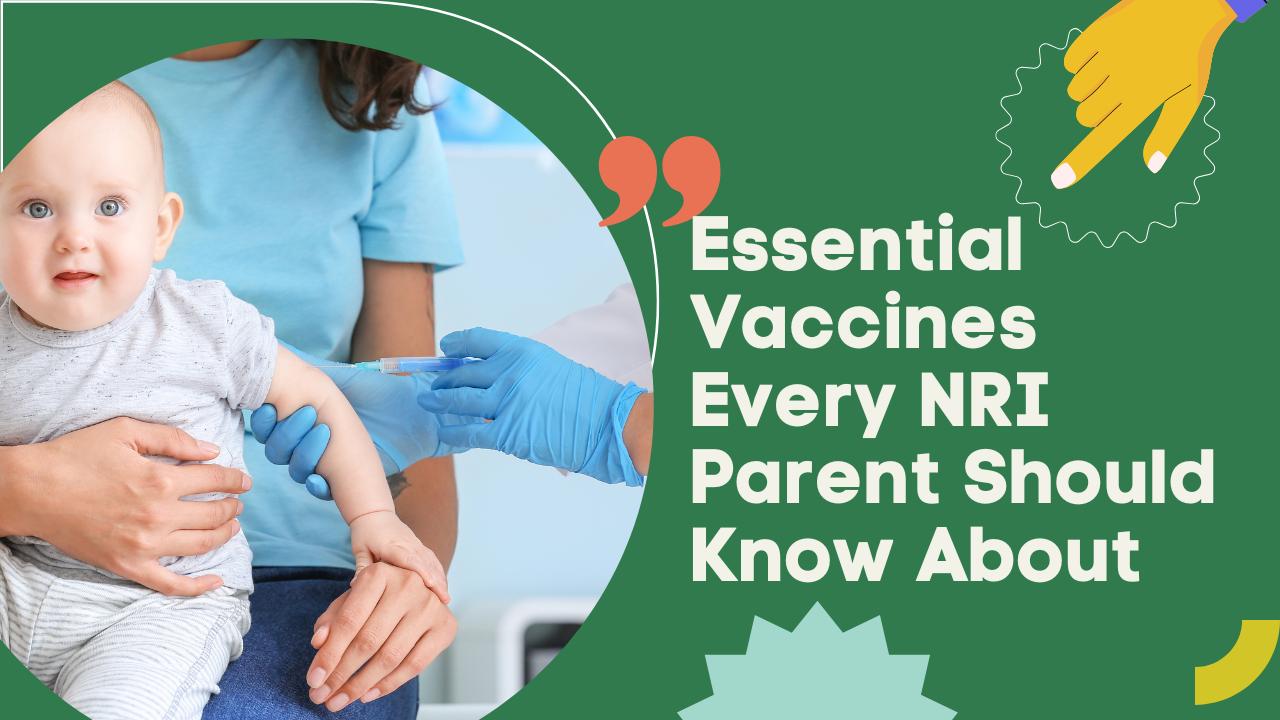
For NRI parents, ensuring their child’s health is a top priority, especially when living in a different country with new healthcare guidelines. Vaccinations play a crucial role in protecting children from preventable diseases, but the schedule and types of vaccines may vary depending on where you live. Understanding which vaccines are essential helps parents make informed decisions and ensures their children remain healthy, no matter where they are growing up.
The first and most important step is to keep track of the basic immunizations that every child should receive. These include vaccines for measles, mumps, rubella (MMR), diphtheria, tetanus, pertussis (DTaP), polio, hepatitis B, and Haemophilus influenzae type b (Hib). These are considered core vaccines worldwide and are usually part of the routine immunization schedule recommended by pediatricians.
For NRI families, additional vaccines may be necessary depending on the country of residence. For example, in the United States, children are also recommended to receive the varicella (chickenpox) vaccine, pneumococcal vaccine, rotavirus vaccine, and annual flu shots. In some countries, vaccines for meningitis, hepatitis A, and HPV are also part of the childhood immunization schedule.
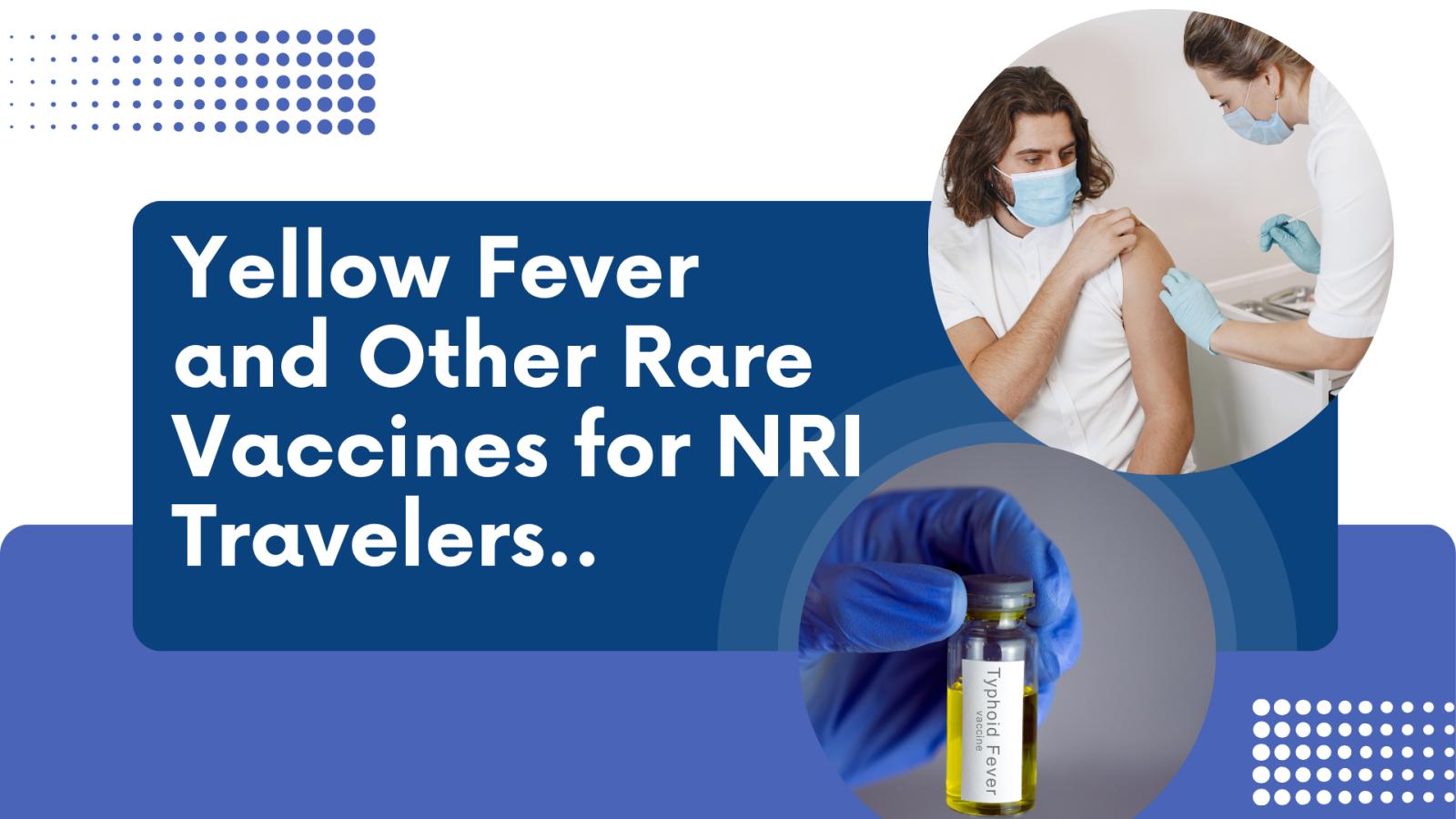
Travel plans also play a big role in determining which vaccines are essential. If families frequently travel between their home country and abroad, children may be at risk of diseases that are not as common in their country of residence. For example, typhoid and tuberculosis vaccines are more commonly recommended in South Asia, while yellow fever is required for travel to certain African and South American countries. Consulting with a pediatrician who understands both local and international guidelines is the best way to ensure your child gets the right protection.
Parents should also maintain proper vaccination records, especially when moving between countries. Schools, daycare centers, and even immigration processes often require updated immunization records. Keeping a digital and physical copy of your child’s vaccine history ensures there are no gaps and avoids delays in education or travel.
Vaccines are one of the most effective ways to protect children from serious diseases. For NRI parents, staying informed about essential vaccines, local healthcare requirements, and travel-related immunizations helps safeguard their child’s health across borders. A proactive approach not only prevents illness but also gives parents peace of mind knowing their child is well protected.