#nuclear-tensions
Tensions rise as North Korea boosts destroyers and nuclear naval capability
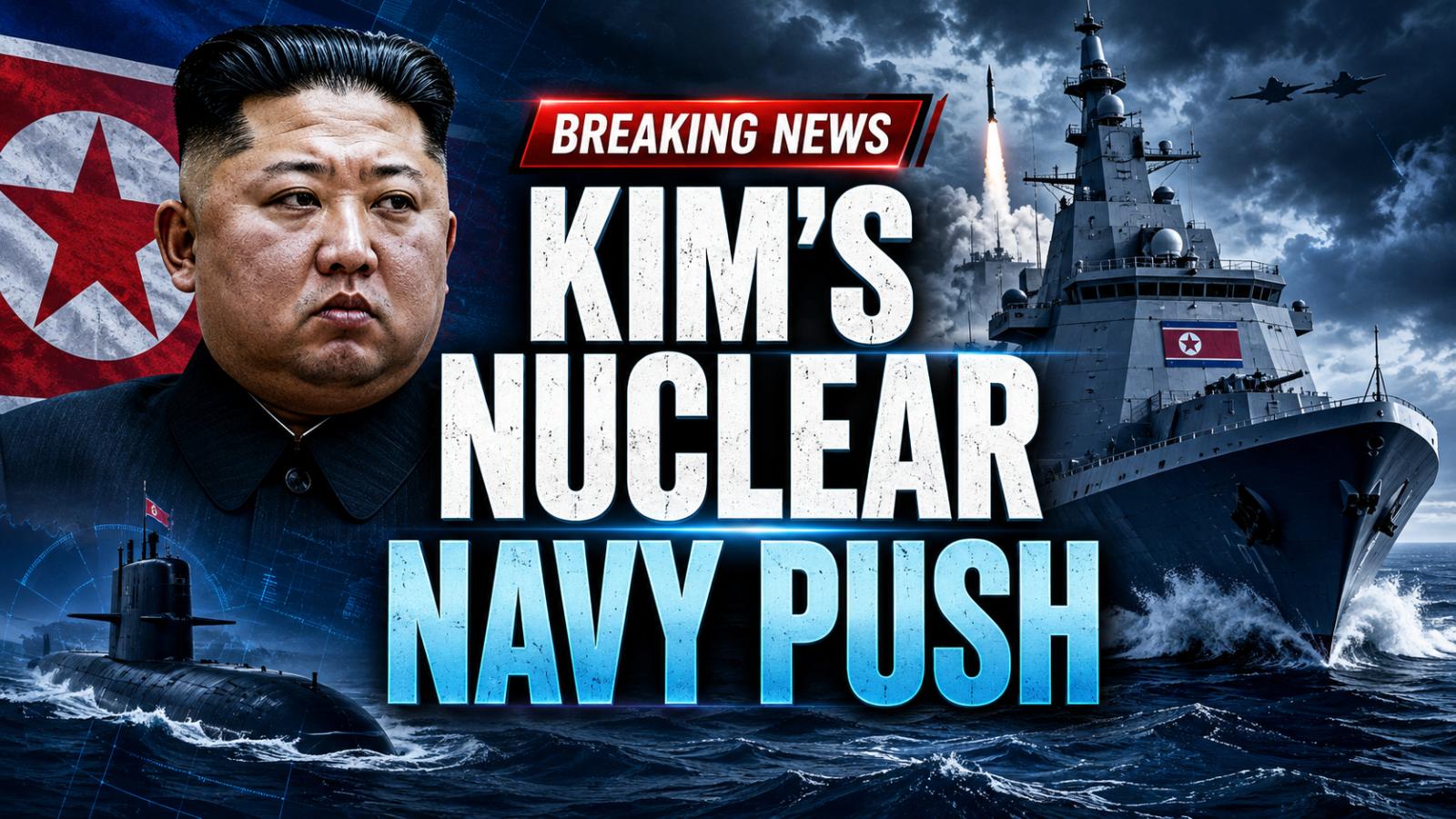
North Korea expands nuclear naval ambitions North Korean leader Kim Jong Un has announced a major expansion of the country’s naval strategy, stating that Pyongyang will move forward with plans to develop a nuclear-armed fleet. The announcement was made during a ceremony marking the commissioning of a new 5,000-ton destroyer, highlighting the country’s continued efforts to strengthen its maritime military capabilities despite international sanctions. New destroyer signals naval modernization push State media reported that the newly commissioned vessel, identified as the Choe Hyon, represents one of the most advanced warships developed by North Korea to date. Officials described it as heavily armed and part of a broader strategy to modernize the navy. Kim indicated that additional warships, including larger destroyers and strategic vessels, are already in development and will enter service in phases. Nuclear integration into maritime forces Kim Jong Un stated that integrating nuclear capability into the navy is a strategic priority aimed at ensuring operational readiness and expanding deterrence capacity. According to his remarks, future naval platforms will be designed to support more advanced weapons systems, marking a shift in how North Korea plans to structure its maritime defense posture. Rising tensions on the Korean Peninsula The announcement comes amid ongoing tensions between North Korea, the United States, and South Korea, with repeated exchanges over military exercises and regional security concerns. Pyongyang has consistently accused its rivals of escalating pressure, while maintaining that its military expansion is necessary for national defense. Analysts note that the latest naval developments further intensify concerns over stability in the region, particularly as both naval and nuclear capabilities continue to evolve.
Tensions rise as North Korea boosts destroyers and nuclear naval capability
North Korea expands nuclear naval ambitions North Korean leader Kim Jong Un has announced a major expansion of the country’s naval strategy, stating that Pyongyang will move forward with plans to develop a nuclear-armed fleet. The announcement was made during a ceremony marking the commissioning of a new 5,000-ton destroyer, highlighting the country’s continued efforts to strengthen its maritime military capabilities despite international sanctions. New destroyer signals naval modernization push State media reported that the newly commissioned vessel, identified as the Choe Hyon, represents one of the most advanced warships developed by North Korea to date. Officials described it as heavily armed and part of a broader strategy to modernize the navy. Kim indicated that additional warships, including larger destroyers and strategic vessels, are already in development and will enter service in phases. Nuclear integration into maritime forces Kim Jong Un stated that integrating nuclear capability into the navy is a strategic priority aimed at ensuring operational readiness and expanding deterrence capacity. According to his remarks, future naval platforms will be designed to support more advanced weapons systems, marking a shift in how North Korea plans to structure its maritime defense posture. Rising tensions on the Korean Peninsula The announcement comes amid ongoing tensions between North Korea, the United States, and South Korea, with repeated exchanges over military exercises and regional security concerns. Pyongyang has consistently accused its rivals of escalating pressure, while maintaining that its military expansion is necessary for national defense. Analysts note that the latest naval developments further intensify concerns over stability in the region, particularly as both naval and nuclear capabilities continue to evolve.
Trump-Xi summit: Key issues, trade talks, and Iran conflict to be addressed
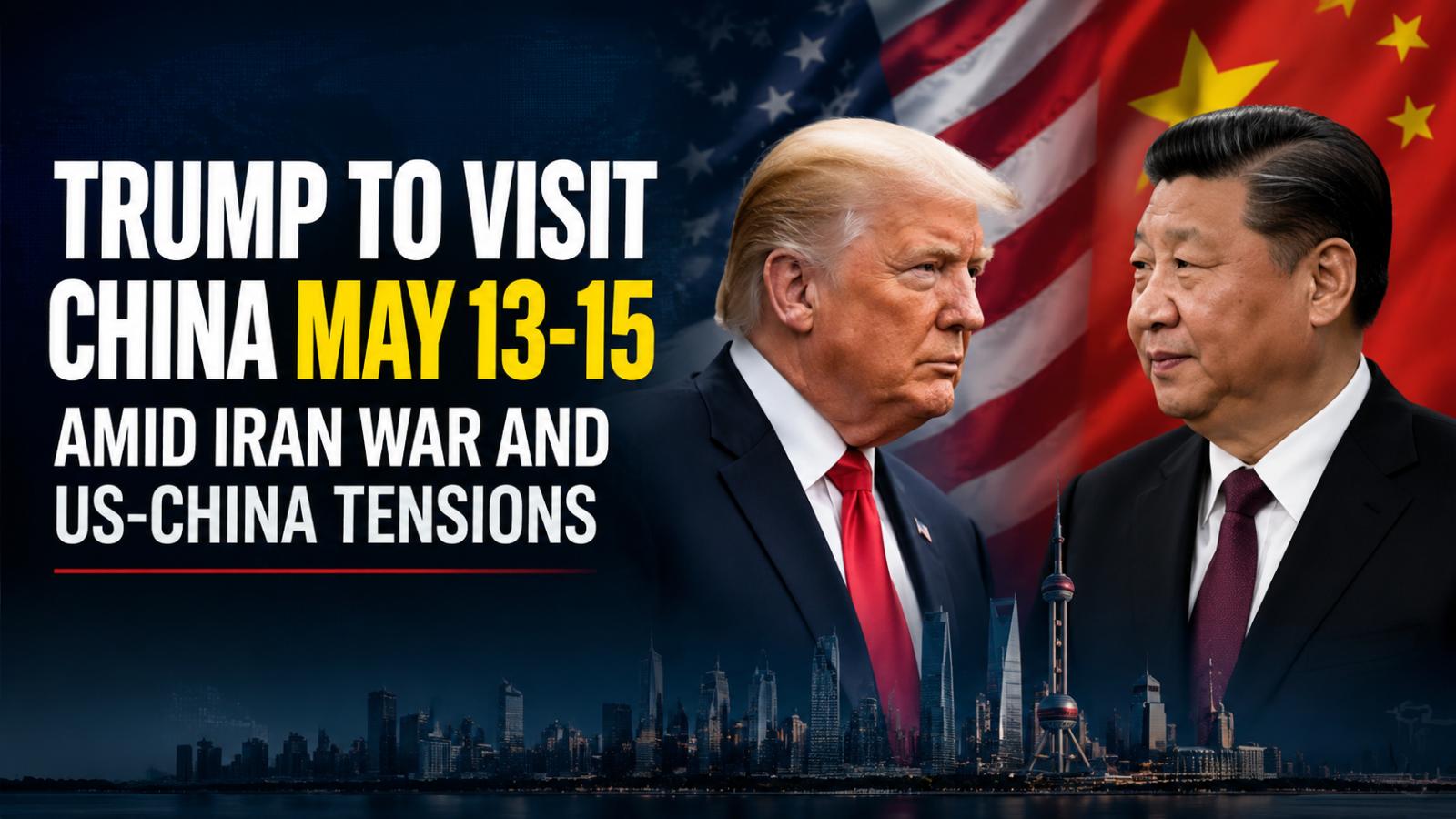
US President Donald Trump is set to visit China from May 13 to 15, marking the first visit to the country by an American president in nearly nine years. The invitation comes from Chinese President Xi Jinping amid growing tensions between the two nations over issues such as trade, technology, and defense. This visit comes at a critical time for global politics, with the ongoing Iran conflict impacting both economic stability and energy prices. The timing of Trump’s visit coincides with a volatile situation in the Strait of Hormuz, where a dual blockade has significantly disrupted global oil trade, driving up energy prices. These disruptions have the potential to harm global economic growth, as the Strait is a vital shipping route for the world’s oil supply. Trump’s administration has placed significant pressure on Iran over its nuclear program, and in recent remarks, he stated that the US would “finish the job” if Iran did not agree to the terms aimed at halting the conflict. While tensions remain high, the US continues to press for a diplomatic resolution to the situation, with President Trump asserting that Iran must meet specific demands regarding its nuclear ambitions. Despite these pressures, Trump maintains that the US does not need China’s assistance to resolve the issue, suggesting that the conflict could be settled with or without China’s involvement. Iran, for its part, has signaled its intention to pursue peace, with chief negotiator Mohammad Bagher Ghalibaf issuing an ultimatum to the US. According to Ghalibaf, Washington must accept Iran’s recent peace proposal or face further failure in negotiations. He emphasized that there was no alternative but to acknowledge the rights of the Iranian people as outlined in Tehran’s 14-point proposal. Beyond the Iran conflict, the upcoming Trump-Xi summit is expected to address several key issues affecting US-China relations. Trade discussions will likely focus on extending a temporary truce in the ongoing trade dispute, particularly concerning rare earth minerals. Both leaders are expected to explore agreements related to Boeing aircraft purchases, as well as expanding trade and investment ties. Additionally, China is anticipated to announce purchases in the US agricultural and energy sectors. Another significant topic of discussion will be Taiwan, with Xi expressing frustration over the US’s continued support for the island nation, which China claims as part of its territory. Trump’s administration has reiterated its commitment to Taiwan, despite escalating military activities in the region by China. The summit will also cover the rapid development of artificial intelligence (AI) in both countries, with US officials highlighting concerns about the potential military and economic implications of AI advancements. With both nations at the forefront of technological innovation, there is a growing need for open communication to avoid misunderstandings or potential conflicts arising from the use of AI. This high-stakes summit between the US and China is poised to shape the future of global trade, energy security, and technological development, with both sides seeking to manage their differences while addressing urgent geopolitical challenges. As the world watches, the outcome of these talks could have far-reaching implications for international relations.
Trump-Xi summit: Key issues, trade talks, and Iran conflict to be addressed
US President Donald Trump is set to visit China from May 13 to 15, marking the first visit to the country by an American president in nearly nine years. The invitation comes from Chinese President Xi Jinping amid growing tensions between the two nations over issues such as trade, technology, and defense. This visit comes at a critical time for global politics, with the ongoing Iran conflict impacting both economic stability and energy prices. The timing of Trump’s visit coincides with a volatile situation in the Strait of Hormuz, where a dual blockade has significantly disrupted global oil trade, driving up energy prices. These disruptions have the potential to harm global economic growth, as the Strait is a vital shipping route for the world’s oil supply. Trump’s administration has placed significant pressure on Iran over its nuclear program, and in recent remarks, he stated that the US would “finish the job” if Iran did not agree to the terms aimed at halting the conflict. While tensions remain high, the US continues to press for a diplomatic resolution to the situation, with President Trump asserting that Iran must meet specific demands regarding its nuclear ambitions. Despite these pressures, Trump maintains that the US does not need China’s assistance to resolve the issue, suggesting that the conflict could be settled with or without China’s involvement. Iran, for its part, has signaled its intention to pursue peace, with chief negotiator Mohammad Bagher Ghalibaf issuing an ultimatum to the US. According to Ghalibaf, Washington must accept Iran’s recent peace proposal or face further failure in negotiations. He emphasized that there was no alternative but to acknowledge the rights of the Iranian people as outlined in Tehran’s 14-point proposal. Beyond the Iran conflict, the upcoming Trump-Xi summit is expected to address several key issues affecting US-China relations. Trade discussions will likely focus on extending a temporary truce in the ongoing trade dispute, particularly concerning rare earth minerals. Both leaders are expected to explore agreements related to Boeing aircraft purchases, as well as expanding trade and investment ties. Additionally, China is anticipated to announce purchases in the US agricultural and energy sectors. Another significant topic of discussion will be Taiwan, with Xi expressing frustration over the US’s continued support for the island nation, which China claims as part of its territory. Trump’s administration has reiterated its commitment to Taiwan, despite escalating military activities in the region by China. The summit will also cover the rapid development of artificial intelligence (AI) in both countries, with US officials highlighting concerns about the potential military and economic implications of AI advancements. With both nations at the forefront of technological innovation, there is a growing need for open communication to avoid misunderstandings or potential conflicts arising from the use of AI. This high-stakes summit between the US and China is poised to shape the future of global trade, energy security, and technological development, with both sides seeking to manage their differences while addressing urgent geopolitical challenges. As the world watches, the outcome of these talks could have far-reaching implications for international relations.
Trump Says Iran Ceasefire Near Collapse After Rejecting Truce Offer
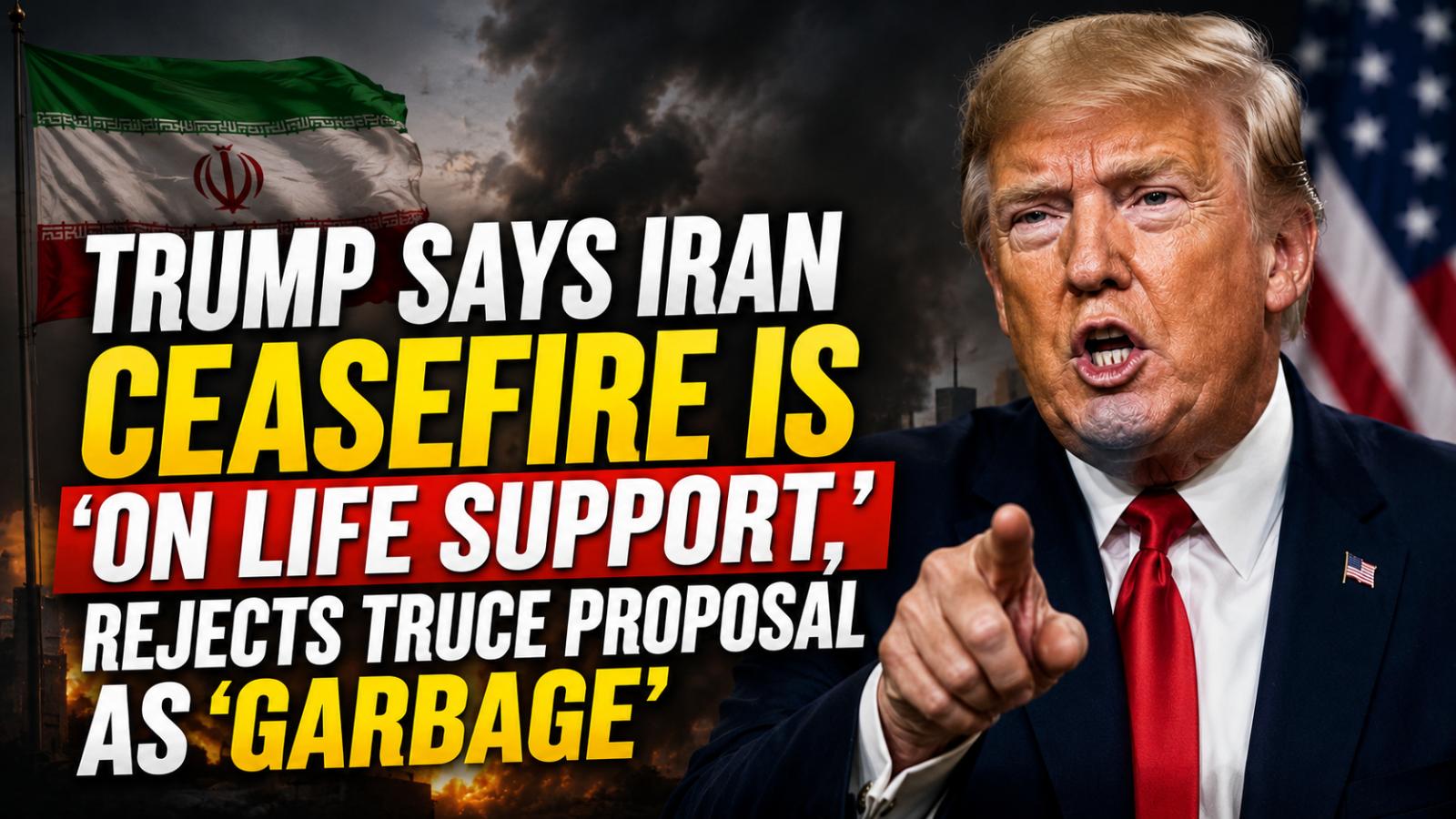
President Donald Trump said the Iran ceasefire is close to collapse after rejecting Tehran’s latest truce proposal, deepening uncertainty over US-Iran tensions and Middle East stability. Speaking on Monday, May 11, 2026, Trump called Iran’s response unacceptable and said the ceasefire was on “massive life support.” His remarks signaled that Washington is not ready to ease pressure unless Tehran accepts stricter terms on security and nuclear activity. Why T
Trump Says Iran Ceasefire Near Collapse After Rejecting Truce Offer
President Donald Trump said the Iran ceasefire is close to collapse after rejecting Tehran’s latest truce proposal, deepening uncertainty over US-Iran tensions and Middle East stability. Speaking on Monday, May 11, 2026, Trump called Iran’s response unacceptable and said the ceasefire was on “massive life support.” His remarks signaled that Washington is not ready to ease pressure unless Tehran accepts stricter terms on security and nuclear activity. Why T
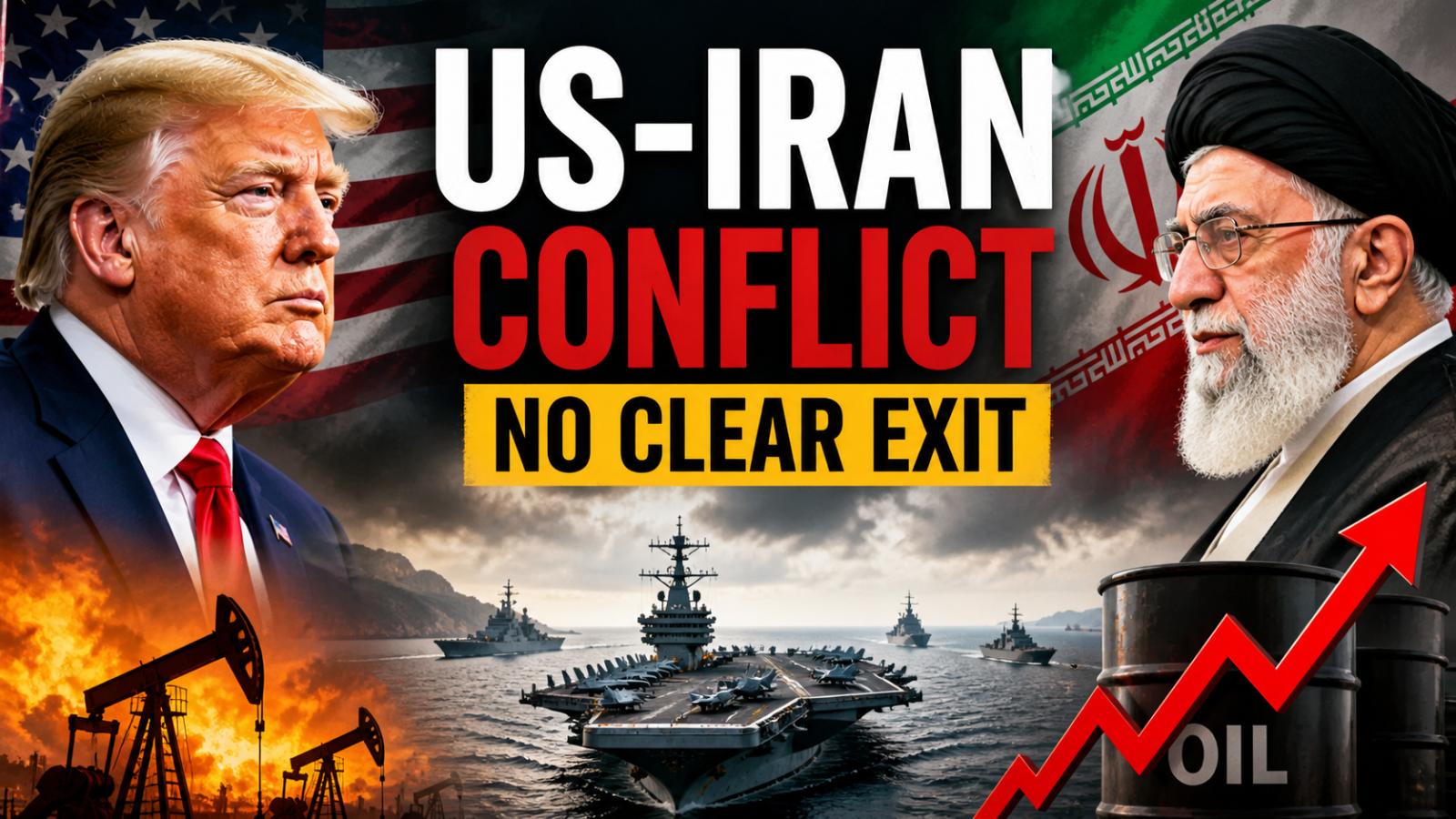
US-Iran Conflict Escalates: Why Trump Has No Clear Exit Strategy
More than two months into military action against Iran, Donald Trump is facing a difficult reality: the conflict is far from over—and there’s no clear way out. What began as a show of strength has turned into a prolonged standoff, with rising global consequences. Military Gains, But No Strategic Victory The United States, alongside Israeli forces, has carried out multiple strikes targeting Iran’s
US-Iran Conflict Escalates: Why Trump Has No Clear Exit Strategy
More than two months into military action against Iran, Donald Trump is facing a difficult reality: the conflict is far from over—and there’s no clear way out. What began as a show of strength has turned into a prolonged standoff, with rising global consequences. Military Gains, But No Strategic Victory The United States, alongside Israeli forces, has carried out multiple strikes targeting Iran’s