















#nuclearthreat
Iran Uranium Stockpile Mystery Deepens After US Strikes
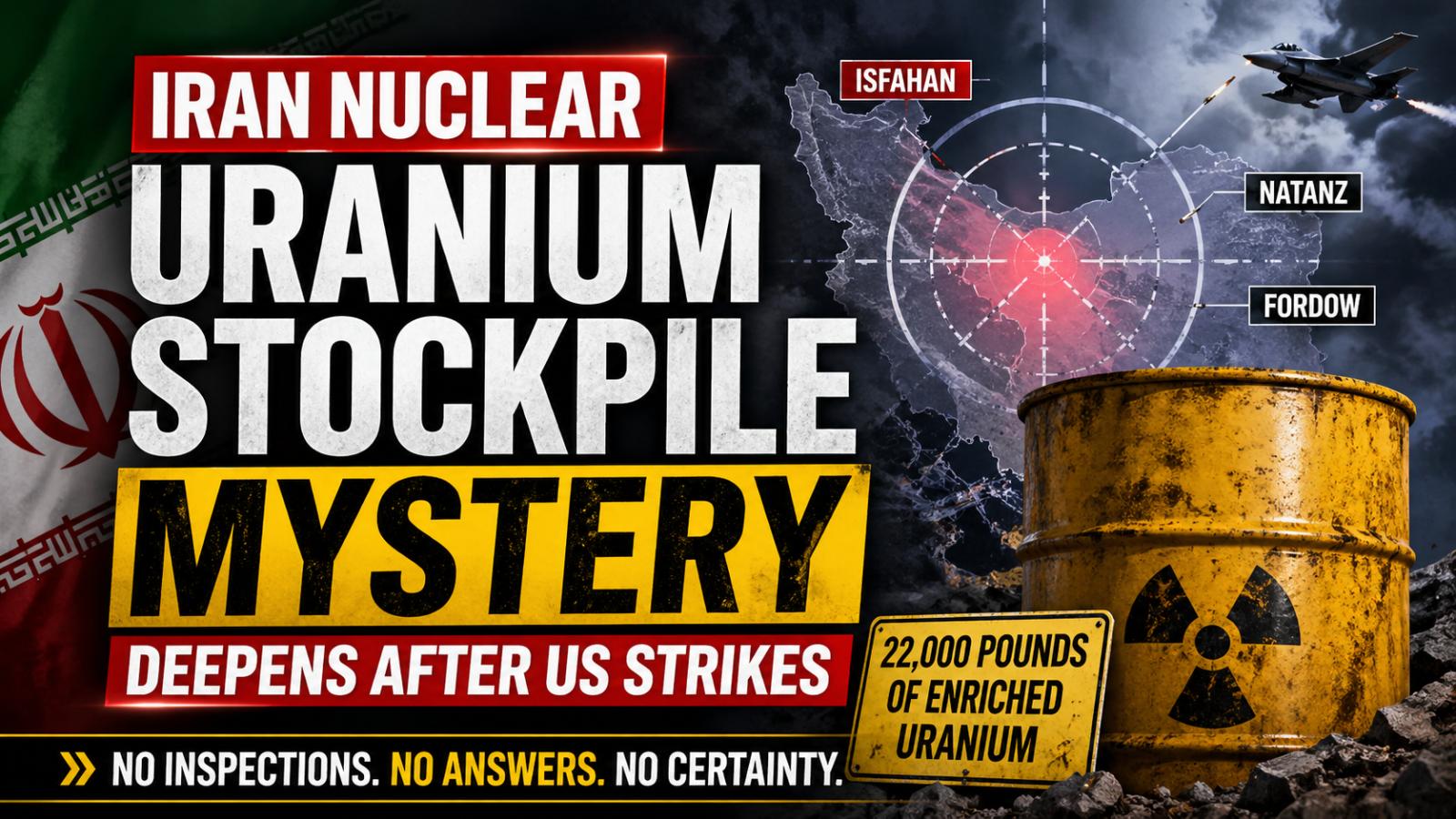
The location of Iran’s enriched uranium stockpile remains uncertain nearly two months after US military strikes targeted key nuclear facilities, raising fresh concerns about transparency and oversight. The material, estimated at roughly 22,000 pounds, had steadily accumulated over years following the US withdrawal from the 2015 nuclear agreement. That deal had previously imposed strict limits on enrichment levels and stockpile size, effectively curbing Iran’s ability to produce weapons-grade material. Uranium enrichment remains central to the issue, as the process becomes significantly faster once higher purity levels are reached. While low enrichment supports civilian energy needs, higher concentrations can be used for nuclear weapons. Iran’s move to enrich uranium up to 60 percent in recent years placed it closer to that threshold, intensifying international concern. Efforts to revive diplomatic agreements failed, and subsequent escalation led to direct military action targeting facilities such as Natanz and Fordow, along with storage areas near Isfahan. Shortly after, Iran halted cooperation with international inspectors, effectively ending on-the-ground verification. Without access, monitoring now relies heavily on satellite surveillance, which cannot fully confirm the condition or location of nuclear materials. Experts suggest that even if Iran retains access to the stockpile, converting it into a functional weapon would require additional time and technical capacity. However, the absence of inspections creates uncertainty. Analysts warn that if portions of the uranium were relocated or secured in undisclosed sites, Iran could potentially resume enrichment activities without detection, complicating global efforts to assess the true state of its nuclear program.
Iran Uranium Stockpile Mystery Deepens After US Strikes
The location of Iran’s enriched uranium stockpile remains uncertain nearly two months after US military strikes targeted key nuclear facilities, raising fresh concerns about transparency and oversight. The material, estimated at roughly 22,000 pounds, had steadily accumulated over years following the US withdrawal from the 2015 nuclear agreement. That deal had previously imposed strict limits on enrichment levels and stockpile size, effectively curbing Iran’s ability to produce weapons-grade material. Uranium enrichment remains central to the issue, as the process becomes significantly faster once higher purity levels are reached. While low enrichment supports civilian energy needs, higher concentrations can be used for nuclear weapons. Iran’s move to enrich uranium up to 60 percent in recent years placed it closer to that threshold, intensifying international concern. Efforts to revive diplomatic agreements failed, and subsequent escalation led to direct military action targeting facilities such as Natanz and Fordow, along with storage areas near Isfahan. Shortly after, Iran halted cooperation with international inspectors, effectively ending on-the-ground verification. Without access, monitoring now relies heavily on satellite surveillance, which cannot fully confirm the condition or location of nuclear materials. Experts suggest that even if Iran retains access to the stockpile, converting it into a functional weapon would require additional time and technical capacity. However, the absence of inspections creates uncertainty. Analysts warn that if portions of the uranium were relocated or secured in undisclosed sites, Iran could potentially resume enrichment activities without detection, complicating global efforts to assess the true state of its nuclear program.
Trump defends Iran war strategy but offers few new details on next steps
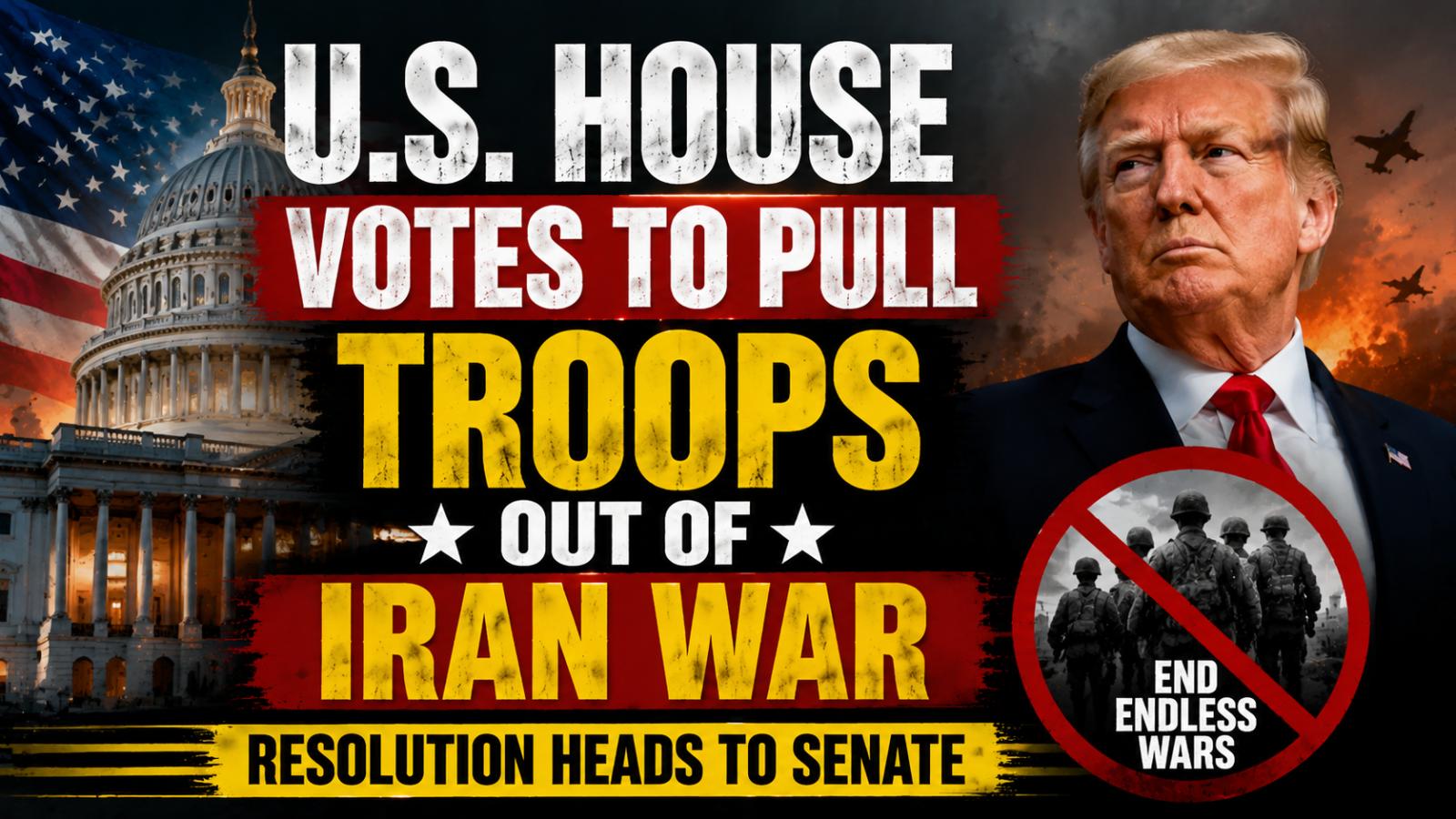
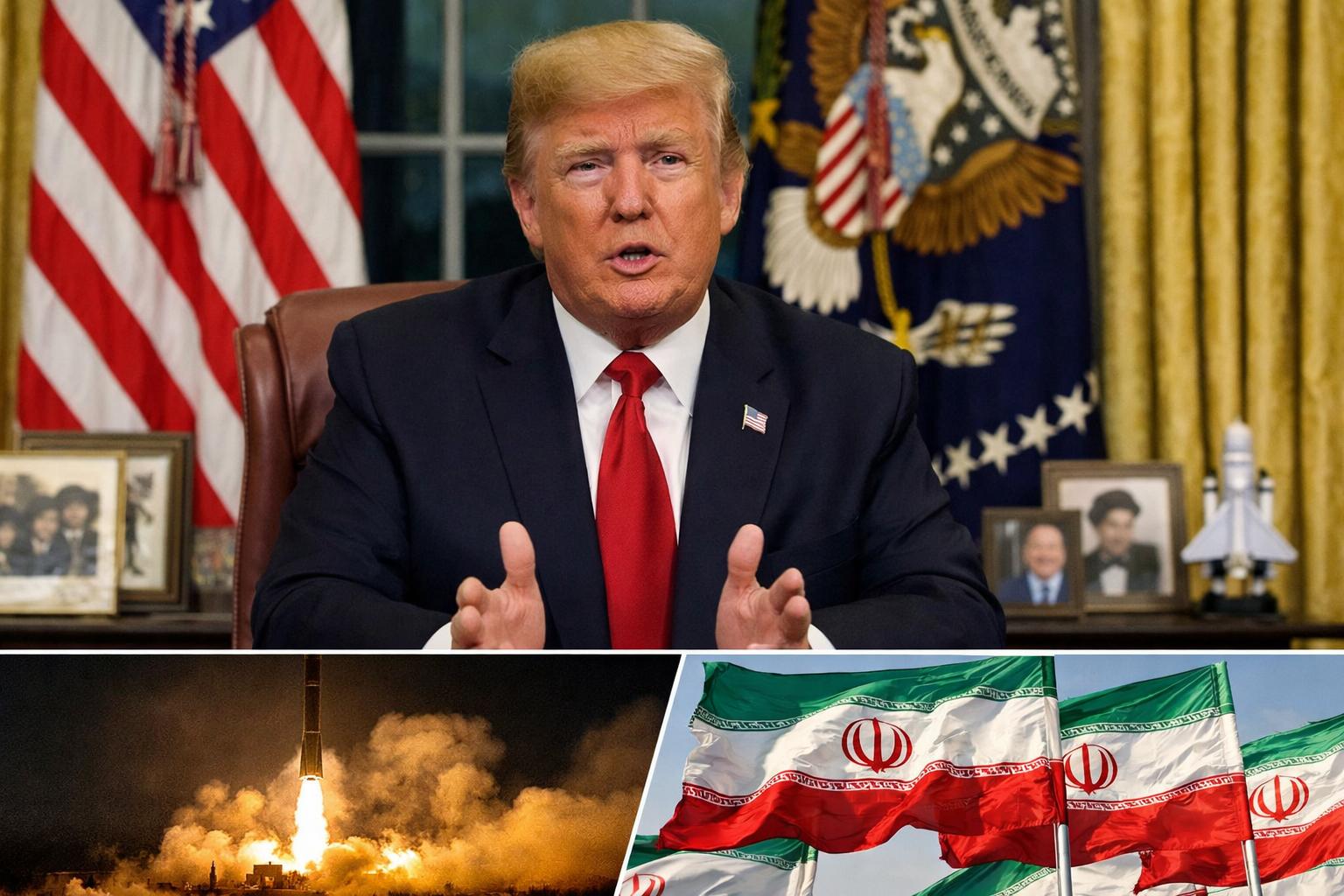
WASHINGTON — President Donald Trump on Wednesday, April 2, 2026, delivered a primetime address from the White House seeking to justify the ongoing U.S. military campaign against Iran, but he provided few new details about the conflict’s trajectory or conclusion. The speech came at a pivotal moment both domestically and internationally, as the administration continues to expand executive authority in directing the war effort. In his remarks, Trump emphasized that preventing Iran fr
Trump defends Iran war strategy but offers few new details on next steps
WASHINGTON — President Donald Trump on Wednesday, April 2, 2026, delivered a primetime address from the White House seeking to justify the ongoing U.S. military campaign against Iran, but he provided few new details about the conflict’s trajectory or conclusion. The speech came at a pivotal moment both domestically and internationally, as the administration continues to expand executive authority in directing the war effort. In his remarks, Trump emphasized that preventing Iran fr
US-Israel-Iran tensions escalate as troop levels rise in Middle East
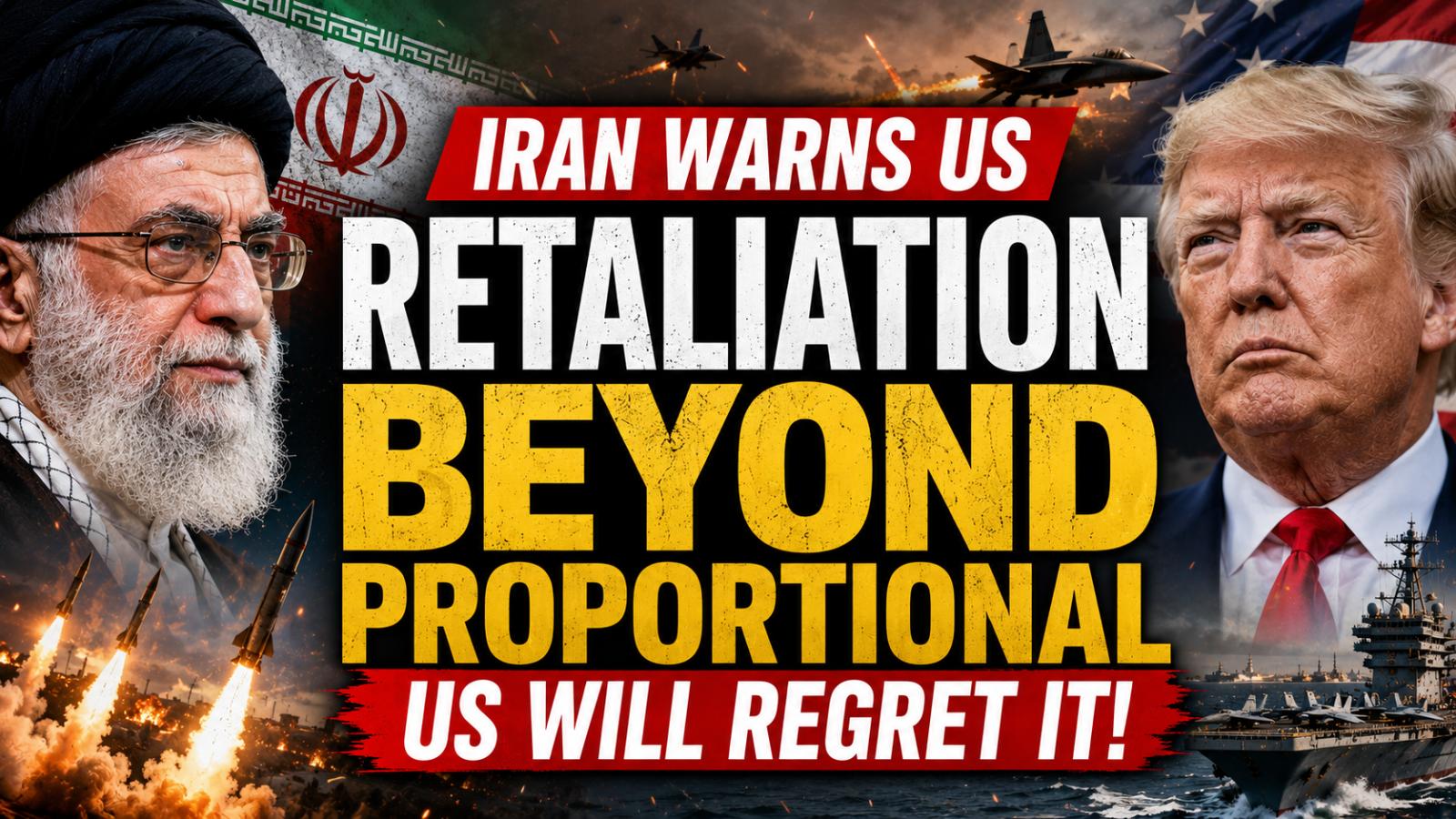
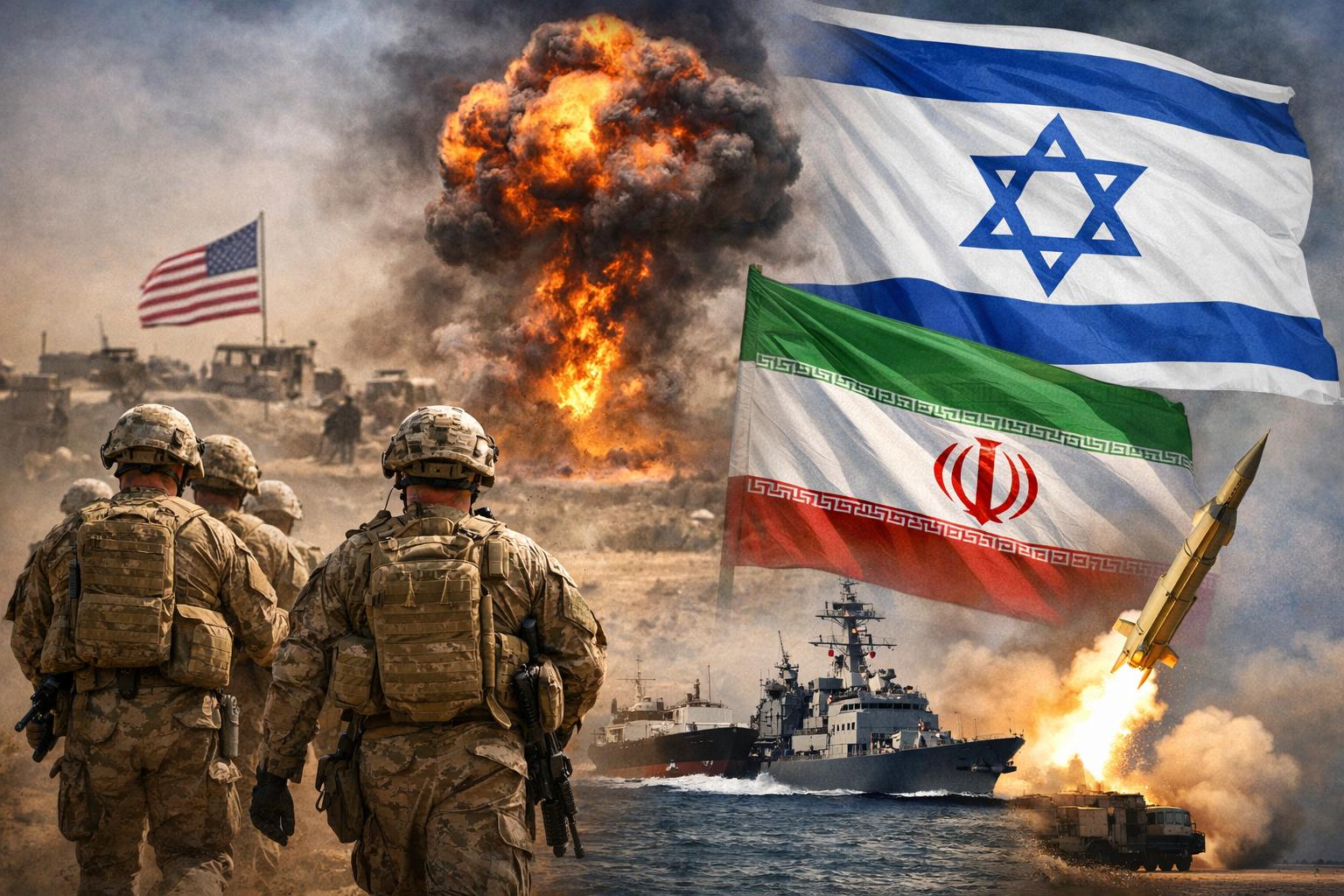
Tensions between the United States, Israel, and Iran are intensifying, with multiple developments across the Middle East signaling a potentially dangerous escalation in the ongoing conflict. The situation has drawn increased global attention as military activity expands and diplomatic efforts continue behind the scenes. Hundreds of US Special Operations forces have recently been deployed to the region, pushing total American troop levels beyond 50,000. The expanded presence reflects growing concerns in Washington over regional stability and the need to safeguard critical maritime routes, including the strategically vital Strait of Hormuz. US officials are also weighing a range of military and strategic options, including potential actions targeting Iran’s nuclear capabilities and energy infrastructure. Amid these developments, discussions have reportedly included the possibility of securing or seizing Iranian oil facilities and enriched uranium assets. At the same time, diplomatic channels remain active, with regional intermediaries attempting to ease tensions and prevent further escalation. Uncertainty surrounding Iran’s leadership has added another layer of complexity. Supreme Leader Mojtaba Khamenei has not appeared publicly in recent days, fueling speculation about his health and control over internal decision-making during a critical period. The conflict is also beginning to extend beyond traditional battle zones. A recent Iranian strike in Kuwait resulted in the death of an Indian worker, underscoring the growing risks to civilians and foreign nationals in the region. Analysts warn that such incidents highlight the vulnerability of critical infrastructure and the potential for unintended consequences as hostilities widen. Security experts caution that the situation remains highly volatile, with the possibility of broader regional fallout if tensions continue to rise. As military posturing increases alongside fragile diplomatic efforts, the coming days are expected to be crucial in determining whether the conflict can be contained or escalates further.
US-Israel-Iran tensions escalate as troop levels rise in Middle East
Tensions between the United States, Israel, and Iran are intensifying, with multiple developments across the Middle East signaling a potentially dangerous escalation in the ongoing conflict. The situation has drawn increased global attention as military activity expands and diplomatic efforts continue behind the scenes. Hundreds of US Special Operations forces have recently been deployed to the region, pushing total American troop levels beyond 50,000. The expanded presence reflects growing concerns in Washington over regional stability and the need to safeguard critical maritime routes, including the strategically vital Strait of Hormuz. US officials are also weighing a range of military and strategic options, including potential actions targeting Iran’s nuclear capabilities and energy infrastructure. Amid these developments, discussions have reportedly included the possibility of securing or seizing Iranian oil facilities and enriched uranium assets. At the same time, diplomatic channels remain active, with regional intermediaries attempting to ease tensions and prevent further escalation. Uncertainty surrounding Iran’s leadership has added another layer of complexity. Supreme Leader Mojtaba Khamenei has not appeared publicly in recent days, fueling speculation about his health and control over internal decision-making during a critical period. The conflict is also beginning to extend beyond traditional battle zones. A recent Iranian strike in Kuwait resulted in the death of an Indian worker, underscoring the growing risks to civilians and foreign nationals in the region. Analysts warn that such incidents highlight the vulnerability of critical infrastructure and the potential for unintended consequences as hostilities widen. Security experts caution that the situation remains highly volatile, with the possibility of broader regional fallout if tensions continue to rise. As military posturing increases alongside fragile diplomatic efforts, the coming days are expected to be crucial in determining whether the conflict can be contained or escalates further.
Trump claims major US military success against Iran at White House event
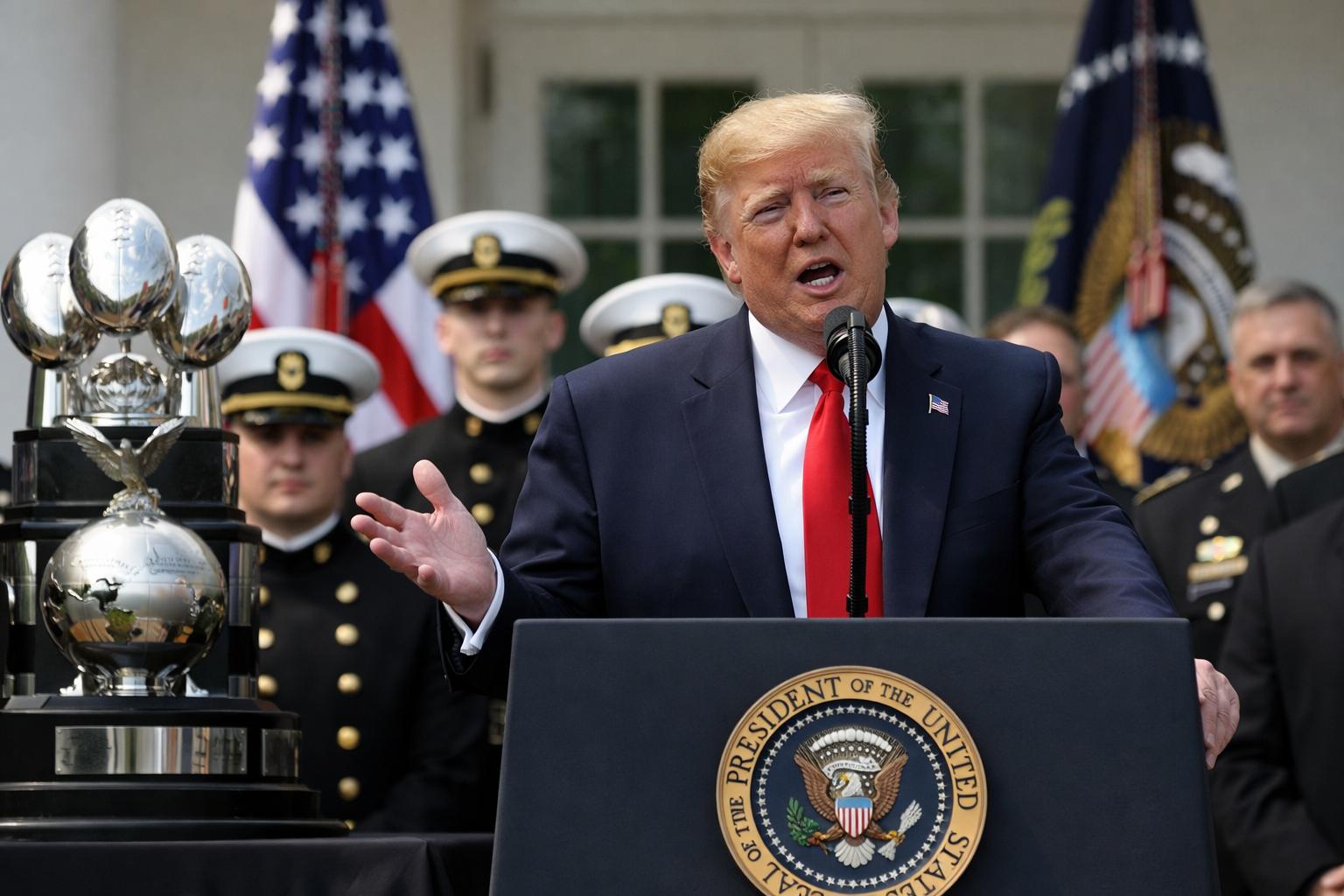
US President Donald Trump on Friday said the United States was “doing extremely well in Iran,” making a series of sweeping claims about the country’s military capabilities during a ceremony at the White House. Speaking while presenting the Commander-in-Chief’s Trophy, Trump asserted that Iran’s naval forces had effectively been neutralised, stating that the country now has “no navy anymo
Trump claims major US military success against Iran at White House event
US President Donald Trump on Friday said the United States was “doing extremely well in Iran,” making a series of sweeping claims about the country’s military capabilities during a ceremony at the White House. Speaking while presenting the Commander-in-Chief’s Trophy, Trump asserted that Iran’s naval forces had effectively been neutralised, stating that the country now has “no navy anymo
Pakistan’s nuclear weapons safety remains global concern, says former US security advisor
A former senior US security advisor has raised serious concerns about Pakistan’s ability to manage and safeguard its nuclear weapons. Echoing recent statements from Indian leadership, he emphasized that the risks associated with Pakistan’s nuclear arsenal have long been a matter of serious global concern. The former official, who served during a time of heightened global tension, said the security of nuclear weapons is a critical issue, especially in politically unstable regions wher
Pakistan’s nuclear weapons safety remains global concern, says former US security advisor
A former senior US security advisor has raised serious concerns about Pakistan’s ability to manage and safeguard its nuclear weapons. Echoing recent statements from Indian leadership, he emphasized that the risks associated with Pakistan’s nuclear arsenal have long been a matter of serious global concern. The former official, who served during a time of heightened global tension, said the security of nuclear weapons is a critical issue, especially in politically unstable regions wher


