







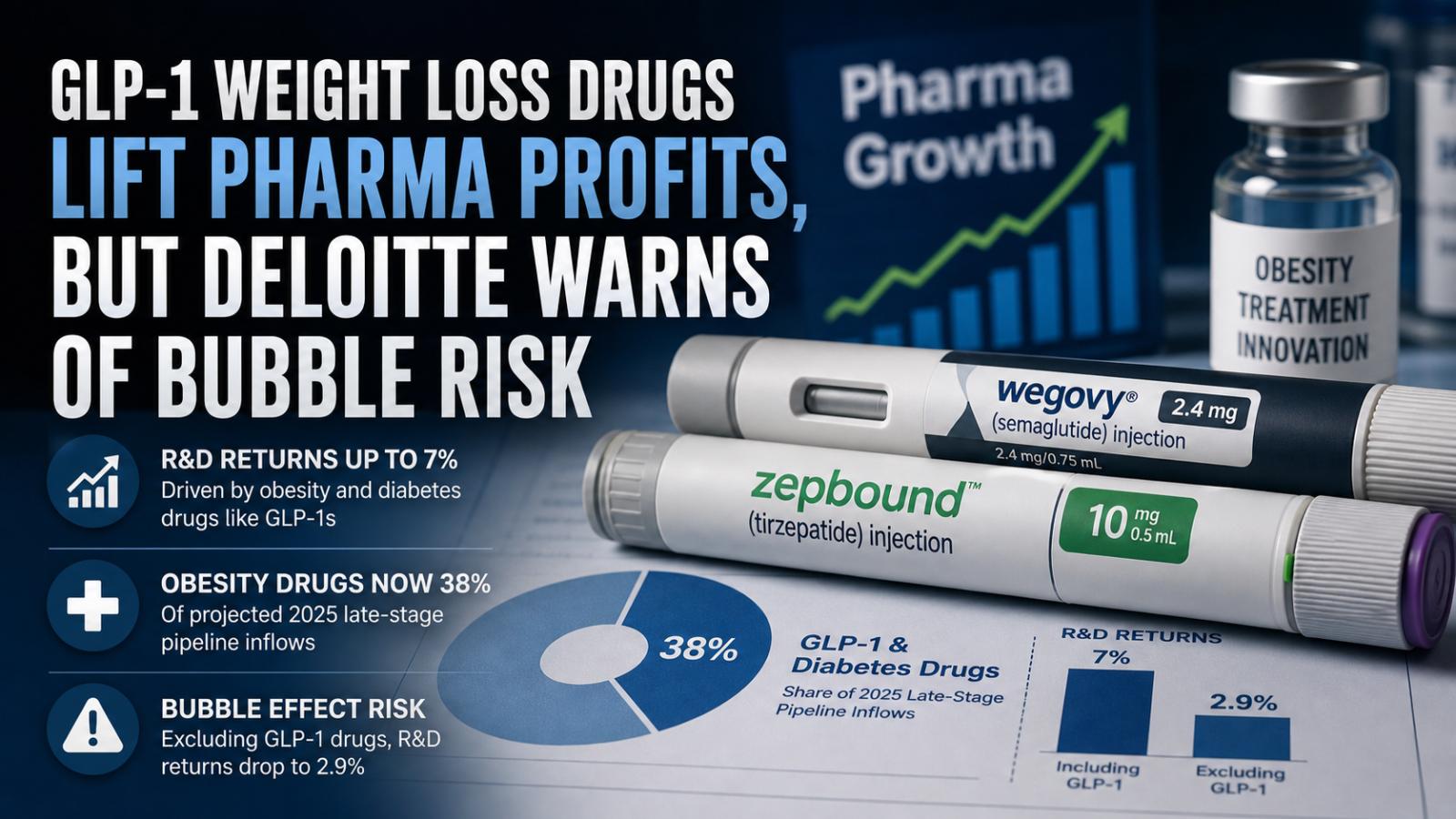
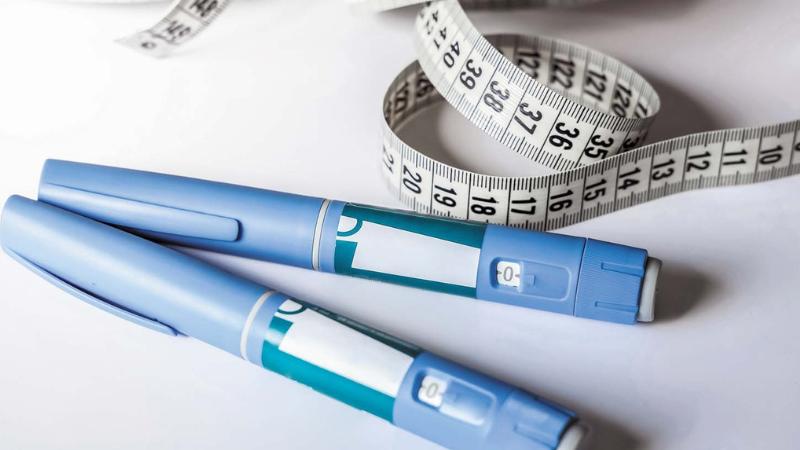











GLP-1 Drugs Drive Pharma Growth GLP-1 weight loss drugs are powering a sharp rebound in pharma R&D returns, but analysts warn the boom may be creating a risky “bubble effect” across the sector. According to Deloitte’s latest pharma innovation analysis, R&D returns among the world’s top 20 drugmakers have climbed to 7%, driven largely by obesity and diabetes treatments such as GLP-1 drugs. Obesity Drugs Overtake Oncology
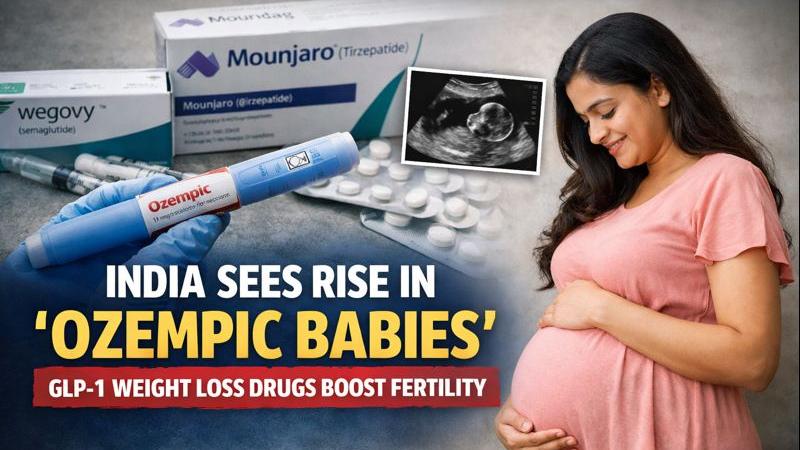
India may be witnessing a quiet reproductive shift as GLP-1 weight loss drugs gain popularity across the country. Doctors in major cities are reporting an increasing number of unexpected pregnancies among women who previously struggled with infertility. Popularly referred to as “Ozempic babies” globally, these surprise conceptions are now being observed in India just months after GLP-1 injectables such as Mounjaro, Wegovy and Ozempic entered the market. While these medicines were original
Eli Lilly reached a historic milestone on Friday when it briefly surpassed a $1 trillion market capitalization, becoming the first health-care company in the world to enter a territory long dominated by technology giants. The company’s stock hovered near $1,048 per share during morning trading, touching the trillion-dollar threshold before pulling back slightly. It is only the second nontechnology business in the United States to reach this valuation, following Berkshire Hathaway’s climb
The rise of anti-obesity drugs, especially GLP-1 medications like Wegovy and Mounjaro, has sparked a debate about their role in weight loss. As India’s anti-obesity drug market is expected to grow rapidly, with projections reaching ₹25,000 crore by 2030, these drugs have become a common solution for people struggling with obesity. But the question remains: are they necessary for everyone, or are they a quick fix for deeper health issues?