








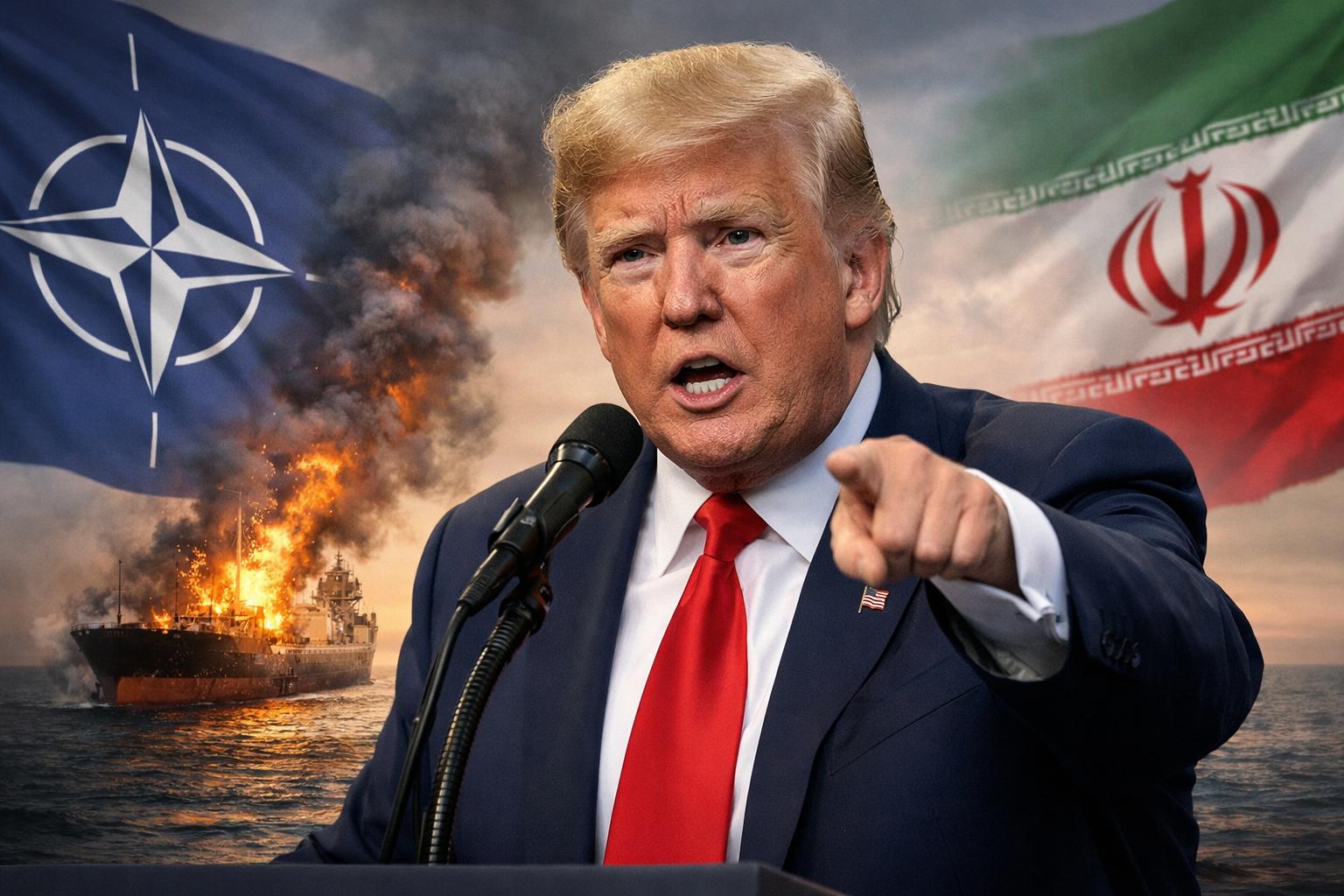
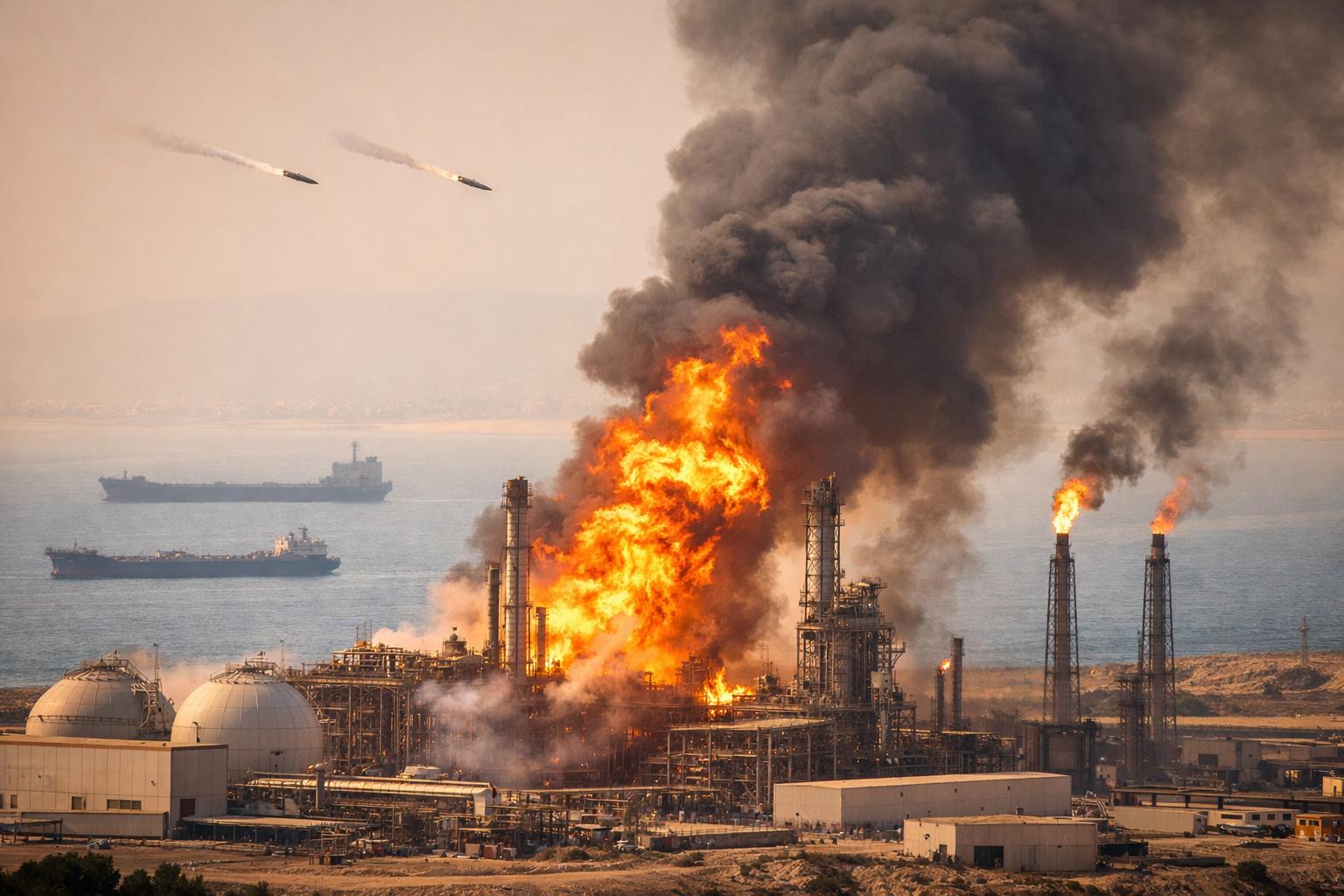
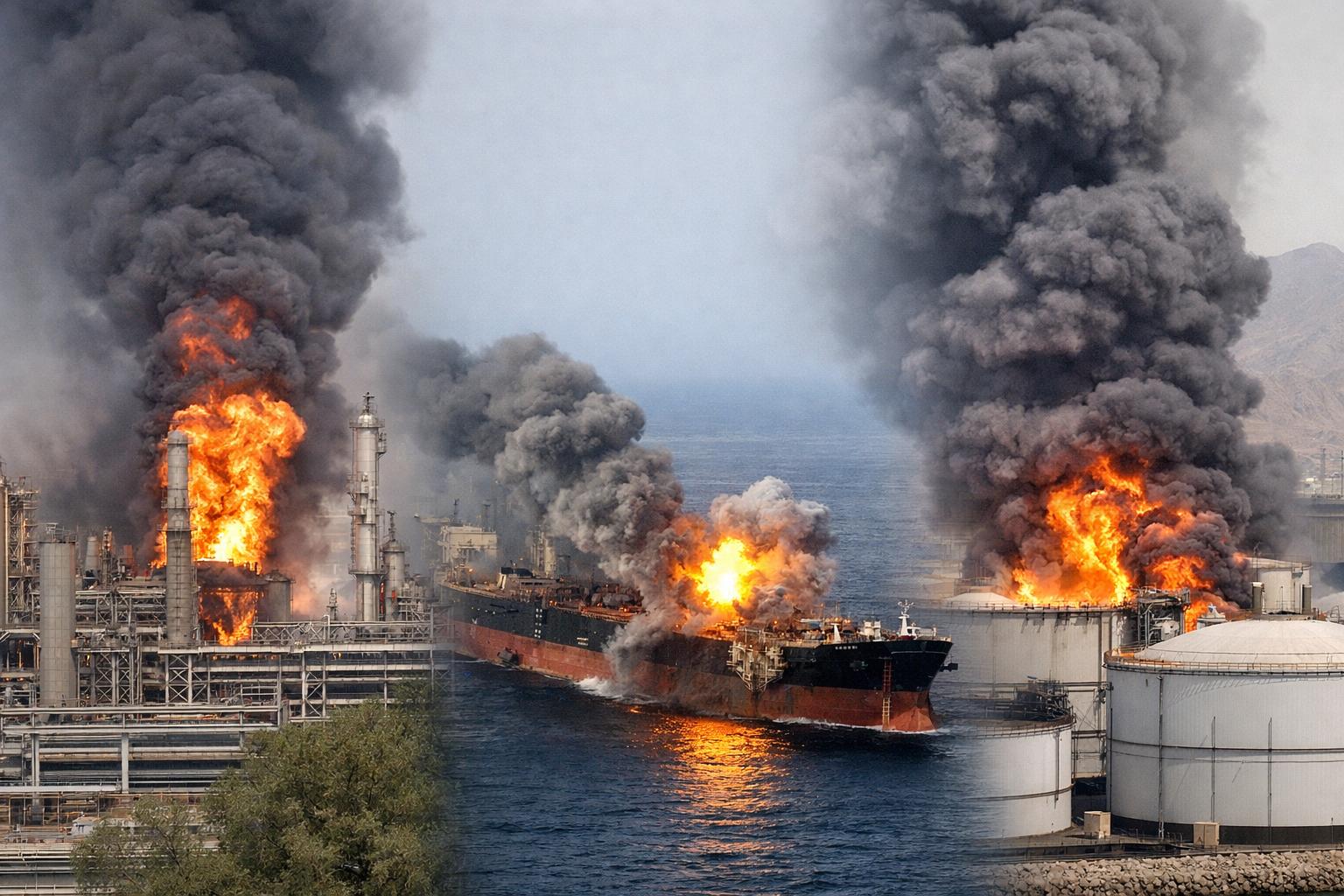

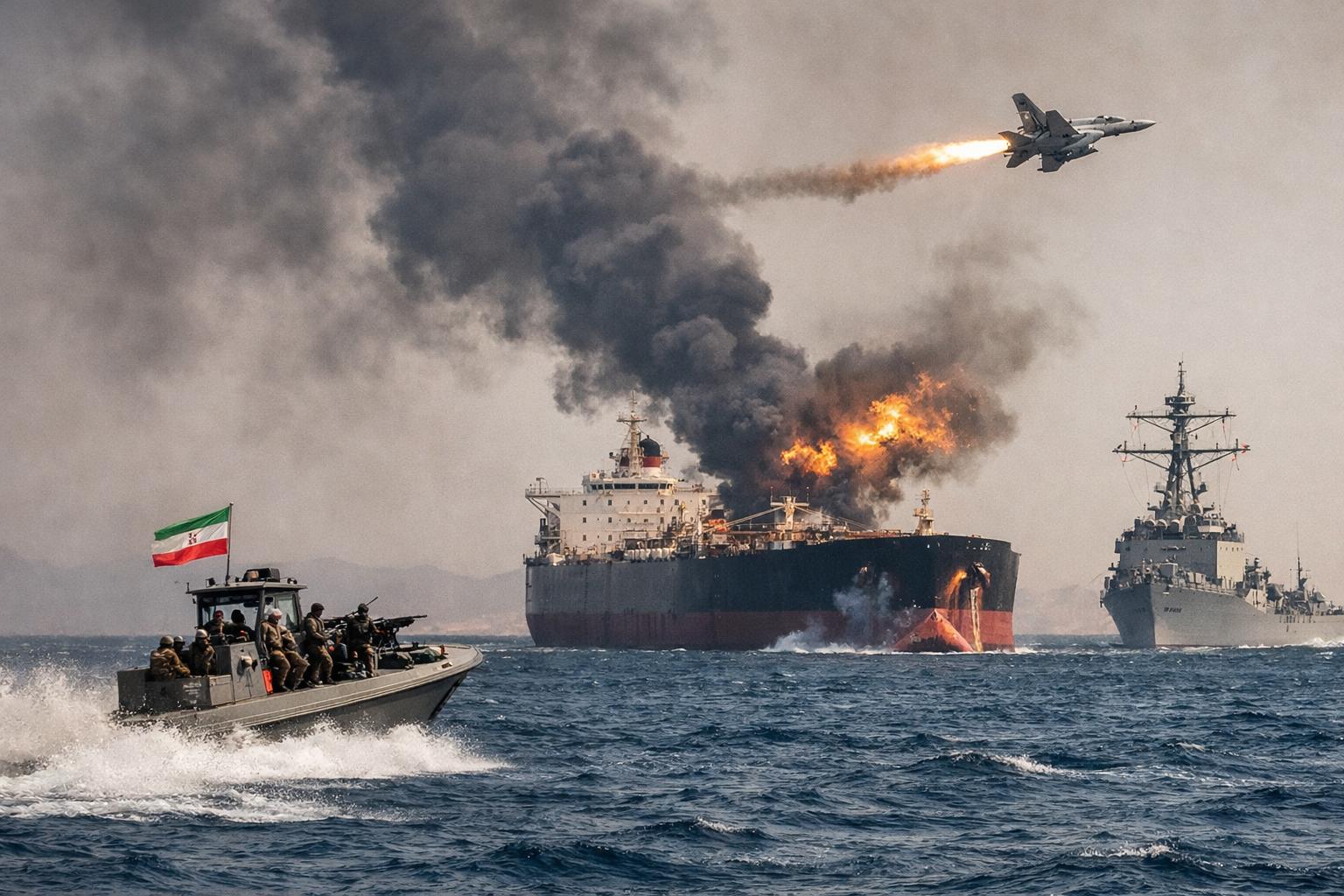
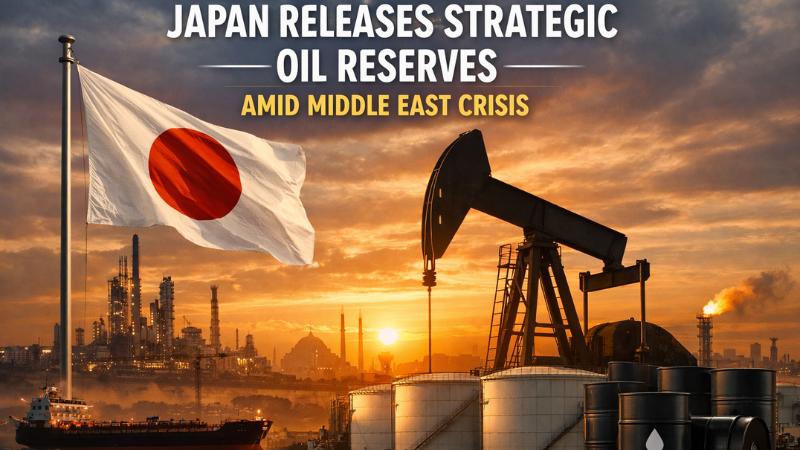

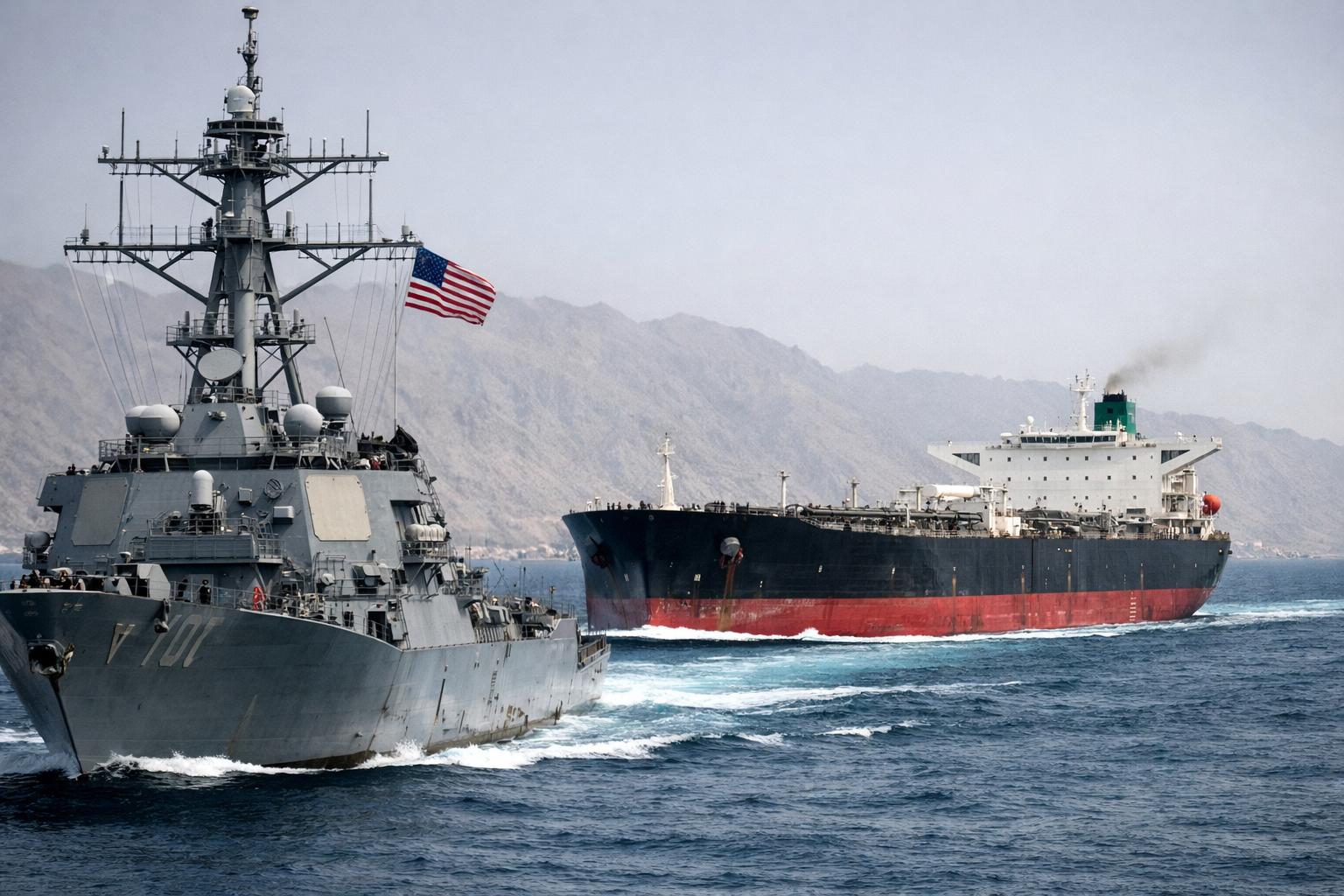

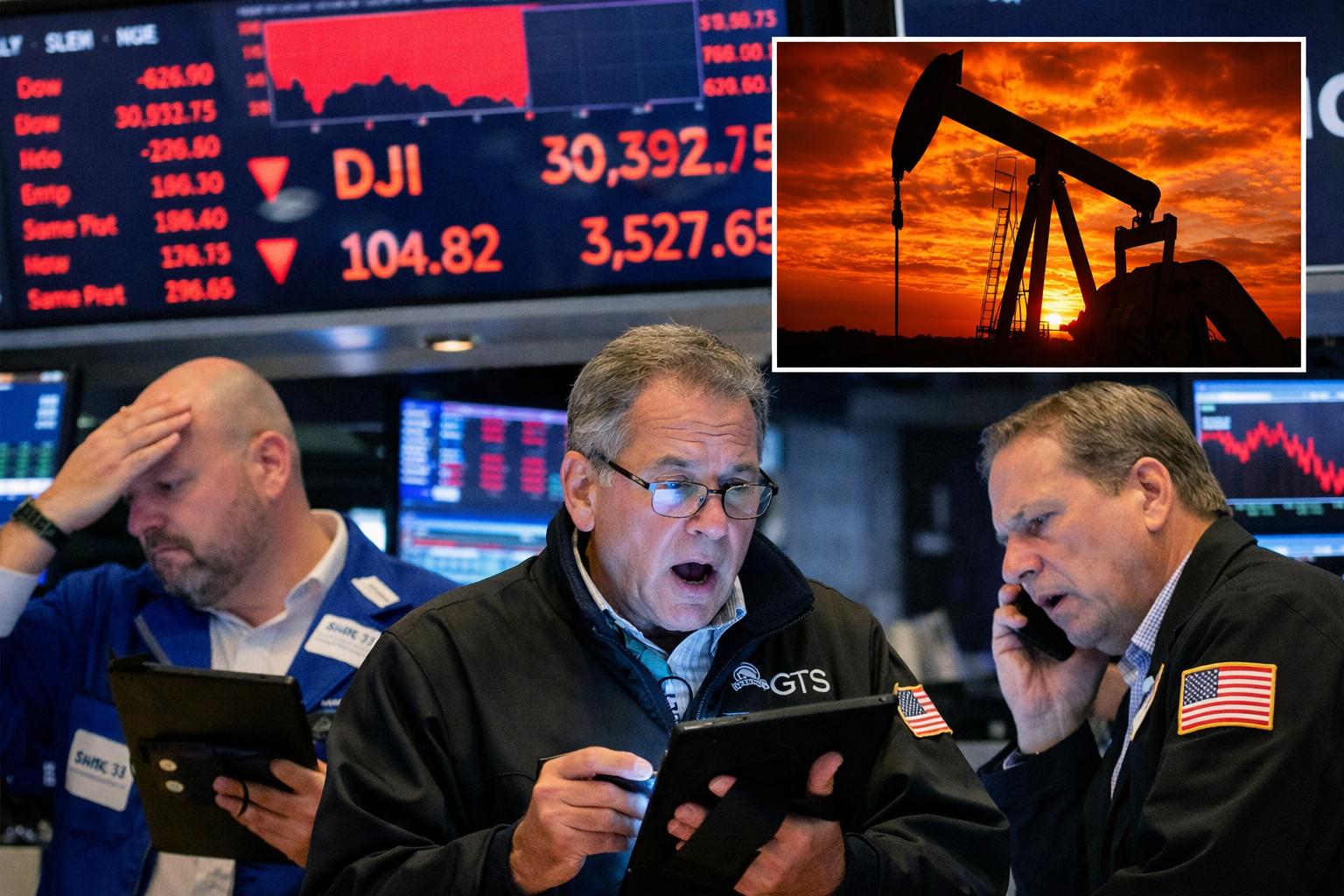

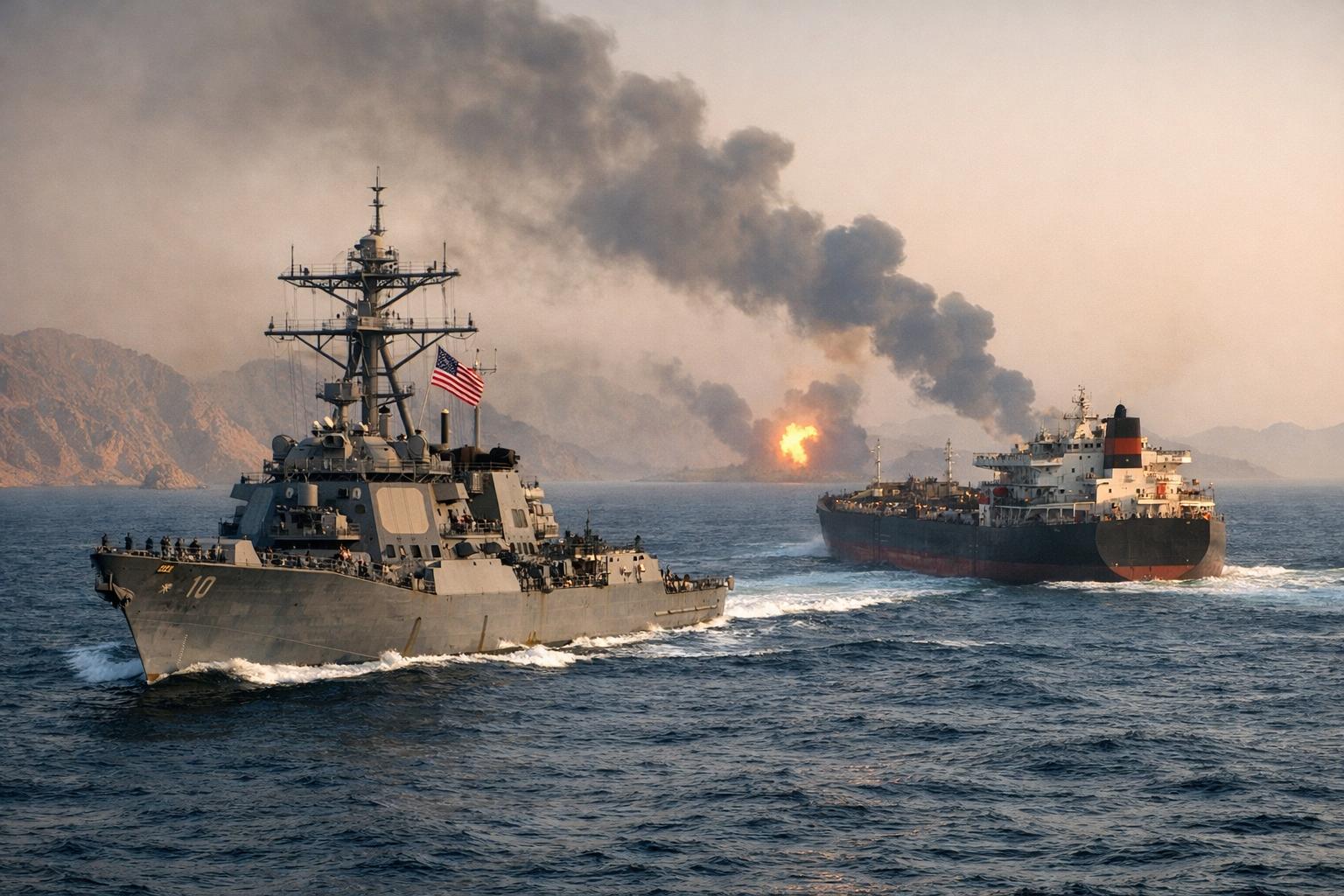
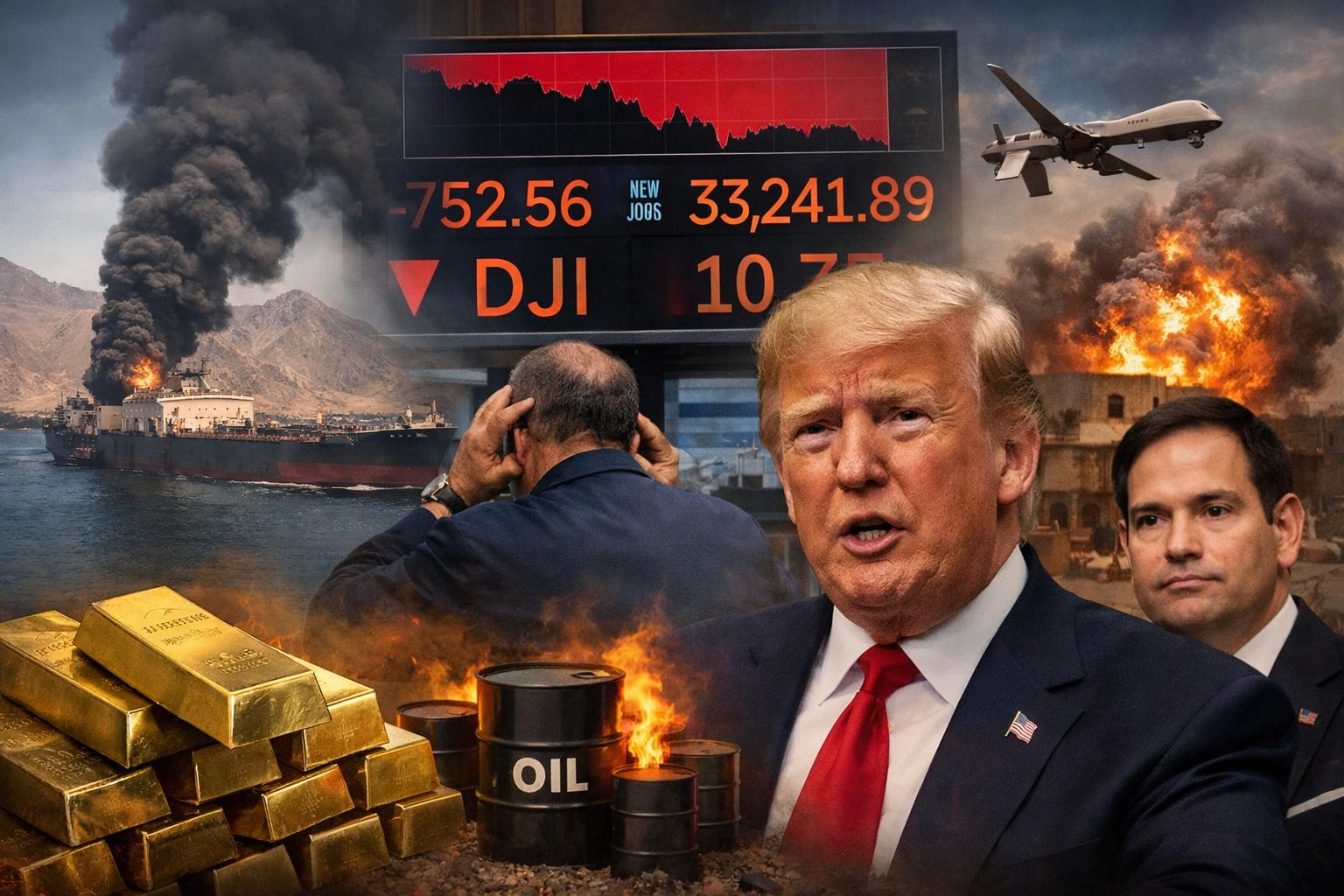

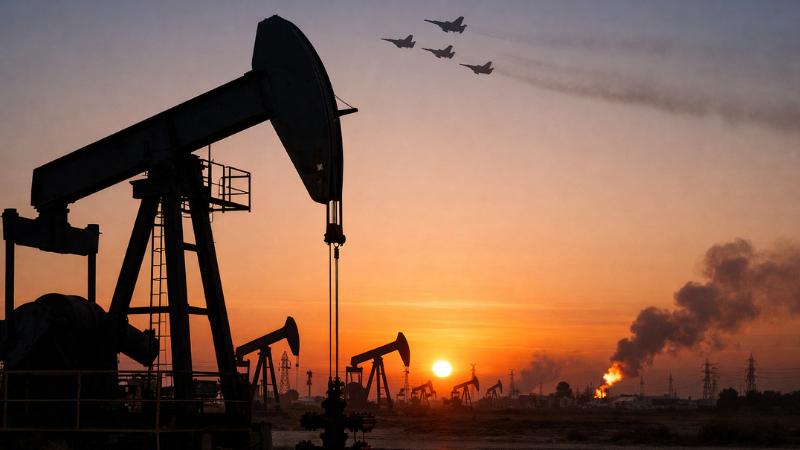












The U.S.-Iran war entered its fourth day on Tuesday, widening beyond its initial flashpoints and sending shockwaves through global financial and energy markets. Investors reacted swiftly to the escalating Middle East conflict, with U.S. stocks opening sharply lower. European stocks and major Asian markets also declined, reflecting mounting concerns over geopolitical instability and the risk of a broader regional confrontation. Oil prices surged amid growing fears of an energy supply
The United States could face an economic impact of up to $210 billion as Operation Epic Fury intensifies tensions with Iran, according to leading budget analysts. President Donald Trump has indicated that the conflict may continue for at least four weeks, raising concerns about prolonged military spending and wider fallout for the US economy. Estimates by economist Kent Smetters of the Penn Wharton Budget Model suggest that the total cost of the Iran conflict could significantly strain federa
U.S. crude oil prices fell to their lowest level since May on Tuesday, deepening a prolonged downturn that has put the market on track for its weakest annual performance in seven years. The decline reflects growing concerns over a looming supply surplus and shifting expectations around geopolitical risks, particularly the possibility of a peace agreement between Ukraine and Russia. West Texas Intermediate crude briefly dropped to $55.69 per barrel, while global benchmark Brent crude
In a significant policy reversal, U.S. President Donald Trump has imposed sweeping sanctions on Russia’s two largest oil producers, Rosneft and Lukoil, marking one of the most consequential economic measures against Moscow since the escalation of the war in Ukraine. The decision immediately triggered a 5% surge in global oil prices and prompted India, one of Russia’s biggest energy buyers, to reconsider its import strategy. The sanctions, announced on Wednesday, target companies
Oil prices jumped to their highest levels in five months while Asian markets tumbled on Monday, following coordinated airstrikes by the United States and Israel on Iran's key nuclear facilities. The escalation has sparked fears of a broader conflict in the Middle East, with particular concern over the potential closure of the Strait of Hormuz a strategic waterway that handles nearly 25 percent of global oil trade and 20 percent of liquefied natural gas mov
As the Israel-Iran conflict escalates, its effects are rippling beyond diplomacy and military affairs, directly impacting global trade and oil prices. The Strait of Hormuz, a critical maritime passage that connects the Persian Gulf with the Arabian Sea, is once again at the center of attention. In 2023, nearly 21 million barrels of oil passed through the strait daily, representing about 20% of global petroleum liquids consumption. Any disruption in this corridor could cause dramatic shifts in
Global financial markets came under pressure on Friday as Iran launched hundreds of missiles toward Israel in retaliation for earlier airstrikes on its nuclear and military facilities. The geopolitical escalation sparked fears of a wider Middle East conflict, leading to a steep sell-off on Wall Street and sharp gains in oil and gold. The S&P 500 fell 1.1%, while crude oil futures jumped 7.5%, their largest single-day gain in over two years. The VIX fear g
Oil prices continued their downward trajectory for a third consecutive session as larger-than-expected builds in US crude and fuel inventories raised fresh doubts about demand strength. At the same time, market participants kept a close watch on the potential impact of renewed nuclear talks between Iran and the United States, which could alter global oil supply dynamics if sanctions are lifted. By Thursday morning, benchmark Brent crude slipped by 16 cents to $64.75 per barrel, wh
Oil prices rose on Monday as encouraging signs from trade talks between the United States and China improved market sentiment. Over the weekend, both sides reported progress in negotiations, helping ease concerns in global markets and fueling optimism that the two largest crude consumers are moving closer to resolving their long-running trade dispute. Brent crude futures increased by 43 cents, or 0.67%, reaching $64.34 per barrel in early Asian trading. At the same time, U.S. West