




















#orbit
Vikram-1 First Orbital Launch Today: Time, Mission and Payload
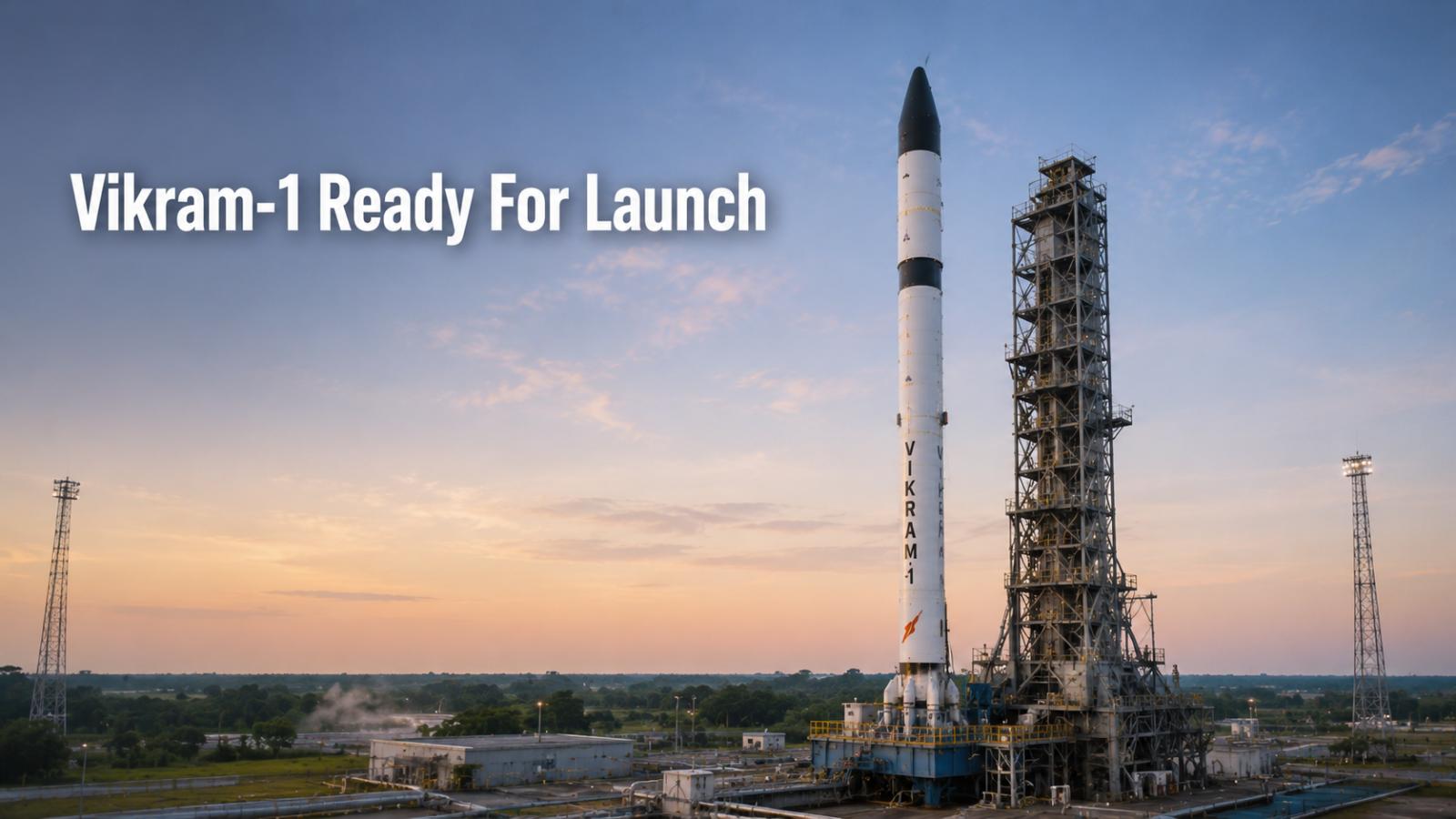
Skyroot Aerospace is preparing Vikram-1 for its maiden orbital mission from Sriharikota. Scheduled for July 18, 2026, the launch could mark India’s first privately developed orbital rocket flight and strengthen the country’s commercial small-satellite launch sector. The Vikram-1 first orbital launch is scheduled for 11:30 a.m. IST on Saturday, July 18, 2026, from the Satish Dhawan Space Centre in Sriharikota, Andhra Pradesh. Through Missio
Vikram-1 First Orbital Launch Today: Time, Mission and Payload
Skyroot Aerospace is preparing Vikram-1 for its maiden orbital mission from Sriharikota. Scheduled for July 18, 2026, the launch could mark India’s first privately developed orbital rocket flight and strengthen the country’s commercial small-satellite launch sector. The Vikram-1 first orbital launch is scheduled for 11:30 a.m. IST on Saturday, July 18, 2026, from the Satish Dhawan Space Centre in Sriharikota, Andhra Pradesh. Through Missio
Robotic mission aims to lift NASA’s Swift Observatory
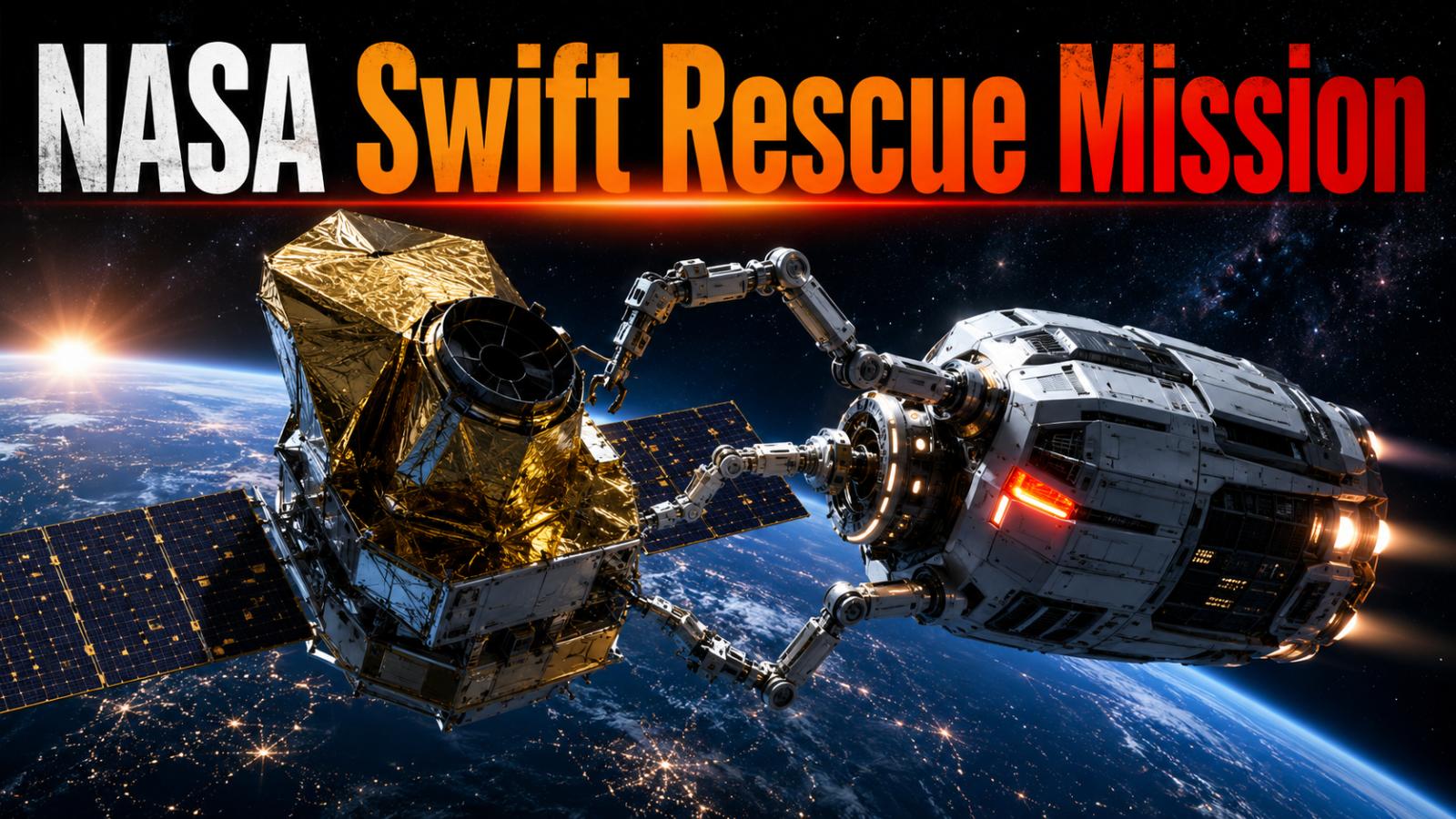
NASA prepares rescue mission for Swift NASA is preparing a $30 million robotic mission to prevent the Neil Gehrels Swift Observatory from re-entering Earth’s atmosphere after two decades of service in space. The agency has described the effort as a race against time and gravity, as the aging telescope continues to lose altitude because of orbital decay. The mission will be led by Katalyst Space Technologies, a startup developing a three-armed spacecra
Robotic mission aims to lift NASA’s Swift Observatory
NASA prepares rescue mission for Swift NASA is preparing a $30 million robotic mission to prevent the Neil Gehrels Swift Observatory from re-entering Earth’s atmosphere after two decades of service in space. The agency has described the effort as a race against time and gravity, as the aging telescope continues to lose altitude because of orbital decay. The mission will be led by Katalyst Space Technologies, a startup developing a three-armed spacecra
Moon mass loss and breakup: Earth impact explained
If a moon mass change effect happens, Earth will not be destroyed, but many natural systems will slowly change. In a moon mass change effect, the biggest impact would be on ocean tides, night brightness, and long-term climate stability. The Moon controls tides by its gravity, so if it becomes smaller or loses mass, ocean tides will become weaker. This means the sea will not rise and fall as strongly as it does today. Coastal areas, fishing activity, and marin
Moon mass loss and breakup: Earth impact explained
If a moon mass change effect happens, Earth will not be destroyed, but many natural systems will slowly change. In a moon mass change effect, the biggest impact would be on ocean tides, night brightness, and long-term climate stability. The Moon controls tides by its gravity, so if it becomes smaller or loses mass, ocean tides will become weaker. This means the sea will not rise and fall as strongly as it does today. Coastal areas, fishing activity, and marin
Astronauts aboard space station to welcome new year 16 times in orbit
As people across the globe prepare to welcome the New Year with countdowns, fireworks, and celebrations across different time zones, a small group of astronauts orbiting far above Earth will experience the arrival of the new year in a way unlike anyone on the planet. Aboard the International Space Station, astronauts currently in orbit will celebrate the New Year an astonishing 16 times, highlighting the extraordinary reality of life in space and the unique way time is experienced beyond Earth.
Astronauts aboard space station to welcome new year 16 times in orbit
As people across the globe prepare to welcome the New Year with countdowns, fireworks, and celebrations across different time zones, a small group of astronauts orbiting far above Earth will experience the arrival of the new year in a way unlike anyone on the planet. Aboard the International Space Station, astronauts currently in orbit will celebrate the New Year an astonishing 16 times, highlighting the extraordinary reality of life in space and the unique way time is experienced beyond Earth.
ISRO Unveils Bharatiya Antariksh Station Model, First Module To Launch By 2028
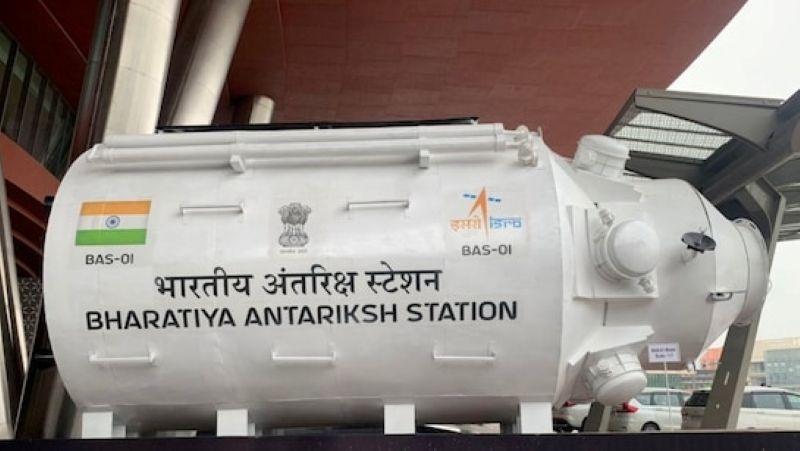
India took a major step towards its long-term space ambitions as ISRO unveiled a model of the Bharatiya Antariksh Station (BAS) during National Space Day celebrations in New Delhi. The move signals India’s entry into the elite group of nations operating orbital laboratories, joining the ranks of the International Space Station (ISS) and China’s Tiangong station. The first BAS module, BAS-01
ISRO Unveils Bharatiya Antariksh Station Model, First Module To Launch By 2028
India took a major step towards its long-term space ambitions as ISRO unveiled a model of the Bharatiya Antariksh Station (BAS) during National Space Day celebrations in New Delhi. The move signals India’s entry into the elite group of nations operating orbital laboratories, joining the ranks of the International Space Station (ISS) and China’s Tiangong station. The first BAS module, BAS-01
Experts Warn of Space Traffic Crisis Without Global Cooperation on Low Earth Orbit
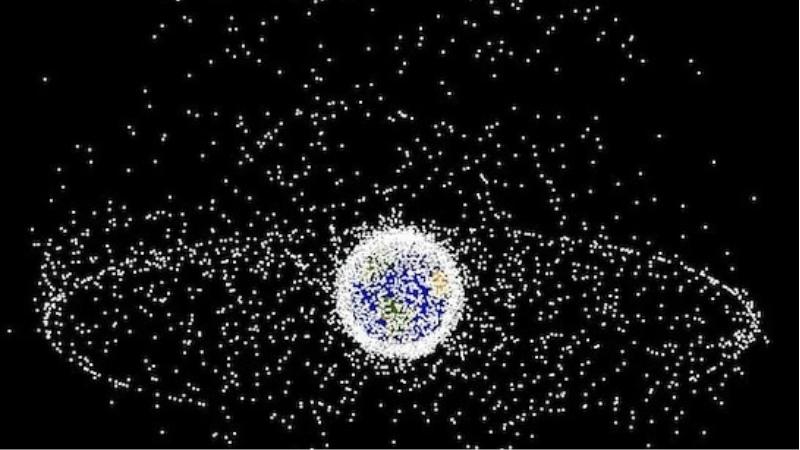
The rapid increase in satellites and space junk is threatening the future of Low Earth Orbit (LEO), the most accessible region of space. Experts and industry insiders have raised alarms, stating that without international cooperation and data sharing, LEO could soon become overcrowded and unsafe. According to the United Nations, more than 14,000 satellites, along with over 120 million pieces of debris, are already in orbit, with many more expected in the coming years. This growing congestion
Experts Warn of Space Traffic Crisis Without Global Cooperation on Low Earth Orbit
The rapid increase in satellites and space junk is threatening the future of Low Earth Orbit (LEO), the most accessible region of space. Experts and industry insiders have raised alarms, stating that without international cooperation and data sharing, LEO could soon become overcrowded and unsafe. According to the United Nations, more than 14,000 satellites, along with over 120 million pieces of debris, are already in orbit, with many more expected in the coming years. This growing congestion


