If a moon mass change effect happens, Earth will not be destroyed, but many natural systems will slowly change. In a moon mass change effect, the biggest impact would be on ocean tides, night brightness, and long-term climate stability. The Moon controls tides by its gravity, so if it becomes smaller or loses mass, ocean tides will become weaker. This means the sea will not rise and fall as strongly as it does today. Coastal areas, fishing activity, and marine life that depend on tides will gradually adjust to this change.
Weak tide explanation when the Moon becomes smaller
The weak tide explanation is simple. The Moon pulls ocean water toward it, creating high and low tides. If the Moon becomes lighter or smaller, its pull becomes weaker. As a result, tides will still exist but will be much smaller. Wind will still create normal waves, but the natural tidal cycle will lose strength. This change will not stop oceans from moving, but it will slowly affect coastal ecosystems and human activities near the sea.
Earth climate Moon change over long time
A major concern is earth climate moon change over very long periods. The Moon helps keep Earth’s tilt stable. If the Moon becomes smaller, Earth’s tilt may slowly become less stable over thousands or millions of years. This could slightly change seasons and climate patterns. It will not cause sudden disasters, but it may create slow environmental shifts over long geological time.
Moon breakup impact and space danger
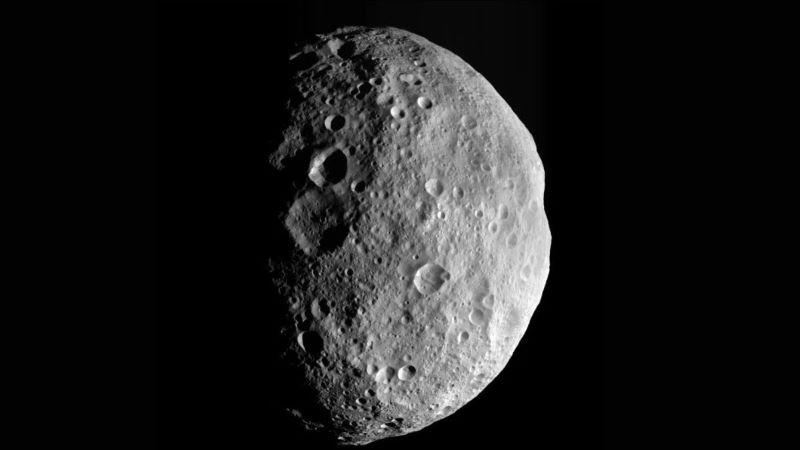
If a moon breakup impact happens, the situation becomes far more serious. The Moon could break into large pieces that may try to pull back together due to gravity. In some cases, they could crash again and form a damaged structure. If the breakup is strong, it could create a field of lunar debris field risk around Earth.
Lunar debris field risk near Earth
A lunar debris field risk means broken rocks and dust from the Moon could orbit Earth. Some of this material could fall toward Earth as meteors. Small pieces would burn in the atmosphere, but larger fragments could become dangerous if they hit the surface. This increases meteor risk, but Earth would still remain in its orbit around the Sun because solar gravity is much stronger than lunar gravity.
Orbital change Earth Moon system stability
Even in extreme cases, orbital change earth moon system does not affect Earth’s path around the Sun. Earth’s orbit is controlled mainly by the Sun. However, the Earth-Moon system would become unstable locally, affecting satellites, space missions, and debris tracking systems.
Moon fragmentation science and reality check
According to moon fragmentation science, the Moon cannot naturally split without a massive external force like a large asteroid impact. Even then, breaking it cleanly into two perfect halves is extremely unlikely. The Moon is structurally strong, and any breakup would likely create irregular fragments rather than neat halves.
Final understanding
In simple terms, if the Moon becomes smaller, Earth stays safe but changes slowly in tides and climate. If the Moon breaks apart, it creates space hazards due to debris and meteor risks. The planet would survive, but the space environment around Earth would become far more dangerous and unpredictable over time.