Nepal flood climate risk is a warning to world, Shah tells UN
Nepal Prime Minister Balendra Shah has used the United Nations General Assembly to describe last month’s devastating floods as a warning that extends far beyond Nepal. He said rising temperatures are increasing pressure on the Himalayan environment and urged wealthier nations to help vulnerable countries finance adaptation and recovery. Himalaya faces growing climate risk Addressing the 81st
Nepal flood climate risk is a warning to world, Shah tells UN
Nepal Prime Minister Balendra Shah has used the United Nations General Assembly to describe last month’s devastating floods as a warning that extends far beyond Nepal. He said rising temperatures are increasing pressure on the Himalayan environment and urged wealthier nations to help vulnerable countries finance adaptation and recovery. Himalaya faces growing climate risk Addressing the 81st
El Nino 2026 could become strongest in four decades, WMO warns
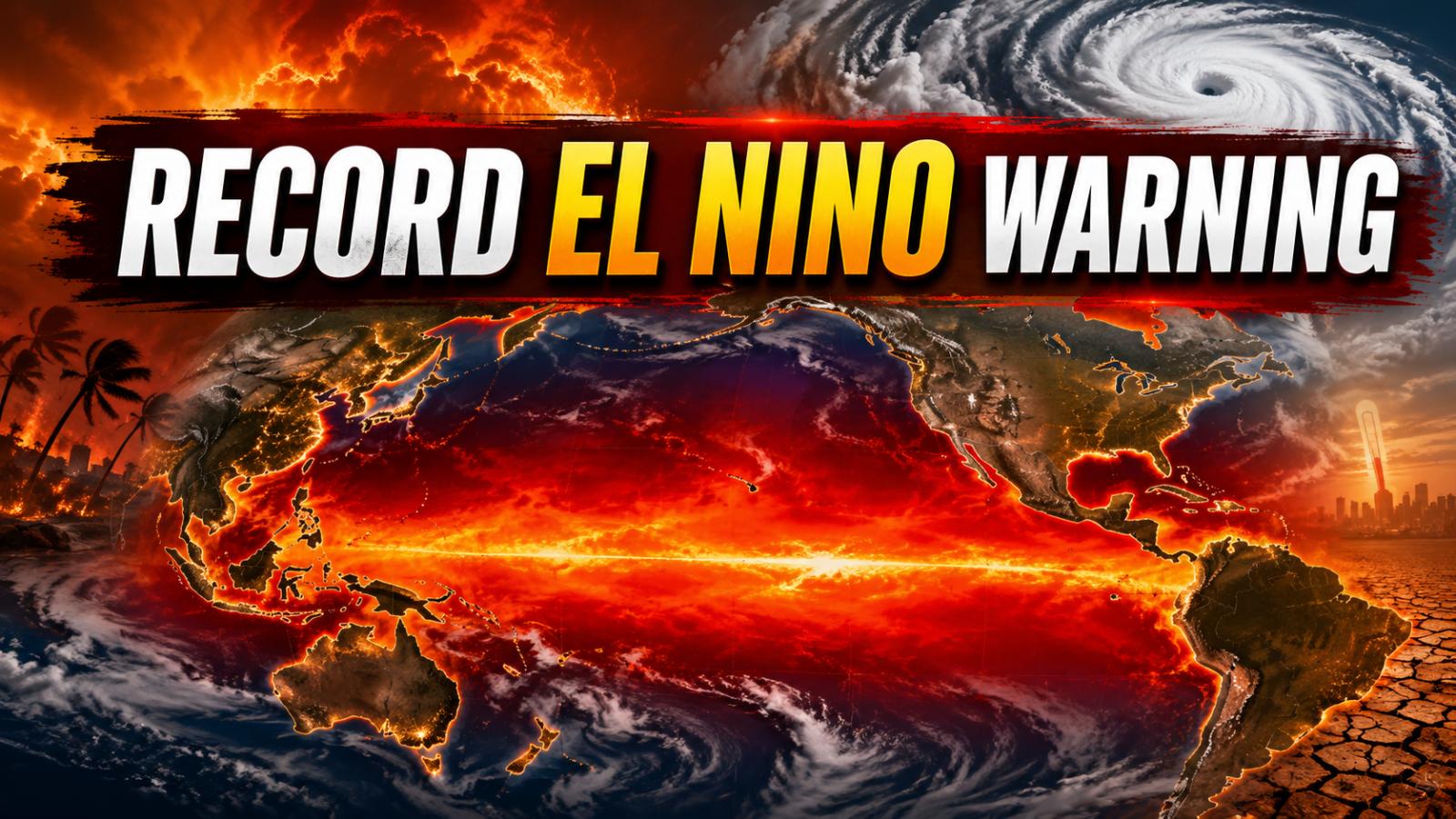
A powerful El Nino is strengthening across the tropical Pacific and could become the most intense event recorded during four decades of World Meteorological Organization monitoring. The WMO says there is a nearly 100% likelihood that the event will persist through February 2027, with major implications for global temperatures, rainfall and extreme weather. El Nino 2026 could reach exceptional strength
El Nino 2026 could become strongest in four decades, WMO warns
A powerful El Nino is strengthening across the tropical Pacific and could become the most intense event recorded during four decades of World Meteorological Organization monitoring. The WMO says there is a nearly 100% likelihood that the event will persist through February 2027, with major implications for global temperatures, rainfall and extreme weather. El Nino 2026 could reach exceptional strength
Himalayan glacial flood risk rises as climate warming accelerates
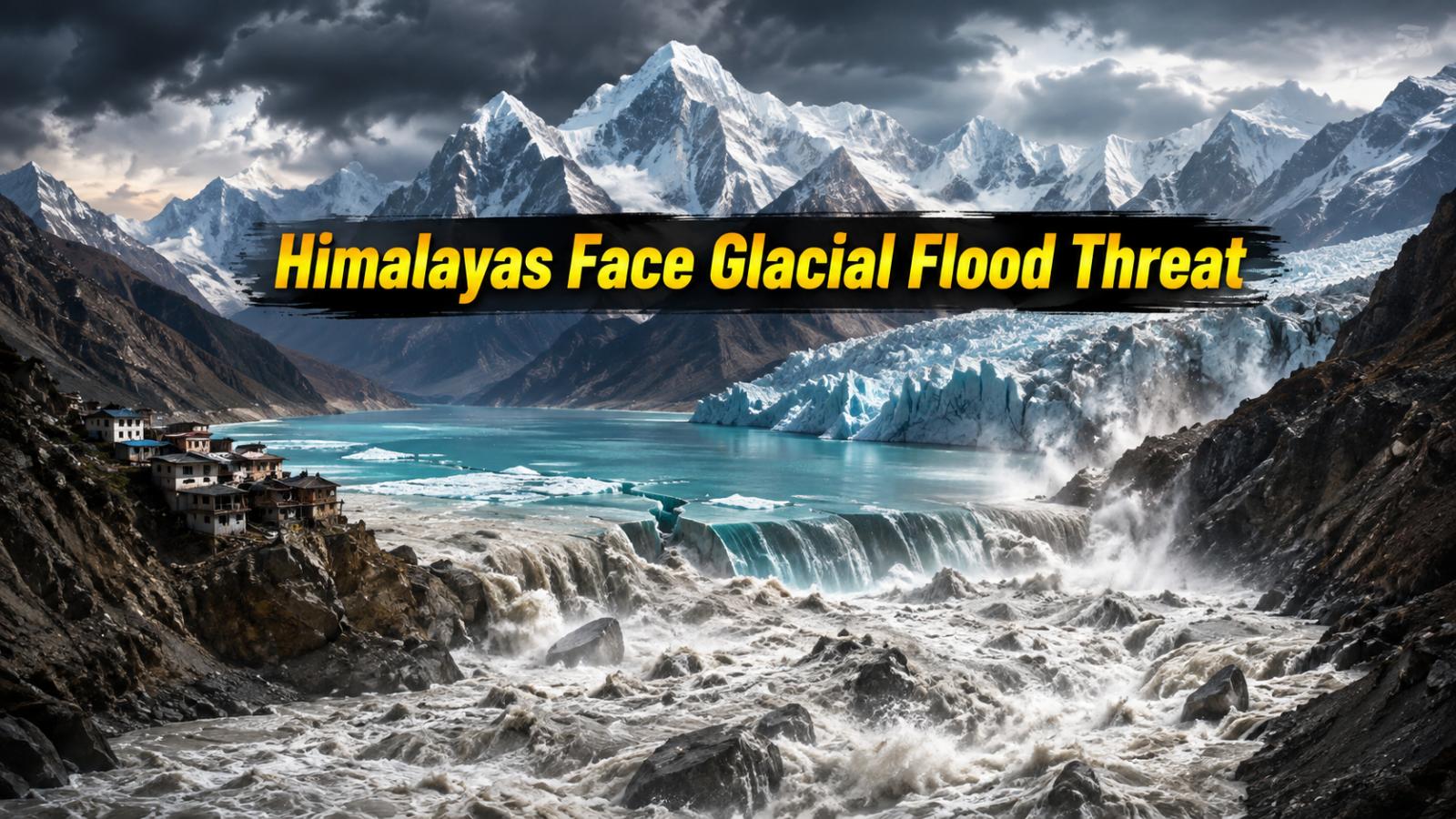
The Himalayas face a growing danger from glacial floods as warming temperatures destabilize glaciers and expand high-altitude lakes. UN officials and Chinese authorities have warned that millions of people across Nepal, China and India could face more destructive events in the years ahead. Himalayan glacial floods threaten mountain communities Concerns have intensified following the catastrophi
Himalayan glacial flood risk rises as climate warming accelerates
The Himalayas face a growing danger from glacial floods as warming temperatures destabilize glaciers and expand high-altitude lakes. UN officials and Chinese authorities have warned that millions of people across Nepal, China and India could face more destructive events in the years ahead. Himalayan glacial floods threaten mountain communities Concerns have intensified following the catastrophi
Austria Heat Deaths Hit Record 646 During Extreme Summer
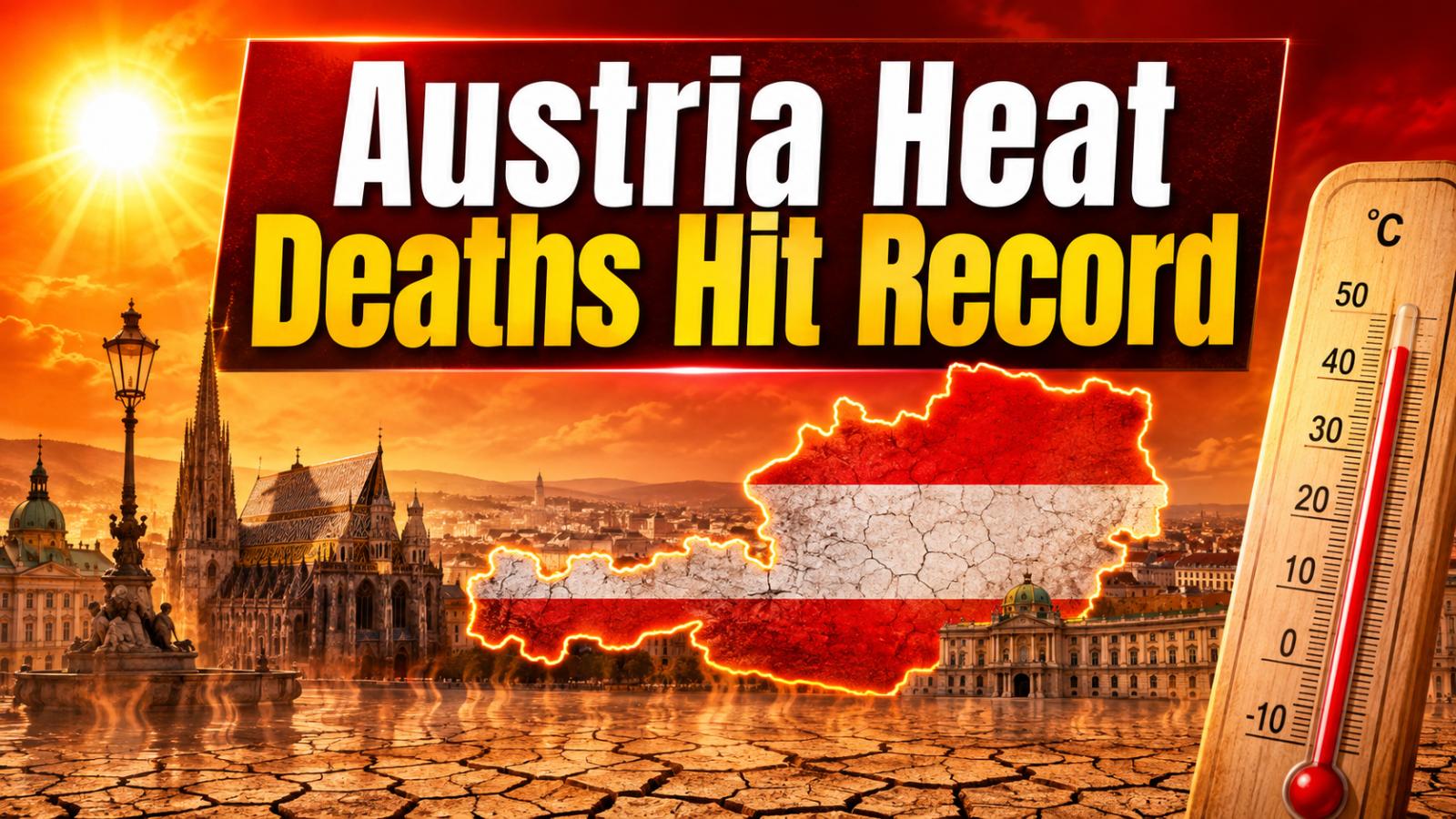
Austria recorded an estimated 646 heat-related deaths during June and July 2026, the highest figure documented for the two-month period. The Austria heat deaths record comes as extreme temperatures, drought and rising heat-health risks place growing pressure on vulnerable people and public services. June-July Heat Toll Austria's Agency for Health and Food Safety, known as AGES, estimated 646 he
Austria Heat Deaths Hit Record 646 During Extreme Summer
Austria recorded an estimated 646 heat-related deaths during June and July 2026, the highest figure documented for the two-month period. The Austria heat deaths record comes as extreme temperatures, drought and rising heat-health risks place growing pressure on vulnerable people and public services. June-July Heat Toll Austria's Agency for Health and Food Safety, known as AGES, estimated 646 he
El Nino Aug-Oct 2026 Could Bring More Heat and Rain Shifts
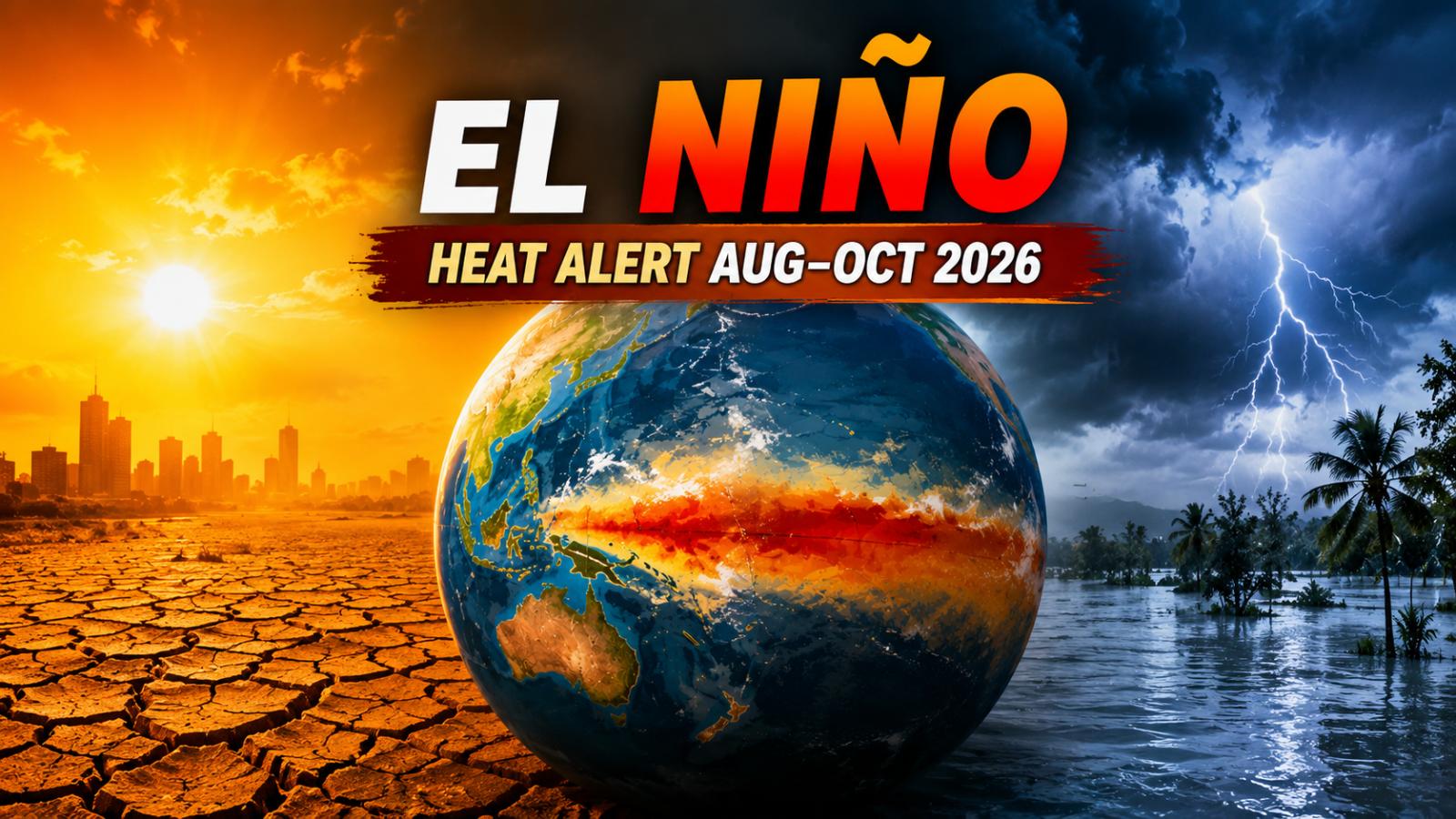
El Niño Aug-Oct 2026 is expected to intensify, raising the likelihood of widespread heat and major rain shifts. The WMO warning points to India monsoon risks, regional drought, flooding and changing weather patterns, although local outcomes will vary. Heat outlook A strong El Niño is developing and is expected to influence global climate patterns from August through October 2026, according to
El Nino Aug-Oct 2026 Could Bring More Heat and Rain Shifts
El Niño Aug-Oct 2026 is expected to intensify, raising the likelihood of widespread heat and major rain shifts. The WMO warning points to India monsoon risks, regional drought, flooding and changing weather patterns, although local outcomes will vary. Heat outlook A strong El Niño is developing and is expected to influence global climate patterns from August through October 2026, according to
France and Spain Wildfire Crisis Forces Mass Evacuations
The France and Spain wildfire crisis has forced hundreds of thousands of people to leave threatened communities as Gironde fires advance near Bordeaux and Spain fires affect Madrid, Ávila and Valencia. Emergency crews and EU aircraft are supporting large-scale rescue operations. Gironde fires threaten Bordeaux communities Wildfires continued burning across France and Spain on Monday, July 27,
France and Spain Wildfire Crisis Forces Mass Evacuations
The France and Spain wildfire crisis has forced hundreds of thousands of people to leave threatened communities as Gironde fires advance near Bordeaux and Spain fires affect Madrid, Ávila and Valencia. Emergency crews and EU aircraft are supporting large-scale rescue operations. Gironde fires threaten Bordeaux communities Wildfires continued burning across France and Spain on Monday, July 27,
India Japan carbon credit deal boosts clean energy projects
India and Japan are using a joint framework to connect climate action with investment flows. Instead of treating emission cuts as isolated national efforts, both countries are aligning projects where funding, technology, and verified reductions move together. This approach is built to support long-term decarbonisation while still allowing industrial growth in emerging markets like India.
India Japan carbon credit deal boosts clean energy projects
India and Japan are using a joint framework to connect climate action with investment flows. Instead of treating emission cuts as isolated national efforts, both countries are aligning projects where funding, technology, and verified reductions move together. This approach is built to support long-term decarbonisation while still allowing industrial growth in emerging markets like India.
Europe omega block heatwave drives deadly temperature surge
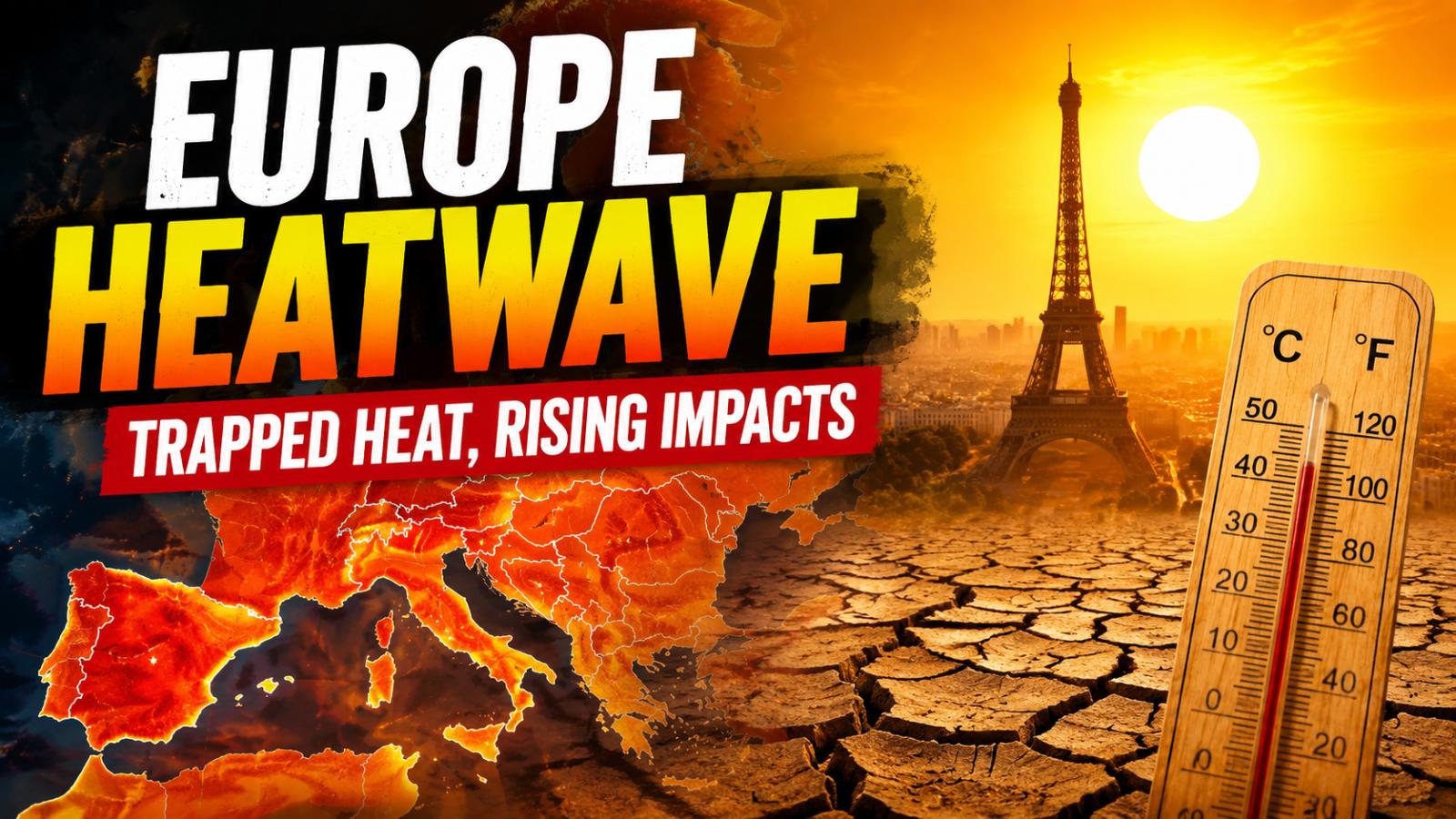
Europe is currently experiencing a severe heatwave driven by a trapped atmospheric system known as an omega block. This Europe omega block heatwave is preventing normal weather movement, locking hot air over large parts of the continent for days. As a result, temperatures are rising sharply, affecting daily life, health systems, and infrastructure across multiple countries. What is driving this extreme heat The main reason behind the heat buildup is a stalled jet stream pattern. In this pattern, high pressure sits over Europe in a shape that blocks cooler air from entering. Instead of changing weather systems, the same hot air remains in place and continues to intensify under strong summer sunlight. This creates repeated days of extreme heat rather than short-term spikes. Nights also remain warm, giving the human body little time to recover from daytime heat exposure. Countries facing the strongest impact The heatwave is affecting a wide region including France, Germany, Italy, Spain, Switzerland, the United Kingdom, Poland, Czechia, Hungary, and parts of the Balkans. Several areas in Central and Eastern Europe have recorded temperatures above 40°C, with some locations reaching historic highs. The heat is spreading gradually eastward as the trapped system shifts across the continent. Why some regions are more exposed Southern Europe is directly exposed to hot air moving from North Africa and the Mediterranean. Countries such as Spain, Italy, and France experience intense surface heating due to prolonged sunlight and dry conditions. In Central and Eastern Europe, countries like Germany, Poland, Czechia, and Hungary face heat accumulation over landlocked regions, where hot air remains trapped for longer periods. Impact on health and daily life Health systems are under growing pressure as heat-related illnesses increase. Conditions such as dehydration, heatstroke, and cardiovascular stress are rising, particularly among older adults, outdoor workers, and people without cooling access. Reports from multiple regions indicate excess deaths above normal levels during the heatwave period, highlighting the seriousness of prolonged exposure to extreme temperatures. Transport systems are also affected. Railway lines expand under heat, causing delays, while road surfaces soften and become unstable. Energy demand increases as cooling systems are used more widely, putting pressure on national grids. Agriculture is also suffering due to dry soil conditions, reduced crop yields, and falling river levels. In some regions, water availability is becoming a growing concern for both farming and urban supply. Public response and risk outlook Authorities across Europe are advising people to stay hydrated, avoid outdoor activity during peak heat hours, and check on vulnerable individuals. Hospitals remain alert as heat-related admissions continue to rise. Experts warn that the full impact of this heatwave may take time to appear, as excess mortality data is still being compiled. The situation highlights how extreme weather patterns are becoming more persistent and widespread, with the omega block heatwave showing how atmospheric conditions can directly affect health, infrastructure, and daily life across Europe.
Europe omega block heatwave drives deadly temperature surge
Europe is currently experiencing a severe heatwave driven by a trapped atmospheric system known as an omega block. This Europe omega block heatwave is preventing normal weather movement, locking hot air over large parts of the continent for days. As a result, temperatures are rising sharply, affecting daily life, health systems, and infrastructure across multiple countries. What is driving this extreme heat The main reason behind the heat buildup is a stalled jet stream pattern. In this pattern, high pressure sits over Europe in a shape that blocks cooler air from entering. Instead of changing weather systems, the same hot air remains in place and continues to intensify under strong summer sunlight. This creates repeated days of extreme heat rather than short-term spikes. Nights also remain warm, giving the human body little time to recover from daytime heat exposure. Countries facing the strongest impact The heatwave is affecting a wide region including France, Germany, Italy, Spain, Switzerland, the United Kingdom, Poland, Czechia, Hungary, and parts of the Balkans. Several areas in Central and Eastern Europe have recorded temperatures above 40°C, with some locations reaching historic highs. The heat is spreading gradually eastward as the trapped system shifts across the continent. Why some regions are more exposed Southern Europe is directly exposed to hot air moving from North Africa and the Mediterranean. Countries such as Spain, Italy, and France experience intense surface heating due to prolonged sunlight and dry conditions. In Central and Eastern Europe, countries like Germany, Poland, Czechia, and Hungary face heat accumulation over landlocked regions, where hot air remains trapped for longer periods. Impact on health and daily life Health systems are under growing pressure as heat-related illnesses increase. Conditions such as dehydration, heatstroke, and cardiovascular stress are rising, particularly among older adults, outdoor workers, and people without cooling access. Reports from multiple regions indicate excess deaths above normal levels during the heatwave period, highlighting the seriousness of prolonged exposure to extreme temperatures. Transport systems are also affected. Railway lines expand under heat, causing delays, while road surfaces soften and become unstable. Energy demand increases as cooling systems are used more widely, putting pressure on national grids. Agriculture is also suffering due to dry soil conditions, reduced crop yields, and falling river levels. In some regions, water availability is becoming a growing concern for both farming and urban supply. Public response and risk outlook Authorities across Europe are advising people to stay hydrated, avoid outdoor activity during peak heat hours, and check on vulnerable individuals. Hospitals remain alert as heat-related admissions continue to rise. Experts warn that the full impact of this heatwave may take time to appear, as excess mortality data is still being compiled. The situation highlights how extreme weather patterns are becoming more persistent and widespread, with the omega block heatwave showing how atmospheric conditions can directly affect health, infrastructure, and daily life across Europe.
Europe heatwave intensifies as blocking system traps hot air
A strong and slow-moving atmospheric pattern is keeping large parts of Europe locked under unusually hot and dry conditions. The system is preventing cooler Atlantic air from entering the region, allowing heat to build up day after day. As a result, temperatures are climbing far above seasonal averages across Western and Central Europe, with multiple countries reporting prolonged heat stress rather than short heat spikes.
Europe heatwave intensifies as blocking system traps hot air
A strong and slow-moving atmospheric pattern is keeping large parts of Europe locked under unusually hot and dry conditions. The system is preventing cooler Atlantic air from entering the region, allowing heat to build up day after day. As a result, temperatures are climbing far above seasonal averages across Western and Central Europe, with multiple countries reporting prolonged heat stress rather than short heat spikes.
France heatwave shuts landmarks as tourism faces disruption
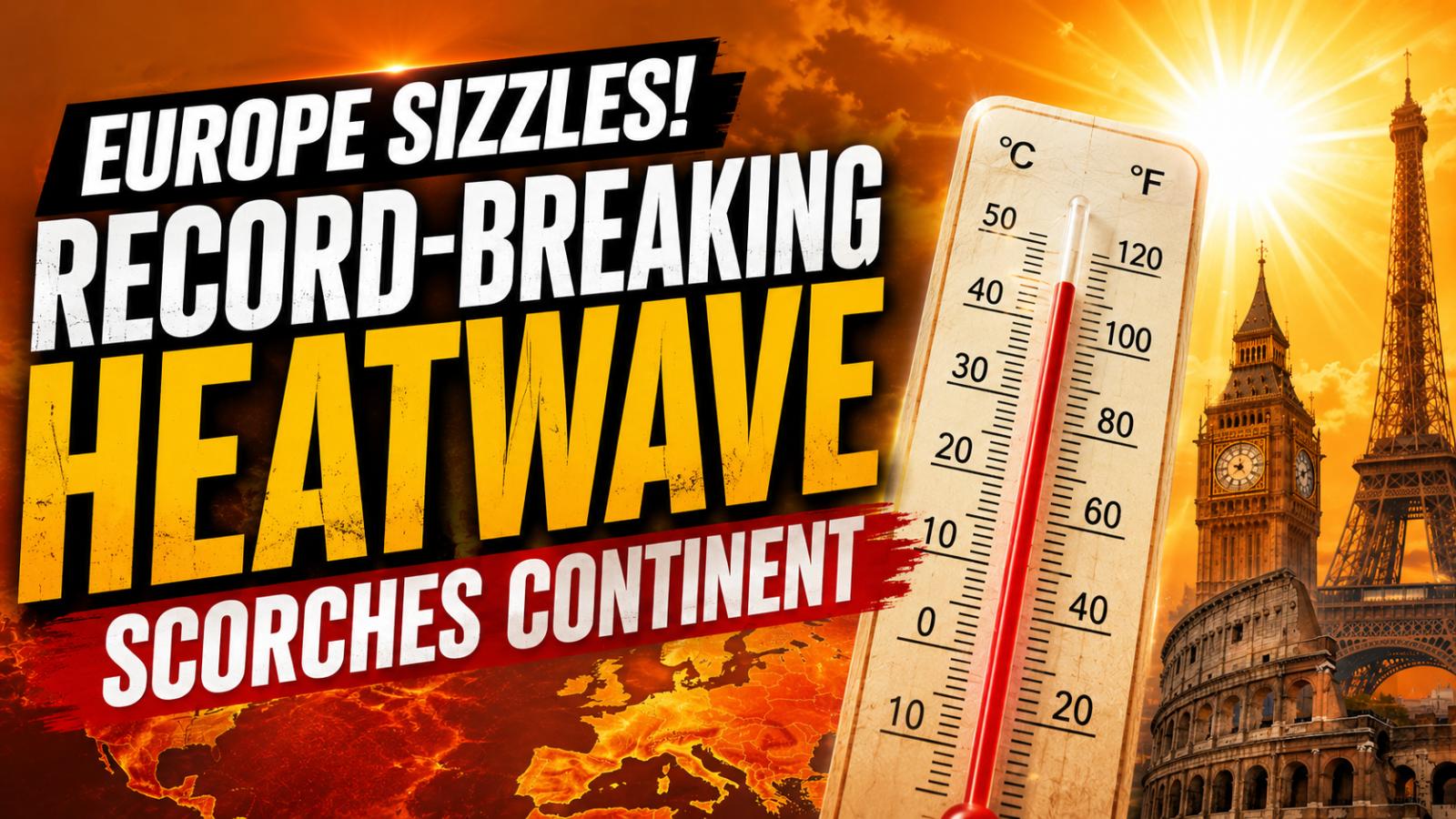
France is experiencing an intense heat surge that has pushed temperatures across several regions to dangerous levels, placing large parts of the country under the highest weather alert category. Authorities have warned that the current conditions are among the most severe in recent years, with urban areas like Paris feeling the strongest impact due to dense infrastructure and limited night-time cooling. Paris tourism slows as conditions become unsafe Tourist activity in Paris has taken a noticeable hit as extreme heat makes outdoor movement difficult during peak hours. Visitors are shortening itineraries, avoiding long walking routes, and shifting to indoor attractions wherever possible. Public spaces remain crowded, but activity is largely concentrated in shaded areas and air-conditioned venues as people try to avoid prolonged exposure. Major landmarks adjust operations due to heat stress Several iconic sites have been forced to modify schedules in response to the heat conditions. The Eiffel Tower has adjusted operating hours, closing earlier than usual to reduce visitor risk during peak temperatures. The Louvre Museum has also shifted to reduced visiting hours, prioritizing safety for both staff and tourists. Other regional attractions have issued advisories urging travelers to delay or reschedule visits until conditions improve. Weather pattern driving the extreme temperatures Meteorologists attribute the heat surge to a stalled atmospheric pattern that is trapping warm air over Western Europe. This system is reinforced by hot air moving in from North Africa, intensifying the temperature spike across France. Combined with stagnant wind conditions, the heat is persisting longer than typical summer peaks, limiting overnight cooling and increasing strain on infrastructure. Climate trend raising frequency of extreme heat events Experts note that Europe is warming faster than many other regions globally, contributing to more frequent and intense heat episodes. France is increasingly experiencing prolonged summer heat events that disrupt transport, tourism, and daily routines. The current situation highlights how rising baseline temperatures are turning what were once rare extremes into recurring seasonal challenges.
France heatwave shuts landmarks as tourism faces disruption
France is experiencing an intense heat surge that has pushed temperatures across several regions to dangerous levels, placing large parts of the country under the highest weather alert category. Authorities have warned that the current conditions are among the most severe in recent years, with urban areas like Paris feeling the strongest impact due to dense infrastructure and limited night-time cooling. Paris tourism slows as conditions become unsafe Tourist activity in Paris has taken a noticeable hit as extreme heat makes outdoor movement difficult during peak hours. Visitors are shortening itineraries, avoiding long walking routes, and shifting to indoor attractions wherever possible. Public spaces remain crowded, but activity is largely concentrated in shaded areas and air-conditioned venues as people try to avoid prolonged exposure. Major landmarks adjust operations due to heat stress Several iconic sites have been forced to modify schedules in response to the heat conditions. The Eiffel Tower has adjusted operating hours, closing earlier than usual to reduce visitor risk during peak temperatures. The Louvre Museum has also shifted to reduced visiting hours, prioritizing safety for both staff and tourists. Other regional attractions have issued advisories urging travelers to delay or reschedule visits until conditions improve. Weather pattern driving the extreme temperatures Meteorologists attribute the heat surge to a stalled atmospheric pattern that is trapping warm air over Western Europe. This system is reinforced by hot air moving in from North Africa, intensifying the temperature spike across France. Combined with stagnant wind conditions, the heat is persisting longer than typical summer peaks, limiting overnight cooling and increasing strain on infrastructure. Climate trend raising frequency of extreme heat events Experts note that Europe is warming faster than many other regions globally, contributing to more frequent and intense heat episodes. France is increasingly experiencing prolonged summer heat events that disrupt transport, tourism, and daily routines. The current situation highlights how rising baseline temperatures are turning what were once rare extremes into recurring seasonal challenges.

Moon mass loss and breakup: Earth impact explained
If a moon mass change effect happens, Earth will not be destroyed, but many natural systems will slowly change. In a moon mass change effect, the biggest impact would be on ocean tides, night brightness, and long-term climate stability. The Moon controls tides by its gravity, so if it becomes smaller or loses mass, ocean tides will become weaker. This means the sea will not rise and fall as strongly as it does today. Coastal areas, fishing activity, and marin
Moon mass loss and breakup: Earth impact explained
If a moon mass change effect happens, Earth will not be destroyed, but many natural systems will slowly change. In a moon mass change effect, the biggest impact would be on ocean tides, night brightness, and long-term climate stability. The Moon controls tides by its gravity, so if it becomes smaller or loses mass, ocean tides will become weaker. This means the sea will not rise and fall as strongly as it does today. Coastal areas, fishing activity, and marin
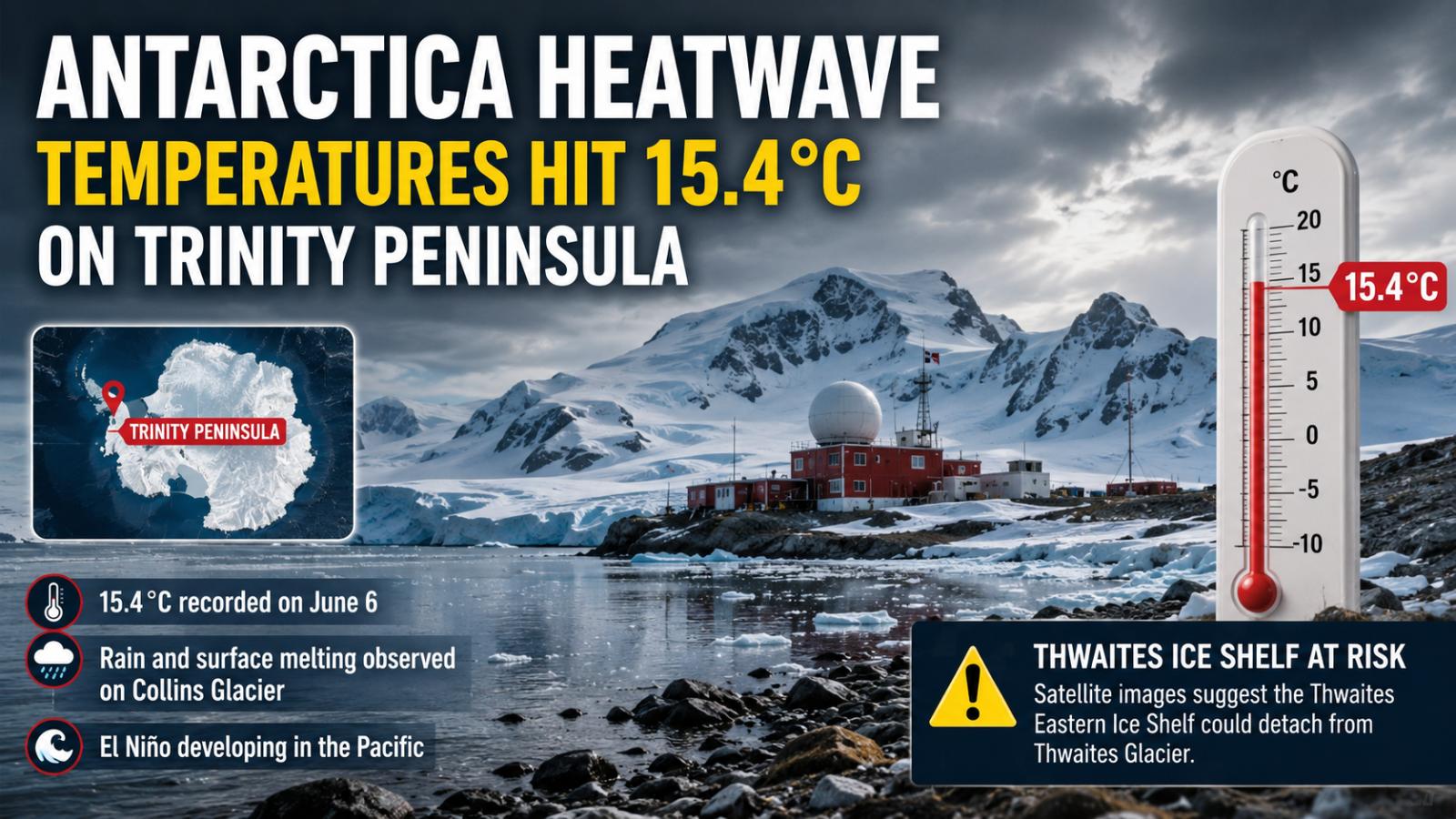
Trinity Peninsula Heat Anomaly Pushes Antarctica to 15.4°C
Researchers recorded a temperature of 15.4°C on Antarctica’s Trinity Peninsula on June 6, although the supplied material does not identify the year. The Trinity Peninsula heat anomaly was reported at nearly 20°C above the seasonal norm, with rain and surface melting observed on Collins Glacier. Trinity Peninsula Heat Anomaly Brings Rain to Collins Glacier Raúl Cordero, a climate professor at the University of Groningen, described th
Trinity Peninsula Heat Anomaly Pushes Antarctica to 15.4°C
Researchers recorded a temperature of 15.4°C on Antarctica’s Trinity Peninsula on June 6, although the supplied material does not identify the year. The Trinity Peninsula heat anomaly was reported at nearly 20°C above the seasonal norm, with rain and surface melting observed on Collins Glacier. Trinity Peninsula Heat Anomaly Brings Rain to Collins Glacier Raúl Cordero, a climate professor at the University of Groningen, described th
Judge Orders Trump Administration to Restore National Park Exhibits
A federal judge has ordered the Trump administration to restore altered national park exhibits and temporarily halt further removals while a lawsuit challenging the changes proceeds. U.S. District Judge Angel Kelley in Massachusetts issued a preliminary injunction requiring the administration to reverse changes made under a presidential directive on how federal museums, parks and landmarks present American history. The order also requires weekly reports detailing restoration work.
Judge Orders Trump Administration to Restore National Park Exhibits
A federal judge has ordered the Trump administration to restore altered national park exhibits and temporarily halt further removals while a lawsuit challenging the changes proceeds. U.S. District Judge Angel Kelley in Massachusetts issued a preliminary injunction requiring the administration to reverse changes made under a presidential directive on how federal museums, parks and landmarks present American history. The order also requires weekly reports detailing restoration work.
New Jersey ranks last in NJBIA business climate report
New Jersey ranked last in a regional business climate report from the New Jersey Business and Industry Association, as high taxes and business costs continued to weigh on employers. The New Jersey business climate report compared seven Northeast and mid-Atlantic states and placed Pennsylvania first, followed by Maryland and Delaware. New Jersey finished at the bottom for the eighth consecutive year. New Jersey business climate report highlights tax burden
New Jersey ranks last in NJBIA business climate report
New Jersey ranked last in a regional business climate report from the New Jersey Business and Industry Association, as high taxes and business costs continued to weigh on employers. The New Jersey business climate report compared seven Northeast and mid-Atlantic states and placed Pennsylvania first, followed by Maryland and Delaware. New Jersey finished at the bottom for the eighth consecutive year. New Jersey business climate report highlights tax burden
Trump Pushes $700M Coal Expansion Despite Climate Concerns
Trump Expands Coal Funding US President Donald Trump has announced a $700 million initiative to expand coal production and support coal-related projects across ten US states. The funding aims to keep over a dozen coal plants operational, support 42 coal mines, build two new coal plants, and develop a coal export terminal. This effort, executed under the Defence Production Act, underscores the administration?
Trump Pushes $700M Coal Expansion Despite Climate Concerns
Trump Expands Coal Funding US President Donald Trump has announced a $700 million initiative to expand coal production and support coal-related projects across ten US states. The funding aims to keep over a dozen coal plants operational, support 42 coal mines, build two new coal plants, and develop a coal export terminal. This effort, executed under the Defence Production Act, underscores the administration?
World Environment Day 2026: Date, Theme, History, and Significance
World Environment Day: Purpose and Theme World Environment Day is celebrated globally every year on June 5 to raise awareness about environmental issues and inspire action for a sustainable future. Established by the United Nations in 1972 after the Stockholm Conference on the Human Environment, the first official celebration took place in 1973. Over the decades, it has grown into one of the largest envir
World Environment Day 2026: Date, Theme, History, and Significance
World Environment Day: Purpose and Theme World Environment Day is celebrated globally every year on June 5 to raise awareness about environmental issues and inspire action for a sustainable future. Established by the United Nations in 1972 after the Stockholm Conference on the Human Environment, the first official celebration took place in 1973. Over the decades, it has grown into one of the largest envir
UN General Assembly Election 2026: Cyprus vs Bangladesh
Cyprus and Bangladesh Compete for UNGA Leadership The United Nations is under intense pressure to demonstrate its relevance amid numerous global crises, and attention now turns to the election of the 81st President of the General Assembly. Cyprus and Bangladesh are in a tight contest, with the vote set for Tuesday, 2 June. The winner will assume office when the new session opens in September, overseeing the
UN General Assembly Election 2026: Cyprus vs Bangladesh
Cyprus and Bangladesh Compete for UNGA Leadership The United Nations is under intense pressure to demonstrate its relevance amid numerous global crises, and attention now turns to the election of the 81st President of the General Assembly. Cyprus and Bangladesh are in a tight contest, with the vote set for Tuesday, 2 June. The winner will assume office when the new session opens in September, overseeing the
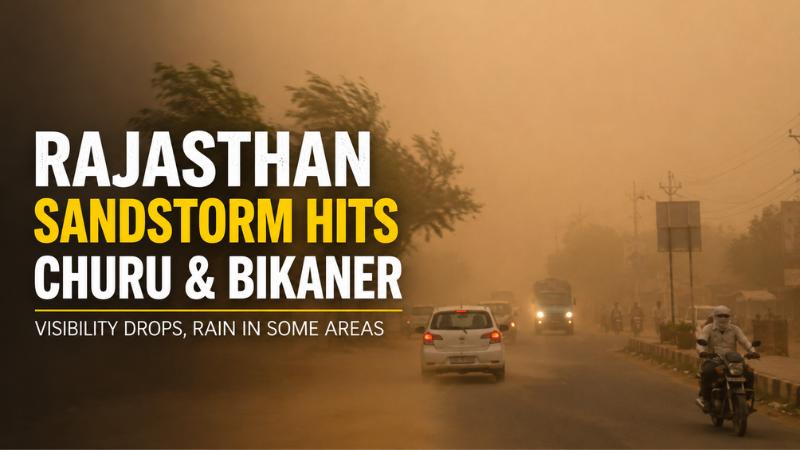
Rajasthan Sandstorm: Visibility Drops In Churu And Bikaner After Heavy Dust Storm
May 30, 2026: Churu-Bikaner Dust Storm Update A severe sandstorm swept across parts of Rajasthan, especially Churu and Bikaner, reducing visibility and disrupting normal movement. The dust storm was followed by rain in some areas, bringing sudden weather changes and safety concerns for residents and commuters. Heavy Sandstorm Hits Rajasthan A powerful sandstorm swept through parts of Rajasthan, cr
Rajasthan Sandstorm: Visibility Drops In Churu And Bikaner After Heavy Dust Storm
May 30, 2026: Churu-Bikaner Dust Storm Update A severe sandstorm swept across parts of Rajasthan, especially Churu and Bikaner, reducing visibility and disrupting normal movement. The dust storm was followed by rain in some areas, bringing sudden weather changes and safety concerns for residents and commuters. Heavy Sandstorm Hits Rajasthan A powerful sandstorm swept through parts of Rajasthan, cr
UK, Ireland, France Break Temperature Records
Record-Breaking Heat Across Europe A severe heatwave swept across Europe on Monday, May 25, with Britain, Ireland, and France experiencing unprecedented temperatures for May. Meteorologists attributed the extreme heat to a ‘heat dome’, a mass of hot air traveling from northern Africa and trapped beneath a high-pressure system over western Europe. In Spain, temperatures are forecast to reach 38 °C later

UK, Ireland, France Break Temperature Records
Record-Breaking Heat Across Europe A severe heatwave swept across Europe on Monday, May 25, with Britain, Ireland, and France experiencing unprecedented temperatures for May. Meteorologists attributed the extreme heat to a ‘heat dome’, a mass of hot air traveling from northern Africa and trapped beneath a high-pressure system over western Europe. In Spain, temperatures are forecast to reach 38 °C later

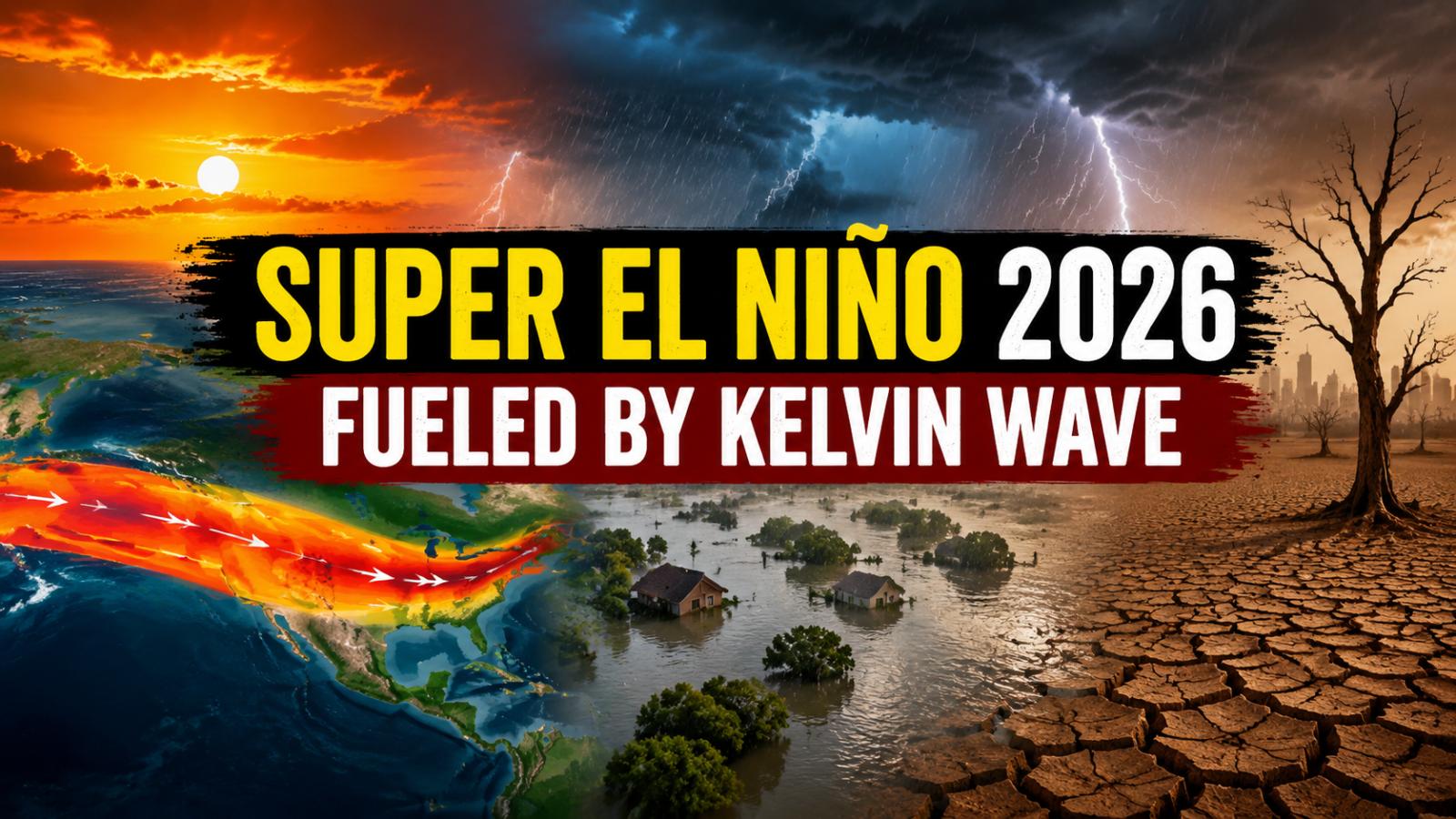
Super El Nino 2026: Floods, Droughts & Heatwaves Ahead
Scientists are warning that 2026 may bring one of the strongest El Niño events in over a century. Known as the Super El Niño, this phenomenon is driven by an unusually powerful Kelvin Wave traveling across the Pacific Ocean. This massive surge of warm water, sometimes more than 13°F above average, is disrupting normal ocean currents and could trigger major shifts in weather worldwide. Understanding Kelvin Waves and Ocean Heating

Super El Nino 2026: Floods, Droughts & Heatwaves Ahead
Scientists are warning that 2026 may bring one of the strongest El Niño events in over a century. Known as the Super El Niño, this phenomenon is driven by an unusually powerful Kelvin Wave traveling across the Pacific Ocean. This massive surge of warm water, sometimes more than 13°F above average, is disrupting normal ocean currents and could trigger major shifts in weather worldwide. Understanding Kelvin Waves and Ocean Heating