Khaan Quest 2026 brings 18 nations to Mongolia drill
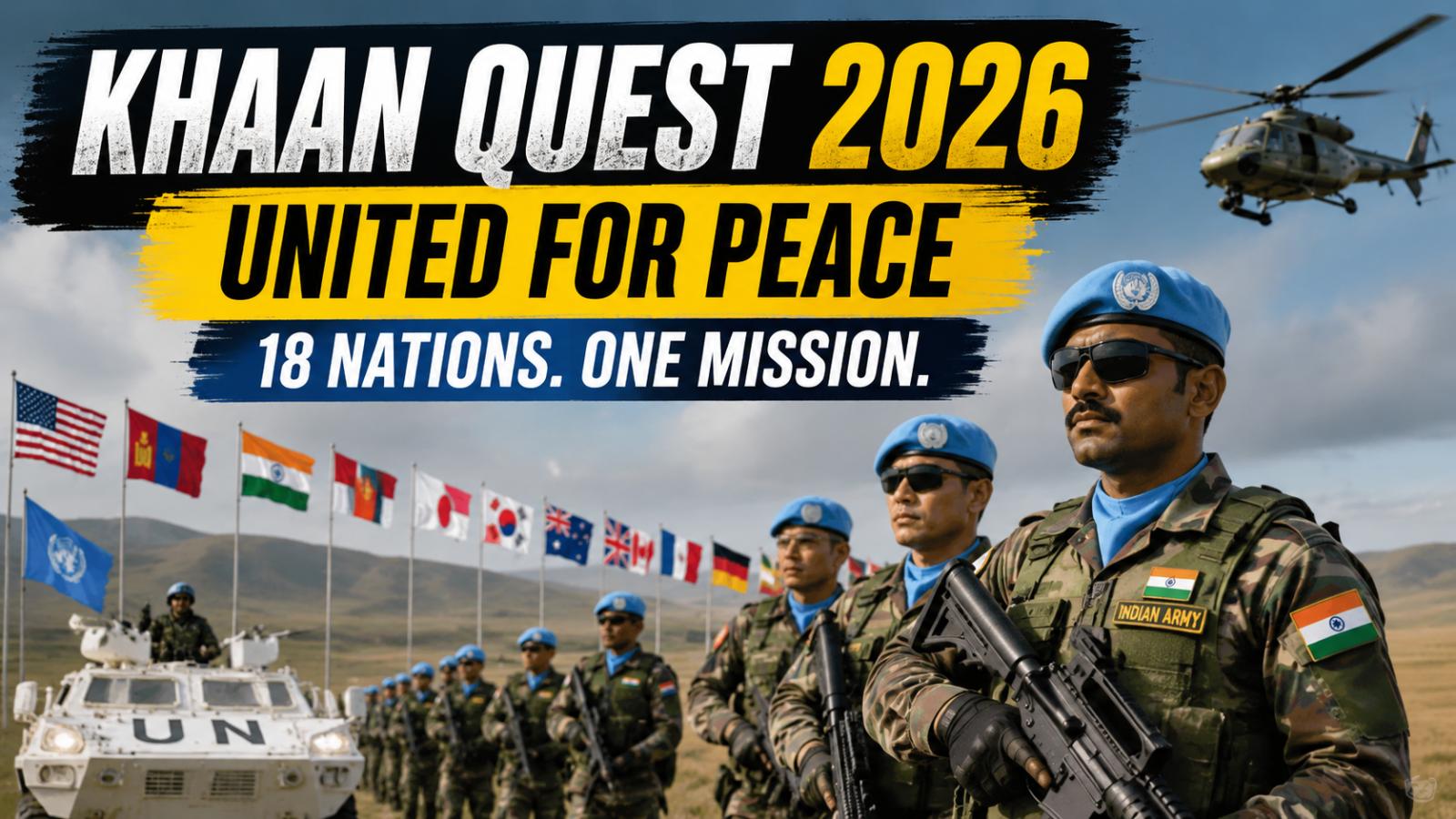
Khaan Quest 2026 has officially begun at the Five Hills Training Area near Ulaanbaatar, marking one of the largest annual UN peacekeeping training exercises in the region. The drill brings together troops from 18 nations, with a focus on improving coordination in complex peace support environments. More than 1,000 personnel are taking part in structured field training designed to replicate real-world mission conditions under United Nations mandates. India strengthens peacekeeping engagement through participation The Indian Army has deployed a 40-member contingent for the exercise, including personnel from a battalion of the JAT Regiment along with supporting arms. Their participation reflects India’s continued operational commitment to global peacekeeping frameworks. Indian troops are actively engaged in tactical drills such as area domination, checkpoint operations, search procedures, and controlled movement scenarios that simulate volatile environments. Training designed for real-world mission readiness The exercise is structured around practical peacekeeping scenarios where multinational forces must operate under unified command conditions. Activities include convoy protection, casualty evacuation drills, and humanitarian response simulations. A strong emphasis is placed on interoperability, ensuring that forces from different countries can communicate and operate seamlessly during international deployments. Women, Peace and Security module gains importance A dedicated training segment on Women, Peace and Security is a key feature of this year’s exercise. It focuses on improving gender awareness in operational settings, strengthening civilian protection measures, and encouraging greater participation of women in peacekeeping roles. The module is designed to reflect evolving global expectations in modern conflict management. Exercise highlights growing global coordination Khaan Quest began as a bilateral initiative between Mongolia and the United States in the early 2000s and has since expanded into a multinational platform co-sponsored by US Indo-Pacific Command. Over the years, it has evolved into a key training ground for preparing forces for UN peace operations. The 2026 edition reinforces international cooperation, operational readiness, and shared security practices among participating nations. Strategic relevance of Khaan Quest 2026 The exercise serves as more than just a training event—it acts as a platform for military diplomacy and operational alignment among partner countries. By working together in simulated peace missions, participating forces strengthen trust, improve tactical compatibility, and enhance readiness for future UN deployments in conflict and post-conflict zones.
Khaan Quest 2026 brings 18 nations to Mongolia drill
Khaan Quest 2026 has officially begun at the Five Hills Training Area near Ulaanbaatar, marking one of the largest annual UN peacekeeping training exercises in the region. The drill brings together troops from 18 nations, with a focus on improving coordination in complex peace support environments. More than 1,000 personnel are taking part in structured field training designed to replicate real-world mission conditions under United Nations mandates. India strengthens peacekeeping engagement through participation The Indian Army has deployed a 40-member contingent for the exercise, including personnel from a battalion of the JAT Regiment along with supporting arms. Their participation reflects India’s continued operational commitment to global peacekeeping frameworks. Indian troops are actively engaged in tactical drills such as area domination, checkpoint operations, search procedures, and controlled movement scenarios that simulate volatile environments. Training designed for real-world mission readiness The exercise is structured around practical peacekeeping scenarios where multinational forces must operate under unified command conditions. Activities include convoy protection, casualty evacuation drills, and humanitarian response simulations. A strong emphasis is placed on interoperability, ensuring that forces from different countries can communicate and operate seamlessly during international deployments. Women, Peace and Security module gains importance A dedicated training segment on Women, Peace and Security is a key feature of this year’s exercise. It focuses on improving gender awareness in operational settings, strengthening civilian protection measures, and encouraging greater participation of women in peacekeeping roles. The module is designed to reflect evolving global expectations in modern conflict management. Exercise highlights growing global coordination Khaan Quest began as a bilateral initiative between Mongolia and the United States in the early 2000s and has since expanded into a multinational platform co-sponsored by US Indo-Pacific Command. Over the years, it has evolved into a key training ground for preparing forces for UN peace operations. The 2026 edition reinforces international cooperation, operational readiness, and shared security practices among participating nations. Strategic relevance of Khaan Quest 2026 The exercise serves as more than just a training event—it acts as a platform for military diplomacy and operational alignment among partner countries. By working together in simulated peace missions, participating forces strengthen trust, improve tactical compatibility, and enhance readiness for future UN deployments in conflict and post-conflict zones.
Trump signals softer tone on Zelensky amid Ukraine war shift
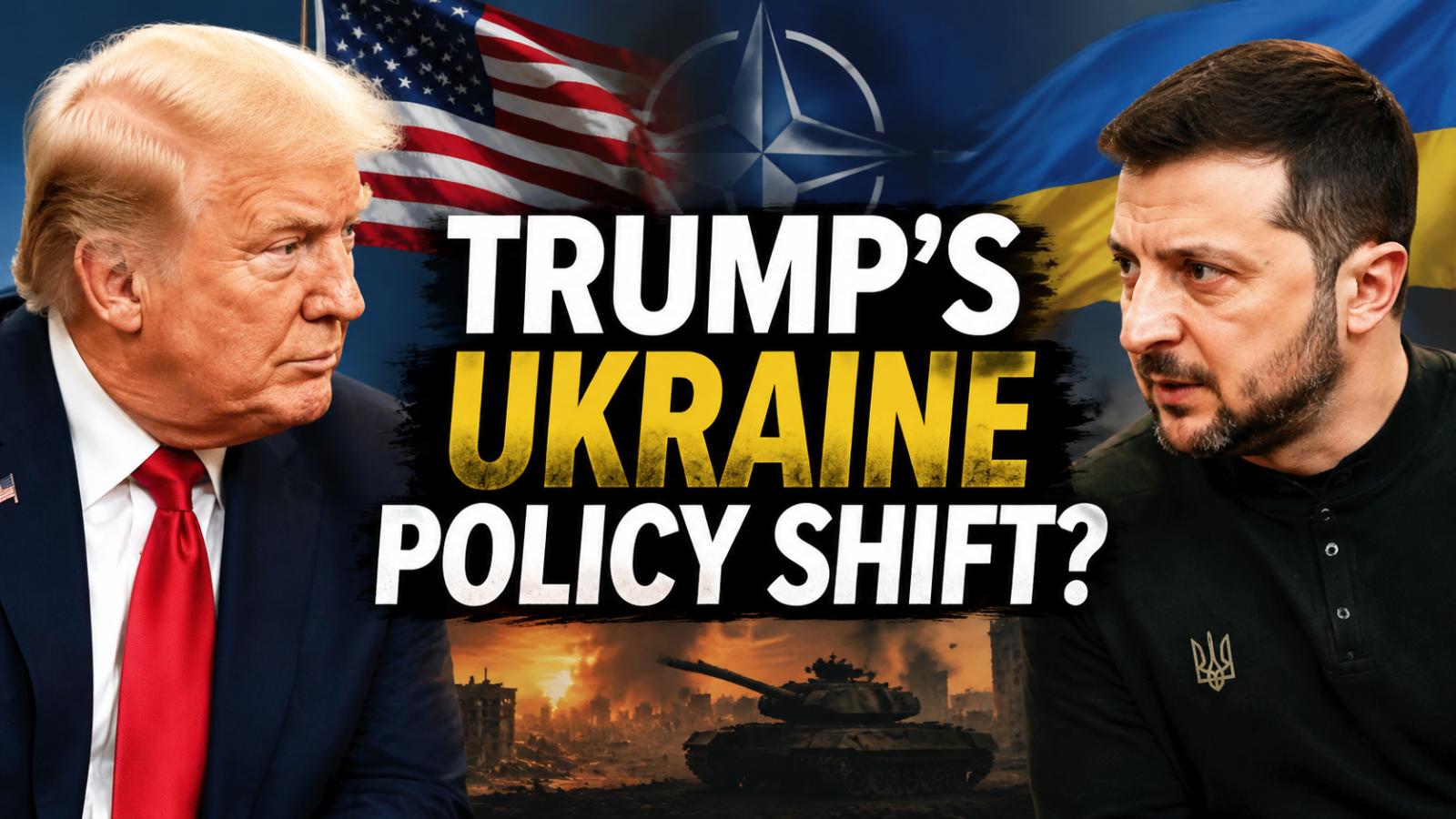
US President Donald Trump has recently shown a more measured tone when speaking about Ukrainian President Volodymyr Zelensky. During a public engagement alongside NATO leadership, Trump acknowledged Ukraine’s continued resistance in the war, describing its position as steady despite ongoing conflict. The comments mark a shift in tone compared to his earlier criticism and reflect a more cautious diplomatic posture from Washington. G7 coordination shapes US approach Recent discussions among G7 member nations have contributed to renewed alignment on Russia-related sanctions and energy strategy. Allied countries have been pushing for tighter coordination on restricting oil revenues linked to Moscow. This collective pressure has influenced US policy thinking, encouraging a more structured approach rather than isolated action. The focus remains on balancing economic pressure with long-term stability in global energy markets. Battlefield situation influences political messaging Developments on the ground in Ukraine continue to play a key role in shaping international responses. Reports of Ukraine expanding its operational reach and sustaining defensive positions have strengthened its bargaining position in diplomatic discussions. These battlefield realities are increasingly reflected in political messaging, as Western leaders reassess how the conflict may evolve over time. Energy markets and global risks remain central Global energy stability remains a key factor in foreign policy decisions. Earlier concerns linked to Middle East tensions and potential disruptions in key shipping routes had raised oil market uncertainty. As conditions show signs of stabilisation, policymakers are gaining more room to consider stricter measures on Russian energy exports without immediate economic disruption. Diplomatic outlook remains uncertain Despite continued international engagement, progress toward direct peace negotiations between Russia and Ukraine remains limited. Positions on territorial control and security guarantees continue to block meaningful breakthroughs. While diplomatic channels remain open, there is no clear indication of a near-term resolution. The current US approach reflects a balance between maintaining pressure and keeping space for future negotiations.



Trump signals softer tone on Zelensky amid Ukraine war shift
US President Donald Trump has recently shown a more measured tone when speaking about Ukrainian President Volodymyr Zelensky. During a public engagement alongside NATO leadership, Trump acknowledged Ukraine’s continued resistance in the war, describing its position as steady despite ongoing conflict. The comments mark a shift in tone compared to his earlier criticism and reflect a more cautious diplomatic posture from Washington. G7 coordination shapes US approach Recent discussions among G7 member nations have contributed to renewed alignment on Russia-related sanctions and energy strategy. Allied countries have been pushing for tighter coordination on restricting oil revenues linked to Moscow. This collective pressure has influenced US policy thinking, encouraging a more structured approach rather than isolated action. The focus remains on balancing economic pressure with long-term stability in global energy markets. Battlefield situation influences political messaging Developments on the ground in Ukraine continue to play a key role in shaping international responses. Reports of Ukraine expanding its operational reach and sustaining defensive positions have strengthened its bargaining position in diplomatic discussions. These battlefield realities are increasingly reflected in political messaging, as Western leaders reassess how the conflict may evolve over time. Energy markets and global risks remain central Global energy stability remains a key factor in foreign policy decisions. Earlier concerns linked to Middle East tensions and potential disruptions in key shipping routes had raised oil market uncertainty. As conditions show signs of stabilisation, policymakers are gaining more room to consider stricter measures on Russian energy exports without immediate economic disruption. Diplomatic outlook remains uncertain Despite continued international engagement, progress toward direct peace negotiations between Russia and Ukraine remains limited. Positions on territorial control and security guarantees continue to block meaningful breakthroughs. While diplomatic channels remain open, there is no clear indication of a near-term resolution. The current US approach reflects a balance between maintaining pressure and keeping space for future negotiations.
US Iran talks in Switzerland focus on Qatar, Pakistan role
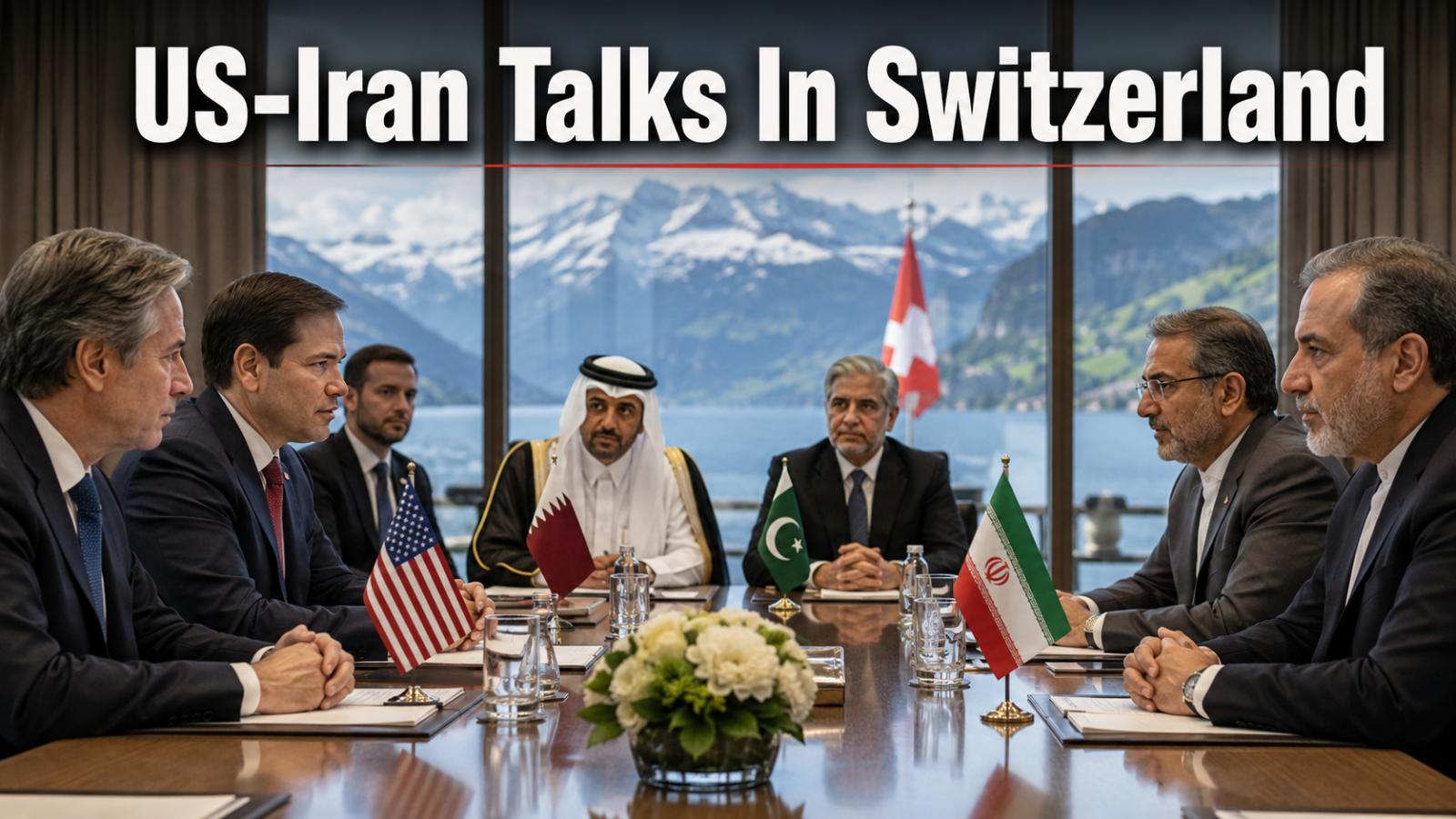
US Iran peace talks in Switzerland have drawn fresh attention as Qatar and Pakistan take a more visible role in efforts to reduce regional tensions. The discussions, held near Lake Lucerne, brought together senior representatives linked to Washington, Tehran, Doha and Islamabad at a time when the Middle East remains under pressure from nuclear concerns, shipping risks and ceasefire disputes. The talks are being watched closely because they
US Iran talks in Switzerland focus on Qatar, Pakistan role
US Iran peace talks in Switzerland have drawn fresh attention as Qatar and Pakistan take a more visible role in efforts to reduce regional tensions. The discussions, held near Lake Lucerne, brought together senior representatives linked to Washington, Tehran, Doha and Islamabad at a time when the Middle East remains under pressure from nuclear concerns, shipping risks and ceasefire disputes. The talks are being watched closely because they
Russia Signals Europe Talks as EU Leaders Remain Divided
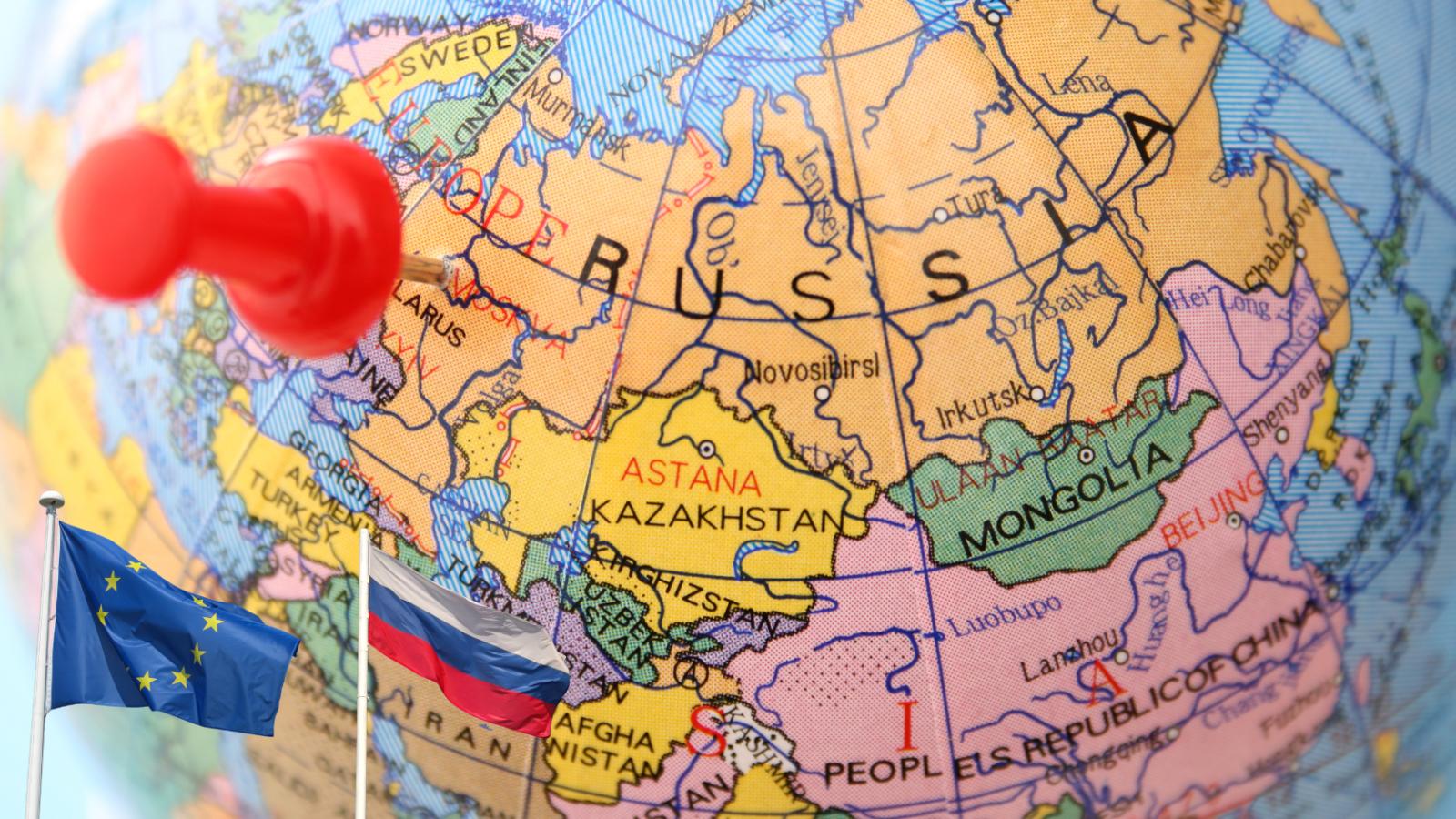
Russia-Europe talks could resume, but European governments remain divided over whether renewed contact with Moscow would support Ukraine peace efforts or weaken pressure on the Kremlin. Kremlin spokesman Dmitry Peskov said Russia was open to dialogue with European countries, while rejecting negotiations framed around Russian weakness or external demands. President Vladimir Putin has also said he would consider talks, but has argued that Europe should take the first step after ties w
Russia Signals Europe Talks as EU Leaders Remain Divided
Russia-Europe talks could resume, but European governments remain divided over whether renewed contact with Moscow would support Ukraine peace efforts or weaken pressure on the Kremlin. Kremlin spokesman Dmitry Peskov said Russia was open to dialogue with European countries, while rejecting negotiations framed around Russian weakness or external demands. President Vladimir Putin has also said he would consider talks, but has argued that Europe should take the first step after ties w
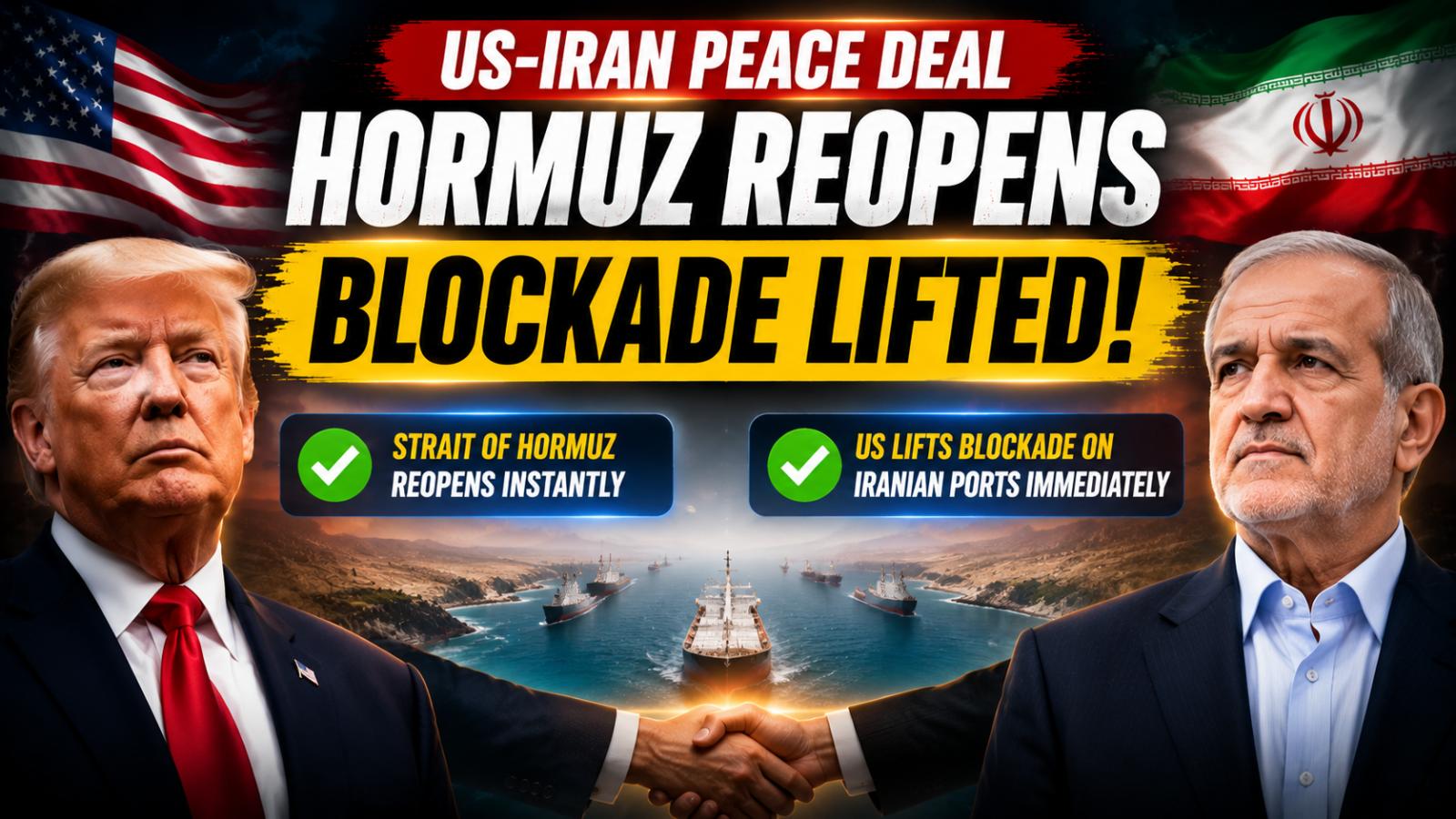
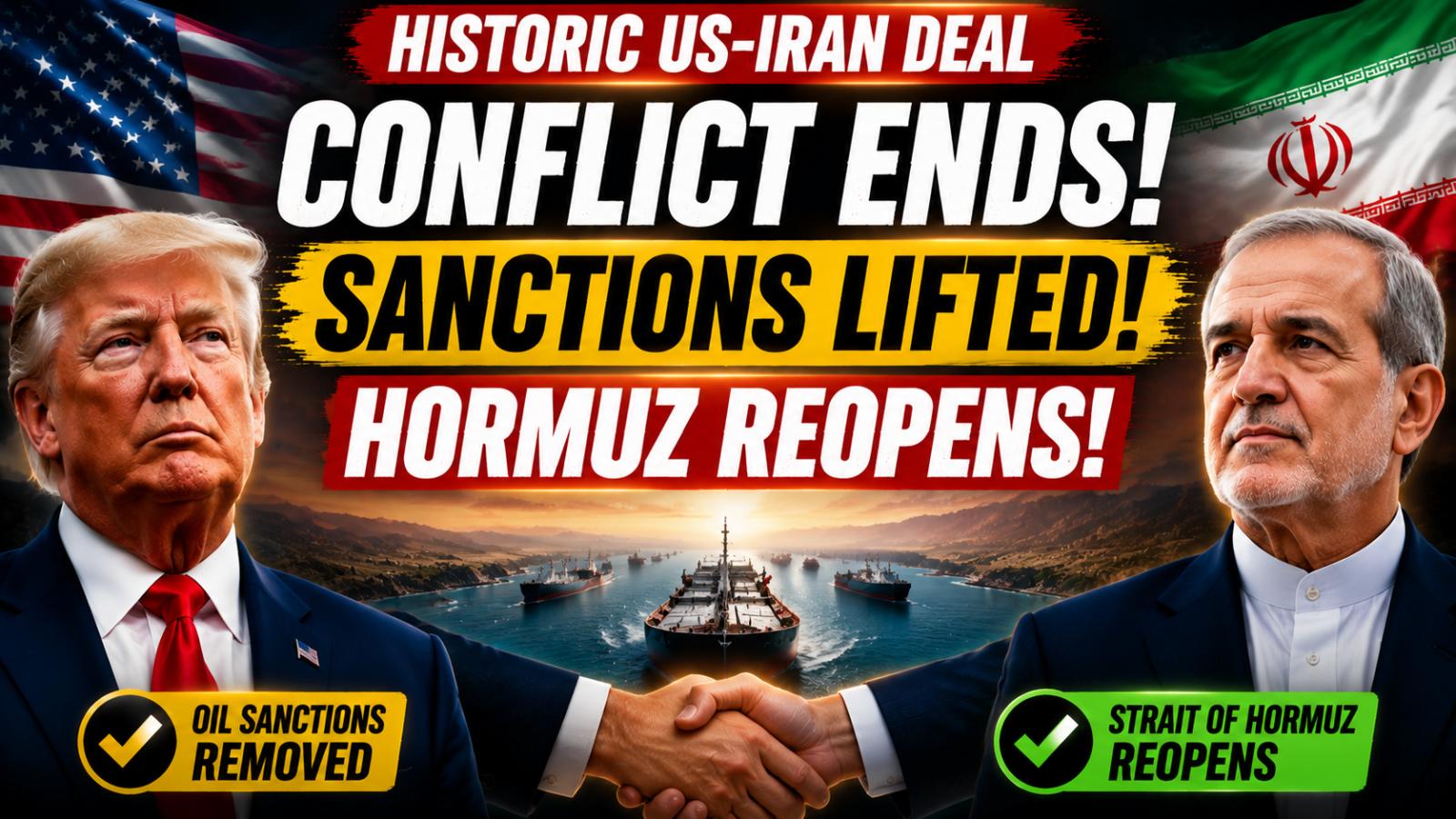
Trump-Pezeshkian MoU ends conflict with Hormuz reopening plan
US-Iran Memorandum Sets Framework to End Conflict A new US-Iran memorandum of understanding aimed at ending the Middle East conflict will lead to the immediate reopening of the Strait of Hormuz and the lifting of the US blockade on Iranian ports, according to Pakistan Prime Minister Shehbaz Sharif. The announcement was made in a post on social media, where he confirmed that the agreement had entered into force with immediate effect. Sharif Says Agreement Signed at Highest Level Sharif stated that the memorandum was signed by the presidents of both the United States and Iran and formally endorsed through mediation efforts led by Pakistan. He described the development as a significant diplomatic breakthrough, emphasizing that both sides had committed to resolving tensions through negotiation rather than continued military confrontation. According to Sharif, the agreement outlines immediate steps that include reopening critical maritime routes and easing restrictions on Iranian shipping access. He added that the signing reflects a mutual intent to stabilize regional security and restore trade flows through key waterways. Role of Mediation and International Support The Pakistani prime minister also highlighted the role of mediators and international stakeholders involved in facilitating the agreement. He thanked officials from both negotiating teams, noting contributions from US political figures as well as Iranian leadership representatives involved in the talks. Qatar is also expected to support follow-up diplomatic processes as implementation discussions progress. Sharif further confirmed that a formal ceremony is planned in Switzerland, where participating parties will mark the agreement and initiate technical-level discussions on its execution. The meeting is expected to focus on practical mechanisms for reopening maritime routes and ensuring compliance with the memorandum’s provisions. Strait of Hormuz Central to Agreement At the center of the agreement is the Strait of Hormuz, one of the world’s most strategic energy corridors. The memorandum reportedly includes provisions ensuring its immediate reopening, which would restore oil and commercial shipping movement across the Gulf region. The US is also expected to begin lifting its blockade on Iranian ports in line with the phased implementation of the deal. Diplomatic Phase of Conflict Resolution Begins Officials involved in the process described the agreement as the beginning of a broader diplomatic phase aimed at reducing tensions and preventing future escalation. The next stage will focus on technical implementation, verification measures, and continued dialogue between the two sides. While details of enforcement and long-term guarantees remain limited, the memorandum signals a shift from military confrontation toward structured negotiation, with regional and international actors playing a key role in maintaining stability.
Trump-Pezeshkian MoU ends conflict with Hormuz reopening plan
US-Iran Memorandum Sets Framework to End Conflict A new US-Iran memorandum of understanding aimed at ending the Middle East conflict will lead to the immediate reopening of the Strait of Hormuz and the lifting of the US blockade on Iranian ports, according to Pakistan Prime Minister Shehbaz Sharif. The announcement was made in a post on social media, where he confirmed that the agreement had entered into force with immediate effect. Sharif Says Agreement Signed at Highest Level Sharif stated that the memorandum was signed by the presidents of both the United States and Iran and formally endorsed through mediation efforts led by Pakistan. He described the development as a significant diplomatic breakthrough, emphasizing that both sides had committed to resolving tensions through negotiation rather than continued military confrontation. According to Sharif, the agreement outlines immediate steps that include reopening critical maritime routes and easing restrictions on Iranian shipping access. He added that the signing reflects a mutual intent to stabilize regional security and restore trade flows through key waterways. Role of Mediation and International Support The Pakistani prime minister also highlighted the role of mediators and international stakeholders involved in facilitating the agreement. He thanked officials from both negotiating teams, noting contributions from US political figures as well as Iranian leadership representatives involved in the talks. Qatar is also expected to support follow-up diplomatic processes as implementation discussions progress. Sharif further confirmed that a formal ceremony is planned in Switzerland, where participating parties will mark the agreement and initiate technical-level discussions on its execution. The meeting is expected to focus on practical mechanisms for reopening maritime routes and ensuring compliance with the memorandum’s provisions. Strait of Hormuz Central to Agreement At the center of the agreement is the Strait of Hormuz, one of the world’s most strategic energy corridors. The memorandum reportedly includes provisions ensuring its immediate reopening, which would restore oil and commercial shipping movement across the Gulf region. The US is also expected to begin lifting its blockade on Iranian ports in line with the phased implementation of the deal. Diplomatic Phase of Conflict Resolution Begins Officials involved in the process described the agreement as the beginning of a broader diplomatic phase aimed at reducing tensions and preventing future escalation. The next stage will focus on technical implementation, verification measures, and continued dialogue between the two sides. While details of enforcement and long-term guarantees remain limited, the memorandum signals a shift from military confrontation toward structured negotiation, with regional and international actors playing a key role in maintaining stability.
US-Iran sign deal to end conflict and restart Hormuz shipping route
US-Iran Agreement Marks Shift Toward Diplomatic Resolution US President Donald Trump and Iranian President Masoud Pezeshkian have signed a memorandum of understanding aimed at ending months of conflict between Washington and Tehran. The agreement is designed to ease tensions across the Middle East and establish a structured pathway toward renewed diplomatic engagement between the two nations.
US-Iran sign deal to end conflict and restart Hormuz shipping route
US-Iran Agreement Marks Shift Toward Diplomatic Resolution US President Donald Trump and Iranian President Masoud Pezeshkian have signed a memorandum of understanding aimed at ending months of conflict between Washington and Tehran. The agreement is designed to ease tensions across the Middle East and establish a structured pathway toward renewed diplomatic engagement between the two nations.
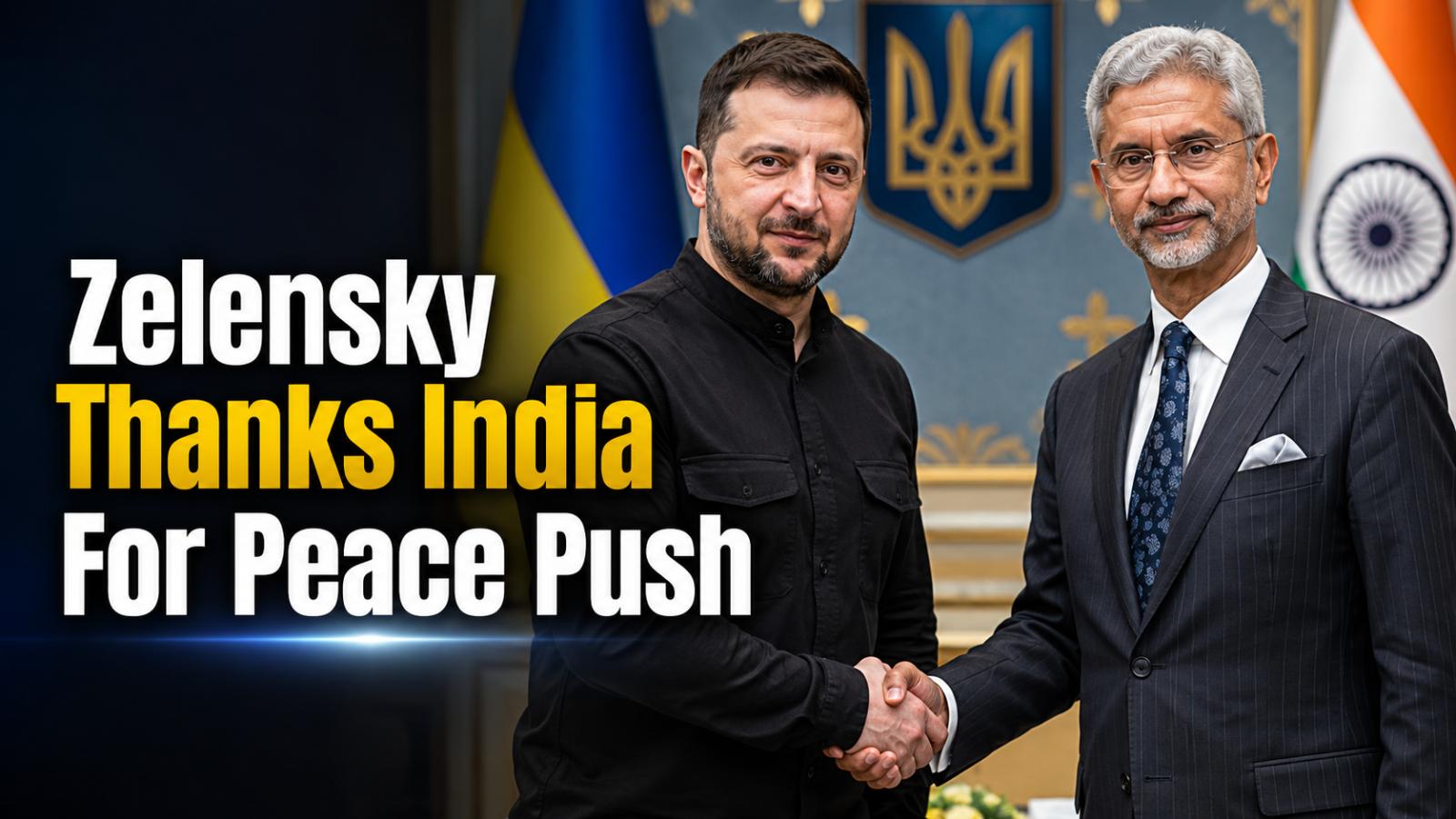
Zelensky Offers US Venue for Direct Putin Talks
Zelensky Pushes Direct Meeting Ukrainian President Volodymyr Zelensky said he is prepared to hold direct talks with Russian President Vladimir Putin in the United States, arguing that a US-based format could make it harder for Moscow to reject a face-to-face meeting. Zelensky said he discussed the idea with US President Donald Trump and was waiting to see whether the proposal would move forward. He also sai
Zelensky Offers US Venue for Direct Putin Talks
Zelensky Pushes Direct Meeting Ukrainian President Volodymyr Zelensky said he is prepared to hold direct talks with Russian President Vladimir Putin in the United States, arguing that a US-based format could make it harder for Moscow to reject a face-to-face meeting. Zelensky said he discussed the idea with US President Donald Trump and was waiting to see whether the proposal would move forward. He also sai
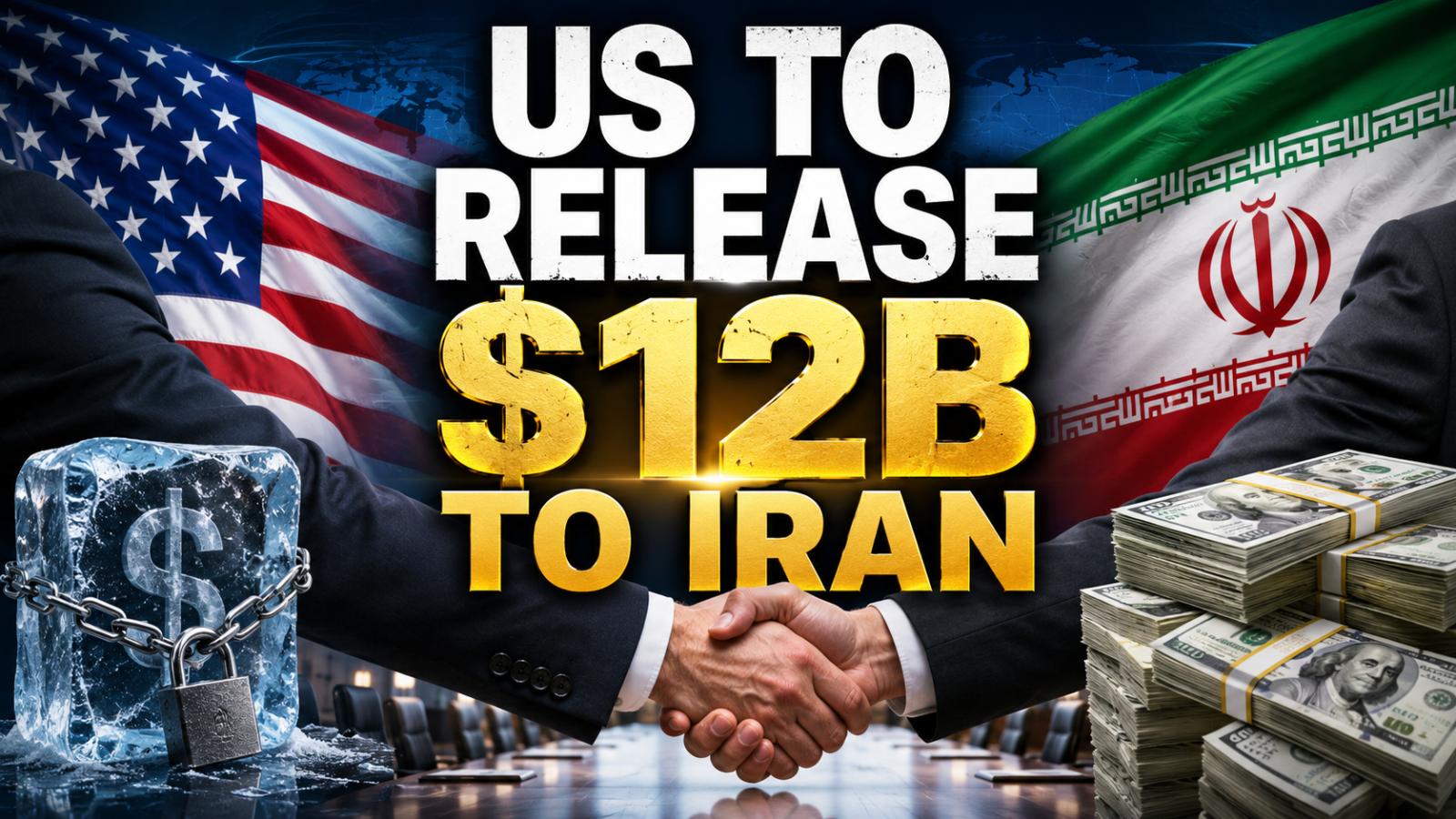
US-Iran Talks Linked to $12 Billion Asset Release
The United States will release $12 billion in frozen Iranian assets before negotiations begin on a final agreement, according to Iranian reports citing details of a proposed memorandum of understanding between Washington and Tehran. Iran said talks with the United States would take place within two months of the immediate halt to hostilities announced on Monday, June 15. The reported asset release is being framed as an early confidence-building step before both sides move toward a broader set
US-Iran Talks Linked to $12 Billion Asset Release
The United States will release $12 billion in frozen Iranian assets before negotiations begin on a final agreement, according to Iranian reports citing details of a proposed memorandum of understanding between Washington and Tehran. Iran said talks with the United States would take place within two months of the immediate halt to hostilities announced on Monday, June 15. The reported asset release is being framed as an early confidence-building step before both sides move toward a broader set
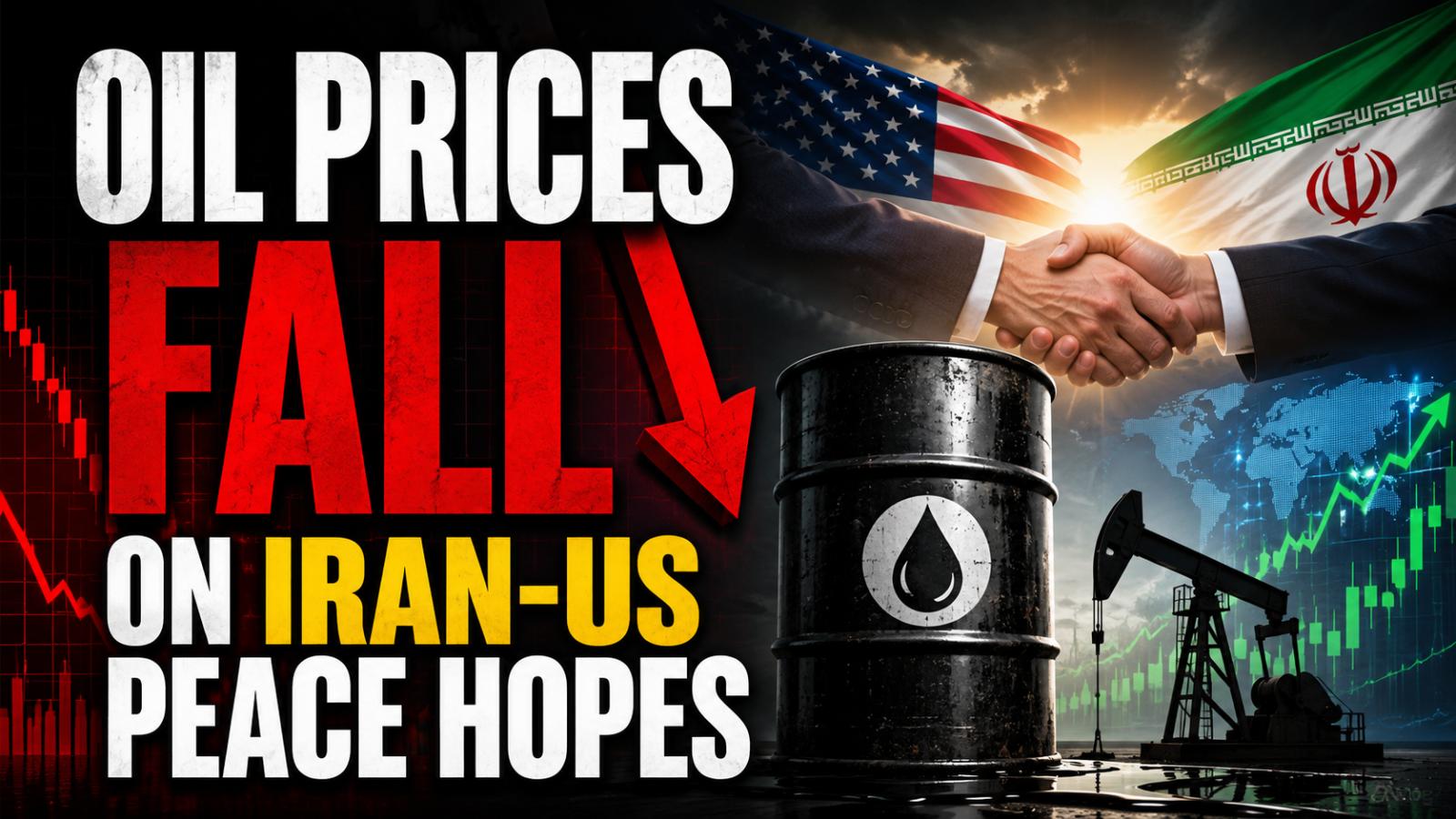
Oil Prices Fall as Iran-US Peace Hopes Lift Markets
Oil Falls On Peace Deal Hopes Oil prices fell sharply on Friday, June 12, 2026 as renewed hopes for a peace agreement between Iran and the United States eased fears of prolonged disruption to global energy supplies. Brent crude dropped below $86 a barrel during trading before recovering part of its losses, while market attention remained focused on whether diplomatic progress could reduce risks around Middle
Oil Prices Fall as Iran-US Peace Hopes Lift Markets
Oil Falls On Peace Deal Hopes Oil prices fell sharply on Friday, June 12, 2026 as renewed hopes for a peace agreement between Iran and the United States eased fears of prolonged disruption to global energy supplies. Brent crude dropped below $86 a barrel during trading before recovering part of its losses, while market attention remained focused on whether diplomatic progress could reduce risks around Middle
Gulf Tensions Rise As Missiles Target Region
Gulf States Raise Security Alerts Tensions in the Gulf rose again as Kuwait said its air defense systems were responding to hostile missile and drone threats, while Bahrain sounded warning sirens and urged residents to remain calm and move to safe locations. Kuwait’s military said explosions heard in the area were linked to air defense interceptions, but it did not immediately identify the source of the in
Gulf Tensions Rise As Missiles Target Region
Gulf States Raise Security Alerts Tensions in the Gulf rose again as Kuwait said its air defense systems were responding to hostile missile and drone threats, while Bahrain sounded warning sirens and urged residents to remain calm and move to safe locations. Kuwait’s military said explosions heard in the area were linked to air defense interceptions, but it did not immediately identify the source of the in
Trump Says Iran Still Has War Capacity
Trump Says Iran Conflict Is Moving Fast US President Donald Trump said Friday, June 5th that his administration is “moving very fast” in its handling of the Iran conflict, while acknowledging that Tehran still retains part of its military capacity. Speaking about the war, now in its third month, Trump again compared the timeline with the Vietnam War and argued that the current campaign remains far shorter than past American military engagements. Trump
Trump Says Iran Still Has War Capacity
Trump Says Iran Conflict Is Moving Fast US President Donald Trump said Friday, June 5th that his administration is “moving very fast” in its handling of the Iran conflict, while acknowledging that Tehran still retains part of its military capacity. Speaking about the war, now in its third month, Trump again compared the timeline with the Vietnam War and argued that the current campaign remains far shorter than past American military engagements. Trump
Israel and Lebanon Agree to Ceasefire After US Talks
Israel and Lebanon Agree to Ceasefire After US-Led Talks Israel and Lebanon have reached an agreement to work towards a ceasefire following US-led negotiations in Washington on June 4. The ceasefire is contingent on a “complete cessation” of hostilities by Iran-backed Hezbollah, according to a joint statement issued by the United States, Israel, and Lebanon. The deal also requires the evacuation of all H
Israel and Lebanon Agree to Ceasefire After US Talks
Israel and Lebanon Agree to Ceasefire After US-Led Talks Israel and Lebanon have reached an agreement to work towards a ceasefire following US-led negotiations in Washington on June 4. The ceasefire is contingent on a “complete cessation” of hostilities by Iran-backed Hezbollah, according to a joint statement issued by the United States, Israel, and Lebanon. The deal also requires the evacuation of all H
Colombia Runoff: Abelardo de la Espriella Faces Ivan Cepeda
Colombia Runoff Election Set for June 21 Colombian politics is headed for a high-stakes showdown as Abelardo de la Espriella, a right-wing outsider, faces leftist senator Ivan Cepeda in a runoff election scheduled for June 21. The first round left voters sharply divided, with de la Espriella securing 43.7 percent of the vote and Cepeda just under 41 percent. Both candidates now gear up for a final contest tha
Colombia Runoff: Abelardo de la Espriella Faces Ivan Cepeda
Colombia Runoff Election Set for June 21 Colombian politics is headed for a high-stakes showdown as Abelardo de la Espriella, a right-wing outsider, faces leftist senator Ivan Cepeda in a runoff election scheduled for June 21. The first round left voters sharply divided, with de la Espriella securing 43.7 percent of the vote and Cepeda just under 41 percent. Both candidates now gear up for a final contest tha
Trump Finalizes Iran Peace Deal Terms Amid Rising Tensions
United States President Donald Trump has declared his final terms for a potential peace agreement with Iran. The proposal emphasizes strict nuclear compliance and guarantees for uninterrupted shipping through the strategic Hormuz Strait. This announcement has sparked strong reactions from Iranian officials, signaling potential hurdles in diplomatic negotiations. Iran Responds to US Demands
Trump Finalizes Iran Peace Deal Terms Amid Rising Tensions
United States President Donald Trump has declared his final terms for a potential peace agreement with Iran. The proposal emphasizes strict nuclear compliance and guarantees for uninterrupted shipping through the strategic Hormuz Strait. This announcement has sparked strong reactions from Iranian officials, signaling potential hurdles in diplomatic negotiations. Iran Responds to US Demands
Trump peace board Gaza reconstruction hits zero funding hurdle
The Trump board of peace, set up to coordinate reconstruction in Gaza after recent conflicts, is facing an unprecedented funding shortfall. Despite multibillion-dollar pledges from the United States and several Gulf nations, no significant donor funds have been delivered, leaving the reconstruction plan at a standstill. The initiative, envisioned as a multilateral effort to rebuild Gaza’s damaged infrastructure, has yet to move beyond the planning stage.
Trump peace board Gaza reconstruction hits zero funding hurdle
The Trump board of peace, set up to coordinate reconstruction in Gaza after recent conflicts, is facing an unprecedented funding shortfall. Despite multibillion-dollar pledges from the United States and several Gulf nations, no significant donor funds have been delivered, leaving the reconstruction plan at a standstill. The initiative, envisioned as a multilateral effort to rebuild Gaza’s damaged infrastructure, has yet to move beyond the planning stage.
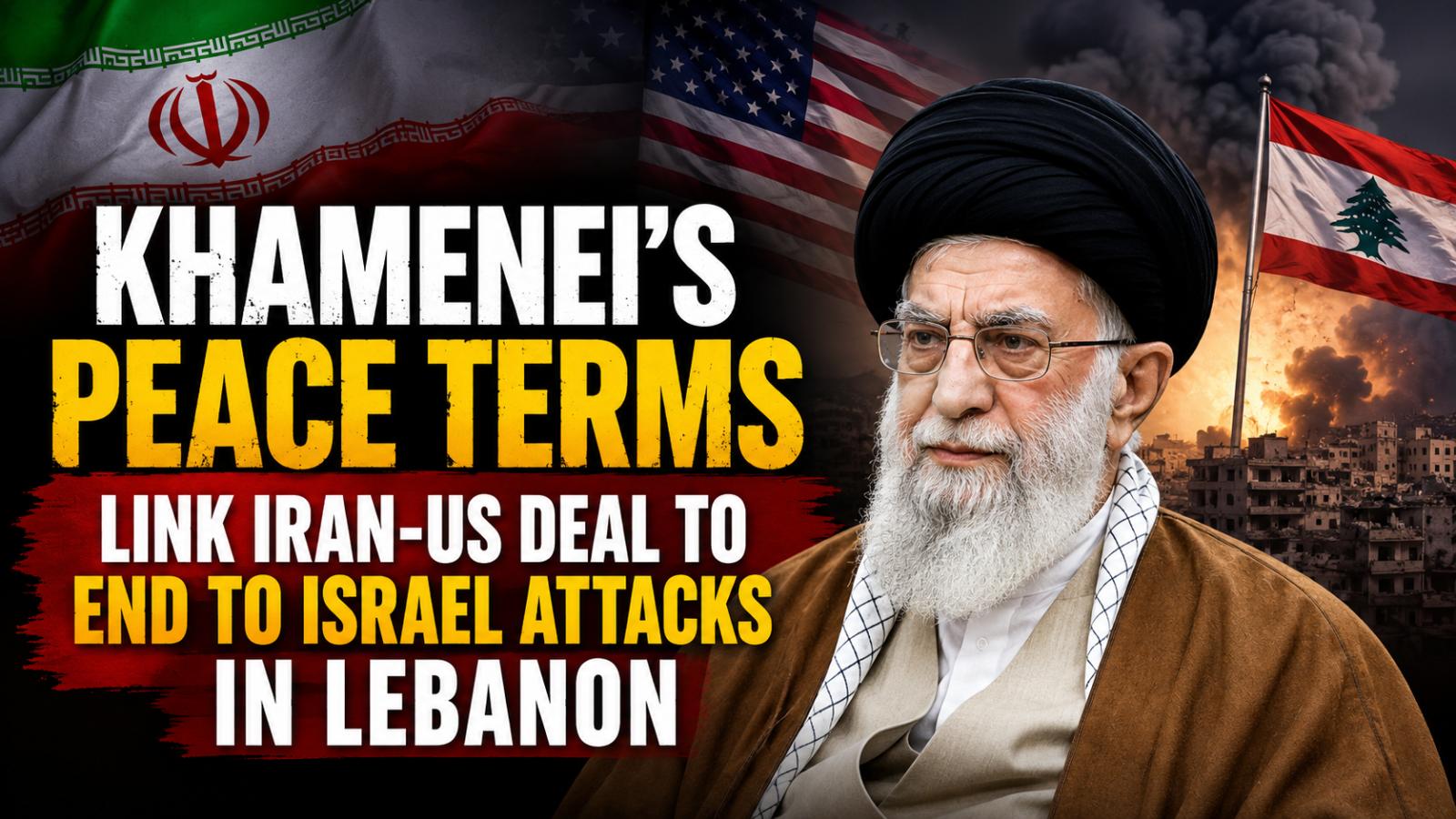
Iran Peace Proposal: US Troop Exit, Lebanon Ceasefire, Sanctions Lift
Iran has presented a comprehensive peace plan to the United States, aiming to end hostilities in Lebanon and across the region. The proposal calls for the withdrawal of US forces near Iranian borders, reparations for conflict damages, lifting of economic sanctions, release of frozen funds, and the removal of the US naval blockade from Iranian ports. Deputy Foreign Minister Kazem Gharibabadi highlighted that Tehran’s plan is designed to foster lasting peace in West Asia through diplomacy and
Iran Peace Proposal: US Troop Exit, Lebanon Ceasefire, Sanctions Lift
Iran has presented a comprehensive peace plan to the United States, aiming to end hostilities in Lebanon and across the region. The proposal calls for the withdrawal of US forces near Iranian borders, reparations for conflict damages, lifting of economic sanctions, release of frozen funds, and the removal of the US naval blockade from Iranian ports. Deputy Foreign Minister Kazem Gharibabadi highlighted that Tehran’s plan is designed to foster lasting peace in West Asia through diplomacy and
Iran-US Peace Talks Continue Through Pakistan as Tehran Responds to New Proposal
Iran-US peace talks are continuing through Pakistan as Tehran and Washington remain divided over sanctions, nuclear activity, frozen Iranian assets, war damages and the Strait of Hormuz. Iran has responded to a new proposal aimed at ending the conflict, while Pakistan continues to play the role of mediator between the two sides. The diplomatic effort comes at a sensitive time. Tensions remain high in the region, and both countries are under pressure to avoid another round of escalat
Iran-US Peace Talks Continue Through Pakistan as Tehran Responds to New Proposal
Iran-US peace talks are continuing through Pakistan as Tehran and Washington remain divided over sanctions, nuclear activity, frozen Iranian assets, war damages and the Strait of Hormuz. Iran has responded to a new proposal aimed at ending the conflict, while Pakistan continues to play the role of mediator between the two sides. The diplomatic effort comes at a sensitive time. Tensions remain high in the region, and both countries are under pressure to avoid another round of escalat
Ukraine War Update: Putin Indicates Possibility of Peace Settlement
Putin Signals Possible Ukraine Peace Talks as Ceasefire Begins Vladimir Putin has hinted that the Russia-Ukraine war could be nearing an end, raising hopes of a possible peace agreement after years of conflict. Speaking during Russia’s Victory Day events in Moscow, Putin said the situation appeared to be “coming to an end” as
Ukraine War Update: Putin Indicates Possibility of Peace Settlement
Putin Signals Possible Ukraine Peace Talks as Ceasefire Begins Vladimir Putin has hinted that the Russia-Ukraine war could be nearing an end, raising hopes of a possible peace agreement after years of conflict. Speaking during Russia’s Victory Day events in Moscow, Putin said the situation appeared to be “coming to an end” as
Trump confident of deal with Iran to end war, nuclear weapon discussions ongoing
President Donald Trump stated on May 6 that he has been involved in "good talks" with Iran over the past 24 hours and suggested that a deal to end the ongoing war between the two countries is "very possible." Trump emphasized that the discussions centered on Iran's nuclear program, which remains a critical point of concern for the United States. The president stated, “Iran cannot have a nuclear weapon, and they won’t.” He added that this is a point the Iranian government has already agreed to, alongside other key terms. Trump's statements come after a recent warning to Iran that the United States would escalate its military action if a deal is not reached. "If they don’t agree, the bombing starts, and it will be, sadly, at a much higher level and intensity than it was before,” Trump wrote in a post on Truth Social on May 6. This aggressive stance reflects the president’s resolve to prevent Iran from advancing its nuclear capabilities. In the wake of these talks, Israeli political officials have indicated that there are signs of progress in negotiations between Trump and Iranian Foreign Minister Abbas Araghchi. According to sources, Israel sees this as an opportunity for diplomatic progress. However, the Israeli officials also warned that internal divisions within Iran’s leadership could potentially jeopardize the long-term stability of any agreement. As of now, the future of US-Iran relations remains uncertain, but Trump’s recent comments suggest that both sides are exploring avenues for negotiation. If a deal is reached, it could have significant implications for regional stability, particularly regarding the security of the Strait of Hormuz. This strategic waterway has long been a focal point of tensions in the Middle East due to its role in global oil shipments. The president’s assurance that the Hormuz Strait would be “OPEN TO ALL, including Iran” if an agreement is reached suggests that economic and geopolitical interests are also being considered alongside security concerns. While the talks between Trump and Iran hold promise, the situation remains volatile. Both the US and Iranian governments face internal and external pressures that could complicate efforts to reach a lasting peace agreement. With the threat of military action still on the table, the world watches closely as the two nations navigate these delicate negotiations.
Trump confident of deal with Iran to end war, nuclear weapon discussions ongoing
President Donald Trump stated on May 6 that he has been involved in "good talks" with Iran over the past 24 hours and suggested that a deal to end the ongoing war between the two countries is "very possible." Trump emphasized that the discussions centered on Iran's nuclear program, which remains a critical point of concern for the United States. The president stated, “Iran cannot have a nuclear weapon, and they won’t.” He added that this is a point the Iranian government has already agreed to, alongside other key terms. Trump's statements come after a recent warning to Iran that the United States would escalate its military action if a deal is not reached. "If they don’t agree, the bombing starts, and it will be, sadly, at a much higher level and intensity than it was before,” Trump wrote in a post on Truth Social on May 6. This aggressive stance reflects the president’s resolve to prevent Iran from advancing its nuclear capabilities. In the wake of these talks, Israeli political officials have indicated that there are signs of progress in negotiations between Trump and Iranian Foreign Minister Abbas Araghchi. According to sources, Israel sees this as an opportunity for diplomatic progress. However, the Israeli officials also warned that internal divisions within Iran’s leadership could potentially jeopardize the long-term stability of any agreement. As of now, the future of US-Iran relations remains uncertain, but Trump’s recent comments suggest that both sides are exploring avenues for negotiation. If a deal is reached, it could have significant implications for regional stability, particularly regarding the security of the Strait of Hormuz. This strategic waterway has long been a focal point of tensions in the Middle East due to its role in global oil shipments. The president’s assurance that the Hormuz Strait would be “OPEN TO ALL, including Iran” if an agreement is reached suggests that economic and geopolitical interests are also being considered alongside security concerns. While the talks between Trump and Iran hold promise, the situation remains volatile. Both the US and Iranian governments face internal and external pressures that could complicate efforts to reach a lasting peace agreement. With the threat of military action still on the table, the world watches closely as the two nations navigate these delicate negotiations.
China calls for ceasefire in West Asia, urges reopening of Strait of Hormuz
Chinese Foreign Minister Wang Yi has called for an immediate and complete end to the ongoing conflict in West Asia. During a high-level meeting with Iran’s Foreign Minister Seyed Abbas Araghchi in Beijing, Wang stressed the importance of achieving a comprehensive ceasefire without any delay. He also urged both the United States and Iran to reopen the Strait of Hormuz "as soon as possible" to help stabilize global energy markets, which have been severely impacted by the conflict. A
China calls for ceasefire in West Asia, urges reopening of Strait of Hormuz
Chinese Foreign Minister Wang Yi has called for an immediate and complete end to the ongoing conflict in West Asia. During a high-level meeting with Iran’s Foreign Minister Seyed Abbas Araghchi in Beijing, Wang stressed the importance of achieving a comprehensive ceasefire without any delay. He also urged both the United States and Iran to reopen the Strait of Hormuz "as soon as possible" to help stabilize global energy markets, which have been severely impacted by the conflict. A