









Gulf Tensions Rise As Missiles Target Region
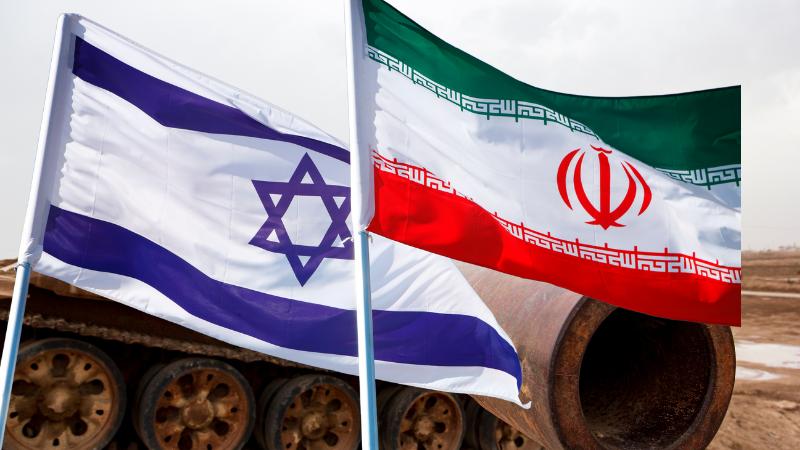
Gulf States Raise Security Alerts Tensions in the Gulf rose again as Kuwait said its air defense systems were responding to hostile missile and drone threats, while Bahrain sounded warning sirens and urged residents to remain calm and move to safe locations. Kuwait’s military said explosions heard in the area were linked to air defense interceptions, but it did not immediately identify the source of the in
Gulf Tensions Rise As Missiles Target Region
Gulf States Raise Security Alerts Tensions in the Gulf rose again as Kuwait said its air defense systems were responding to hostile missile and drone threats, while Bahrain sounded warning sirens and urged residents to remain calm and move to safe locations. Kuwait’s military said explosions heard in the area were linked to air defense interceptions, but it did not immediately identify the source of the in
Trump Says Iran Still Has War Capacity
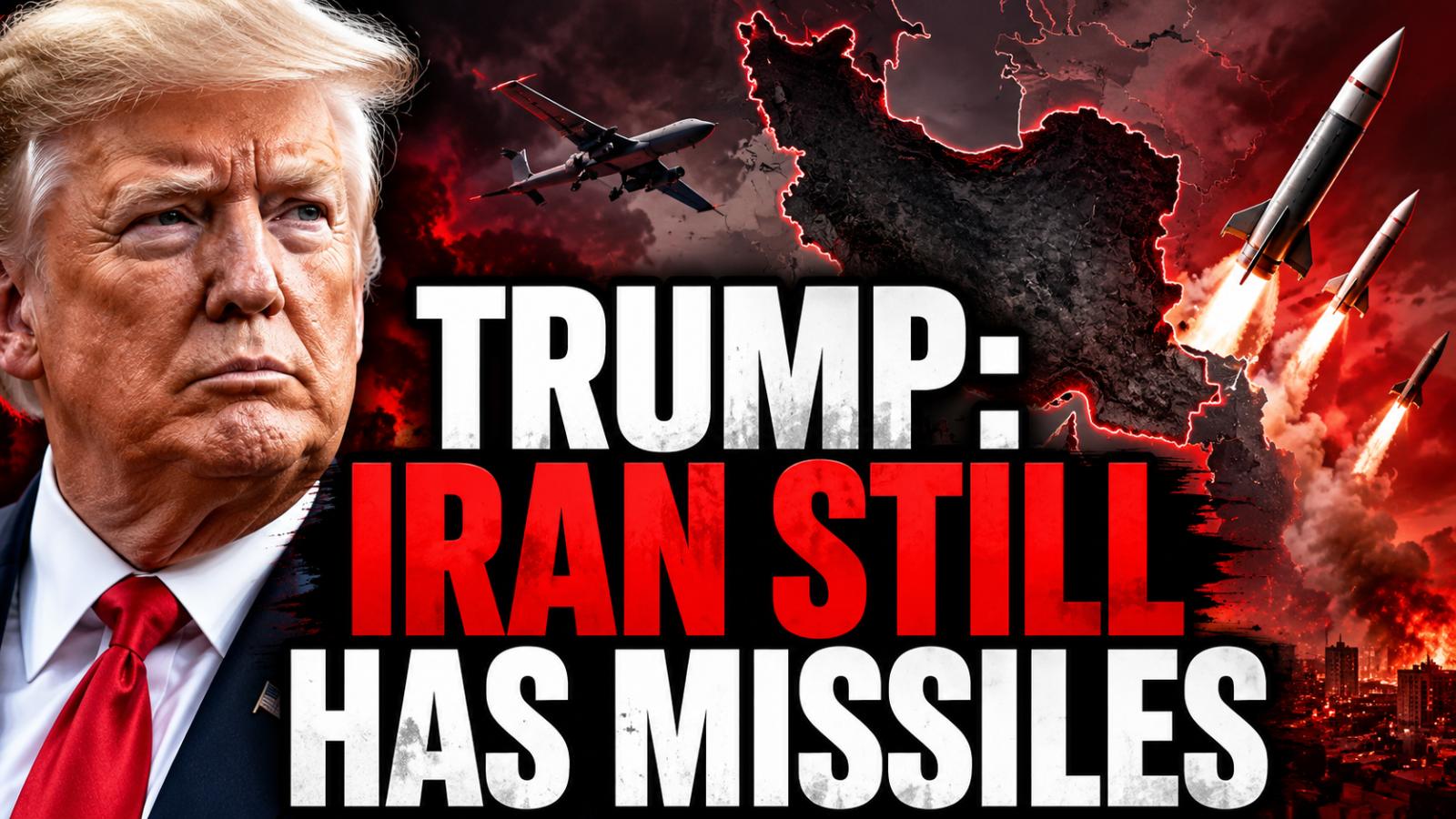
Trump Says Iran Conflict Is Moving Fast US President Donald Trump said Friday, June 5th that his administration is “moving very fast” in its handling of the Iran conflict, while acknowledging that Tehran still retains part of its military capacity. Speaking about the war, now in its third month, Trump again compared the timeline with the Vietnam War and argued that the current campaign remains far shorter than past American military engagements. Trump
Trump Says Iran Still Has War Capacity
Trump Says Iran Conflict Is Moving Fast US President Donald Trump said Friday, June 5th that his administration is “moving very fast” in its handling of the Iran conflict, while acknowledging that Tehran still retains part of its military capacity. Speaking about the war, now in its third month, Trump again compared the timeline with the Vietnam War and argued that the current campaign remains far shorter than past American military engagements. Trump

Israel and Lebanon Agree to Ceasefire After US Talks
Israel and Lebanon Agree to Ceasefire After US-Led Talks Israel and Lebanon have reached an agreement to work towards a ceasefire following US-led negotiations in Washington on June 4. The ceasefire is contingent on a “complete cessation” of hostilities by Iran-backed Hezbollah, according to a joint statement issued by the United States, Israel, and Lebanon. The deal also requires the evacuation of all H
Israel and Lebanon Agree to Ceasefire After US Talks
Israel and Lebanon Agree to Ceasefire After US-Led Talks Israel and Lebanon have reached an agreement to work towards a ceasefire following US-led negotiations in Washington on June 4. The ceasefire is contingent on a “complete cessation” of hostilities by Iran-backed Hezbollah, according to a joint statement issued by the United States, Israel, and Lebanon. The deal also requires the evacuation of all H

Colombia Runoff: Abelardo de la Espriella Faces Ivan Cepeda
Colombia Runoff Election Set for June 21 Colombian politics is headed for a high-stakes showdown as Abelardo de la Espriella, a right-wing outsider, faces leftist senator Ivan Cepeda in a runoff election scheduled for June 21. The first round left voters sharply divided, with de la Espriella securing 43.7 percent of the vote and Cepeda just under 41 percent. Both candidates now gear up for a final contest tha
Colombia Runoff: Abelardo de la Espriella Faces Ivan Cepeda
Colombia Runoff Election Set for June 21 Colombian politics is headed for a high-stakes showdown as Abelardo de la Espriella, a right-wing outsider, faces leftist senator Ivan Cepeda in a runoff election scheduled for June 21. The first round left voters sharply divided, with de la Espriella securing 43.7 percent of the vote and Cepeda just under 41 percent. Both candidates now gear up for a final contest tha
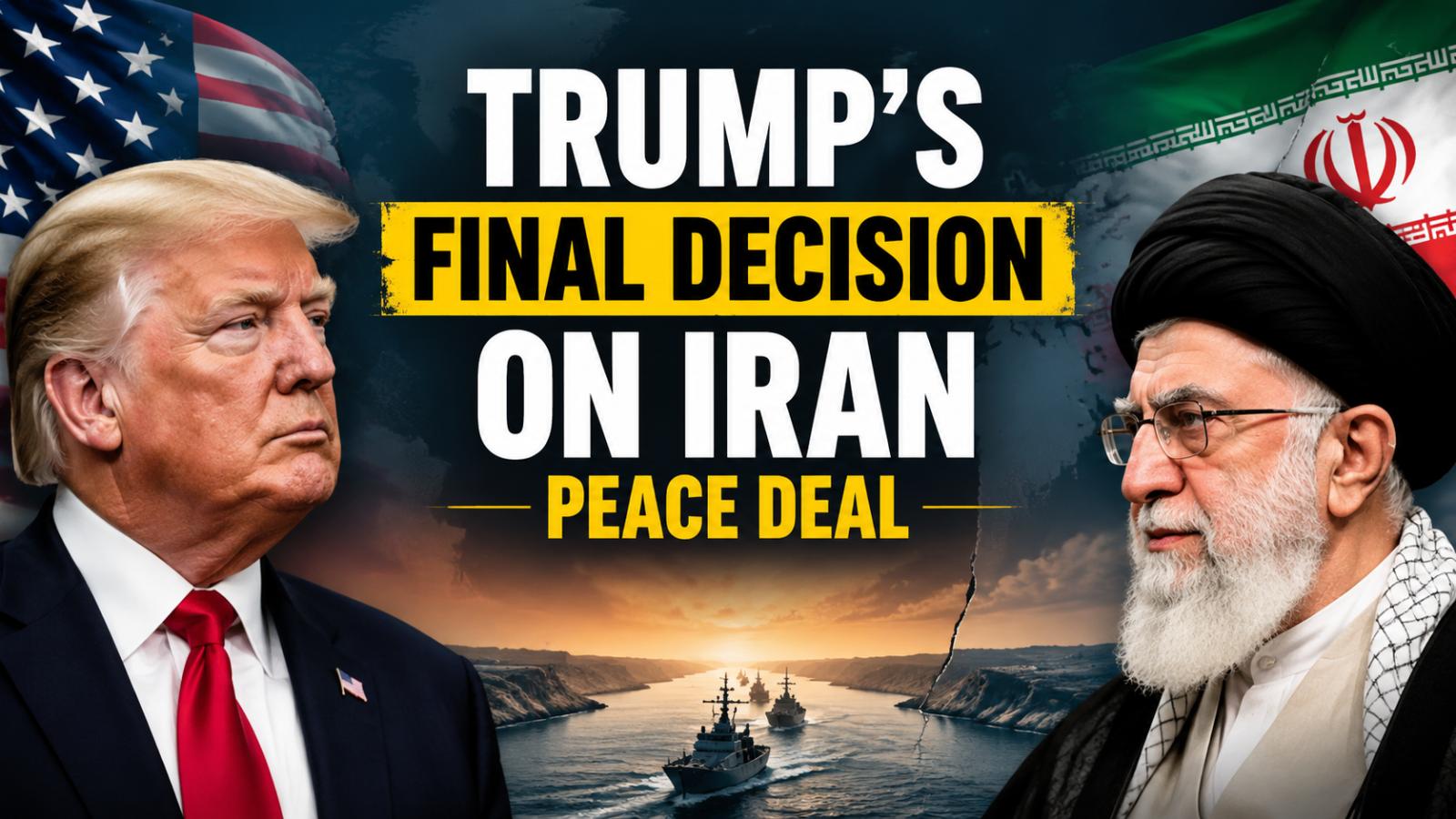
Trump Finalizes Iran Peace Deal Terms Amid Rising Tensions
United States President Donald Trump has declared his final terms for a potential peace agreement with Iran. The proposal emphasizes strict nuclear compliance and guarantees for uninterrupted shipping through the strategic Hormuz Strait. This announcement has sparked strong reactions from Iranian officials, signaling potential hurdles in diplomatic negotiations. Iran Responds to US Demands
Trump Finalizes Iran Peace Deal Terms Amid Rising Tensions
United States President Donald Trump has declared his final terms for a potential peace agreement with Iran. The proposal emphasizes strict nuclear compliance and guarantees for uninterrupted shipping through the strategic Hormuz Strait. This announcement has sparked strong reactions from Iranian officials, signaling potential hurdles in diplomatic negotiations. Iran Responds to US Demands
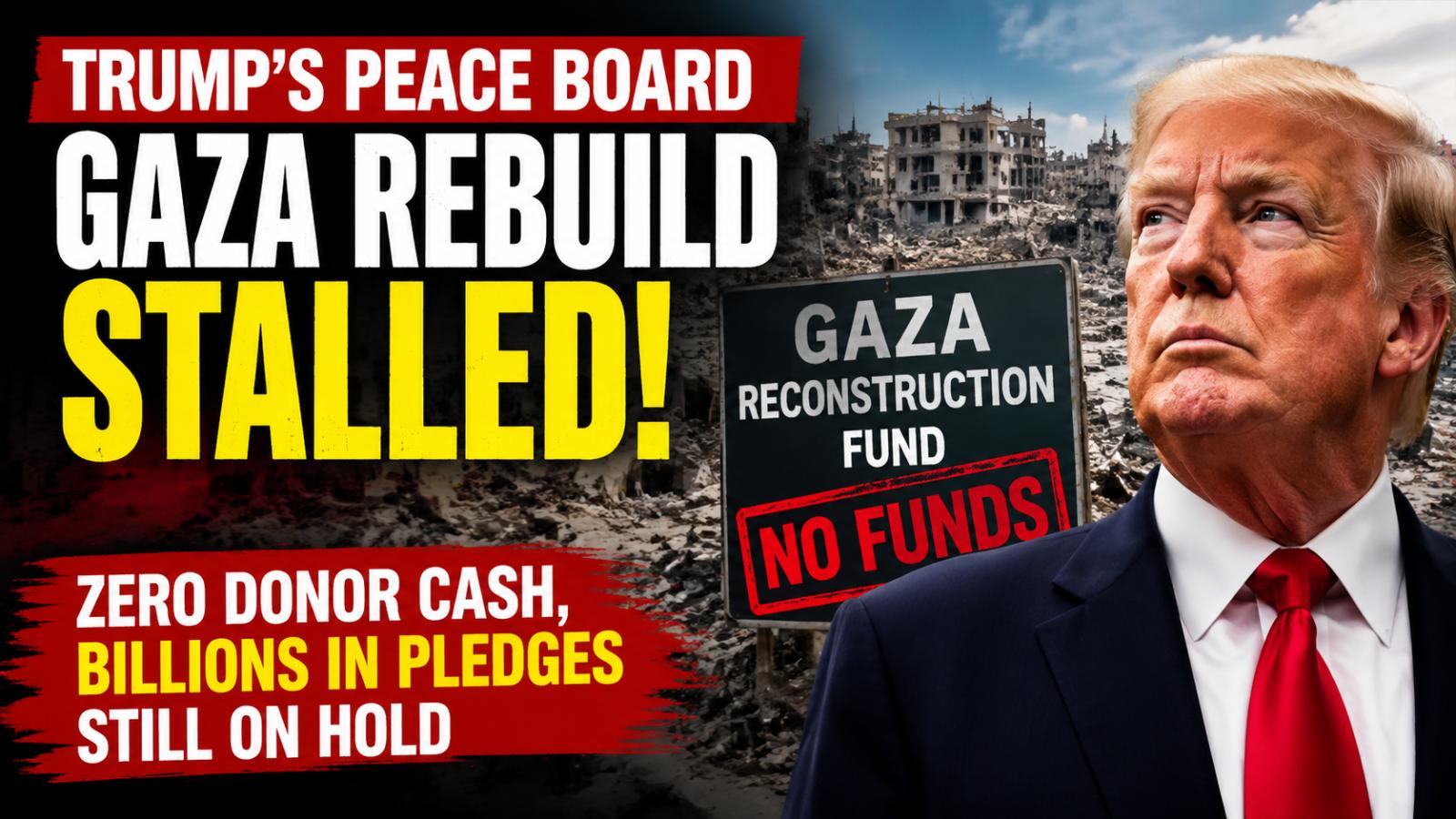
Trump peace board Gaza reconstruction hits zero funding hurdle
The Trump board of peace, set up to coordinate reconstruction in Gaza after recent conflicts, is facing an unprecedented funding shortfall. Despite multibillion-dollar pledges from the United States and several Gulf nations, no significant donor funds have been delivered, leaving the reconstruction plan at a standstill. The initiative, envisioned as a multilateral effort to rebuild Gaza’s damaged infrastructure, has yet to move beyond the planning stage.
Trump peace board Gaza reconstruction hits zero funding hurdle
The Trump board of peace, set up to coordinate reconstruction in Gaza after recent conflicts, is facing an unprecedented funding shortfall. Despite multibillion-dollar pledges from the United States and several Gulf nations, no significant donor funds have been delivered, leaving the reconstruction plan at a standstill. The initiative, envisioned as a multilateral effort to rebuild Gaza’s damaged infrastructure, has yet to move beyond the planning stage.
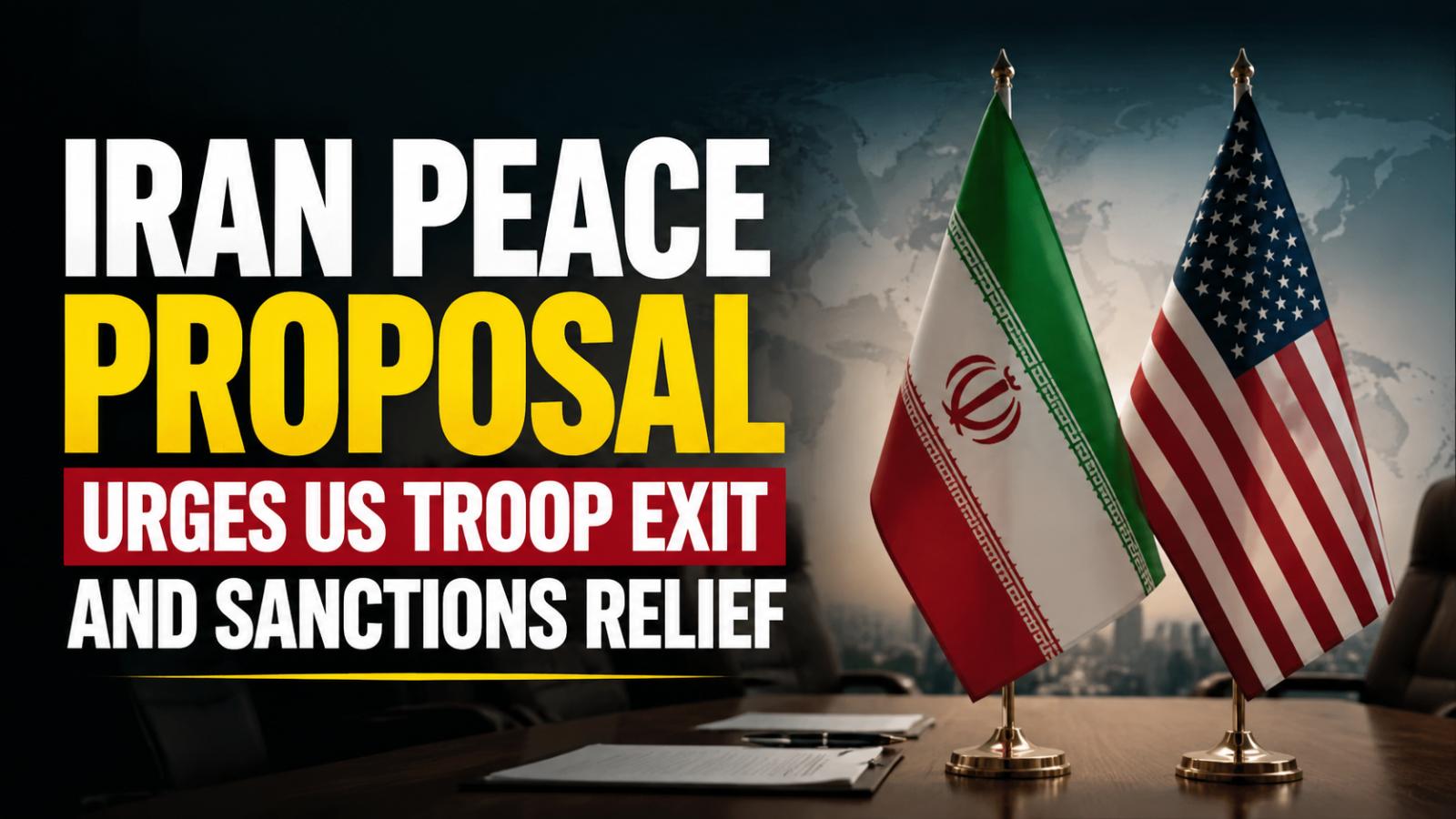
Iran Peace Proposal: US Troop Exit, Lebanon Ceasefire, Sanctions Lift
Iran has presented a comprehensive peace plan to the United States, aiming to end hostilities in Lebanon and across the region. The proposal calls for the withdrawal of US forces near Iranian borders, reparations for conflict damages, lifting of economic sanctions, release of frozen funds, and the removal of the US naval blockade from Iranian ports. Deputy Foreign Minister Kazem Gharibabadi highlighted that Tehran’s plan is designed to foster lasting peace in West Asia through diplomacy and
Iran Peace Proposal: US Troop Exit, Lebanon Ceasefire, Sanctions Lift
Iran has presented a comprehensive peace plan to the United States, aiming to end hostilities in Lebanon and across the region. The proposal calls for the withdrawal of US forces near Iranian borders, reparations for conflict damages, lifting of economic sanctions, release of frozen funds, and the removal of the US naval blockade from Iranian ports. Deputy Foreign Minister Kazem Gharibabadi highlighted that Tehran’s plan is designed to foster lasting peace in West Asia through diplomacy and
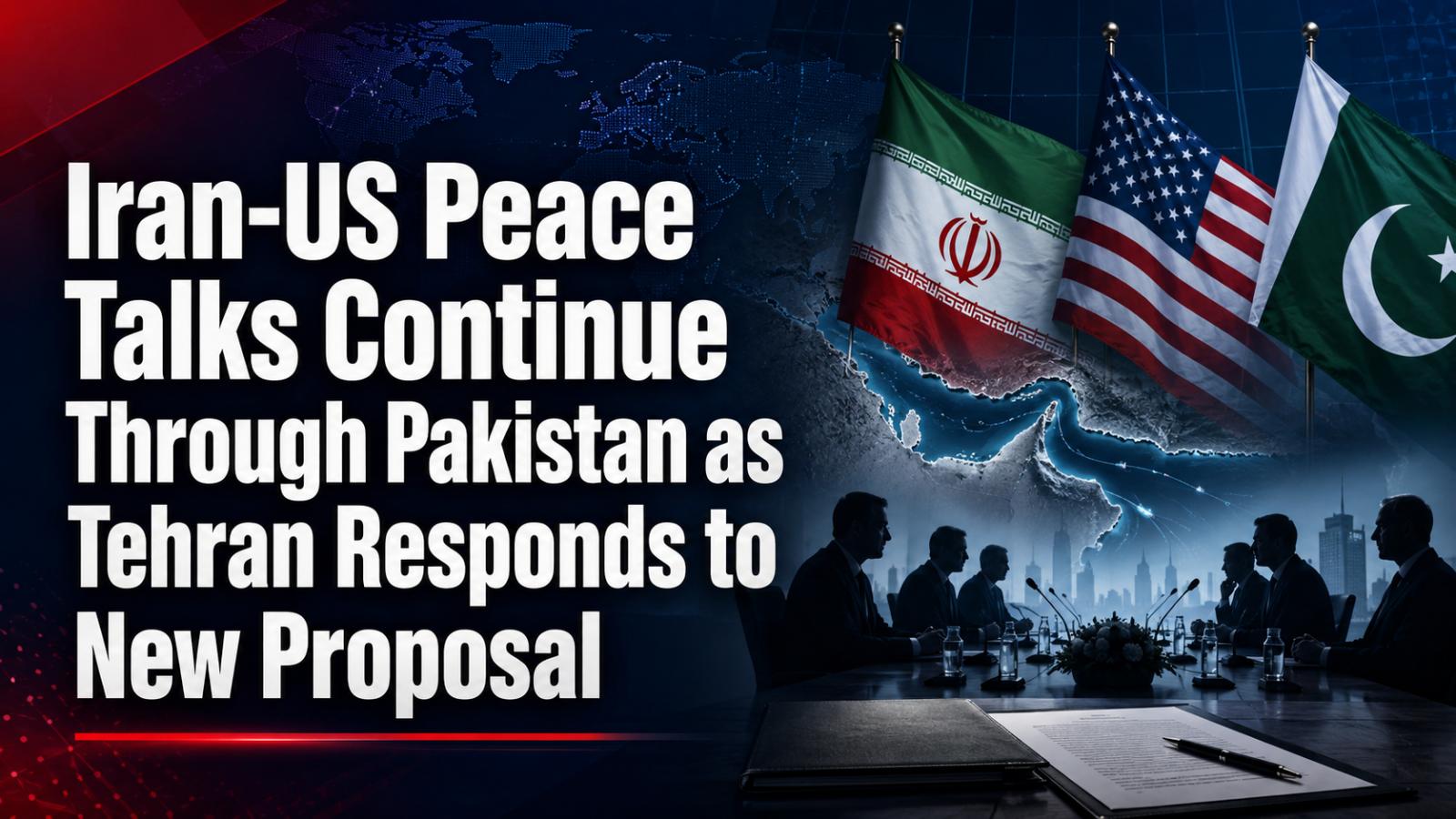
Iran-US Peace Talks Continue Through Pakistan as Tehran Responds to New Proposal
Iran-US peace talks are continuing through Pakistan as Tehran and Washington remain divided over sanctions, nuclear activity, frozen Iranian assets, war damages and the Strait of Hormuz. Iran has responded to a new proposal aimed at ending the conflict, while Pakistan continues to play the role of mediator between the two sides. The diplomatic effort comes at a sensitive time. Tensions remain high in the region, and both countries are under pressure to avoid another round of escalat
Iran-US Peace Talks Continue Through Pakistan as Tehran Responds to New Proposal
Iran-US peace talks are continuing through Pakistan as Tehran and Washington remain divided over sanctions, nuclear activity, frozen Iranian assets, war damages and the Strait of Hormuz. Iran has responded to a new proposal aimed at ending the conflict, while Pakistan continues to play the role of mediator between the two sides. The diplomatic effort comes at a sensitive time. Tensions remain high in the region, and both countries are under pressure to avoid another round of escalat
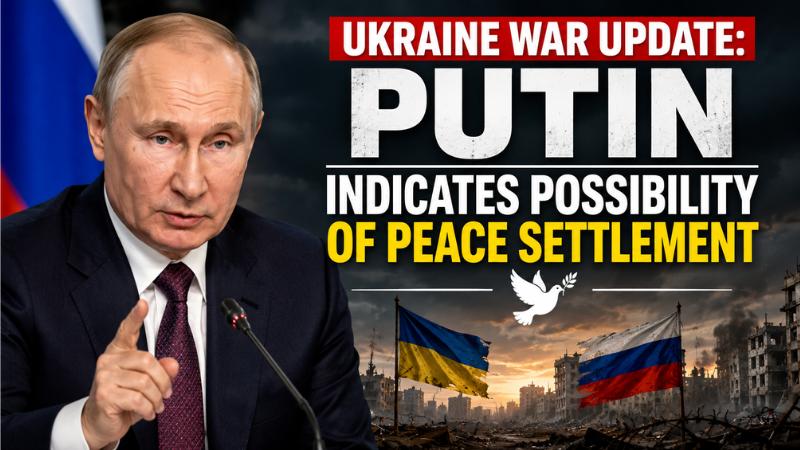
Ukraine War Update: Putin Indicates Possibility of Peace Settlement
Putin Signals Possible Ukraine Peace Talks as Ceasefire Begins Vladimir Putin has hinted that the Russia-Ukraine war could be nearing an end, raising hopes of a possible peace agreement after years of conflict. Speaking during Russia’s Victory Day events in Moscow, Putin said the situation appeared to be “coming to an end” as
Ukraine War Update: Putin Indicates Possibility of Peace Settlement
Putin Signals Possible Ukraine Peace Talks as Ceasefire Begins Vladimir Putin has hinted that the Russia-Ukraine war could be nearing an end, raising hopes of a possible peace agreement after years of conflict. Speaking during Russia’s Victory Day events in Moscow, Putin said the situation appeared to be “coming to an end” as
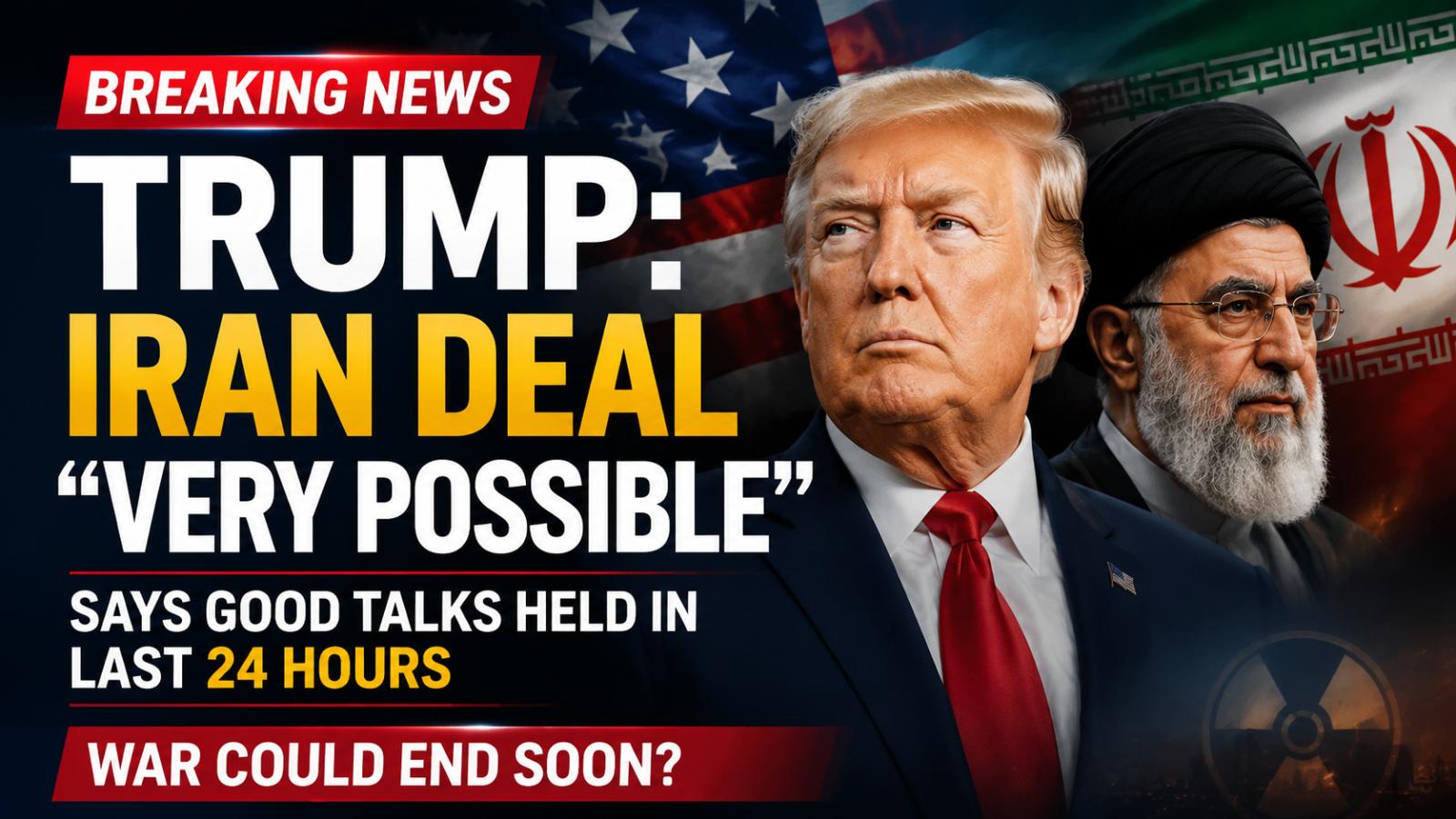
Trump confident of deal with Iran to end war, nuclear weapon discussions ongoing
President Donald Trump stated on May 6 that he has been involved in "good talks" with Iran over the past 24 hours and suggested that a deal to end the ongoing war between the two countries is "very possible." Trump emphasized that the discussions centered on Iran's nuclear program, which remains a critical point of concern for the United States. The president stated, “Iran cannot have a nuclear weapon, and they won’t.” He added that this is a point the Iranian government has already agreed to, alongside other key terms. Trump's statements come after a recent warning to Iran that the United States would escalate its military action if a deal is not reached. "If they don’t agree, the bombing starts, and it will be, sadly, at a much higher level and intensity than it was before,” Trump wrote in a post on Truth Social on May 6. This aggressive stance reflects the president’s resolve to prevent Iran from advancing its nuclear capabilities. In the wake of these talks, Israeli political officials have indicated that there are signs of progress in negotiations between Trump and Iranian Foreign Minister Abbas Araghchi. According to sources, Israel sees this as an opportunity for diplomatic progress. However, the Israeli officials also warned that internal divisions within Iran’s leadership could potentially jeopardize the long-term stability of any agreement. As of now, the future of US-Iran relations remains uncertain, but Trump’s recent comments suggest that both sides are exploring avenues for negotiation. If a deal is reached, it could have significant implications for regional stability, particularly regarding the security of the Strait of Hormuz. This strategic waterway has long been a focal point of tensions in the Middle East due to its role in global oil shipments. The president’s assurance that the Hormuz Strait would be “OPEN TO ALL, including Iran” if an agreement is reached suggests that economic and geopolitical interests are also being considered alongside security concerns. While the talks between Trump and Iran hold promise, the situation remains volatile. Both the US and Iranian governments face internal and external pressures that could complicate efforts to reach a lasting peace agreement. With the threat of military action still on the table, the world watches closely as the two nations navigate these delicate negotiations.
Trump confident of deal with Iran to end war, nuclear weapon discussions ongoing
President Donald Trump stated on May 6 that he has been involved in "good talks" with Iran over the past 24 hours and suggested that a deal to end the ongoing war between the two countries is "very possible." Trump emphasized that the discussions centered on Iran's nuclear program, which remains a critical point of concern for the United States. The president stated, “Iran cannot have a nuclear weapon, and they won’t.” He added that this is a point the Iranian government has already agreed to, alongside other key terms. Trump's statements come after a recent warning to Iran that the United States would escalate its military action if a deal is not reached. "If they don’t agree, the bombing starts, and it will be, sadly, at a much higher level and intensity than it was before,” Trump wrote in a post on Truth Social on May 6. This aggressive stance reflects the president’s resolve to prevent Iran from advancing its nuclear capabilities. In the wake of these talks, Israeli political officials have indicated that there are signs of progress in negotiations between Trump and Iranian Foreign Minister Abbas Araghchi. According to sources, Israel sees this as an opportunity for diplomatic progress. However, the Israeli officials also warned that internal divisions within Iran’s leadership could potentially jeopardize the long-term stability of any agreement. As of now, the future of US-Iran relations remains uncertain, but Trump’s recent comments suggest that both sides are exploring avenues for negotiation. If a deal is reached, it could have significant implications for regional stability, particularly regarding the security of the Strait of Hormuz. This strategic waterway has long been a focal point of tensions in the Middle East due to its role in global oil shipments. The president’s assurance that the Hormuz Strait would be “OPEN TO ALL, including Iran” if an agreement is reached suggests that economic and geopolitical interests are also being considered alongside security concerns. While the talks between Trump and Iran hold promise, the situation remains volatile. Both the US and Iranian governments face internal and external pressures that could complicate efforts to reach a lasting peace agreement. With the threat of military action still on the table, the world watches closely as the two nations navigate these delicate negotiations.
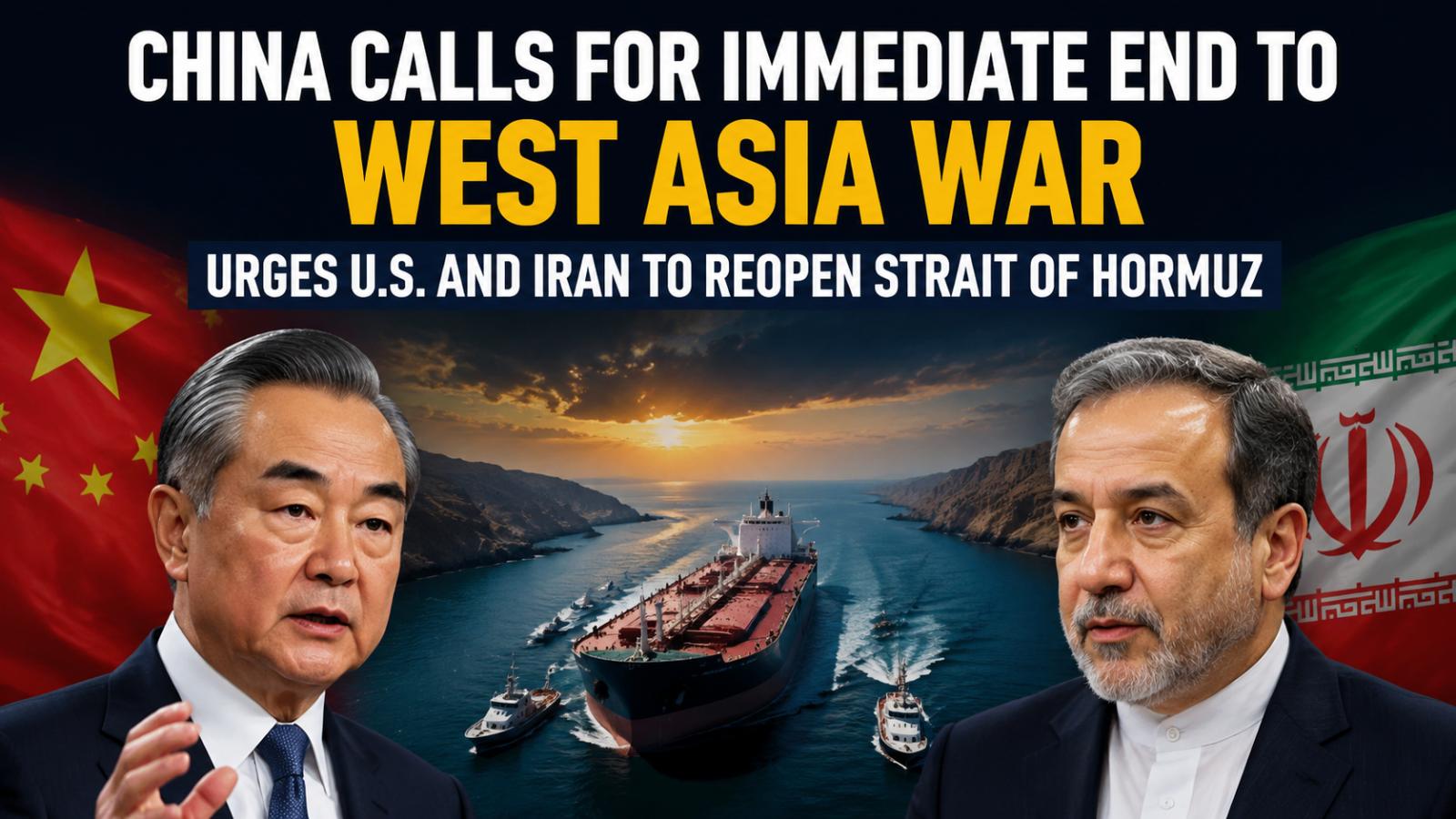
China calls for ceasefire in West Asia, urges reopening of Strait of Hormuz
Chinese Foreign Minister Wang Yi has called for an immediate and complete end to the ongoing conflict in West Asia. During a high-level meeting with Iran’s Foreign Minister Seyed Abbas Araghchi in Beijing, Wang stressed the importance of achieving a comprehensive ceasefire without any delay. He also urged both the United States and Iran to reopen the Strait of Hormuz "as soon as possible" to help stabilize global energy markets, which have been severely impacted by the conflict. A
China calls for ceasefire in West Asia, urges reopening of Strait of Hormuz
Chinese Foreign Minister Wang Yi has called for an immediate and complete end to the ongoing conflict in West Asia. During a high-level meeting with Iran’s Foreign Minister Seyed Abbas Araghchi in Beijing, Wang stressed the importance of achieving a comprehensive ceasefire without any delay. He also urged both the United States and Iran to reopen the Strait of Hormuz "as soon as possible" to help stabilize global energy markets, which have been severely impacted by the conflict. A
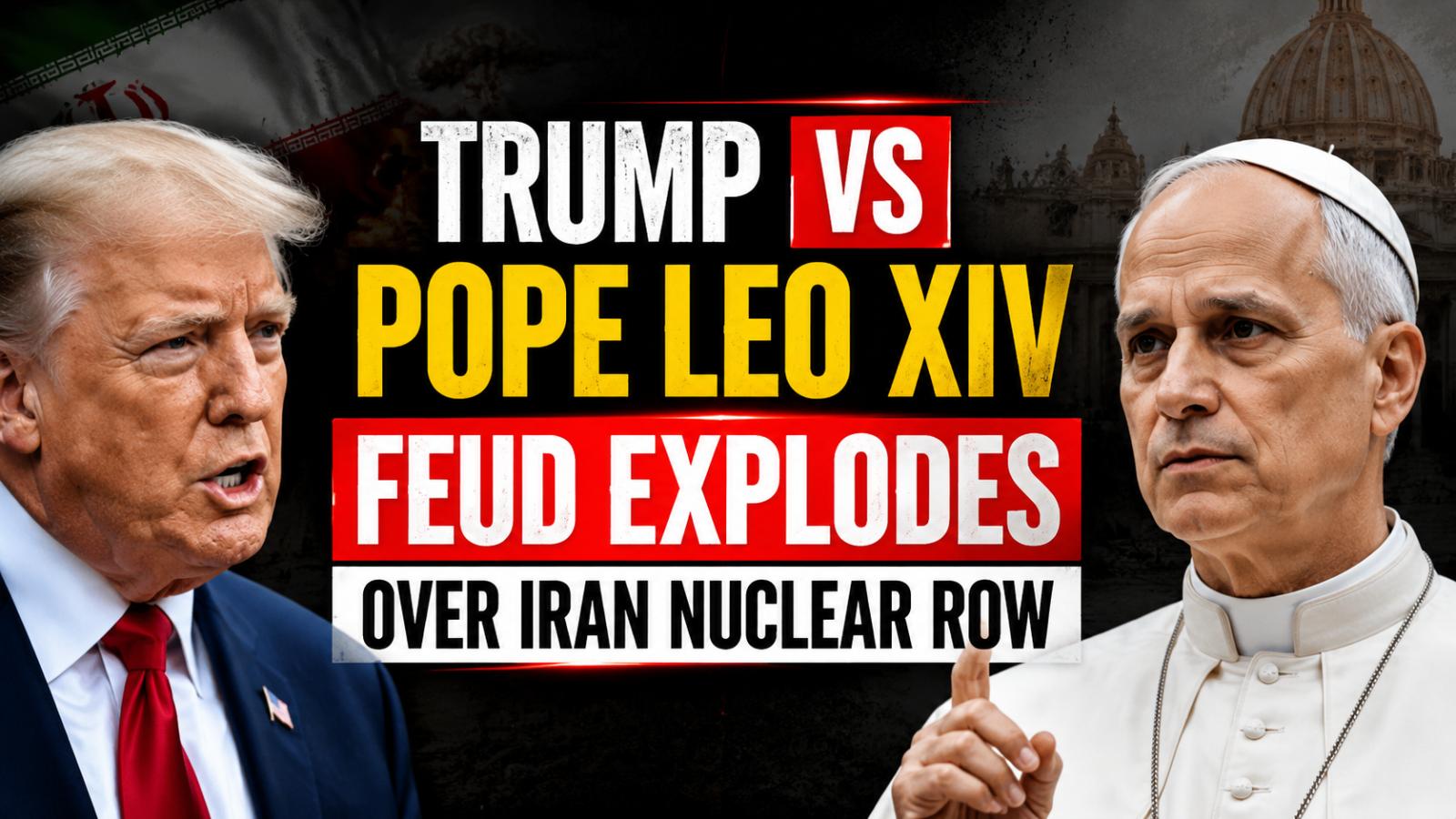
Trump and Pope Leo XIV clash again over Iran’s nuclear stance
The feud between US President Donald Trump and Pope Leo XIV has flared up once again. The latest clash revolves around Trump’s repeated claims that the Pope supports Iran’s right to develop nuclear weapons. This accusation has been vigorously denied by the Vatican, with Pope Leo XIV offering a sharp rebuke. The Pope emphasized his long-standing position on nuclear disarmament and global peace, making it clear that his message remains consistent despite the President's accusations. Trump’s Accusations Against the Pope In an interview with Hugh Hewitt of Salem News Channel, President Trump reiterated his controversial claim that Pope Leo XIV condones Iran's nuclear ambitions. Trump said, "The pope would rather talk about the fact that it’s OK for Iran to have a nuclear weapon, and I don’t think that’s very good." He continued, "I think he's endangering a lot of Catholics, and a lot of people, but I guess if it’s up to the pope, he thinks it’s just fine for Iran to have a nuclear weapon." This repeated assertion has been a part of Trump's rhetoric, even though the Pope has never publicly supported such a view. Pope Leo XIV's Rejection of the Claim Without directly naming Trump, Pope Leo XIV responded firmly, rejecting the accusations. "If anyone wants to criticise me for proclaiming the Gospel, let them do so truthfully," he said in a statement. The Pope's message was unequivocal: the mission of the Church is to preach peace, and it has always opposed the proliferation of nuclear weapons. He reminded the world that the Catholic Church has long advocated for a world free from nuclear threats. The Pope has been vocal about the need for diplomacy over conflict, urging political leaders to engage in dialogue rather than pursue rearmament. The Pope’s remarks were a clear message to those who misinterpret his calls for peace. The Catholic Church has continuously voiced its opposition to nuclear weapons, and Pope Leo XIV reaffirmed that stance, urging global leaders to focus on peaceful solutions to international conflicts. A Notable Timing: Rubio’s Visit to the Vatican The timing of this ongoing dispute is particularly interesting, as US Secretary of State Marco Rubio is scheduled to visit Rome this week. Rubio will meet with Pope Leo XIV on Thursday to discuss a range of topics, including the situation in the Middle East. The State Department has positioned this visit as an opportunity to explore mutual interests and discuss pressing global issues. However, with the current tensions surrounding Iran and nuclear weapons, this meeting is likely to be complicated by the feud between Trump and the Pope. Pope Leo XIV's Message for Global Peace Despite the political tensions, Pope Leo XIV has remained focused on his core message: peace. The Pope has consistently called for a world free from the threat of nuclear weapons, advocating for leaders to sit at the table of dialogue and diplomacy. His call for peace was reiterated during a recent gathering at St. Peter’s Basilica, where he urged Catholics to prioritize dialogue over violence. In his remarks, Pope Leo XIV urged global leaders to focus on diplomacy and avoid the path of rearmament. He emphasized the importance of peaceful negotiations, saying, "It is time for peace! Sit at the table of dialogue and mediation, not at the table where rearmament is planned, and deadly actions are decided." This sentiment reflects the Pope’s long-standing commitment to nuclear disarmament and peaceful resolutions to international disputes. As the tension between Trump and the Pope continues to unfold, the world will be watching closely. The clash underscores the ongoing challenges in navigating political and religious divides, especially when it comes to sensitive issues like nuclear weapons and international peace. However, Pope Leo XIV’s commitment to peace and diplomacy remains unwavering, and his stance continues to influence global discussions on nuclear disarmament.
Trump and Pope Leo XIV clash again over Iran’s nuclear stance
The feud between US President Donald Trump and Pope Leo XIV has flared up once again. The latest clash revolves around Trump’s repeated claims that the Pope supports Iran’s right to develop nuclear weapons. This accusation has been vigorously denied by the Vatican, with Pope Leo XIV offering a sharp rebuke. The Pope emphasized his long-standing position on nuclear disarmament and global peace, making it clear that his message remains consistent despite the President's accusations. Trump’s Accusations Against the Pope In an interview with Hugh Hewitt of Salem News Channel, President Trump reiterated his controversial claim that Pope Leo XIV condones Iran's nuclear ambitions. Trump said, "The pope would rather talk about the fact that it’s OK for Iran to have a nuclear weapon, and I don’t think that’s very good." He continued, "I think he's endangering a lot of Catholics, and a lot of people, but I guess if it’s up to the pope, he thinks it’s just fine for Iran to have a nuclear weapon." This repeated assertion has been a part of Trump's rhetoric, even though the Pope has never publicly supported such a view. Pope Leo XIV's Rejection of the Claim Without directly naming Trump, Pope Leo XIV responded firmly, rejecting the accusations. "If anyone wants to criticise me for proclaiming the Gospel, let them do so truthfully," he said in a statement. The Pope's message was unequivocal: the mission of the Church is to preach peace, and it has always opposed the proliferation of nuclear weapons. He reminded the world that the Catholic Church has long advocated for a world free from nuclear threats. The Pope has been vocal about the need for diplomacy over conflict, urging political leaders to engage in dialogue rather than pursue rearmament. The Pope’s remarks were a clear message to those who misinterpret his calls for peace. The Catholic Church has continuously voiced its opposition to nuclear weapons, and Pope Leo XIV reaffirmed that stance, urging global leaders to focus on peaceful solutions to international conflicts. A Notable Timing: Rubio’s Visit to the Vatican The timing of this ongoing dispute is particularly interesting, as US Secretary of State Marco Rubio is scheduled to visit Rome this week. Rubio will meet with Pope Leo XIV on Thursday to discuss a range of topics, including the situation in the Middle East. The State Department has positioned this visit as an opportunity to explore mutual interests and discuss pressing global issues. However, with the current tensions surrounding Iran and nuclear weapons, this meeting is likely to be complicated by the feud between Trump and the Pope. Pope Leo XIV's Message for Global Peace Despite the political tensions, Pope Leo XIV has remained focused on his core message: peace. The Pope has consistently called for a world free from the threat of nuclear weapons, advocating for leaders to sit at the table of dialogue and diplomacy. His call for peace was reiterated during a recent gathering at St. Peter’s Basilica, where he urged Catholics to prioritize dialogue over violence. In his remarks, Pope Leo XIV urged global leaders to focus on diplomacy and avoid the path of rearmament. He emphasized the importance of peaceful negotiations, saying, "It is time for peace! Sit at the table of dialogue and mediation, not at the table where rearmament is planned, and deadly actions are decided." This sentiment reflects the Pope’s long-standing commitment to nuclear disarmament and peaceful resolutions to international disputes. As the tension between Trump and the Pope continues to unfold, the world will be watching closely. The clash underscores the ongoing challenges in navigating political and religious divides, especially when it comes to sensitive issues like nuclear weapons and international peace. However, Pope Leo XIV’s commitment to peace and diplomacy remains unwavering, and his stance continues to influence global discussions on nuclear disarmament.
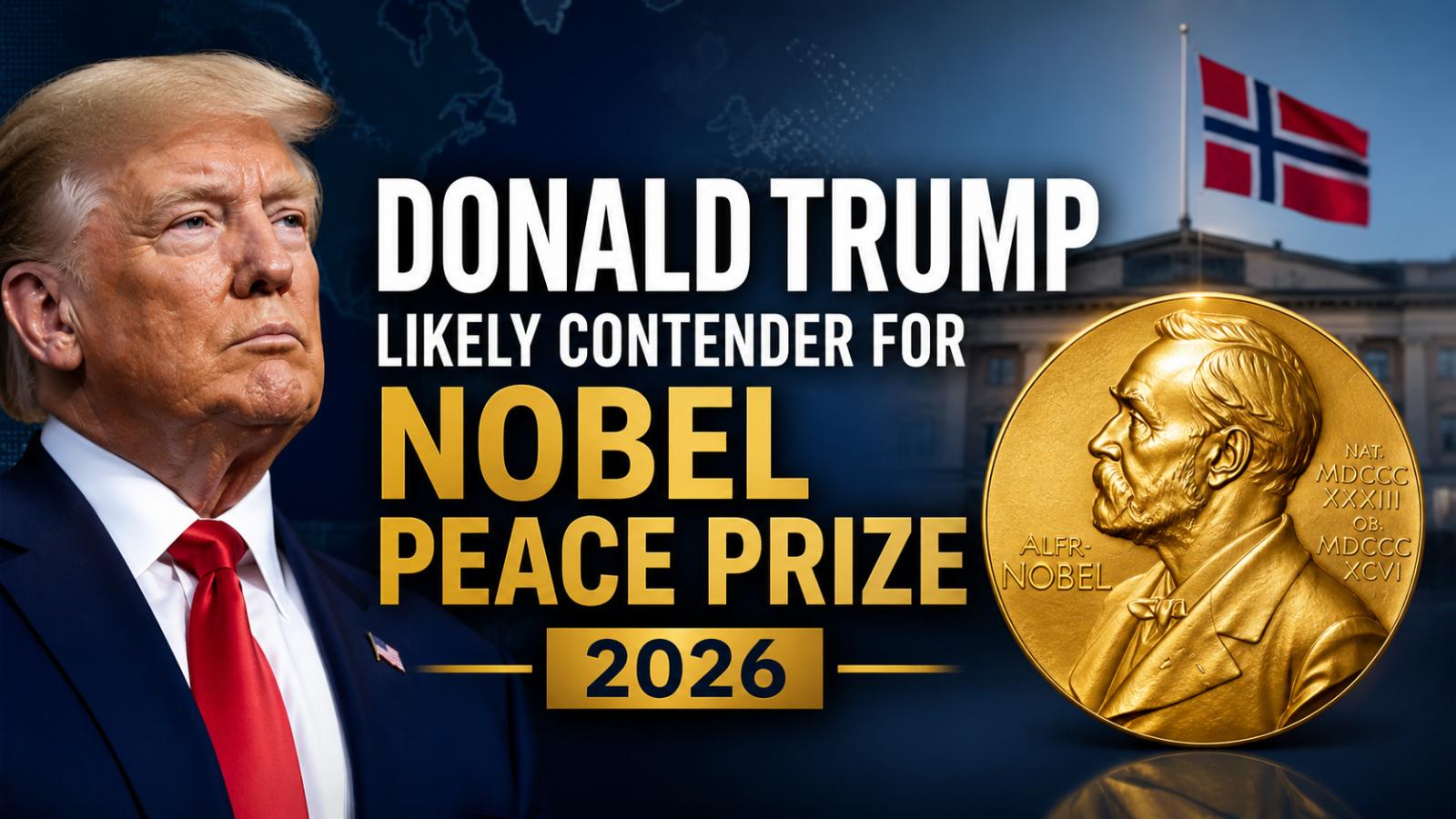
Will Donald Trump win Nobel Peace Prize 2026? Key facts and timeline
Nobel Peace Prize 2026: Trump emerges as likely contender Donald Trump is being seen as a likely contender for the Nobel Peace Prize 2026, with 287 candidates under review, but the final list remains strictly confidential. Kristian Berg Harpviken, secretary of the Norwegian Nobel Committee, confirmed that the total nominations include 208 individuals and 79 organisations, highlighting strong global participation despite ongoing conf
Will Donald Trump win Nobel Peace Prize 2026? Key facts and timeline
Nobel Peace Prize 2026: Trump emerges as likely contender Donald Trump is being seen as a likely contender for the Nobel Peace Prize 2026, with 287 candidates under review, but the final list remains strictly confidential. Kristian Berg Harpviken, secretary of the Norwegian Nobel Committee, confirmed that the total nominations include 208 individuals and 79 organisations, highlighting strong global participation despite ongoing conf
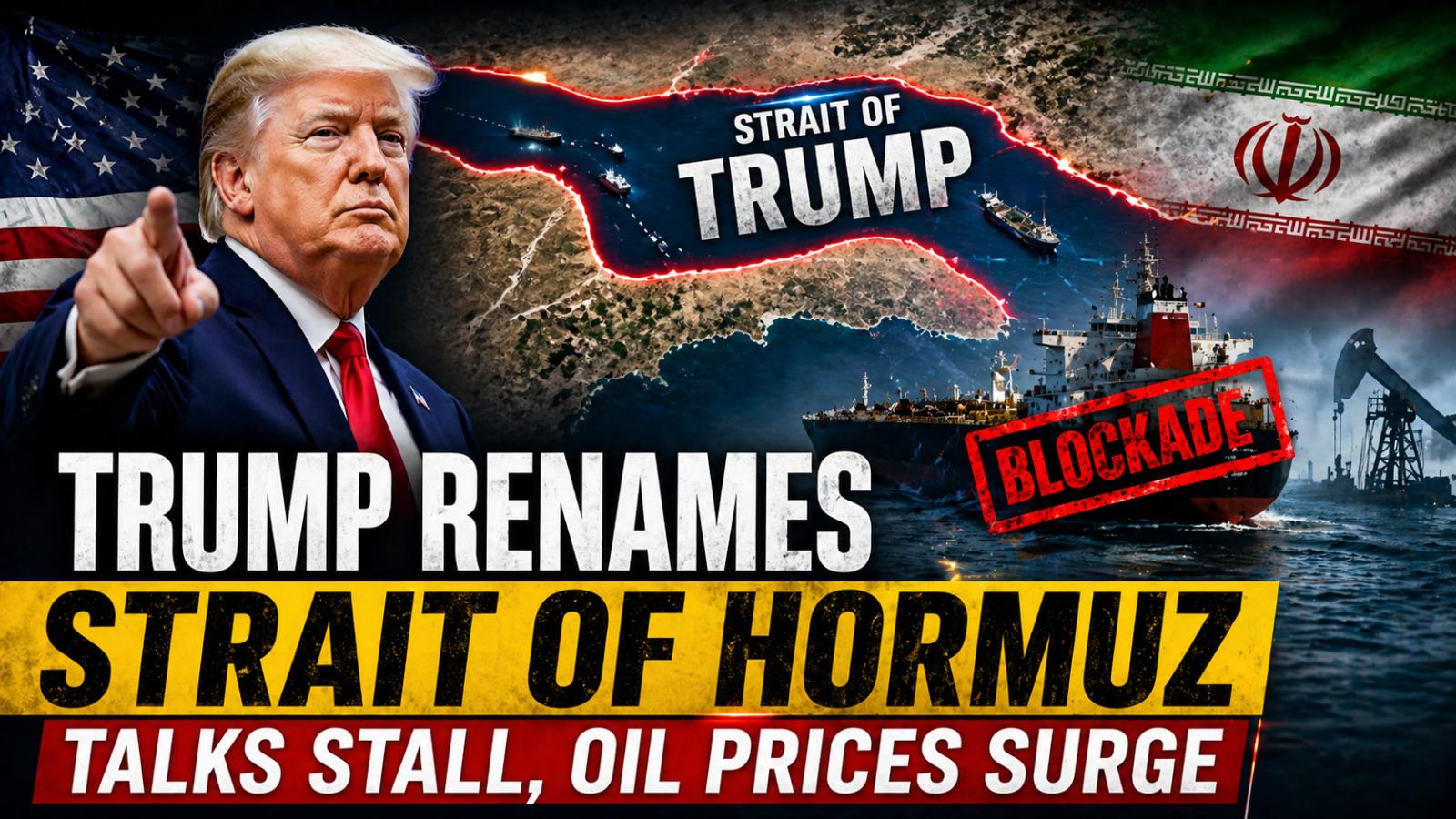
Trump Renames Strait of Hormuz Amid Rising US-Iran Tensions
US President Donald Trump has drawn attention after sharing a modified map referring to the Strait of Hormuz as the “Strait of Trump,” a move that comes amid escalating tensions and stalled negotiations with Iran. The strategic waterway remains a focal point in the ongoing standoff, with both sides maintaining a blockade despite a previously agreed ceasefire. Trump indicated that discussions to end the conflict are continuing remotely, describing them as telephonic due to logistical challenges. At the same time, Iran has attempted to revive dialogue by sending a proposal through Pakistan, facilitated by Foreign Minister Abbas Araghchi. However, indications suggest that the US administration is dissatisfied with the terms and is unlikely to accept the framework presented. The proposal reportedly outlined a three-stage approach, beginning with a complete cessation of hostilities, followed by lifting the naval blockade and restoring maritime traffic through the Strait of Hormuz. The final stage involved renewed negotiations over Iran’s nuclear program. Despite these efforts, talks remain at an impasse, with both sides maintaining firm positions. Trump defended the blockade, describing it as effective and emphasizing its economic impact on Iran. He stated that the pressure strategy would continue until Iran concedes. Meanwhile, energy markets reacted sharply, with Brent crude prices rising significantly, reflecting concerns over supply disruptions linked to the strategic route. The Strait of Hormuz remains critical to global oil flows, and its continued closure by both US and Iranian forces underscores the fragile state of the ceasefire. Diplomatic efforts have yet to regain momentum, leaving the situation uncertain as geopolitical and economic pressures continue to build.
Trump Renames Strait of Hormuz Amid Rising US-Iran Tensions
US President Donald Trump has drawn attention after sharing a modified map referring to the Strait of Hormuz as the “Strait of Trump,” a move that comes amid escalating tensions and stalled negotiations with Iran. The strategic waterway remains a focal point in the ongoing standoff, with both sides maintaining a blockade despite a previously agreed ceasefire. Trump indicated that discussions to end the conflict are continuing remotely, describing them as telephonic due to logistical challenges. At the same time, Iran has attempted to revive dialogue by sending a proposal through Pakistan, facilitated by Foreign Minister Abbas Araghchi. However, indications suggest that the US administration is dissatisfied with the terms and is unlikely to accept the framework presented. The proposal reportedly outlined a three-stage approach, beginning with a complete cessation of hostilities, followed by lifting the naval blockade and restoring maritime traffic through the Strait of Hormuz. The final stage involved renewed negotiations over Iran’s nuclear program. Despite these efforts, talks remain at an impasse, with both sides maintaining firm positions. Trump defended the blockade, describing it as effective and emphasizing its economic impact on Iran. He stated that the pressure strategy would continue until Iran concedes. Meanwhile, energy markets reacted sharply, with Brent crude prices rising significantly, reflecting concerns over supply disruptions linked to the strategic route. The Strait of Hormuz remains critical to global oil flows, and its continued closure by both US and Iranian forces underscores the fragile state of the ceasefire. Diplomatic efforts have yet to regain momentum, leaving the situation uncertain as geopolitical and economic pressures continue to build.
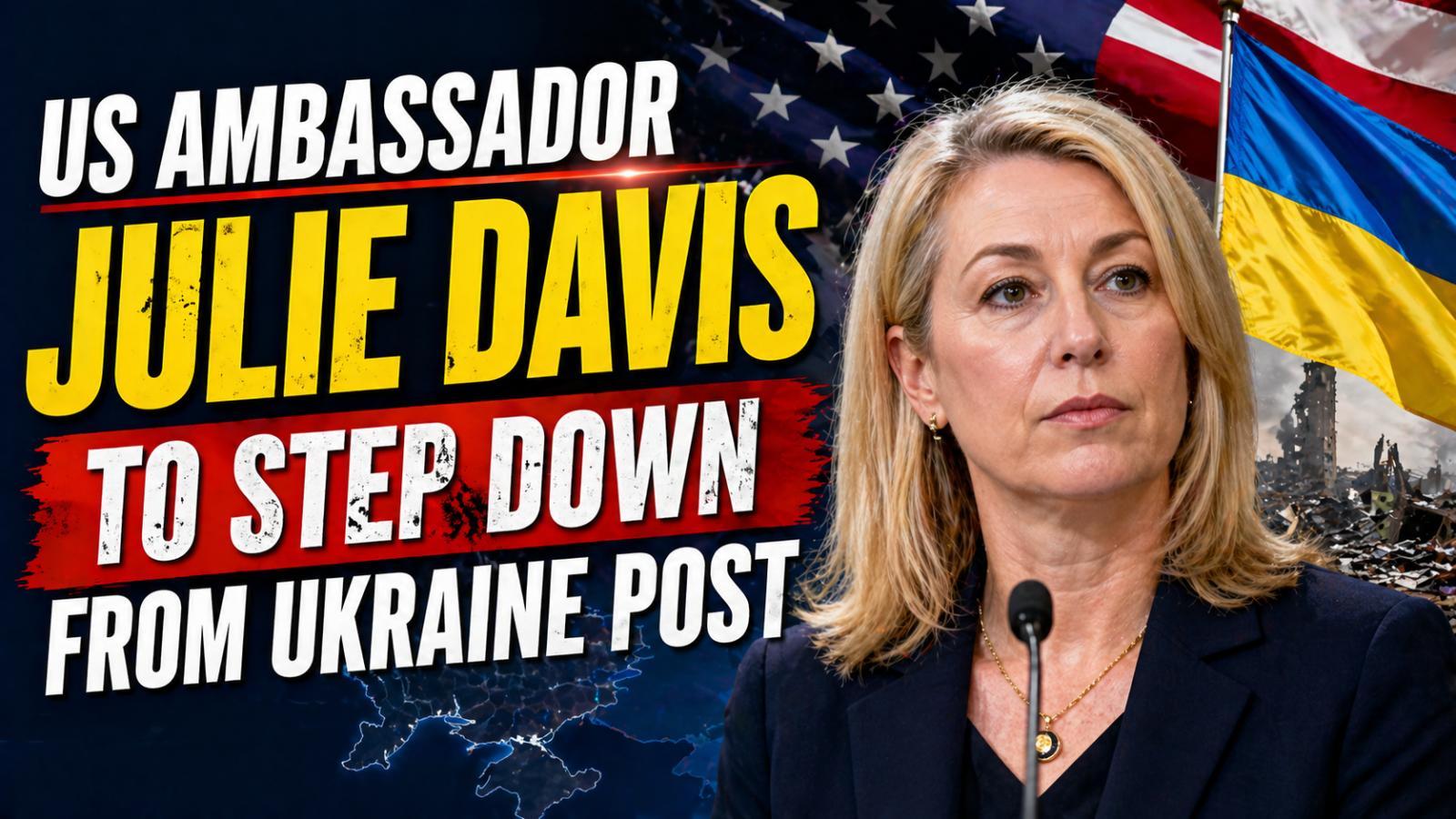
Julie Davis Announces Exit as US Faces Challenges in Ukraine Peace Efforts
The United States Department of State confirmed on April 28 that Julie Davis will step down from her role as acting ambassador to Ukraine after serving less than a year in the position. The announcement comes at a time when diplomatic efforts by the United States to facilitate a peace agreement between Ukraine and Russia have yet to produce a breakthrough. Davis, who also serves as ambassador to Cyprus, had been handling dual responsibilities since her appointment by Donald Trump in May of the previous year. She assumed the Kyiv role following the departure of Bridget Brink, who had been appointed earlier and later stepped down. The State Department stated that Davis cited retirement as the reason for her decision. Her tenure coincided with increased diplomatic pressure from Washington on Kyiv to consider terms that could advance negotiations with Moscow. Trump has publicly emphasized the need for a resolution, including the possibility of territorial concessions by Ukraine, as part of a broader effort to secure a ceasefire. However, these initiatives have not resulted in a formal agreement, and fighting has continued without a comprehensive settlement. Reports suggesting internal disagreements regarding US policy toward Ukraine were rejected by officials, who maintained that no such disputes influenced Davis’s decision. Brink, Davis’s predecessor, had previously expressed concern over what she described as an approach that placed disproportionate pressure on Ukraine during negotiations. Davis’s departure highlights the ongoing complexity of US diplomatic engagement in the region. With peace talks stalled and geopolitical tensions unresolved, the transition comes at a critical moment for American foreign policy and its role in shaping outcomes in Eastern Europe.
Julie Davis Announces Exit as US Faces Challenges in Ukraine Peace Efforts
The United States Department of State confirmed on April 28 that Julie Davis will step down from her role as acting ambassador to Ukraine after serving less than a year in the position. The announcement comes at a time when diplomatic efforts by the United States to facilitate a peace agreement between Ukraine and Russia have yet to produce a breakthrough. Davis, who also serves as ambassador to Cyprus, had been handling dual responsibilities since her appointment by Donald Trump in May of the previous year. She assumed the Kyiv role following the departure of Bridget Brink, who had been appointed earlier and later stepped down. The State Department stated that Davis cited retirement as the reason for her decision. Her tenure coincided with increased diplomatic pressure from Washington on Kyiv to consider terms that could advance negotiations with Moscow. Trump has publicly emphasized the need for a resolution, including the possibility of territorial concessions by Ukraine, as part of a broader effort to secure a ceasefire. However, these initiatives have not resulted in a formal agreement, and fighting has continued without a comprehensive settlement. Reports suggesting internal disagreements regarding US policy toward Ukraine were rejected by officials, who maintained that no such disputes influenced Davis’s decision. Brink, Davis’s predecessor, had previously expressed concern over what she described as an approach that placed disproportionate pressure on Ukraine during negotiations. Davis’s departure highlights the ongoing complexity of US diplomatic engagement in the region. With peace talks stalled and geopolitical tensions unresolved, the transition comes at a critical moment for American foreign policy and its role in shaping outcomes in Eastern Europe.
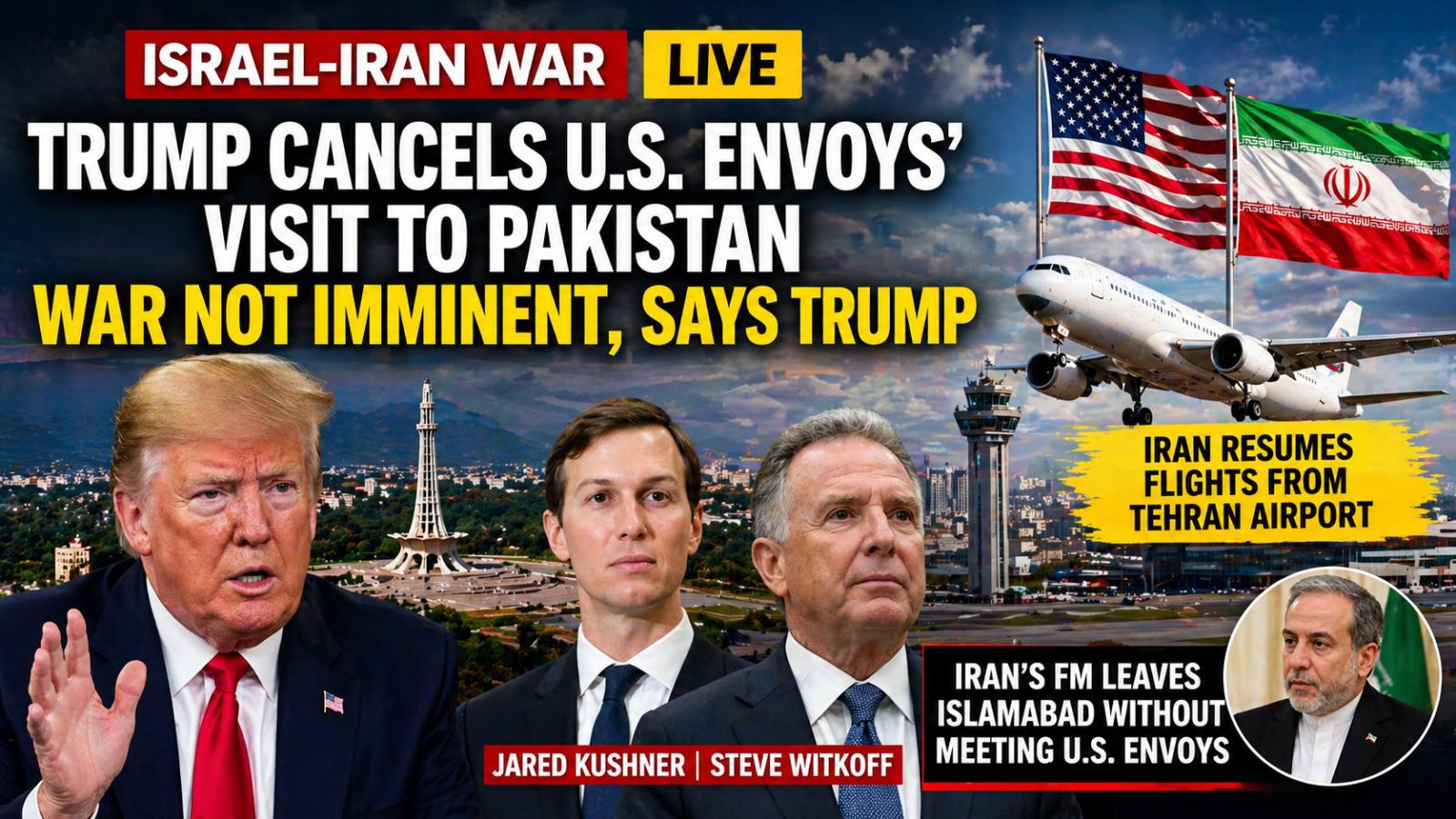
Israel-Iran War LIVE: Trump Cancels Pakistan Talks, Says War Not Imminent
U.S. President Donald Trump has cancelled a planned visit by American envoys to Pakistan for talks with Iran, in a move that raises fresh uncertainty around ongoing diplomatic efforts tied to the Israel-Iran conflict. According to reports , the cancelled trip would have involved senior envoys
Israel-Iran War LIVE: Trump Cancels Pakistan Talks, Says War Not Imminent
U.S. President Donald Trump has cancelled a planned visit by American envoys to Pakistan for talks with Iran, in a move that raises fresh uncertainty around ongoing diplomatic efforts tied to the Israel-Iran conflict. According to reports , the cancelled trip would have involved senior envoys
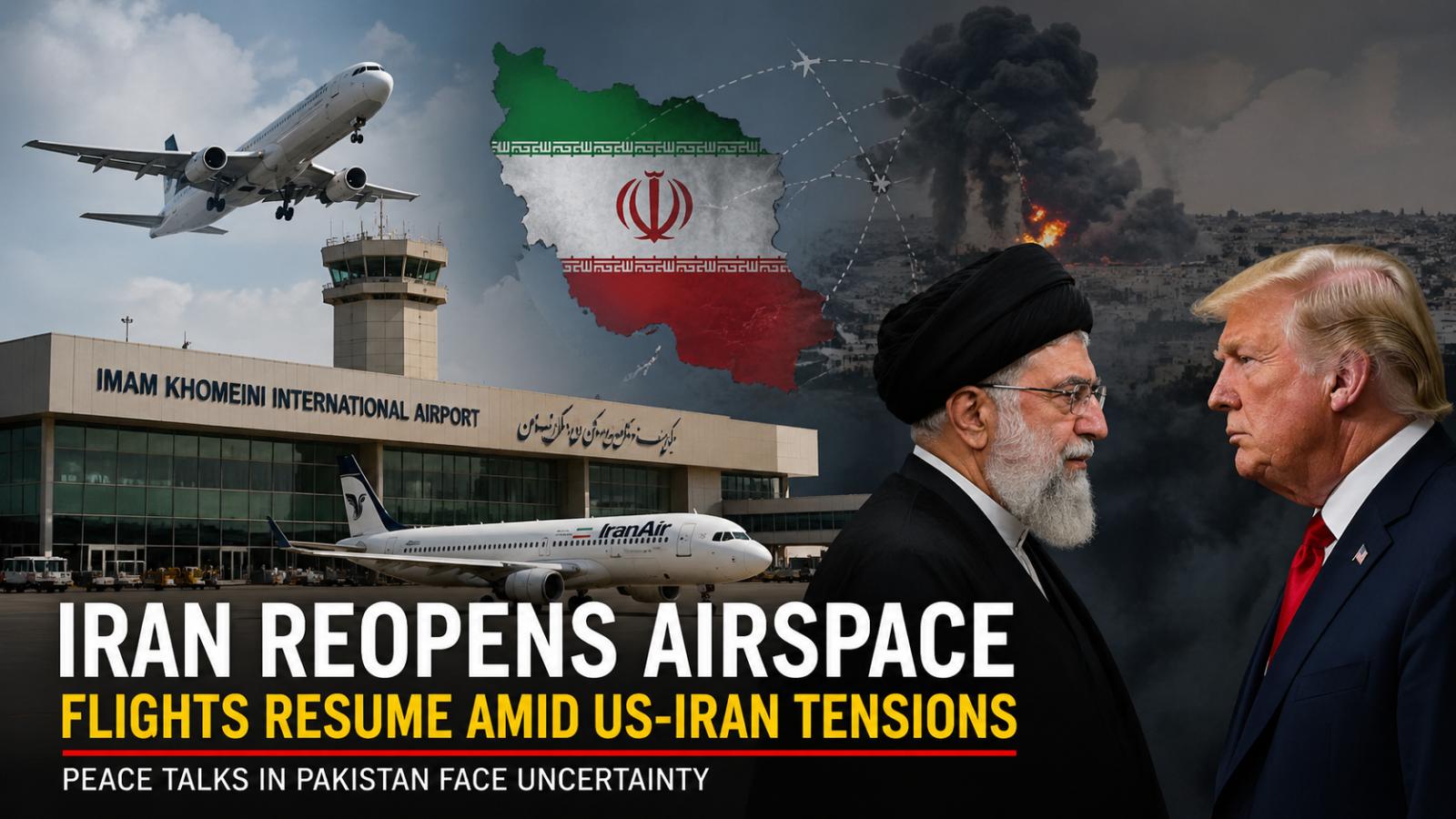
Iran airspace resumes operations amid ongoing US-Iran conflict tensions
Iran airspace has resumed operations nearly two months after being shut down following joint airstrikes by the United States and Israel, marking a cautious step toward normalcy amid ongoing regional tensions. The reopening of Imam Khomeini International Airport on April 25 signals a gradual recovery in Iran’s aviation sector, even as diplomatic uncertainty continues to cloud the broader US-Iran conflict. The airspace closure was enforced on February 28 after coordinated military action escalated into a wider confrontation, forcing Iran to halt civilian aviation across the country. With security assessments and operational preparations now underway, authorities have begun restoring flight services in phases. Initial departures from Tehran include routes to Medina, Muscat, and Istanbul, reflecting limited but significant progress in reconnecting international travel corridors. Iran’s Civil Aviation Authority has indicated that full restoration of aviation services will depend on continued coordination between military and civilian agencies. Earlier, on April 18, Iran reopened its eastern airspace to international flights, allowing transit operations to resume and easing pressure on regional air traffic routes. Officials emphasize that passenger safety remains the top priority during this phased reopening. At the same time, diplomatic efforts to de-escalate the US-Iran war have encountered fresh complications. A delegation linked to former US President Donald Trump, including envoy Steve Witkoff and adviser Jared Kushner, is currently in Pakistan for a second round of peace talks. However, Iran has clearly denied any direct engagement with US representatives during this visit, raising doubts about the progress of negotiations. Iran’s Foreign Ministry has clarified that its position will be conveyed through Pakistani intermediaries, with Foreign Minister Abbas Araghchi actively involved in discussions aimed at reducing tensions. Tehran continues to describe the conflict as “an externally imposed war of aggression”, stressing the importance of restoring regional stability and easing sanctions pressure. Previous negotiations collapsed after Iran strongly objected to US demands to maintain sanctions and naval restrictions during talks. As both sides remain firm in their positions, the reopening of Iran airspace stands as a significant operational step, even as broader geopolitical challenges remain unresolved.
Iran airspace resumes operations amid ongoing US-Iran conflict tensions
Iran airspace has resumed operations nearly two months after being shut down following joint airstrikes by the United States and Israel, marking a cautious step toward normalcy amid ongoing regional tensions. The reopening of Imam Khomeini International Airport on April 25 signals a gradual recovery in Iran’s aviation sector, even as diplomatic uncertainty continues to cloud the broader US-Iran conflict. The airspace closure was enforced on February 28 after coordinated military action escalated into a wider confrontation, forcing Iran to halt civilian aviation across the country. With security assessments and operational preparations now underway, authorities have begun restoring flight services in phases. Initial departures from Tehran include routes to Medina, Muscat, and Istanbul, reflecting limited but significant progress in reconnecting international travel corridors. Iran’s Civil Aviation Authority has indicated that full restoration of aviation services will depend on continued coordination between military and civilian agencies. Earlier, on April 18, Iran reopened its eastern airspace to international flights, allowing transit operations to resume and easing pressure on regional air traffic routes. Officials emphasize that passenger safety remains the top priority during this phased reopening. At the same time, diplomatic efforts to de-escalate the US-Iran war have encountered fresh complications. A delegation linked to former US President Donald Trump, including envoy Steve Witkoff and adviser Jared Kushner, is currently in Pakistan for a second round of peace talks. However, Iran has clearly denied any direct engagement with US representatives during this visit, raising doubts about the progress of negotiations. Iran’s Foreign Ministry has clarified that its position will be conveyed through Pakistani intermediaries, with Foreign Minister Abbas Araghchi actively involved in discussions aimed at reducing tensions. Tehran continues to describe the conflict as “an externally imposed war of aggression”, stressing the importance of restoring regional stability and easing sanctions pressure. Previous negotiations collapsed after Iran strongly objected to US demands to maintain sanctions and naval restrictions during talks. As both sides remain firm in their positions, the reopening of Iran airspace stands as a significant operational step, even as broader geopolitical challenges remain unresolved.
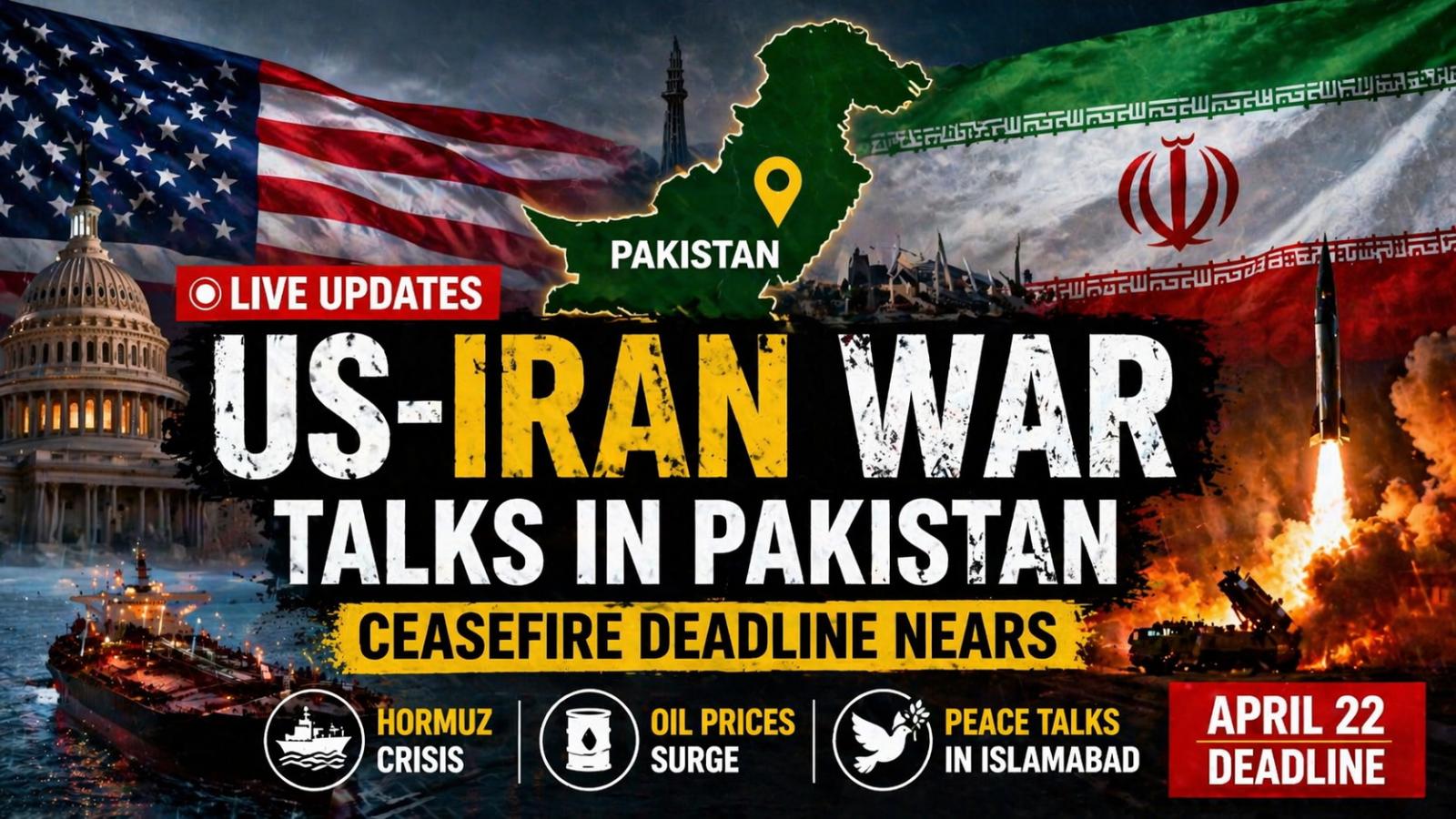
US Iran war talks in Pakistan: Ceasefire deadline nears as tensions rise
The US Iran war talks in Pakistan are drawing global attention as uncertainty continues over Tehran’s participation in upcoming peace negotiations. With the ceasefire deadline just days away, rising tensions are keeping the world on edge. What happened and why it matters On Monday, April 20, 2026, reports suggested that both the United States and Iran h
US Iran war talks in Pakistan: Ceasefire deadline nears as tensions rise
The US Iran war talks in Pakistan are drawing global attention as uncertainty continues over Tehran’s participation in upcoming peace negotiations. With the ceasefire deadline just days away, rising tensions are keeping the world on edge. What happened and why it matters On Monday, April 20, 2026, reports suggested that both the United States and Iran h
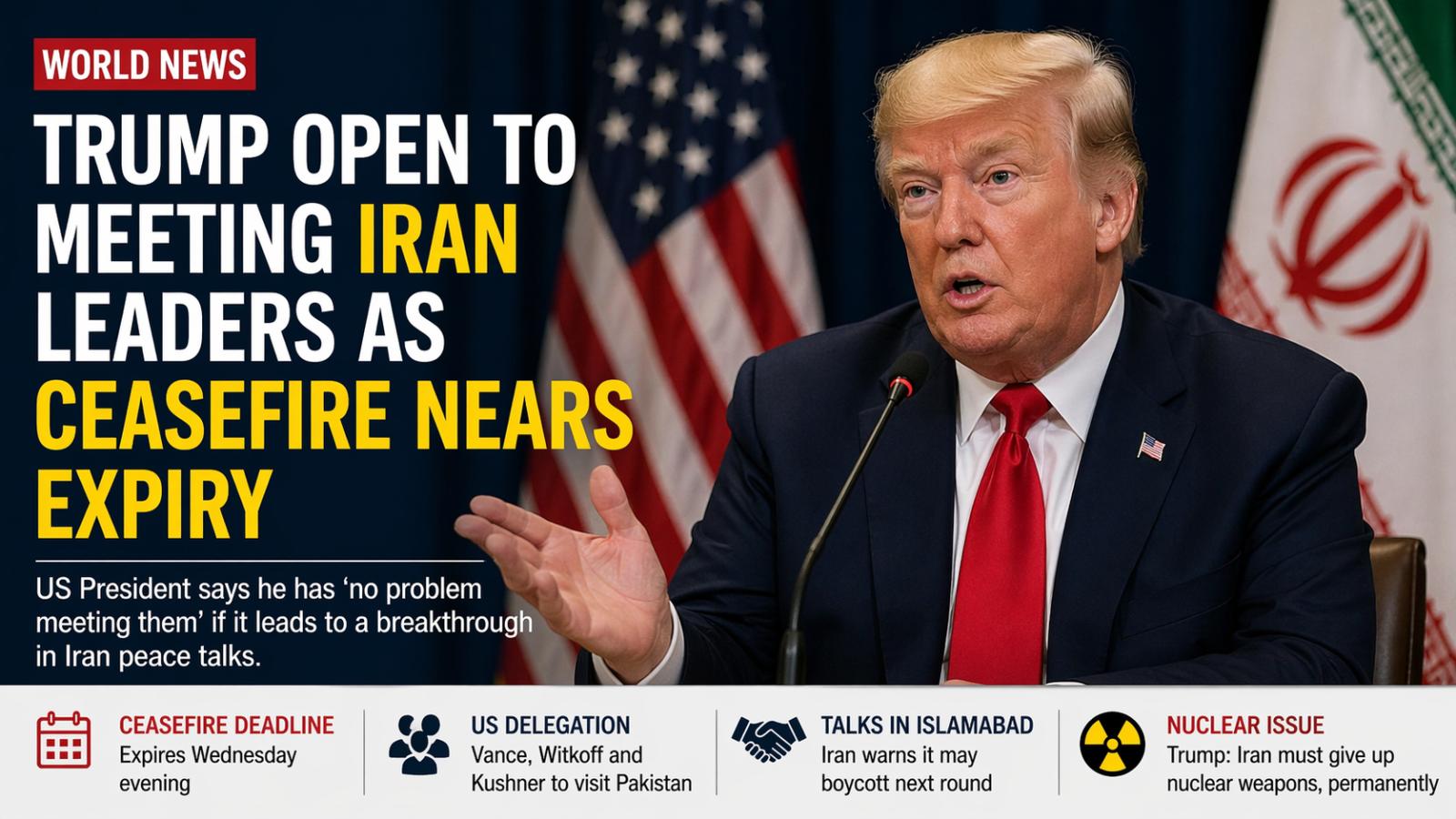
Trump proposes meeting Iran amid stalled peace talks and ceasefire deadline
United States President Donald Trump on Monday indicated his willingness to meet Iranian leaders directly, as diplomatic efforts to sustain a fragile ceasefire between Washington and Iran approach a critical deadline. The two-week ceasefire is set to expire on Wednesday evening, raising concerns that hosti
Trump proposes meeting Iran amid stalled peace talks and ceasefire deadline
United States President Donald Trump on Monday indicated his willingness to meet Iranian leaders directly, as diplomatic efforts to sustain a fragile ceasefire between Washington and Iran approach a critical deadline. The two-week ceasefire is set to expire on Wednesday evening, raising concerns that hosti
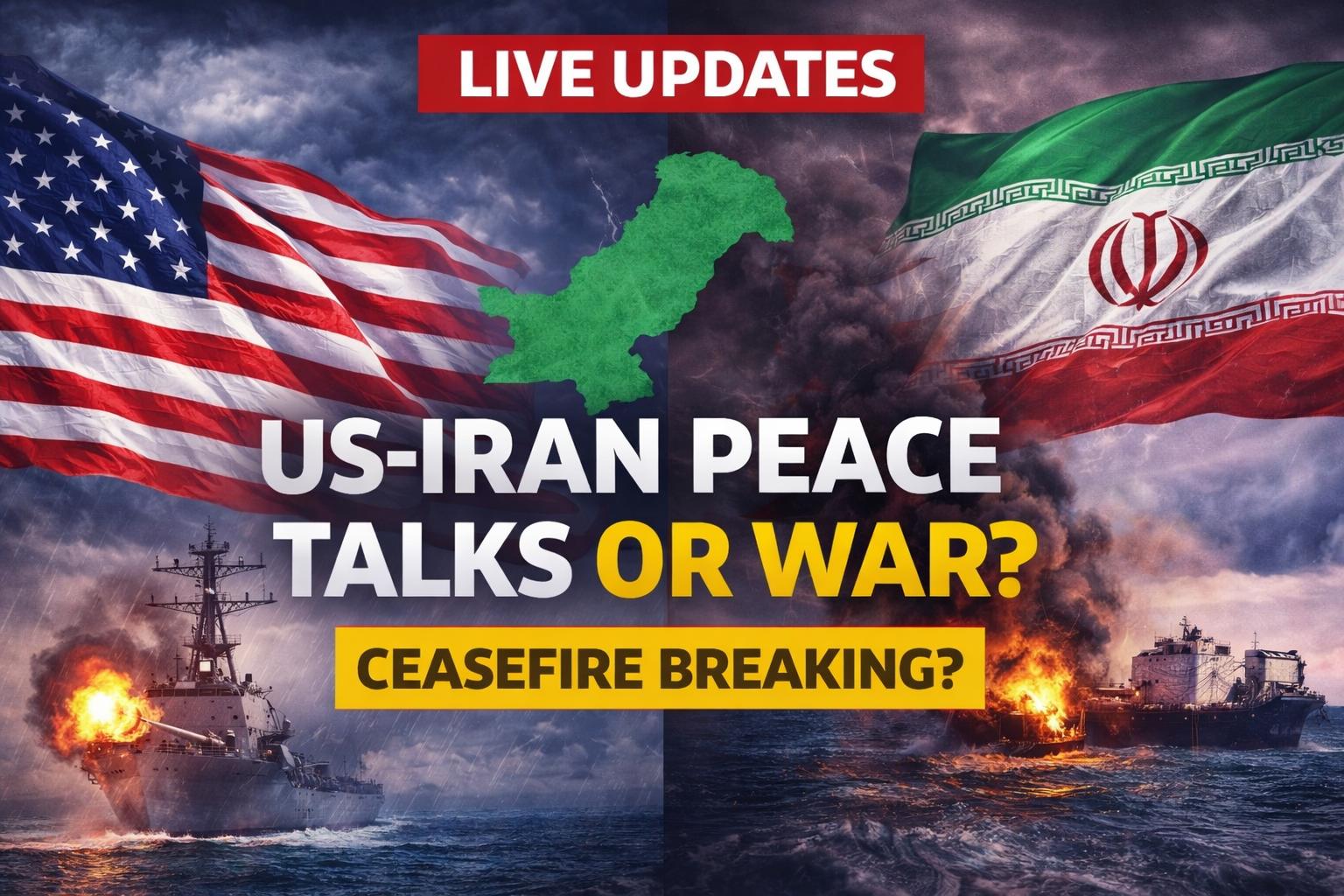
US Iran peace talks Pakistan: What it means as ceasefire nears breaking point
The US Iran peace talks Pakistan update is drawing global attention as Washington and Tehran prepare for a new round of negotiations. With the ceasefire nearing its deadline, the outcome of these talks could significantly impact global stability and energy markets. What happened and why it matters On Monday, April 20, 2026, both the United States and Iran signaled that they are preparing to send delegations to
US Iran peace talks Pakistan: What it means as ceasefire nears breaking point
The US Iran peace talks Pakistan update is drawing global attention as Washington and Tehran prepare for a new round of negotiations. With the ceasefire nearing its deadline, the outcome of these talks could significantly impact global stability and energy markets. What happened and why it matters On Monday, April 20, 2026, both the United States and Iran signaled that they are preparing to send delegations to










