








Every parent knows the challenges of toddler tantrums. One moment your child is happily playing, and the next, they are on the floor crying or screaming. Tantrums are a normal part of early childhood as toddlers learn to manage their emotions and express themselves. While it can be overwhelming, staying calm and understanding what your child needs makes a big difference. The first step in handling tantrums is recognizing the triggers. Hunger, tiredness, overstimulation, or frustrati
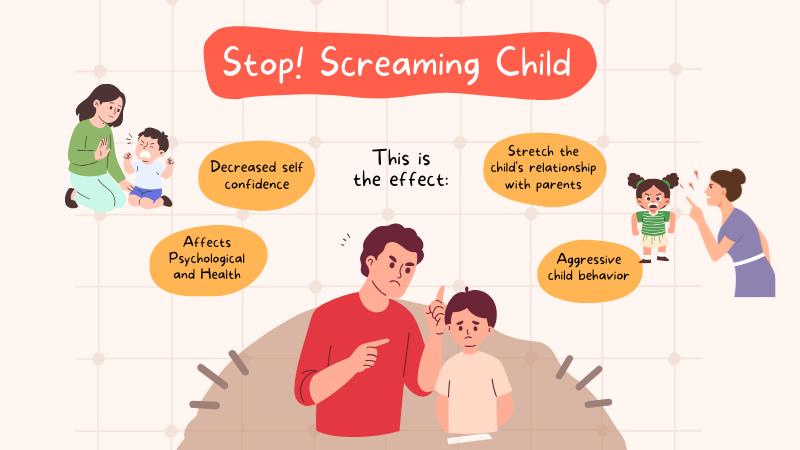
Parenting is tough, and in the heat of the moment, many parents end up yelling at their children. Whether it's because of stress, repeated misbehavior, or simply being overwhelmed, shouting often feels like a quick fix. But while yelling might seem effective in the short term, it can leave lasting emotional and psychological scars on children. Children are especially sensitive to their environment and the emotional tone of their caregivers. When yelling becomes a regular form of