











#productivity

Samantha Ruth Prabhu's 8-Step Power Morning Routine: Transform Your Day in 21 Days
Samantha Ruth Prabhu, known for her impeccable acting skills and fitness, recently shared her 8-step power morning routine, giving her fans a glimpse into how she starts her day with energy and motivation. Samantha's morning routine is designed to optimize both mental and physical well-being, setting a positive tone for the rest of her day. The actress swears by this routine, encouraging her followers to try it for 21 days to experience its transformative effects. The 8-step power m
Samantha Ruth Prabhu's 8-Step Power Morning Routine: Transform Your Day in 21 Days
Samantha Ruth Prabhu, known for her impeccable acting skills and fitness, recently shared her 8-step power morning routine, giving her fans a glimpse into how she starts her day with energy and motivation. Samantha's morning routine is designed to optimize both mental and physical well-being, setting a positive tone for the rest of her day. The actress swears by this routine, encouraging her followers to try it for 21 days to experience its transformative effects. The 8-step power m

Claude Now Controls Your Computer, Anthropic Unveils New AI Feature for Automation
In a groundbreaking development, Anthropic has introduced a new feature for Claude, its powerful AI assistant, enabling it to gain full control of your computer. This update takes Claude beyond simply responding to commands—it now has the capability to operate your mouse, keyboard, and even access apps, effectively transforming it into a remote personal assistant capable of completing tasks on your behalf. The new functionality is designed to streamline productivity by allowing Claude to handle tasks like opening applications, managing spreadsheets, navigating browsers, and more—all without you needing to be present at your computer. With this feature, Anthropic envisions a future where you can rely on AI to do the work while you are away, with minimal interaction required on your part. Alex Albert, a researcher at Anthropic, shared on X (formerly Twitter), "The future where I never have to open up my laptop to get work done is becoming real very fast." The integration with the Dispatch feature, which allows users to remotely control Claude, enhances the AI’s capabilities, making it a versatile tool for both personal and professional use. Claude's access to your computer is seamless, initially starting with apps like Slack or Calendar. With permission, it can extend access to other applications needed for the task at hand. Once set up, you can prompt Claude remotely through its mobile or desktop app, and when you return, the AI will have completed your tasks. Currently, this feature is available only to paid users of Claude Cowork and Claude Code, and is limited to macOS users. Both the Claude desktop and mobile apps need to be updated and paired for the full functionality to work. This shift towards AI-powered automation, allowing AI agents like Claude to manage tasks and workflows independently, marks a significant step forward in the development of agentic AI, positioning Anthropic as a leader in this field. With competitors like Nvidia’s NemoClaw, OpenAI, and Meta developing similar AI systems, the race to bring seamless, autonomous task management to everyday users is gaining momentum.
Claude Now Controls Your Computer, Anthropic Unveils New AI Feature for Automation
In a groundbreaking development, Anthropic has introduced a new feature for Claude, its powerful AI assistant, enabling it to gain full control of your computer. This update takes Claude beyond simply responding to commands—it now has the capability to operate your mouse, keyboard, and even access apps, effectively transforming it into a remote personal assistant capable of completing tasks on your behalf. The new functionality is designed to streamline productivity by allowing Claude to handle tasks like opening applications, managing spreadsheets, navigating browsers, and more—all without you needing to be present at your computer. With this feature, Anthropic envisions a future where you can rely on AI to do the work while you are away, with minimal interaction required on your part. Alex Albert, a researcher at Anthropic, shared on X (formerly Twitter), "The future where I never have to open up my laptop to get work done is becoming real very fast." The integration with the Dispatch feature, which allows users to remotely control Claude, enhances the AI’s capabilities, making it a versatile tool for both personal and professional use. Claude's access to your computer is seamless, initially starting with apps like Slack or Calendar. With permission, it can extend access to other applications needed for the task at hand. Once set up, you can prompt Claude remotely through its mobile or desktop app, and when you return, the AI will have completed your tasks. Currently, this feature is available only to paid users of Claude Cowork and Claude Code, and is limited to macOS users. Both the Claude desktop and mobile apps need to be updated and paired for the full functionality to work. This shift towards AI-powered automation, allowing AI agents like Claude to manage tasks and workflows independently, marks a significant step forward in the development of agentic AI, positioning Anthropic as a leader in this field. With competitors like Nvidia’s NemoClaw, OpenAI, and Meta developing similar AI systems, the race to bring seamless, autonomous task management to everyday users is gaining momentum.

Super Bowl absenteeism set to hit new high with millions planning time off
A record number of employees across the United States are expected to miss work on the morning following the Super Bowl, according to a new survey that highlights growing concerns about workplace attendance and productivity after one of the country’s most-watched sporting events. The annual absenteeism survey conducted by workforce management company UKG estimates that approximately 26.2 million workers plan to be absent the day after the game, marking one of the highest projected totals since the study began tracking post-event workplace trends. The findings suggest that many employees are planning their time away in advance rather than calling off unexpectedly. Most respondents indicated they intend to use paid time off or swap shifts with colleagues to accommodate late-night celebrations tied to the Super Bowl. These planned absences reflect a broader effort by workers to manage personal schedules responsibly while still participating in the festivities surrounding the NFL championship. However, the survey also found that not all absences will be scheduled. Roughly five million people reported they may call in sick or simply not report to work without prior notice. Such last-minute absenteeism can present operational challenges for businesses, particularly in industries that rely on hourly employees or strict staffing levels, including retail, hospitality, healthcare, and manufacturing. Employers in these sectors often experience increased strain when shifts must be covered unexpectedly. Human resources professionals note that the Super Bowl has increasingly become an unofficial national event, with celebrations often extending late into the night. As a result, attendance patterns the following Monday have become a predictable concern. Companies have responded in various ways, including offering flexible scheduling, remote work options, or encouraging employees to request PTO ahead of time to minimize disruptions. These strategies aim to maintain productivity while recognizing the cultural significance of the event. The projected absenteeism figures also underscore broader workplace trends related to employee engagement and work-life balance. Experts say that when organizations provide clear policies and flexible options, employees are more likely to communicate their needs and plan time off responsibly, reducing the impact of unscheduled absences. As millions tune in to watch the Super Bowl each year, businesses may need to continue adapting their staffing and attendance practices to accommodate the reality that the day after the game has become one of the most challenging for workplace attendance nationwide.
Super Bowl absenteeism set to hit new high with millions planning time off
A record number of employees across the United States are expected to miss work on the morning following the Super Bowl, according to a new survey that highlights growing concerns about workplace attendance and productivity after one of the country’s most-watched sporting events. The annual absenteeism survey conducted by workforce management company UKG estimates that approximately 26.2 million workers plan to be absent the day after the game, marking one of the highest projected totals since the study began tracking post-event workplace trends. The findings suggest that many employees are planning their time away in advance rather than calling off unexpectedly. Most respondents indicated they intend to use paid time off or swap shifts with colleagues to accommodate late-night celebrations tied to the Super Bowl. These planned absences reflect a broader effort by workers to manage personal schedules responsibly while still participating in the festivities surrounding the NFL championship. However, the survey also found that not all absences will be scheduled. Roughly five million people reported they may call in sick or simply not report to work without prior notice. Such last-minute absenteeism can present operational challenges for businesses, particularly in industries that rely on hourly employees or strict staffing levels, including retail, hospitality, healthcare, and manufacturing. Employers in these sectors often experience increased strain when shifts must be covered unexpectedly. Human resources professionals note that the Super Bowl has increasingly become an unofficial national event, with celebrations often extending late into the night. As a result, attendance patterns the following Monday have become a predictable concern. Companies have responded in various ways, including offering flexible scheduling, remote work options, or encouraging employees to request PTO ahead of time to minimize disruptions. These strategies aim to maintain productivity while recognizing the cultural significance of the event. The projected absenteeism figures also underscore broader workplace trends related to employee engagement and work-life balance. Experts say that when organizations provide clear policies and flexible options, employees are more likely to communicate their needs and plan time off responsibly, reducing the impact of unscheduled absences. As millions tune in to watch the Super Bowl each year, businesses may need to continue adapting their staffing and attendance practices to accommodate the reality that the day after the game has become one of the most challenging for workplace attendance nationwide.

Why rising labour costs failed to weaken China’s manufacturing dominance
China’s manufacturing success was attributed to cheap labour. That perception has now changed completely. Factory wages in China have climbed close to eight dollars per hour, far higher than those in Vietnam, Malaysia, Thailand, and India. By cost logic alone, China should have lost its position as the world’s manufacturing hub. Instead, it continues to dominate global production, contributing nearly 28 percent of worldwide manufacturing output. The reason lies not in wages, but in produc
Why rising labour costs failed to weaken China’s manufacturing dominance
China’s manufacturing success was attributed to cheap labour. That perception has now changed completely. Factory wages in China have climbed close to eight dollars per hour, far higher than those in Vietnam, Malaysia, Thailand, and India. By cost logic alone, China should have lost its position as the world’s manufacturing hub. Instead, it continues to dominate global production, contributing nearly 28 percent of worldwide manufacturing output. The reason lies not in wages, but in produc

How to Overcome Fear of Job Loss in a Recession
Economic recessions often trigger a deep fear among professionals—the fear of losing their job. This fear is natural, but if not managed properly, it can affect mental well-being, confidence, productivity, and even performance at work. The good news is that job loss anxiety can be reduced with practical actions, mindset shifts, and strategic planning. This article provides a comprehensive guide on how to overcome fear of job loss in a recession and stay emotionally and professionally strong
How to Overcome Fear of Job Loss in a Recession
Economic recessions often trigger a deep fear among professionals—the fear of losing their job. This fear is natural, but if not managed properly, it can affect mental well-being, confidence, productivity, and even performance at work. The good news is that job loss anxiety can be reduced with practical actions, mindset shifts, and strategic planning. This article provides a comprehensive guide on how to overcome fear of job loss in a recession and stay emotionally and professionally strong
Simple habits that help you develop strong creative thinking skills
Creative thinking is one of the most valuable skills in today’s fast-changing world. It helps individuals and organizations find better ways to solve problems, adapt to change, and discover new possibilities. Whether you work in business, education, technology, or the arts, the ability to think creatively can lead to meaningful innovation and personal growth. Contrary to popular belief, creativity is not limited to a few gifted individuals. It is a skill that can be nurtured with consistent
Simple habits that help you develop strong creative thinking skills
Creative thinking is one of the most valuable skills in today’s fast-changing world. It helps individuals and organizations find better ways to solve problems, adapt to change, and discover new possibilities. Whether you work in business, education, technology, or the arts, the ability to think creatively can lead to meaningful innovation and personal growth. Contrary to popular belief, creativity is not limited to a few gifted individuals. It is a skill that can be nurtured with consistent
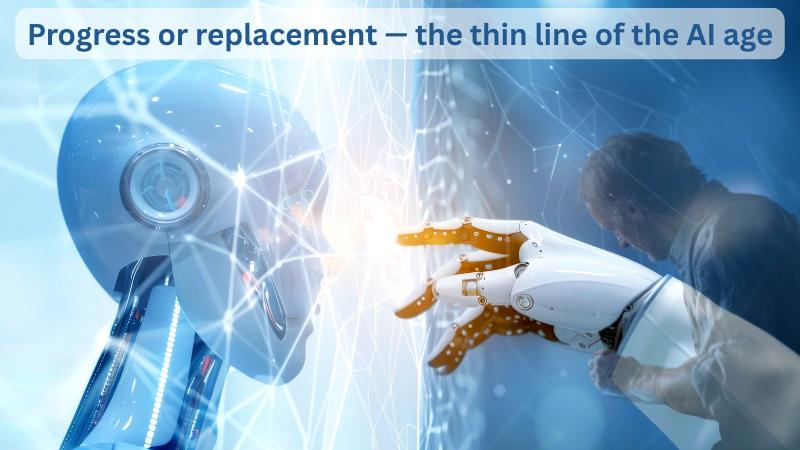
Automation shock: Employee laid off after mastering AI for efficiency
When researcher Kevin Cantera from Las Cruces, New Mexico, began experimenting with ChatGPT at the education technology firm where he worked, he believed he was future-proofing his career. Encouraged by his supervisors, he adopted artificial intelligence as a daily assistant to streamline his writing, research, and communication tasks. His results were exceptional, and he quickly became one of the company’s most productive employees. But only months later, Cantera was unexpectedly
Automation shock: Employee laid off after mastering AI for efficiency
When researcher Kevin Cantera from Las Cruces, New Mexico, began experimenting with ChatGPT at the education technology firm where he worked, he believed he was future-proofing his career. Encouraged by his supervisors, he adopted artificial intelligence as a daily assistant to streamline his writing, research, and communication tasks. His results were exceptional, and he quickly became one of the company’s most productive employees. But only months later, Cantera was unexpectedly

The Role of GPT-4 in Automating Business Tasks and Workflows
As businesses aim to stay competitive in a fast-paced digital world, automation has become a key strategy for improving productivity and reducing operational costs. GPT-4, OpenAI’s most advanced language model to date, is playing a major role in this transformation by enabling companies to automate a wide range of business tasks and workflows more efficiently than ever before. From small startups to large enterprises, companies are integrating GPT-4 into their daily operations
The Role of GPT-4 in Automating Business Tasks and Workflows
As businesses aim to stay competitive in a fast-paced digital world, automation has become a key strategy for improving productivity and reducing operational costs. GPT-4, OpenAI’s most advanced language model to date, is playing a major role in this transformation by enabling companies to automate a wide range of business tasks and workflows more efficiently than ever before. From small startups to large enterprises, companies are integrating GPT-4 into their daily operations

Tips for Managing Career Burnout in Your 40s
Understanding Career Burnout in Your 40s In your 40s, the reality of career burnout can feel overwhelming. By this stage, you’ve likely accumulated years of experience, but the pressure to maintain success, excel in your role, and balance personal life can weigh heavily on your shoulders. Burnout in your 40s can manifest as chronic fatigue, emotional exhaustion, and even health issues if not addressed. Recognizing burnout early is key to managing it effectively. Symptoms such as decreased motivation, fatigue, irritability, physical ailments like headaches, or a drop in performance are signs your mental and emotional well-being are suffering. Let’s dive into the strategies that can help you manage burnout effectively and regain your energy, passion, and work-life balance. 1. Recognize and Acknowledge Burnout Understanding the symptoms of burnout is essential. In your 40s, it’s common to experience: Chronic fatigue, feeling mentally and physically drained despite getting enough rest; Decreased motivation, losing enthusiasm for tasks you once enjoyed; Emotional exhaustion, which includes feelings of frustration, irritability, or detachment from work; Physical symptoms, such as headaches, insomnia, digestive issues, or muscle tension; Decreased performance, including reduced focus, making mistakes, or feeling distracted. Identifying these signs early allows you to take proactive steps before burnout deepens. 2. Reassess Your Career Goals and Values As you approach your 40s, it’s time to reassess whether your current career aligns with your values and goals. Over the years, your priorities may shift, and your job might no longer offer the same fulfillment. It’s important to reflect on what truly matters to you in your career. Taking time to reassess your goals and values will help you realign with what matters most. Reflect on your passions and what parts of your job still bring joy, while identifying aspects that no longer excite you. Setting new career goals that align with your values, such as seeking leadership roles or considering industry changes, can help you find renewed purpose. If your current job no longer fits, considering a career transition might help reignite your passion and enthusiasm for work. 3. Build a Better Work-Life Balance The desire for career success can often overwhelm your personal life, especially in your 40s. Setting boundaries and finding a healthy balance between work and personal time is essential to prevent burnout. Setting boundaries helps you learn to say no to extra work that interferes with your personal time, protecting your well-being. Prioritizing personal activities such as hobbies, spending time with family, or engaging in self-care can restore your mental health. Taking breaks throughout the day gives you time to recharge, clear your mind, and maintain a healthy focus on your tasks. 4. Focus on Stress Management Burnout is often exacerbated by stress, and managing stress becomes even more important in your 40s, as chronic stress can negatively impact both your physical and mental health. Incorporating stress-management techniques into your routine will help you cope with the pressures of work. Practicing mindfulness through meditation or deep breathing exercises can help calm your mind and reduce daily stress. Regular exercise helps relieve stress and boost your overall health, allowing you to stay energized and mentally sharp. Prioritizing sleep is equally important; getting 7-8 hours of quality rest every night restores your energy levels and improves emotional resilience. 5. Learn to Delegate and Seek Help Trying to do everything on your own is a surefire way to contribute to burnout. Recognizing when to delegate tasks and seek support can alleviate the pressure. Delegating tasks at work to colleagues not only helps distribute your workload but also empowers others to grow and contribute. Reaching out for mentorship from a trusted colleague or advisor offers guidance and new perspectives on handling career challenges. Outsourcing personal tasks such as house cleaning or shopping can free up valuable time for relaxation and self-care. 6. Prioritize Your Mental Health Burnout affects not just your work but your mental health as well. In your 40s, it’s crucial to prioritize mental health to maintain a sense of balance and well-being. Seeking emotional support can help you process stress and recover from burnout. Therapy or counseling can help you develop coping strategies for dealing with workplace challenges and personal pressures. Joining a support group gives you the opportunity to connect with others who understand your struggles and can provide valuable advice. Engaging in hobbies allows you to express creativity and take your mind off work, offering a mental break that can improve your overall outlook. 7. Consider Career Changes or Side Projects If your current job continues to drain you despite efforts to manage burnout, it may be time to explore a career change or start a side project. In your 40s, this could be an ideal time to explore new opportunities and reignite your passion for work. Exploring other roles within your current company or in a new field can provide new challenges and growth opportunities. Starting a side hustle or business allows you to tap into your creativity and offer you financial and emotional relief from your main job. Sometimes, simply reevaluating your job fit can help you rediscover excitement in your career, even if it means transitioning to a new role or company. 8. Utilize Flexible and Remote Work Options Flexible work arrangements, including remote work, can significantly reduce stress and improve work-life balance. If your employer offers these options, consider taking advantage of them to help alleviate burnout. Negotiating flexible work hours allows you to adjust your schedule to better fit your personal needs or reduce the stress of commuting. Working remotely can provide you with the space to focus on your tasks without the pressure of an office environment, offering you more control over your time and workload. Career burnout in your 40s involves more than just surviving your current job. It’s about taking proactive steps to reassess your goals, set boundaries, and prioritize your health and well-being. By addressing burnout early, practicing stress management, and considering career changes, you can regain control of your work-life balance and continue to thrive in your mid-career years. With these strategies, you’ll not only manage burnout but also build a sustainable, fulfilling career that aligns with your personal values and passions.
Tips for Managing Career Burnout in Your 40s
Understanding Career Burnout in Your 40s In your 40s, the reality of career burnout can feel overwhelming. By this stage, you’ve likely accumulated years of experience, but the pressure to maintain success, excel in your role, and balance personal life can weigh heavily on your shoulders. Burnout in your 40s can manifest as chronic fatigue, emotional exhaustion, and even health issues if not addressed. Recognizing burnout early is key to managing it effectively. Symptoms such as decreased motivation, fatigue, irritability, physical ailments like headaches, or a drop in performance are signs your mental and emotional well-being are suffering. Let’s dive into the strategies that can help you manage burnout effectively and regain your energy, passion, and work-life balance. 1. Recognize and Acknowledge Burnout Understanding the symptoms of burnout is essential. In your 40s, it’s common to experience: Chronic fatigue, feeling mentally and physically drained despite getting enough rest; Decreased motivation, losing enthusiasm for tasks you once enjoyed; Emotional exhaustion, which includes feelings of frustration, irritability, or detachment from work; Physical symptoms, such as headaches, insomnia, digestive issues, or muscle tension; Decreased performance, including reduced focus, making mistakes, or feeling distracted. Identifying these signs early allows you to take proactive steps before burnout deepens. 2. Reassess Your Career Goals and Values As you approach your 40s, it’s time to reassess whether your current career aligns with your values and goals. Over the years, your priorities may shift, and your job might no longer offer the same fulfillment. It’s important to reflect on what truly matters to you in your career. Taking time to reassess your goals and values will help you realign with what matters most. Reflect on your passions and what parts of your job still bring joy, while identifying aspects that no longer excite you. Setting new career goals that align with your values, such as seeking leadership roles or considering industry changes, can help you find renewed purpose. If your current job no longer fits, considering a career transition might help reignite your passion and enthusiasm for work. 3. Build a Better Work-Life Balance The desire for career success can often overwhelm your personal life, especially in your 40s. Setting boundaries and finding a healthy balance between work and personal time is essential to prevent burnout. Setting boundaries helps you learn to say no to extra work that interferes with your personal time, protecting your well-being. Prioritizing personal activities such as hobbies, spending time with family, or engaging in self-care can restore your mental health. Taking breaks throughout the day gives you time to recharge, clear your mind, and maintain a healthy focus on your tasks. 4. Focus on Stress Management Burnout is often exacerbated by stress, and managing stress becomes even more important in your 40s, as chronic stress can negatively impact both your physical and mental health. Incorporating stress-management techniques into your routine will help you cope with the pressures of work. Practicing mindfulness through meditation or deep breathing exercises can help calm your mind and reduce daily stress. Regular exercise helps relieve stress and boost your overall health, allowing you to stay energized and mentally sharp. Prioritizing sleep is equally important; getting 7-8 hours of quality rest every night restores your energy levels and improves emotional resilience. 5. Learn to Delegate and Seek Help Trying to do everything on your own is a surefire way to contribute to burnout. Recognizing when to delegate tasks and seek support can alleviate the pressure. Delegating tasks at work to colleagues not only helps distribute your workload but also empowers others to grow and contribute. Reaching out for mentorship from a trusted colleague or advisor offers guidance and new perspectives on handling career challenges. Outsourcing personal tasks such as house cleaning or shopping can free up valuable time for relaxation and self-care. 6. Prioritize Your Mental Health Burnout affects not just your work but your mental health as well. In your 40s, it’s crucial to prioritize mental health to maintain a sense of balance and well-being. Seeking emotional support can help you process stress and recover from burnout. Therapy or counseling can help you develop coping strategies for dealing with workplace challenges and personal pressures. Joining a support group gives you the opportunity to connect with others who understand your struggles and can provide valuable advice. Engaging in hobbies allows you to express creativity and take your mind off work, offering a mental break that can improve your overall outlook. 7. Consider Career Changes or Side Projects If your current job continues to drain you despite efforts to manage burnout, it may be time to explore a career change or start a side project. In your 40s, this could be an ideal time to explore new opportunities and reignite your passion for work. Exploring other roles within your current company or in a new field can provide new challenges and growth opportunities. Starting a side hustle or business allows you to tap into your creativity and offer you financial and emotional relief from your main job. Sometimes, simply reevaluating your job fit can help you rediscover excitement in your career, even if it means transitioning to a new role or company. 8. Utilize Flexible and Remote Work Options Flexible work arrangements, including remote work, can significantly reduce stress and improve work-life balance. If your employer offers these options, consider taking advantage of them to help alleviate burnout. Negotiating flexible work hours allows you to adjust your schedule to better fit your personal needs or reduce the stress of commuting. Working remotely can provide you with the space to focus on your tasks without the pressure of an office environment, offering you more control over your time and workload. Career burnout in your 40s involves more than just surviving your current job. It’s about taking proactive steps to reassess your goals, set boundaries, and prioritize your health and well-being. By addressing burnout early, practicing stress management, and considering career changes, you can regain control of your work-life balance and continue to thrive in your mid-career years. With these strategies, you’ll not only manage burnout but also build a sustainable, fulfilling career that aligns with your personal values and passions.
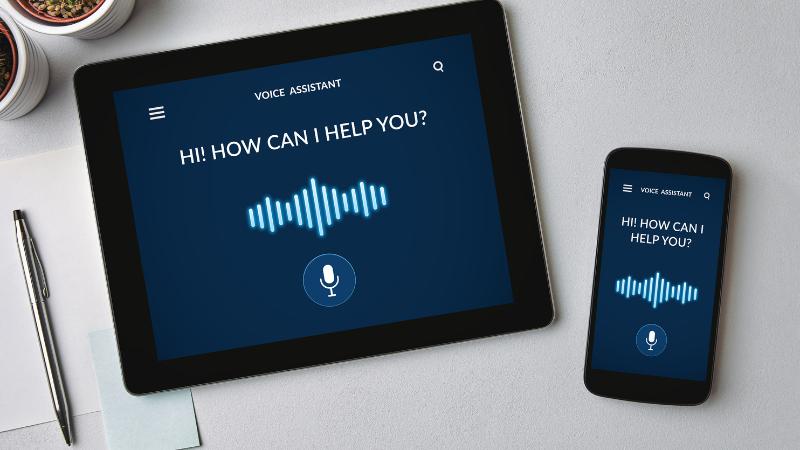
Voice-to-Text AI for Quick Note-Taking on the Go
In today's fast-paced world, capturing thoughts and tasks quickly can make a big difference in productivity. Whether you're commuting, walking, or multitasking at work, voice-to-text AI tools are making note-taking faster and more convenient than ever. These tools help convert spoken words into accurate written text, allowing users to document ideas, reminders, or meeting highlights without having to stop and type. Voice-to-text AI works using speech recognition technology c
Voice-to-Text AI for Quick Note-Taking on the Go
In today's fast-paced world, capturing thoughts and tasks quickly can make a big difference in productivity. Whether you're commuting, walking, or multitasking at work, voice-to-text AI tools are making note-taking faster and more convenient than ever. These tools help convert spoken words into accurate written text, allowing users to document ideas, reminders, or meeting highlights without having to stop and type. Voice-to-text AI works using speech recognition technology c
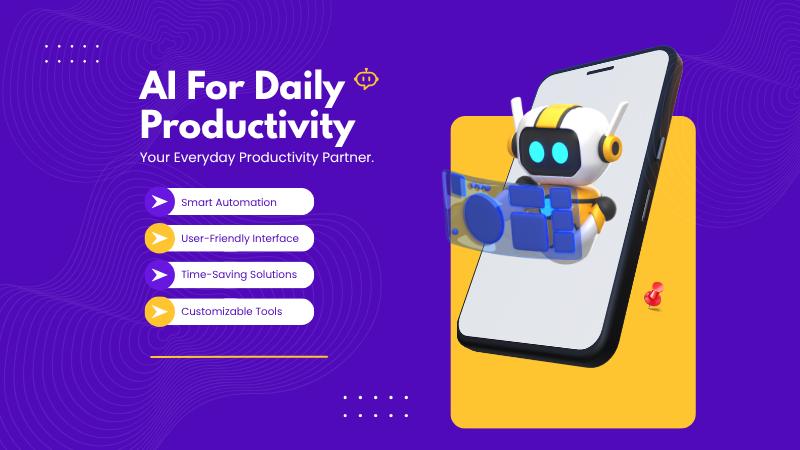
How to Use AI to Automate Repetitive Work Tasks
AI is transforming how we work by simplifying and speeding up everyday tasks. Whether you're an entrepreneur, office worker, or freelancer, there’s a good chance you're spending hours on repetitive activities that can be automated. With AI tools becoming more user-friendly and accessible, automating these routine jobs no longer requires advanced technical knowledge. Here's how to make the most of AI for automating repetitive work in a practical and time-saving way.
How to Use AI to Automate Repetitive Work Tasks
AI is transforming how we work by simplifying and speeding up everyday tasks. Whether you're an entrepreneur, office worker, or freelancer, there’s a good chance you're spending hours on repetitive activities that can be automated. With AI tools becoming more user-friendly and accessible, automating these routine jobs no longer requires advanced technical knowledge. Here's how to make the most of AI for automating repetitive work in a practical and time-saving way.

AI for Everyone: No-Code Tools Indians in the USA Love
In today’s fast-paced world, technology is no longer limited to those with coding skills. AI-powered no-code tools have opened new doors, especially for Indians living in the USA who want to simplify tasks, boost productivity, or even explore side businesses. These tools are making it easier than ever to automate workflows, build websites, manage finances, and enhance creativity — all without writing a single line of code. Whether you're a homemaker, student, entrepreneur, or
AI for Everyone: No-Code Tools Indians in the USA Love
In today’s fast-paced world, technology is no longer limited to those with coding skills. AI-powered no-code tools have opened new doors, especially for Indians living in the USA who want to simplify tasks, boost productivity, or even explore side businesses. These tools are making it easier than ever to automate workflows, build websites, manage finances, and enhance creativity — all without writing a single line of code. Whether you're a homemaker, student, entrepreneur, or
Simple AI Tools That Make Daily Life Easier for Indian Moms
Being a mom is a full-time job, and for Indian mothers—especially those balancing work, kids, household duties, and cultural responsibilities—daily life can get overwhelming. Thankfully, AI is stepping in as a smart helping hand. From organizing routines to assisting in cooking, learning support, and even self-care, here are some simple AI tools that Indian moms can use to make life smoother and more manageable. 1. Google Assistant and Alexa AI-po
Simple AI Tools That Make Daily Life Easier for Indian Moms
Being a mom is a full-time job, and for Indian mothers—especially those balancing work, kids, household duties, and cultural responsibilities—daily life can get overwhelming. Thankfully, AI is stepping in as a smart helping hand. From organizing routines to assisting in cooking, learning support, and even self-care, here are some simple AI tools that Indian moms can use to make life smoother and more manageable. 1. Google Assistant and Alexa AI-po

How Indian Professionals in the USA Are Using AI at Work
Artificial intelligence (AI) is reshaping the way Indian professionals work in the USA, allowing them to boost productivity, streamline processes, and foster innovation. From tech experts to healthcare professionals, AI is transforming their roles across industries. Let’s take a quick look at how AI is being utilized by Indian professionals in the USA. AI Tools That Boost Productivity Indian professionals are us
How Indian Professionals in the USA Are Using AI at Work
Artificial intelligence (AI) is reshaping the way Indian professionals work in the USA, allowing them to boost productivity, streamline processes, and foster innovation. From tech experts to healthcare professionals, AI is transforming their roles across industries. Let’s take a quick look at how AI is being utilized by Indian professionals in the USA. AI Tools That Boost Productivity Indian professionals are us

OpenAI Developing AI-Powered Excel and PowerPoint Alternatives in ChatGPT
OpenAI is reportedly working on new office tools integrated within ChatGPT that aim to challenge Microsoft’s dominant Office suite. The upcoming tools, which will allow users to create and edit spreadsheets and presentations directly in the ChatGPT interface, are expected to offer a more streamlined and accessible alternative to traditional productivity software like Microsoft Excel and PowerPoint. This new dev
OpenAI Developing AI-Powered Excel and PowerPoint Alternatives in ChatGPT
OpenAI is reportedly working on new office tools integrated within ChatGPT that aim to challenge Microsoft’s dominant Office suite. The upcoming tools, which will allow users to create and edit spreadsheets and presentations directly in the ChatGPT interface, are expected to offer a more streamlined and accessible alternative to traditional productivity software like Microsoft Excel and PowerPoint. This new dev

Narayana Murthy vs Infosys: 70-Hour Week or 9-Hour Day
Infosys, one of India’s top IT companies, is making headlines again this time for promoting work-life balance by discouraging employees from working beyond 9.15 hours a day. The company’s HR team now monitors logged hours and sends automated emails to employees who exceed this limit regularly, reminding them to take breaks and avoid overworking. This policy applies to all staff, whether they work on-site or remotely, and marks a strong shift in cor
Narayana Murthy vs Infosys: 70-Hour Week or 9-Hour Day
Infosys, one of India’s top IT companies, is making headlines again this time for promoting work-life balance by discouraging employees from working beyond 9.15 hours a day. The company’s HR team now monitors logged hours and sends automated emails to employees who exceed this limit regularly, reminding them to take breaks and avoid overworking. This policy applies to all staff, whether they work on-site or remotely, and marks a strong shift in cor

Google’s Sergey Brin Advocates 60-Hour Workweek for AI Team Amidst AGI Development Race
Google co-founder Sergey Brin has advised employees working on the company’s Gemini AI models to follow a 60-hour workweek and attend office daily in a bid to boost productivity and accelerate artificial general intelligence (AGI) development. This move comes as competition in AI innovation intensifies, with industry giants racing to achieve AGI dominance.In an internal memo accessed by The New York Times, Brin outlined his vision for an optimal work schedule, stating that a 60-hour wor
Google’s Sergey Brin Advocates 60-Hour Workweek for AI Team Amidst AGI Development Race
Google co-founder Sergey Brin has advised employees working on the company’s Gemini AI models to follow a 60-hour workweek and attend office daily in a bid to boost productivity and accelerate artificial general intelligence (AGI) development. This move comes as competition in AI innovation intensifies, with industry giants racing to achieve AGI dominance.In an internal memo accessed by The New York Times, Brin outlined his vision for an optimal work schedule, stating that a 60-hour wor










