








#retai-news
Federal Reserve raises rates to 3.75%-4% as inflation stays high
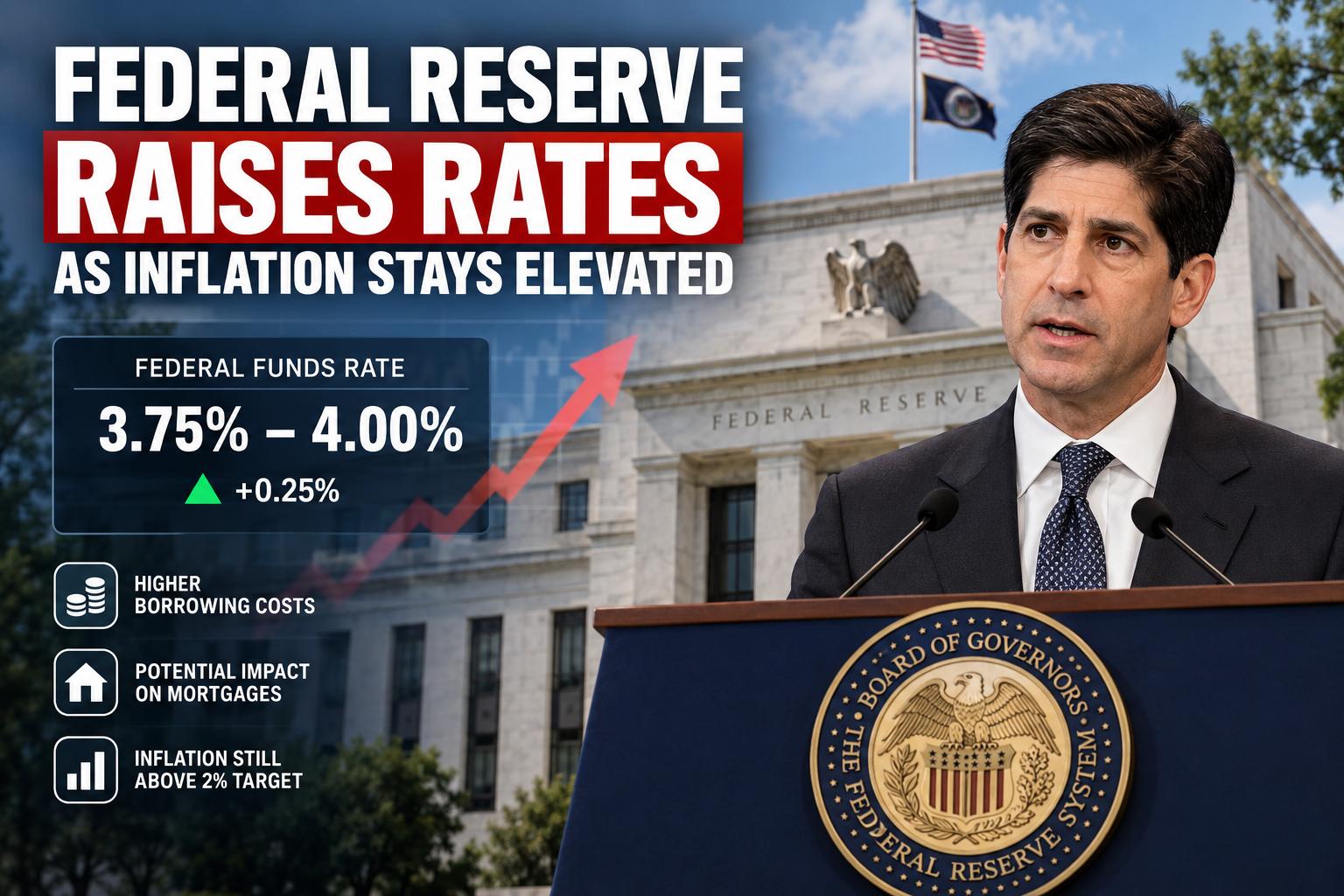
The Federal Reserve raised its benchmark rate to 3.75%-4.00% on September 16, 2026, its first increase since July 2023. Inflation remains above the 2% goal, while new Fed projections imply another quarter-point increase could follow before the end of this year. The Federal Reserve raised the target range for the federal funds rate by 0.25 percentage point on Wednesday, September 16, 2026, to 3.75%-4.00%. T
Federal Reserve raises rates to 3.75%-4% as inflation stays high
The Federal Reserve raised its benchmark rate to 3.75%-4.00% on September 16, 2026, its first increase since July 2023. Inflation remains above the 2% goal, while new Fed projections imply another quarter-point increase could follow before the end of this year. The Federal Reserve raised the target range for the federal funds rate by 0.25 percentage point on Wednesday, September 16, 2026, to 3.75%-4.00%. T

Hollister Target Dorm Collection Launches June 28 for U.S. Shoppers
Hollister is launching a Target dorm collection featuring nearly 60 bedding, home decor and apparel products for college and back-to-school shoppers. The collection arrives online and in most Target stores June 28, with prices starting at $19.95. Hollister Target Dorm Collection Includes Bedding and Decor Called “The Hollister Collection at Target,” the line marks Hollister’s first expansion into home and decor merchandise. The teen-focused retaile
Hollister Target Dorm Collection Launches June 28 for U.S. Shoppers
Hollister is launching a Target dorm collection featuring nearly 60 bedding, home decor and apparel products for college and back-to-school shoppers. The collection arrives online and in most Target stores June 28, with prices starting at $19.95. Hollister Target Dorm Collection Includes Bedding and Decor Called “The Hollister Collection at Target,” the line marks Hollister’s first expansion into home and decor merchandise. The teen-focused retaile
Bill Pulte Acting DNI Role Sparks Debate Over Experience, FHFA Power and Online Past
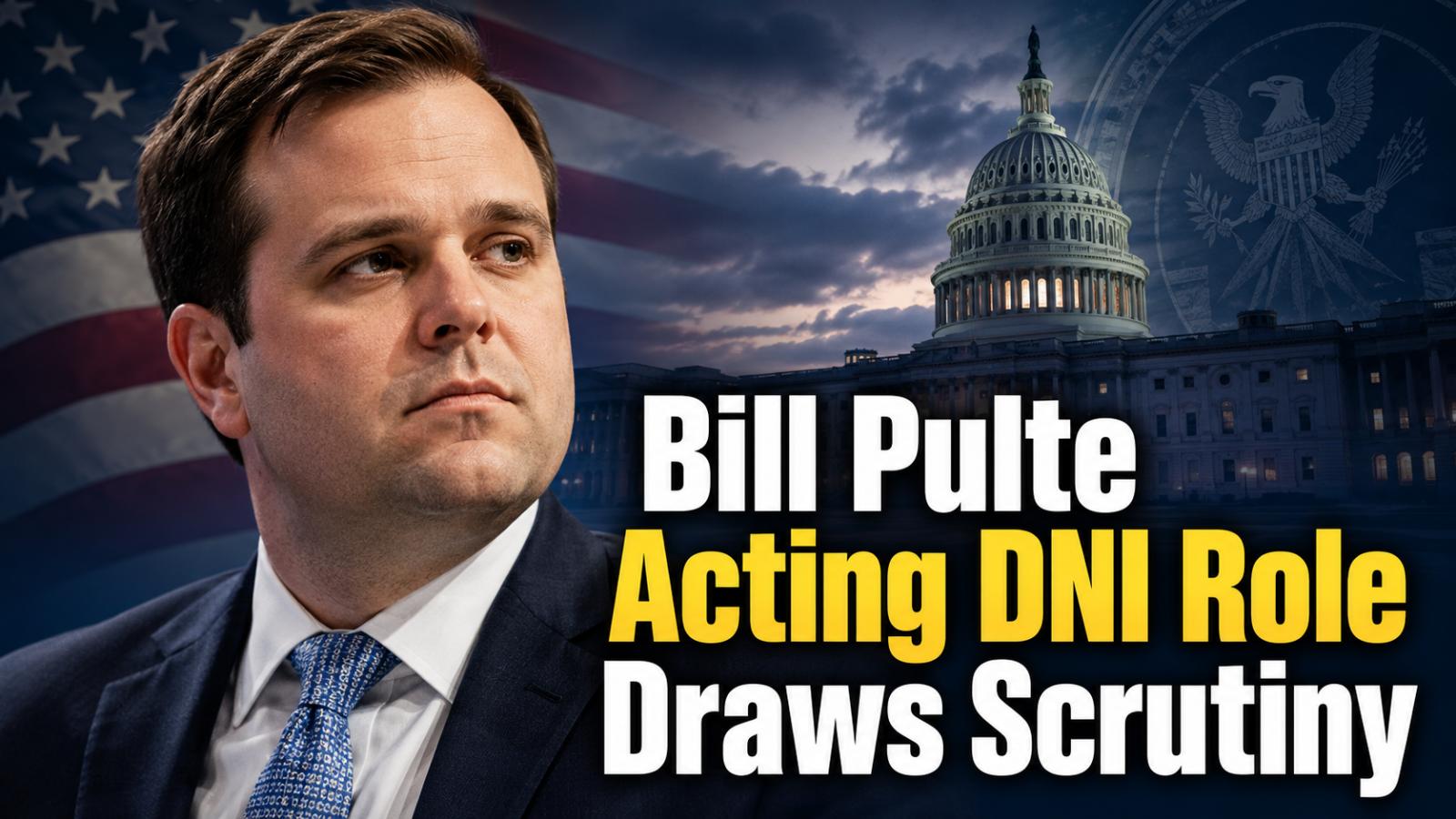
Bill Pulte’s temporary move into the acting Director of National Intelligence role has quickly become one of the most debated political stories in Washington. President Donald Trump selected Pulte, the head of the Federal Housing Finance Agency, for the acting intelligence post, creating immediate questions about experience, authority and national security judgment. Pulte is not a traditional intelligence figure. His public career has been built around business, housing finance, politics and online influence, not foreign threats, classified briefings or intelligence operations. That contrast is the main reason his appointment is drawing attention from both supporters and critics. Trump has said Pulte will not be nominated for the permanent DNI position, which makes the role temporary. But even a short-term intelligence appointment matters because the office is connected to highly sensitive information, national security decisions and coordination across America’s intelligence agencies. From Housing Regulator to Intelligence Role Before this acting intelligence assignment, Pulte was best known for leading the Federal Housing Finance Agency. The FHFA plays a major role in the U.S. housing market because it oversees important housing finance institutions connected to Fannie Mae and Freddie Mac. That is a powerful financial position, but it is very different from managing intelligence matters. Housing regulation deals with mortgage markets, financial stability and housing policy. The DNI role deals with threats from foreign governments, cyber risks, classified intelligence, terrorism, surveillance and national security strategy. This gap is what makes the appointment controversial. Supporters argue that Pulte has handled sensitive financial responsibilities and understands large institutions. Critics say that financial oversight is not the same as national security leadership. Experience Questions Become the Main Issue The biggest concern around Bill Pulte’s acting DNI role is experience. Lawmakers and national security observers are asking whether someone without a long intelligence background should temporarily lead such a sensitive part of the federal government. The debate is not only about Pulte personally. It is also about the standard expected for intelligence leadership. The U.S. intelligence system depends on trust, professionalism and careful handling of classified material. Any appointment to that space naturally receives closer scrutiny than an ordinary political post. For Trump’s supporters, Pulte represents an outsider who is loyal, energetic and willing to challenge Washington habits. For critics, that same outsider status is the problem. They argue that the intelligence community is not the right place for political experimentation. Online Past Adds Another Layer to the Debate Pulte’s online history is also part of the discussion. Before becoming a major government figure, he built a large public following through social media activity and online philanthropy. He became known for giving money to people online, interacting directly with followers and building a strong digital image. That online presence helped him gain popularity among everyday users and retail investor communities. But in Washington, a large and emotional online following can be viewed in two ways. It can be seen as proof of public connection, or it can raise questions about judgment, influence and political messaging. This is why his online past has returned to the spotlight. The acting DNI role is not just another public-facing job. It is tied to classified information and national security. Public behavior, online statements and political alliances are therefore being examined more closely. Meme Stock and Bed Bath Beyond Links Resurface Another part of Pulte’s public image comes from his connection with retail investor circles, especially communities that followed meme-stock stories. His name became familiar among online groups that discussed companies such as Bed Bath & Beyond after its collapse. Some retail investors continued to believe that the company could return in a new form. Pulte appeared in related discussions and became a known figure among people following that story. Bed Bath & Beyond was not revived in the way many online supporters hoped, but the association remained part of his public profile. This does not automatically disqualify him from public service. But it does shape perception. Critics may use it to question seriousness and judgment, while supporters may argue that it shows he understands ordinary investors and online communities better than traditional Washington insiders. Why National Security Critics Are Concerned The concern around Pulte’s acting DNI role is simple: intelligence leadership carries real consequences. The person in that position may be connected to information about foreign threats, cyberattacks, military risks, surveillance programs and sensitive government operations. Critics worry that a politically loyal figure with limited intelligence experience could weaken public confidence in the office. They also worry about whether sensitive intelligence could become part of political battles. This is where the debate becomes bigger than Pulte. The appointment raises a broader question: should temporary intelligence leaders come from inside the national security world, or can presidents place trusted political allies in those roles for short periods? Supporters See Loyalty and Business Discipline Pulte’s supporters view the issue differently. They argue that Washington often protects insiders and resists outsiders who challenge the system. From their perspective, Pulte’s business background and FHFA leadership show that he can manage complex institutions. They also say Trump wants people he trusts in key government roles. In a temporary acting position, supporters believe Pulte can bring discipline, loyalty and fresh thinking without needing to become a lifelong intelligence professional. This argument may appeal to voters who are tired of traditional Washington appointments. However, it may not fully answer the core concern: intelligence work is specialized, and mistakes in that space can be costly. Political Loyalty Becomes Part of the Story Pulte is widely seen as a Trump ally, and that political connection is central to the controversy. In normal circumstances, presidents often choose people they trust. But intelligence roles are expected to maintain a high level of independence and professionalism. That is why political loyalty becomes sensitive here. If the public sees the intelligence office as too political, trust can fall. If lawmakers believe the role is being used for political purposes, confirmation fights and oversight battles become more intense. Trump’s decision to keep the role temporary may reduce some pressure, but it does not end the debate. Even temporary appointments can influence policy, access information and send a message about how the administration views intelligence leadership. What This Means for Pulte and Trump For Bill Pulte, the acting DNI role brings national attention far beyond housing policy. His FHFA record, online past, meme-stock associations and political loyalty are all now being discussed together. For Trump, the appointment fits a familiar pattern of choosing loyal outsiders for powerful roles. That approach energizes supporters but often creates friction with lawmakers, experts and institutions. The political risk is clear. If Pulte performs quietly and temporarily, the controversy may fade. If he becomes involved in highly political intelligence matters, the scrutiny will grow much stronger. Final Takeaway Bill Pulte’s acting DNI role is not just a personnel story. It is a test of how far political loyalty, business experience and outsider appeal can go in a role traditionally tied to national security expertise. His supporters see a capable Trump ally with financial leadership experience. His critics see a housing regulator with limited intelligence credentials and a complicated online image entering one of the most sensitive areas of government. For now, the role is temporary. But the debate around Bill Pulte, the FHFA, online influence, meme-stock culture and U.S. intelligence leadership is likely to remain a major Washington talking point.
Bill Pulte Acting DNI Role Sparks Debate Over Experience, FHFA Power and Online Past
Bill Pulte’s temporary move into the acting Director of National Intelligence role has quickly become one of the most debated political stories in Washington. President Donald Trump selected Pulte, the head of the Federal Housing Finance Agency, for the acting intelligence post, creating immediate questions about experience, authority and national security judgment. Pulte is not a traditional intelligence figure. His public career has been built around business, housing finance, politics and online influence, not foreign threats, classified briefings or intelligence operations. That contrast is the main reason his appointment is drawing attention from both supporters and critics. Trump has said Pulte will not be nominated for the permanent DNI position, which makes the role temporary. But even a short-term intelligence appointment matters because the office is connected to highly sensitive information, national security decisions and coordination across America’s intelligence agencies. From Housing Regulator to Intelligence Role Before this acting intelligence assignment, Pulte was best known for leading the Federal Housing Finance Agency. The FHFA plays a major role in the U.S. housing market because it oversees important housing finance institutions connected to Fannie Mae and Freddie Mac. That is a powerful financial position, but it is very different from managing intelligence matters. Housing regulation deals with mortgage markets, financial stability and housing policy. The DNI role deals with threats from foreign governments, cyber risks, classified intelligence, terrorism, surveillance and national security strategy. This gap is what makes the appointment controversial. Supporters argue that Pulte has handled sensitive financial responsibilities and understands large institutions. Critics say that financial oversight is not the same as national security leadership. Experience Questions Become the Main Issue The biggest concern around Bill Pulte’s acting DNI role is experience. Lawmakers and national security observers are asking whether someone without a long intelligence background should temporarily lead such a sensitive part of the federal government. The debate is not only about Pulte personally. It is also about the standard expected for intelligence leadership. The U.S. intelligence system depends on trust, professionalism and careful handling of classified material. Any appointment to that space naturally receives closer scrutiny than an ordinary political post. For Trump’s supporters, Pulte represents an outsider who is loyal, energetic and willing to challenge Washington habits. For critics, that same outsider status is the problem. They argue that the intelligence community is not the right place for political experimentation. Online Past Adds Another Layer to the Debate Pulte’s online history is also part of the discussion. Before becoming a major government figure, he built a large public following through social media activity and online philanthropy. He became known for giving money to people online, interacting directly with followers and building a strong digital image. That online presence helped him gain popularity among everyday users and retail investor communities. But in Washington, a large and emotional online following can be viewed in two ways. It can be seen as proof of public connection, or it can raise questions about judgment, influence and political messaging. This is why his online past has returned to the spotlight. The acting DNI role is not just another public-facing job. It is tied to classified information and national security. Public behavior, online statements and political alliances are therefore being examined more closely. Meme Stock and Bed Bath Beyond Links Resurface Another part of Pulte’s public image comes from his connection with retail investor circles, especially communities that followed meme-stock stories. His name became familiar among online groups that discussed companies such as Bed Bath & Beyond after its collapse. Some retail investors continued to believe that the company could return in a new form. Pulte appeared in related discussions and became a known figure among people following that story. Bed Bath & Beyond was not revived in the way many online supporters hoped, but the association remained part of his public profile. This does not automatically disqualify him from public service. But it does shape perception. Critics may use it to question seriousness and judgment, while supporters may argue that it shows he understands ordinary investors and online communities better than traditional Washington insiders. Why National Security Critics Are Concerned The concern around Pulte’s acting DNI role is simple: intelligence leadership carries real consequences. The person in that position may be connected to information about foreign threats, cyberattacks, military risks, surveillance programs and sensitive government operations. Critics worry that a politically loyal figure with limited intelligence experience could weaken public confidence in the office. They also worry about whether sensitive intelligence could become part of political battles. This is where the debate becomes bigger than Pulte. The appointment raises a broader question: should temporary intelligence leaders come from inside the national security world, or can presidents place trusted political allies in those roles for short periods? Supporters See Loyalty and Business Discipline Pulte’s supporters view the issue differently. They argue that Washington often protects insiders and resists outsiders who challenge the system. From their perspective, Pulte’s business background and FHFA leadership show that he can manage complex institutions. They also say Trump wants people he trusts in key government roles. In a temporary acting position, supporters believe Pulte can bring discipline, loyalty and fresh thinking without needing to become a lifelong intelligence professional. This argument may appeal to voters who are tired of traditional Washington appointments. However, it may not fully answer the core concern: intelligence work is specialized, and mistakes in that space can be costly. Political Loyalty Becomes Part of the Story Pulte is widely seen as a Trump ally, and that political connection is central to the controversy. In normal circumstances, presidents often choose people they trust. But intelligence roles are expected to maintain a high level of independence and professionalism. That is why political loyalty becomes sensitive here. If the public sees the intelligence office as too political, trust can fall. If lawmakers believe the role is being used for political purposes, confirmation fights and oversight battles become more intense. Trump’s decision to keep the role temporary may reduce some pressure, but it does not end the debate. Even temporary appointments can influence policy, access information and send a message about how the administration views intelligence leadership. What This Means for Pulte and Trump For Bill Pulte, the acting DNI role brings national attention far beyond housing policy. His FHFA record, online past, meme-stock associations and political loyalty are all now being discussed together. For Trump, the appointment fits a familiar pattern of choosing loyal outsiders for powerful roles. That approach energizes supporters but often creates friction with lawmakers, experts and institutions. The political risk is clear. If Pulte performs quietly and temporarily, the controversy may fade. If he becomes involved in highly political intelligence matters, the scrutiny will grow much stronger. Final Takeaway Bill Pulte’s acting DNI role is not just a personnel story. It is a test of how far political loyalty, business experience and outsider appeal can go in a role traditionally tied to national security expertise. His supporters see a capable Trump ally with financial leadership experience. His critics see a housing regulator with limited intelligence credentials and a complicated online image entering one of the most sensitive areas of government. For now, the role is temporary. But the debate around Bill Pulte, the FHFA, online influence, meme-stock culture and U.S. intelligence leadership is likely to remain a major Washington talking point.

Hello Kitty Cafe Coming to Skokie’s Old Orchard Mall: What We Know
Hello Kitty Cafe is coming to Westfield Old Orchard in Skokie, giving Chicago-area Sanrio fans another reason to visit the north suburban shopping center. The mall announced that the cafe is “coming soon” as part of a broader summer update, but it has not confirmed an opening date or the exact location inside Westfield Old Orchard. Opening Date and Location Still Not Confirmed For now, key details remain limited. Westfield Old Orchard has n
Hello Kitty Cafe Coming to Skokie’s Old Orchard Mall: What We Know
Hello Kitty Cafe is coming to Westfield Old Orchard in Skokie, giving Chicago-area Sanrio fans another reason to visit the north suburban shopping center. The mall announced that the cafe is “coming soon” as part of a broader summer update, but it has not confirmed an opening date or the exact location inside Westfield Old Orchard. Opening Date and Location Still Not Confirmed For now, key details remain limited. Westfield Old Orchard has n
Texas hemp ban forces CBD shop closures ahead of new rule rollout
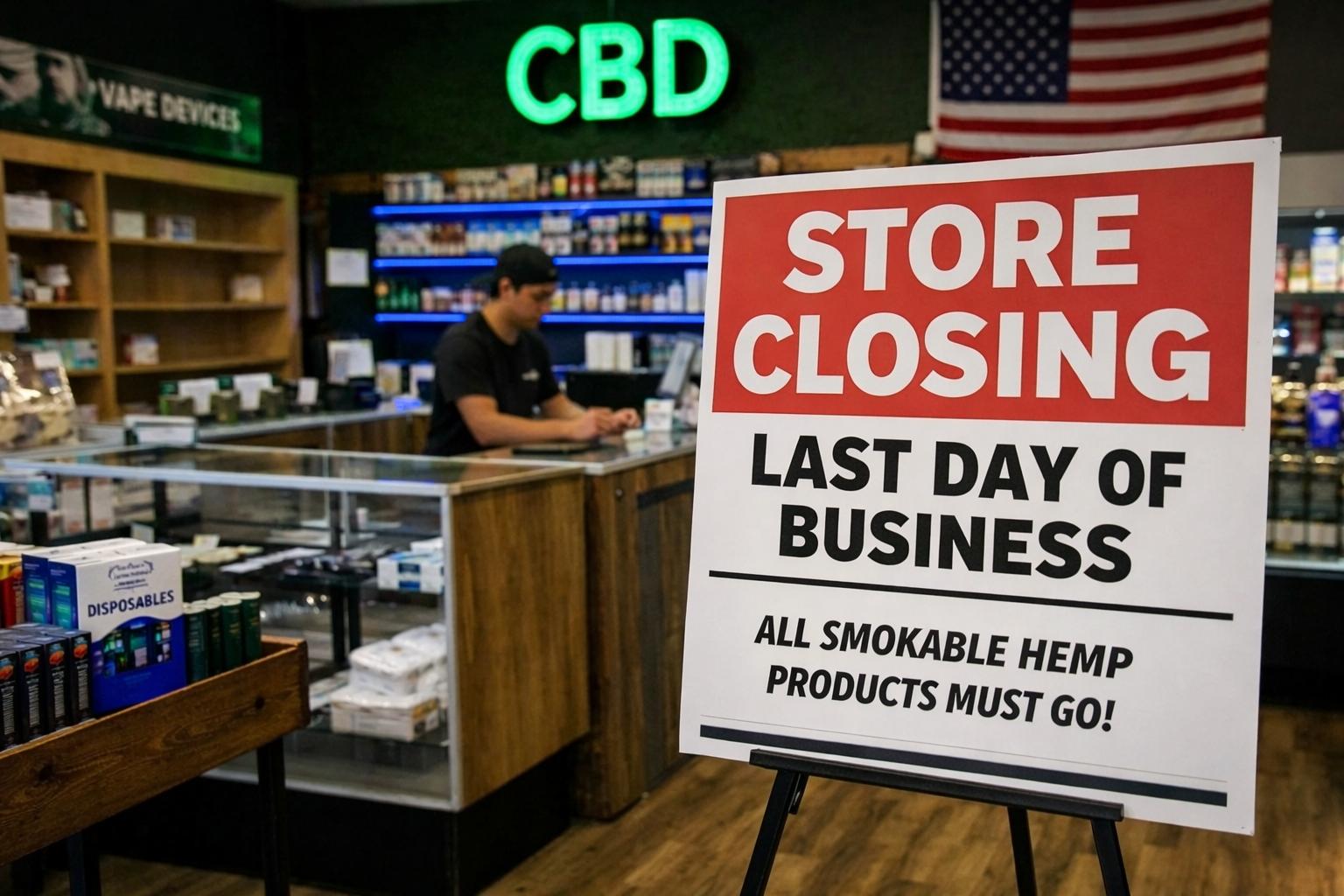
ADDISON, Texas — A new state rule banning certain products in CBD and vape shops is set to take effect on Tuesday, April 1, 2026, prompting immediate closures and raising concerns among retailers across the Dallas-Fort Worth region. The regulation eliminates smokable hemp products, significantly increases licensing fees, and introduces stricter compliance requirements for businesses operating in the sector. The impact is already being felt. A CBD retail store near Addison ceased operations on Monday, March 31, 2026, its final day before the rule takes effect. Store employees reported a steady stream of customers purchasing remaining inventory, as shelves were largely cleared in anticipation of the ban. For many retailers, smokable hemp products represent a substantial share of revenue, making the restriction particularly disruptive. Business operators say the timing of the regulation has compounded existing challenges. One retail manager noted that the store had been preparing to relocate, but the combined effect of losing a major product category and facing sharply higher licensing costs made continued operations unsustainable. Industry leaders argue that such restrictions could push consumers toward unregulated markets, raising broader concerns about product safety and oversight. The updated rule also increases annual licensing fees for CBD and vape retailers from just over $150 to $5,000, a steep rise that many small businesses say is difficult to absorb. Some operators estimate that prior restrictions, including a ban on disposable vape products introduced in September 2025, had already reduced revenues by as much as 25%, with the latest changes potentially doubling that impact. Despite the challenges, some businesses are choosing to remain open and adapt. Executives at one Dallas-based hemp company reported strong customer demand in the days leading up to the rule’s implementation, as consumers stocked up on affected products. However, they anticipate losing approximately 30% of their sales moving forward. In addition to product restrictions and fee increases, the regulation mandates child-resistant packaging, updated labeling standards, and raises the legal purchasing age to 21. Businesses that fail to comply risk losing their licenses and could face fines of up to $10,000 per day for violations.
Texas hemp ban forces CBD shop closures ahead of new rule rollout
ADDISON, Texas — A new state rule banning certain products in CBD and vape shops is set to take effect on Tuesday, April 1, 2026, prompting immediate closures and raising concerns among retailers across the Dallas-Fort Worth region. The regulation eliminates smokable hemp products, significantly increases licensing fees, and introduces stricter compliance requirements for businesses operating in the sector. The impact is already being felt. A CBD retail store near Addison ceased operations on Monday, March 31, 2026, its final day before the rule takes effect. Store employees reported a steady stream of customers purchasing remaining inventory, as shelves were largely cleared in anticipation of the ban. For many retailers, smokable hemp products represent a substantial share of revenue, making the restriction particularly disruptive. Business operators say the timing of the regulation has compounded existing challenges. One retail manager noted that the store had been preparing to relocate, but the combined effect of losing a major product category and facing sharply higher licensing costs made continued operations unsustainable. Industry leaders argue that such restrictions could push consumers toward unregulated markets, raising broader concerns about product safety and oversight. The updated rule also increases annual licensing fees for CBD and vape retailers from just over $150 to $5,000, a steep rise that many small businesses say is difficult to absorb. Some operators estimate that prior restrictions, including a ban on disposable vape products introduced in September 2025, had already reduced revenues by as much as 25%, with the latest changes potentially doubling that impact. Despite the challenges, some businesses are choosing to remain open and adapt. Executives at one Dallas-based hemp company reported strong customer demand in the days leading up to the rule’s implementation, as consumers stocked up on affected products. However, they anticipate losing approximately 30% of their sales moving forward. In addition to product restrictions and fee increases, the regulation mandates child-resistant packaging, updated labeling standards, and raises the legal purchasing age to 21. Businesses that fail to comply risk losing their licenses and could face fines of up to $10,000 per day for violations.

New Year’s Day 2026 openings: retailers, grocery stores, banks and more
As the calendar turns to a new year, New Year’s Day remains a federal holiday across the United States, bringing widespread closures for government offices, schools, banks and financial markets. At the same time, many major retailers and grocery chains plan to welcome customers on January 1, 2026, often with adjusted hours and post-holiday discounts aimed at clearing older inventory. Shoppers and consumers are encouraged to confirm local schedules in advance, as operating hours can vary by
New Year’s Day 2026 openings: retailers, grocery stores, banks and more
As the calendar turns to a new year, New Year’s Day remains a federal holiday across the United States, bringing widespread closures for government offices, schools, banks and financial markets. At the same time, many major retailers and grocery chains plan to welcome customers on January 1, 2026, often with adjusted hours and post-holiday discounts aimed at clearing older inventory. Shoppers and consumers are encouraged to confirm local schedules in advance, as operating hours can vary by

Christmas Eve store hours and Christmas Day closures across central Ohio
As Christmas Day approaches, shoppers across central Ohio are adjusting their plans as many retailers prepare to close early on Christmas Eve and shut their doors entirely on Christmas Day. This year, the holiday falls on a Thursday, prompting widespread schedule changes as businesses balance customer demand with time off for employees to spend with family and friends. For consumers making last-minute purchases or gathering ingredients for holiday meals, knowing store hours ahead of
Christmas Eve store hours and Christmas Day closures across central Ohio
As Christmas Day approaches, shoppers across central Ohio are adjusting their plans as many retailers prepare to close early on Christmas Eve and shut their doors entirely on Christmas Day. This year, the holiday falls on a Thursday, prompting widespread schedule changes as businesses balance customer demand with time off for employees to spend with family and friends. For consumers making last-minute purchases or gathering ingredients for holiday meals, knowing store hours ahead of

Christmas Eve hours: when stores, banks and malls close ahead of the holiday
As Christmas approaches, shoppers and workers across the country are navigating adjusted schedules as many retailers, government offices and financial institutions modify their operating hours ahead of the holiday. With Christmas Eve falling midweek this year, the final days before the holiday are expected to be among the busiest for stores and grocery chains, while closures on Christmas Day and limited hours on surrounding days are prompting consumers to plan ahead. Several major retailers are extending hours in the days leading up to Christmas to accommodate last-minute shoppers, though most will close earlier than usual on Christmas Eve. Wholesale club Costco has confirmed that its warehouses will operate on reduced schedules, closing at 5 p.m. on Dec. 24. Walmart locations nationwide are also expected to close early, with most stores shutting their doors at 6 p.m. Target locations may vary by market, but many stores will close around 8 p.m. on Christmas Eve after offering extended hours earlier in the week. Sam’s Club members should expect a 6 p.m. closing time on Christmas Eve, while Trader Joe’s stores are planning to end operations at 5 p.m. Department and apparel retailers are following similar patterns. Macy’s and Nordstrom locations will generally close earlier than normal on Christmas Eve, with many stores ending the day by 5 p.m. Old Navy locations are expected to close around 6 p.m., while Walgreens stores will largely remain open during regular business hours, though pharmacy counters may operate on limited schedules. Grocery chains including Mariano’s, Jewel-Osco, Meijer, Sunset Foods and Heinen’s are also adjusting hours, with most closing between 4 p.m. and 7 p.m., depending on the brand and location. Whole Foods stores are expected to operate with modified hours, and Starbucks customers are advised to check individual store schedules. Shopping malls across the Chicago area and surrounding suburbs are also reducing hours on Christmas Eve after extended shopping days earlier in the week. Many major malls will close between 5 p.m. and 6 p.m., including Woodfield Mall, Oakbrook Center, Water Tower Place and several outlet centers. Shoppers are encouraged to verify hours directly with mall management, as opening times may differ by location. Beyond retail, several essential services are operating on altered schedules. Most banks will remain open on Christmas Eve but are expected to close earlier than usual. Mail delivery through the United States Postal Service will continue on Dec. 24 and again on Dec. 26, though post office branches will be closed on Christmas Day. Government services in Illinois, including secretary of state offices and DMVs, will be closed on both Dec. 24 and Dec. 25 before reopening on Friday. Financial markets are also observing holiday schedules. The New York Stock Exchange and Nasdaq will end trading early at 1 p.m. on Christmas Eve and remain closed for Christmas Day, resuming normal operations on Dec. 26. With a mix of early closures and full-day shutdowns across sectors, consumers are advised to complete errands early and confirm local hours before heading out. The compressed holiday schedule is expected to drive heavier traffic in stores and malls during limited operating windows, making advance planning essential in the final stretch before Christmas.
Christmas Eve hours: when stores, banks and malls close ahead of the holiday
As Christmas approaches, shoppers and workers across the country are navigating adjusted schedules as many retailers, government offices and financial institutions modify their operating hours ahead of the holiday. With Christmas Eve falling midweek this year, the final days before the holiday are expected to be among the busiest for stores and grocery chains, while closures on Christmas Day and limited hours on surrounding days are prompting consumers to plan ahead. Several major retailers are extending hours in the days leading up to Christmas to accommodate last-minute shoppers, though most will close earlier than usual on Christmas Eve. Wholesale club Costco has confirmed that its warehouses will operate on reduced schedules, closing at 5 p.m. on Dec. 24. Walmart locations nationwide are also expected to close early, with most stores shutting their doors at 6 p.m. Target locations may vary by market, but many stores will close around 8 p.m. on Christmas Eve after offering extended hours earlier in the week. Sam’s Club members should expect a 6 p.m. closing time on Christmas Eve, while Trader Joe’s stores are planning to end operations at 5 p.m. Department and apparel retailers are following similar patterns. Macy’s and Nordstrom locations will generally close earlier than normal on Christmas Eve, with many stores ending the day by 5 p.m. Old Navy locations are expected to close around 6 p.m., while Walgreens stores will largely remain open during regular business hours, though pharmacy counters may operate on limited schedules. Grocery chains including Mariano’s, Jewel-Osco, Meijer, Sunset Foods and Heinen’s are also adjusting hours, with most closing between 4 p.m. and 7 p.m., depending on the brand and location. Whole Foods stores are expected to operate with modified hours, and Starbucks customers are advised to check individual store schedules. Shopping malls across the Chicago area and surrounding suburbs are also reducing hours on Christmas Eve after extended shopping days earlier in the week. Many major malls will close between 5 p.m. and 6 p.m., including Woodfield Mall, Oakbrook Center, Water Tower Place and several outlet centers. Shoppers are encouraged to verify hours directly with mall management, as opening times may differ by location. Beyond retail, several essential services are operating on altered schedules. Most banks will remain open on Christmas Eve but are expected to close earlier than usual. Mail delivery through the United States Postal Service will continue on Dec. 24 and again on Dec. 26, though post office branches will be closed on Christmas Day. Government services in Illinois, including secretary of state offices and DMVs, will be closed on both Dec. 24 and Dec. 25 before reopening on Friday. Financial markets are also observing holiday schedules. The New York Stock Exchange and Nasdaq will end trading early at 1 p.m. on Christmas Eve and remain closed for Christmas Day, resuming normal operations on Dec. 26. With a mix of early closures and full-day shutdowns across sectors, consumers are advised to complete errands early and confirm local hours before heading out. The compressed holiday schedule is expected to drive heavier traffic in stores and malls during limited operating windows, making advance planning essential in the final stretch before Christmas.
Kohl’s to Close 27 Stores Across 15 States Including Bay Area Locations This Weekend
Retail giant Kohl’s is preparing to close 27 underperforming store locations across 15 states this Saturday, March 29, as part of its strategic restructuring efforts. Among those closing are five locations in California’s Bay Area, including Fremont, Mountain View, Napa, Pleasanton, and San Rafael. These closures, initially announced in January, reflect the company's focus on optimizing operations and enhancing profitability by addressing performance issues in certain regions whi
Kohl’s to Close 27 Stores Across 15 States Including Bay Area Locations This Weekend
Retail giant Kohl’s is preparing to close 27 underperforming store locations across 15 states this Saturday, March 29, as part of its strategic restructuring efforts. Among those closing are five locations in California’s Bay Area, including Fremont, Mountain View, Napa, Pleasanton, and San Rafael. These closures, initially announced in January, reflect the company's focus on optimizing operations and enhancing profitability by addressing performance issues in certain regions whi