ADDISON, Texas — A new state rule banning certain products in CBD and vape shops is set to take effect on Tuesday, April 1, 2026, prompting immediate closures and raising concerns among retailers across the Dallas-Fort Worth region. The regulation eliminates smokable hemp products, significantly increases licensing fees, and introduces stricter compliance requirements for businesses operating in the sector.
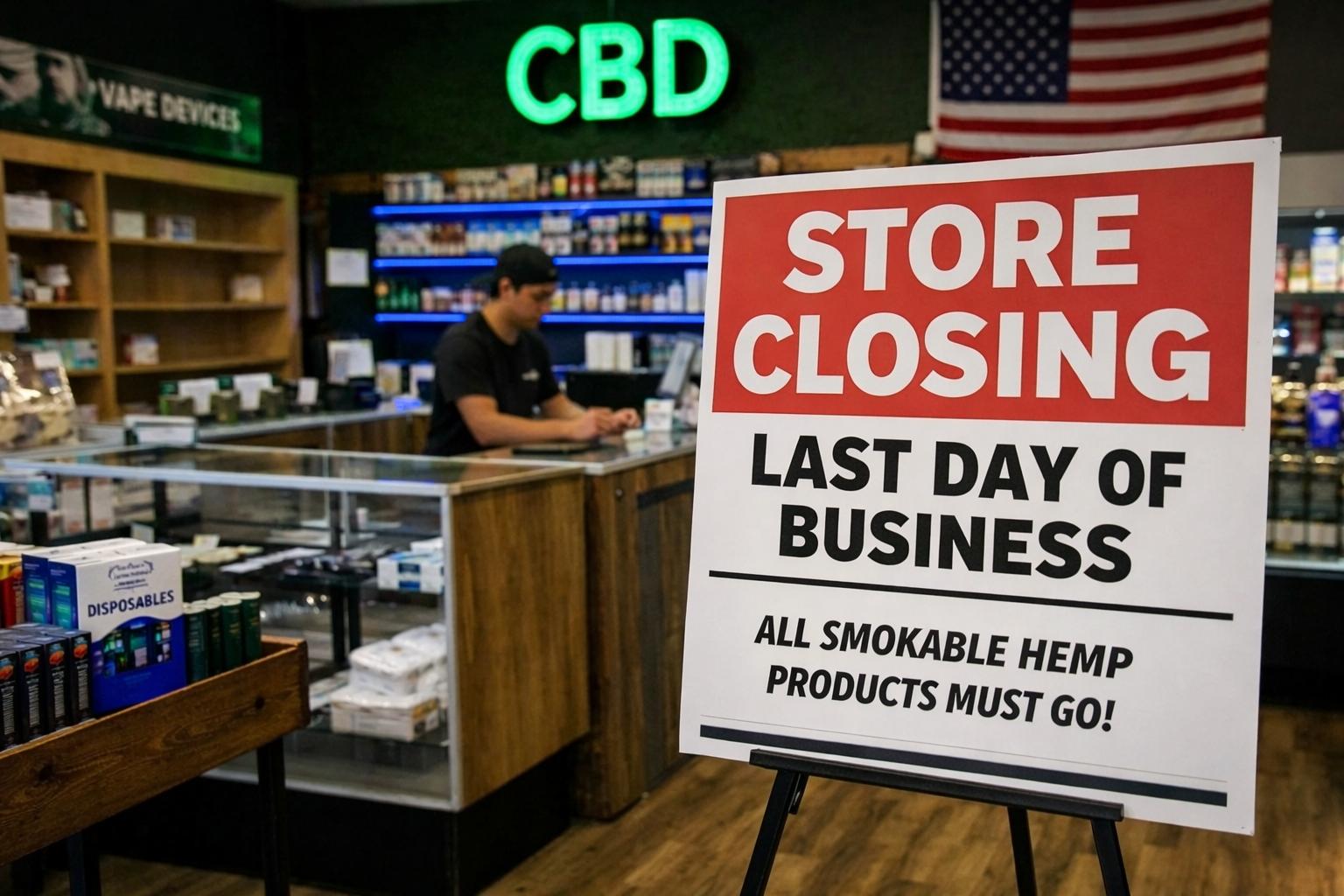
The impact is already being felt. A CBD retail store near Addison ceased operations on Monday, March 31, 2026, its final day before the rule takes effect. Store employees reported a steady stream of customers purchasing remaining inventory, as shelves were largely cleared in anticipation of the ban. For many retailers, smokable hemp products represent a substantial share of revenue, making the restriction particularly disruptive.
Business operators say the timing of the regulation has compounded existing challenges. One retail manager noted that the store had been preparing to relocate, but the combined effect of losing a major product category and facing sharply higher licensing costs made continued operations unsustainable. Industry leaders argue that such restrictions could push consumers toward unregulated markets, raising broader concerns about product safety and oversight.
The updated rule also increases annual licensing fees for CBD and vape retailers from just over $150 to $5,000, a steep rise that many small businesses say is difficult to absorb. Some operators estimate that prior restrictions, including a ban on disposable vape products introduced in September 2025, had already reduced revenues by as much as 25%, with the latest changes potentially doubling that impact.
Despite the challenges, some businesses are choosing to remain open and adapt. Executives at one Dallas-based hemp company reported strong customer demand in the days leading up to the rule’s implementation, as consumers stocked up on affected products. However, they anticipate losing approximately 30% of their sales moving forward.
In addition to product restrictions and fee increases, the regulation mandates child-resistant packaging, updated labeling standards, and raises the legal purchasing age to 21. Businesses that fail to comply risk losing their licenses and could face fines of up to $10,000 per day for violations.