Ukraine War Update: Putin Indicates Possibility of Peace Settlement
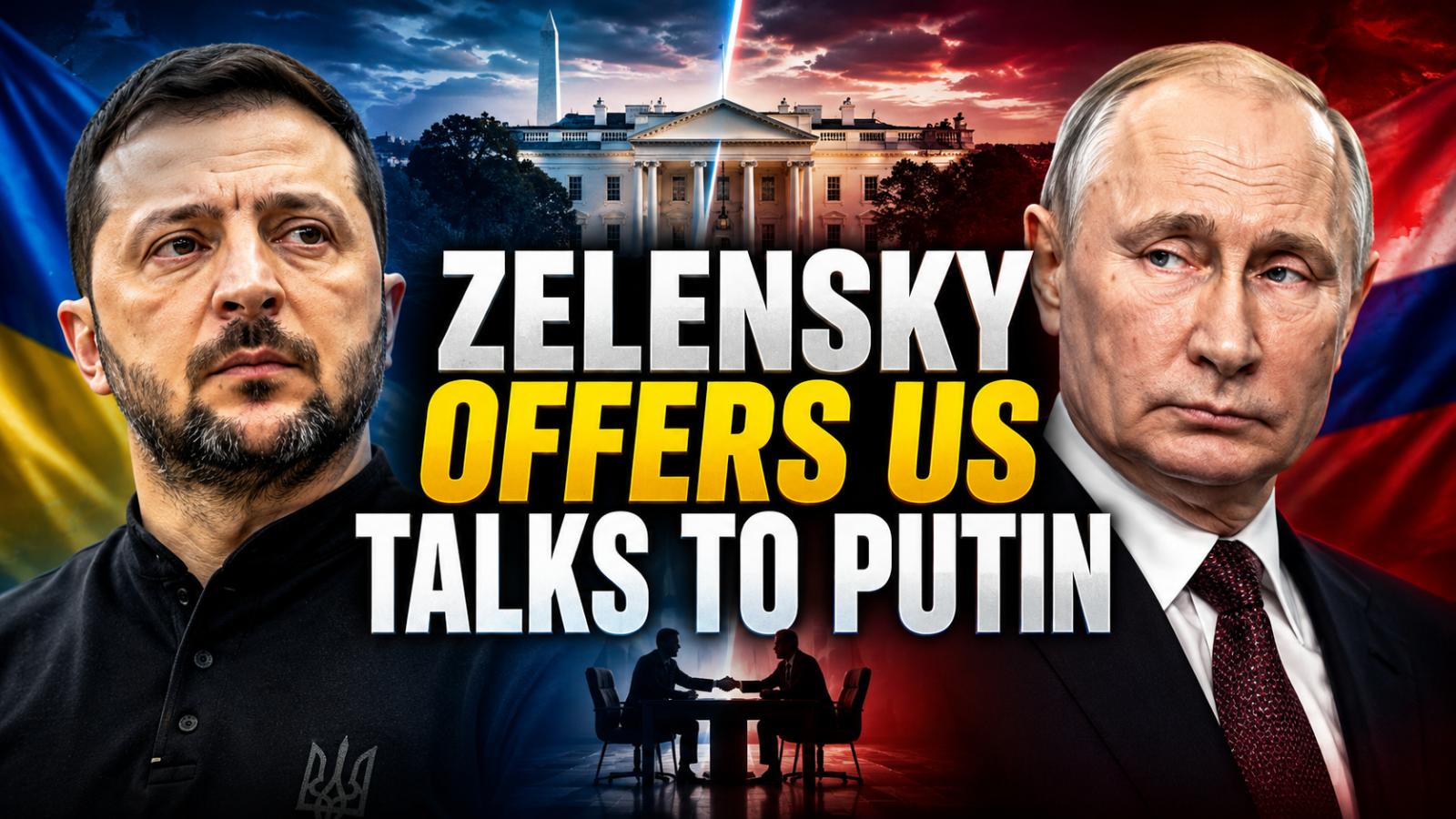
Putin Signals Possible Ukraine Peace Talks as Ceasefire Begins Vladimir Putin has hinted that the Russia-Ukraine war could be nearing an end, raising hopes of a possible peace agreement after years of conflict. Speaking during Russia’s Victory Day events in Moscow, Putin said the situation appeared to be “coming to an end” as
Ukraine War Update: Putin Indicates Possibility of Peace Settlement
Putin Signals Possible Ukraine Peace Talks as Ceasefire Begins Vladimir Putin has hinted that the Russia-Ukraine war could be nearing an end, raising hopes of a possible peace agreement after years of conflict. Speaking during Russia’s Victory Day events in Moscow, Putin said the situation appeared to be “coming to an end” as
Karl Marx and the evolution of global labor movements and social justice
Karl Marx’s Influence on Workers’ Rights and Labor Movements Karl Marx continues to influence modern society through his revolutionary ideas about capitalism, workers’ rights, labor movements, and economic inequality. His theories on social justice and worker exploitation remain highly relevant in today’s world, especially in discussions about wealth distribution, labor laws, cor
Karl Marx and the evolution of global labor movements and social justice
Karl Marx’s Influence on Workers’ Rights and Labor Movements Karl Marx continues to influence modern society through his revolutionary ideas about capitalism, workers’ rights, labor movements, and economic inequality. His theories on social justice and worker exploitation remain highly relevant in today’s world, especially in discussions about wealth distribution, labor laws, cor
Putin’s security tightened amid coup fears and military assassinations
Russian President Vladimir Putin is facing an unprecedented level of security following growing concerns about a potential coup. These fears stem from a series of recent assassinations of senior Russian military figures, sparking widespread unease within the Kremlin. A European intelligence report reveals that Putin's security measures have been drastically increased, with surveillance systems now installed in the homes of his closest staff. These measures aim to prevent leaks of sensitive information and reduce the possibility of a plot against the president. Additionally, those who work directly with the president, including his bodyguards, chefs, and photographers, are now prohibited from using public transportation. Instead, all personnel visiting Putin must undergo two rounds of screening. Moreover, they are restricted to using phones without internet access to further minimize the risk of communication leaks. The intensified security is reportedly a response to fears of assassination attempts, particularly from the growing power of Russian elites who are displeased with Putin's leadership, especially amid the ongoing conflict in Ukraine. Former confidante’s role in coup fears One of the major concerns surrounding Putin’s safety involves Sergei Shoigu, a former confidante and the former defense minister of Russia. Shoigu was removed from his post but still retains significant influence within the Russian military. According to the report, Shoigu is now linked to potential coup efforts, as he remains a powerful figure within Russia’s military high command. Shoigu's influence over the Russian military is seen as a significant threat to Putin's reign, especially after the arrest of Ruslan Tsalikov, Shoigu's close associate, in March. This arrest has stirred political unrest within the Kremlin and raised suspicions about potential power shifts. The tensions within Russia's elite circles have added fuel to the fears of an internal coup, though the report does not provide direct evidence linking Shoigu to any active conspiracy. Kremlin in turmoil over Ukraine war and dissent The political climate within the Kremlin has grown increasingly unstable, particularly since the death of a top general in December, which triggered many of the heightened security measures. The fallout from this incident has led to fractures within Russia's security establishment, which is now divided over how to handle the fallout from the war in Ukraine. The rising costs and significant Russian military fatalities, estimated at 30,000 a month, have led to growing dissent within the political elite. Many believe the war has become unsustainable, further intensifying the pressure on Putin’s leadership. Putin has not publicly visited a military facility in 2023 and has avoided his usual residences, including those in the Moscow region and Valdai. The president has stopped making public appearances out of fear for his safety, with the Kremlin opting to release pre-recorded videos and images to maintain his presence in the media. According to reports, Putin has spent weeks at a time in upgraded bunkers, particularly in the Krasnodar coastal region, in response to the escalating threat of a coup and potential drone attacks. The ongoing crisis inside Russia's political structure Amidst the growing security concerns, the Kremlin is facing increasing instability, with political dissidents pushing back against Putin’s decisions. The Ukraine war has become a focal point of this unrest, with many within the political and military elite questioning its sustainability. These issues, compounded by the rising death toll among Russian soldiers, continue to contribute to the growing volatility of Putin’s rule. As fears of a coup mount, the situation inside the Kremlin remains precarious, with Putin’s tight security measures highlighting the level of tension and distrust among Russia’s political and military circles. The coming months may reveal whether these intensified precautions will be enough to protect Putin or if the risks posed by internal dissent and external threats will continue to grow.
Putin’s security tightened amid coup fears and military assassinations
Russian President Vladimir Putin is facing an unprecedented level of security following growing concerns about a potential coup. These fears stem from a series of recent assassinations of senior Russian military figures, sparking widespread unease within the Kremlin. A European intelligence report reveals that Putin's security measures have been drastically increased, with surveillance systems now installed in the homes of his closest staff. These measures aim to prevent leaks of sensitive information and reduce the possibility of a plot against the president. Additionally, those who work directly with the president, including his bodyguards, chefs, and photographers, are now prohibited from using public transportation. Instead, all personnel visiting Putin must undergo two rounds of screening. Moreover, they are restricted to using phones without internet access to further minimize the risk of communication leaks. The intensified security is reportedly a response to fears of assassination attempts, particularly from the growing power of Russian elites who are displeased with Putin's leadership, especially amid the ongoing conflict in Ukraine. Former confidante’s role in coup fears One of the major concerns surrounding Putin’s safety involves Sergei Shoigu, a former confidante and the former defense minister of Russia. Shoigu was removed from his post but still retains significant influence within the Russian military. According to the report, Shoigu is now linked to potential coup efforts, as he remains a powerful figure within Russia’s military high command. Shoigu's influence over the Russian military is seen as a significant threat to Putin's reign, especially after the arrest of Ruslan Tsalikov, Shoigu's close associate, in March. This arrest has stirred political unrest within the Kremlin and raised suspicions about potential power shifts. The tensions within Russia's elite circles have added fuel to the fears of an internal coup, though the report does not provide direct evidence linking Shoigu to any active conspiracy. Kremlin in turmoil over Ukraine war and dissent The political climate within the Kremlin has grown increasingly unstable, particularly since the death of a top general in December, which triggered many of the heightened security measures. The fallout from this incident has led to fractures within Russia's security establishment, which is now divided over how to handle the fallout from the war in Ukraine. The rising costs and significant Russian military fatalities, estimated at 30,000 a month, have led to growing dissent within the political elite. Many believe the war has become unsustainable, further intensifying the pressure on Putin’s leadership. Putin has not publicly visited a military facility in 2023 and has avoided his usual residences, including those in the Moscow region and Valdai. The president has stopped making public appearances out of fear for his safety, with the Kremlin opting to release pre-recorded videos and images to maintain his presence in the media. According to reports, Putin has spent weeks at a time in upgraded bunkers, particularly in the Krasnodar coastal region, in response to the escalating threat of a coup and potential drone attacks. The ongoing crisis inside Russia's political structure Amidst the growing security concerns, the Kremlin is facing increasing instability, with political dissidents pushing back against Putin’s decisions. The Ukraine war has become a focal point of this unrest, with many within the political and military elite questioning its sustainability. These issues, compounded by the rising death toll among Russian soldiers, continue to contribute to the growing volatility of Putin’s rule. As fears of a coup mount, the situation inside the Kremlin remains precarious, with Putin’s tight security measures highlighting the level of tension and distrust among Russia’s political and military circles. The coming months may reveal whether these intensified precautions will be enough to protect Putin or if the risks posed by internal dissent and external threats will continue to grow.
Russia, Ukraine Announce Separate May Cease-fires
Russia said it will observe a cease-fire from May 8 to May 9 to mark Victory Day, while Ukraine has already declared a separate truce for May 5 to May 6, underscoring a lack of coordination between the two sides. The Kremlin said President Vladimir Putin ordered the pause as a humanitarian gesture tied to World War Two commemorations. Russian officials warned that any violations could trigger a strong military response. Russia’s Defense Ministry said the capital, Kyiv, could face significant strikes if the truce is breached, urging civilians and foreign diplomatic staff to leave as a precaution, according to official statements. Ukraine’s President Volodymyr Zelensky announced an earlier two-day cease-fire beginning May 5, describing it as an independent move without coordination with Moscow. Zelensky said Ukraine could consider extending its pause if Russia demonstrates a genuine commitment to de-escalation. He added that further steps would depend on Moscow’s actions during its own declared truce. The overlapping but uncoordinated cease-fires highlight continued mistrust between the two sides, with no indication of broader negotiations to end the conflict. Victory Day on May 9 is one of Russia’s most significant national observances, marking the Soviet Union’s role in defeating Nazi Germany.
Russia, Ukraine Announce Separate May Cease-fires
Russia said it will observe a cease-fire from May 8 to May 9 to mark Victory Day, while Ukraine has already declared a separate truce for May 5 to May 6, underscoring a lack of coordination between the two sides. The Kremlin said President Vladimir Putin ordered the pause as a humanitarian gesture tied to World War Two commemorations. Russian officials warned that any violations could trigger a strong military response. Russia’s Defense Ministry said the capital, Kyiv, could face significant strikes if the truce is breached, urging civilians and foreign diplomatic staff to leave as a precaution, according to official statements. Ukraine’s President Volodymyr Zelensky announced an earlier two-day cease-fire beginning May 5, describing it as an independent move without coordination with Moscow. Zelensky said Ukraine could consider extending its pause if Russia demonstrates a genuine commitment to de-escalation. He added that further steps would depend on Moscow’s actions during its own declared truce. The overlapping but uncoordinated cease-fires highlight continued mistrust between the two sides, with no indication of broader negotiations to end the conflict. Victory Day on May 9 is one of Russia’s most significant national observances, marking the Soviet Union’s role in defeating Nazi Germany.
Ukraine Strikes Russian Oil Facilities As Fuel Prices Surge Globally
Ukraine has intensified its long-range strikes on energy infrastructure located deep inside Russia, targeting oil refineries, storage depots, and supply routes. These attacks mark a significant escalation in the ongoing
Ukraine Strikes Russian Oil Facilities As Fuel Prices Surge Globally
Ukraine has intensified its long-range strikes on energy infrastructure located deep inside Russia, targeting oil refineries, storage depots, and supply routes. These attacks mark a significant escalation in the ongoing
Trump Comments on Ukraine and Iran Wars Spark Confusion
US President Donald Trump drew attention during a recent press interaction after appearing to confuse details while discussing two major international conflicts. The exchange took place as Trump addressed reporters during an event linked to the Artemis II mission crew, where he was asked which conflict might conclude first: the prolonged Russia-Ukraine war or the ongoing tensions involving Iran and Israel. In response, Trump suggested that both situations could follow a similar timeline, stating that he was uncertain which would end sooner. However, his subsequent remarks raised questions as he began describing military conditions that appeared inconsistent or unclear in context. He claimed that Ukraine was militarily defeated, referencing significant naval and air losses, including statements about ships being destroyed and aircraft being eliminated. Trump also cited reductions in missile and drone capabilities, though his comments did not clearly distinguish whether he was referring to Ukraine or Iran at various points. This lack of clarity led to widespread attention, with observers noting the difficulty in separating his analysis of the two conflicts. The Russia-Ukraine war has continued for years with ongoing military engagements, while tensions involving Iran, Israel, and US involvement have added another layer of complexity to global security dynamics. Trump’s remarks came at a time when both conflicts remain active and under close international observation. The moment quickly gained traction due to the ambiguity in the president’s statements, highlighting the challenges of addressing multiple geopolitical crises simultaneously in public forums.

Trump Comments on Ukraine and Iran Wars Spark Confusion
US President Donald Trump drew attention during a recent press interaction after appearing to confuse details while discussing two major international conflicts. The exchange took place as Trump addressed reporters during an event linked to the Artemis II mission crew, where he was asked which conflict might conclude first: the prolonged Russia-Ukraine war or the ongoing tensions involving Iran and Israel. In response, Trump suggested that both situations could follow a similar timeline, stating that he was uncertain which would end sooner. However, his subsequent remarks raised questions as he began describing military conditions that appeared inconsistent or unclear in context. He claimed that Ukraine was militarily defeated, referencing significant naval and air losses, including statements about ships being destroyed and aircraft being eliminated. Trump also cited reductions in missile and drone capabilities, though his comments did not clearly distinguish whether he was referring to Ukraine or Iran at various points. This lack of clarity led to widespread attention, with observers noting the difficulty in separating his analysis of the two conflicts. The Russia-Ukraine war has continued for years with ongoing military engagements, while tensions involving Iran, Israel, and US involvement have added another layer of complexity to global security dynamics. Trump’s remarks came at a time when both conflicts remain active and under close international observation. The moment quickly gained traction due to the ambiguity in the president’s statements, highlighting the challenges of addressing multiple geopolitical crises simultaneously in public forums.


Julie Davis Announces Exit as US Faces Challenges in Ukraine Peace Efforts
The United States Department of State confirmed on April 28 that Julie Davis will step down from her role as acting ambassador to Ukraine after serving less than a year in the position. The announcement comes at a time when diplomatic efforts by the United States to facilitate a peace agreement between Ukraine and Russia have yet to produce a breakthrough. Davis, who also serves as ambassador to Cyprus, had been handling dual responsibilities since her appointment by Donald Trump in May of the previous year. She assumed the Kyiv role following the departure of Bridget Brink, who had been appointed earlier and later stepped down. The State Department stated that Davis cited retirement as the reason for her decision. Her tenure coincided with increased diplomatic pressure from Washington on Kyiv to consider terms that could advance negotiations with Moscow. Trump has publicly emphasized the need for a resolution, including the possibility of territorial concessions by Ukraine, as part of a broader effort to secure a ceasefire. However, these initiatives have not resulted in a formal agreement, and fighting has continued without a comprehensive settlement. Reports suggesting internal disagreements regarding US policy toward Ukraine were rejected by officials, who maintained that no such disputes influenced Davis’s decision. Brink, Davis’s predecessor, had previously expressed concern over what she described as an approach that placed disproportionate pressure on Ukraine during negotiations. Davis’s departure highlights the ongoing complexity of US diplomatic engagement in the region. With peace talks stalled and geopolitical tensions unresolved, the transition comes at a critical moment for American foreign policy and its role in shaping outcomes in Eastern Europe.
Julie Davis Announces Exit as US Faces Challenges in Ukraine Peace Efforts
The United States Department of State confirmed on April 28 that Julie Davis will step down from her role as acting ambassador to Ukraine after serving less than a year in the position. The announcement comes at a time when diplomatic efforts by the United States to facilitate a peace agreement between Ukraine and Russia have yet to produce a breakthrough. Davis, who also serves as ambassador to Cyprus, had been handling dual responsibilities since her appointment by Donald Trump in May of the previous year. She assumed the Kyiv role following the departure of Bridget Brink, who had been appointed earlier and later stepped down. The State Department stated that Davis cited retirement as the reason for her decision. Her tenure coincided with increased diplomatic pressure from Washington on Kyiv to consider terms that could advance negotiations with Moscow. Trump has publicly emphasized the need for a resolution, including the possibility of territorial concessions by Ukraine, as part of a broader effort to secure a ceasefire. However, these initiatives have not resulted in a formal agreement, and fighting has continued without a comprehensive settlement. Reports suggesting internal disagreements regarding US policy toward Ukraine were rejected by officials, who maintained that no such disputes influenced Davis’s decision. Brink, Davis’s predecessor, had previously expressed concern over what she described as an approach that placed disproportionate pressure on Ukraine during negotiations. Davis’s departure highlights the ongoing complexity of US diplomatic engagement in the region. With peace talks stalled and geopolitical tensions unresolved, the transition comes at a critical moment for American foreign policy and its role in shaping outcomes in Eastern Europe.
Why are North Korean troops reportedly taking their own lives? Kim Jong Un calls it battlefield honor
Why are North Korean troops reportedly taking their own lives? Kim Jong Un calls it battlefield honor has drawn international scrutiny after reports emerged that North Korean soldiers fighting alongside Russia in the war in Ukraine may be taking their own lives to avoid capture. The claims
Why are North Korean troops reportedly taking their own lives? Kim Jong Un calls it battlefield honor
Why are North Korean troops reportedly taking their own lives? Kim Jong Un calls it battlefield honor has drawn international scrutiny after reports emerged that North Korean soldiers fighting alongside Russia in the war in Ukraine may be taking their own lives to avoid capture. The claims
Sanctioned billionaire’s yacht passes Hormuz amid US-Iran tensions
Why did a sanctioned yacht cross the Strait of Hormuz during heightened tensions? A 465-foot superyacht known as Nord, linked to Russian billionaire Alexey Mordashov, sailed through the strategically vital Strait of Hormuz despite ongoing maritime restrictions tied to the US-Iran conflict. The vessel departed Dubai on Friday April 24, 2026 afternoon, transited the st
Sanctioned billionaire’s yacht passes Hormuz amid US-Iran tensions
Why did a sanctioned yacht cross the Strait of Hormuz during heightened tensions? A 465-foot superyacht known as Nord, linked to Russian billionaire Alexey Mordashov, sailed through the strategically vital Strait of Hormuz despite ongoing maritime restrictions tied to the US-Iran conflict. The vessel departed Dubai on Friday April 24, 2026 afternoon, transited the st
How are Russia and Iran responding to regional tensions? Leaders reaffirm alliance
Vladimir Putin met Abbas Araghchi in Moscow on Monday, reaffirming Russia’s commitment to maintaining strong strategic relations with Iran amid escalating tensions in West Asia. During the meeting, Putin emphasized that Russia would continue to act in ways that serve the interests of Iran and the broader
How are Russia and Iran responding to regional tensions? Leaders reaffirm alliance
Vladimir Putin met Abbas Araghchi in Moscow on Monday, reaffirming Russia’s commitment to maintaining strong strategic relations with Iran amid escalating tensions in West Asia. During the meeting, Putin emphasized that Russia would continue to act in ways that serve the interests of Iran and the broader
Global military spending hits $2.9 trillion in 2025 amid rising tensions
Global military spending 2025 overview Global military spending in 2025 has reached nearly $2.9 trillion, clearly showing how countries are increasing defence budgets as global tensions continue to rise. The total spending stood at $2887 billion in 2025, marking a 2.9 per cent increase from 2024, highlighting a steady rise in military expenditure trends worldwide. This reflects a world becoming less secure, with nations investing more in defence to protect themselves. The United States, Russia, and China remained the top three military spenders, with a combined total of $1.48 trillion. These nations continue to dominate global defence spending, shaping international security dynamics. Experts say this rise in defence budget growth shows that countries are preparing for both current conflicts and future uncertainties. Europe witnessed a major surge, with military spending increasing by 14 per cent to $864 billion in 2025. This sharp rise is mainly driven by the ongoing Russia-Ukraine war and reduced dependence on the United States for security. Countries like Germany increased spending by 24 per cent to $114 billion, while Spain recorded a significant 50 per cent jump to $40.2 billion, crossing two per cent of GDP for the first time in decades. The United States remained the largest spender despite a decline of 7.5 per cent, bringing its total to $954 billion in 2025. The decrease is linked to reduced financial aid approvals for Ukraine, although future budgets suggest spending could exceed $1 trillion in 2026, indicating a possible rebound. In Eastern Europe, Russia increased its military expenditure by 5.9 per cent to $190 billion, while Ukraine saw a sharp rise of 20 per cent to $84.1 billion. Ukraine’s defence spending now accounts for a large share of its GDP, showing the intensity of the ongoing conflict. Asia and Oceania recorded one of the fastest growth rates, with spending reaching $681 billion in 2025, an 8.5 per cent increase. China led the region with $336 billion, followed by Japan and India. India increased its defence budget by 8.9 per cent to $92.1 billion, making it the fifth-largest military spender globally. This growth highlights rising security concerns across the region. In the Middle East, spending patterns were mixed. Iran’s defence expenditure fell by 5.6 per cent to $7.4 billion, mainly due to high inflation. Israel also saw a decline of 4.9 per cent to $48.3 billion after reducing military operations following a ceasefire in early 2025, although its spending remains significantly higher compared to earlier years. Regional tensions continue to influence defence strategies across the Middle East. Overall, the SIPRI report shows that global military spending is steadily increasing as countries respond to rising geopolitical tensions and conflicts. The trend highlights a shift toward stronger military preparedness, reflecting uncertainty in the global security environment.
Global military spending hits $2.9 trillion in 2025 amid rising tensions
Global military spending 2025 overview Global military spending in 2025 has reached nearly $2.9 trillion, clearly showing how countries are increasing defence budgets as global tensions continue to rise. The total spending stood at $2887 billion in 2025, marking a 2.9 per cent increase from 2024, highlighting a steady rise in military expenditure trends worldwide. This reflects a world becoming less secure, with nations investing more in defence to protect themselves. The United States, Russia, and China remained the top three military spenders, with a combined total of $1.48 trillion. These nations continue to dominate global defence spending, shaping international security dynamics. Experts say this rise in defence budget growth shows that countries are preparing for both current conflicts and future uncertainties. Europe witnessed a major surge, with military spending increasing by 14 per cent to $864 billion in 2025. This sharp rise is mainly driven by the ongoing Russia-Ukraine war and reduced dependence on the United States for security. Countries like Germany increased spending by 24 per cent to $114 billion, while Spain recorded a significant 50 per cent jump to $40.2 billion, crossing two per cent of GDP for the first time in decades. The United States remained the largest spender despite a decline of 7.5 per cent, bringing its total to $954 billion in 2025. The decrease is linked to reduced financial aid approvals for Ukraine, although future budgets suggest spending could exceed $1 trillion in 2026, indicating a possible rebound. In Eastern Europe, Russia increased its military expenditure by 5.9 per cent to $190 billion, while Ukraine saw a sharp rise of 20 per cent to $84.1 billion. Ukraine’s defence spending now accounts for a large share of its GDP, showing the intensity of the ongoing conflict. Asia and Oceania recorded one of the fastest growth rates, with spending reaching $681 billion in 2025, an 8.5 per cent increase. China led the region with $336 billion, followed by Japan and India. India increased its defence budget by 8.9 per cent to $92.1 billion, making it the fifth-largest military spender globally. This growth highlights rising security concerns across the region. In the Middle East, spending patterns were mixed. Iran’s defence expenditure fell by 5.6 per cent to $7.4 billion, mainly due to high inflation. Israel also saw a decline of 4.9 per cent to $48.3 billion after reducing military operations following a ceasefire in early 2025, although its spending remains significantly higher compared to earlier years. Regional tensions continue to influence defence strategies across the Middle East. Overall, the SIPRI report shows that global military spending is steadily increasing as countries respond to rising geopolitical tensions and conflicts. The trend highlights a shift toward stronger military preparedness, reflecting uncertainty in the global security environment.
Iran-Israel war live updates: Iran FM to meet Putin amid rising tensions
Iran’s foreign minister Abbas Araghchi meets Vladimir Putin in Moscow on Monday, April 27, for ceasefire talks as Israel intensifies strikes on Hezbollah in Lebanon, where 14 were killed Sunday, April 26, marking the deadliest day since the truce began. Iran-Israel war live updates: Iran FM to meet Putin amid rising tensions as Abbas Araghchi prepares for high-level tal
Iran-Israel war live updates: Iran FM to meet Putin amid rising tensions
Iran’s foreign minister Abbas Araghchi meets Vladimir Putin in Moscow on Monday, April 27, for ceasefire talks as Israel intensifies strikes on Hezbollah in Lebanon, where 14 were killed Sunday, April 26, marking the deadliest day since the truce began. Iran-Israel war live updates: Iran FM to meet Putin amid rising tensions as Abbas Araghchi prepares for high-level tal
Russia’s Lavrov accuses US of targeting oil resources in foreign policy
Russia’s foreign minister accuses the US of pursuing oil-driven interventions in Iran and Venezuela, raising concerns over global energy dominance and geopolitical tensions. Russian Foreign Minister Sergei Lavrov has accused the United States of pursuing foreign interventions to secure control over global oil and energy resources, escalating rhetoric between Moscow and
Russia’s Lavrov accuses US of targeting oil resources in foreign policy
Russia’s foreign minister accuses the US of pursuing oil-driven interventions in Iran and Venezuela, raising concerns over global energy dominance and geopolitical tensions. Russian Foreign Minister Sergei Lavrov has accused the United States of pursuing foreign interventions to secure control over global oil and energy resources, escalating rhetoric between Moscow and
Lavrov criticizes US foreign policy over oil and energy dominance
Russian Foreign Minister Sergei Lavrov has accused the United States of pursuing oil-driven policies in Iran and Venezuela, claiming that control over global energy resources is a central goal of Washington’s foreign strategy. Speaking in a televised interview, Lavrov said the US focuses primarily on its own interests and is willing to use extreme methods to secure access to oil and energy assets in resource-rich nations. Lavrov alleged that US actions in countries such as Iran and Venezuela are not hidden, but openly tied to securing influence over energy markets. According to him, Washington’s approach reflects a broader ambition to dominate global energy supply chains. He argued that such policies show a shift away from international legal norms, suggesting that decisions are increasingly shaped by power rather than agreed rules. The Russian minister also criticized the US for what he described as inconsistent diplomacy. He urged Washington to prioritize dialogue, stating that the US has a pattern of withdrawing from agreements instead of maintaining stable international commitments. His remarks come as American envoys prepare for discussions in Pakistan, signaling ongoing diplomatic engagement in the region. The White House has indicated openness to negotiations with Iran, while maintaining that it will not act under pressure. Meanwhile, Iran’s Foreign Minister Abbas Araghchi has begun a regional visit, adding to the ongoing diplomatic activity surrounding the issue. Lavrov further linked US foreign policy to developments in Europe, particularly in the context of the Ukraine conflict. He accused Washington of encouraging European nations to reduce dependence on Russian gas, framing this as part of a broader geopolitical strategy. According to Lavrov, such moves resemble attempts to reshape global energy dynamics in a way that benefits US interests, raising concerns about a return to power-based international relations.
Lavrov criticizes US foreign policy over oil and energy dominance
Russian Foreign Minister Sergei Lavrov has accused the United States of pursuing oil-driven policies in Iran and Venezuela, claiming that control over global energy resources is a central goal of Washington’s foreign strategy. Speaking in a televised interview, Lavrov said the US focuses primarily on its own interests and is willing to use extreme methods to secure access to oil and energy assets in resource-rich nations. Lavrov alleged that US actions in countries such as Iran and Venezuela are not hidden, but openly tied to securing influence over energy markets. According to him, Washington’s approach reflects a broader ambition to dominate global energy supply chains. He argued that such policies show a shift away from international legal norms, suggesting that decisions are increasingly shaped by power rather than agreed rules. The Russian minister also criticized the US for what he described as inconsistent diplomacy. He urged Washington to prioritize dialogue, stating that the US has a pattern of withdrawing from agreements instead of maintaining stable international commitments. His remarks come as American envoys prepare for discussions in Pakistan, signaling ongoing diplomatic engagement in the region. The White House has indicated openness to negotiations with Iran, while maintaining that it will not act under pressure. Meanwhile, Iran’s Foreign Minister Abbas Araghchi has begun a regional visit, adding to the ongoing diplomatic activity surrounding the issue. Lavrov further linked US foreign policy to developments in Europe, particularly in the context of the Ukraine conflict. He accused Washington of encouraging European nations to reduce dependence on Russian gas, framing this as part of a broader geopolitical strategy. According to Lavrov, such moves resemble attempts to reshape global energy dynamics in a way that benefits US interests, raising concerns about a return to power-based international relations.
EU approves $105 billion Ukraine loan and new Russia sanctions after deadlock ends
EU approves major Ukraine aid and new Russia sanctions after resolving internal disputes, strengthening Kyiv’s position and increasing pressure on Moscow amid ongoing war. EU approves $105 billion Ukraine loan and new Russia sanctions after deadlock ends. The European Union on Thursday, April 23, 2026, granted final approval to a €90 billion ($105 billion) loan for Ukraine and endorsed a new round of sanctions against Russia, marking a significant shift
EU approves $105 billion Ukraine loan and new Russia sanctions after deadlock ends
EU approves major Ukraine aid and new Russia sanctions after resolving internal disputes, strengthening Kyiv’s position and increasing pressure on Moscow amid ongoing war. EU approves $105 billion Ukraine loan and new Russia sanctions after deadlock ends. The European Union on Thursday, April 23, 2026, granted final approval to a €90 billion ($105 billion) loan for Ukraine and endorsed a new round of sanctions against Russia, marking a significant shift
NATO intercepts Russian jets over Baltic Sea: What it means for rising tensions
The NATO intercept Russian jets Baltic Sea incident has once again highlighted rising military tensions in Europe. Fighter jets from multiple NATO nations were scrambled to monitor Russian aircraft, signaling a strong show of force along the alliance’s eastern flank. What happened and why it matters On April 22, 2026, NATO forces launched a coordinated
NATO intercepts Russian jets over Baltic Sea: What it means for rising tensions
The NATO intercept Russian jets Baltic Sea incident has once again highlighted rising military tensions in Europe. Fighter jets from multiple NATO nations were scrambled to monitor Russian aircraft, signaling a strong show of force along the alliance’s eastern flank. What happened and why it matters On April 22, 2026, NATO forces launched a coordinated
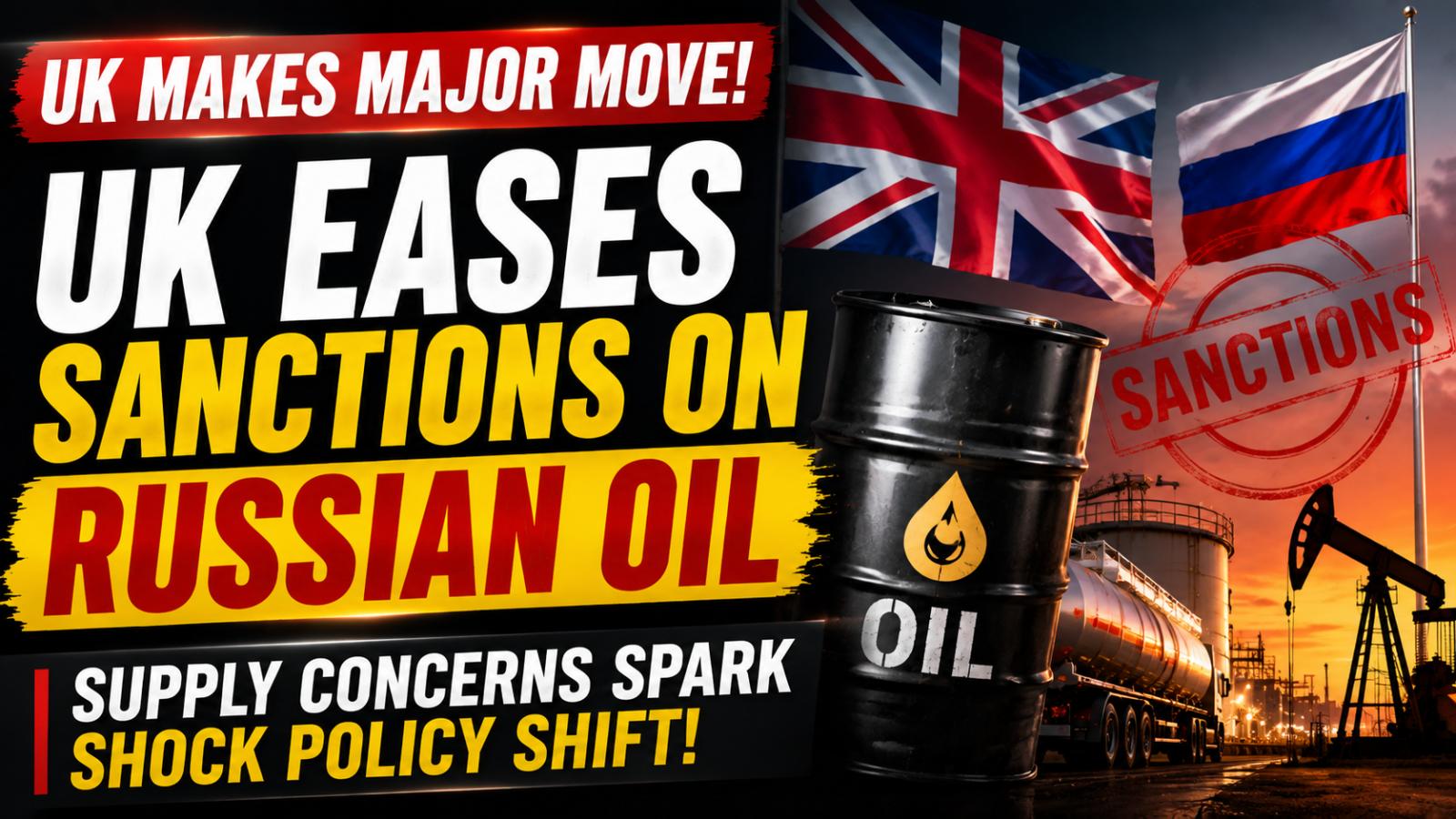
Trump Administration Reverses Russian Oil Sanctions Waiver Decision
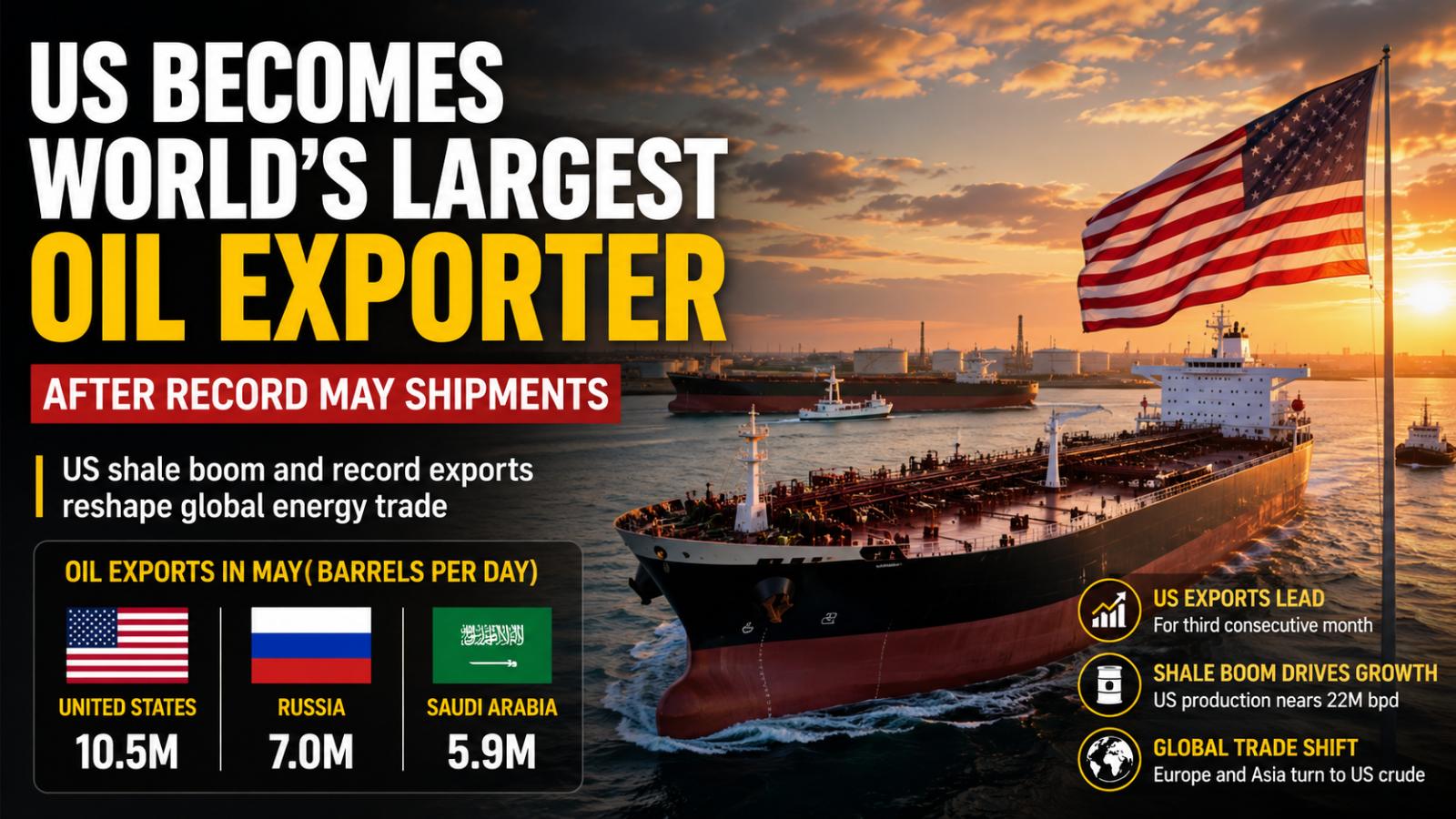
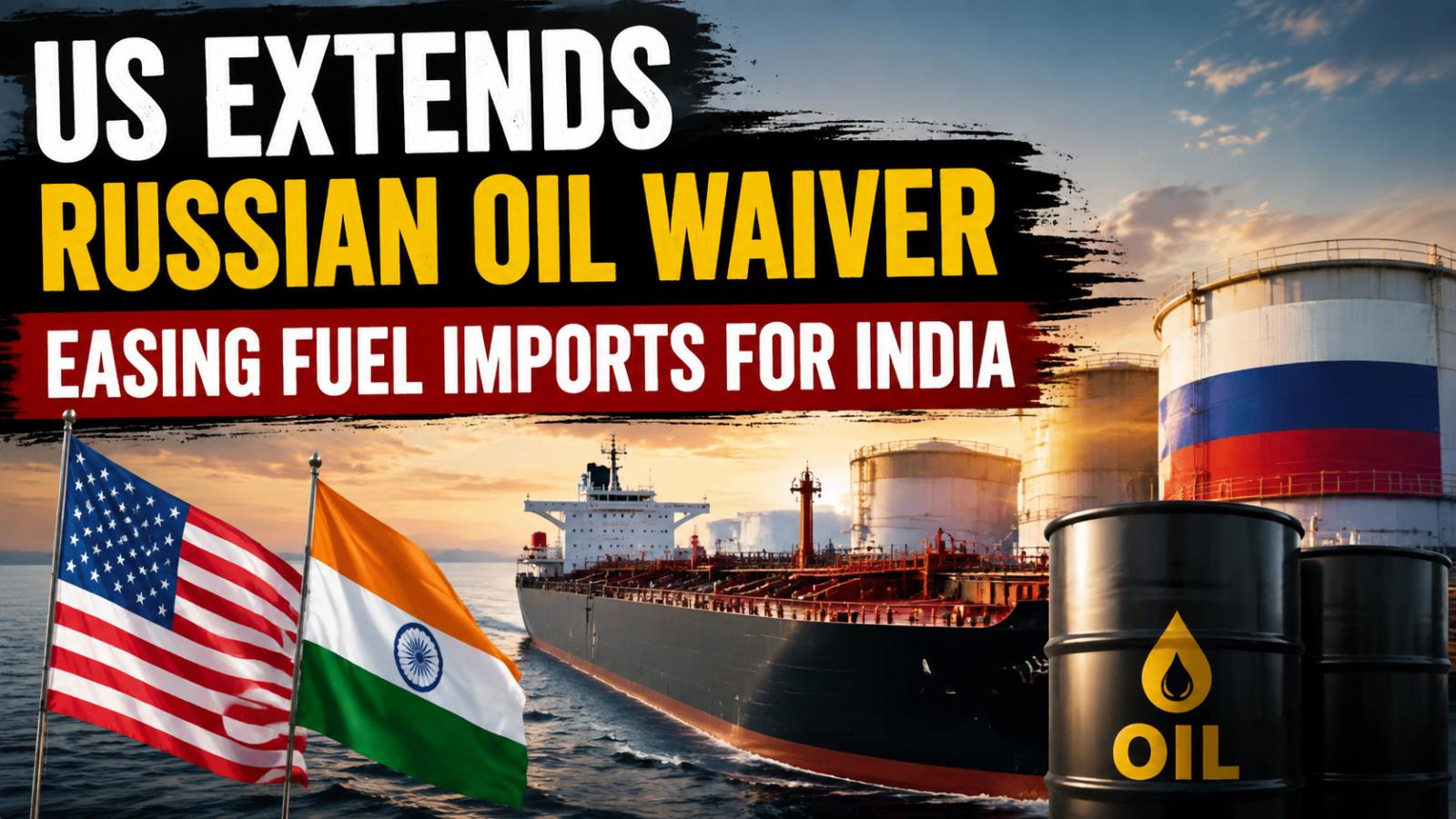
The United States has issued a fresh month-long sanctions waiver permitting transactions involving Russian crude oil already in transit, marking a notable policy reversal within days of signaling a stricter stance. The waiver allows purchases of oil loaded onto vessels as of April 17 to continue until May 16, providing limited flexibility to global buyers amid ongoing disruptions in the energy market. The decision comes shortly after earlier statements ruled out any extension, highlighting the pressure created by rising fuel costs and tightening supply conditions. With gasoline prices climbing and geopolitical tensions affecting key supply routes, the move reflects an effort to stabilize markets rather than signal a broader policy shift. Importantly, the waiver applies only to cargo already at sea and does not authorize new purchases, reinforcing its temporary and targeted nature. For India, one of the largest importers of Russian crude, the extension offers short-term operational relief. Russian supplies currently account for nearly 38 to 40 percent of India’s total crude imports, making them a critical component of the country’s energy mix. Given that India relies on imports for more than 88 percent of its energy needs, even minor disruptions can have significant economic implications. Indian refiners had previously indicated their intent to continue sourcing Russian oil regardless of external sanctions frameworks, emphasizing that energy procurement remains a sovereign decision. The waiver, however, reduces immediate logistical and financial uncertainties by ensuring smoother completion of shipments already underway. As geopolitical tensions continue to reshape global energy flows, the temporary waiver underscores the balancing act between policy objectives and market realities. For India, it reinforces the importance of maintaining diversified supply channels while navigating an increasingly complex international energy landscape.
Trump Administration Reverses Russian Oil Sanctions Waiver Decision
The United States has issued a fresh month-long sanctions waiver permitting transactions involving Russian crude oil already in transit, marking a notable policy reversal within days of signaling a stricter stance. The waiver allows purchases of oil loaded onto vessels as of April 17 to continue until May 16, providing limited flexibility to global buyers amid ongoing disruptions in the energy market. The decision comes shortly after earlier statements ruled out any extension, highlighting the pressure created by rising fuel costs and tightening supply conditions. With gasoline prices climbing and geopolitical tensions affecting key supply routes, the move reflects an effort to stabilize markets rather than signal a broader policy shift. Importantly, the waiver applies only to cargo already at sea and does not authorize new purchases, reinforcing its temporary and targeted nature. For India, one of the largest importers of Russian crude, the extension offers short-term operational relief. Russian supplies currently account for nearly 38 to 40 percent of India’s total crude imports, making them a critical component of the country’s energy mix. Given that India relies on imports for more than 88 percent of its energy needs, even minor disruptions can have significant economic implications. Indian refiners had previously indicated their intent to continue sourcing Russian oil regardless of external sanctions frameworks, emphasizing that energy procurement remains a sovereign decision. The waiver, however, reduces immediate logistical and financial uncertainties by ensuring smoother completion of shipments already underway. As geopolitical tensions continue to reshape global energy flows, the temporary waiver underscores the balancing act between policy objectives and market realities. For India, it reinforces the importance of maintaining diversified supply channels while navigating an increasingly complex international energy landscape.
How are U.S. oil blockades impacting global tensions? They raise risks with China and Russia
The United States has intensified its use of energy shipments as a foreign policy tool, launching parallel efforts aimed at Iran in the Middle East and Cuba in the Caribbean. Under President Donald Trump, a naval blockade targeting Iranian vessels in and around the Strait of Hormuz began on Monday, marking a significant escalation despite a ceasefire agreement reached on April 7 between regional actors. At the same time, Washington has imposed a de facto fuel blockade on Cuba, warn
How are U.S. oil blockades impacting global tensions? They raise risks with China and Russia
The United States has intensified its use of energy shipments as a foreign policy tool, launching parallel efforts aimed at Iran in the Middle East and Cuba in the Caribbean. Under President Donald Trump, a naval blockade targeting Iranian vessels in and around the Strait of Hormuz began on Monday, marking a significant escalation despite a ceasefire agreement reached on April 7 between regional actors. At the same time, Washington has imposed a de facto fuel blockade on Cuba, warn
India’s energy strategy remains unchanged after US sanctions waiver ends
India is set to continue importing Russian crude oil and Liquefied Petroleum Gas (LPG) even after the expiration of the 30-day sanctions waiver granted by the United States on April 11, 2026. Officials indicated that the country’s energy import strategy is guided by sovereign priorities and commercial considerations rather than external sanctions frameworks. Indian refineries are expected to maintain their existing procurement approach by sourcing supplies from non-sanctioned entities and c
India’s energy strategy remains unchanged after US sanctions waiver ends
India is set to continue importing Russian crude oil and Liquefied Petroleum Gas (LPG) even after the expiration of the 30-day sanctions waiver granted by the United States on April 11, 2026. Officials indicated that the country’s energy import strategy is guided by sovereign priorities and commercial considerations rather than external sanctions frameworks. Indian refineries are expected to maintain their existing procurement approach by sourcing supplies from non-sanctioned entities and c
Russia launches massive missile and drone attack on Ukraine, killing at least 16
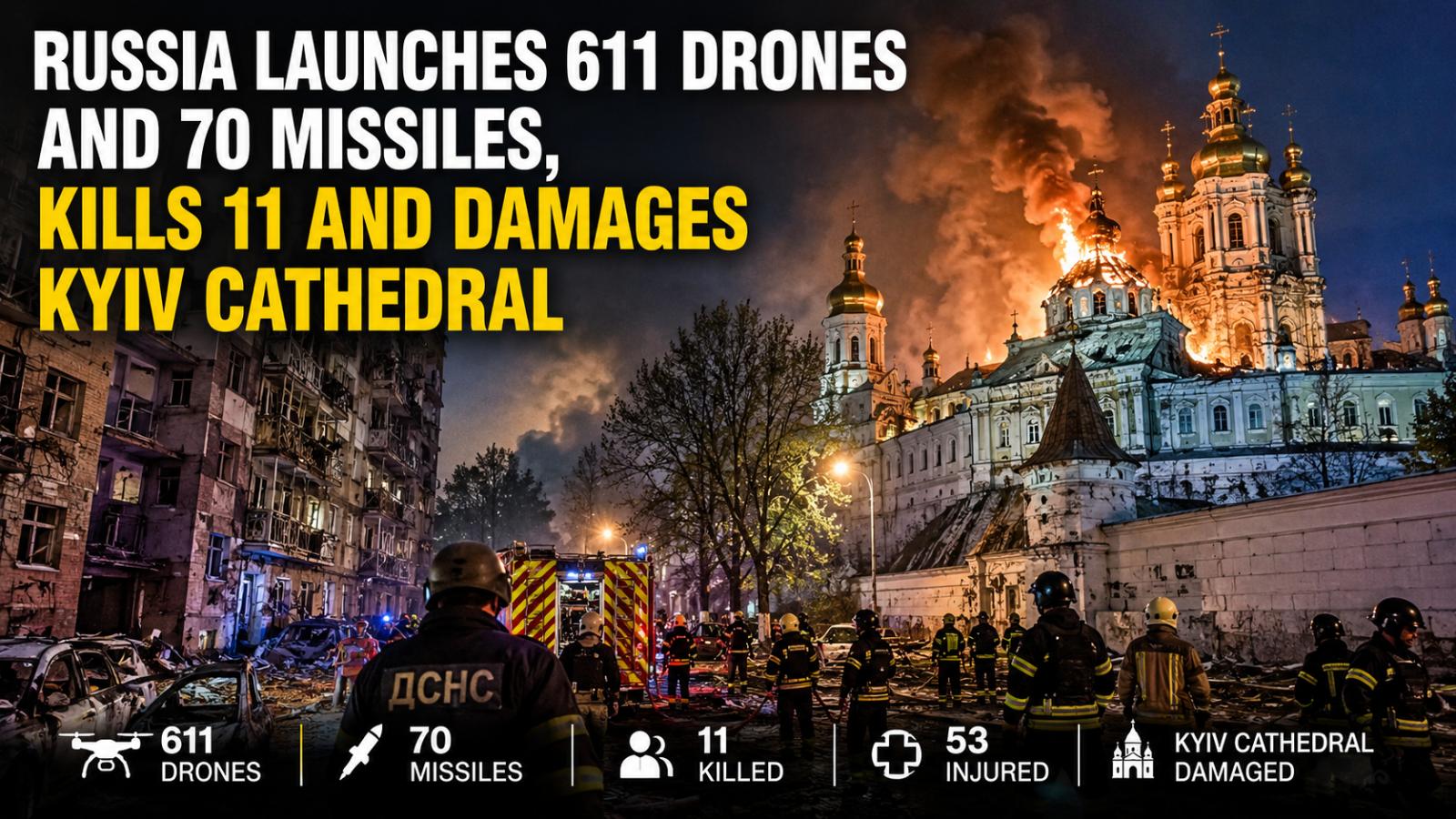
Russia launched one of its most intense aerial assaults of the year against Ukraine, firing a large number of missiles and drones in a coordinated attack that began overnight and continued into Thursday morning, April 16, 2026 (local time in Ukraine). Ukrainian officials reported that at least 16 people were killed and more than 100 others were injured in the strikes, marking a significant escalation following a brief Easter ceasefire between the two countries. According to
Russia launches massive missile and drone attack on Ukraine, killing at least 16
Russia launched one of its most intense aerial assaults of the year against Ukraine, firing a large number of missiles and drones in a coordinated attack that began overnight and continued into Thursday morning, April 16, 2026 (local time in Ukraine). Ukrainian officials reported that at least 16 people were killed and more than 100 others were injured in the strikes, marking a significant escalation following a brief Easter ceasefire between the two countries. According to