


















#sciencefacts
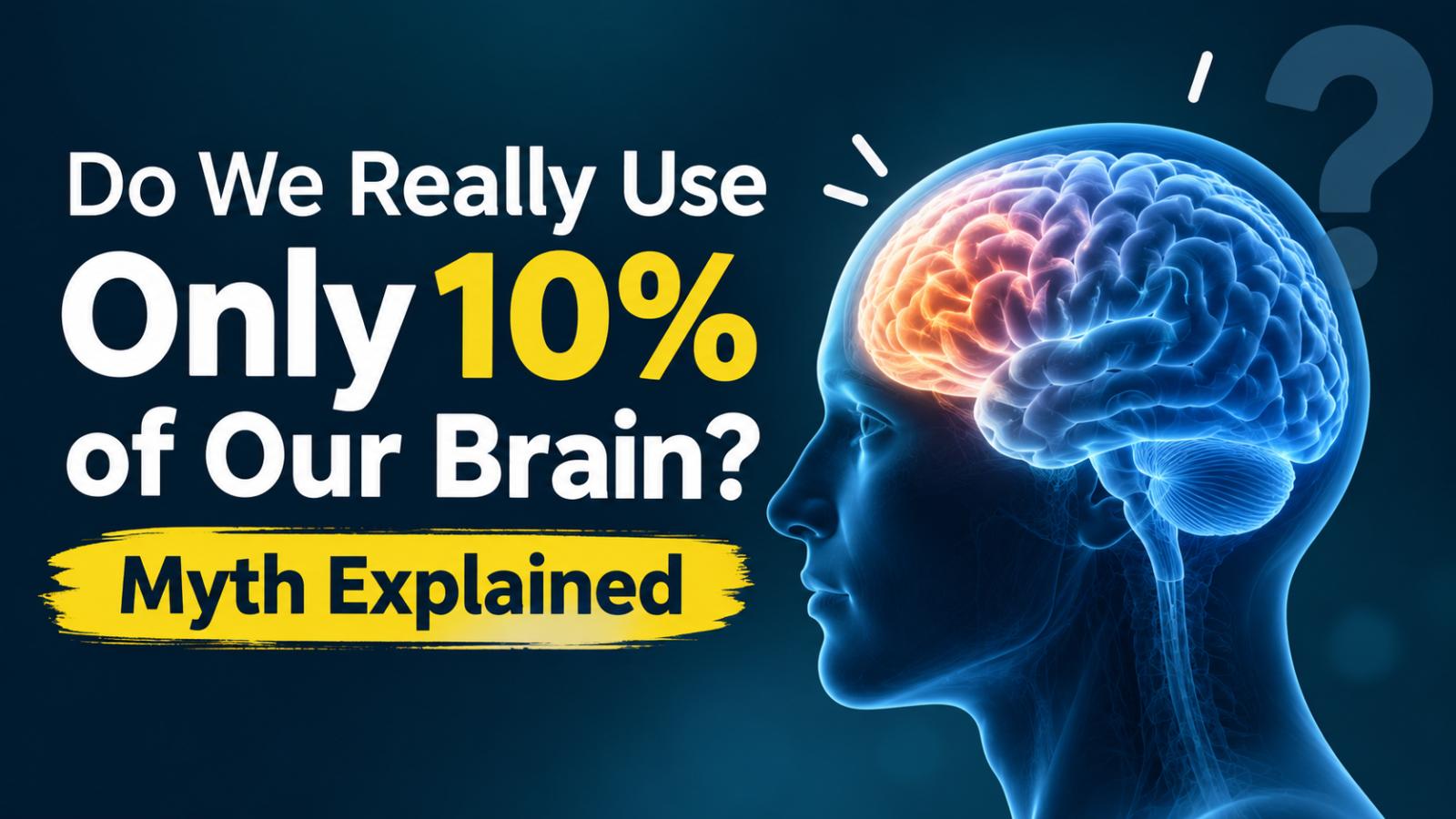
Do We Really Use Only 10% of Our Brain? Myth Explained
The idea that humans use only 10% of their brains has been repeated for decades in movies, motivational speeches and popular culture. It sounds exciting because it suggests that most of the brain remains unused and that people might unlock extraordinary abilities by accessing the remaining 90%. Modern neuroscience, however, does not support this claim. Different parts of the brain perform different functions, and brain activity changes depending on what a person is doing. Across a n
Do We Really Use Only 10% of Our Brain? Myth Explained
The idea that humans use only 10% of their brains has been repeated for decades in movies, motivational speeches and popular culture. It sounds exciting because it suggests that most of the brain remains unused and that people might unlock extraordinary abilities by accessing the remaining 90%. Modern neuroscience, however, does not support this claim. Different parts of the brain perform different functions, and brain activity changes depending on what a person is doing. Across a n
Australia’s Pink Wonder: The Science Behind Lake Hillier’s Unique Color
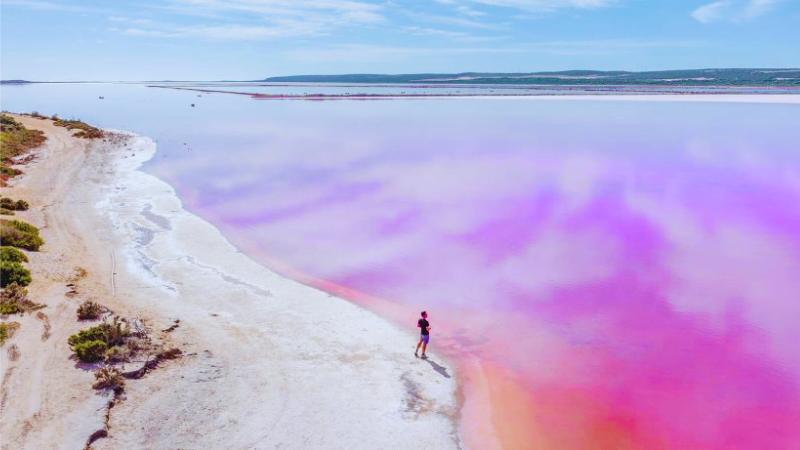
Lake Hillier is one of the world’s most fascinating natural wonders, renowned for its striking bubblegum-pink water. Located on Middle Island off the southern coast of Western Australia, the lake stands out vividly against the deep blue ocean and lush greenery that surround it. The lake’s unique pink hue is the result of microscopic organisms that
Australia’s Pink Wonder: The Science Behind Lake Hillier’s Unique Color
Lake Hillier is one of the world’s most fascinating natural wonders, renowned for its striking bubblegum-pink water. Located on Middle Island off the southern coast of Western Australia, the lake stands out vividly against the deep blue ocean and lush greenery that surround it. The lake’s unique pink hue is the result of microscopic organisms that


