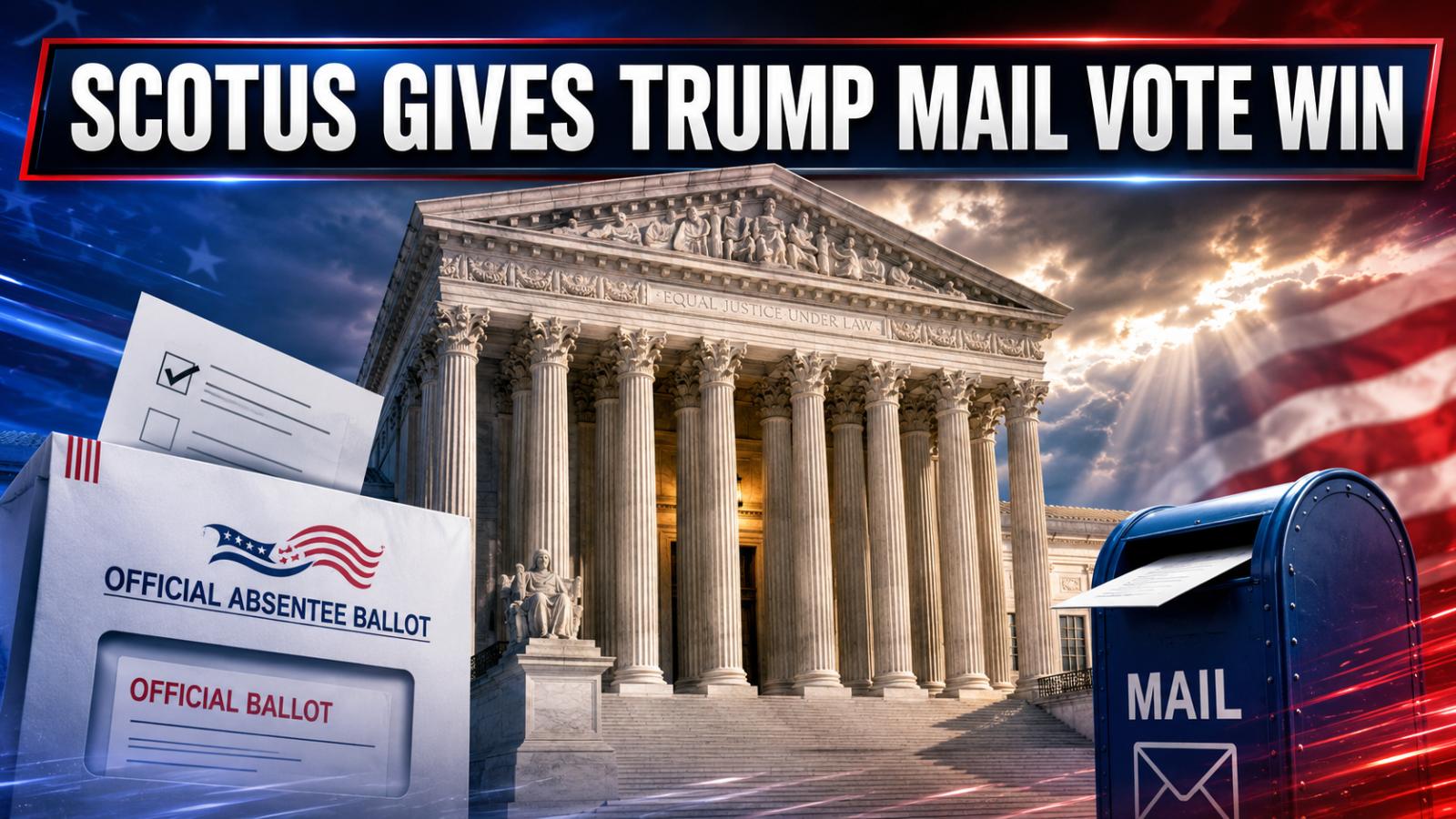
#scotus
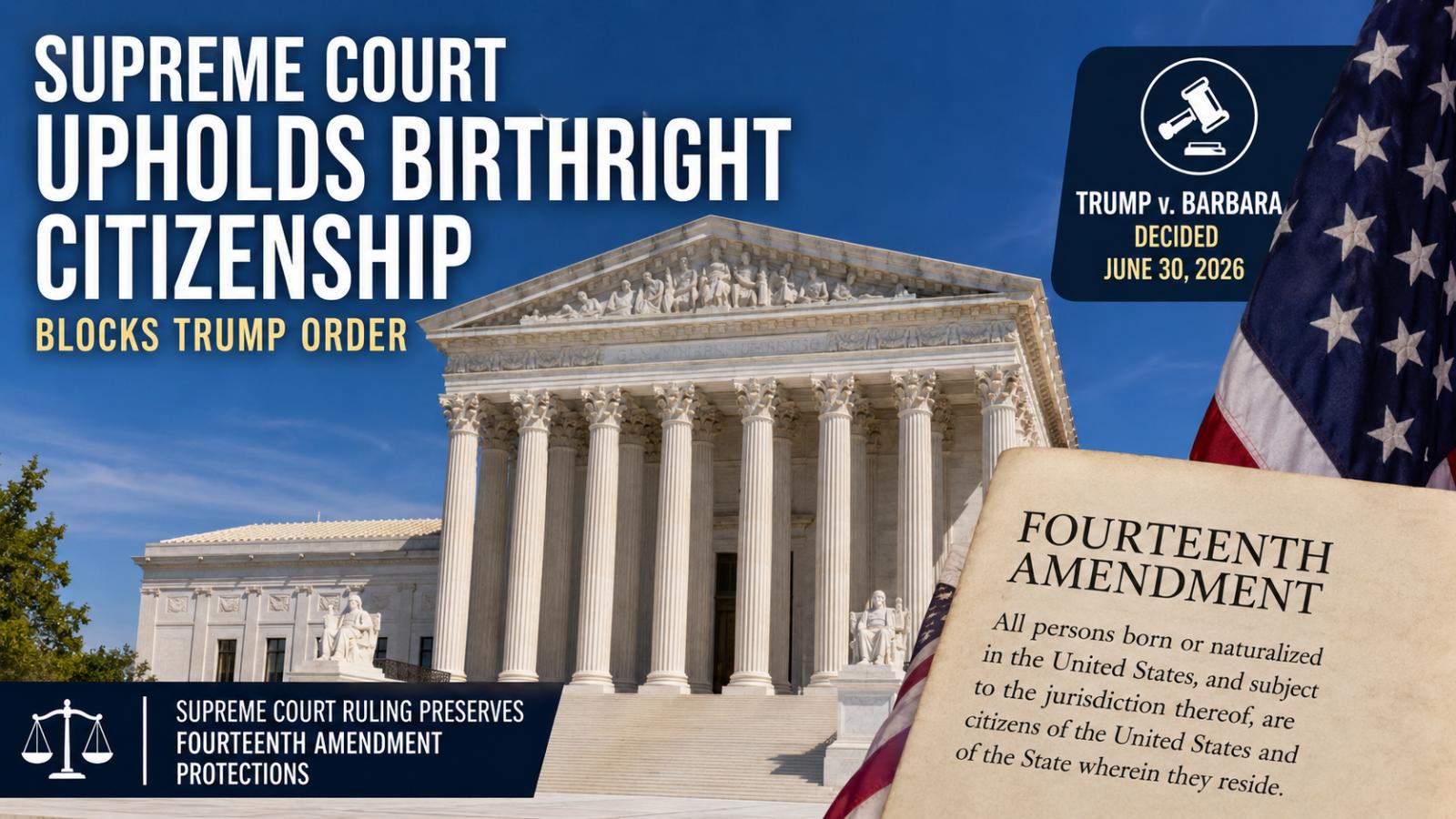
Trump v. Barbara Ruling: Supreme Court Protects Birthright Citizenship
The Trump v. Barbara ruling preserved automatic U.S. citizenship for nearly all children born on American soil. In a 6-3 decision issued Tuesday, June 30, 2026, the Supreme Court affirmed a lower-court judgment blocking President Donald Trump’s executive order. What the Trump v. Barbara ruling decided Chief Justice John Roberts wrote the court’s principal opinion, joined by Justices Sonia S
Trump v. Barbara Ruling: Supreme Court Protects Birthright Citizenship
The Trump v. Barbara ruling preserved automatic U.S. citizenship for nearly all children born on American soil. In a 6-3 decision issued Tuesday, June 30, 2026, the Supreme Court affirmed a lower-court judgment blocking President Donald Trump’s executive order. What the Trump v. Barbara ruling decided Chief Justice John Roberts wrote the court’s principal opinion, joined by Justices Sonia S
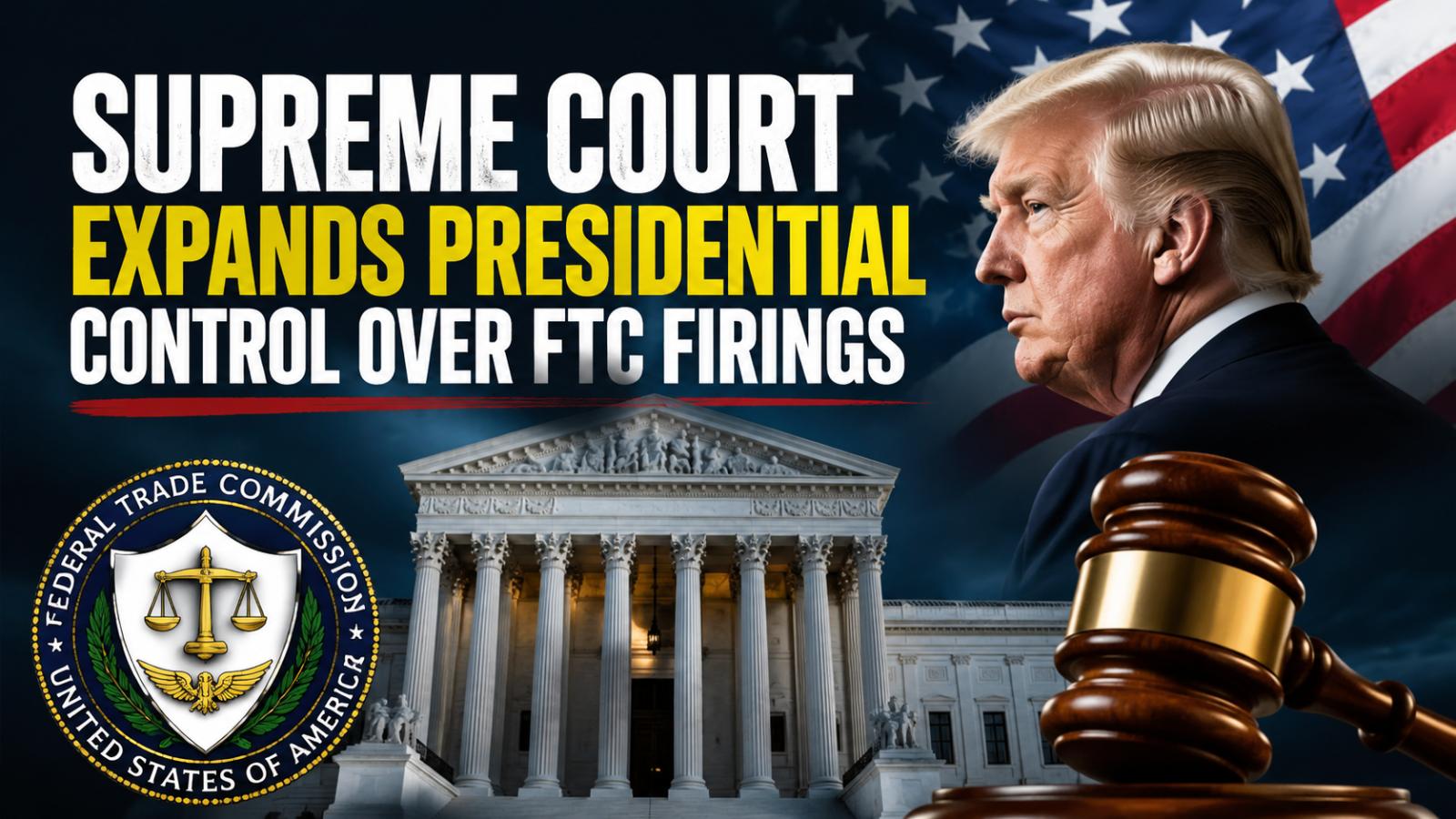
US Supreme Court expands presidential control over FTC firings
A major ruling from the US Supreme Court has redefined how much authority the president holds over independent federal agencies, including the Federal Trade Commission. In a closely watched 6–3 decision, the court concluded that certain protections preventing removal of agency officials without cause are inconsistent with the constitutional structure of executive power. The judgment effectively strengthens presidential oversight, allowing broader discretion in removing commissioners who exercise executive functions. Background of the FTC dismissal dispute The case arose after FTC commissioner Rebecca Slaughter was removed from her position without being given a formal reason tied to misconduct or inefficiency. She challenged the decision, arguing that the Federal Trade Commission Act of 1914 only permits removal under limited conditions such as neglect of duty or wrongdoing. Her legal team maintained that her dismissal violated statutory safeguards designed to protect agency independence. The dispute quickly escalated into a constitutional question about how far presidential authority extends over regulatory bodies. Court’s interpretation of executive authority Writing for the majority, Chief Justice John Roberts held that officials exercising executive power must remain accountable to the president. The court reasoned that insulating such officials from removal undermines the constitutional principle of a unified executive branch. As a result, the Federal Trade Commission’s structure was found to be partially incompatible with absolute “for cause” removal protection. The ruling split the court 6–3, with dissenting justices warning that the decision weakens institutional safeguards designed to prevent political interference in regulatory enforcement. Legal precedent and structural implications The decision revisits long-standing administrative law principles tied to earlier rulings that had supported limits on presidential removal power for independent agencies. By narrowing those protections, the court has opened the door for broader executive control over a range of federal commissions that previously operated with significant autonomy. Legal analysts expect the ruling to influence disputes involving multiple regulatory bodies beyond the FTC, particularly where commissioners have statutory job protections. Impact on independent agencies and governance The ruling could affect dozens of federal agencies that rely on “for cause” removal standards to maintain operational independence. These institutions, which include regulatory, labor, and enforcement bodies such as the Federal Trade Commission, may now face closer oversight from the White House. Supporters of the ruling argue it strengthens accountability and reduces bureaucratic insulation. Critics, however, warn it concentrates too much power in the executive branch and could weaken regulatory neutrality. Political reactions and dissenting views Former President Donald Trump welcomed the decision, describing it as a significant reinforcement of presidential authority over federal institutions. In contrast, Justice Sonia Sotomayor issued a strong dissent, arguing that the ruling undermines structural protections that prevent excessive executive control over independent agencies. The decision is expected to remain a key reference point in future constitutional debates on the balance of power between the presidency and regulatory institutions.
US Supreme Court expands presidential control over FTC firings
A major ruling from the US Supreme Court has redefined how much authority the president holds over independent federal agencies, including the Federal Trade Commission. In a closely watched 6–3 decision, the court concluded that certain protections preventing removal of agency officials without cause are inconsistent with the constitutional structure of executive power. The judgment effectively strengthens presidential oversight, allowing broader discretion in removing commissioners who exercise executive functions. Background of the FTC dismissal dispute The case arose after FTC commissioner Rebecca Slaughter was removed from her position without being given a formal reason tied to misconduct or inefficiency. She challenged the decision, arguing that the Federal Trade Commission Act of 1914 only permits removal under limited conditions such as neglect of duty or wrongdoing. Her legal team maintained that her dismissal violated statutory safeguards designed to protect agency independence. The dispute quickly escalated into a constitutional question about how far presidential authority extends over regulatory bodies. Court’s interpretation of executive authority Writing for the majority, Chief Justice John Roberts held that officials exercising executive power must remain accountable to the president. The court reasoned that insulating such officials from removal undermines the constitutional principle of a unified executive branch. As a result, the Federal Trade Commission’s structure was found to be partially incompatible with absolute “for cause” removal protection. The ruling split the court 6–3, with dissenting justices warning that the decision weakens institutional safeguards designed to prevent political interference in regulatory enforcement. Legal precedent and structural implications The decision revisits long-standing administrative law principles tied to earlier rulings that had supported limits on presidential removal power for independent agencies. By narrowing those protections, the court has opened the door for broader executive control over a range of federal commissions that previously operated with significant autonomy. Legal analysts expect the ruling to influence disputes involving multiple regulatory bodies beyond the FTC, particularly where commissioners have statutory job protections. Impact on independent agencies and governance The ruling could affect dozens of federal agencies that rely on “for cause” removal standards to maintain operational independence. These institutions, which include regulatory, labor, and enforcement bodies such as the Federal Trade Commission, may now face closer oversight from the White House. Supporters of the ruling argue it strengthens accountability and reduces bureaucratic insulation. Critics, however, warn it concentrates too much power in the executive branch and could weaken regulatory neutrality. Political reactions and dissenting views Former President Donald Trump welcomed the decision, describing it as a significant reinforcement of presidential authority over federal institutions. In contrast, Justice Sonia Sotomayor issued a strong dissent, arguing that the ruling undermines structural protections that prevent excessive executive control over independent agencies. The decision is expected to remain a key reference point in future constitutional debates on the balance of power between the presidency and regulatory institutions.
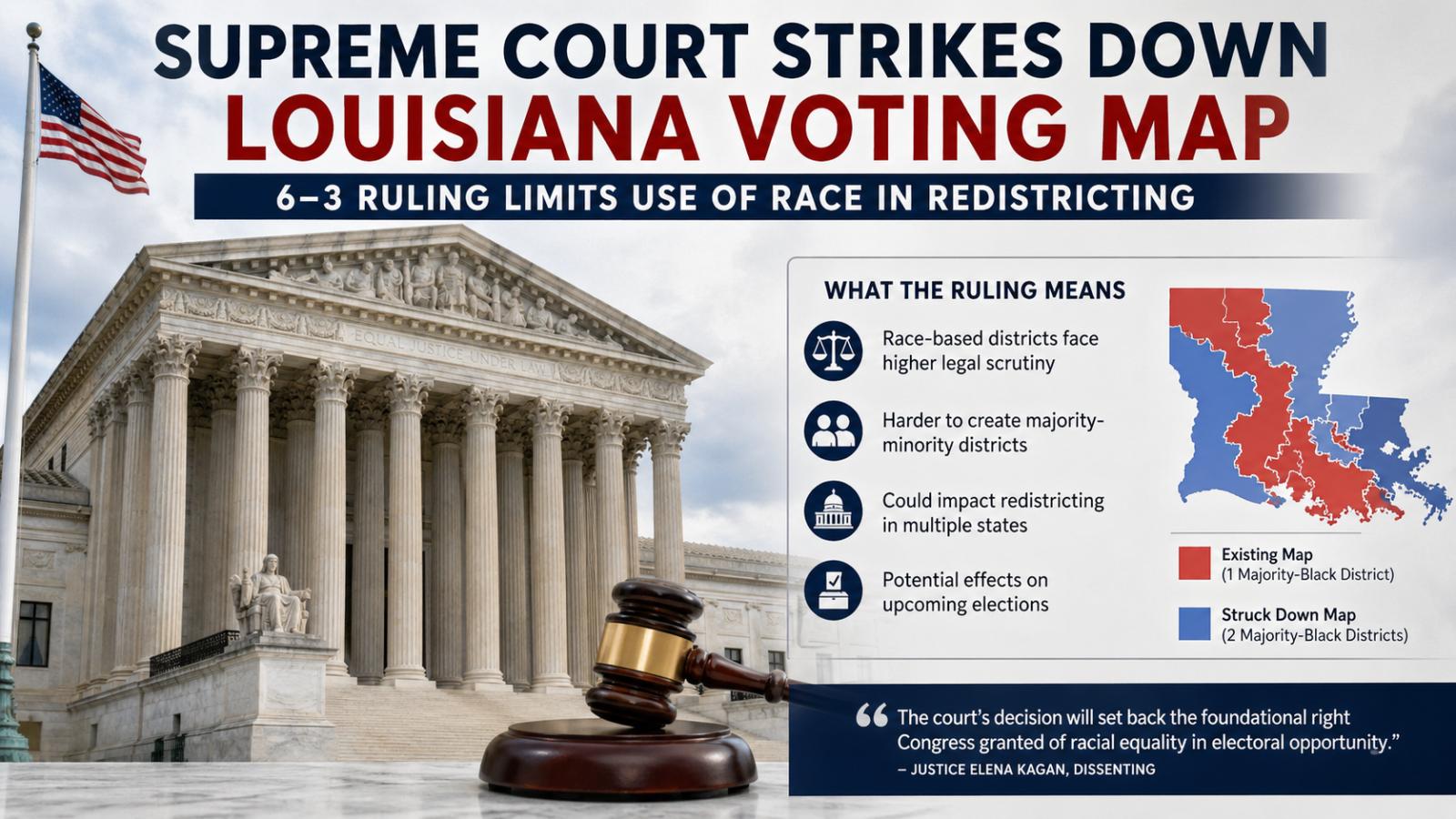
What did the Supreme Court decide on Louisiana’s voting map? A 6–3 ruling limits race-based districts
Supreme Court redefines limits on race in redistricting The Supreme Court of the United States issued a 6–3 ruling on Wednesday, April 29, 2026, striking down Louisiana’s congressional voting map and finding that lawmakers had improperly used race in drawing a second majority-Black district. In the majority opinion, Justice
What did the Supreme Court decide on Louisiana’s voting map? A 6–3 ruling limits race-based districts
Supreme Court redefines limits on race in redistricting The Supreme Court of the United States issued a 6–3 ruling on Wednesday, April 29, 2026, striking down Louisiana’s congressional voting map and finding that lawmakers had improperly used race in drawing a second majority-Black district. In the majority opinion, Justice
US Supreme Court questions legality of Trump’s global tariffs, India watches closely
The United States Supreme Court has signaled strong skepticism toward former President Donald Trump’s use of emergency powers to impose sweeping global tariffs, raising the possibility that one of his most controversial trade measures could soon face major curbs. The case, which centers on Trump’s invocation of the International Emergency Economic Powers Act (IEEPA), could redefine the limits of presidential authority in shaping US trade policy. For India, which bore the brunt of several
US Supreme Court questions legality of Trump’s global tariffs, India watches closely
The United States Supreme Court has signaled strong skepticism toward former President Donald Trump’s use of emergency powers to impose sweeping global tariffs, raising the possibility that one of his most controversial trade measures could soon face major curbs. The case, which centers on Trump’s invocation of the International Emergency Economic Powers Act (IEEPA), could redefine the limits of presidential authority in shaping US trade policy. For India, which bore the brunt of several