#shell
Early petrol retail system in colonial India explained
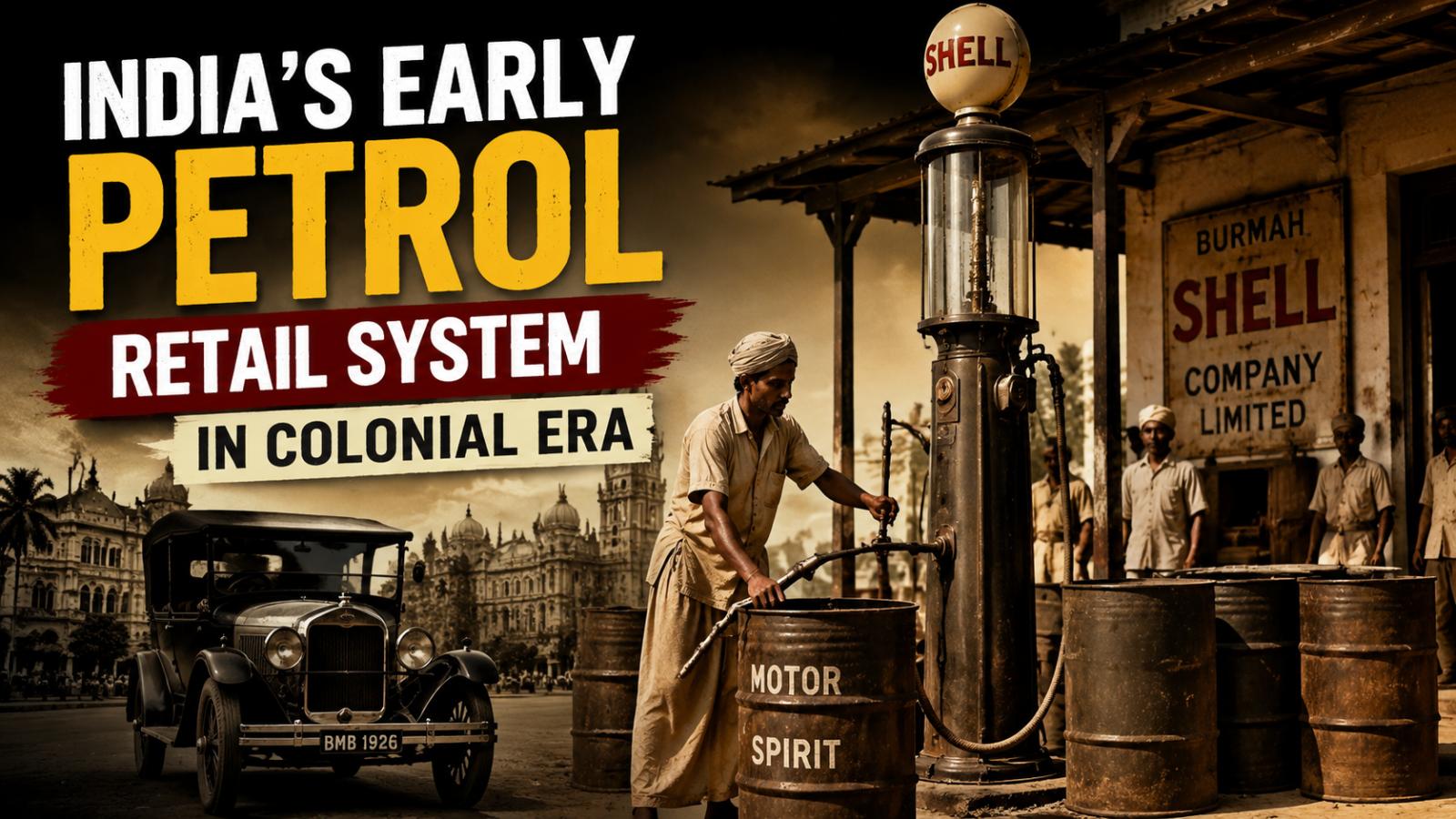
India’s early petrol retail system began in the early 1920s during the British colonial period when automobiles were still a rare luxury. The petrol retail system in colonial India first appeared in major cities like Bombay (Mumbai) and Calcutta (Kolkata). At that time, there were no modern fuel stations, and petrol was supplied through depots, barrels, and basic manual systems. This early structure marked the foundation of the petrol retail system in colonial India and served only a limited group of users. Dependence on imported fuel sources During this period, India had very limited oil production. Most petrol was imported through the British imperial trade network. The imported oil came mainly from Burma, Persia, and other oil-producing regions under British control. This imported oil system made India heavily dependent on external sources for fuel supply. The oil import system played a key role in shaping how early petrol retail operations functioned across cities. Role of burmah shell in fuel distribution One of the major companies involved was Burmah Shell, which managed fuel storage and distribution across urban centers. Burmah Shell India operated depots and controlled the supply chain in key regions. These early fuel depots were not modern petrol pumps but organized colonial-era storage and distribution points. The company played a central role in shaping early fuel retail operations and expanding access in cities. Manual petrol pumps and basic technology Early petrol stations used manual petrol pump systems instead of modern electric dispensers. Fuel was moved using hand-operated pumps or gravity-fed systems from barrels into containers or vehicles. Workers had to physically operate the system, making the process slow and labor-intensive. This manual petrol pump system represented the early stage of fuel retail evolution in India. Limited access and elite vehicle ownership Vehicle ownership during the colonial period was extremely limited. Cars were mainly owned by British officials, princely rulers, and wealthy Indian elites. Because of this, petrol usage was also restricted to a small section of society. While there were no legal restrictions on petrol access, high costs and limited infrastructure made it inaccessible for the general population. Evolution towards modern petrol stations By the 1930s and 1940s, with increasing automobile usage, the petrol retail system began to evolve. Basic depots gradually transformed into structured petrol stations with better storage systems and improved dispensing technology. This transition marked the beginning of modern fuel retail development in India, leading to today’s automated petrol pump network.
Belmont Avenue Shell to Offer $1.99 Gas in Chicago Promotion
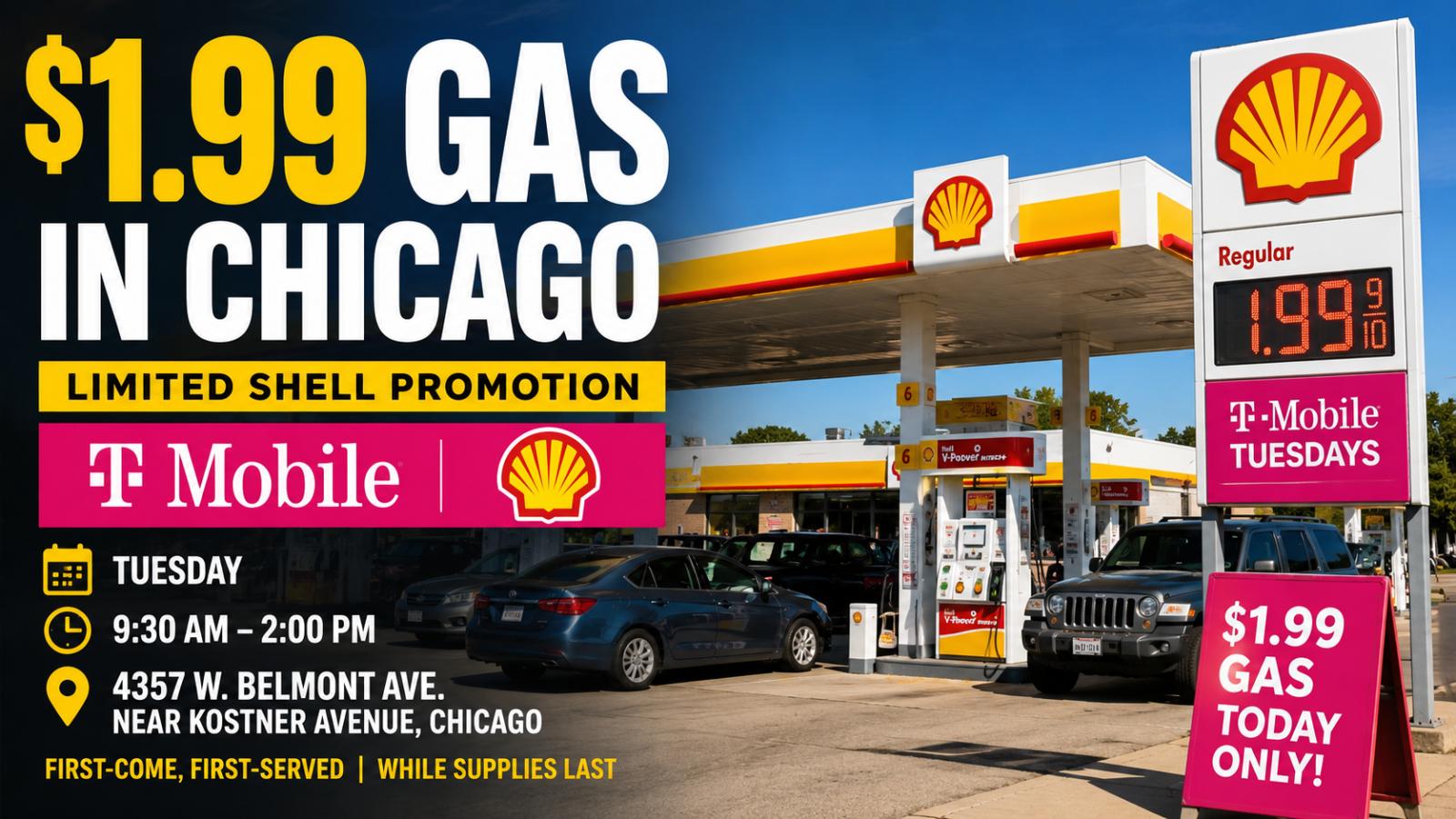
A Belmont Avenue Shell station in Chicago will offer $1.99 gas during a limited T-Mobile and Shell promotion on Tuesday. The discounted fuel will be available at the Shell station at 4357 W. Belmont Ave., near Kostner Avenue, from 9:30 AM to 2:00 PM. The specific calendar date for the Tuesday promotion was not provided in the available source information. Belmont Avenue Shell $1.99 Gas Promotion Details The pro
Sunnyvale Powerball Ticket Wins $481,655 at Shell Station
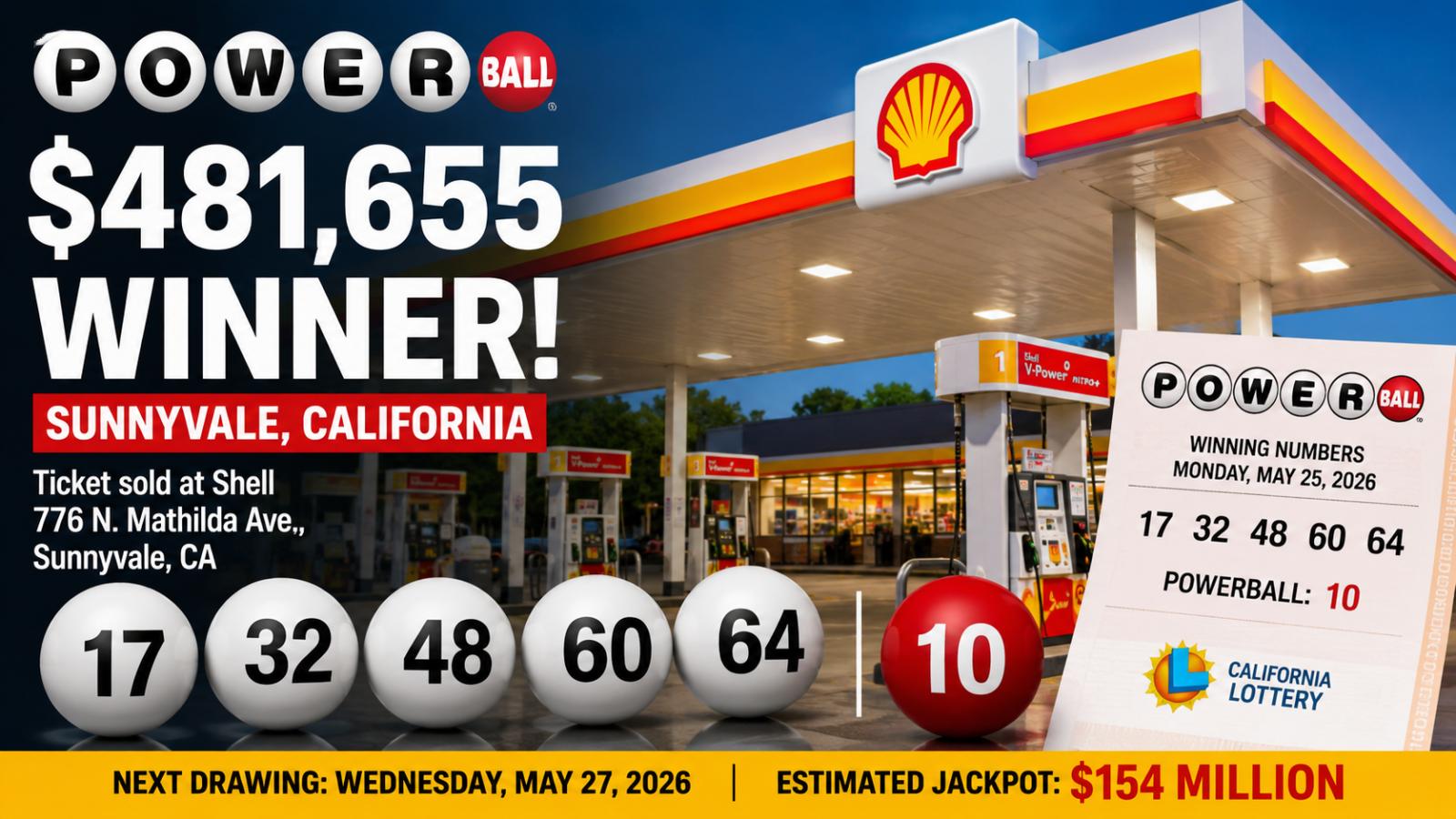
A Sunnyvale Powerball ticket won $481,655 after matching five numbers in the multistate lottery drawing held on Monday, May 25, 2026. The winning ticket was sold at the Shell gas station located at 776 North Mathilda Ave. in Sunnyvale, placing the nearly half-million-dollar prize in California’s South Bay region. Winning Numbers for May 25, 2026 Powerball Drawing Lottery officials sai
Shell Profits Jump 24% as Oil Prices Surge on Middle East Crisis
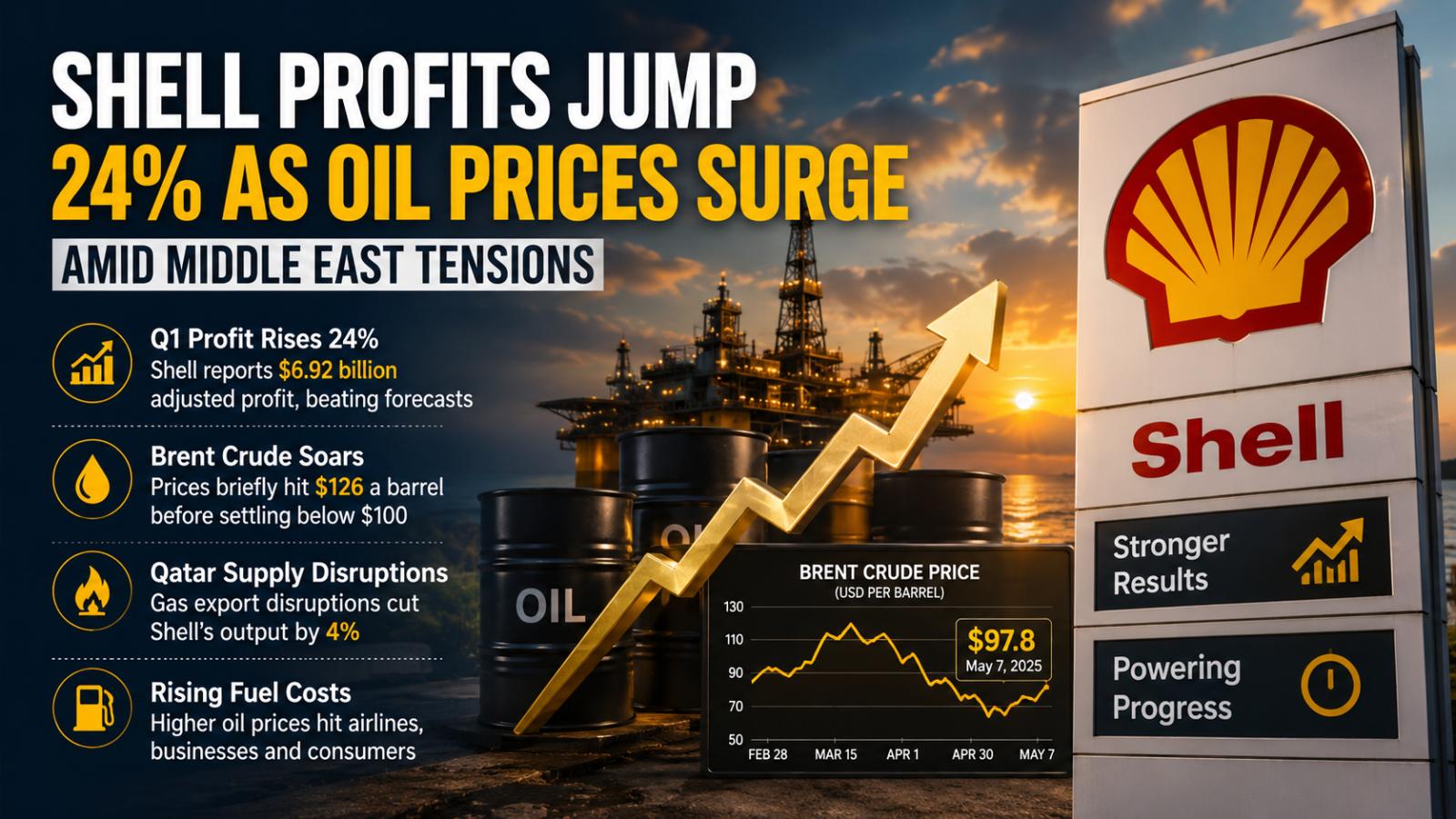
Shell Profits Rise as Oil Prices Surge Shell profits climbed sharply in the first quarter as oil prices surged during the Middle East conflict, helping the energy giant beat market expectations. The London-based company reported adjusted earnings of $6.92 billion, up 24% from a year earlier, as Brent crude volatility boosted oil trading, refining margins and energy market returns. Middle East Conflict Drives Energy Volatility
Houston Dynamo FC Lose 4-1 to Tigres UANL in Opening Match of 2025 Leagues Cup
Houston Dynamo FC opened their 2025 Leagues Cup campaign with a tough 4-1 defeat against Mexican powerhouse Tigres UANL on Tuesday night, July 29. The match took place at Shell Energy Stadium in front of a sell-out crowd of 21,792 passionate fans. Despite a promising start and an equalizer early in the second half, Dynamo could not hold back Tigres' dominant attack as the visitors pulled away late to secure a convincing victory.
PNB Scam Twist: Nehal Modi Held in US, Extradition Hearing Looms
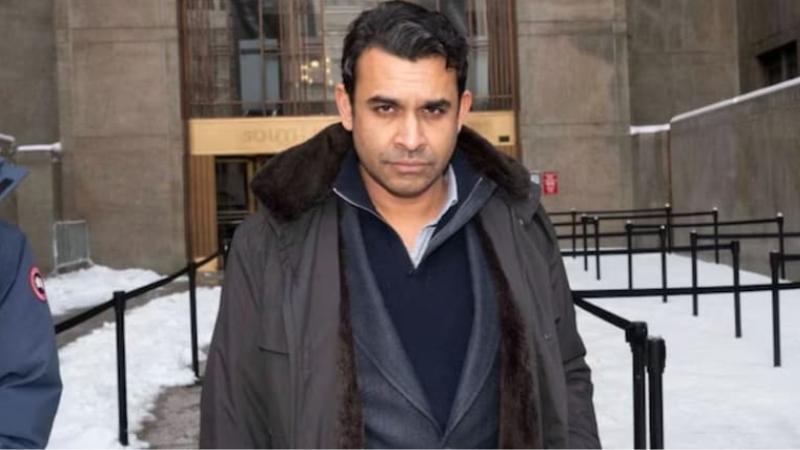
Nehal Modi, the younger brother of fugitive businessman Nirav Modi, has been arrested in the United States in connection with the ₹13,000 crore Punjab National Bank (PNB) scam, one of the largest banking frauds in India’s financial history. His arrest follows an Interpol Red Corner Notice and multiple extradition requests made by Indian authorities, specifically the Enforcement Directorate (ED) and the Central Bureau of Investigation (CBI). He was taken into custody by US authorities