
















#smarttransport
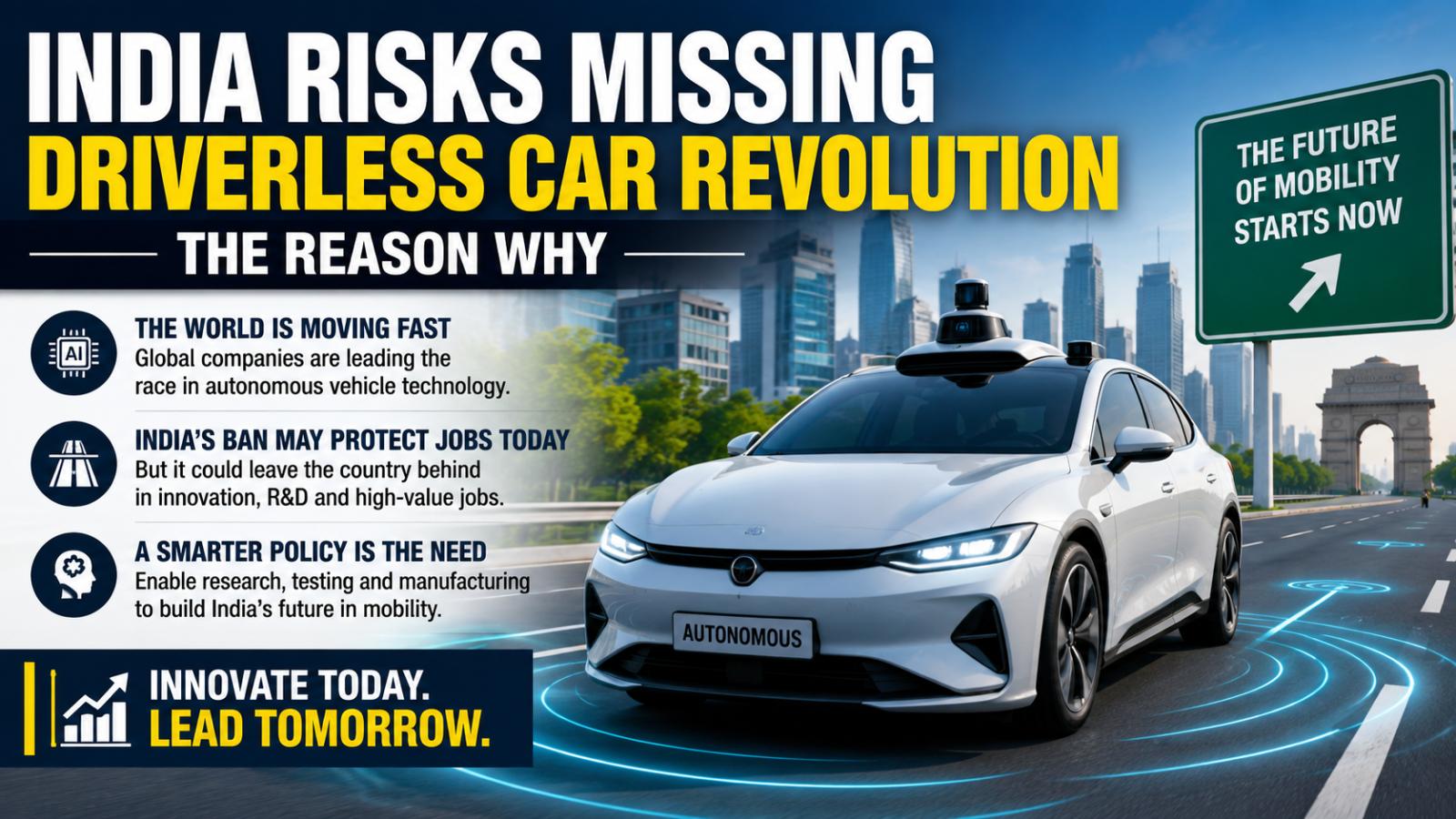
India Risks Missing Driverless Car Revolution Without Policy Support
Driverless cars are moving from concept to reality in many parts of the world. Autonomous cab services are already operating in select cities, and companies across the globe are investing heavily in self-driving technology. India, however, risks missing out on this fast-growing revolution if it continues to take a rigid stand against driverless vehicles. The concern is understandable. India has millions of people whose livelihoods depend on driving. A sudden entry of fully
India Risks Missing Driverless Car Revolution Without Policy Support
Driverless cars are moving from concept to reality in many parts of the world. Autonomous cab services are already operating in select cities, and companies across the globe are investing heavily in self-driving technology. India, however, risks missing out on this fast-growing revolution if it continues to take a rigid stand against driverless vehicles. The concern is understandable. India has millions of people whose livelihoods depend on driving. A sudden entry of fully
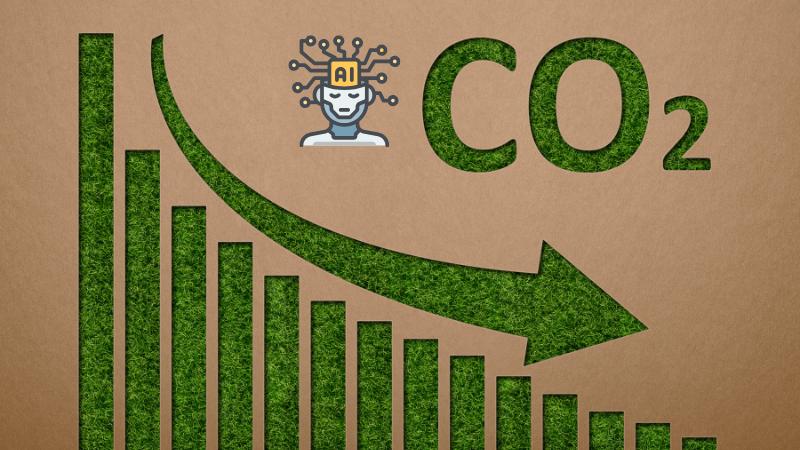
AI could cut global carbon emissions by up to 5.4 billion tonnes by 2035
Artificial intelligence could become a powerful ally in fighting climate change, helping to significantly reduce carbon emissions without forcing society to give up the comforts of modern living. A new study suggests that AI applications across just three major sectors—power generation, food production, and transportation—could collectively cut between 3.2 and 5.4 billion tonnes of greenhouse gas emissions annually by the year 2035. That potential reduction would vastl
AI could cut global carbon emissions by up to 5.4 billion tonnes by 2035
Artificial intelligence could become a powerful ally in fighting climate change, helping to significantly reduce carbon emissions without forcing society to give up the comforts of modern living. A new study suggests that AI applications across just three major sectors—power generation, food production, and transportation—could collectively cut between 3.2 and 5.4 billion tonnes of greenhouse gas emissions annually by the year 2035. That potential reduction would vastl


