






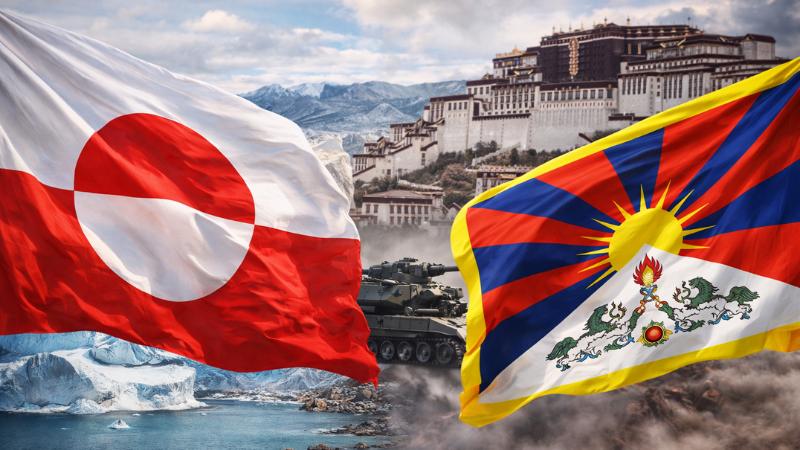











In the history of the post-Second World War era, Tibet stands as one of the most profound and painful examples of what can happen when a civilisation places its faith entirely in peace. For centuries, Tibet sought to build its identity not through conquest or military power, but through spiritual authority, discipline, and restraint. It believed that moral strength and inner balance could serve as a shield against external threats. That belief, however, proved tragically misplaced in a world whe