Ex US adviser Bolton admits guilt in illegal retention of secret files
Bolton pleads guilty in classified documents case John Bolton pleaded guilty in a federal court to unlawfully retaining classified materials, concluding a high-profile legal proceeding involving sensitive national security records. The admission came under a plea agreement with federal prosecutors after an earlier denial of the charges. When questioned by the judge, Bo
Ex US adviser Bolton admits guilt in illegal retention of secret files
Bolton pleads guilty in classified documents case John Bolton pleaded guilty in a federal court to unlawfully retaining classified materials, concluding a high-profile legal proceeding involving sensitive national security records. The admission came under a plea agreement with federal prosecutors after an earlier denial of the charges. When questioned by the judge, Bo
Rolls-Royce Eyes India Manufacturing Investment Under UK Pact
Rolls-Royce and India discussed deeper manufacturing investment, technology partnerships and an engine proposal tied to the country’s next-generation AMCA fighter program on Friday, June 26, 2026. The talks focused on how the India-UK Comprehensive Economic and Trade Agreement, or CETA, could support advanced manufacturing, engineering cooperation and more resilient supply chains. Rolls-Royce India Manufacturing Investment
Rolls-Royce Eyes India Manufacturing Investment Under UK Pact
Rolls-Royce and India discussed deeper manufacturing investment, technology partnerships and an engine proposal tied to the country’s next-generation AMCA fighter program on Friday, June 26, 2026. The talks focused on how the India-UK Comprehensive Economic and Trade Agreement, or CETA, could support advanced manufacturing, engineering cooperation and more resilient supply chains. Rolls-Royce India Manufacturing Investment
Beijing Plane Crash: Aircraft Reportedly Hits CITIC Tower
BEIJING — A small aircraft reportedly crashed into CITIC Tower in Beijing’s central business district at about 6:00 p.m. China Standard Time on Friday, June 26, 2026. The Beijing plane crash damaged part of the tower’s glass facade and sent debris toward streets below. The 108-story building, widely known as China Zun, stands 528 meters, or 1,732 feet, tall and is Beijing’s tallest skyscraper. Beijing Plane Crash Prompts Evacuation A fi
Beijing Plane Crash: Aircraft Reportedly Hits CITIC Tower
BEIJING — A small aircraft reportedly crashed into CITIC Tower in Beijing’s central business district at about 6:00 p.m. China Standard Time on Friday, June 26, 2026. The Beijing plane crash damaged part of the tower’s glass facade and sent debris toward streets below. The 108-story building, widely known as China Zun, stands 528 meters, or 1,732 feet, tall and is Beijing’s tallest skyscraper. Beijing Plane Crash Prompts Evacuation A fi
Early petrol retail system in colonial India explained
India’s early petrol retail system began in the early 1920s during the British colonial period when automobiles were still a rare luxury. The petrol retail system in colonial India first appeared in major cities like Bombay (Mumbai) and Calcutta (Kolkata). At that time, there were no modern fuel stations, and petrol was supplied through depots, barrels, and basic manual systems. This early structure marked the foundation of the petrol retail system in colonial India and served only a limited group of users. Dependence on imported fuel sources During this period, India had very limited oil production. Most petrol was imported through the British imperial trade network. The imported oil came mainly from Burma, Persia, and other oil-producing regions under British control. This imported oil system made India heavily dependent on external sources for fuel supply. The oil import system played a key role in shaping how early petrol retail operations functioned across cities. Role of burmah shell in fuel distribution One of the major companies involved was Burmah Shell, which managed fuel storage and distribution across urban centers. Burmah Shell India operated depots and controlled the supply chain in key regions. These early fuel depots were not modern petrol pumps but organized colonial-era storage and distribution points. The company played a central role in shaping early fuel retail operations and expanding access in cities. Manual petrol pumps and basic technology Early petrol stations used manual petrol pump systems instead of modern electric dispensers. Fuel was moved using hand-operated pumps or gravity-fed systems from barrels into containers or vehicles. Workers had to physically operate the system, making the process slow and labor-intensive. This manual petrol pump system represented the early stage of fuel retail evolution in India. Limited access and elite vehicle ownership Vehicle ownership during the colonial period was extremely limited. Cars were mainly owned by British officials, princely rulers, and wealthy Indian elites. Because of this, petrol usage was also restricted to a small section of society. While there were no legal restrictions on petrol access, high costs and limited infrastructure made it inaccessible for the general population. Evolution towards modern petrol stations By the 1930s and 1940s, with increasing automobile usage, the petrol retail system began to evolve. Basic depots gradually transformed into structured petrol stations with better storage systems and improved dispensing technology. This transition marked the beginning of modern fuel retail development in India, leading to today’s automated petrol pump network.
Early petrol retail system in colonial India explained
India’s early petrol retail system began in the early 1920s during the British colonial period when automobiles were still a rare luxury. The petrol retail system in colonial India first appeared in major cities like Bombay (Mumbai) and Calcutta (Kolkata). At that time, there were no modern fuel stations, and petrol was supplied through depots, barrels, and basic manual systems. This early structure marked the foundation of the petrol retail system in colonial India and served only a limited group of users. Dependence on imported fuel sources During this period, India had very limited oil production. Most petrol was imported through the British imperial trade network. The imported oil came mainly from Burma, Persia, and other oil-producing regions under British control. This imported oil system made India heavily dependent on external sources for fuel supply. The oil import system played a key role in shaping how early petrol retail operations functioned across cities. Role of burmah shell in fuel distribution One of the major companies involved was Burmah Shell, which managed fuel storage and distribution across urban centers. Burmah Shell India operated depots and controlled the supply chain in key regions. These early fuel depots were not modern petrol pumps but organized colonial-era storage and distribution points. The company played a central role in shaping early fuel retail operations and expanding access in cities. Manual petrol pumps and basic technology Early petrol stations used manual petrol pump systems instead of modern electric dispensers. Fuel was moved using hand-operated pumps or gravity-fed systems from barrels into containers or vehicles. Workers had to physically operate the system, making the process slow and labor-intensive. This manual petrol pump system represented the early stage of fuel retail evolution in India. Limited access and elite vehicle ownership Vehicle ownership during the colonial period was extremely limited. Cars were mainly owned by British officials, princely rulers, and wealthy Indian elites. Because of this, petrol usage was also restricted to a small section of society. While there were no legal restrictions on petrol access, high costs and limited infrastructure made it inaccessible for the general population. Evolution towards modern petrol stations By the 1930s and 1940s, with increasing automobile usage, the petrol retail system began to evolve. Basic depots gradually transformed into structured petrol stations with better storage systems and improved dispensing technology. This transition marked the beginning of modern fuel retail development in India, leading to today’s automated petrol pump network.
Passport Fees Hiked From July 1: Check New Charges
New Delhi, June 26: Passport applicants in India will have to pay higher fees from July 1, 2026, as the government has revised charges for fresh passports, reissues and replacement of lost or damaged passports. Under the revised rules, a fresh or reissued ordinary 36-page passport will cost Rs 2,500, while the Tatkal fee for the same category has been increased to Rs 5,000.  
Passport Fees Hiked From July 1: Check New Charges
New Delhi, June 26: Passport applicants in India will have to pay higher fees from July 1, 2026, as the government has revised charges for fresh passports, reissues and replacement of lost or damaged passports. Under the revised rules, a fresh or reissued ordinary 36-page passport will cost Rs 2,500, while the Tatkal fee for the same category has been increased to Rs 5,000.  
Muharram 2026: Meaning, History, Significance of Ashura & Islamic New Year
What Does Muharram Mean? The word "Muharram" comes from the Arabic term "Al-Muharram," which means "forbidden" or "sacred." The month derives its name from the prohibition of warfare and bloodshed during this sacred period. Islam recognizes four sacred months in the lunar calendar: Muharram Rajab Dhul Qa'dah Dhul Hijjah These months are considered especially holy, and Muslims are encour
Muharram 2026: Meaning, History, Significance of Ashura & Islamic New Year
What Does Muharram Mean? The word "Muharram" comes from the Arabic term "Al-Muharram," which means "forbidden" or "sacred." The month derives its name from the prohibition of warfare and bloodshed during this sacred period. Islam recognizes four sacred months in the lunar calendar: Muharram Rajab Dhul Qa'dah Dhul Hijjah These months are considered especially holy, and Muslims are encour
Public sentiment shifts as US founders poll shows concern
A recent Gallup survey points to a noticeable shift in how Americans view the country’s long-term direction. A large majority of respondents believe the original founders of the United States would not be satisfied with how the nation has developed as it moves closer to 250 years of independence. The findings highlight a broader sense of uncertainty around civic direction and institutional confidence. Strong majority signals dissatisfaction According to the survey results, roughly 77% of adults feel that the nation has drifted away from the principles associated with its founding era. Only a small portion believe the founders would view the country positively today. The imbalance in responses reflects a clear dominance of dissatisfaction rather than divided optimism. Political identity shapes perception The responses vary significantly depending on political affiliation. People aligned with Republican views show relatively higher optimism compared to others, while Democrats are more likely to express disappointment in current national conditions. Independent respondents fall between the two groups, but overall sentiment across all categories leans toward concern rather than approval. This suggests that dissatisfaction is not confined to a single ideological group but is spread across the spectrum. Younger adults show sharper criticism Age plays an equally important role in shaping opinions. Younger adults are more likely to question whether the country has fulfilled its founding ideals, while older groups tend to express slightly more confidence in national progress over time. This generational gap highlights a difference in expectations, with younger respondents showing lower trust in institutional outcomes. Mixed perception of national progress Despite the dominant view of disappointment, a portion of respondents still acknowledge measurable progress over time. Some believe the country has achieved at least a fair level of alignment with its founding principles, even if perfection remains out of reach. However, this recognition does not outweigh the broader concern reflected in the overall numbers. Broader implications of the findings The results point toward a country navigating contrasting perceptions of identity and progress. While historical pride remains present, it is increasingly accompanied by questions about direction, governance, and shared national values. The survey reflects not just political opinion, but a wider conversation about trust, expectations, and the future trajectory of American civic life.
Public sentiment shifts as US founders poll shows concern
A recent Gallup survey points to a noticeable shift in how Americans view the country’s long-term direction. A large majority of respondents believe the original founders of the United States would not be satisfied with how the nation has developed as it moves closer to 250 years of independence. The findings highlight a broader sense of uncertainty around civic direction and institutional confidence. Strong majority signals dissatisfaction According to the survey results, roughly 77% of adults feel that the nation has drifted away from the principles associated with its founding era. Only a small portion believe the founders would view the country positively today. The imbalance in responses reflects a clear dominance of dissatisfaction rather than divided optimism. Political identity shapes perception The responses vary significantly depending on political affiliation. People aligned with Republican views show relatively higher optimism compared to others, while Democrats are more likely to express disappointment in current national conditions. Independent respondents fall between the two groups, but overall sentiment across all categories leans toward concern rather than approval. This suggests that dissatisfaction is not confined to a single ideological group but is spread across the spectrum. Younger adults show sharper criticism Age plays an equally important role in shaping opinions. Younger adults are more likely to question whether the country has fulfilled its founding ideals, while older groups tend to express slightly more confidence in national progress over time. This generational gap highlights a difference in expectations, with younger respondents showing lower trust in institutional outcomes. Mixed perception of national progress Despite the dominant view of disappointment, a portion of respondents still acknowledge measurable progress over time. Some believe the country has achieved at least a fair level of alignment with its founding principles, even if perfection remains out of reach. However, this recognition does not outweigh the broader concern reflected in the overall numbers. Broader implications of the findings The results point toward a country navigating contrasting perceptions of identity and progress. While historical pride remains present, it is increasingly accompanied by questions about direction, governance, and shared national values. The survey reflects not just political opinion, but a wider conversation about trust, expectations, and the future trajectory of American civic life.
B-52 drag chute system and landing braking explained
The B-52 Stratofortress relies on a drag chute to help slow the aircraft immediately after touchdown. Instead of depending only on wheel brakes, the system deploys a parachute from the rear of the aircraft that creates strong air resistance. This resistance reduces speed quickly and stabilizes the landing rollout, especially important for such a large and heavy bomber. Why the aircraft needs extra braking support A fully loaded B-52 carries enormous mass and lands at high speeds, which naturally generates extreme heat and stress on its wheel braking system. If only standard brakes were used, stopping distance would increase significantly and brake components could overheat or wear out rapidly. The drag chute reduces this burden by absorbing a portion of the kinetic energy during rollout. How the system is activated during landing Once the aircraft touches down and is stable on the runway, the crew initiates the drag chute deployment. A small pilot chute is released first, which pulls out the main parachute from its housing in the tail section. As it inflates, it creates immediate drag force that slows the aircraft even before full brake pressure is applied on the wheels. Impact on runway distance and safety The chute significantly shortens the distance required to bring the bomber to a safe stop. This becomes especially valuable on wet, icy, or short runways where braking efficiency is reduced. By lowering reliance on friction-based braking alone, the system improves safety margins and allows more flexible landing operations in different environments. Operational use in real conditions In practice, crews often rely on the drag chute as a standard part of landing procedures because it protects the braking system and enhances control. It is particularly important during adverse weather conditions or high-weight landings. Ground teams then recover and repack the chute after use for the next mission. A system built for rapid nuclear response... Why the system is still relevant today Despite being designed decades ago, the drag chute remains an effective and simple solution to a complex problem: stopping a very heavy aircraft safely in limited runway space. Its continued use highlights how practical engineering solutions can stay valuable long after the aircraft itself enters modern service cycles.
B-52 drag chute system and landing braking explained
The B-52 Stratofortress relies on a drag chute to help slow the aircraft immediately after touchdown. Instead of depending only on wheel brakes, the system deploys a parachute from the rear of the aircraft that creates strong air resistance. This resistance reduces speed quickly and stabilizes the landing rollout, especially important for such a large and heavy bomber. Why the aircraft needs extra braking support A fully loaded B-52 carries enormous mass and lands at high speeds, which naturally generates extreme heat and stress on its wheel braking system. If only standard brakes were used, stopping distance would increase significantly and brake components could overheat or wear out rapidly. The drag chute reduces this burden by absorbing a portion of the kinetic energy during rollout. How the system is activated during landing Once the aircraft touches down and is stable on the runway, the crew initiates the drag chute deployment. A small pilot chute is released first, which pulls out the main parachute from its housing in the tail section. As it inflates, it creates immediate drag force that slows the aircraft even before full brake pressure is applied on the wheels. Impact on runway distance and safety The chute significantly shortens the distance required to bring the bomber to a safe stop. This becomes especially valuable on wet, icy, or short runways where braking efficiency is reduced. By lowering reliance on friction-based braking alone, the system improves safety margins and allows more flexible landing operations in different environments. Operational use in real conditions In practice, crews often rely on the drag chute as a standard part of landing procedures because it protects the braking system and enhances control. It is particularly important during adverse weather conditions or high-weight landings. Ground teams then recover and repack the chute after use for the next mission. A system built for rapid nuclear response... Why the system is still relevant today Despite being designed decades ago, the drag chute remains an effective and simple solution to a complex problem: stopping a very heavy aircraft safely in limited runway space. Its continued use highlights how practical engineering solutions can stay valuable long after the aircraft itself enters modern service cycles.
Iran proposal on shipping charges draws US criticism
A proposal linked to Iran suggesting charges on vessels passing through the Strait of Hormuz has triggered renewed international attention on one of the world’s most sensitive maritime corridors. The passage connects the Persian Gulf to open oceans and handles a major share of global crude oil shipments, making even minor policy changes capable of influencing energy markets. Proposed fee structure and stated objectives The idea under discussion involves introducing a structured fee system for ships using the route. The proposal frames the charges as payments for services such as navigation safety, maritime monitoring, and environmental management. Early estimates circulating in policy discussions suggest the mechanism could generate substantial annual revenue if implemented at scale. However, the concept also raises immediate legal and operational questions, particularly regarding jurisdiction over international waters and the practicality of enforcing such a system on heavily trafficked global shipping lanes. Regional outreach and diplomatic positioning Reports indicate that discussions around the proposal have included outreach to several regional and global stakeholders, including major energy-importing nations. The objective appears to be building support for a shared governance or cost-sharing model for maritime traffic management in the region. Some interpretations suggest the plan is part of a broader effort to increase regional leverage over strategic trade routes. Others view it as an attempt to formalize compensation mechanisms for security responsibilities in a highly militarized shipping corridor. International reaction and US opposition The proposal has drawn clear resistance from the United States, which maintains that key international waterways must remain free for unrestricted commercial passage. US officials argue that introducing toll-like systems could disrupt global supply chains and increase volatility in energy pricing. Concerns have also been raised by other maritime stakeholders who rely heavily on stable passage through the Strait of Hormuz for crude oil and liquefied natural gas transport. Any change in cost structure or transit policy is seen as having a direct impact on insurance premiums and shipping routes. Wider implications for global energy markets The debate comes at a time when global energy markets remain highly sensitive to geopolitical developments in the Gulf region. Even the perception of restricted access or added transit costs can influence oil price expectations and shipping risk assessments. Analysts note that the discussion highlights ongoing tensions between strategic control of critical chokepoints and the principle of open international navigation. The outcome of such proposals could shape future frameworks governing global energy transport corridors.
Iran proposal on shipping charges draws US criticism
A proposal linked to Iran suggesting charges on vessels passing through the Strait of Hormuz has triggered renewed international attention on one of the world’s most sensitive maritime corridors. The passage connects the Persian Gulf to open oceans and handles a major share of global crude oil shipments, making even minor policy changes capable of influencing energy markets. Proposed fee structure and stated objectives The idea under discussion involves introducing a structured fee system for ships using the route. The proposal frames the charges as payments for services such as navigation safety, maritime monitoring, and environmental management. Early estimates circulating in policy discussions suggest the mechanism could generate substantial annual revenue if implemented at scale. However, the concept also raises immediate legal and operational questions, particularly regarding jurisdiction over international waters and the practicality of enforcing such a system on heavily trafficked global shipping lanes. Regional outreach and diplomatic positioning Reports indicate that discussions around the proposal have included outreach to several regional and global stakeholders, including major energy-importing nations. The objective appears to be building support for a shared governance or cost-sharing model for maritime traffic management in the region. Some interpretations suggest the plan is part of a broader effort to increase regional leverage over strategic trade routes. Others view it as an attempt to formalize compensation mechanisms for security responsibilities in a highly militarized shipping corridor. International reaction and US opposition The proposal has drawn clear resistance from the United States, which maintains that key international waterways must remain free for unrestricted commercial passage. US officials argue that introducing toll-like systems could disrupt global supply chains and increase volatility in energy pricing. Concerns have also been raised by other maritime stakeholders who rely heavily on stable passage through the Strait of Hormuz for crude oil and liquefied natural gas transport. Any change in cost structure or transit policy is seen as having a direct impact on insurance premiums and shipping routes. Wider implications for global energy markets The debate comes at a time when global energy markets remain highly sensitive to geopolitical developments in the Gulf region. Even the perception of restricted access or added transit costs can influence oil price expectations and shipping risk assessments. Analysts note that the discussion highlights ongoing tensions between strategic control of critical chokepoints and the principle of open international navigation. The outcome of such proposals could shape future frameworks governing global energy transport corridors.
South Africa’s Remarkable FIFA World Cup Journey Ends in Historic Knockout Qualification
South Africa have written a new chapter in their football history after securing a place in the FIFA World Cup knockout stage for the very first time. Bafana Bafana defeated South Korea 1-0 in their final Group A match, completing one of the tournament's most inspiring turnaround stories. The achievement is even more remarkable considering the challenges South Africa faced before the competition began. Due to administrative issues and visa
South Africa’s Remarkable FIFA World Cup Journey Ends in Historic Knockout Qualification
South Africa have written a new chapter in their football history after securing a place in the FIFA World Cup knockout stage for the very first time. Bafana Bafana defeated South Korea 1-0 in their final Group A match, completing one of the tournament's most inspiring turnaround stories. The achievement is even more remarkable considering the challenges South Africa faced before the competition began. Due to administrative issues and visa
Karnataka Launches Praja Seva Department For Faster Public Services
Karnataka Unveils Praja Seva Department In Major Governance Reform In a significant move aimed at transforming public administration and enhancing service delivery, the Karnataka government has established a new Praja Seva Department by bringing together several key governance and citizen-service wings under one umbrella. The decision, approved by the state Cabinet and formalised through a government order issued on June 24, is being viewed as a major step towards b
Karnataka Launches Praja Seva Department For Faster Public Services
Karnataka Unveils Praja Seva Department In Major Governance Reform In a significant move aimed at transforming public administration and enhancing service delivery, the Karnataka government has established a new Praja Seva Department by bringing together several key governance and citizen-service wings under one umbrella. The decision, approved by the state Cabinet and formalised through a government order issued on June 24, is being viewed as a major step towards b
CM Vijay Launches 300 New Buses, Takes Ride Across Chennai
Tamil Nadu Adds 300 New Buses To Public Transport Fleet In a significant move aimed at strengthening public transportation services across Tamil Nadu, Chief Minister C Joseph Vijay on Thursday, June 25, 2026, inaugurated 300 new buses procured by the State Transport Corporation at an estimated cost of Rs 127.21 crore. The buses were flagged off from major transit hubs, including Kilambakkam and Koyambedu bus terminals in Chennai, and began operations immediately aft
CM Vijay Launches 300 New Buses, Takes Ride Across Chennai
Tamil Nadu Adds 300 New Buses To Public Transport Fleet In a significant move aimed at strengthening public transportation services across Tamil Nadu, Chief Minister C Joseph Vijay on Thursday, June 25, 2026, inaugurated 300 new buses procured by the State Transport Corporation at an estimated cost of Rs 127.21 crore. The buses were flagged off from major transit hubs, including Kilambakkam and Koyambedu bus terminals in Chennai, and began operations immediately aft
Europe heatwave intensifies as blocking system traps hot air
A strong and slow-moving atmospheric pattern is keeping large parts of Europe locked under unusually hot and dry conditions. The system is preventing cooler Atlantic air from entering the region, allowing heat to build up day after day. As a result, temperatures are climbing far above seasonal averages across Western and Central Europe, with multiple countries reporting prolonged heat stress rather than short heat spikes.
Europe heatwave intensifies as blocking system traps hot air
A strong and slow-moving atmospheric pattern is keeping large parts of Europe locked under unusually hot and dry conditions. The system is preventing cooler Atlantic air from entering the region, allowing heat to build up day after day. As a result, temperatures are climbing far above seasonal averages across Western and Central Europe, with multiple countries reporting prolonged heat stress rather than short heat spikes.
Passport, Aadhaar And Voter ID May Not Be Final Proof Of Indian Citizenship
The recent clarification that an Indian passport is not legally considered conclusive proof of citizenship has sparked widespread discussion and confusion among citizens. For decades, passports, Aadhaar cards and voter ID cards have been widely accepted as the primary documents that establish a person's identity and nationality. However, under India's legal framework, these documents may not always serve as final proof of citizenship in certain legal or administrative si
Passport, Aadhaar And Voter ID May Not Be Final Proof Of Indian Citizenship
The recent clarification that an Indian passport is not legally considered conclusive proof of citizenship has sparked widespread discussion and confusion among citizens. For decades, passports, Aadhaar cards and voter ID cards have been widely accepted as the primary documents that establish a person's identity and nationality. However, under India's legal framework, these documents may not always serve as final proof of citizenship in certain legal or administrative si
Mukesh Ambani Quote: Dhirubhai’s Lesson For Entrepreneurs
Mukesh Ambani’s quote on entrepreneurship shares a simple but powerful lesson from his father, Dhirubhai Ambani: those who want to build something of their own must learn to find their own way. The message continues to inspire young founders, business owners, and professionals aiming to take charge of their future. The quote, shared in a “Quote of the Day” context, highlights one of the most important principles behi
Mukesh Ambani Quote: Dhirubhai’s Lesson For Entrepreneurs
Mukesh Ambani’s quote on entrepreneurship shares a simple but powerful lesson from his father, Dhirubhai Ambani: those who want to build something of their own must learn to find their own way. The message continues to inspire young founders, business owners, and professionals aiming to take charge of their future. The quote, shared in a “Quote of the Day” context, highlights one of the most important principles behi
US NATO Tensions Rise as Trump Demands Loyalty From Allies
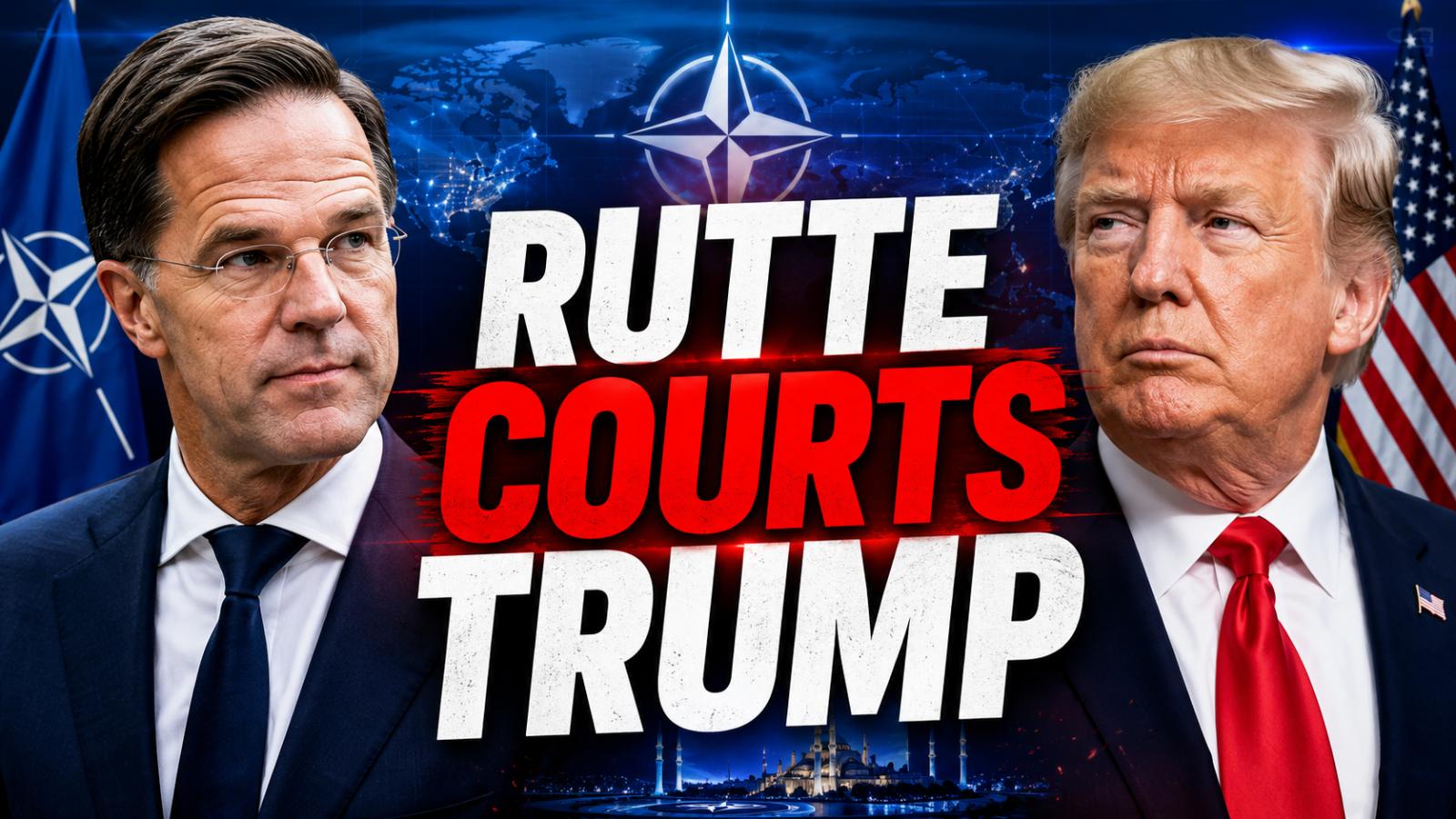
Trump Raises Concerns Over NATO Support During Iran Conflict US President Donald Trump has expressed strong criticism of several NATO allies, stating that they failed to adequately support the United States during its recent military confrontation involving Iran. Speaking during a meeting with NATO Secretary General Mark Rutte at the White House, Trump said he was dis
US NATO Tensions Rise as Trump Demands Loyalty From Allies
Trump Raises Concerns Over NATO Support During Iran Conflict US President Donald Trump has expressed strong criticism of several NATO allies, stating that they failed to adequately support the United States during its recent military confrontation involving Iran. Speaking during a meeting with NATO Secretary General Mark Rutte at the White House, Trump said he was dis
Maa Kamakhya Ambubachi Mela 2026
Maa Kamakhya Temple and Ambubachi Mela Observance Maa Kamakhya Temple in Guwahati, Assam, is one of the most revered Shakti Peeths in India and is globally known for the Ambubachi Mela. The event symbolizes the annual ritual associated with the Goddess Kamakhya and represents fertility, feminine power, and natural cycles. During this time, the temple follows a strict
Maa Kamakhya Ambubachi Mela 2026
Maa Kamakhya Temple and Ambubachi Mela Observance Maa Kamakhya Temple in Guwahati, Assam, is one of the most revered Shakti Peeths in India and is globally known for the Ambubachi Mela. The event symbolizes the annual ritual associated with the Goddess Kamakhya and represents fertility, feminine power, and natural cycles. During this time, the temple follows a strict
Cornell Tata Scholarship: Eligibility, Financial Aid and How to Apply
The Cornell Tata Scholarship provides need-based financial aid to eligible undergraduate students who attended secondary school in India. Applicants must gain admission to Cornell University, demonstrate financial need and complete the university’s required financial-aid process. Created through a $25 million endowment from the Tata Education and Development Trust, the program supports about 20 scholars at any one time and awards assistance annually.
Cornell Tata Scholarship: Eligibility, Financial Aid and How to Apply
The Cornell Tata Scholarship provides need-based financial aid to eligible undergraduate students who attended secondary school in India. Applicants must gain admission to Cornell University, demonstrate financial need and complete the university’s required financial-aid process. Created through a $25 million endowment from the Tata Education and Development Trust, the program supports about 20 scholars at any one time and awards assistance annually.
Ro Khanna Challenges Elon Musk to Debate DOGE Cuts, Lawsuit Threat
Ro Khanna challenged Elon Musk to a public debate after the billionaire threatened legal action over the California congressman’s criticism of DOGE spending cuts and their possible humanitarian consequences. The dispute intensified in Washington, D.C., on Monday, June 22, 2026, after Musk criticized Khanna on X, called him a liar and suggested that his comments could warrant legal or criminal consequences. Ro Khanna challenges Elon Musk over DOGE cuts


Ro Khanna Challenges Elon Musk to Debate DOGE Cuts, Lawsuit Threat
Ro Khanna challenged Elon Musk to a public debate after the billionaire threatened legal action over the California congressman’s criticism of DOGE spending cuts and their possible humanitarian consequences. The dispute intensified in Washington, D.C., on Monday, June 22, 2026, after Musk criticized Khanna on X, called him a liar and suggested that his comments could warrant legal or criminal consequences. Ro Khanna challenges Elon Musk over DOGE cuts


China Shenlong mission sparks debate after object release
A Chinese reusable spacecraft linked to the Shenlong program has triggered fresh global scrutiny after tracking data showed a separate object appearing in close proximity during its latest orbital phase. The event, observed in June 2026, has added new uncertainty around the nature of China’s secretive spaceplane operations. Tracking data reveals unexpected separation in orbit Independent space surveillance firm LeoLabs reported detection of a new object near the Shenlong spacecraft during routine orbital monitoring. The timing and proximity suggested a possible release or separation event from the main vehicle. The object was later incorporated into the US Space Force satellite catalog, allowing continued tracking through global space surveillance networks. What the Shenlong spaceplane is designed for Shenlong spaceplane is China’s experimental reusable orbital vehicle designed to launch via rocket and return to Earth like a conventional aircraft. The system is believed to support long-duration missions involving orbital testing, reconnaissance experiments, and reusable spacecraft technologies. It is often compared to the US X-37B program due to its similar operational profile and secrecy surrounding mission objectives. Launch background and mission profile The spacecraft associated with this mission was launched from the Jiuquan Satellite Launch Center aboard a Long March 2F rocket. Since launch, Chinese authorities have released minimal operational details, leaving external analysts to rely heavily on radar tracking, orbital behavior, and third-party observations to interpret mission activity. Why the object detection raised questions The appearance of a separate object in close orbital proximity has led analysts to consider several possibilities, including experimental deployment, satellite servicing tests, or controlled separation of hardware. While none of these scenarios have been confirmed, the pattern aligns with rendezvous and proximity operations (RPO), a capability used for inspecting or interacting with objects in space. Strategic implications and global monitoring The development is being closely monitored because RPO technology has dual-use applications. It can support peaceful maintenance missions but also enable advanced surveillance or counter-space capabilities. As a result, both US and international tracking systems continue to observe Shenlong missions for behavioral patterns that may indicate evolving strategic capabilities. Ongoing uncertainty around mission details Despite growing external analysis, no official clarification has been issued regarding the nature of the detected object. This lack of transparency keeps the mission under active observation, with each new orbital event contributing to broader assessments of China’s reusable spacecraft program and its long-term strategic direction.
China Shenlong mission sparks debate after object release
A Chinese reusable spacecraft linked to the Shenlong program has triggered fresh global scrutiny after tracking data showed a separate object appearing in close proximity during its latest orbital phase. The event, observed in June 2026, has added new uncertainty around the nature of China’s secretive spaceplane operations. Tracking data reveals unexpected separation in orbit Independent space surveillance firm LeoLabs reported detection of a new object near the Shenlong spacecraft during routine orbital monitoring. The timing and proximity suggested a possible release or separation event from the main vehicle. The object was later incorporated into the US Space Force satellite catalog, allowing continued tracking through global space surveillance networks. What the Shenlong spaceplane is designed for Shenlong spaceplane is China’s experimental reusable orbital vehicle designed to launch via rocket and return to Earth like a conventional aircraft. The system is believed to support long-duration missions involving orbital testing, reconnaissance experiments, and reusable spacecraft technologies. It is often compared to the US X-37B program due to its similar operational profile and secrecy surrounding mission objectives. Launch background and mission profile The spacecraft associated with this mission was launched from the Jiuquan Satellite Launch Center aboard a Long March 2F rocket. Since launch, Chinese authorities have released minimal operational details, leaving external analysts to rely heavily on radar tracking, orbital behavior, and third-party observations to interpret mission activity. Why the object detection raised questions The appearance of a separate object in close orbital proximity has led analysts to consider several possibilities, including experimental deployment, satellite servicing tests, or controlled separation of hardware. While none of these scenarios have been confirmed, the pattern aligns with rendezvous and proximity operations (RPO), a capability used for inspecting or interacting with objects in space. Strategic implications and global monitoring The development is being closely monitored because RPO technology has dual-use applications. It can support peaceful maintenance missions but also enable advanced surveillance or counter-space capabilities. As a result, both US and international tracking systems continue to observe Shenlong missions for behavioral patterns that may indicate evolving strategic capabilities. Ongoing uncertainty around mission details Despite growing external analysis, no official clarification has been issued regarding the nature of the detected object. This lack of transparency keeps the mission under active observation, with each new orbital event contributing to broader assessments of China’s reusable spacecraft program and its long-term strategic direction.