






Sachin Tendulkar Net Worth: The Quiet Power Behind Cricket’s Greatest Icon
Few names in world sport carry the weight of Sachin Tendulkar. When people search “Sachin Tendulkar net worth,” they aren’t chasing a number—they’re trying to understand how excellence, discipline, and trust turn into lasting wealth. As of 2026, his net worth is estimated at ₹1,400–₹1,500 crore, a figure built not on hype, but on decades of unmatched credibi
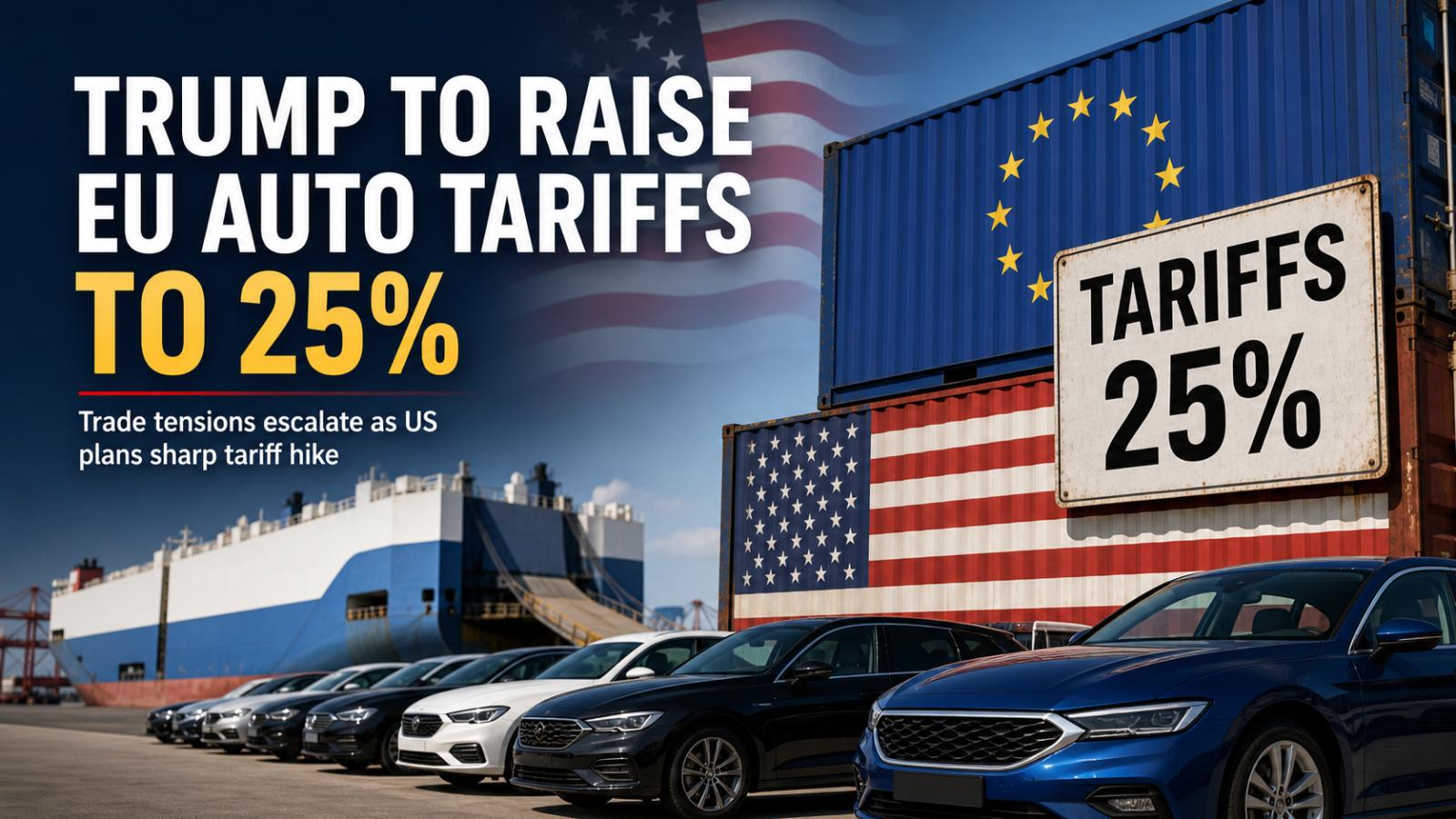
Will Trump raise EU auto tariffs to 25%? Yes, escalation risks trade tensions
Trump signals sharp increase in tariffs on EU vehicles WASHINGTON — On Friday, May 1, 2026, U.S. President Donald Trump announced plans to raise tariffs on cars and trucks imported from the European Union to 25%, signaling a significant shift in U.S.-EU trade policy. The move, shared publicly in a statement, comes at a time when global markets remain sensitive to policy changes and could trigger broader economic repercussions. Trump stated that the European Union was “not complying” with the previously agreed trade deal, though he did not provide specific details regarding the alleged violations. The announcement marks a departure from the earlier tariff framework negotiated between both sides. Background of the US-EU Turnberry trade framework The current dispute traces back to a bilateral agreement reached in July 2025 between Trump and Ursula von der Leyen, which set a 15% tariff ceiling on most traded goods. Known as the Turnberry Agreement, the arrangement aimed to stabilize trade relations and reduce uncertainty for industries on both sides of the Atlantic. Both the United States and the European Union had reaffirmed their commitment to maintaining this framework even after legal and policy challenges emerged earlier in 2026. Legal challenges reshape tariff authority The agreement’s stability was called into question after a ruling by the U.S. Supreme Court, which determined that the president lacked authority to impose tariffs under an economic emergency declaration. Following the ruling, tariff limits were effectively reduced, prompting the administration to explore alternative legal pathways to implement new import taxes. Ongoing investigations into trade imbalances and national security concerns have since been cited by the administration as justification for a revised tariff strategy, potentially putting the original agreement at risk. Economic stakes for EU and global markets The European Union has consistently emphasized the importance of maintaining agreed tariff limits, noting that the deal was expected to save its automotive sector between €500 million and €600 million monthly. Trade between the U.S. and EU reached approximately €1.7 trillion ($2 trillion) in 2024, highlighting the scale of economic interdependence. European officials have reiterated that commitments under the agreement should be upheld, stressing that EU exports must continue to benefit from competitive tariff treatment without unexpected increases. Rising tensions threaten trade stability The proposed tariff increase introduces fresh uncertainty into one of the world’s largest trading relationships. Analysts warn that such measures could disrupt supply chains, increase costs for manufacturers and consumers, and strain diplomatic ties. As the administration moves forward with its trade investigations, the future of the U.S.-EU trade framework remains uncertain, with potential implications extending beyond the automotive sector into the broader global economy.

Indian student’s death in Chicago highlights mental health and visa stress
A 26-year-old Indian student from Andhra Pradesh died by suicide in Chicago after struggling to find a job post-graduation. Facing financial pressure and emotional stress, he left messages before his death. A fundraiser is underway to support repatriation and assist his family. Indian student’s death in Chicago highlights mental health and visa stress as Iraganaboyina Chandu, a 26-year-old graduate from Andhra Pradesh, died by suicide at his residence in Chicago
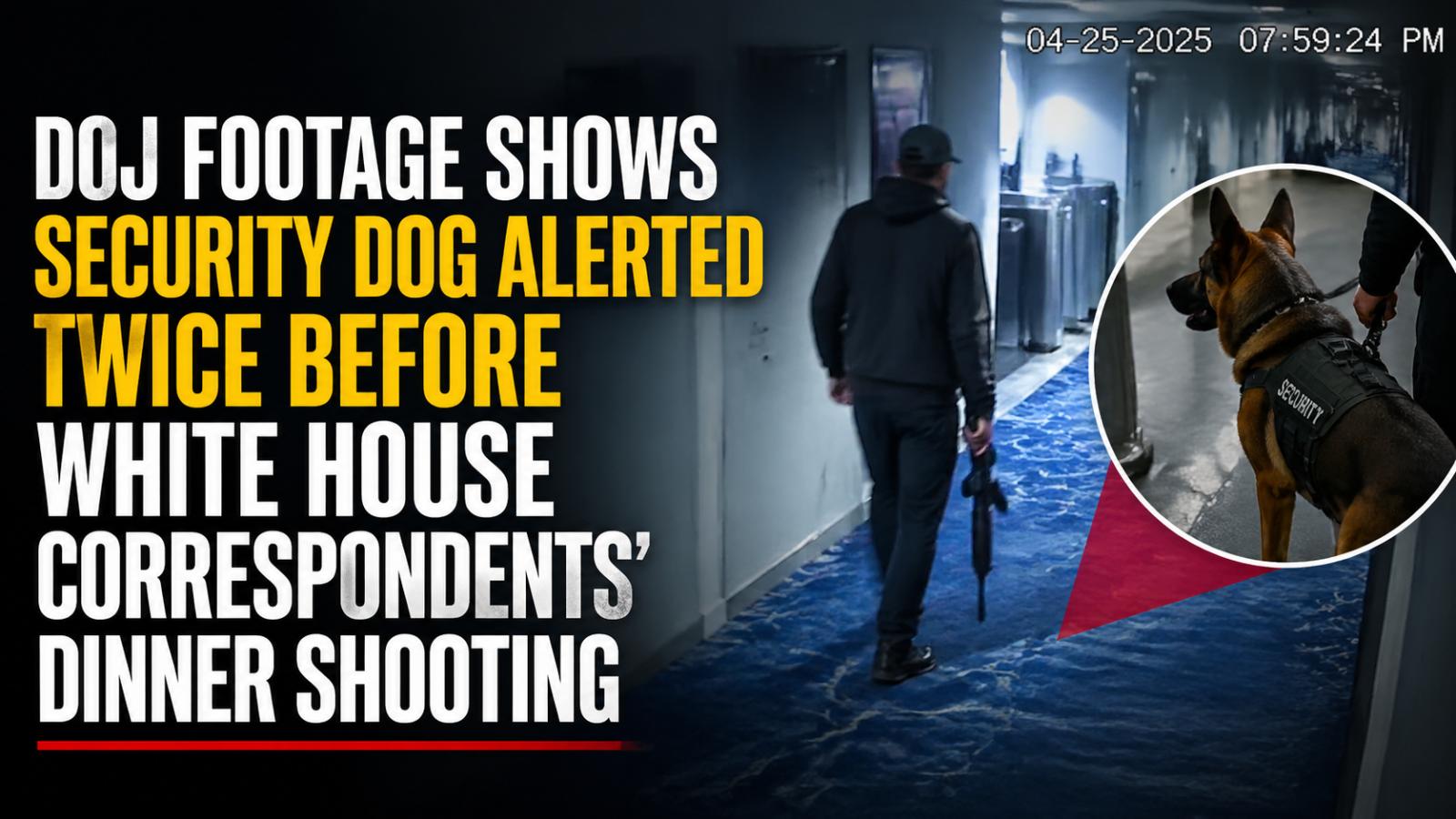
Security footage shows missed dog alerts before White House shooting
DOJ footage shows missed security dog alerts before shooting at WHCD A newly released video from the Justice Department has uncovered crucial details about the attempted shooting at the White House Correspondents' Dinner (WHCD). The footage reveals that a security dog alerted to Cole Tomas Allen’s presence twice, but these warnings went unnoticed, allowing the suspect to fire at a Secret Service officer before being detained. The video, shared by US Attorney Jeanine Pirro on social media platform X, shows Allen walking through the Hilton Hotel the night before the attack. In a chilling moment, the security dog reacts to Allen as he passes, signaling potential danger. However, despite these two distinct alerts, the handler fails to acknowledge the dog's warning, allowing Allen to continue his movement through the hotel. The footage captures the suspect armed with a shotgun, heading toward a security checkpoint where he shoots a Secret Service officer. The video highlights how Allen was moving through the hotel, appearing to “case the area” before the shooting. He can be seen walking through corridors and even passing through a gym in the hours before the more dramatic scene. The footage reveals Allen approaching the magnetometer checkpoint, where he charges past uniformed officers and agents, carrying a long-barrelled firearm. In a slow-motion clip of the video, a Secret Service agent fires three times at Allen, although police have confirmed that Allen was not shot. Instead, Allen was tackled and detained after a brief struggle with security personnel. The officer who was shot survived the attack, thanks to the protection provided by his ballistic vest. Pirro, in her statement, clarified that there is no evidence that friendly fire caused the shooting. She emphasized that the footage had already been provided to the US District Court for further legal action. Allen, a 31-year-old from California, has been charged with attempting to assassinate the president. If convicted, he faces up to life in prison. This latest video offers crucial insight into the incident, showing the missed warnings and the sequence of events that allowed the shooter to carry out the attack.

Iran condemns Israeli flotilla raid as piracy amid global protests
Israel flotilla attack triggers global outrage The Israel flotilla attack has sparked widespread international condemnation after Israeli naval forces intercepted vessels from the Global Sumud flotilla in international waters nearly 1,000 km from Israel near Crete. The operation led to the detention of hundreds of activists and seizure of aid ships, raising serious concerns about legality, human rights, and humanita
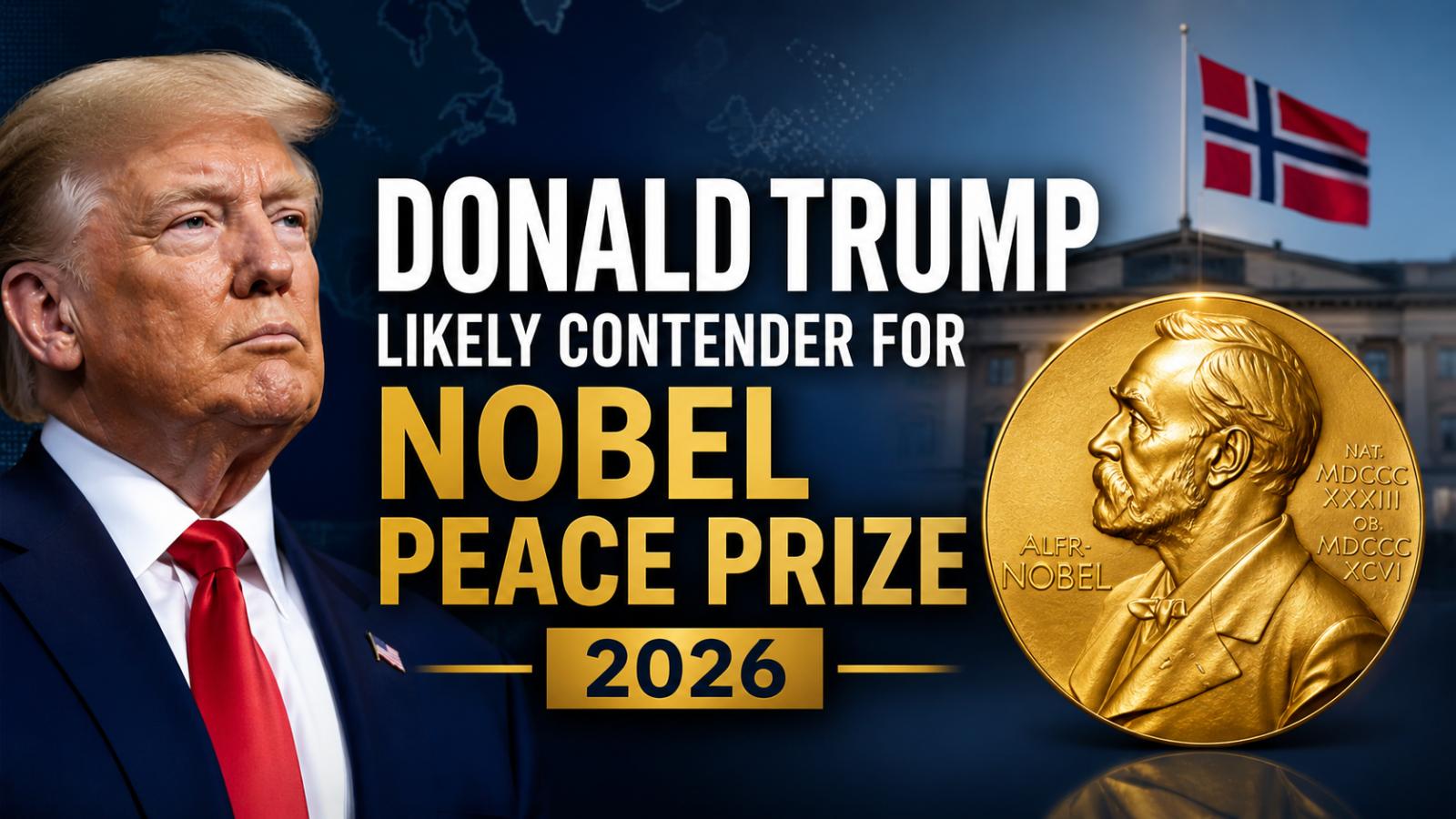
Will Donald Trump win Nobel Peace Prize 2026? Key facts and timeline
Nobel Peace Prize 2026: Trump emerges as likely contender Donald Trump is being seen as a likely contender for the Nobel Peace Prize 2026, with 287 candidates under review, but the final list remains strictly confidential. Kristian Berg Harpviken, secretary of the Norwegian Nobel Committee, confirmed that the total nominations include 208 individuals and 79 organisations, highlighting strong global participation despite ongoing conf

Earthquakes near Area 51 spark nuclear test rumors amid US-Iran tensions
Earthquakes near Area 51 raise questions amid rising tensions A series of earthquakes near Area 51 in Nevada between April 29 and April 30, 2026, has sparked widespread attention, with at least 17 tremors recorded within a 24 to 48-hour window, most around magnitude 4.4. The seismic activity occurred during this short time frame and has dr
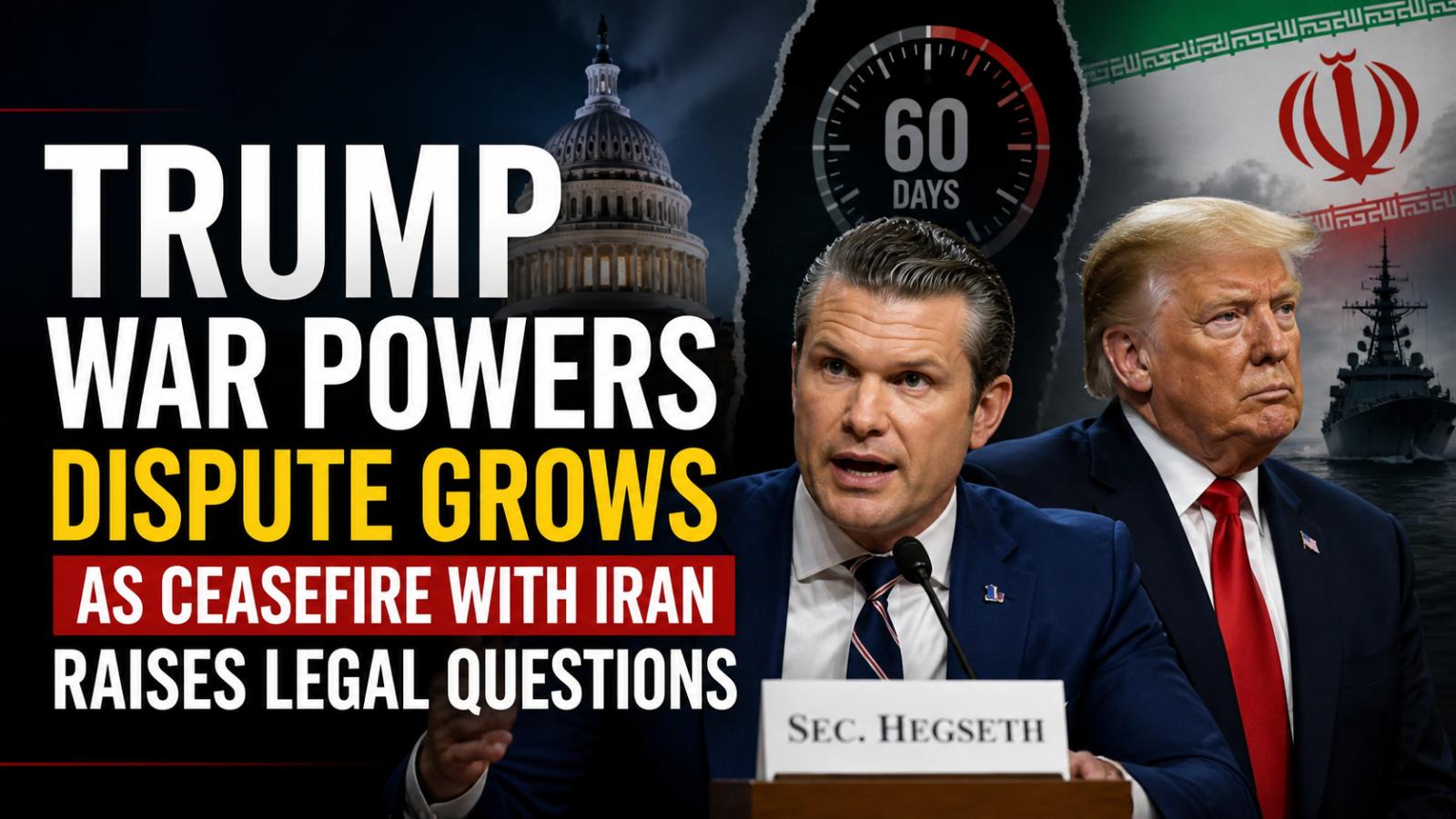
Hegseth says Iran ceasefire pauses war powers clock amid congressional concerns
The Trump war powers debate took center stage in Washington as Defense Secretary Pete Hegseth told lawmakers that a ceasefire with Iran pauses the legal clock under the War Powers Resolution, a claim that has triggered strong political and legal reactions. The dispute comes just before the 60-day deadline that typically requires the president to seek approval from Congress to continue military action, raising questions about how the law should be applied during a ceasefire. Speaking before the Senate Armed Services Committee, Hegseth argued that ongoing ceasefire conditions mean the countdown does not apply in the usual way. Under the War Powers Resolution, introduced in 1973, presidents must inform Congress within 48 hours of military action and must withdraw troops within 60 days unless lawmakers approve continued engagement. Lawmakers had expected this deadline to expire on May 1, but Hegseth’s interpretation suggests otherwise. Hegseth avoided giving a clear answer when asked if the administration of Donald Trump would seek formal authorization. Instead, he defended the administration’s actions and criticized opponents, saying that internal political disagreements weaken the country’s position. His remarks came during discussions on the Pentagon’s proposed $1.45 trillion budget, though much of the focus shifted to the Iran conflict and its legal implications. Several lawmakers from both parties expressed concern. Senator Tim Kaine warned that the situation raises serious constitutional questions, while some Republicans also indicated they may oppose continuing military operations without approval. Others supported a more flexible interpretation, especially during active negotiations or ceasefire periods. Legal experts, however, strongly rejected the argument that a ceasefire pauses the law. Analysts pointed out that US naval forces remain active in the region, including operations in the Strait of Hormuz, suggesting that hostilities have not fully stopped. Scholars emphasized that the law does not include any provision for pausing the timeline. The conflict has already had wider consequences, including rising energy prices and increased tensions in the region. Critics have also accused the administration of starting the conflict without a clear immediate threat. During the hearing, Senator Elissa Slotkin questioned whether the administration could truly claim progress while key trade routes remain unstable. The exchange grew tense at times, reflecting deep divisions over the handling of the situation. While military officials maintained a more measured tone, political leaders continued to clash over strategy, legality, and communication with the public. As the deadline passes, the debate over war powers, presidential authority, and congressional oversight is expected to intensify further.

Who is accused in the JPMorgan lawsuit? Investigation points to fabricated allegations
Internal investigation challenges high-profile allegations A former employee of JPMorgan Chase has been accused by sources of filing fabricated sexual harassment allegations against a senior executive after an internal investigation reportedly found no evidence supporting the claims. The allegations were initially brought forward in a lawsuit filed earlier this week under
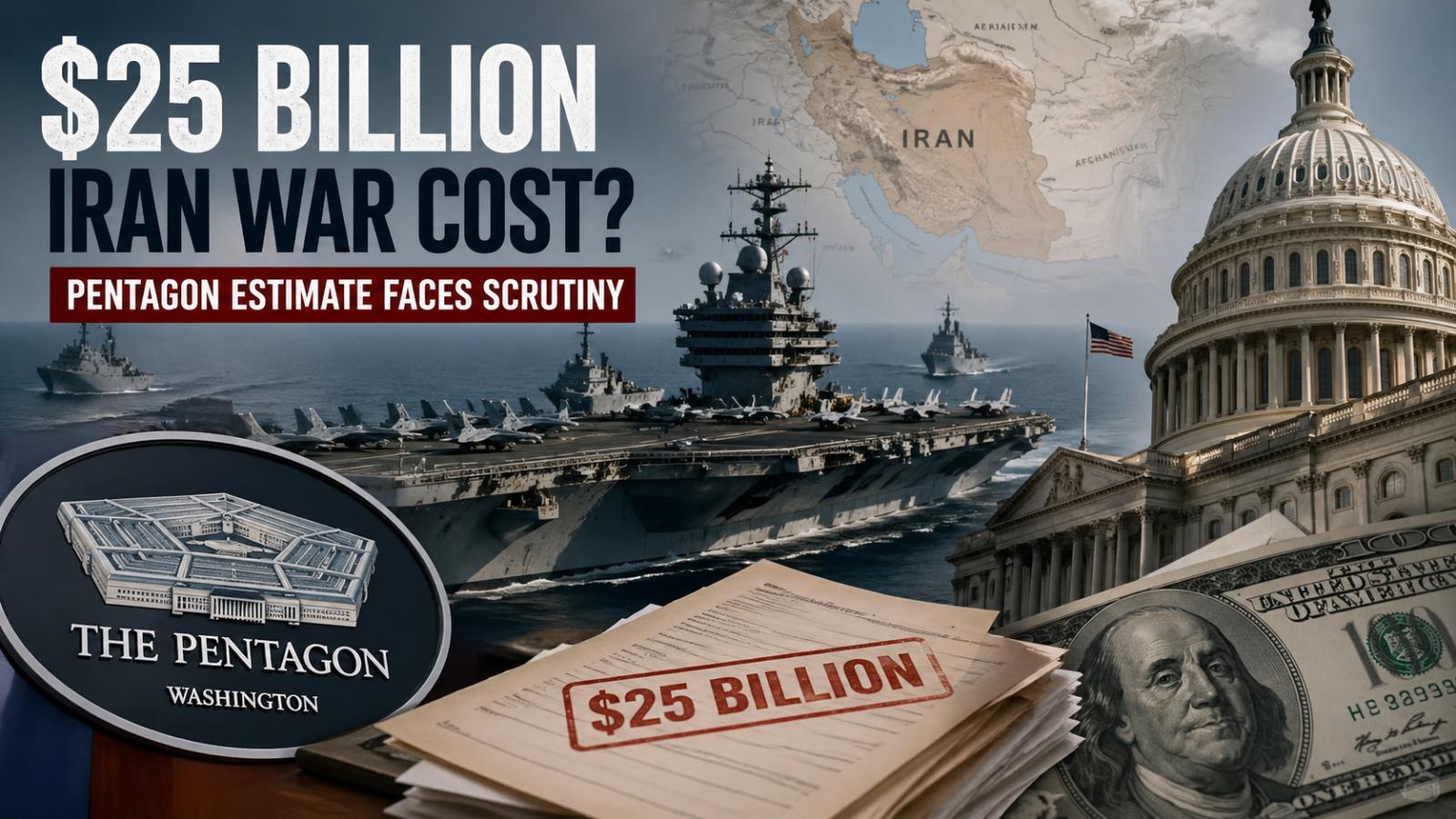
Why is the Pentagon’s $25 billion war cost estimate questioned? Experts say it may be incomplete
The United States Department of Defense has estimated that its ongoing military conflict with Iran has cost approximately $25 billion, but analysts and lawmakers are raising concerns that the figure may significantly understate the true financial burden. The estimate was presented during a congressional hearing on Tuesday, April 29, 2026, where Pentagon officials outlined current war-related expenditures without offering a detailed breakdown. Congressional hearing reveals l

Pacific Café faces possible closure without buyer after decades of service
Historic Pacific Café may close as owners retire after 51 years. A well-known San Francisco seafood restaurant recognized for its classic menu and complimentary wine service may soon shut its doors as its longtime owners prepare to retire. Pacific Café, located on Geary Boulevard, has been listed for sale for $195,000, raising concerns about the future of the decades-old establishment if a buyer is not secured. Co-owners Frank Gundry and Ross Warren, who have operated the restaur

Rafael Nadal RAFA Documentary Release Date Posters and Career Story
Streaming giant Netflix is set to release RAFA, a highly anticipated documentary series centered on tennis legend Rafael Nadal, with its global premiere scheduled for May 29. The newly revealed posters highlight themes of endurance, physical limits, and emotional resilience, offering a raw glimpse into the

Trump Passport Plan Draws Satire From California Governor Newsom
California Governor Gavin Newsom has escalated his public criticism of Donald Trump by sharing another satirical design, this time featuring mock “limited edition” license plates bearing his own image. The post follows an earlier jab in which Newsom released a parody driver’s license design, both aim
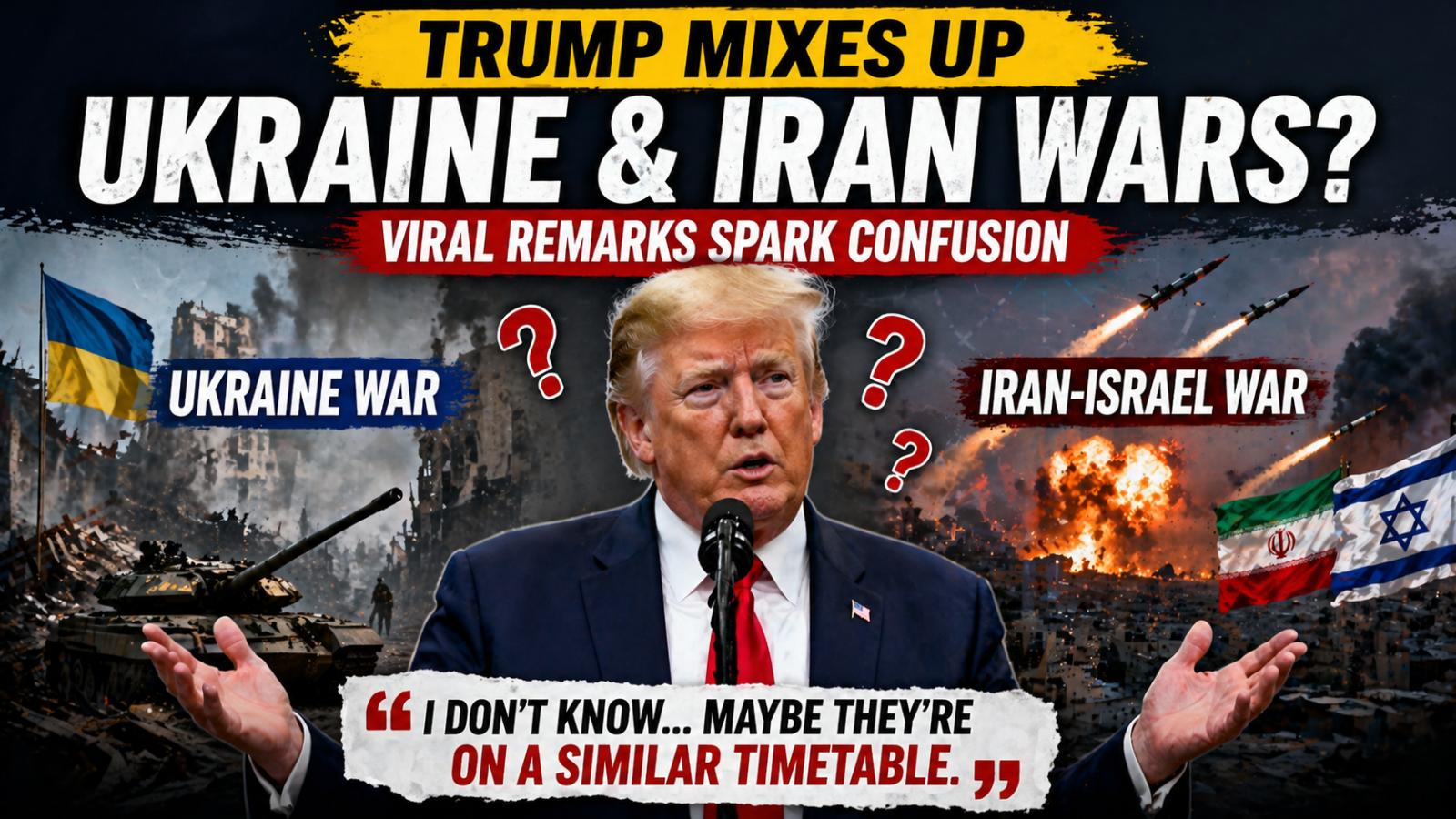
Trump Comments on Ukraine and Iran Wars Spark Confusion
US President Donald Trump drew attention during a recent press interaction after appearing to confuse details while discussing two major international conflicts. The exchange took place as Trump addressed reporters during an event linked to the Artemis II mission crew, where he was asked which conflict might conclude first: the prolonged Russia-Ukraine war or the ongoing tensions involving Iran and Israel. In response, Trump suggested that both situations could follow a similar timeline, stating that he was uncertain which would end sooner. However, his subsequent remarks raised questions as he began describing military conditions that appeared inconsistent or unclear in context. He claimed that Ukraine was militarily defeated, referencing significant naval and air losses, including statements about ships being destroyed and aircraft being eliminated. Trump also cited reductions in missile and drone capabilities, though his comments did not clearly distinguish whether he was referring to Ukraine or Iran at various points. This lack of clarity led to widespread attention, with observers noting the difficulty in separating his analysis of the two conflicts. The Russia-Ukraine war has continued for years with ongoing military engagements, while tensions involving Iran, Israel, and US involvement have added another layer of complexity to global security dynamics. Trump’s remarks came at a time when both conflicts remain active and under close international observation. The moment quickly gained traction due to the ambiguity in the president’s statements, highlighting the challenges of addressing multiple geopolitical crises simultaneously in public forums.
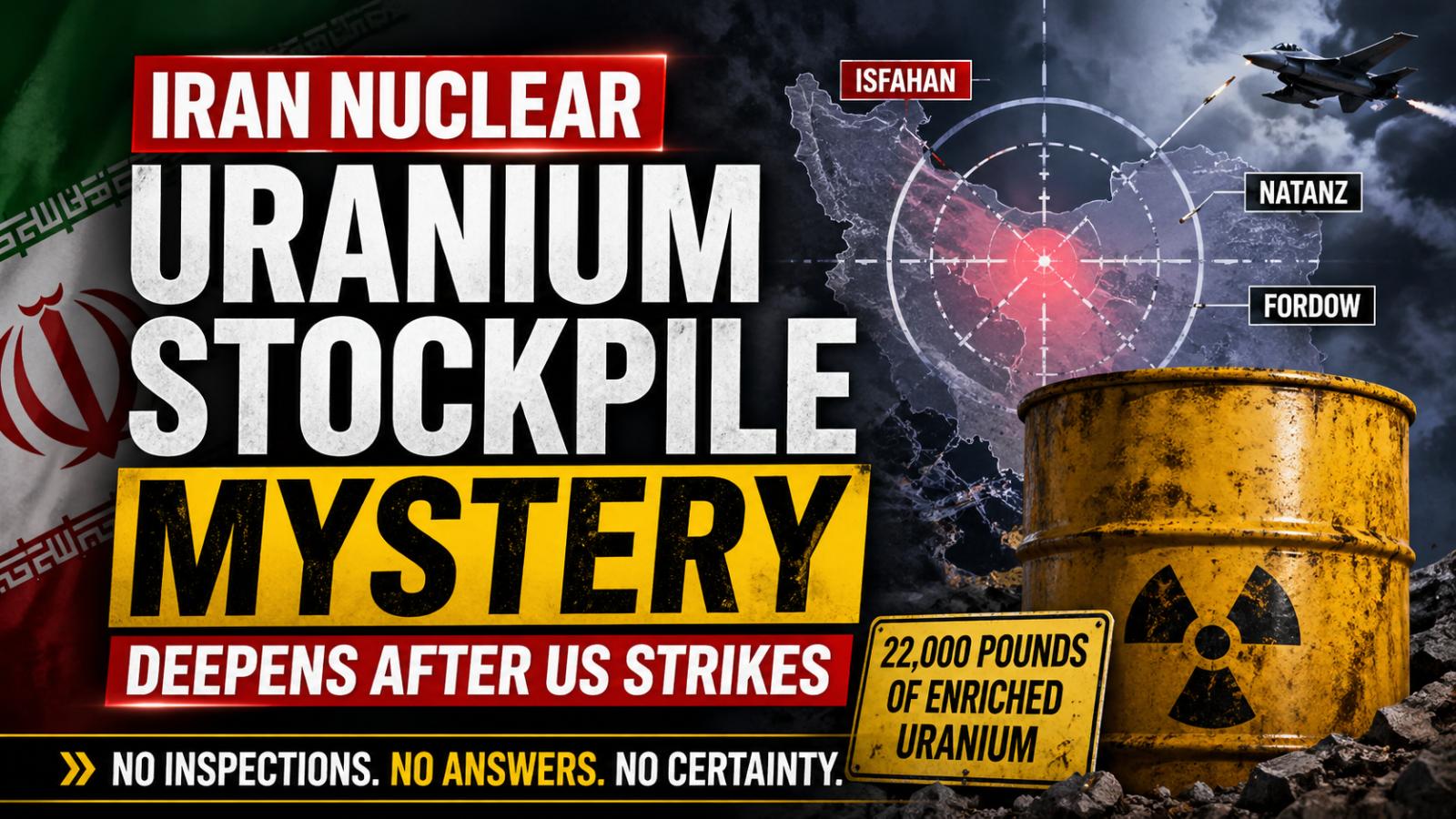
Iran Uranium Stockpile Mystery Deepens After US Strikes
The location of Iran’s enriched uranium stockpile remains uncertain nearly two months after US military strikes targeted key nuclear facilities, raising fresh concerns about transparency and oversight. The material, estimated at roughly 22,000 pounds, had steadily accumulated over years following the US withdrawal from the 2015 nuclear agreement. That deal had previously imposed strict limits on enrichment levels and stockpile size, effectively curbing Iran’s ability to produce weapons-grade material. Uranium enrichment remains central to the issue, as the process becomes significantly faster once higher purity levels are reached. While low enrichment supports civilian energy needs, higher concentrations can be used for nuclear weapons. Iran’s move to enrich uranium up to 60 percent in recent years placed it closer to that threshold, intensifying international concern. Efforts to revive diplomatic agreements failed, and subsequent escalation led to direct military action targeting facilities such as Natanz and Fordow, along with storage areas near Isfahan. Shortly after, Iran halted cooperation with international inspectors, effectively ending on-the-ground verification. Without access, monitoring now relies heavily on satellite surveillance, which cannot fully confirm the condition or location of nuclear materials. Experts suggest that even if Iran retains access to the stockpile, converting it into a functional weapon would require additional time and technical capacity. However, the absence of inspections creates uncertainty. Analysts warn that if portions of the uranium were relocated or secured in undisclosed sites, Iran could potentially resume enrichment activities without detection, complicating global efforts to assess the true state of its nuclear program.
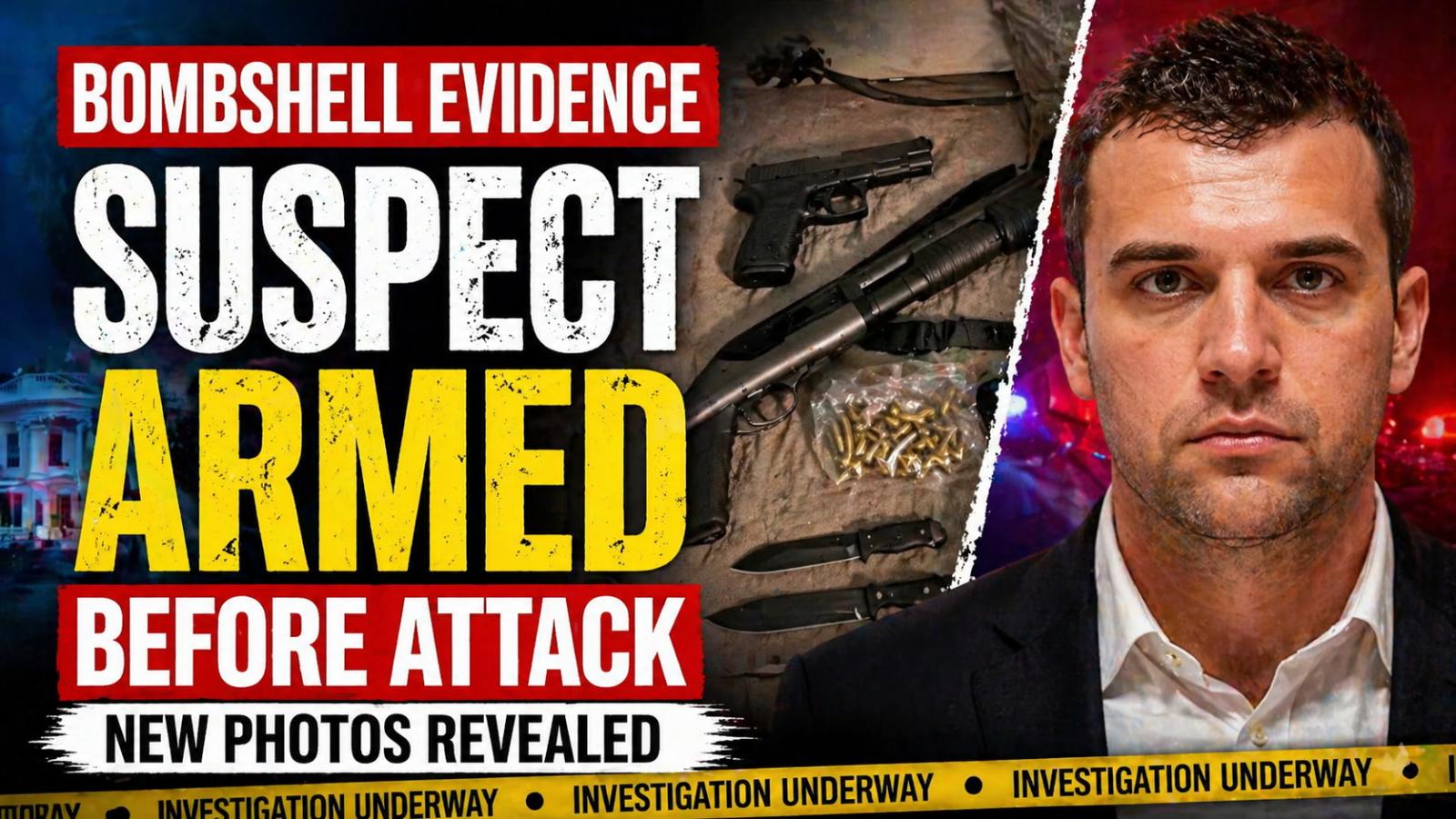
Court Filing Reveals Images of Armed Suspect Before High-Profile Event
Newly released images submitted by US prosecutors show Cole Tomas Allen, the man accused in last week’s White House Correspondents’ Association Dinner shooting, posing with multiple weapons inside a hotel room shortly before the incident. The photos were included in a court filing as part of the government’s effort to keep Allen in custody while the case proceeds. The 31-year-old has pleaded not guilty to several charges, including attempting to assassinate a former US president. According to prosecutors, the images depict Allen standing before a mirror with weapons strapped to his body, including a knife, alongside a bag containing ammunition. Authorities allege that he later carried a semi-automatic handgun, a pump-action shotgun, and multiple knives when he approached a security checkpoint at the Washington Hilton, where the high-profile dinner was being held. During the incident, attendees, including senior officials, were evacuated after gunfire erupted, and a Secret Service agent was injured but survived. The court memorandum states that Allen took the photos in the evening while dressed in formal attire, concealing weapons beneath a coat later discarded. Prosecutors say he monitored live coverage of the event before advancing toward the venue. They allege he rushed through a screening checkpoint with a raised shotgun and moved past a metal detector while holding the weapon. Investigators also cited notes recovered from Allen’s phone that detailed observations from his cross-country trip to Washington, D.C. Prosecutors described the incident as deliberate and dangerous, arguing that no conditions would ensure public safety if he were released. Additional charges include transporting a firearm across state lines and discharging a weapon during a violent crime, both carrying significant penalties if convicted.

What is PayPal’s new structure? Venmo becomes standalone segment
PayPal’s Venmo spinoff signals strategic shift to boost growth PayPal’s Venmo spinoff signals strategic shift to boost growth as CEO Enrique Lores informed managers this week that the company is reorganizing its reporting structure, separating Venmo into its own standalone business segment. The move reflects a broader effort to streamline operations and sharpen focus across its fintech portfolio. New reporting structure creates three distinct business units Under the restructuring plan, Venmo will operate independently, allowing clearer performance tracking and potentially positioning it for a future sale. Two additional segments will be formed: a PayPal-branded unit serving merchants and consumers, and a payment services division that includes Braintree along with crypto-related operations. The company is also reportedly seeking a digital banking executive to lead the newly independent Venmo unit. Leadership transition and competitive pressures Lores, who previously led HP Inc. and assumed leadership of PayPal in March, is implementing these changes as the company faces mounting competition from Apple, Google, and Stripe in digital payments. He succeeded Alex Chriss, whose tenure saw a steep decline in PayPal’s stock value following its pandemic-era peak. Investor interest and restructuring implications The company’s declining valuation has drawn attention from potential buyers, including reported interest from Stripe in acquiring parts or all of the business. PayPal has also engaged financial advisers to prepare for possible takeover attempts or activist investor campaigns. Following reports of the restructuring, PayPal shares rose by approximately 3%. Workforce uncertainty and executive departures The restructuring comes amid uncertainty over potential workforce reductions. Earlier in 2026, managers had been tasked with planning a 15% reduction in headcount, though those plans remain unresolved after the leadership transition. At the same time, key executives including Diego Scotti and Michelle Gill are departing as their divisions are restructured or dissolved. PayPal is also establishing a new artificial intelligence transformation group led by Anshu Bhardwaj, formerly of Walmart, and creating a financial services unit under Scott Young of Goldman Sachs. The changes highlight the company’s push to modernize operations and regain momentum in a rapidly evolving digital payments market.

What defines JRD Tata’s legacy? A life of service over ownership
A life of service over ownership JRD Tata’s legacy offers a striking contrast to modern perceptions of wealth and leadership. As one of India’s most influential industrialists, he led the Tata Group for over five decades, yet chose to live in a rented residence rather than accumulate personal assets. His approach reflected a philosophy that prioritized responsibility, ethics, and long-term impact over visible displays of success. Leadership that expanded an industrial empire Under JRD Tata’s leadership, the Tata Group evolved into one of India’s most significant industrial conglomerates, spanning sectors such as steel, aviation, power, and chemicals. His tenure marked a period of sustained growth and modernization, contributing to the country’s economic development. Rather than focusing on personal gain, he emphasized institutional strength, innovation, and employee welfare, setting standards that influenced corporate governance across industries. Simplicity as a leadership principle JRD Tata’s personal lifestyle remained notably modest despite his professional stature. He lived in a rented bungalow in Mumbai for decades, demonstrating that leadership did not require material excess. His daily life reflected discipline and humility, reinforcing the idea that influence comes from actions and values rather than possessions. This approach continues to resonate in discussions about ethical leadership and sustainable success. Impact measured beyond wealth The scale of JRD Tata’s impact is reflected not only in business expansion but also in the opportunities created for thousands of employees and communities. His leadership helped build institutions that continue to operate globally, shaping industries and contributing to economic stability. For many observers, his legacy represents a model where success is defined by contribution rather than ownership. A lasting example for global audiences For audiences in the United States and beyond, JRD Taa’s story provides a broader perspective on leadership in a global context. His life underscores the importance of purpose-driven decision-making and challenges assumptions about the relationship between wealth and success. In an era where corporate influence is closely examined, his example remains relevant as a benchmark for integrity and long-term vision.
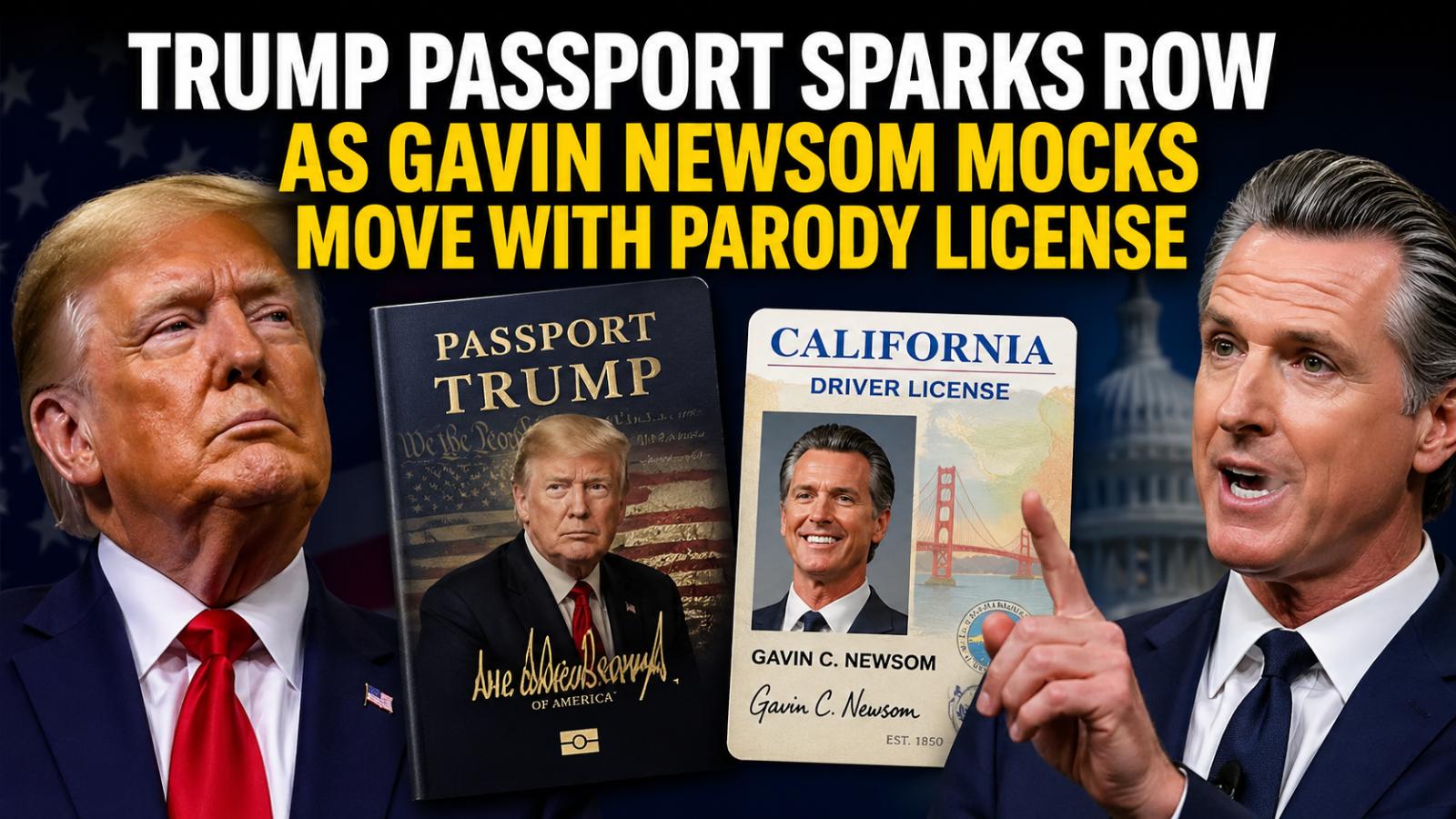
Trump passport sparks row as Gavin Newsom mocks move with parody license
Trump passport controversy and political satire response The Trump passport announcement has triggered a fresh political exchange in the United States, with California Governor Gavin Newsom responding through satire while federal officials confirm the authenticity of the new travel document. The controversy began after US authorities revealed a limited-edition passport featuring President Donald Trump’s image, marking a historic shift in official government docume
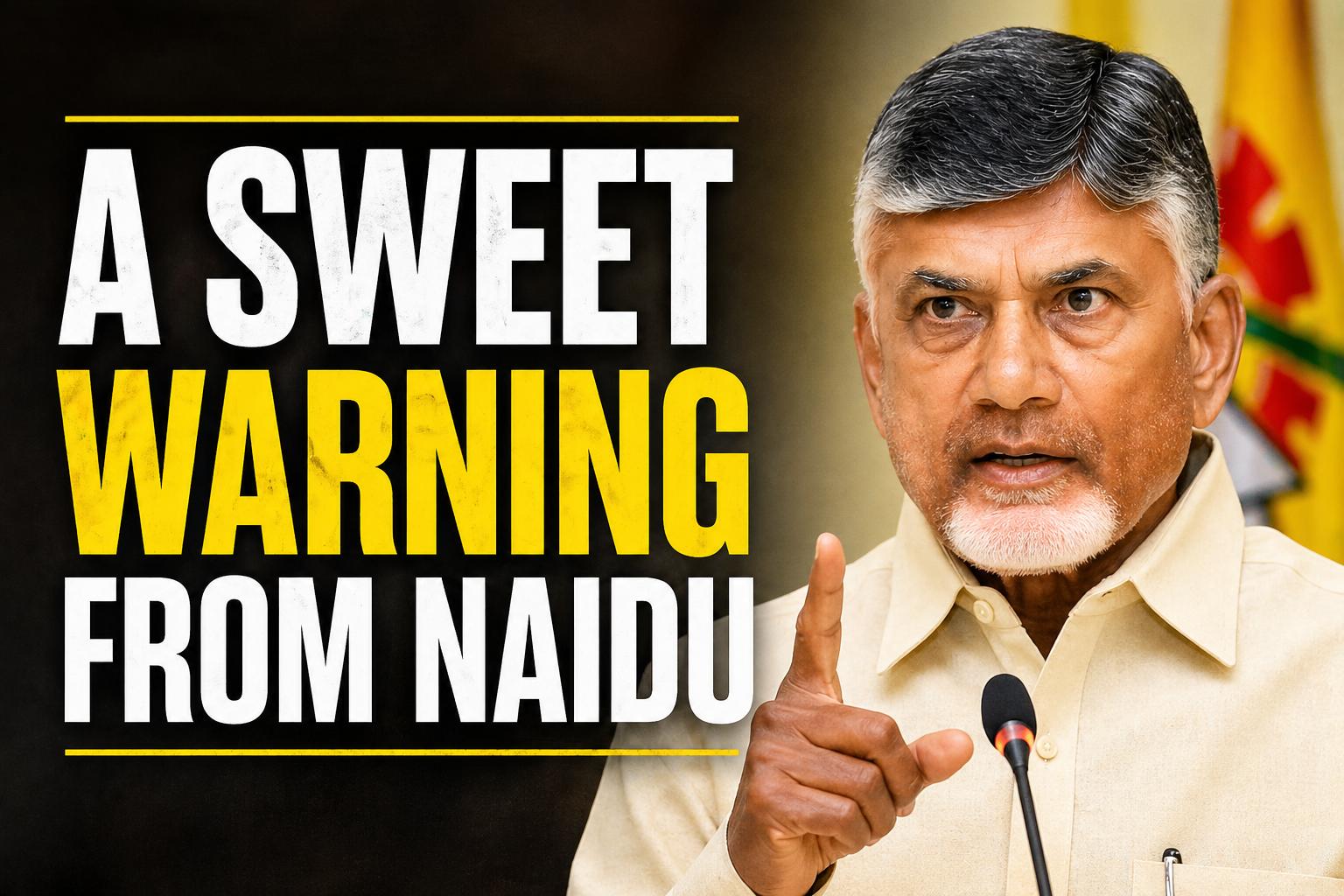
Chandrababu Naidu Warns TDP Leaders To Stay Disciplined Amid Internal Tensions
Chandrababu Naidu urged Telugu Desam Party leaders to stay disciplined and avoid internal conflicts. He warned that small issues and power-driven behavior can damage the party’s image and public trust. Chandrababu Naidu has issued a firm yet measured warning to leaders of the Telugu Desam Party, urging them to maintain discipline and avoid unnecessary internal conflicts. Speaking at a recent party event, Naidu highlighted how minor disputes over issues such as flex banners, photo placements, and seating arrangements can create a negative perception among the public and harm the party’s image. His remarks come at a time when reports of friction between TDP and Jana Sena Party leaders have surfaced, particularly in the Pithapuram constituency. Although Naidu did not mention any individual names, political observers believe his comments were directed at local leaders involved in these tensions. He emphasized that such behavior distracts from the party’s primary goal of serving the people and maintaining unity within the ranks. Naidu stressed that discipline is the backbone of any political organization and must be followed at every level, from grassroots workers to senior leadership. He reminded party members that the public is closely observing their actions, and even small missteps can quickly turn into damaging headlines. Drawing lessons from the past, Naidu pointed out that voters have already penalized leaders from YSR Congress Party for similar behavior driven by arrogance and misuse of power. He cautioned TDP leaders not to repeat those mistakes and instead focus on responsible conduct. By calling for unity, humility, and public-oriented work, Naidu reinforced the importance of protecting the party’s reputation through disciplined and respectful behavior.