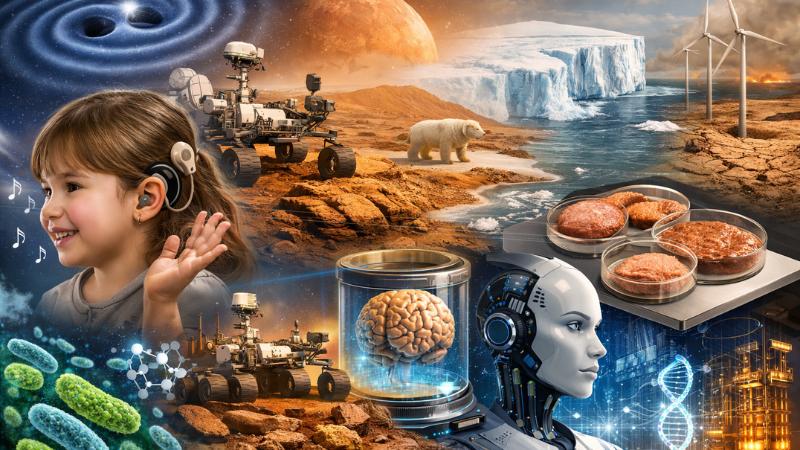
A century ago, the notion of restoring lost senses or detecting ancient life beyond Earth belonged firmly to science fiction. In 2025, such ideas moved decisively into reality as a series of scientific breakthroughs reshaped long-standing assumptions across medicine, space science, climate research, and artificial intelligence. These advances did not arrive as distant promises or speculative theories, but as working solutions that delivered measurable results and altered how science interacts
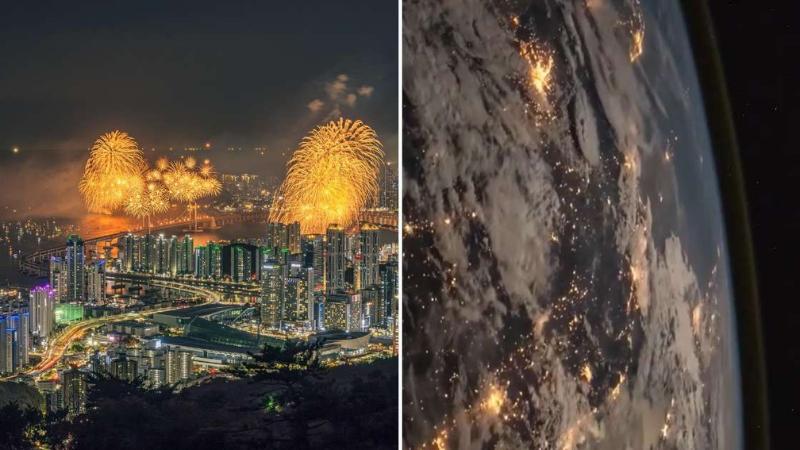
As people across the globe prepare to welcome the New Year with countdowns, fireworks, and celebrations across different time zones, a small group of astronauts orbiting far above Earth will experience the arrival of the new year in a way unlike anyone on the planet. Aboard the International Space Station, astronauts currently in orbit will celebrate the New Year an astonishing 16 times, highlighting the extraordinary reality of life in space and the unique way time is experienced beyond Earth.
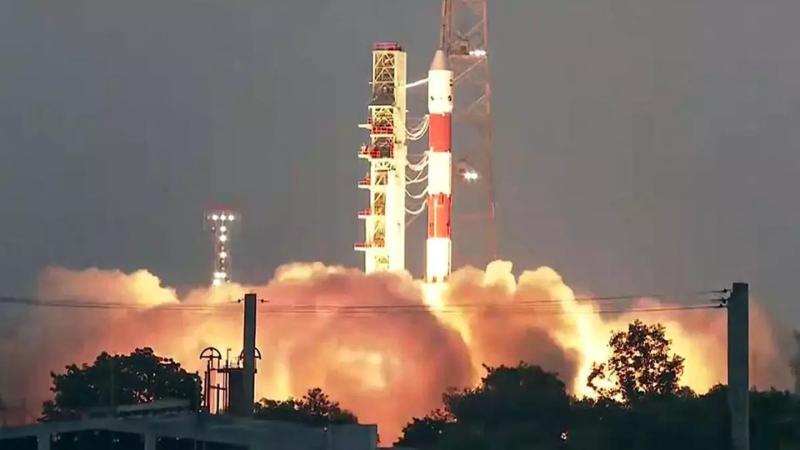
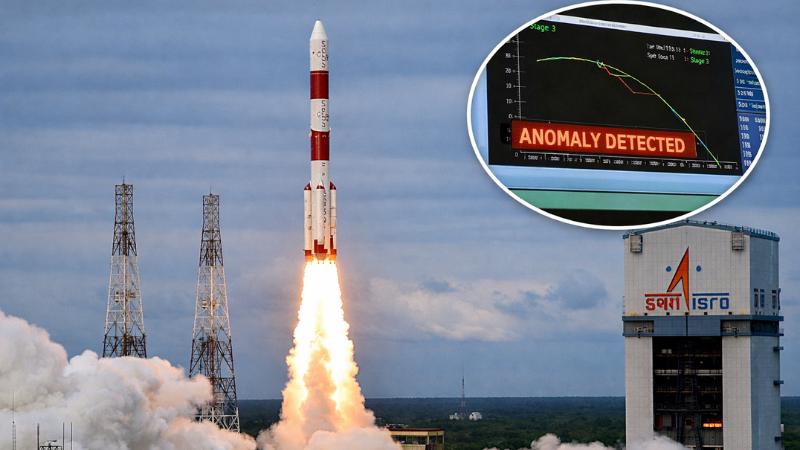
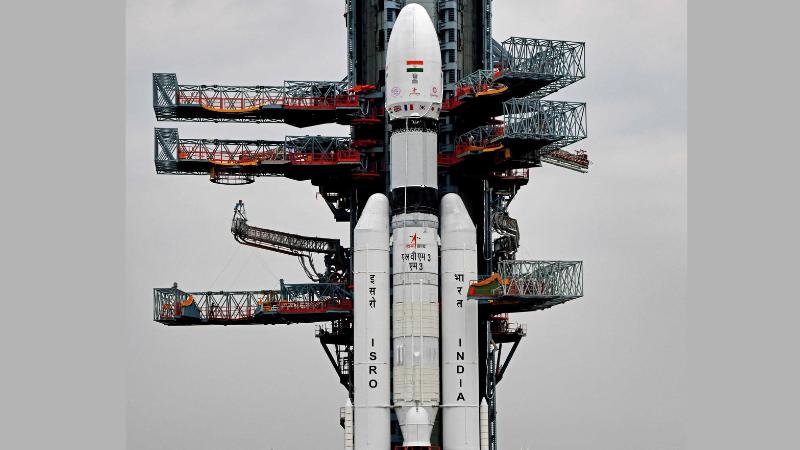
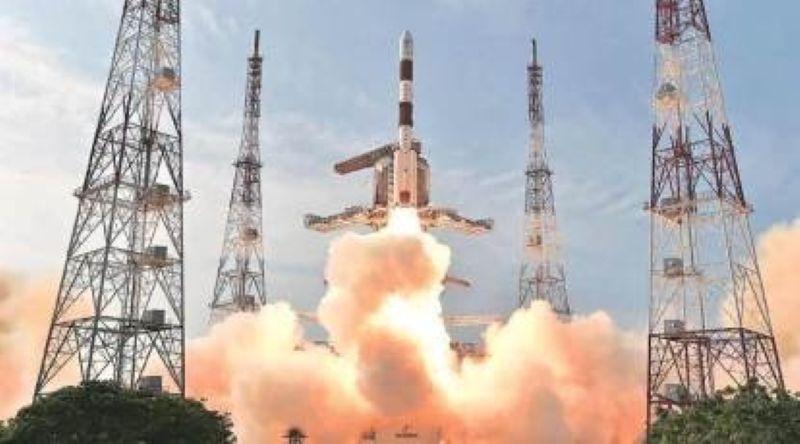
India’s space journey reached another landmark moment as Indian Space Research Organisation successfully launched the heaviest foreign satellite ever placed into orbit from Indian soil. The mission was carried out using the powerful LVM3 launch vehicle from the Satish Dhawan Space Centre in Sriharikota, reinforcing India’s growing reputation as a reliable and competitive space launch destination
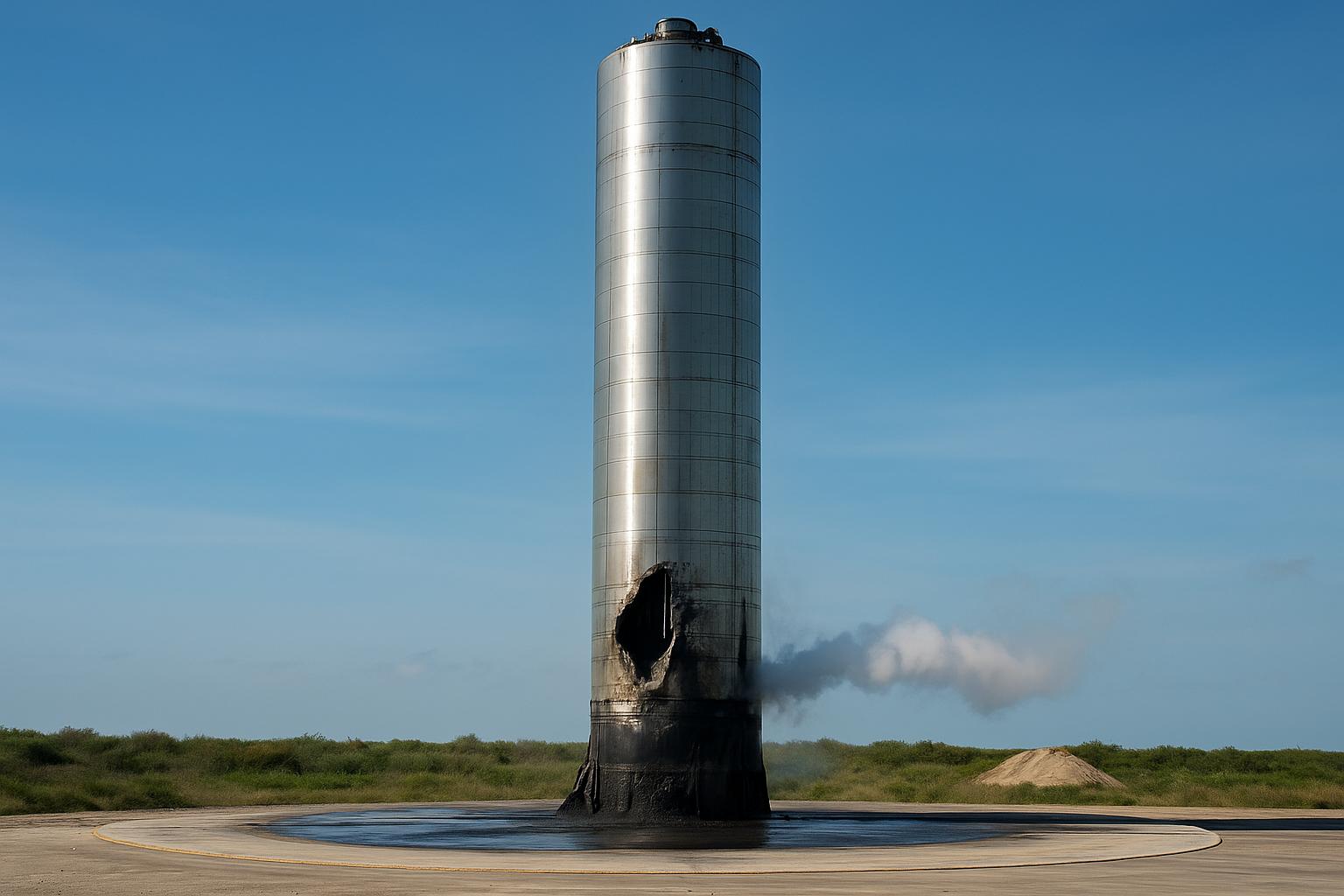
A major phase in SpaceX’s Starship test program faced an unexpected setback on Friday when Booster 18, the company’s first next-generation Block 3 Super Heavy booster, sustained significant structural damage during a ground test in South Texas. The incident occurred at SpaceX’s Massey test facility near Starbase, where the vehicle was undergoing routine gas-system pressure checks ahead of more rigorous structural proofing. Shortly after 4 a.m. local time, livestream footage captured the


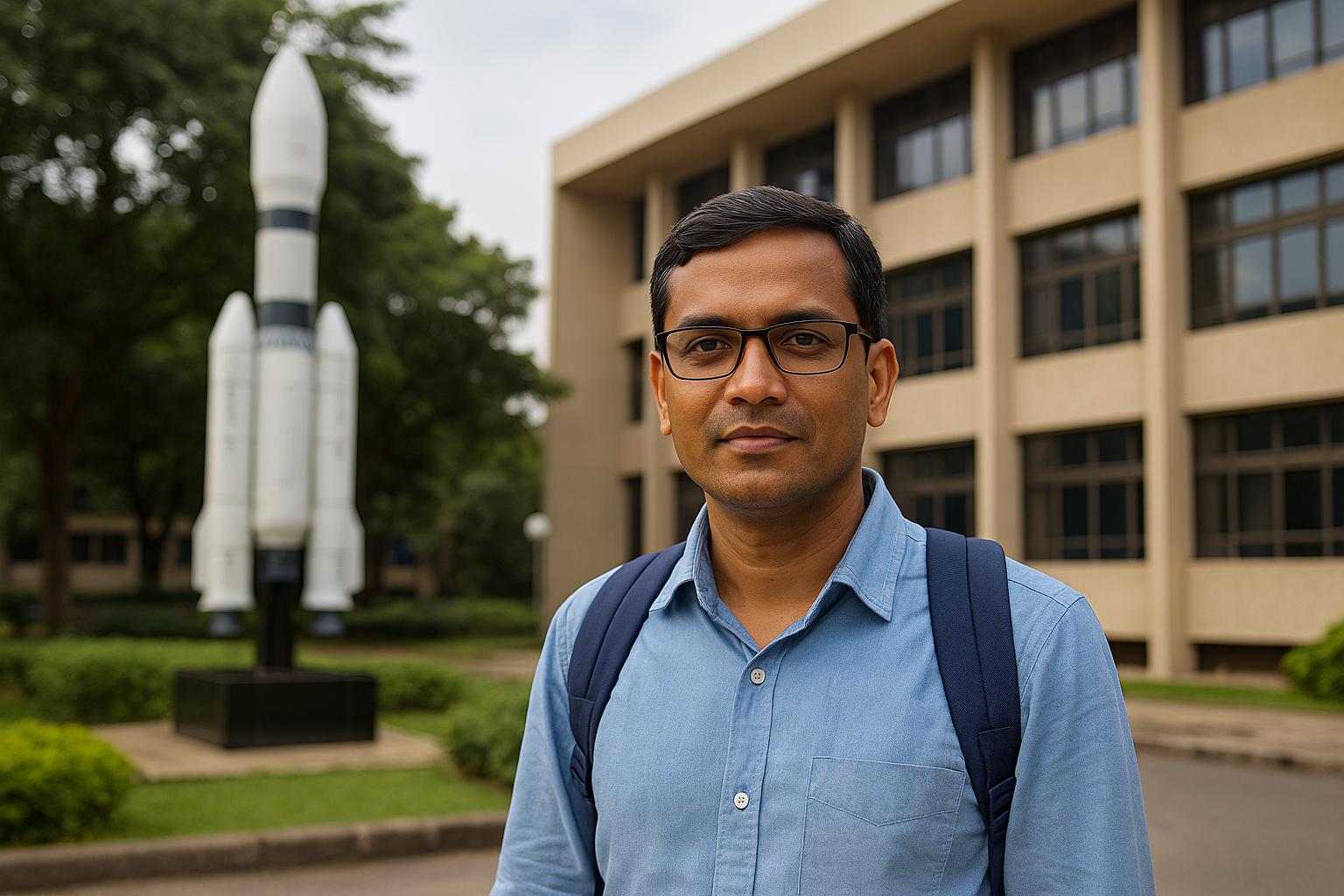
In a remarkable achievement for Indian academia and space research, Assistant Professor Alok Sagar Gautam from the Department of Physics at Hemvati Nandan Bahuguna Garhwal University has been selected to join the Indian Space Research Organisation’s upcoming Venus Orbiter Mission, officially known as Shukrayaan-1. This marks a significant moment in India’s pursuit of interplanetary exploration, as the mission represents the nation’s first dedicated effort to study Venus, often referred
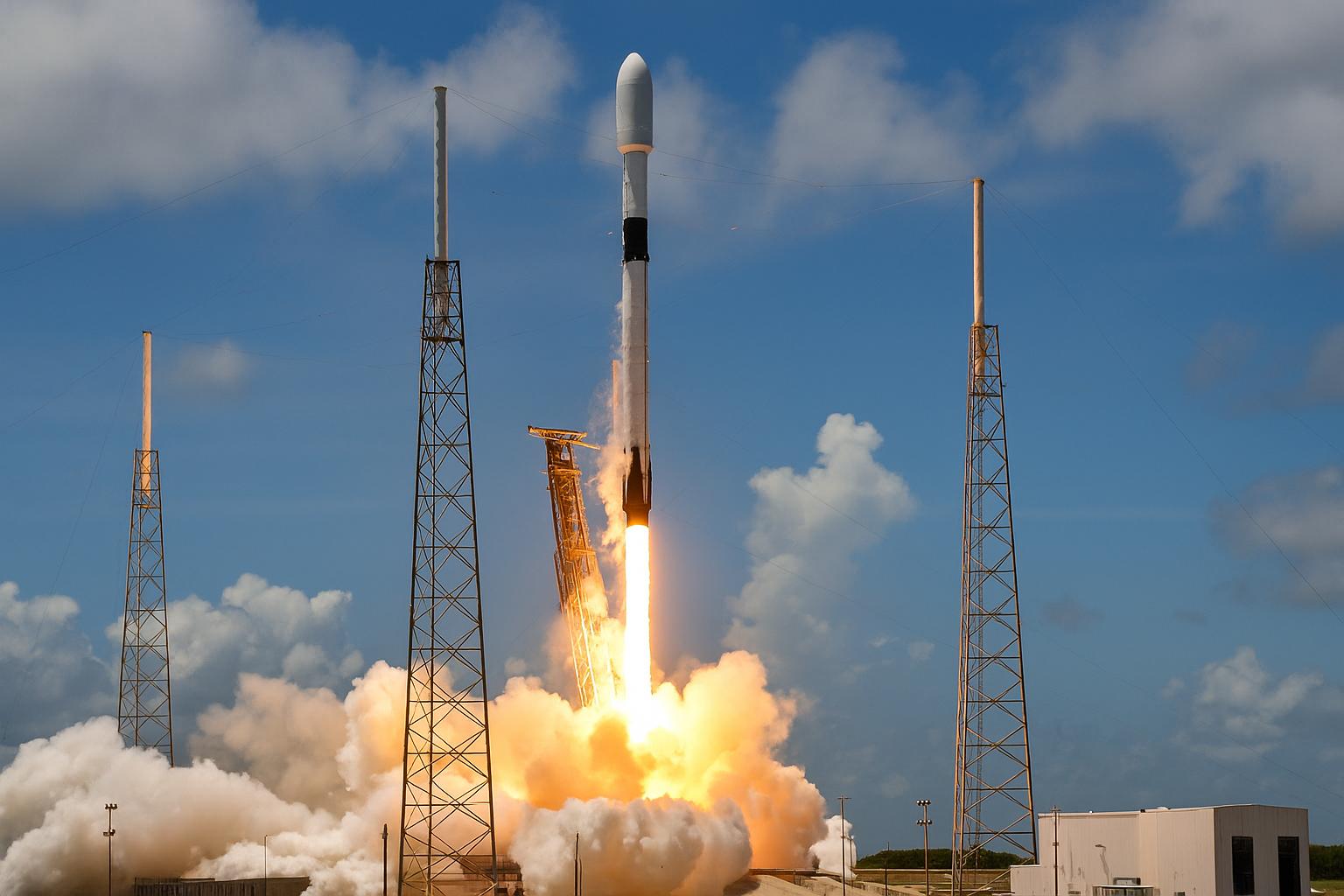
SpaceX has achieved a record-breaking milestone in 2025, marking one of the most prolific years in the history of spaceflight. The company’s unparalleled launch cadence, coupled with rapid rocket turnaround times, has redefined modern rocketry. With more than two months remaining in the year, SpaceX has already surpassed its 2024 total of 138 missions, setting a new benchmark for global orbital launches and solidifying its position as the dominant force in the commercial space sector.
NASA’s discovery of interstellar comet 3I/ATLAS has sparked global interest after Harvard astrophysicist Avi Loeb suggested it could be a form of alien technology. Detected on July 1, 2025, the comet is only the third known interstellar object to pass through our solar system. While NASA confirmed that 3I/ATLAS poses no threat to Earth, Loeb and other researchers argue that its unique chemical and physical properties set it apart from natural space objects, warranting a deeper investigation
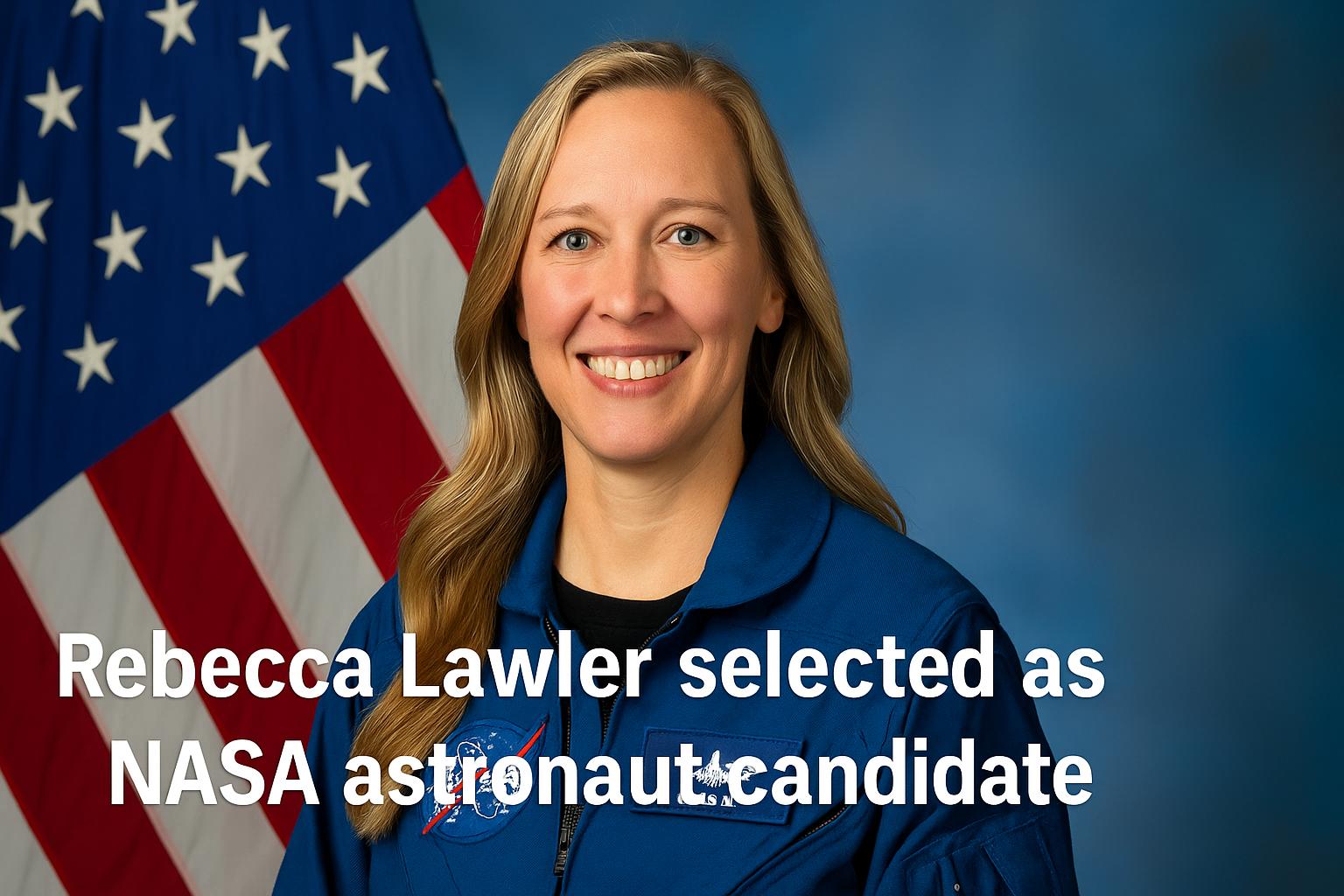
LITTLE ELM, Texas – A North Texas woman is achieving a dream that has been years in the making. At 38 years old, Rebecca Lawler has been named a NASA astronaut candidate, a position that only a handful of people around the world are ever selected for. The announcement places her among an elite group of scientists, engineers, and pilots who will begin the long journey of preparing for space missions. Lawler’s selection comes after three attempts at entering the program, s


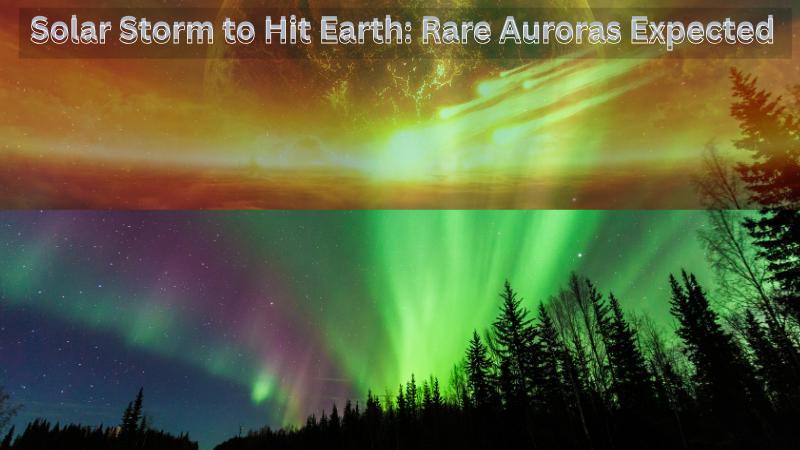
A rare and powerful space weather event is on its way, as a cannibal coronal mass ejection from the sun is forecast to strike Earth late on Monday, September 1, 2025. Scientists warn that this unusual solar explosion could create a strong geomagnetic storm, bringing both dazzling auroras and potential disruptions to satellites, power grids, and communications. The phenomenon began on August 30 when sunspot region AR 41
Asteroid 2025 QY4 is drawing the attention of both scientists and astronomy enthusiasts as it prepares to make a close approach to Earth this week. The asteroid, which belongs to the Aten group of space rocks known for orbiting across Earth’s path, measures nearly 180 feet in diameter and is travelling at an astonishing speed of more than 39,000 miles per hour. Its size and velocity make it an object worth monitoring, even though experts have already conf
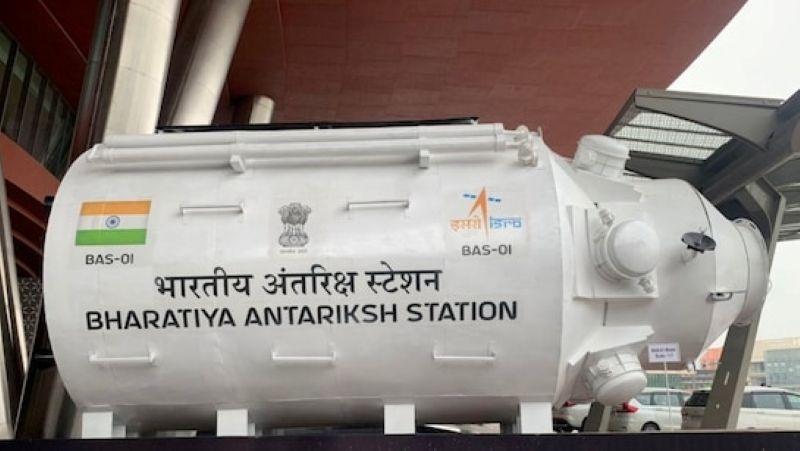
India took a major step towards its long-term space ambitions as ISRO unveiled a model of the Bharatiya Antariksh Station (BAS) during National Space Day celebrations in New Delhi. The move signals India’s entry into the elite group of nations operating orbital laboratories, joining the ranks of the International Space Station (ISS) and China’s Tiangong station. The first BAS module, BAS-01
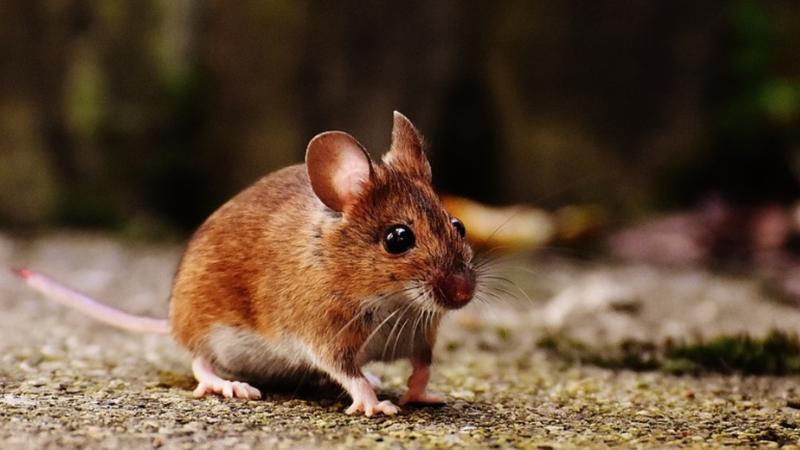
Russia has launched 75 mice aboard its Bion-M No.2 biosatellite for a month-long mission in low-Earth orbit, making a significant step in advancing our understanding of how spaceflight affects living organisms. The mission, which took place on August 20, 2025, is a pivotal research experiment aimed at gathering critical data that will aid in the preparation for human space missions to the Moon, Mars, and beyond. The
India has achieved a significant milestone in its space exploration and climate monitoring goals with the successful launch of the Nasa-Isro Synthetic Aperture Radar (Nisar) satellite. Launched on July 30, 2025, from the Satish Dhawan Space Centre in Sriharikota, the satellite is a $1.5 billion joint venture between the Indian Space Research Organisation (ISRO) and the United States’ National Aeronautics and Space Administration (Nasa). Weighing 2393 kil
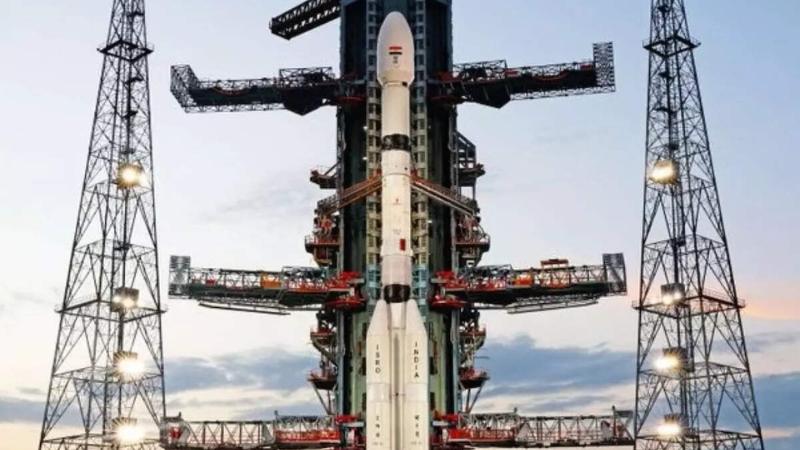
India marked a major milestone in space collaboration today with the successful launch of the NISAR mission, a joint project between ISRO and NASA. Lifted into orbit aboard the GSLV-F16 from Sriharikota, NISAR is set to become the world’s most advanced Earth observation satellite. With a unique dual-frequency Synthetic Aperture Radar that combines NASA’s L-band and ISRO’s S-band systems, the satellite can penetrate clouds, forests, and even d
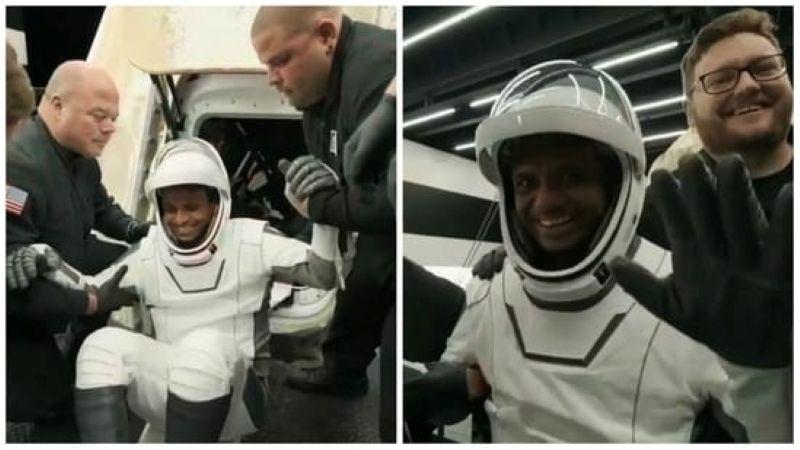
Group Captain Shubhanshu Shukla, India’s first astronaut to live and work aboard the International Space Station (ISS), has completed his historic 18-day mission in space. Shukla, who made history by becoming the first Indian to visit the ISS, has finally returned to Earth, exiting SpaceX's Dragon capsule and experiencing gravity once again after nearly three weeks in space. Shukla’s safe return was m
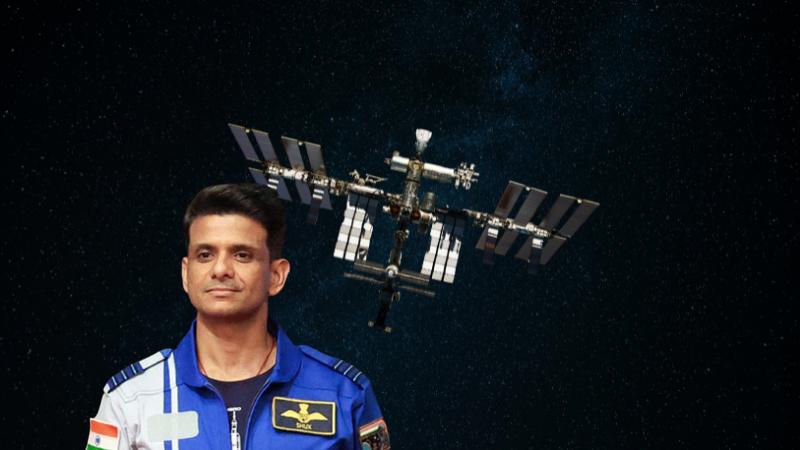
Indian astronaut Shubhanshu Shukla is set to return to Earth after a landmark mission aboard the International Space Station (ISS) as part of the Axiom-4 crew. The mission, which included extensive scientific research, marked several historic firsts for India. Shukla became the first Indian to visit the ISS and only the second Indian astronaut in space, following Wing Commander Rakesh Sharma's 1984 mission. His return, scheduled for July 14 via the Dragon spacecraft, is part of a well-
Astronomers have confirmed the passage of a rare interstellar visitor comet 3I/ATLAS through our solar system. First detected on July 1, 2025, by NASA’s ATLAS telescope in Chile, it is only the third such object ever observed, following Oumuamua in 2017 and 2I/Borisov in 2019. Traveling at an astonishing 208,800 km/h, 3I/ATLAS is expected to make its closest approach to the Sun on October 30 at a distance of 1.4 AU, just inside Mars’ orbit.
Indian astronaut Shubhanshu Shukla is set to make a historic communication from space with school students and scientists from the Indian Space Research Organisation (ISRO) on July 4, 2025. The interaction, which will take place via ham radio, is part of the ARISS (Amateur Radio on the International Space Station) programme, designed to connect astronauts aboard the ISS with students around the world, inspiring the next generation of space explorers.
Group Captain Shubhanshu Shukla, India’s first astronaut aboard the International Space Station (ISS), is conducting a critical space microalgae experiment for the Indian Space Research Organisation (ISRO). This study is aimed at exploring the role of microalgae in sustaining long-duration space missions like Gaganyaan, India’s ambitious human spaceflight program. As part of the experiment, Shukla deployed microalgae sample bags and captured images
India’s journey into space has taken another historic leap with Group Captain Shubhanshu Shukla becoming the second Indian astronaut to travel to space. Onboard the Axiom-4 mission, Shukla is headed to the International Space Station (ISS) aboard the SpaceX Crew Dragon spacecraft, launched from NASA’s Kennedy Space Center on a Falcon 9 rocket. Shukla, an Indian Air Force pilot, follows in the footsteps of