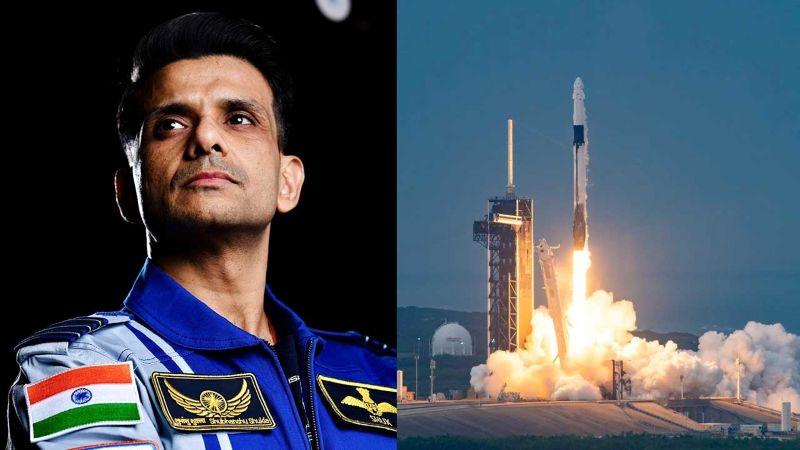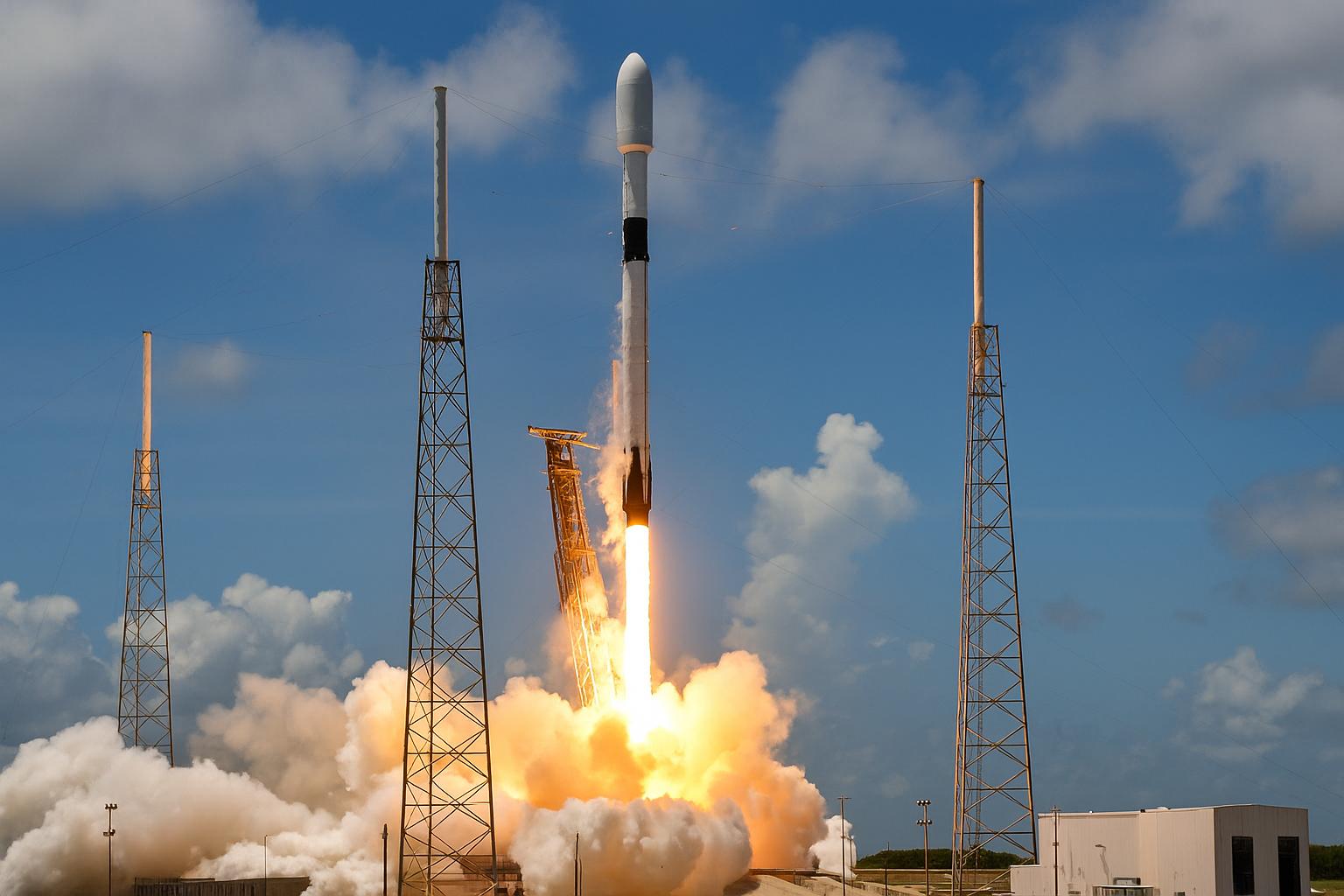
SpaceX has achieved a record-breaking milestone in 2025, marking one of the most prolific years in the history of spaceflight. The company’s unparalleled launch cadence, coupled with rapid rocket turnaround times, has redefined modern rocketry. With more than two months remaining in the year, SpaceX has already surpassed its 2024 total of 138 missions, setting a new benchmark for global orbital launches and solidifying its position as the dominant force in the commercial space sector.
The company’s success in 2025 is largely driven by the seamless integration of two of its major systems — the Falcon 9 rocket and the Starship heavy-lift vehicle. The Falcon 9, SpaceX’s workhorse for nearly a decade, continues to perform near-daily launches from Space Launch Complex 40 in Cape Canaveral, Florida, and Vandenberg Space Force Base in California. These missions include both commercial payloads and batches of Starlink satellites, as well as cargo and crewed flights supporting international space operations.
The reliability and efficiency of the Falcon 9 boosters have been key contributors to the company’s record pace. Each booster is designed for reusability, and several have now flown more than 25 missions, proving SpaceX’s engineering model of rapid turnaround between launches. This capability has drastically reduced the cost of access to space and given the company an edge unmatched by any other operator worldwide.
Alongside Falcon 9, the company has expanded the operational role of Starship — its next-generation, fully reusable super-heavy launch system. Starship entered a crucial testing phase in 2025, successfully completing multiple flights that included both test payloads and mock Starlink satellites. These missions are preparing the spacecraft for full-scale deployment operations in 2026, when it is expected to handle larger payloads, deep-space missions, and lunar transport under NASA’s Artemis program.
According to company data and orbital tracking records, SpaceX has launched more than 2,500 Starlink satellites into orbit so far this year. This figure adds to its ever-growing constellation, which now exceeds 8,000 active satellites. The Starlink network continues to expand its global broadband internet service, offering connectivity across land, air, and maritime regions. The new-generation Starlink satellites deployed in 2025 also include models designed for direct-to-device communication, representing a major technological leap in global internet accessibility.
Industry analysts credit SpaceX’s record-setting year to its unmatched combination of reusability, efficiency, and consistency. The company now accounts for over 80 percent of all global orbital launches, surpassing space programs and commercial entities from Russia, China, and Europe. Its ability to maintain such a high frequency of successful missions has fundamentally changed the economics of the launch industry, pushing competitors to accelerate their own reusable rocket programs.
The scale of SpaceX’s 2025 operations also highlights its growing role as a crucial infrastructure provider for global communication networks. With the majority of its missions focused on Starlink deployment, the company continues to move closer to its goal of providing high-speed internet access in remote and underserved areas worldwide. The expansion of Starlink has already demonstrated significant social and economic impact, particularly in regions with limited terrestrial connectivity.
As the year progresses, SpaceX shows no signs of slowing down. Multiple Starlink launches are scheduled for November and December, in addition to government and commercial satellite deployments. Each mission adds to the company’s impressive statistics and further validates its vision of sustainable, cost-effective space access.
If the current trend continues, 2025 is likely to become not only SpaceX’s most successful year to date but also a defining chapter in the evolution of modern space exploration. The combination of Falcon 9’s reliability, Starship’s promising advancements, and Starlink’s global reach underscores Elon Musk’s long-term ambition — to make humanity a multi-planetary species while transforming Earth’s connectivity.
The year 2025 has demonstrated that SpaceX is not just setting records; it is reshaping the trajectory of the global space industry. With its unmatched pace, technological innovation, and bold vision, the company continues to push the boundaries of what private aerospace ventures can achieve, setting a standard that others can only aspire to reach.