Mother’s Day Tradition Echoes Ancient Indian Earth Prayer
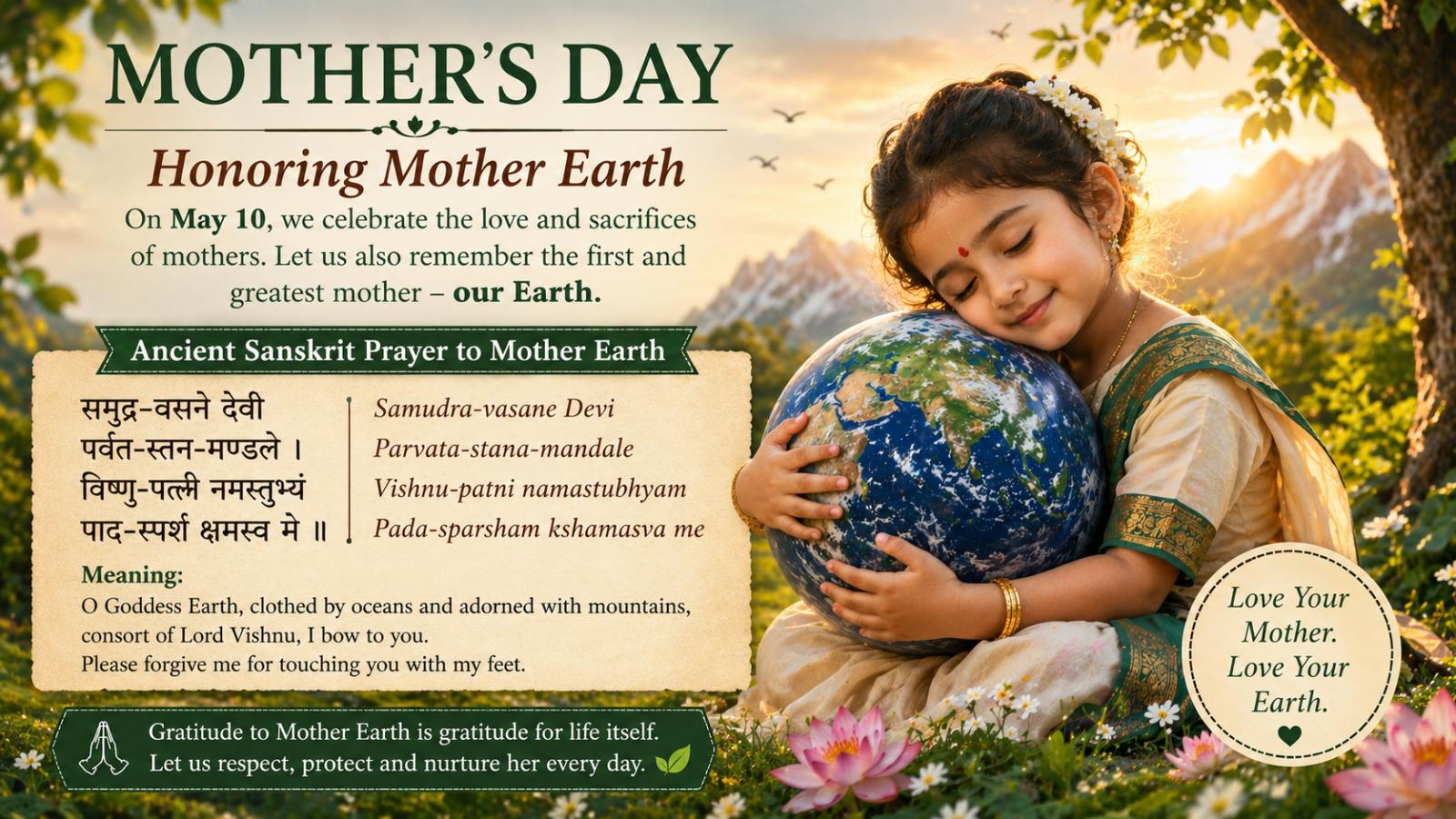
Mother’s Day, celebrated on Sunday, May 10 in many parts of the world, is widely observed as a tribute to maternal love and sacrifice. But an ancient Indian Sanskrit prayer reveals that the idea of motherhood extends far beyond family, honoring Earth itself as humanity’s first mother.
For centuries, Indian spiritual tradition has included a morning prayer recited before touching the ground w
Mother’s Day Tradition Echoes Ancient Indian Earth Prayer
Mother’s Day, celebrated on Sunday, May 10 in many parts of the world, is widely observed as a tribute to maternal love and sacrifice. But an ancient Indian Sanskrit prayer reveals that the idea of motherhood extends far beyond family, honoring Earth itself as humanity’s first mother.
For centuries, Indian spiritual tradition has included a morning prayer recited before touching the ground w
Swami Vivekananda’s visit to Chicago in 1893 remains a defining moment in the global exchange of spiritual and cultural ideas. He traveled to the United States to participate in the World’s Parliament of Religions, an international gathering held as part of the Columbian Exposition. His address on September 11, 1893, is widely remembered for its message of unity and universal acceptance.
Opening his speech with the now-famous greeting, “Brothers and Sisters of America,” Vivekananda immediately connected with the audience, receiving a prolonged standing ovation. His remarks emphasized the shared essence of all religions and advocated for tolerance, mutual respect, and compassion. He presented the principles of Vedanta and Yoga as paths toward understanding humanity’s deeper spiritual nature, highlighting that true religion transcends rigid doctrines.
The impact of his speech extended far beyond the event itself. Vivekananda’s ideas resonated strongly with American audiences, introducing many to Indian philosophical traditions for the first time. His teachings contributed to a broader awareness of Hinduism and helped establish a foundation for ongoing cultural and intellectual dialogue between India and the West.
In India, his legacy continues to inspire generations, particularly through the observance of National Youth Day on January 12, his birth anniversary. Declared by the Government of India in 1984, the day is marked by educational and cultural activities across schools and institutions. These events reflect Vivekananda’s enduring message of self-confidence, service, and the transformative power of knowledge.
Through his writings and lectures, inspired by his guru Ramakrishna Paramahansa, Vivekananda encouraged young people to pursue both personal growth and social responsibility. His influence remains significant today, as his vision of harmony and spiritual awareness continues to shape conversations on global unity and cultural understanding.
Swami Vivekananda’s visit to Chicago in 1893 remains a defining moment in the global exchange of spiritual and cultural ideas. He traveled to the United States to participate in the World’s Parliament of Religions, an international gathering held as part of the Columbian Exposition. His address on September 11, 1893, is widely remembered for its message of unity and universal acceptance.
Opening his speech with the now-famous greeting, “Brothers and Sisters of America,” Vivekananda immediately connected with the audience, receiving a prolonged standing ovation. His remarks emphasized the shared essence of all religions and advocated for tolerance, mutual respect, and compassion. He presented the principles of Vedanta and Yoga as paths toward understanding humanity’s deeper spiritual nature, highlighting that true religion transcends rigid doctrines.
The impact of his speech extended far beyond the event itself. Vivekananda’s ideas resonated strongly with American audiences, introducing many to Indian philosophical traditions for the first time. His teachings contributed to a broader awareness of Hinduism and helped establish a foundation for ongoing cultural and intellectual dialogue between India and the West.
In India, his legacy continues to inspire generations, particularly through the observance of National Youth Day on January 12, his birth anniversary. Declared by the Government of India in 1984, the day is marked by educational and cultural activities across schools and institutions. These events reflect Vivekananda’s enduring message of self-confidence, service, and the transformative power of knowledge.
Through his writings and lectures, inspired by his guru Ramakrishna Paramahansa, Vivekananda encouraged young people to pursue both personal growth and social responsibility. His influence remains significant today, as his vision of harmony and spiritual awareness continues to shape conversations on global unity and cultural understanding.
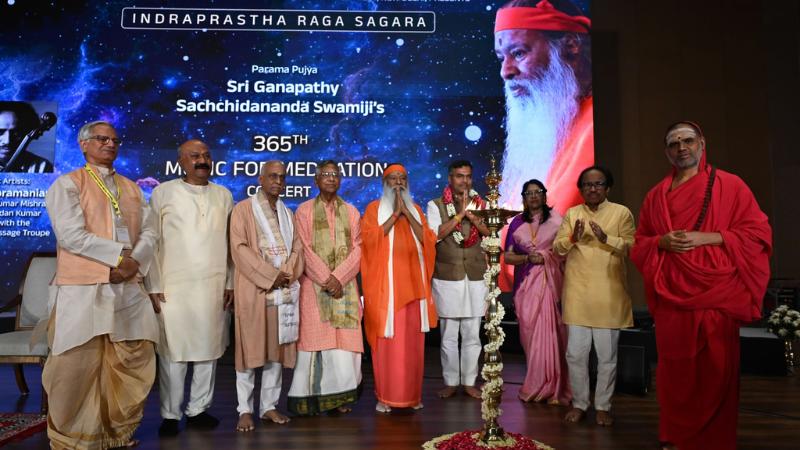
Paramapujya Sri Ganapathy Sachchidananda Swamiji marked a historic milestone with his 365th “Music for Meditation and Healing” concert, titled Indraprastha Raga Sagara, at Bharat Mandapam, Pragati Maidan, New Delhi, on Sunday, April 19, 2026 (IST). Renowned violinist Dr. L. Subraman
Paramapujya Sri Ganapathy Sachchidananda Swamiji marked a historic milestone with his 365th “Music for Meditation and Healing” concert, titled Indraprastha Raga Sagara, at Bharat Mandapam, Pragati Maidan, New Delhi, on Sunday, April 19, 2026 (IST). Renowned violinist Dr. L. Subraman
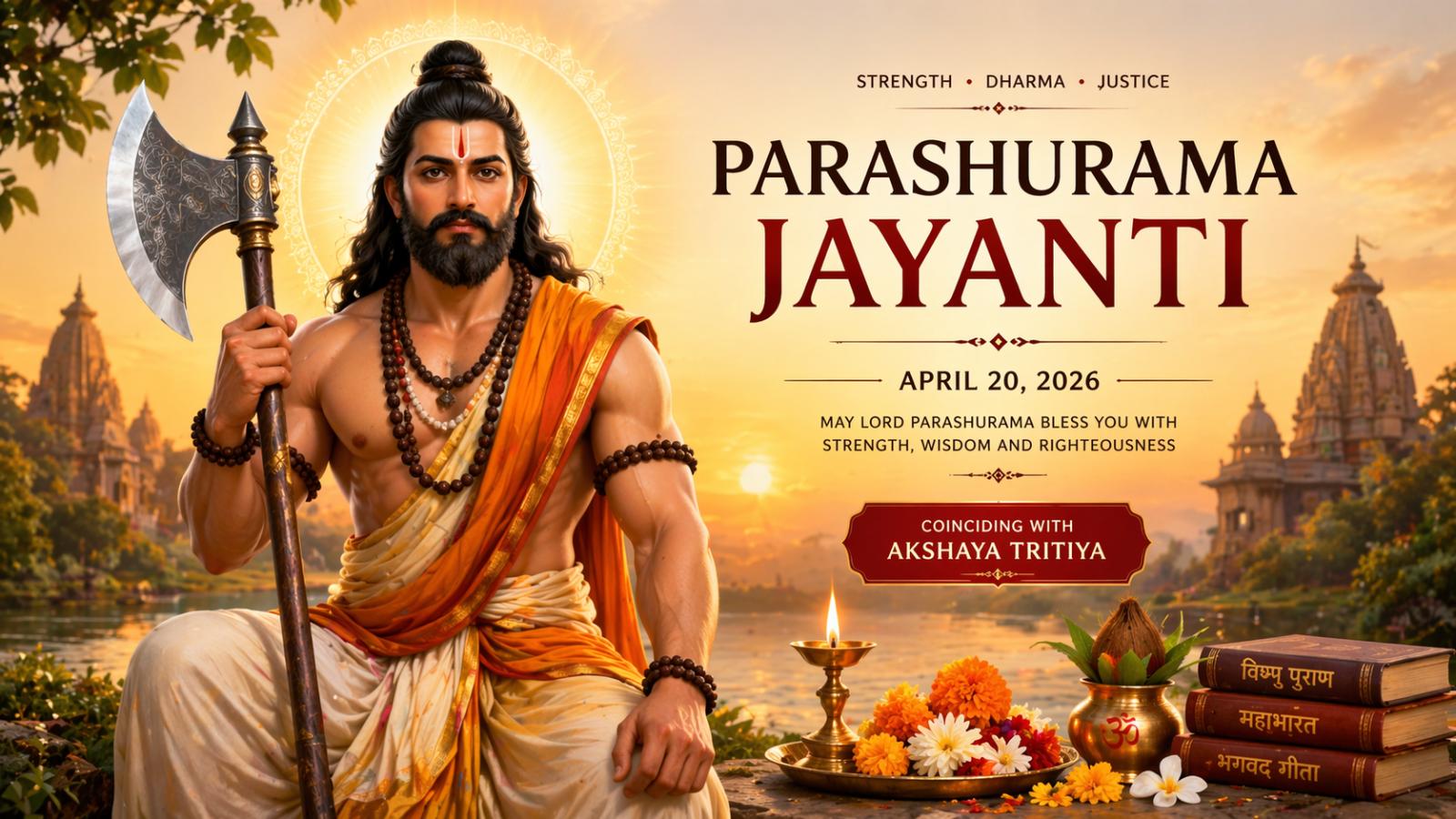
Parashurama Jayanti 2026 will be observed on April 20, coinciding with the highly auspicious Akshaya Tritiya. This sacred occasion marks the birth anniversary of Parashurama, who is regarded as the warrior sage and the sixth incarnation of Vishnu. The alignment of these two important occasions enhances the spiritual significance of the day, making it especially favorable for prayers, charity, and new beginnings. Devotees across India observe this festival with devotion, seeking blessings for strength, prosperity, and moral guidance.
The festival falls on the Tritiya Tithi of the Shukla Paksha in the Vaishakha month. Since this lunar phase is present during the daytime on April 20, it is considered ideal for performing religious rituals. The most suitable time for worship is during the morning and midday hours. Temples dedicated to Lord Vishnu and Parashurama witness large gatherings of devotees who participate in special ceremonies, offer prayers, and chant sacred hymns.
Date: April 20, 2026 (Monday)
Tithi: Tritiya Tithi (Shukla Paksha, Vaishakha month)
Special Significance: Coincides with Akshaya Tritiya
Best Time for Worship: Morning and midday hours
Main Deities Worshipped: Lord Parashurama and Lord Vishnu
Significance of the Festival
Parashurama Jayanti holds deep religious and cultural importance. Parashurama is believed to have been born to restore balance and uphold righteousness. His life represents discipline, courage, and a strong sense of justice. The festival serves as a reminder of these values and encourages individuals to follow a path of integrity and responsibility.
The coincidence with Akshaya Tritiya further adds to its importance. This day is considered naturally auspicious, meaning that important activities can be undertaken without the need for a specific timing window. Many people choose this day to start new ventures, make investments, or purchase gold, as it is believed to bring lasting prosperity and success.
Rituals and Celebrations
Devotees celebrate Parashurama Jayanti through a range of spiritual practices that emphasize devotion and simplicity. People begin the day early with a cleansing bath, followed by prayers offered to Lord Vishnu and Parashurama. Homes and temples are decorated, and offerings such as flowers, fruits, and incense are presented during worship. Fasting is commonly observed as a mark of devotion and self-discipline. Devotees also chant sacred mantras and read religious texts dedicated to Lord Vishnu. Visiting temples and participating in special ceremonies form an important part of the celebration. Charity plays a significant role on this day. Many people donate food, clothing, or money to those in need, as acts of giving are believed to bring positive outcomes and spiritual merit. These practices highlight the importance of compassion and generosity.
Why This Day Matters
Parashurama Jayanti 2026 is more than a ritualistic celebration; it is a day that combines spiritual devotion with meaningful life values. It encourages individuals to reflect on their actions, strengthen their faith, and pursue a balanced life guided by ethics and responsibility. With its association with Akshaya Tritiya, the day becomes even more powerful for initiating positive changes and building a prosperous future. Whether through prayer, fasting, or acts of kindness, the essence of the festival lies in promoting harmony, discipline, and continuous growth in both personal and spiritual life.
Parashurama Jayanti 2026 will be observed on April 20, coinciding with the highly auspicious Akshaya Tritiya. This sacred occasion marks the birth anniversary of Parashurama, who is regarded as the warrior sage and the sixth incarnation of Vishnu. The alignment of these two important occasions enhances the spiritual significance of the day, making it especially favorable for prayers, charity, and new beginnings. Devotees across India observe this festival with devotion, seeking blessings for strength, prosperity, and moral guidance.
The festival falls on the Tritiya Tithi of the Shukla Paksha in the Vaishakha month. Since this lunar phase is present during the daytime on April 20, it is considered ideal for performing religious rituals. The most suitable time for worship is during the morning and midday hours. Temples dedicated to Lord Vishnu and Parashurama witness large gatherings of devotees who participate in special ceremonies, offer prayers, and chant sacred hymns.
Date: April 20, 2026 (Monday)
Tithi: Tritiya Tithi (Shukla Paksha, Vaishakha month)
Special Significance: Coincides with Akshaya Tritiya
Best Time for Worship: Morning and midday hours
Main Deities Worshipped: Lord Parashurama and Lord Vishnu
Significance of the Festival
Parashurama Jayanti holds deep religious and cultural importance. Parashurama is believed to have been born to restore balance and uphold righteousness. His life represents discipline, courage, and a strong sense of justice. The festival serves as a reminder of these values and encourages individuals to follow a path of integrity and responsibility.
The coincidence with Akshaya Tritiya further adds to its importance. This day is considered naturally auspicious, meaning that important activities can be undertaken without the need for a specific timing window. Many people choose this day to start new ventures, make investments, or purchase gold, as it is believed to bring lasting prosperity and success.
Rituals and Celebrations
Devotees celebrate Parashurama Jayanti through a range of spiritual practices that emphasize devotion and simplicity. People begin the day early with a cleansing bath, followed by prayers offered to Lord Vishnu and Parashurama. Homes and temples are decorated, and offerings such as flowers, fruits, and incense are presented during worship. Fasting is commonly observed as a mark of devotion and self-discipline. Devotees also chant sacred mantras and read religious texts dedicated to Lord Vishnu. Visiting temples and participating in special ceremonies form an important part of the celebration. Charity plays a significant role on this day. Many people donate food, clothing, or money to those in need, as acts of giving are believed to bring positive outcomes and spiritual merit. These practices highlight the importance of compassion and generosity.
Why This Day Matters
Parashurama Jayanti 2026 is more than a ritualistic celebration; it is a day that combines spiritual devotion with meaningful life values. It encourages individuals to reflect on their actions, strengthen their faith, and pursue a balanced life guided by ethics and responsibility. With its association with Akshaya Tritiya, the day becomes even more powerful for initiating positive changes and building a prosperous future. Whether through prayer, fasting, or acts of kindness, the essence of the festival lies in promoting harmony, discipline, and continuous growth in both personal and spiritual life.
Vaikuntha Ekadashi is often observed with fasting, temple visits and devotional practices, but traditional sources describe it as far more than a symbolic religious occasion. Ancient Hindu texts and yogic teachings present the observance as a carefully timed alignment of cosmic movements, biological rhythms and human consciousness, established long before the emergence of modern scientific terminology. The day is traditionally observed during Dhanur Masa, in the bright fortnight of Margashirsha, immediately preceding Makara Sankranti, when the Sun begins its northward journey known as Uttarayana.
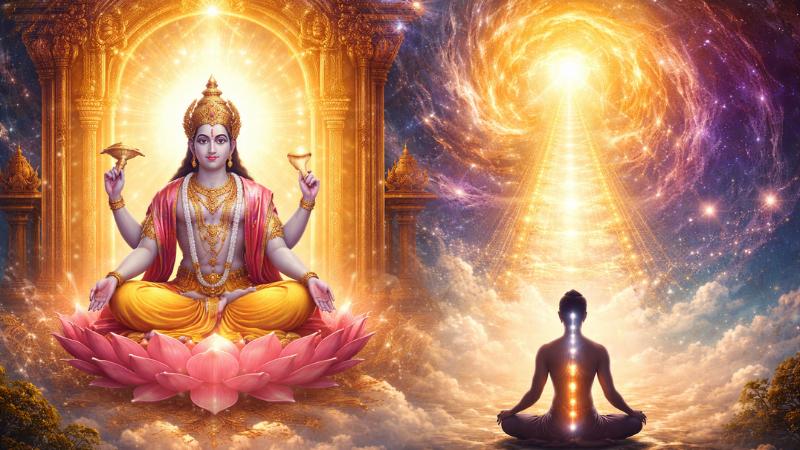
While many temples ceremonially open a northern gate on this day, classical interpretations clarify that the reference is not primarily architectural. Yogic literature describes Vaikuntha as a state beyond limitation and suffering, and Dvara as a gateway. Together, the term points toward an internal transition rather than a physical passage. According to yogic physiology, this gateway corresponds to the Sushumna Nadi, the central energy channel that runs along the spinal axis. Texts such as the Shiva Samhita state that liberation is experienced when prana, or vital energy, flows freely through this central channel without obstruction.
Vaikuntha Ekadashi is observed on Ekadashi tithi, a lunar phase traditionally associated with reduced digestive activity in the human body. Yogic science holds that on this day the digestive system operates at a minimum, making fasting less stressful on the body. Through fasting, the downward-moving energy known as Apana Vayu is restrained, allowing prana to move upward more naturally. This upward movement is believed to balance the Ida and Pingala nadis, often described as the lunar and solar energy channels, creating conditions favorable for the activation of the Sushumna Nadi. Contemporary scientific research into fasting has begun to recognize restorative processes that align with these ancient observations.
Classical yogic texts further explain this mechanism. The Hatha Yoga Pradipika notes that when food intake and sensory distractions are restrained, prana is more likely to enter the central channel. The timing of Vaikuntha Ekadashi coincides with the Sun’s transition toward Uttarayana, symbolically mirroring the upward movement of consciousness described in yogic practices. This phase is traditionally associated with the awakening of higher centers of awareness, moving from the lower chakras toward Ajna and Sahasrara.
Hindu scriptures also describe cosmic time in a distinctive way, defining a single day of the devas as consisting of six months of Uttarayana and six months of Dakshinayana. In this framework, one human year equals one full day and night for celestial beings. Vaikuntha Ekadashi is therefore regarded as marking a cosmic dawn within this larger cycle.
Devotional practices on this day traditionally include the recitation of the Dwadashakshari mantra, Om Namo Narayanaya, as a form of japa. Beyond ritual observance, the day is understood as an opportunity for internal alignment, where seasonal astronomy, lunar dynamics and human physiology converge. Ancient seers embedded this observance into the calendar as a reminder of harmony between the cosmos and the individual.
The invocation Hari Om, often associated with Vaikuntha Ekadashi, reflects this integrated vision. Hari signifies the principle that removes sorrow, ignorance and bondage, while Om represents the primordial sound identified with ultimate reality. Together, they express an aspiration toward clarity and balance within the larger cosmic order.
Viewed through this lens, Vaikuntha Ekadashi stands as a structured convergence of spiritual practice and natural rhythms, emphasizing introspection, restraint and alignment rather than mere ritual formality.
Vaikuntha Ekadashi is often observed with fasting, temple visits and devotional practices, but traditional sources describe it as far more than a symbolic religious occasion. Ancient Hindu texts and yogic teachings present the observance as a carefully timed alignment of cosmic movements, biological rhythms and human consciousness, established long before the emergence of modern scientific terminology. The day is traditionally observed during Dhanur Masa, in the bright fortnight of Margashirsha, immediately preceding Makara Sankranti, when the Sun begins its northward journey known as Uttarayana.
While many temples ceremonially open a northern gate on this day, classical interpretations clarify that the reference is not primarily architectural. Yogic literature describes Vaikuntha as a state beyond limitation and suffering, and Dvara as a gateway. Together, the term points toward an internal transition rather than a physical passage. According to yogic physiology, this gateway corresponds to the Sushumna Nadi, the central energy channel that runs along the spinal axis. Texts such as the Shiva Samhita state that liberation is experienced when prana, or vital energy, flows freely through this central channel without obstruction.
Vaikuntha Ekadashi is observed on Ekadashi tithi, a lunar phase traditionally associated with reduced digestive activity in the human body. Yogic science holds that on this day the digestive system operates at a minimum, making fasting less stressful on the body. Through fasting, the downward-moving energy known as Apana Vayu is restrained, allowing prana to move upward more naturally. This upward movement is believed to balance the Ida and Pingala nadis, often described as the lunar and solar energy channels, creating conditions favorable for the activation of the Sushumna Nadi. Contemporary scientific research into fasting has begun to recognize restorative processes that align with these ancient observations.
Classical yogic texts further explain this mechanism. The Hatha Yoga Pradipika notes that when food intake and sensory distractions are restrained, prana is more likely to enter the central channel. The timing of Vaikuntha Ekadashi coincides with the Sun’s transition toward Uttarayana, symbolically mirroring the upward movement of consciousness described in yogic practices. This phase is traditionally associated with the awakening of higher centers of awareness, moving from the lower chakras toward Ajna and Sahasrara.
Hindu scriptures also describe cosmic time in a distinctive way, defining a single day of the devas as consisting of six months of Uttarayana and six months of Dakshinayana. In this framework, one human year equals one full day and night for celestial beings. Vaikuntha Ekadashi is therefore regarded as marking a cosmic dawn within this larger cycle.
Devotional practices on this day traditionally include the recitation of the Dwadashakshari mantra, Om Namo Narayanaya, as a form of japa. Beyond ritual observance, the day is understood as an opportunity for internal alignment, where seasonal astronomy, lunar dynamics and human physiology converge. Ancient seers embedded this observance into the calendar as a reminder of harmony between the cosmos and the individual.
The invocation Hari Om, often associated with Vaikuntha Ekadashi, reflects this integrated vision. Hari signifies the principle that removes sorrow, ignorance and bondage, while Om represents the primordial sound identified with ultimate reality. Together, they express an aspiration toward clarity and balance within the larger cosmic order.
Viewed through this lens, Vaikuntha Ekadashi stands as a structured convergence of spiritual practice and natural rhythms, emphasizing introspection, restraint and alignment rather than mere ritual formality.
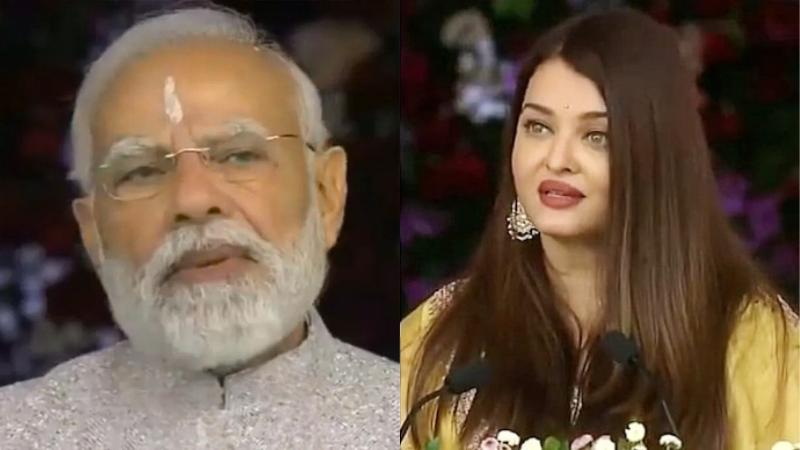
Aishwarya Rai Bachchan made headlines as she attended the birth centenary celebrations of Sri Sathya Sai Baba in Puttaparthi, Andhra Pradesh. The event was marked by the presence of Prime Minister Narendra Modi, cricket icon Sachin Tendulkar, and several union ministers including Ram Mohan Naidu Kinjarapu and G Kishan Reddy. Before taking the microphone, Aishwarya touched the feet of PM Modi, who was seated on the stage, a gesture that sparked widespread conversations both at the venue and on
Aishwarya Rai Bachchan made headlines as she attended the birth centenary celebrations of Sri Sathya Sai Baba in Puttaparthi, Andhra Pradesh. The event was marked by the presence of Prime Minister Narendra Modi, cricket icon Sachin Tendulkar, and several union ministers including Ram Mohan Naidu Kinjarapu and G Kishan Reddy. Before taking the microphone, Aishwarya touched the feet of PM Modi, who was seated on the stage, a gesture that sparked widespread conversations both at the venue and on
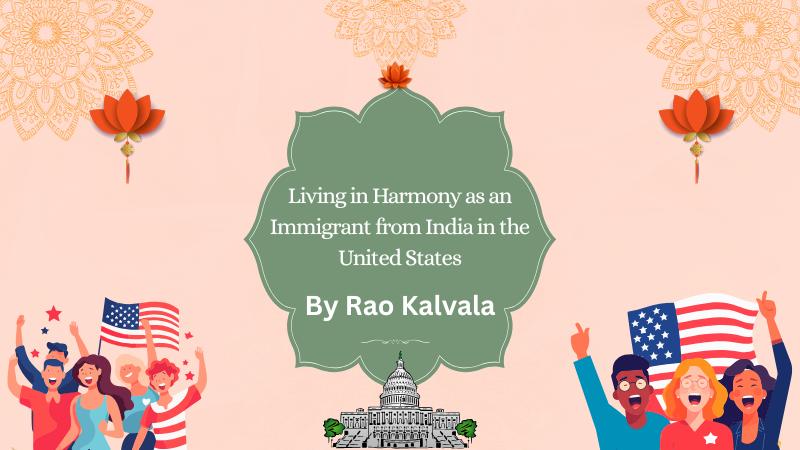
Living in harmony as an immigrant from India in the United States requires both self-adaptation and mutual understanding. It’s a journey that blends the best of Indian values with the American spirit of individuality, respect, and community. Here’s a holistic framework—practical, cultural, and spiritual—that guides immigrants to navigate their life in the U.S. with confidence and peace.
1
Living in harmony as an immigrant from India in the United States requires both self-adaptation and mutual understanding. It’s a journey that blends the best of Indian values with the American spirit of individuality, respect, and community. Here’s a holistic framework—practical, cultural, and spiritual—that guides immigrants to navigate their life in the U.S. with confidence and peace.
1
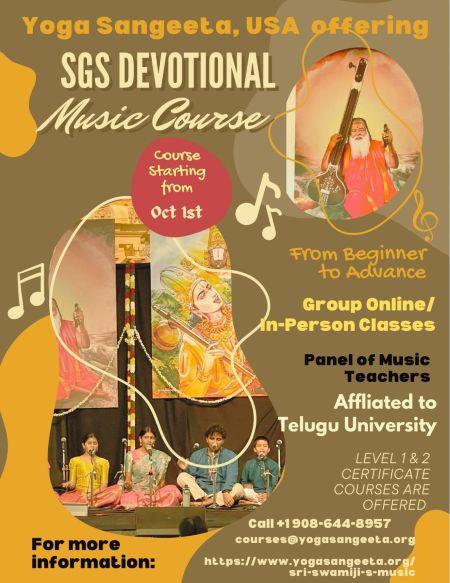
SGS Devotional Music Course – Offered by Yoga Sangeeta, USA
Embark on a soulful musical journey with the SGS Devotional Music Course, starting October 1st. This unique program is designed for all levels — from beginners to advanced learners — and is guided by an expert panel of music teachers.
SGS Devotional Music Course – Offered by Yoga Sangeeta, USA
Embark on a soulful musical journey with the SGS Devotional Music Course, starting October 1st. This unique program is designed for all levels — from beginners to advanced learners — and is guided by an expert panel of music teachers.
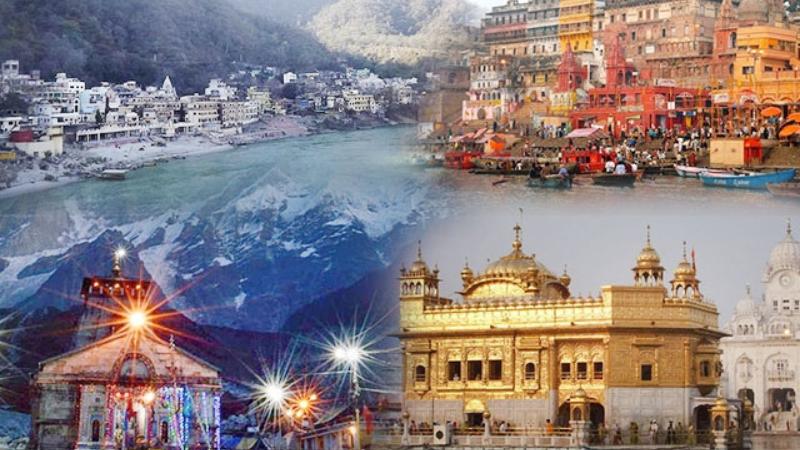
India’s spiritual landscape is filled with countless sacred places, and while South India is famous for its magnificent temple architecture, North India offers equally powerful spiritual experiences. With millions of devotees traveling to these divine sites each year, these temples are more than just religious spots they are journeys of inner peace, faith, and devotion. If you're planning a spiritual getaway or looking for your next pilgrimage destin
India’s spiritual landscape is filled with countless sacred places, and while South India is famous for its magnificent temple architecture, North India offers equally powerful spiritual experiences. With millions of devotees traveling to these divine sites each year, these temples are more than just religious spots they are journeys of inner peace, faith, and devotion. If you're planning a spiritual getaway or looking for your next pilgrimage destin
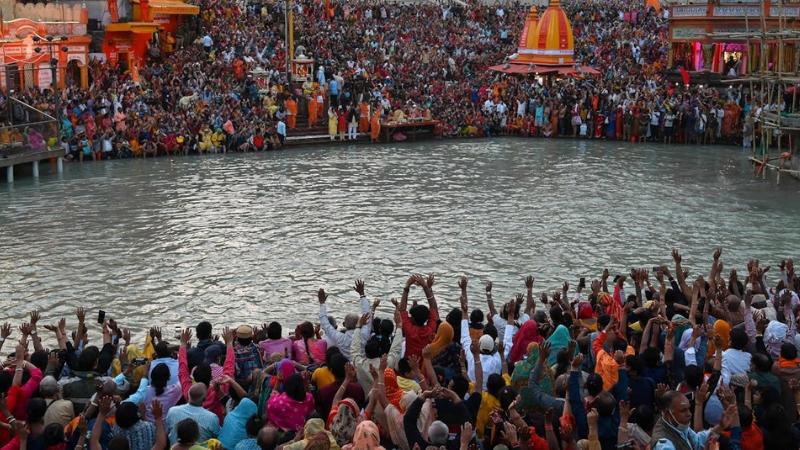
Mumbai, India – February 21, 2025: India’s Maha Kumbh Mela 2025 has become the largest congregation in human history for a religious, cultural, and social event, attracting more than 550 million devotees in just six weeks. Hosted in the northern city of Prayagraj, Uttar Pradesh, this grand Hindu festival has surpassed all previous records, making it one of the most significant religious gatherings ever witnessed.The Kumbh Mela, held every 12 years, carries deep spiritual meaning f
Mumbai, India – February 21, 2025: India’s Maha Kumbh Mela 2025 has become the largest congregation in human history for a religious, cultural, and social event, attracting more than 550 million devotees in just six weeks. Hosted in the northern city of Prayagraj, Uttar Pradesh, this grand Hindu festival has surpassed all previous records, making it one of the most significant religious gatherings ever witnessed.The Kumbh Mela, held every 12 years, carries deep spiritual meaning f