
















#strikes
Tensions Escalate as Israeli Strikes Target Southern Lebanon
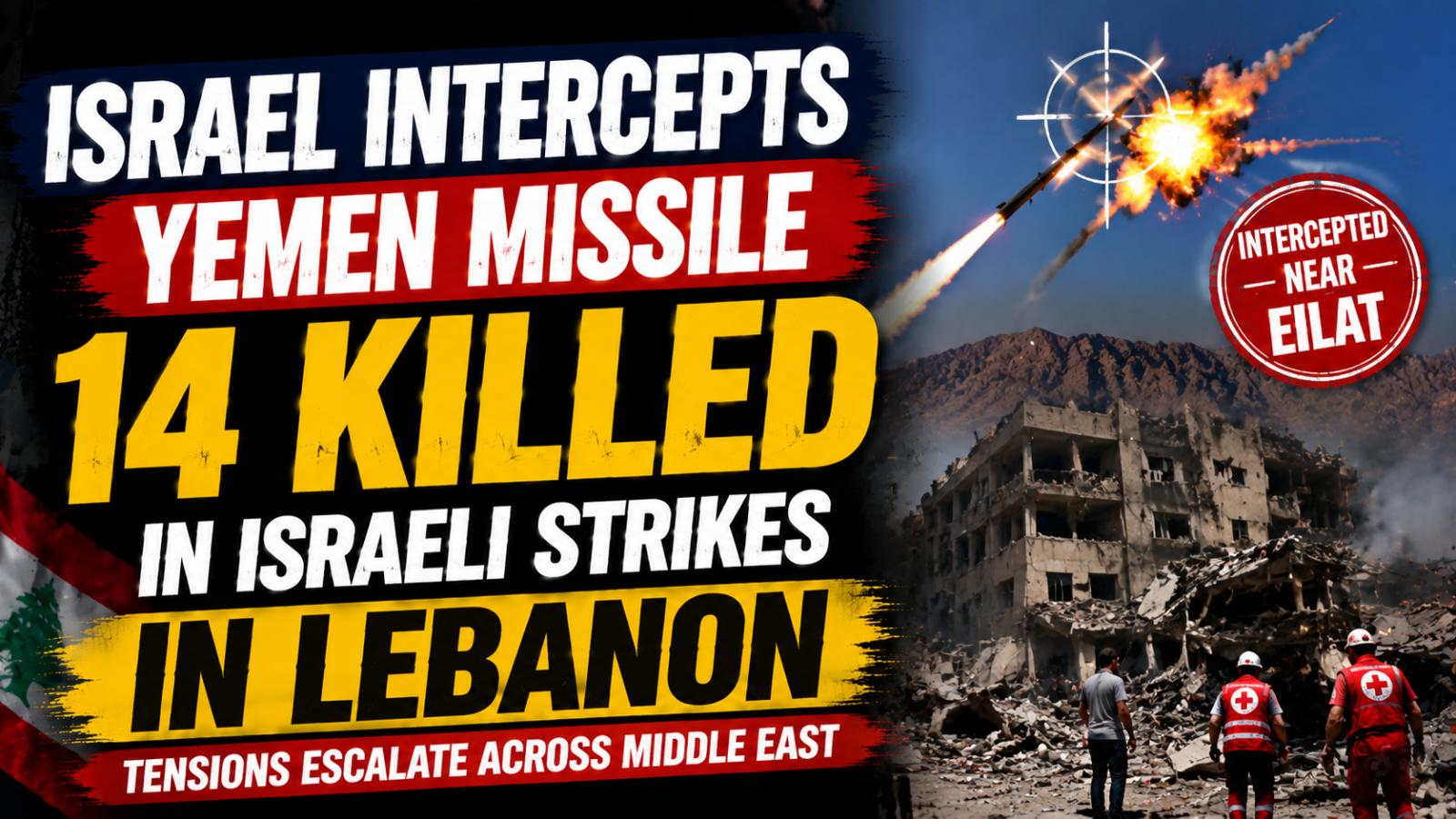
Israel Intercepts Suspicious Aerial Target On Tuesday, June 9, Israel’s military announced it intercepted a suspicious aerial target launched from Yemen near the southern city of Eilat. The Israel Defence Forces reported no injuries from the incident, which concluded without further escalation. The interception occurs amid heightened tensions in the region, despite recent statements from Israel and Iran si
Tensions Escalate as Israeli Strikes Target Southern Lebanon
Israel Intercepts Suspicious Aerial Target On Tuesday, June 9, Israel’s military announced it intercepted a suspicious aerial target launched from Yemen near the southern city of Eilat. The Israel Defence Forces reported no injuries from the incident, which concluded without further escalation. The interception occurs amid heightened tensions in the region, despite recent statements from Israel and Iran si
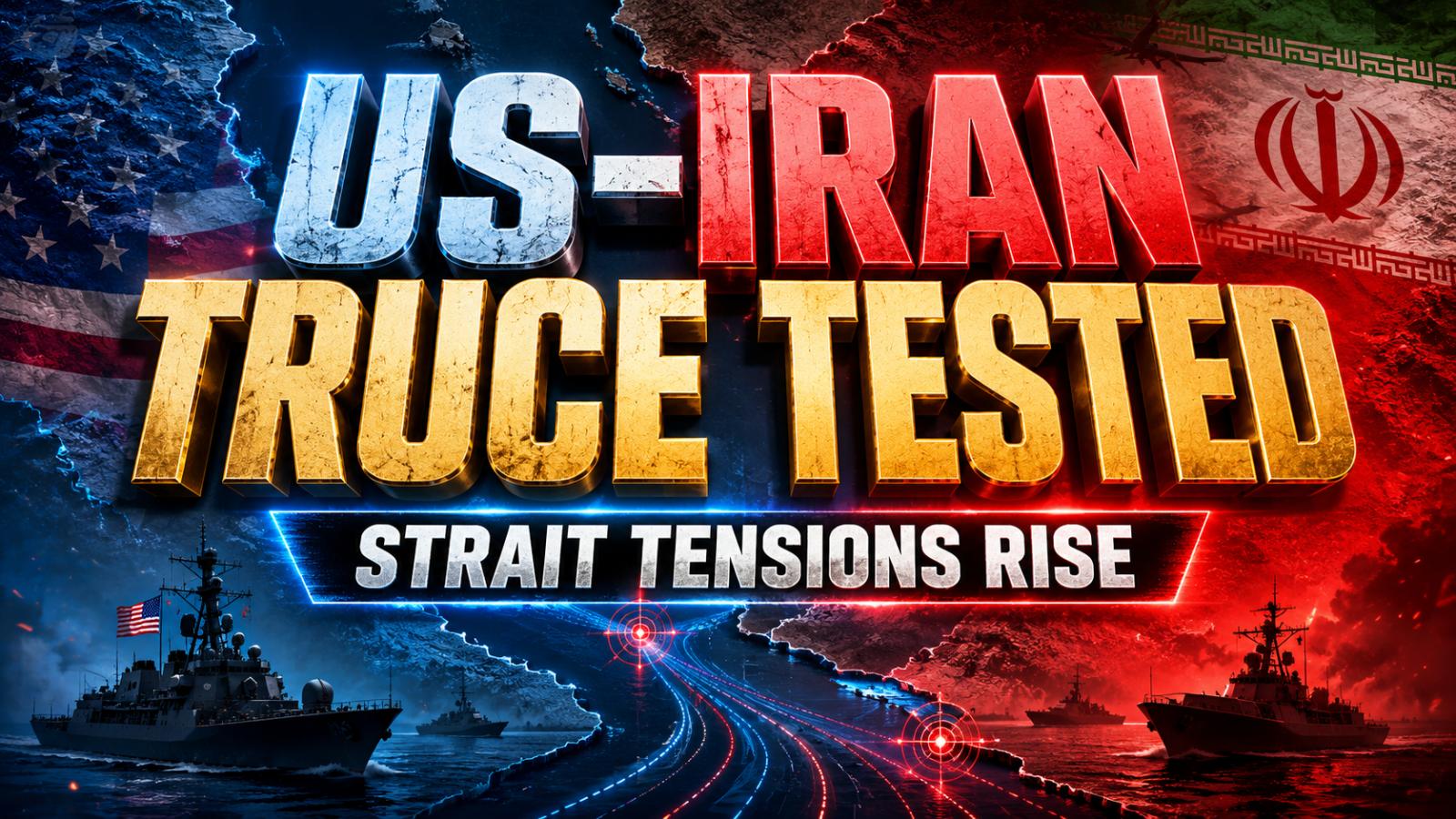
US-Iran Ceasefire Faces New Strain After Strikes
US-Iran Ceasefire Faces New Pressure The latest exchange between the United States and Iran has placed renewed strain on a ceasefire that both sides continue to describe in sharply different terms. Tehran accused Washington of violating the truce after US forces carried out strikes on missile launch sites and boats near the Strait of Hormuz. Iranian officials called the action a flagrant breach and warned of retaliation, while the United States said the strikes were defensive and aimed at protecting American personnel. Washington Maintains Truce Is Still Active US Central Command said Iranian boats were attempting to place mines in the Strait of Hormuz, a move that would carry serious risks for global shipping and regional security. At the same time, US officials emphasized that the ceasefire remained ongoing and said American forces were acting with restraint. That response reflected the administration’s effort to defend military action without declaring the wider truce dead, even as Iran framed the episode as a reciprocal confrontation. Hormuz Remains A Major Flashpoint The Strait of Hormuz remains central to the dispute because of its importance to energy flows and international trade. President Donald Trump previously tied the ceasefire to Iran reopening the strait, but the waterway has remained a source of tension. The continued uncertainty has complicated diplomacy, with Washington trying to keep negotiations alive while also responding to military activity it says threatens US forces and commercial movement in the Gulf. US Leverage Comes Under Scrutiny The administration’s handling of the latest incident has raised questions about whether its eagerness to preserve the ceasefire is weakening its negotiating position. Trump has repeatedly threatened stronger action if Iran fails to make a deal, but the United States has so far avoided a return to large-scale hostilities. Iran’s defiant response suggests Tehran may believe Washington is more focused on ending the conflict than escalating it. That perception could become a major factor as both sides test each other’s limits while talks continue.
US-Iran Ceasefire Faces New Strain After Strikes
US-Iran Ceasefire Faces New Pressure The latest exchange between the United States and Iran has placed renewed strain on a ceasefire that both sides continue to describe in sharply different terms. Tehran accused Washington of violating the truce after US forces carried out strikes on missile launch sites and boats near the Strait of Hormuz. Iranian officials called the action a flagrant breach and warned of retaliation, while the United States said the strikes were defensive and aimed at protecting American personnel. Washington Maintains Truce Is Still Active US Central Command said Iranian boats were attempting to place mines in the Strait of Hormuz, a move that would carry serious risks for global shipping and regional security. At the same time, US officials emphasized that the ceasefire remained ongoing and said American forces were acting with restraint. That response reflected the administration’s effort to defend military action without declaring the wider truce dead, even as Iran framed the episode as a reciprocal confrontation. Hormuz Remains A Major Flashpoint The Strait of Hormuz remains central to the dispute because of its importance to energy flows and international trade. President Donald Trump previously tied the ceasefire to Iran reopening the strait, but the waterway has remained a source of tension. The continued uncertainty has complicated diplomacy, with Washington trying to keep negotiations alive while also responding to military activity it says threatens US forces and commercial movement in the Gulf. US Leverage Comes Under Scrutiny The administration’s handling of the latest incident has raised questions about whether its eagerness to preserve the ceasefire is weakening its negotiating position. Trump has repeatedly threatened stronger action if Iran fails to make a deal, but the United States has so far avoided a return to large-scale hostilities. Iran’s defiant response suggests Tehran may believe Washington is more focused on ending the conflict than escalating it. That perception could become a major factor as both sides test each other’s limits while talks continue.
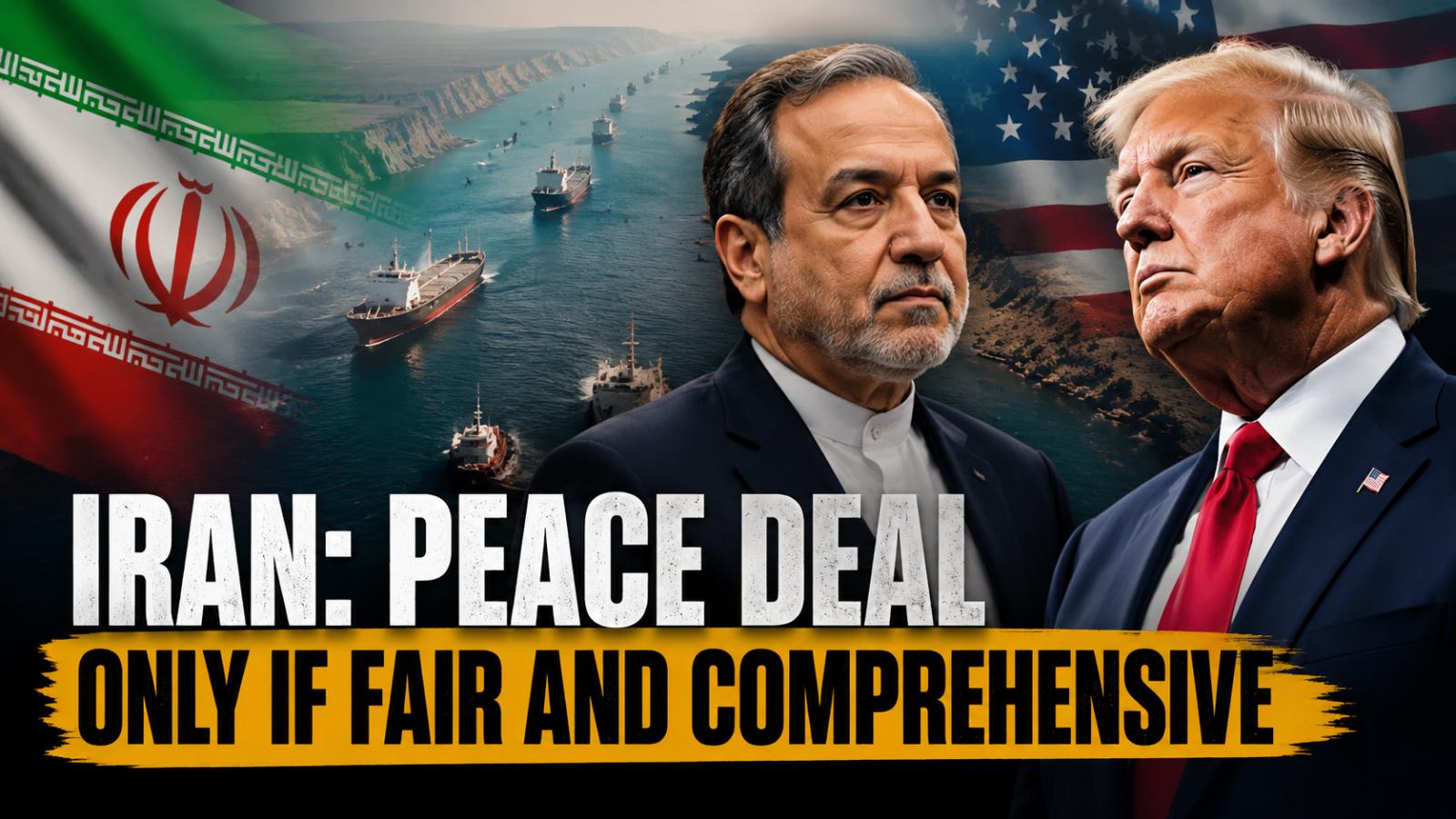
Iran demands fair peace deal amid stalled US naval mission
On Wednesday, May 6, Iran made it clear that it would only accept a peace deal with the United States if the agreement is "fair and comprehensive." This statement follows a recent pause in the U.S. naval operation, 'Project Freedom,' which was aimed at reopening the crucial Strait of Hormuz. The operation, which began just days earlier, failed to restore marine traffic through the vital waterway. Iran's response, however, has been one of defiance, with the country carrying out new strikes on
Iran demands fair peace deal amid stalled US naval mission
On Wednesday, May 6, Iran made it clear that it would only accept a peace deal with the United States if the agreement is "fair and comprehensive." This statement follows a recent pause in the U.S. naval operation, 'Project Freedom,' which was aimed at reopening the crucial Strait of Hormuz. The operation, which began just days earlier, failed to restore marine traffic through the vital waterway. Iran's response, however, has been one of defiance, with the country carrying out new strikes on
Israel-Iran Conflict Escalates: Over 400 Dead Amid Intense Strikes
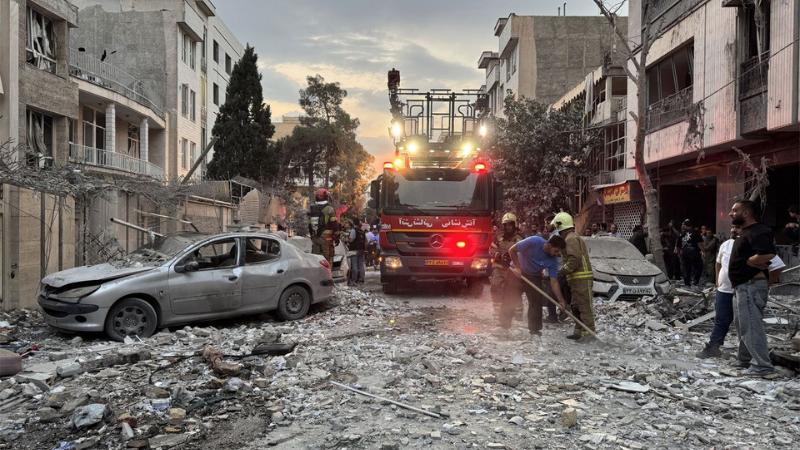
The Israel-Iran conflict has escalated dramatically, entering its third consecutive day with intense missile exchanges resulting in significant casualties on both sides. Iran reports at least 224 fatalities, including senior military
Israel-Iran Conflict Escalates: Over 400 Dead Amid Intense Strikes
The Israel-Iran conflict has escalated dramatically, entering its third consecutive day with intense missile exchanges resulting in significant casualties on both sides. Iran reports at least 224 fatalities, including senior military
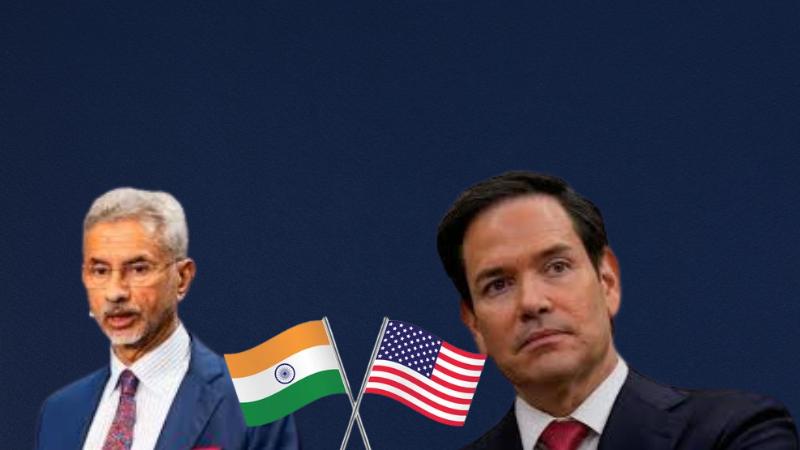
Rubio, Jaishankar in talks after India’s Operation Sindoor strikes; US urges de-escalation
External Affairs Minister S Jaishankar confirmed that he spoke with US Secretary of State Marco Rubio earlier today, amid heightened regional tensions between India and Pakistan. While the full details of their conversation were not disclosed publicly, Jaishankar emphasized India’s ongoing commitment to a "measured and responsible" approach in dealing with escalating hostilities. In his official post on social media, Jaishankar wrote, “Had a conversation with US @SecRubi
Rubio, Jaishankar in talks after India’s Operation Sindoor strikes; US urges de-escalation
External Affairs Minister S Jaishankar confirmed that he spoke with US Secretary of State Marco Rubio earlier today, amid heightened regional tensions between India and Pakistan. While the full details of their conversation were not disclosed publicly, Jaishankar emphasized India’s ongoing commitment to a "measured and responsible" approach in dealing with escalating hostilities. In his official post on social media, Jaishankar wrote, “Had a conversation with US @SecRubi
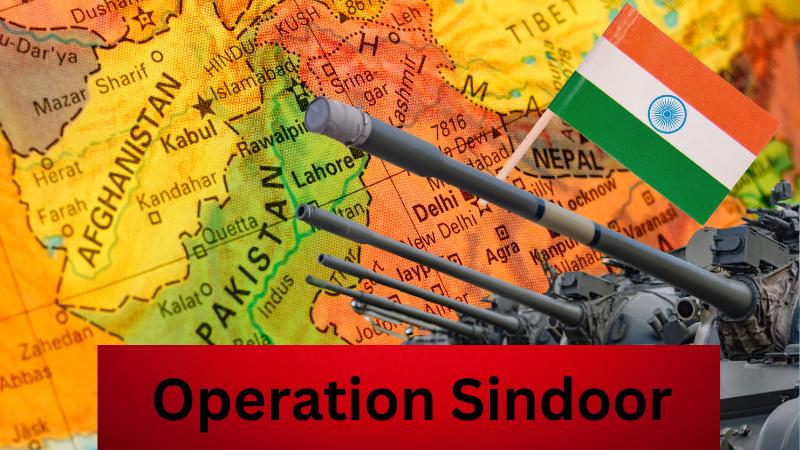
Operation Sindoor: India Hits Pakistani Terror Bases in PoK at 9 different locations - Latest News
In a calibrated military offensive launched in response to the Pahalgam terror attack that killed 26 people, India executed targeted air strikes under the codename Operation Sindoor. Conducted late Wednesday night, the operation struck nine key terror installations across Pakistan and Pakistan-occupied Kashmir (PoK), focusing on eliminating infrastructure linked to the Jaish-e-Mohammed (JeM) and Lashkar-e-Taiba (LeT). Sources revealed that four targets were located within
Operation Sindoor: India Hits Pakistani Terror Bases in PoK at 9 different locations - Latest News
In a calibrated military offensive launched in response to the Pahalgam terror attack that killed 26 people, India executed targeted air strikes under the codename Operation Sindoor. Conducted late Wednesday night, the operation struck nine key terror installations across Pakistan and Pakistan-occupied Kashmir (PoK), focusing on eliminating infrastructure linked to the Jaish-e-Mohammed (JeM) and Lashkar-e-Taiba (LeT). Sources revealed that four targets were located within


