India Japan expand strategic partnership framework
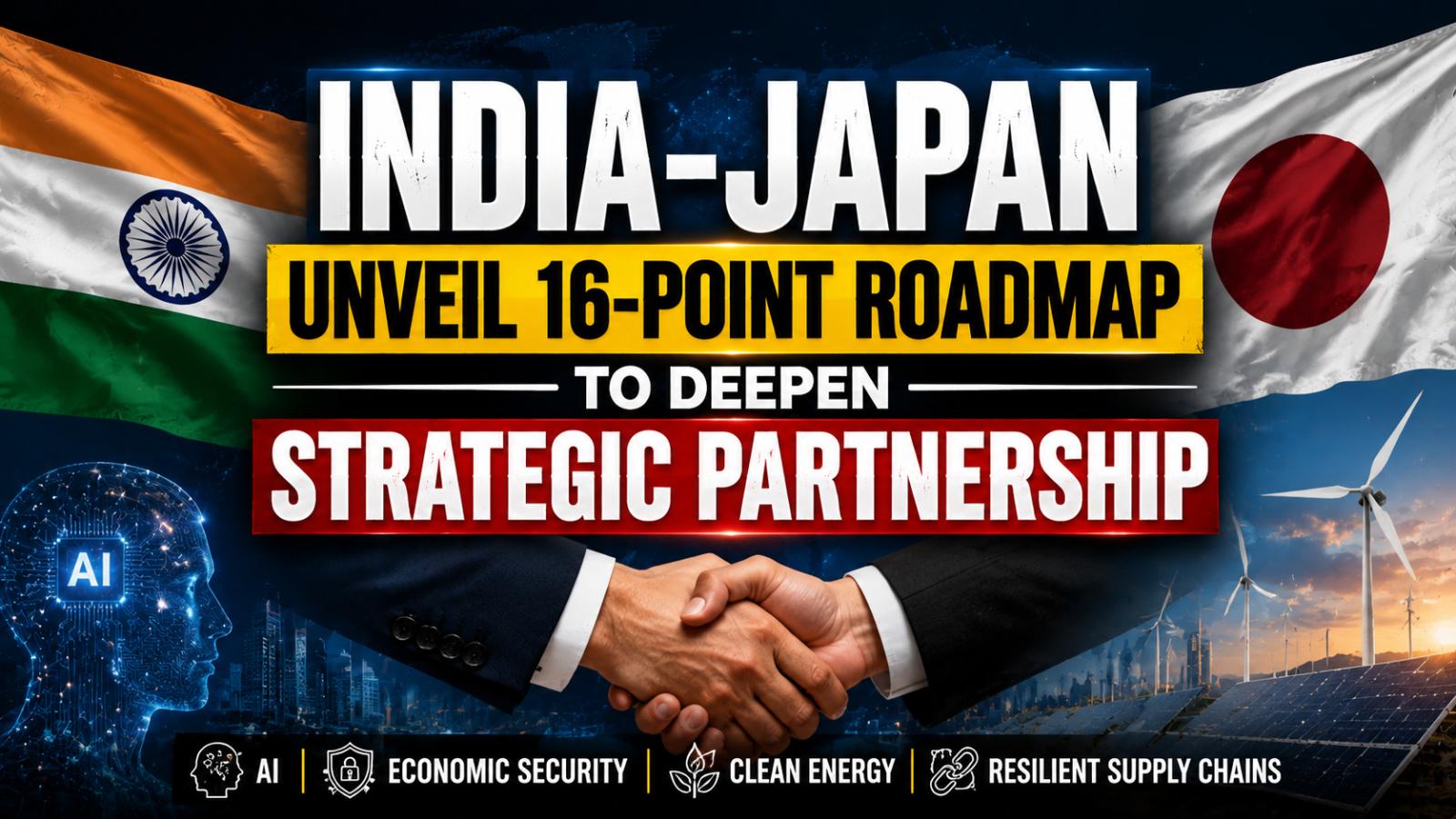
India and Japan have announced a 16-point roadmap aimed at significantly expanding their Special Strategic and Global Partnership, marking a shift toward deeper cooperation in economic security, advanced technology and energy resilience. The initiative was unveiled following the 16th India-Japan Annual Summit held in
India Japan expand strategic partnership framework
India and Japan have announced a 16-point roadmap aimed at significantly expanding their Special Strategic and Global Partnership, marking a shift toward deeper cooperation in economic security, advanced technology and energy resilience. The initiative was unveiled following the 16th India-Japan Annual Summit held in
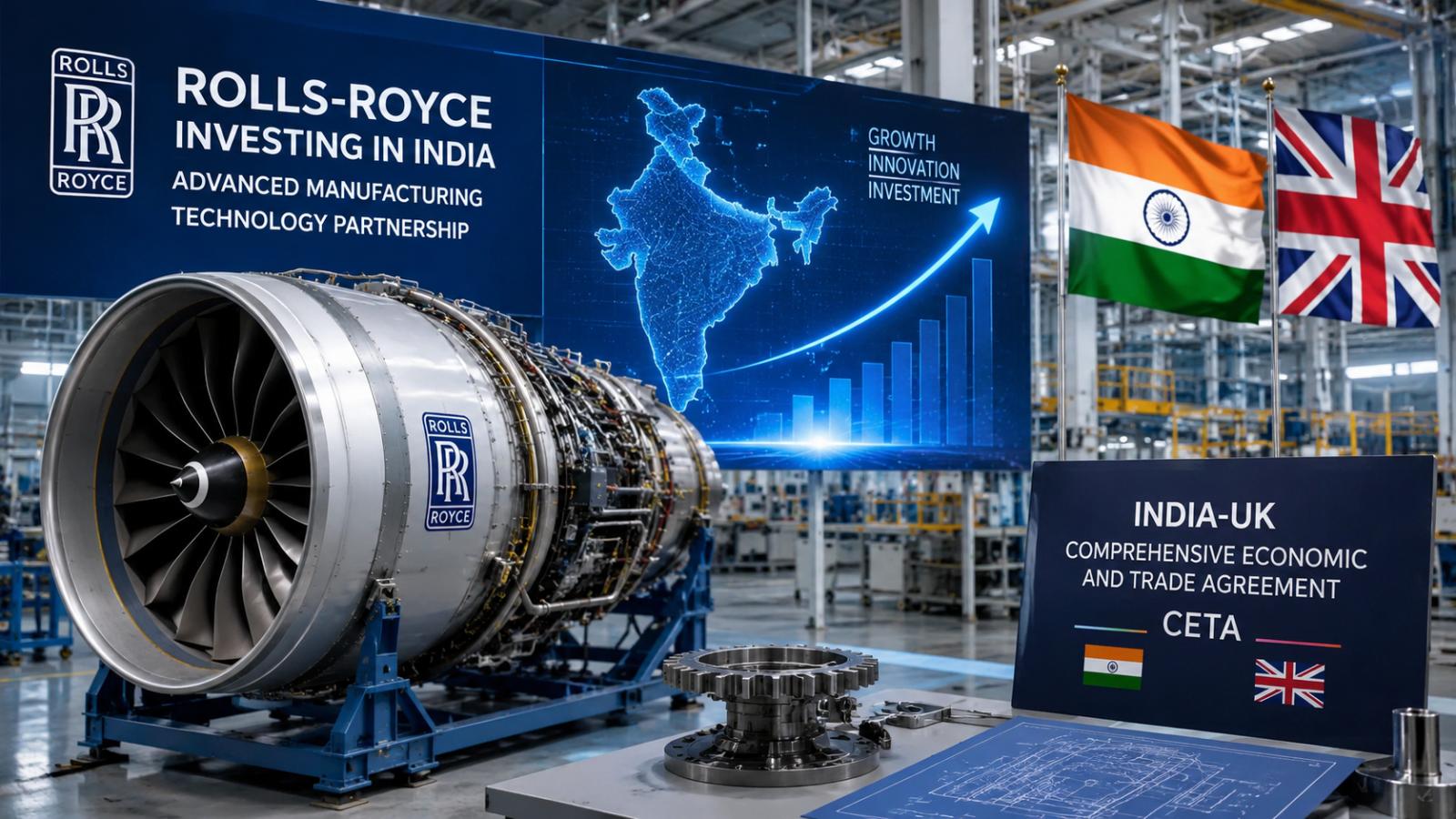
Rolls-Royce and India discussed deeper manufacturing investment, technology partnerships and an engine proposal tied to the country’s next-generation AMCA fighter program on Friday, June 26, 2026.
The talks focused on how the India-UK Comprehensive Economic and Trade Agreement, or CETA, could support advanced manufacturing, engineering cooperation and more resilient supply chains.
Rolls-Royce India Manufacturing Investment
Rolls-Royce and India discussed deeper manufacturing investment, technology partnerships and an engine proposal tied to the country’s next-generation AMCA fighter program on Friday, June 26, 2026.
The talks focused on how the India-UK Comprehensive Economic and Trade Agreement, or CETA, could support advanced manufacturing, engineering cooperation and more resilient supply chains.
Rolls-Royce India Manufacturing Investment
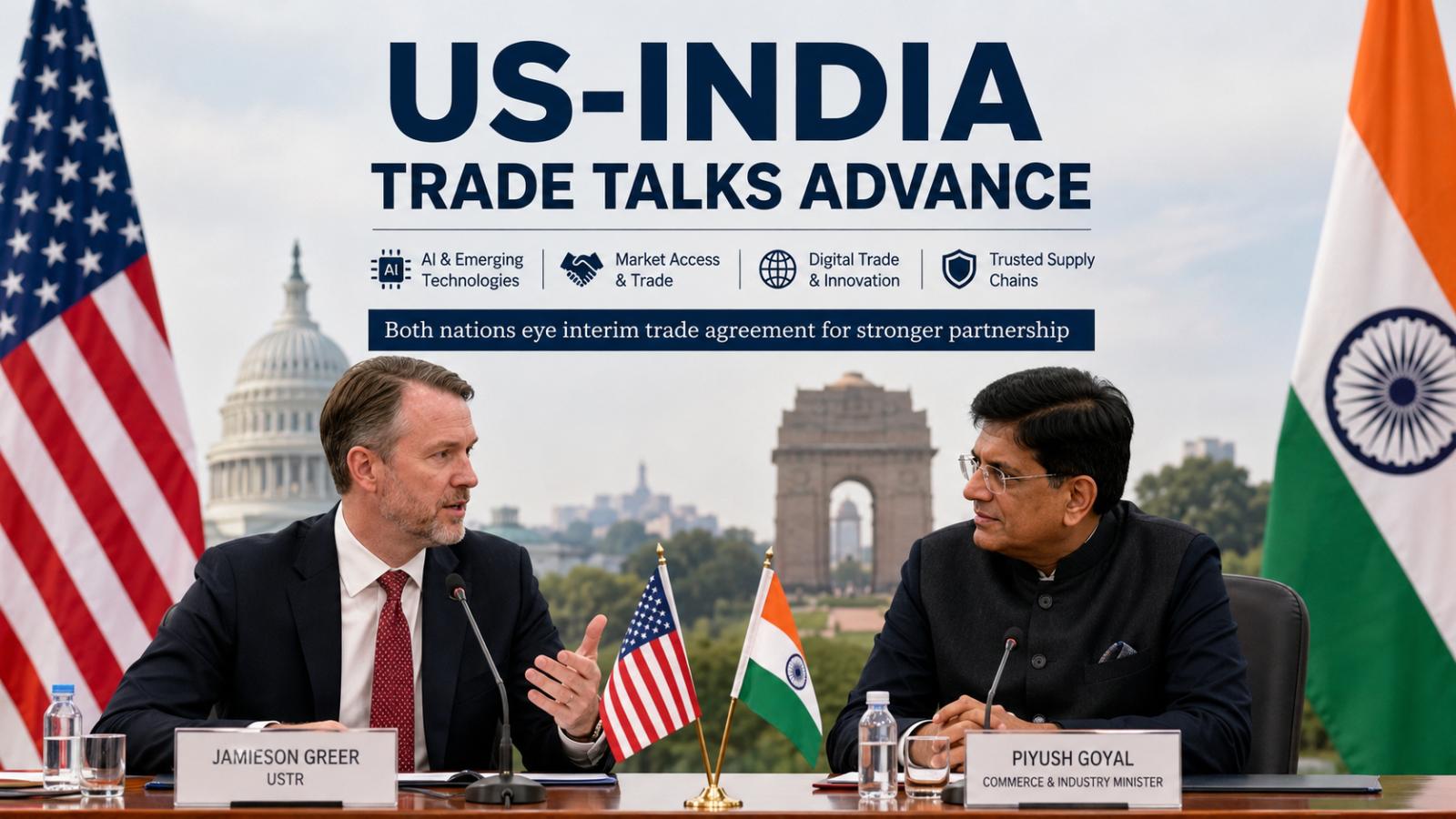
The United States and India reported substantial progress on Wednesday, June 24, 2026, toward an interim bilateral trade agreement, as U.S. Trade Representative Jamieson Greer highlighted artificial intelligence and emerging technologies as growing areas of cooperation.
Greer visited New Delhi from Monday, June 22, through Wednesday, June 24, 2026, and held multiple rounds of talks with Indian Commerce and Industry Minister Piyush Goyal.
US-India Trade Talks Focus
The United States and India reported substantial progress on Wednesday, June 24, 2026, toward an interim bilateral trade agreement, as U.S. Trade Representative Jamieson Greer highlighted artificial intelligence and emerging technologies as growing areas of cooperation.
Greer visited New Delhi from Monday, June 22, through Wednesday, June 24, 2026, and held multiple rounds of talks with Indian Commerce and Industry Minister Piyush Goyal.
US-India Trade Talks Focus
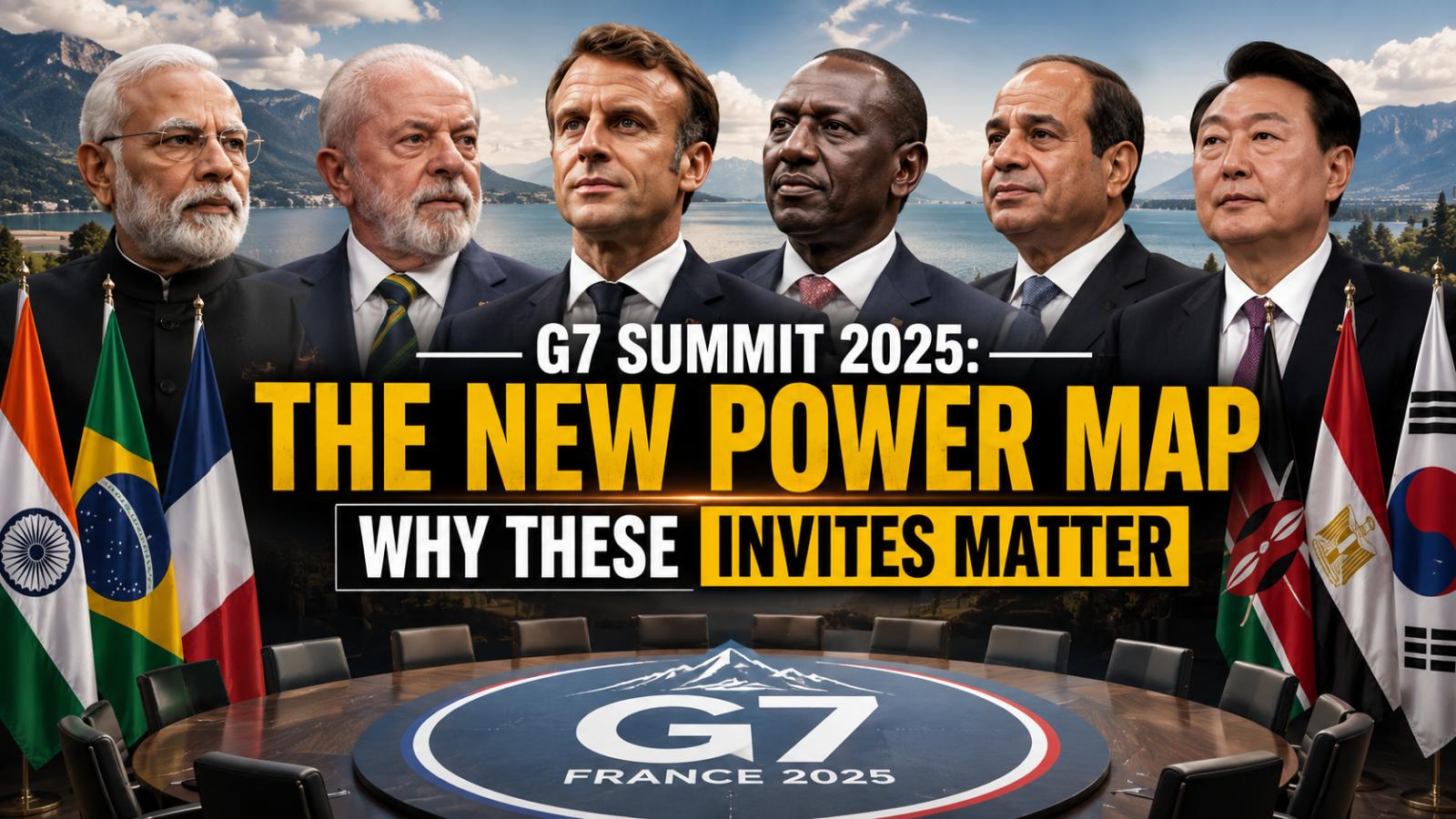
The 52nd G7 Summit, convened on the shores of Lake Geneva, demonstrates the West’s recognition of a shifting global order. French President Emmanuel Macron’s strategic outreach list included influential non-members—India, Brazil, Kenya, Egypt, and South Korea—acknowledging that traditional Western powers can no longer navigate economic or security crises alone. Prime Minister Narendra Modi and President Luiz Inácio Lula da Silva are now pivotal participants, bridging the Global South
The 52nd G7 Summit, convened on the shores of Lake Geneva, demonstrates the West’s recognition of a shifting global order. French President Emmanuel Macron’s strategic outreach list included influential non-members—India, Brazil, Kenya, Egypt, and South Korea—acknowledging that traditional Western powers can no longer navigate economic or security crises alone. Prime Minister Narendra Modi and President Luiz Inácio Lula da Silva are now pivotal participants, bridging the Global South
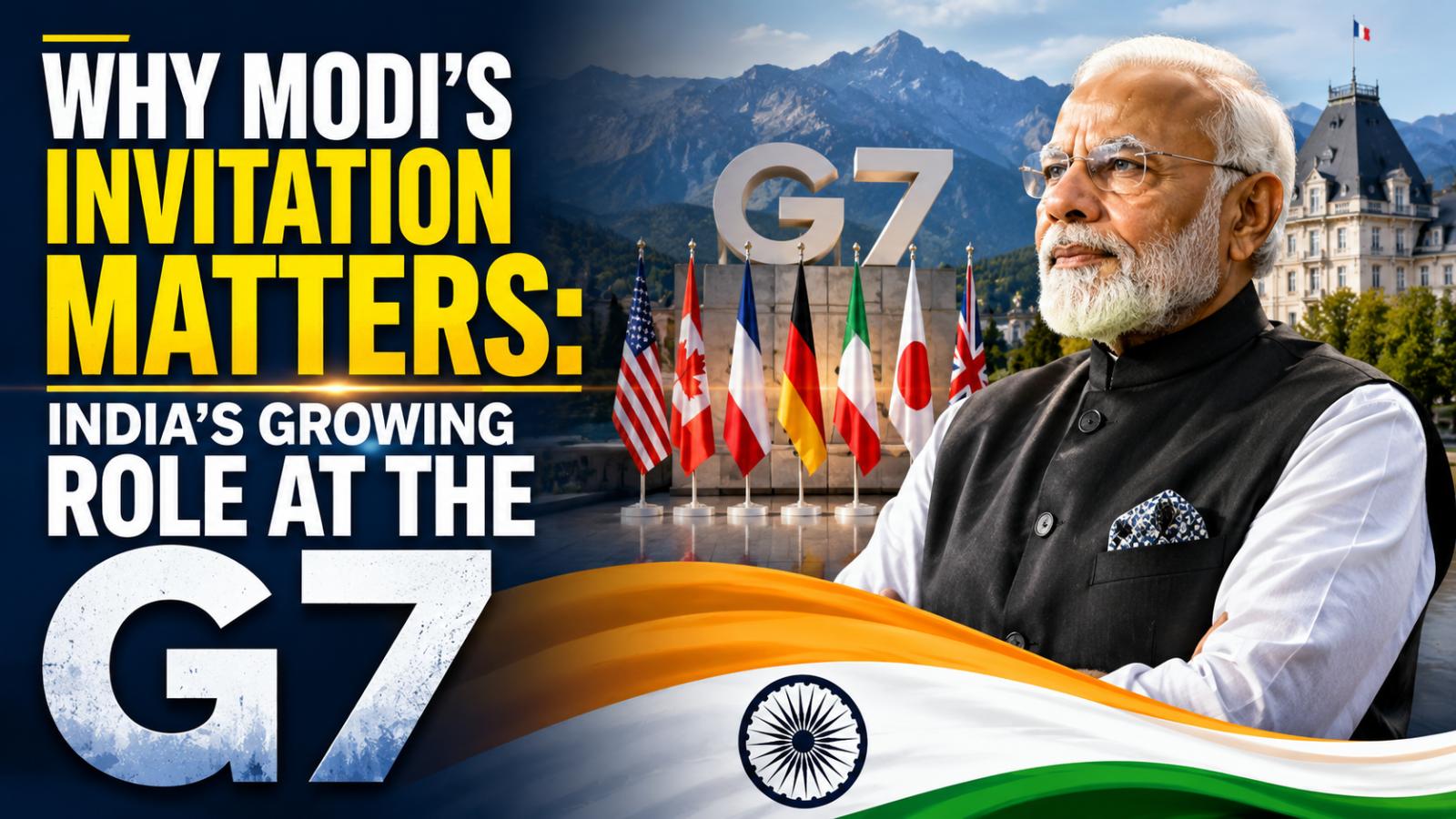
Modi’s G7 invitation highlights India’s rising global role
Prime Minister Narendra Modi is set to attend the G7 Summit in Évian-les-Bains, France, from June 15 to 17, 2026, after being invited as a special guest by French President Emmanuel Macron. India is not a member of the G7, but its repeated presence at the forum shows how New Delhi has become increasingly important to discussions on global economics, security, supply chains and de
Modi’s G7 invitation highlights India’s rising global role
Prime Minister Narendra Modi is set to attend the G7 Summit in Évian-les-Bains, France, from June 15 to 17, 2026, after being invited as a special guest by French President Emmanuel Macron. India is not a member of the G7, but its repeated presence at the forum shows how New Delhi has become increasingly important to discussions on global economics, security, supply chains and de
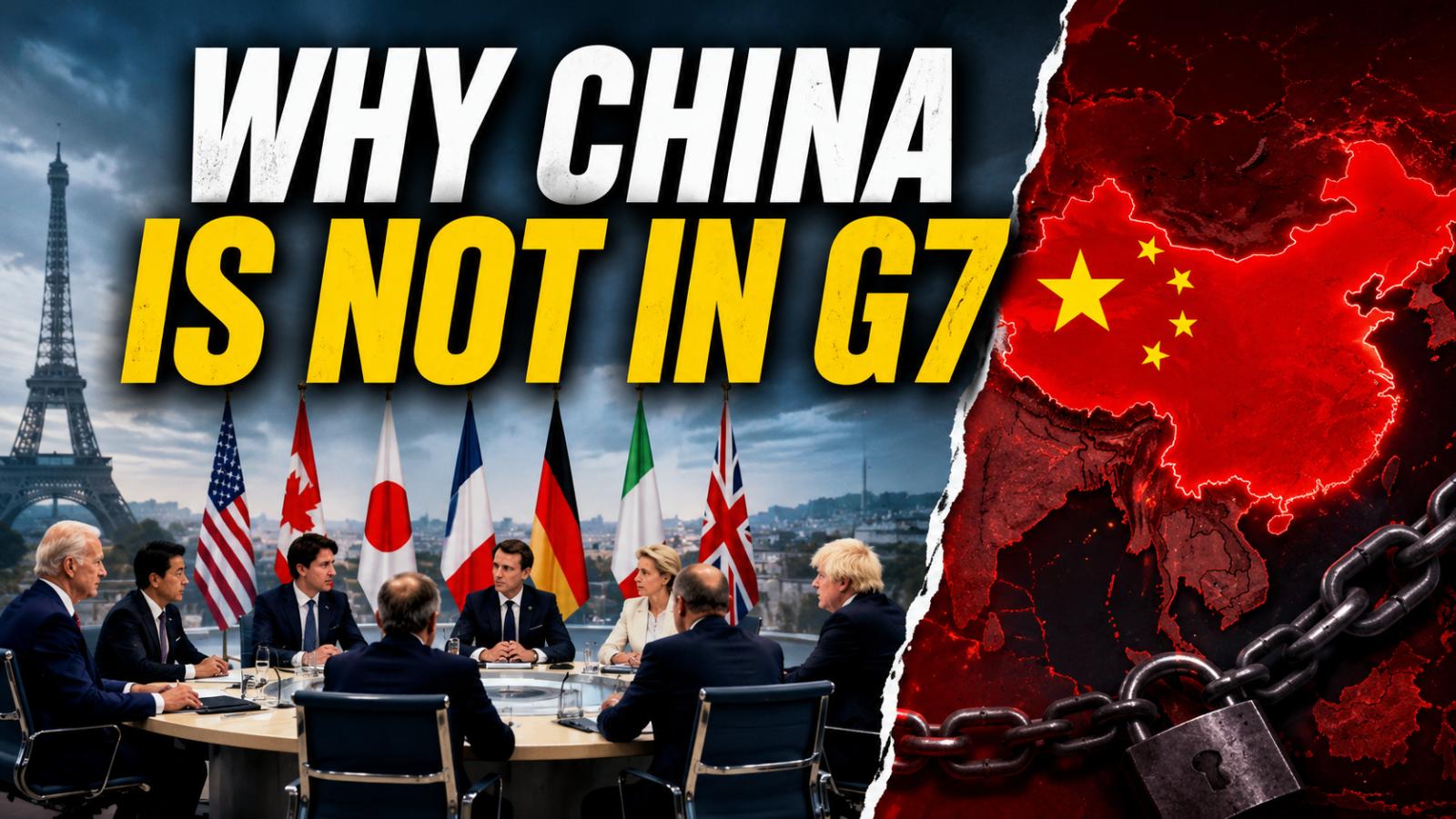
G7 origins shaped membership criteria
As world leaders prepare for the 2026 G7 Summit in Évian-les-Bains, France, attention has once again turned to a recurring question in global politics: why is China, the world's second-largest economy, not a member of the influential group? While Beijing plays a major role in global trade, manufacturing and international affairs, it remains outside the G7 framework that brings together some of the world'
G7 origins shaped membership criteria
As world leaders prepare for the 2026 G7 Summit in Évian-les-Bains, France, attention has once again turned to a recurring question in global politics: why is China, the world's second-largest economy, not a member of the influential group? While Beijing plays a major role in global trade, manufacturing and international affairs, it remains outside the G7 framework that brings together some of the world'
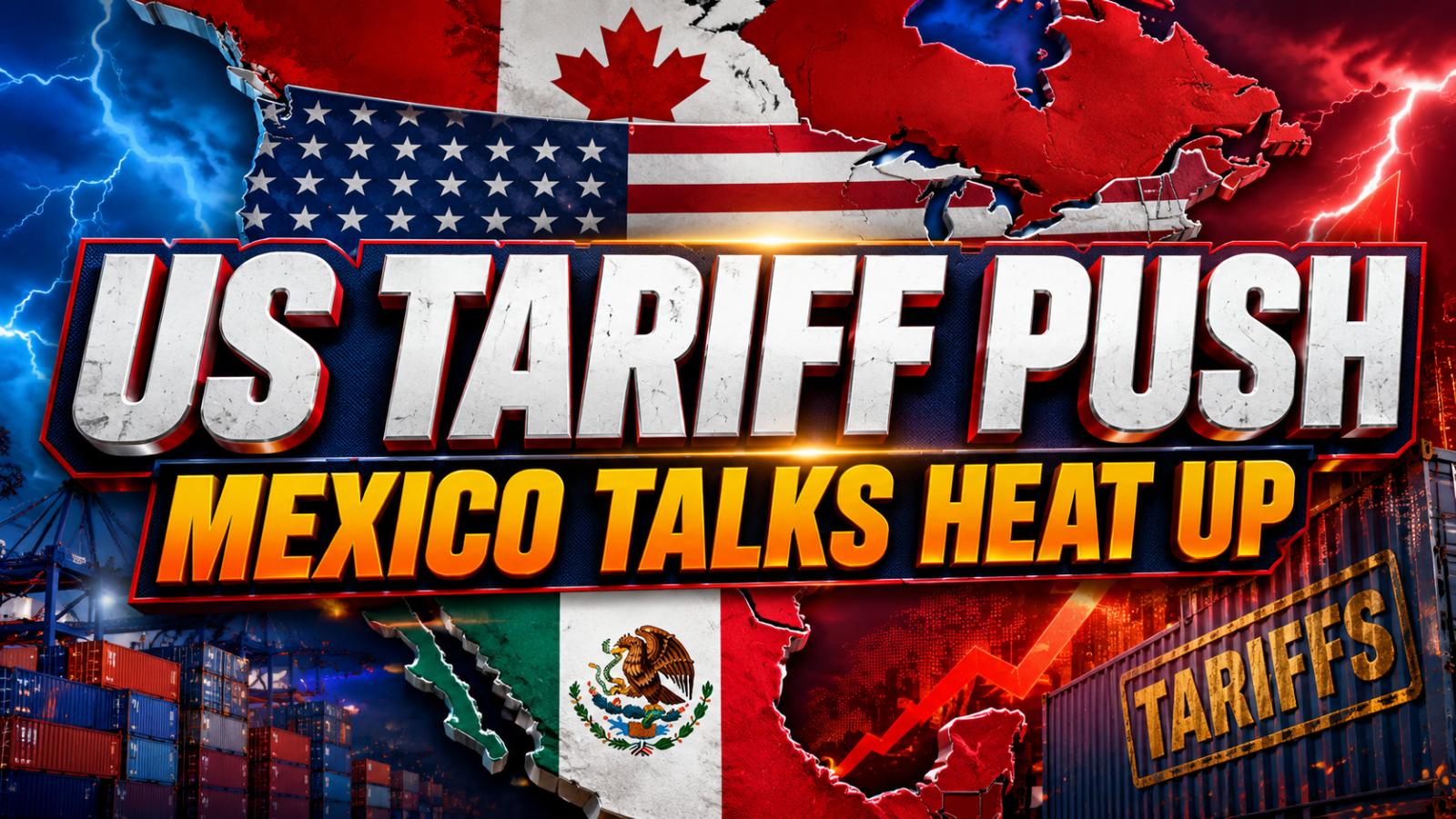
US Pushes Tariffs Into Mexico Trade Talks
The United States expects tariffs to be part of trade negotiations with Mexico this week as Washington prepares for talks tied to the future of the U.S.-Mexico-Canada Agreement. U.S. Trade Representative Jamieson Greer said President Donald Trump remains concerned about the trade deficit with Mexico and indicated that tariffs are likely to remain a tool in the administration’s broader trade strategy, even with close regional partners.
Rules Of Origin Face Fresh Scrutiny
Greer said officials are expected to discuss changes to USMCA rules of origin, including requirements that could increase the share of American-made content in goods produced across North America. The issue is especially important for manufacturing and supply chains, as the United States seeks to reduce dependence on Asia and bring more production closer to home. Greer said Mexico has benefited from American efforts to diversify away from China, but Washington wants a more balanced distribution of production.
Mexico Talks Seen As Productive
The United States views Mexico as a major part of its regional supply chain strategy because it competes with Asian economies for access to the US market. Greer said the administration wants supply chains sourced from the Western Hemisphere wherever possible, pointing to pandemic-era disruptions that limited access to goods from Asia. The goal, he said, is to strengthen North American manufacturing while reducing the deficit with Mexico.
Canada Negotiations Look More Difficult
Trade talks with Canada appear more complicated. Greer said the United States has significant trade challenges with Canada and noted that Ottawa’s response to tariffs has differed from that of many other partners. Canada has argued that USMCA remains a strong agreement and does not require major renegotiation. The disagreement sets up a difficult review process as Washington seeks tariff-related changes while Canada pushes to preserve the existing framework.
US Pushes Tariffs Into Mexico Trade Talks
The United States expects tariffs to be part of trade negotiations with Mexico this week as Washington prepares for talks tied to the future of the U.S.-Mexico-Canada Agreement. U.S. Trade Representative Jamieson Greer said President Donald Trump remains concerned about the trade deficit with Mexico and indicated that tariffs are likely to remain a tool in the administration’s broader trade strategy, even with close regional partners.
Rules Of Origin Face Fresh Scrutiny
Greer said officials are expected to discuss changes to USMCA rules of origin, including requirements that could increase the share of American-made content in goods produced across North America. The issue is especially important for manufacturing and supply chains, as the United States seeks to reduce dependence on Asia and bring more production closer to home. Greer said Mexico has benefited from American efforts to diversify away from China, but Washington wants a more balanced distribution of production.
Mexico Talks Seen As Productive
The United States views Mexico as a major part of its regional supply chain strategy because it competes with Asian economies for access to the US market. Greer said the administration wants supply chains sourced from the Western Hemisphere wherever possible, pointing to pandemic-era disruptions that limited access to goods from Asia. The goal, he said, is to strengthen North American manufacturing while reducing the deficit with Mexico.
Canada Negotiations Look More Difficult
Trade talks with Canada appear more complicated. Greer said the United States has significant trade challenges with Canada and noted that Ottawa’s response to tariffs has differed from that of many other partners. Canada has argued that USMCA remains a strong agreement and does not require major renegotiation. The disagreement sets up a difficult review process as Washington seeks tariff-related changes while Canada pushes to preserve the existing framework.
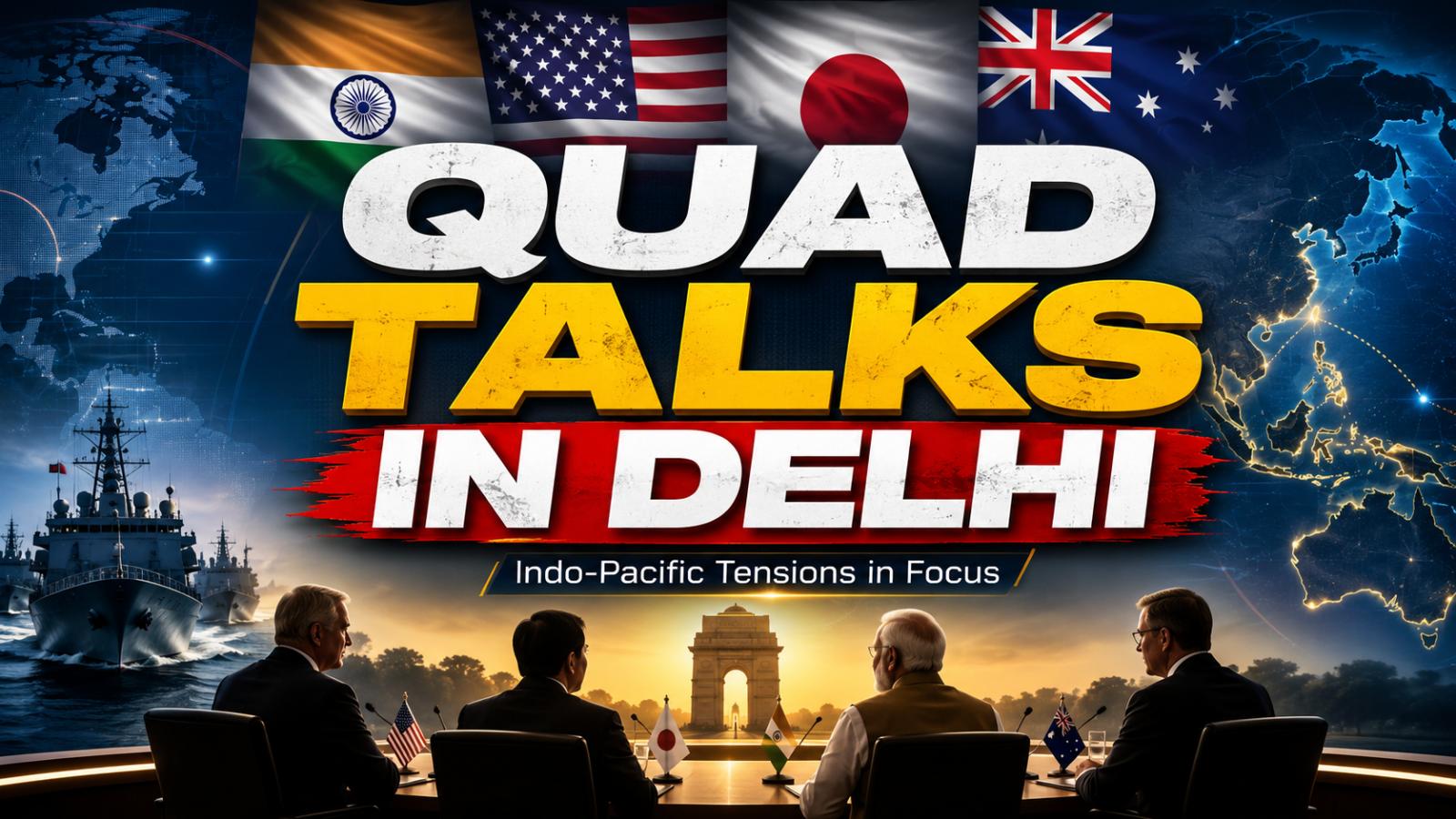
India is hosting the Quad foreign ministers’ meeting in New Delhi on May 26, 2026, bringing together senior leaders from India, the United States, Japan and Australia. External Affairs Minister S. Jaishankar is chairing the meeting, with U.S. Secretary of State Marco Rubio, Australian Foreign Minister Penny Wong and Japanese Foreign Minister Toshimitsu Motegi attending the talks. The participation details are confirmed by India’s Ministry of External Affairs.
The meeting comes a
India is hosting the Quad foreign ministers’ meeting in New Delhi on May 26, 2026, bringing together senior leaders from India, the United States, Japan and Australia. External Affairs Minister S. Jaishankar is chairing the meeting, with U.S. Secretary of State Marco Rubio, Australian Foreign Minister Penny Wong and Japanese Foreign Minister Toshimitsu Motegi attending the talks. The participation details are confirmed by India’s Ministry of External Affairs.
The meeting comes a
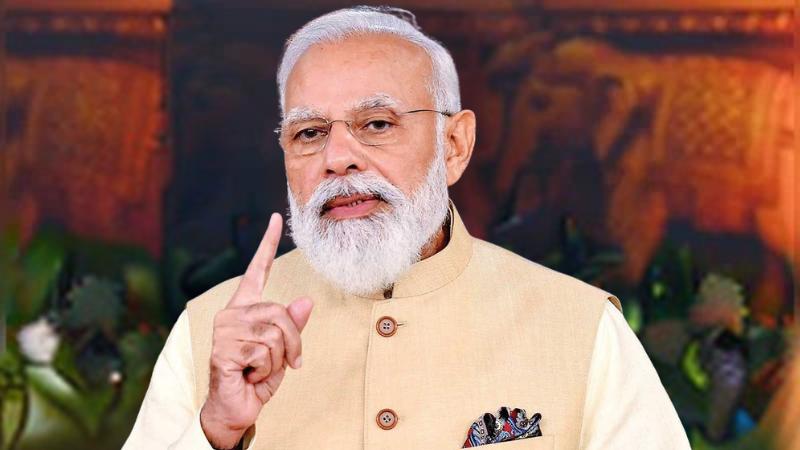
Prime Minister Narendra Modi is set to chair an extended meeting of the Cabinet Committee on Security (CCS) on 1st April 2026 at 7 pm, aiming to review the ongoing situation in West Asia and its potential consequences for India’s energy security, supply chains, and overall macroeconomic stability. The meeting comes shortly after the March 22 review, where the government conducted an assessment of essential commodities like food, fertilisers, fuel, and power in light of the escalating confli
Prime Minister Narendra Modi is set to chair an extended meeting of the Cabinet Committee on Security (CCS) on 1st April 2026 at 7 pm, aiming to review the ongoing situation in West Asia and its potential consequences for India’s energy security, supply chains, and overall macroeconomic stability. The meeting comes shortly after the March 22 review, where the government conducted an assessment of essential commodities like food, fertilisers, fuel, and power in light of the escalating confli
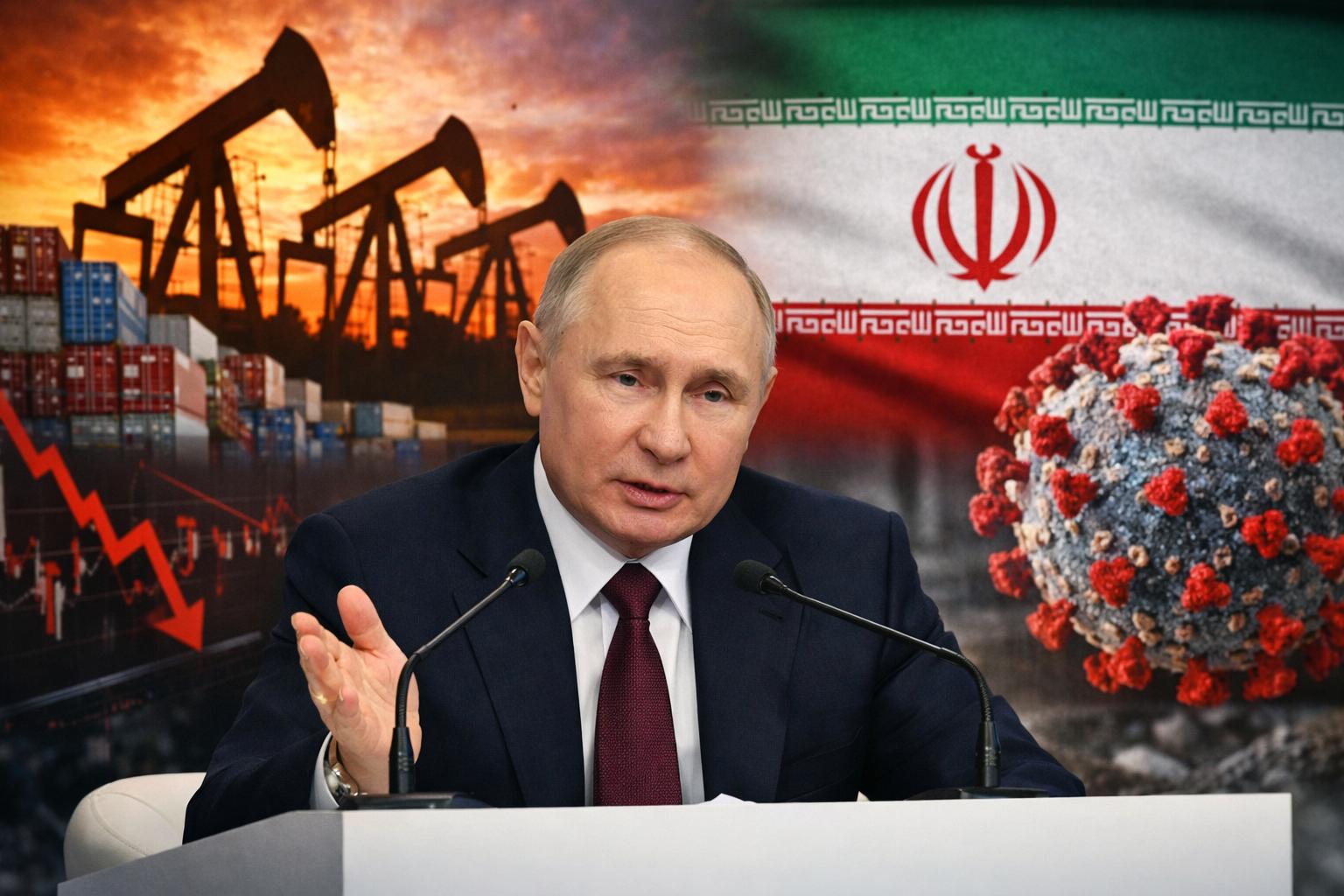
Moscow, Russia: Russian President Vladimir Putin has cautioned that the economic consequences of the ongoing conflict involving Iran could mirror the widespread disruption seen during the COVID-19 pandemic, highlighting mounting pressure on global supply chains and key industries. Speaking at a major business forum in Moscow, Putin said the instability in the Middle East is already causing significant strain on international production systems and logistics networks.
He noted that cri
Moscow, Russia: Russian President Vladimir Putin has cautioned that the economic consequences of the ongoing conflict involving Iran could mirror the widespread disruption seen during the COVID-19 pandemic, highlighting mounting pressure on global supply chains and key industries. Speaking at a major business forum in Moscow, Putin said the instability in the Middle East is already causing significant strain on international production systems and logistics networks.
He noted that cri
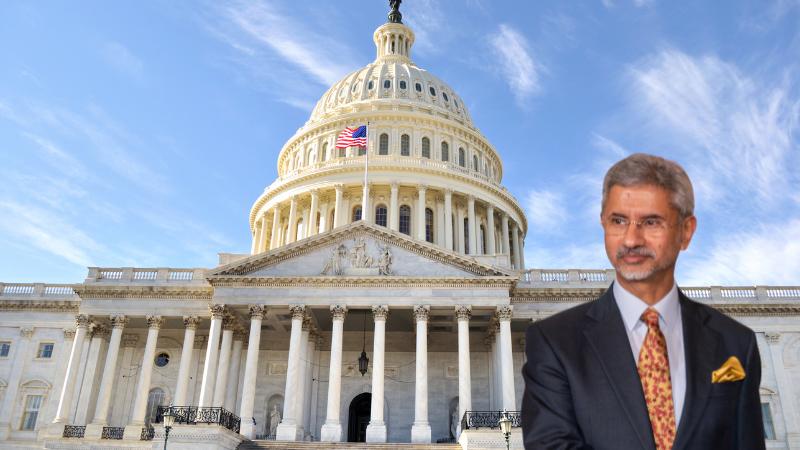
India and the United States are moving closer to concluding what officials describe as a landmark trade agreement, with External Affairs Minister S. Jaishankar indicating that the final details are being worked out and an announcement could come soon. Speaking at the conclusion of his visit to Washington on February 5, Jaishankar said negotiations had reached an advanced stage and expressed confidence that the pact would usher in a new phase of cooperation between the two countries.
India and the United States are moving closer to concluding what officials describe as a landmark trade agreement, with External Affairs Minister S. Jaishankar indicating that the final details are being worked out and an announcement could come soon. Speaking at the conclusion of his visit to Washington on February 5, Jaishankar said negotiations had reached an advanced stage and expressed confidence that the pact would usher in a new phase of cooperation between the two countries.
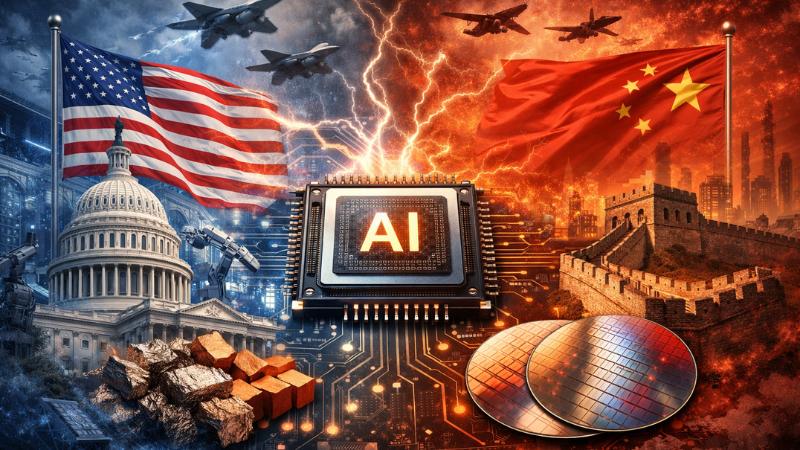
The strategic rivalry between the United States and China in the semiconductor sector continued to intensify throughout 2025, with export controls remaining a central instrument in what has come to be known as the global chip war. The dispute, rooted in concerns over national security, technological leadership and economic influence, significantly affected the semiconductor industry, global supply chains and investment decisions during the year.
At the start of 2025, the United States maintained restrictions on the export of advanced artificial intelligence chips and related technologies to China. These controls were designed to limit Beijing’s access to cutting-edge computing capabilities that could be applied to military and surveillance technologies. US officials defended the measures as necessary to protect national security interests, but the restrictions had immediate commercial consequences for American chipmakers with strong exposure to the Chinese market.
Companies producing high-performance AI chips, including industry leaders such as Nvidia, reported revenue pressures linked to reduced access to Chinese customers. The curbs also led to higher compliance costs and uncertainty over long-term market strategies. Industry executives warned that prolonged restrictions could weaken the global competitiveness of US firms while accelerating China’s efforts to develop independent semiconductor capabilities.
Policy signals shifted after Donald Trump assumed the US presidency in January. His administration moved to ease certain export controls on advanced AI chips for what were described as approved customers in China. Under the revised framework, sales of Nvidia’s H200 chip were permitted, subject to conditions that included profit-sharing arrangements with the US government. The adjustments were widely interpreted as an attempt to balance national security concerns with the commercial interests of American technology companies.
China responded to the US measures by criticising what it described as discriminatory semiconductor policies and urging Washington to reverse the controls. Beijing argued that the restrictions were disrupting global supply chains and undermining fair competition in the semiconductor industry. At the same time, Chinese authorities accelerated domestic initiatives aimed at strengthening the country’s chip manufacturing ecosystem and reducing reliance on foreign suppliers.
As part of its response, China imposed export controls on several rare earth elements, materials that are essential for semiconductor production and advanced electronics. China holds a dominant position in the global rare earth supply, making these measures a powerful lever in the broader technology competition. The restrictions heightened concerns among manufacturers worldwide about material availability and supply chain resilience.
The prolonged US-China chip war had ripple effects across global markets. American and allied semiconductor firms experienced volatility in revenues and share prices as companies reassessed exposure to geopolitical risk. Investment patterns shifted as manufacturers sought to diversify production and sourcing to reduce dependence on any single market. Chinese technology firms increasingly turned to domestic suppliers, accelerating efforts to replace restricted foreign components with locally developed alternatives.
In parallel, the United States expanded its focus on strengthening domestic semiconductor production through subsidy programmes under the CHIPS Act. The initiative supported the construction of new fabrication plants and aimed to secure long-term technological leadership by rebuilding advanced manufacturing capacity within the country.
By late 2025, both Washington and Beijing took limited steps to ease tensions, agreeing to suspend certain rare earth export controls. While the move signalled a willingness to manage escalation, the underlying competition in advanced chip technologies remained unresolved. The year underscored how deeply the semiconductor rivalry has become embedded in global trade, industrial policy and national security calculations, with lasting implications for the future of the technology sector.
The strategic rivalry between the United States and China in the semiconductor sector continued to intensify throughout 2025, with export controls remaining a central instrument in what has come to be known as the global chip war. The dispute, rooted in concerns over national security, technological leadership and economic influence, significantly affected the semiconductor industry, global supply chains and investment decisions during the year.
At the start of 2025, the United States maintained restrictions on the export of advanced artificial intelligence chips and related technologies to China. These controls were designed to limit Beijing’s access to cutting-edge computing capabilities that could be applied to military and surveillance technologies. US officials defended the measures as necessary to protect national security interests, but the restrictions had immediate commercial consequences for American chipmakers with strong exposure to the Chinese market.
Companies producing high-performance AI chips, including industry leaders such as Nvidia, reported revenue pressures linked to reduced access to Chinese customers. The curbs also led to higher compliance costs and uncertainty over long-term market strategies. Industry executives warned that prolonged restrictions could weaken the global competitiveness of US firms while accelerating China’s efforts to develop independent semiconductor capabilities.
Policy signals shifted after Donald Trump assumed the US presidency in January. His administration moved to ease certain export controls on advanced AI chips for what were described as approved customers in China. Under the revised framework, sales of Nvidia’s H200 chip were permitted, subject to conditions that included profit-sharing arrangements with the US government. The adjustments were widely interpreted as an attempt to balance national security concerns with the commercial interests of American technology companies.
China responded to the US measures by criticising what it described as discriminatory semiconductor policies and urging Washington to reverse the controls. Beijing argued that the restrictions were disrupting global supply chains and undermining fair competition in the semiconductor industry. At the same time, Chinese authorities accelerated domestic initiatives aimed at strengthening the country’s chip manufacturing ecosystem and reducing reliance on foreign suppliers.
As part of its response, China imposed export controls on several rare earth elements, materials that are essential for semiconductor production and advanced electronics. China holds a dominant position in the global rare earth supply, making these measures a powerful lever in the broader technology competition. The restrictions heightened concerns among manufacturers worldwide about material availability and supply chain resilience.
The prolonged US-China chip war had ripple effects across global markets. American and allied semiconductor firms experienced volatility in revenues and share prices as companies reassessed exposure to geopolitical risk. Investment patterns shifted as manufacturers sought to diversify production and sourcing to reduce dependence on any single market. Chinese technology firms increasingly turned to domestic suppliers, accelerating efforts to replace restricted foreign components with locally developed alternatives.
In parallel, the United States expanded its focus on strengthening domestic semiconductor production through subsidy programmes under the CHIPS Act. The initiative supported the construction of new fabrication plants and aimed to secure long-term technological leadership by rebuilding advanced manufacturing capacity within the country.
By late 2025, both Washington and Beijing took limited steps to ease tensions, agreeing to suspend certain rare earth export controls. While the move signalled a willingness to manage escalation, the underlying competition in advanced chip technologies remained unresolved. The year underscored how deeply the semiconductor rivalry has become embedded in global trade, industrial policy and national security calculations, with lasting implications for the future of the technology sector.
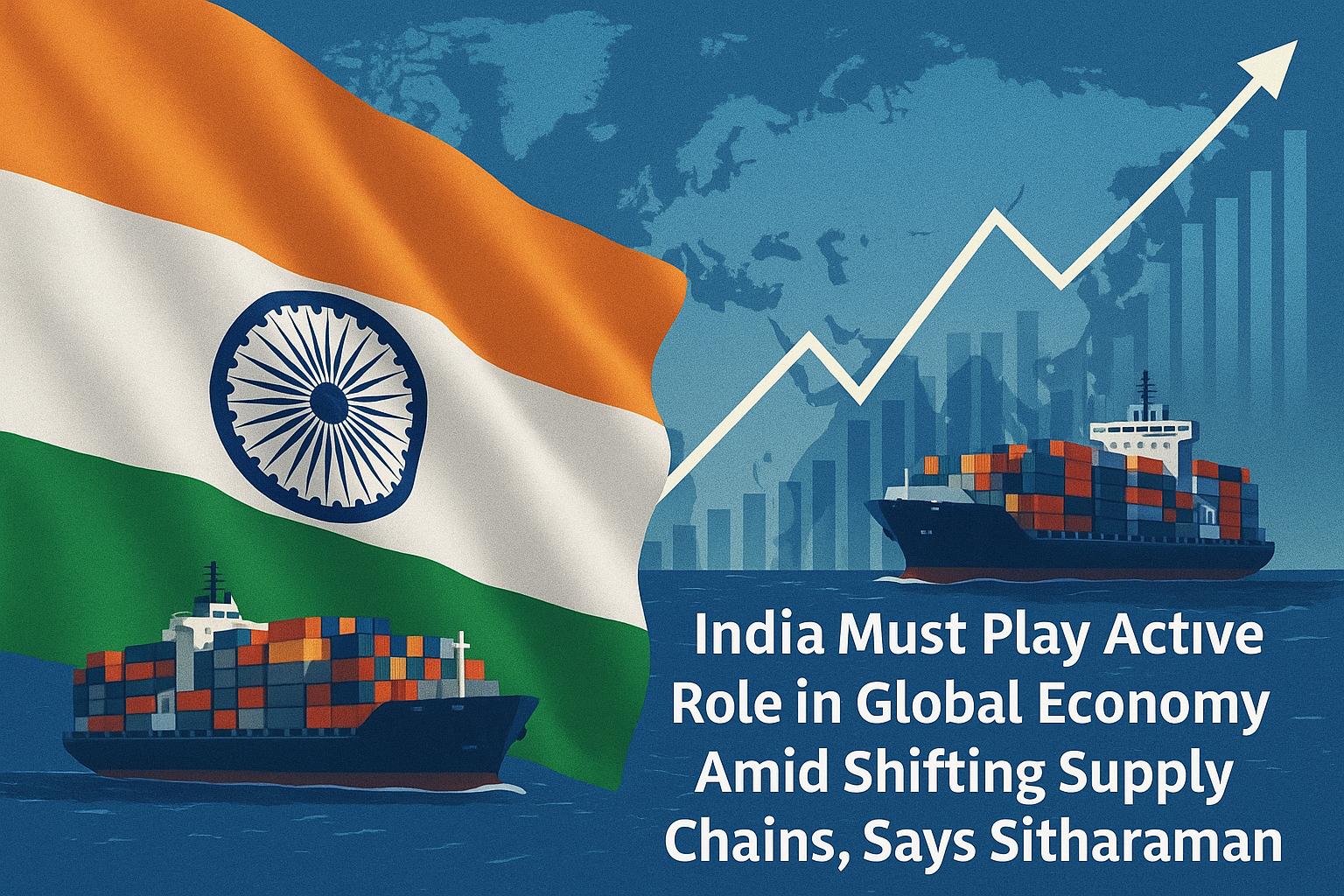
Finance Minister Nirmala Sitharaman on Friday emphasized that India cannot afford to remain a passive spectator as geopolitical conflicts, sanctions, and tariffs continue to reshape global supply chains. Speaking at the inauguration of the Kautilya Economic Conclave 2025 in New Delhi, she said that India’s economy has shown remarkable resilience in the face of disruptions, but it must play a proactive role to secure its future.
Sitharaman highlighted how global uncertainty is
Finance Minister Nirmala Sitharaman on Friday emphasized that India cannot afford to remain a passive spectator as geopolitical conflicts, sanctions, and tariffs continue to reshape global supply chains. Speaking at the inauguration of the Kautilya Economic Conclave 2025 in New Delhi, she said that India’s economy has shown remarkable resilience in the face of disruptions, but it must play a proactive role to secure its future.
Sitharaman highlighted how global uncertainty is