




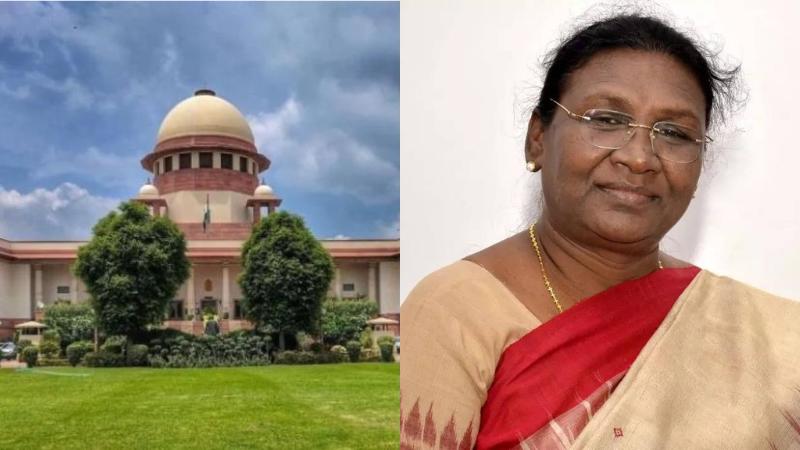
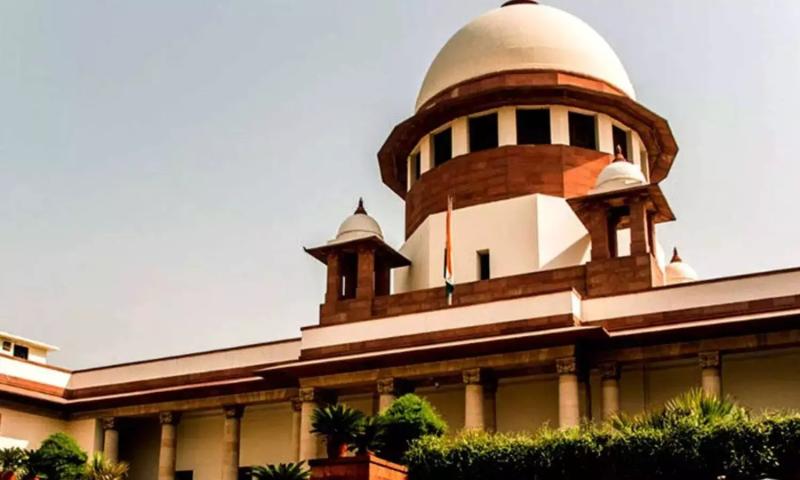











In a rare and potentially historic clash between two of India's highest constitutional offices, President Droupadi Murmu has openly questioned a recent Supreme Court ruling that mandates timelines for approving bills passed by legislatures. This bold move marks the first time in independent India’s history that a sitting President has directly contested a decision made by the apex court, highlighting a deepening constitutional debate over the separation of powers. The Supr
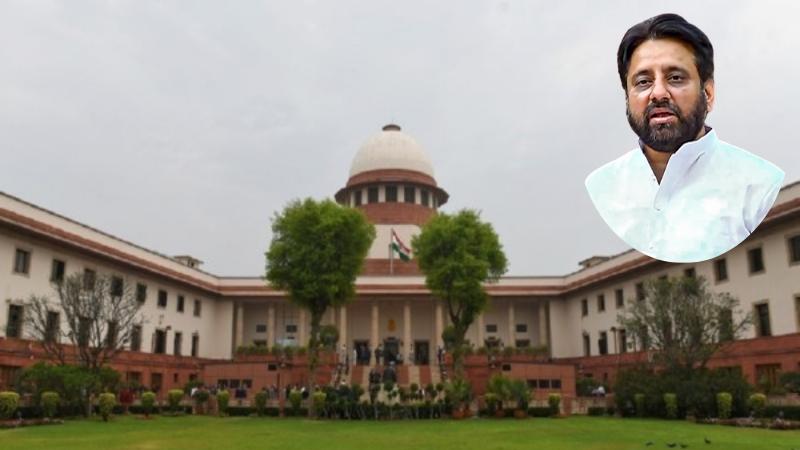
A political war of words broke out in Delhi on April 5, 2025, between the BJP and AAP following the petition filed by Okhla MLA Amanatullah Khan, who challenged the Waqf Amendment Bill 2025 in the Supreme Court. Khan, a prominent member of AAP and former Chairman of the Delhi Waqf Board, has raised concerns that the Bill limits religious and cultural autonomy of Muslims, introduces arbitrary executive interference, and threatens minority rights in managing religious and charitable institution
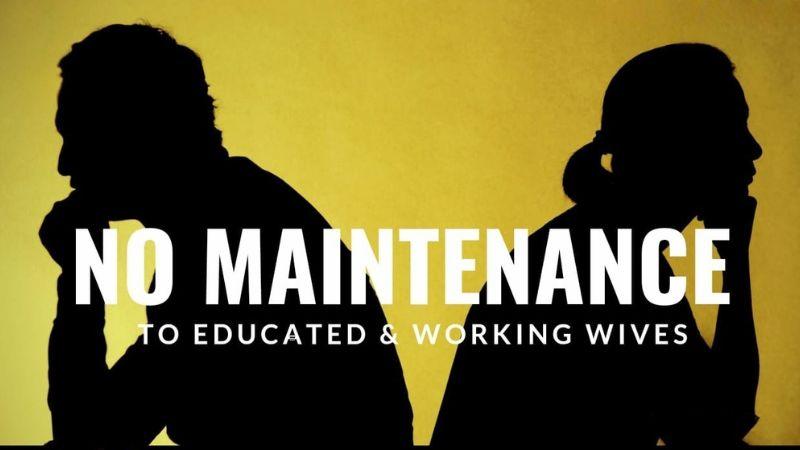
The Supreme Court of India recently denied a maintenance plea filed by a woman seeking financial support from her estranged husband. The court ruled that since both individuals were employed as Assistant Professors and earned comparable salaries, there was no valid ground for granting maintenance. The bench, comprising Justices Abhay S Oka and Ujjal Bhuyan, cited Article 136 of the Constitution of India, stating that no case for interference was warranted. The wife had approach
The ongoing dispute between the Telangana government and Group-1 aspirants has reached a critical point as the Supreme Court of India delivered a significant verdict. With exams scheduled to commence today, many candidates had petitioned the court to postpone the Group-1 Mains exams, citing concerns over G.O. 29, which they argued would disadvantage reserved candidates. However, a three-judge bench led by Chief Justice DY Chandrachud ruled that it would not interfere with the examin
The Supreme Court of India has recently unveiled a redesigned statue of 'Lady Justice,' marking a significant shift from colonial influences to a more modern and culturally relevant representation of justice. Under the guidance of Chief Justice DY Chandrachud, the new statue aims to embody contemporary values and reflect the ethos of Indian society. One of the most notable changes is the removal of the blindfold, symbolizing transparency and unbia