#supremecourtofindia
Supreme Court of India rules conversion ends Scheduled Caste status
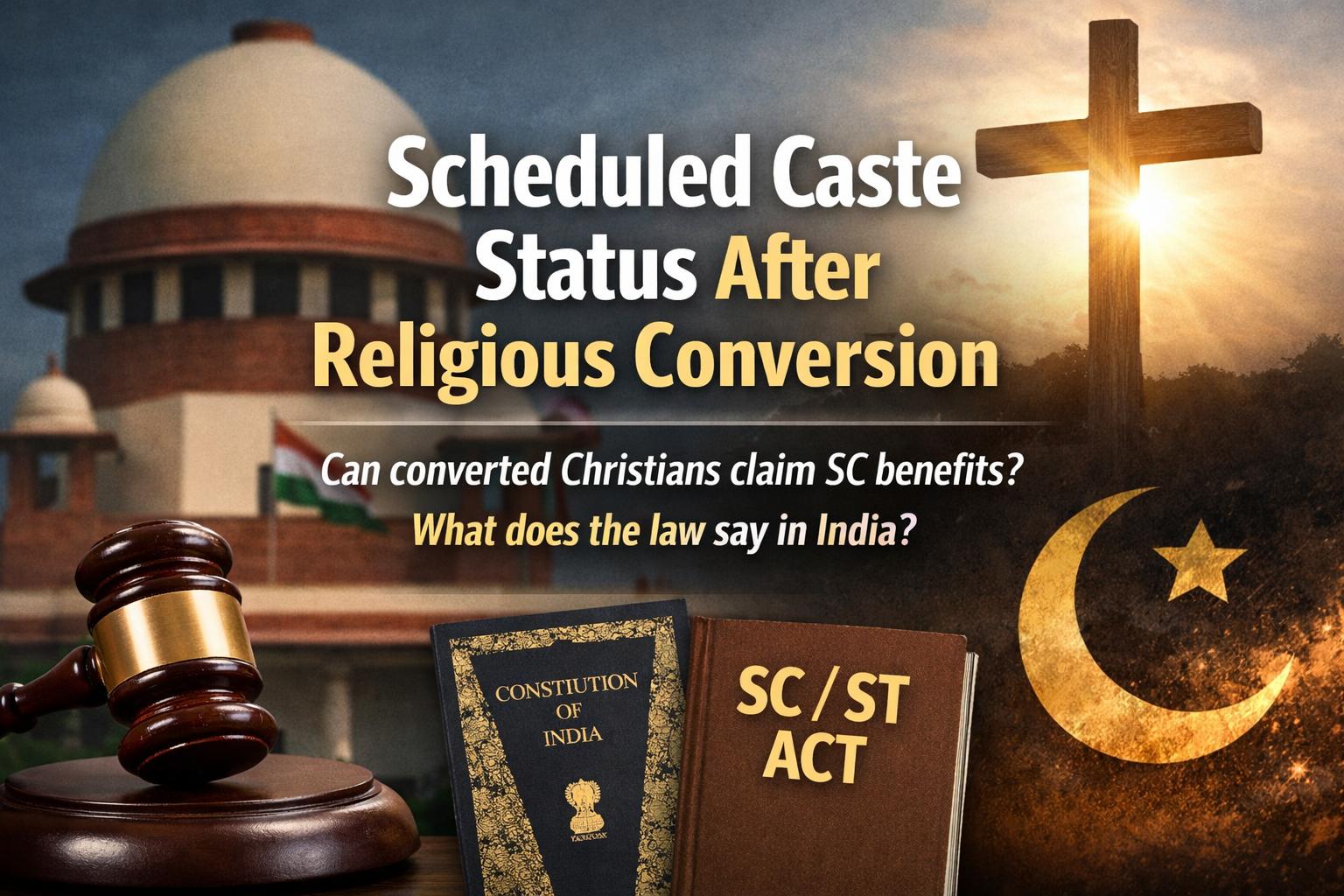
The Supreme Court of India, in a significant judgment delivered on March 24, 2026, has reaffirmed that individuals who convert to religions other than Hinduism, Sikhism, or Buddhism cannot retain or claim Scheduled Caste status under the law. The ruling reinforces the constitutional framework governing caste-based reservations and legal protections in India. The verdict came in an appeal challenging an earlier decision of the Andhra Pradesh High Court, which had quashed criminal proceedings filed under the Scheduled Castes and Scheduled Tribes (Prevention of Atrocities) Act. The complainant, who was born into a Scheduled Caste but had converted to Christianity and was functioning as a pastor, had alleged caste-based abuse and assault. However, the court held that his conversion disentitled him from invoking protections meant specifically for Scheduled Castes. A bench of the Supreme Court observed that the Constitution (Scheduled Castes) Order, 1950, clearly restricts Scheduled Caste recognition to persons professing Hinduism, Sikhism, or Buddhism. The court described this restriction as categorical, stating that conversion to any other religion results in the immediate and complete loss of Scheduled Caste status, regardless of birth. The court further clarified that a person cannot simultaneously profess a religion outside the specified categories and claim Scheduled Caste identity for statutory benefits. It emphasized that such positions are mutually exclusive within the constitutional scheme, and no statutory protection or reservation can be extended once a person ceases to fall within the legally defined category. In its interpretation, the court also highlighted that the term “profess” implies a public declaration and active practice of a religion. This interpretation played a key role in assessing the individual’s eligibility, particularly in cases where religious identity is visibly demonstrated through roles such as clergy or religious leadership. The judgment is expected to have wide-ranging implications for individuals who convert to religions outside the constitutionally recognised framework while seeking benefits or protections linked to Scheduled Caste status. While the ruling reinforces existing legal provisions, it also brings renewed attention to ongoing debates about caste discrimination and its persistence beyond religious boundaries.
Supreme Court of India rules conversion ends Scheduled Caste status
The Supreme Court of India, in a significant judgment delivered on March 24, 2026, has reaffirmed that individuals who convert to religions other than Hinduism, Sikhism, or Buddhism cannot retain or claim Scheduled Caste status under the law. The ruling reinforces the constitutional framework governing caste-based reservations and legal protections in India. The verdict came in an appeal challenging an earlier decision of the Andhra Pradesh High Court, which had quashed criminal proceedings filed under the Scheduled Castes and Scheduled Tribes (Prevention of Atrocities) Act. The complainant, who was born into a Scheduled Caste but had converted to Christianity and was functioning as a pastor, had alleged caste-based abuse and assault. However, the court held that his conversion disentitled him from invoking protections meant specifically for Scheduled Castes. A bench of the Supreme Court observed that the Constitution (Scheduled Castes) Order, 1950, clearly restricts Scheduled Caste recognition to persons professing Hinduism, Sikhism, or Buddhism. The court described this restriction as categorical, stating that conversion to any other religion results in the immediate and complete loss of Scheduled Caste status, regardless of birth. The court further clarified that a person cannot simultaneously profess a religion outside the specified categories and claim Scheduled Caste identity for statutory benefits. It emphasized that such positions are mutually exclusive within the constitutional scheme, and no statutory protection or reservation can be extended once a person ceases to fall within the legally defined category. In its interpretation, the court also highlighted that the term “profess” implies a public declaration and active practice of a religion. This interpretation played a key role in assessing the individual’s eligibility, particularly in cases where religious identity is visibly demonstrated through roles such as clergy or religious leadership. The judgment is expected to have wide-ranging implications for individuals who convert to religions outside the constitutionally recognised framework while seeking benefits or protections linked to Scheduled Caste status. While the ruling reinforces existing legal provisions, it also brings renewed attention to ongoing debates about caste discrimination and its persistence beyond religious boundaries.
India rebukes New York mayor’s note to Umar Khalid, stresses judicial independence
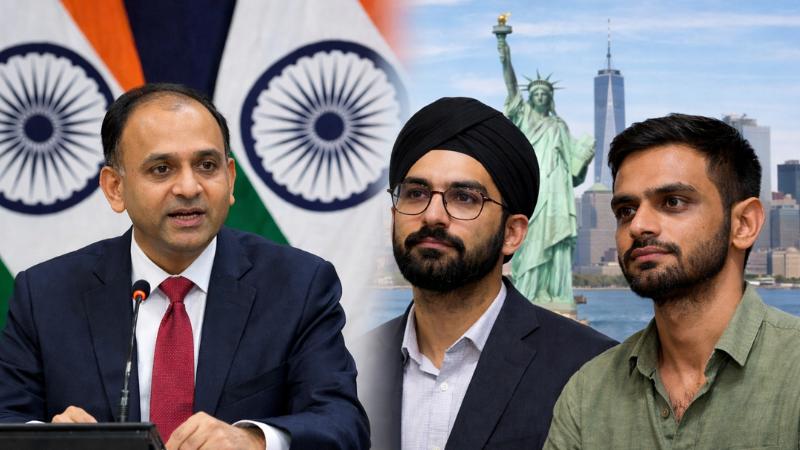
India on Friday issued a firm response to a message written by Zohran Mamdani, stating that elected representatives in democracies should respect the independence of judicial institutions in other countries and refrain from commenting on ongoing legal matters. The reaction followed the circulation of a handwritten note addressed to jailed activist Umar Khalid, who is accused in connection with the 2020 Delhi riots case. At a regular press briefing, the Ministry of External Affairs underscored that public office carries responsibilities that require restraint, particularly on sensitive judicial issues. Responding to questions on the matter, Randhir Jaiswal, spokesperson for the Ministry of External Affairs, said India expects public representatives to be respectful of the independence of the judiciary in other democracies. He added that expressing personal views or prejudices on such matters does not befit those holding public office and that attention should instead remain on the duties entrusted to them by their constituents. The remarks came after a photograph of the note written by Mamdani was shared publicly by a close associate of Khalid. The message, written on the day Mamdani was ceremonially sworn in as mayor of New York City, conveyed personal sentiments and support for Khalid. According to those familiar with the interaction, the note was handed to Khalid’s parents during their visit to the United States in December 2025. The development has drawn attention in India amid ongoing legal proceedings related to the violence that erupted in parts of the national capital in February 2020. Earlier this month, the Supreme Court of India declined to grant bail to Umar Khalid and Sharjeel Imam, observing that the two stood on a qualitatively different footing compared with other accused, given the nature of the allegations and the evidence cited by the prosecution. In the same order, the apex court granted bail to several other accused, including Gulfisha Fatima, Meeran Haider, Shifa Ur Rehman, Mohd Saleem Khan and Shadab Ahmad, noting that their alleged roles appeared limited in scope. The court, however, made it clear that similar relief could not be extended to Khalid and Imam at this stage. Officials indicated that India’s response was rooted in principle rather than politics, emphasizing the need for mutual respect among democratic institutions across borders. The government maintained that judicial processes in India are governed by law and evidence, and external commentary by foreign public figures on active cases is neither appropriate nor constructive. The episode has also highlighted the sensitivities surrounding international commentary on domestic legal matters, particularly in high-profile cases. Indian officials reiterated that while democratic societies value free expression, elected representatives are expected to exercise caution and uphold the norms of diplomatic and institutional respect when addressing issues beyond their jurisdiction.
India rebukes New York mayor’s note to Umar Khalid, stresses judicial independence
India on Friday issued a firm response to a message written by Zohran Mamdani, stating that elected representatives in democracies should respect the independence of judicial institutions in other countries and refrain from commenting on ongoing legal matters. The reaction followed the circulation of a handwritten note addressed to jailed activist Umar Khalid, who is accused in connection with the 2020 Delhi riots case. At a regular press briefing, the Ministry of External Affairs underscored that public office carries responsibilities that require restraint, particularly on sensitive judicial issues. Responding to questions on the matter, Randhir Jaiswal, spokesperson for the Ministry of External Affairs, said India expects public representatives to be respectful of the independence of the judiciary in other democracies. He added that expressing personal views or prejudices on such matters does not befit those holding public office and that attention should instead remain on the duties entrusted to them by their constituents. The remarks came after a photograph of the note written by Mamdani was shared publicly by a close associate of Khalid. The message, written on the day Mamdani was ceremonially sworn in as mayor of New York City, conveyed personal sentiments and support for Khalid. According to those familiar with the interaction, the note was handed to Khalid’s parents during their visit to the United States in December 2025. The development has drawn attention in India amid ongoing legal proceedings related to the violence that erupted in parts of the national capital in February 2020. Earlier this month, the Supreme Court of India declined to grant bail to Umar Khalid and Sharjeel Imam, observing that the two stood on a qualitatively different footing compared with other accused, given the nature of the allegations and the evidence cited by the prosecution. In the same order, the apex court granted bail to several other accused, including Gulfisha Fatima, Meeran Haider, Shifa Ur Rehman, Mohd Saleem Khan and Shadab Ahmad, noting that their alleged roles appeared limited in scope. The court, however, made it clear that similar relief could not be extended to Khalid and Imam at this stage. Officials indicated that India’s response was rooted in principle rather than politics, emphasizing the need for mutual respect among democratic institutions across borders. The government maintained that judicial processes in India are governed by law and evidence, and external commentary by foreign public figures on active cases is neither appropriate nor constructive. The episode has also highlighted the sensitivities surrounding international commentary on domestic legal matters, particularly in high-profile cases. Indian officials reiterated that while democratic societies value free expression, elected representatives are expected to exercise caution and uphold the norms of diplomatic and institutional respect when addressing issues beyond their jurisdiction.