#taiwan-conflict
Taiwan China Tensions: What the 2027 Davidson Window Really Means
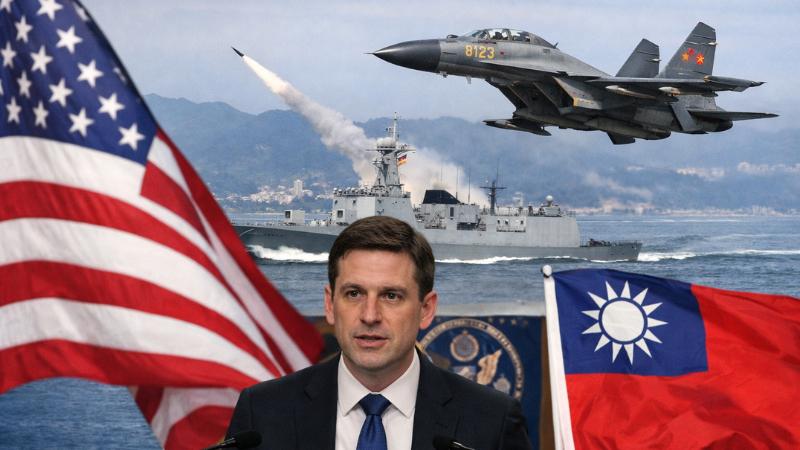
Taiwan China tensions are again drawing global attention as China increases military activity around the Taiwan Strait and Taiwan strengthens its defence planning. The year 2027 has become a major talking point because of what many defence analysts call the Davidson Window. This does not mean war is confirmed in 2027. That is the biggest misunderstanding. The real concern is different: by 2027, China’s P
Taiwan China Tensions: What the 2027 Davidson Window Really Means
Taiwan China tensions are again drawing global attention as China increases military activity around the Taiwan Strait and Taiwan strengthens its defence planning. The year 2027 has become a major talking point because of what many defence analysts call the Davidson Window. This does not mean war is confirmed in 2027. That is the biggest misunderstanding. The real concern is different: by 2027, China’s P
Trump’s Visit to China: A Grand Reception
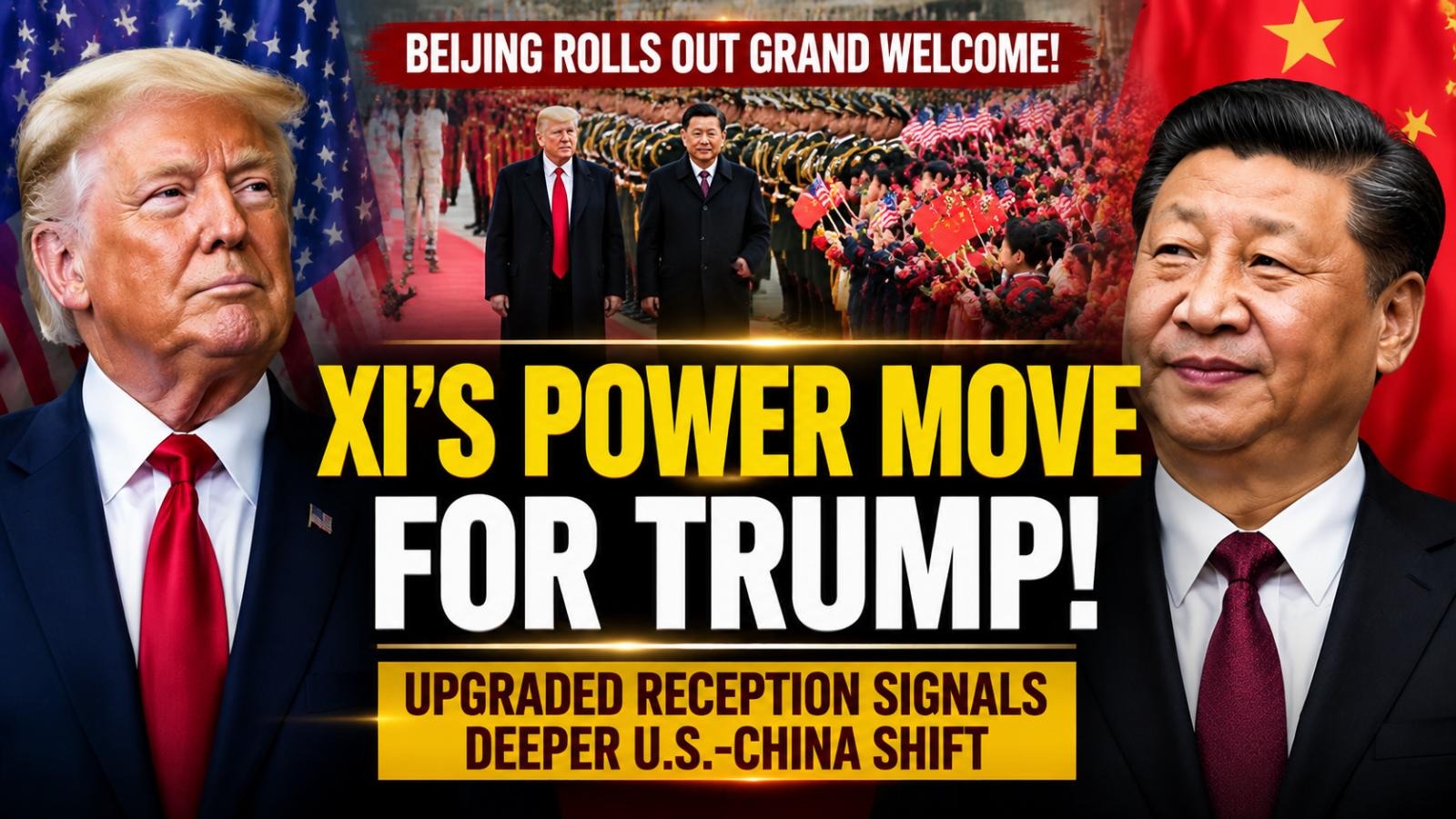
A Warmer Welcome for Trump Chinese President Xi Jinping’s diplomatic approach to Donald Trump’s recent visit to Beijing marked a clear shift in China-US relations. Unlike in 2017, when Trump was greeted by a lower-ranking official, this time China sent Vice President Han Zheng, along with both ambassadors and senior foreign affairs officials, signaling a significant elevation in the diplomatic reception. Isabelle Vladoiu, founder of the US Institute of Diplomacy and Human Righ
Trump’s Visit to China: A Grand Reception
A Warmer Welcome for Trump Chinese President Xi Jinping’s diplomatic approach to Donald Trump’s recent visit to Beijing marked a clear shift in China-US relations. Unlike in 2017, when Trump was greeted by a lower-ranking official, this time China sent Vice President Han Zheng, along with both ambassadors and senior foreign affairs officials, signaling a significant elevation in the diplomatic reception. Isabelle Vladoiu, founder of the US Institute of Diplomacy and Human Righ
Trump-Xi summit: Key issues, trade talks, and Iran conflict to be addressed
US President Donald Trump is set to visit China from May 13 to 15, marking the first visit to the country by an American president in nearly nine years. The invitation comes from Chinese President Xi Jinping amid growing tensions between the two nations over issues such as trade, technology, and defense. This visit comes at a critical time for global politics, with the ongoing Iran conflict impacting both economic stability and energy prices. The timing of Trump’s visit coincides with a volatile situation in the Strait of Hormuz, where a dual blockade has significantly disrupted global oil trade, driving up energy prices. These disruptions have the potential to harm global economic growth, as the Strait is a vital shipping route for the world’s oil supply. Trump’s administration has placed significant pressure on Iran over its nuclear program, and in recent remarks, he stated that the US would “finish the job” if Iran did not agree to the terms aimed at halting the conflict. While tensions remain high, the US continues to press for a diplomatic resolution to the situation, with President Trump asserting that Iran must meet specific demands regarding its nuclear ambitions. Despite these pressures, Trump maintains that the US does not need China’s assistance to resolve the issue, suggesting that the conflict could be settled with or without China’s involvement. Iran, for its part, has signaled its intention to pursue peace, with chief negotiator Mohammad Bagher Ghalibaf issuing an ultimatum to the US. According to Ghalibaf, Washington must accept Iran’s recent peace proposal or face further failure in negotiations. He emphasized that there was no alternative but to acknowledge the rights of the Iranian people as outlined in Tehran’s 14-point proposal. Beyond the Iran conflict, the upcoming Trump-Xi summit is expected to address several key issues affecting US-China relations. Trade discussions will likely focus on extending a temporary truce in the ongoing trade dispute, particularly concerning rare earth minerals. Both leaders are expected to explore agreements related to Boeing aircraft purchases, as well as expanding trade and investment ties. Additionally, China is anticipated to announce purchases in the US agricultural and energy sectors. Another significant topic of discussion will be Taiwan, with Xi expressing frustration over the US’s continued support for the island nation, which China claims as part of its territory. Trump’s administration has reiterated its commitment to Taiwan, despite escalating military activities in the region by China. The summit will also cover the rapid development of artificial intelligence (AI) in both countries, with US officials highlighting concerns about the potential military and economic implications of AI advancements. With both nations at the forefront of technological innovation, there is a growing need for open communication to avoid misunderstandings or potential conflicts arising from the use of AI. This high-stakes summit between the US and China is poised to shape the future of global trade, energy security, and technological development, with both sides seeking to manage their differences while addressing urgent geopolitical challenges. As the world watches, the outcome of these talks could have far-reaching implications for international relations.
Trump-Xi summit: Key issues, trade talks, and Iran conflict to be addressed
US President Donald Trump is set to visit China from May 13 to 15, marking the first visit to the country by an American president in nearly nine years. The invitation comes from Chinese President Xi Jinping amid growing tensions between the two nations over issues such as trade, technology, and defense. This visit comes at a critical time for global politics, with the ongoing Iran conflict impacting both economic stability and energy prices. The timing of Trump’s visit coincides with a volatile situation in the Strait of Hormuz, where a dual blockade has significantly disrupted global oil trade, driving up energy prices. These disruptions have the potential to harm global economic growth, as the Strait is a vital shipping route for the world’s oil supply. Trump’s administration has placed significant pressure on Iran over its nuclear program, and in recent remarks, he stated that the US would “finish the job” if Iran did not agree to the terms aimed at halting the conflict. While tensions remain high, the US continues to press for a diplomatic resolution to the situation, with President Trump asserting that Iran must meet specific demands regarding its nuclear ambitions. Despite these pressures, Trump maintains that the US does not need China’s assistance to resolve the issue, suggesting that the conflict could be settled with or without China’s involvement. Iran, for its part, has signaled its intention to pursue peace, with chief negotiator Mohammad Bagher Ghalibaf issuing an ultimatum to the US. According to Ghalibaf, Washington must accept Iran’s recent peace proposal or face further failure in negotiations. He emphasized that there was no alternative but to acknowledge the rights of the Iranian people as outlined in Tehran’s 14-point proposal. Beyond the Iran conflict, the upcoming Trump-Xi summit is expected to address several key issues affecting US-China relations. Trade discussions will likely focus on extending a temporary truce in the ongoing trade dispute, particularly concerning rare earth minerals. Both leaders are expected to explore agreements related to Boeing aircraft purchases, as well as expanding trade and investment ties. Additionally, China is anticipated to announce purchases in the US agricultural and energy sectors. Another significant topic of discussion will be Taiwan, with Xi expressing frustration over the US’s continued support for the island nation, which China claims as part of its territory. Trump’s administration has reiterated its commitment to Taiwan, despite escalating military activities in the region by China. The summit will also cover the rapid development of artificial intelligence (AI) in both countries, with US officials highlighting concerns about the potential military and economic implications of AI advancements. With both nations at the forefront of technological innovation, there is a growing need for open communication to avoid misunderstandings or potential conflicts arising from the use of AI. This high-stakes summit between the US and China is poised to shape the future of global trade, energy security, and technological development, with both sides seeking to manage their differences while addressing urgent geopolitical challenges. As the world watches, the outcome of these talks could have far-reaching implications for international relations.
US urges China to halt military drills near Taiwan as regional tensions rise
Amid escalating tensions in the Taiwan Strait, the United States State Department has urged China to halt its recent military activities near Taiwan, warning that the drills are unnecessarily heightening regional instability. The call followed a two-day military exercise conducted by China around Taiwan, which included missile launches and the deployment of fighter jets, naval vessels, and coast gua
US urges China to halt military drills near Taiwan as regional tensions rise
Amid escalating tensions in the Taiwan Strait, the United States State Department has urged China to halt its recent military activities near Taiwan, warning that the drills are unnecessarily heightening regional instability. The call followed a two-day military exercise conducted by China around Taiwan, which included missile launches and the deployment of fighter jets, naval vessels, and coast gua
Japan, China tensions rise as Russian and Chinese jets enter South Korea air zone
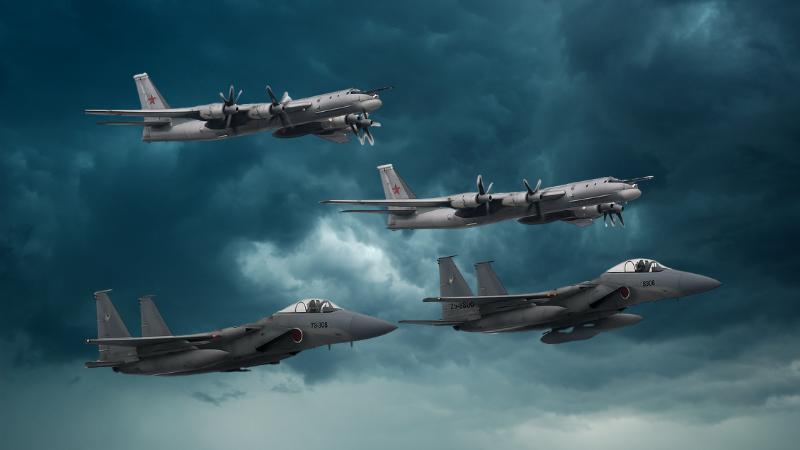
Tensions between Japan and China intensified further after a coordinated air patrol by Chinese and Russian military aircraft passed close to Japan and South Korea, prompting both Tokyo and Seoul to scramble fighter jets. According to Japan’s defence authorities, seven Russian aircraft and two Chinese aircraft briefly entered South Korea’s Air Defence Identification Zone, raising fresh concerns over the scale and frequency of joint operations by Beijing and Moscow in the Asia Pacific regio
Japan, China tensions rise as Russian and Chinese jets enter South Korea air zone
Tensions between Japan and China intensified further after a coordinated air patrol by Chinese and Russian military aircraft passed close to Japan and South Korea, prompting both Tokyo and Seoul to scramble fighter jets. According to Japan’s defence authorities, seven Russian aircraft and two Chinese aircraft briefly entered South Korea’s Air Defence Identification Zone, raising fresh concerns over the scale and frequency of joint operations by Beijing and Moscow in the Asia Pacific regio
China denies Japan's interference claims amid rising regional strain
China has firmly rejected Japan’s claims regarding recent aerial encounters, escalating a diplomatic dispute that has widened to include political, economic, and regional security dimensions. A spokesperson for the Chinese navy, Colonel Wang Xuemeng, stated that Japanese aircraft had repeatedly approached Chinese vessels as they carried out previously announced carrier-based flight training east of the Miyako Strait. According to Wang, the operations were routine and transparent, and China
China denies Japan's interference claims amid rising regional strain
China has firmly rejected Japan’s claims regarding recent aerial encounters, escalating a diplomatic dispute that has widened to include political, economic, and regional security dimensions. A spokesperson for the Chinese navy, Colonel Wang Xuemeng, stated that Japanese aircraft had repeatedly approached Chinese vessels as they carried out previously announced carrier-based flight training east of the Miyako Strait. According to Wang, the operations were routine and transparent, and China
China warns Japan of “crushing defeat” as tensions rise over Taiwan dispute
Tensions between China and Japan escalated sharply this week after Beijing delivered a series of unusually forceful warnings against any potential Japanese involvement in the Taiwan Strait. China’s defence ministry declared that Japan would face what it called a crushing defeat at the hands of the People’s Liberation Army if Tokyo attempted to intervene militarily in a Taiwan conflict. The warning, issued on Friday, followed a similar statement from China’s foreign ministry a day earlie
China warns Japan of “crushing defeat” as tensions rise over Taiwan dispute
Tensions between China and Japan escalated sharply this week after Beijing delivered a series of unusually forceful warnings against any potential Japanese involvement in the Taiwan Strait. China’s defence ministry declared that Japan would face what it called a crushing defeat at the hands of the People’s Liberation Army if Tokyo attempted to intervene militarily in a Taiwan conflict. The warning, issued on Friday, followed a similar statement from China’s foreign ministry a day earlie
China's Failed Attempts to Take Taiwan: The Battle of Kinmen
Xi Jinping's Recent Speech and Military Drills Chinese President Xi Jinping's New Year's speech included a stern message about Taiwan, emphasizing that China's reunification with the island is inevitable and unstoppable. To underline this position, China’s military, specifically the People's Liberation Army Navy, conducted a series of military drills near Taiwan's Kinmen and Matsu islands. These islands, which are closer to mainland China than to Taiwan, a
China's Failed Attempts to Take Taiwan: The Battle of Kinmen
Xi Jinping's Recent Speech and Military Drills Chinese President Xi Jinping's New Year's speech included a stern message about Taiwan, emphasizing that China's reunification with the island is inevitable and unstoppable. To underline this position, China’s military, specifically the People's Liberation Army Navy, conducted a series of military drills near Taiwan's Kinmen and Matsu islands. These islands, which are closer to mainland China than to Taiwan, a