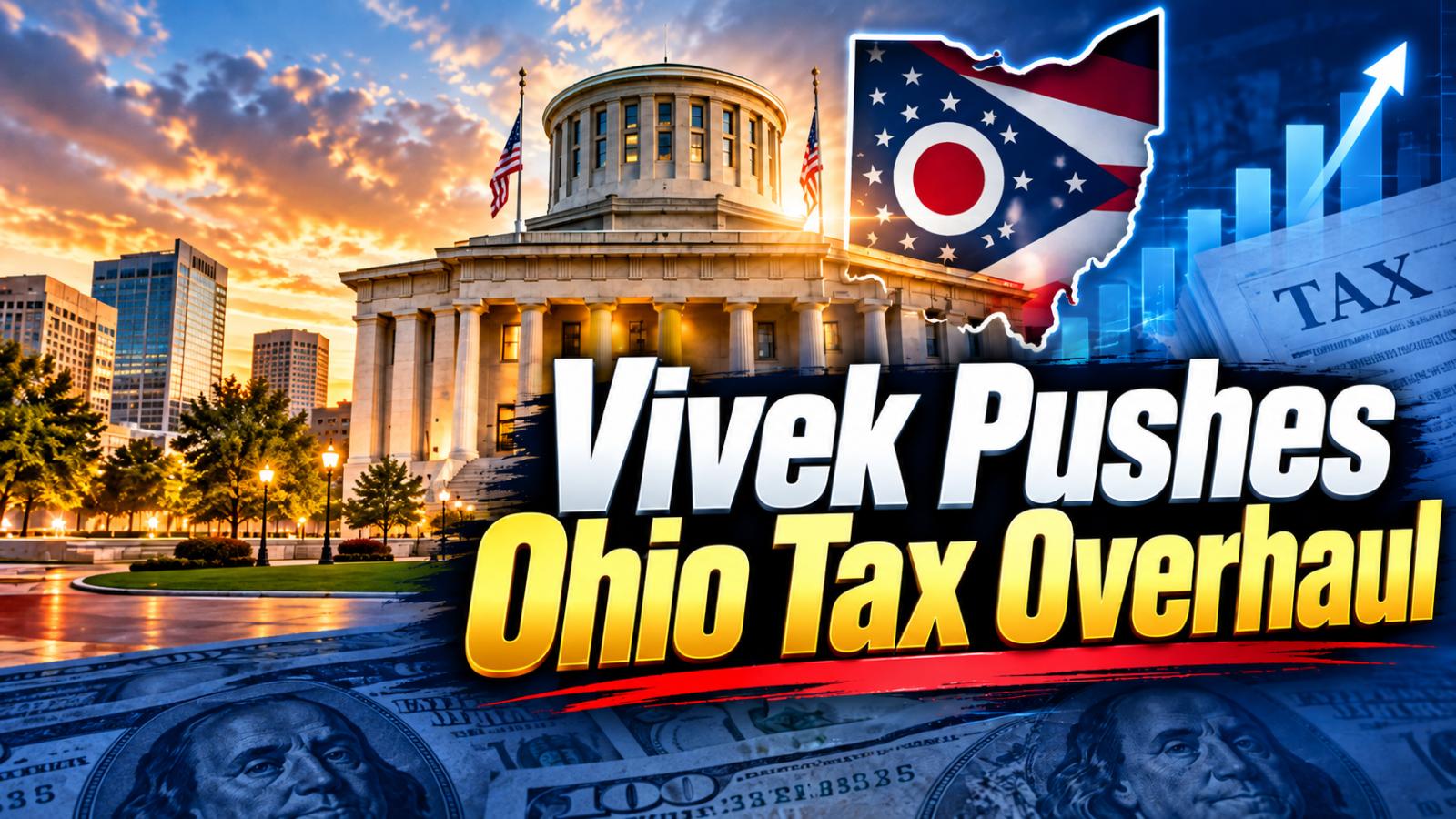
Vivek Ramaswamy’s Ohio tax plan is becoming a central issue in the race for governor, with proposals to phase out income tax, reduce property tax burdens and intensify Medicaid fraud enforcement as he competes against Democrat Amy Acton ahead of the November 3 election.
Income Tax
Republican nominee Vivek Ramaswamy has pledged to make Ohio a zero-income-tax state if elected governor. His plan would phase out the individual income tax o
Vivek Ramaswamy’s Ohio tax plan is becoming a central issue in the race for governor, with proposals to phase out income tax, reduce property tax burdens and intensify Medicaid fraud enforcement as he competes against Democrat Amy Acton ahead of the November 3 election.
Income Tax
Republican nominee Vivek Ramaswamy has pledged to make Ohio a zero-income-tax state if elected governor. His plan would phase out the individual income tax o
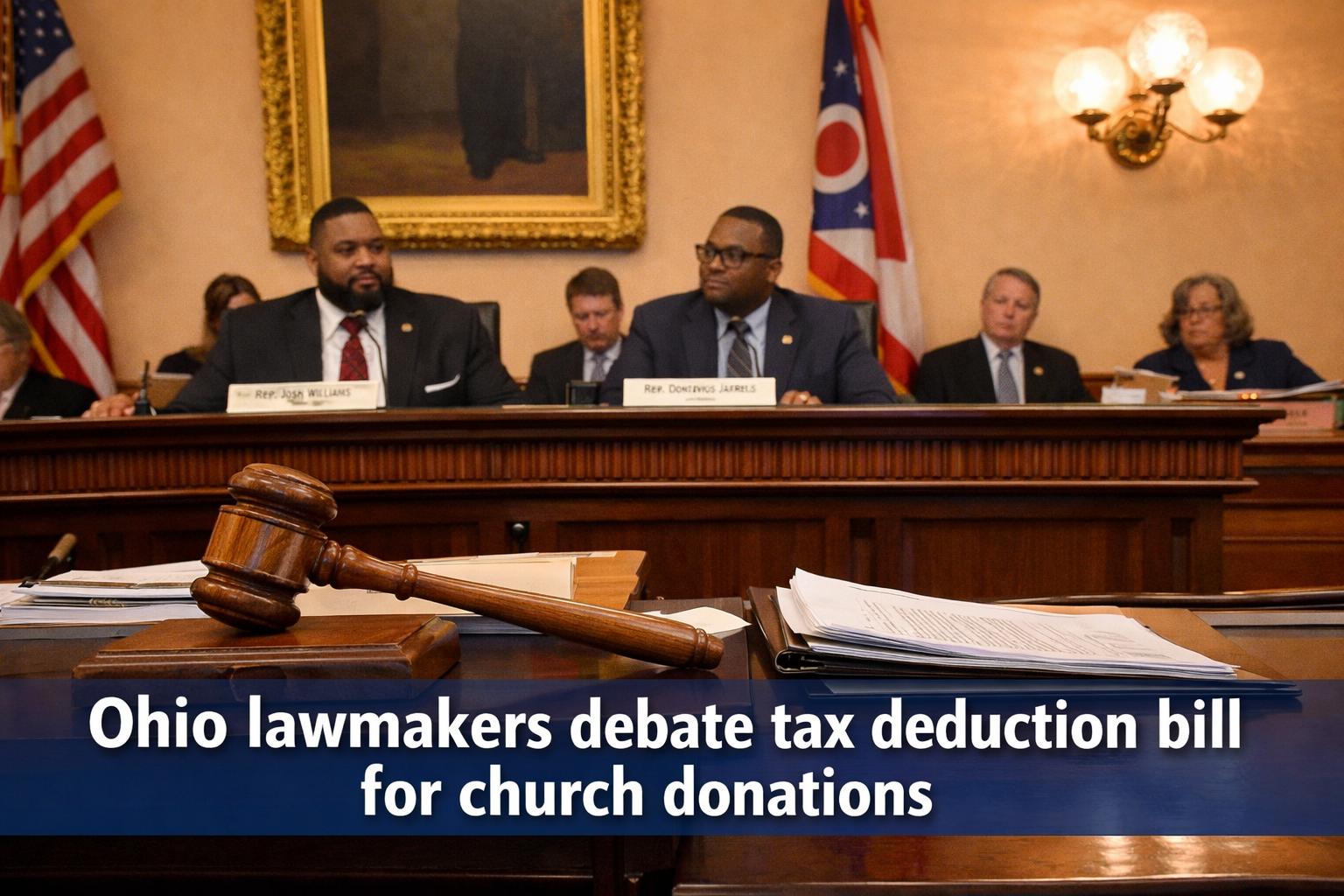
Ohio lawmakers are advancing a proposal that would allow residents to claim state income tax deductions for qualifying church donations, arguing the move would bring Ohio policy in line with federal tax law while strengthening faith-based services across local communities.
House Bill 444, also known as the Tithing Protection Act, was introduced last fall by Republican Rep. Josh Williams of Sylvania Township and Democratic Rep. Dontavius Jarrells of Columbus. The measure received its first he
Ohio lawmakers are advancing a proposal that would allow residents to claim state income tax deductions for qualifying church donations, arguing the move would bring Ohio policy in line with federal tax law while strengthening faith-based services across local communities.
House Bill 444, also known as the Tithing Protection Act, was introduced last fall by Republican Rep. Josh Williams of Sylvania Township and Democratic Rep. Dontavius Jarrells of Columbus. The measure received its first he
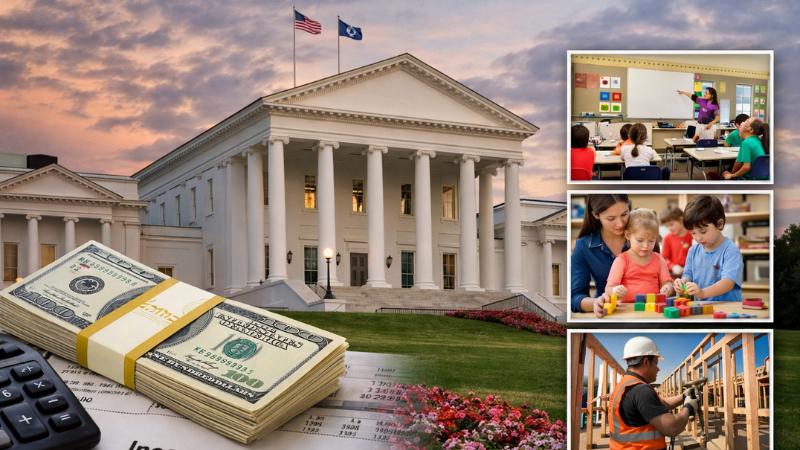
A proposal to create a new income tax bracket for Virginia’s highest earners is advancing through the General Assembly, with supporters arguing that the measure could generate significant new revenue for public schools, child care programs and affordable housing initiatives across the state.
House Bill 188, introduced by Del. Kelly Convirs-Fowler, who represents Virginia Beach’s 96th House District, would establish a higher tax rate beginning in the 2026 tax year. Under the proposal, individuals earning more than $1 million annually would pay a 10 percent tax on income exceeding that threshold. Lawmakers backing the bill say the change would modernize Virginia’s tax structure and target additional contributions from the state’s wealthiest residents.
Currently, Virginia uses a relatively flat income tax system in which all income above $17,000 is taxed at a rate of 5.75 percent. Advocates for the legislation contend that the structure places a proportionally heavier burden on middle-income families while allowing top earners to pay the same marginal rate. By creating a new bracket, they argue, the state can make its tax policy more progressive while securing funds for critical public needs.
The bill specifies how revenue from the higher tax rate would be distributed. Half of the additional funds would go toward increased basic aid for public schools, a move intended to help districts address teacher shortages, classroom resources and rising operational costs. Thirty percent of the new revenue would be directed to the Child Care Subsidy Program, which assists working families with the cost of care and aims to expand access for low- and moderate-income households. The remaining 20 percent would be allocated to the Virginia Housing Trust Fund to support affordable housing development and homelessness prevention efforts.
Supporters say the targeted investments could strengthen education, improve workforce participation and address housing shortages that have affected communities statewide. Critics, however, have raised concerns about potential impacts on business competitiveness and the possibility that higher-income residents could relocate, affecting overall tax collections. Those debates are expected to continue as the measure moves through committee review.
In addition to the new tax bracket, HB 188 includes several technical amendments intended to align existing statutes with the proposed changes. The bill remains under consideration in committee, where lawmakers will determine whether it advances to a full vote in the House and Senate. If approved, the policy would mark one of the most significant adjustments to Virginia’s income tax system in decades and could reshape how the state funds key services tied to education, child care and housing.
A proposal to create a new income tax bracket for Virginia’s highest earners is advancing through the General Assembly, with supporters arguing that the measure could generate significant new revenue for public schools, child care programs and affordable housing initiatives across the state.
House Bill 188, introduced by Del. Kelly Convirs-Fowler, who represents Virginia Beach’s 96th House District, would establish a higher tax rate beginning in the 2026 tax year. Under the proposal, individuals earning more than $1 million annually would pay a 10 percent tax on income exceeding that threshold. Lawmakers backing the bill say the change would modernize Virginia’s tax structure and target additional contributions from the state’s wealthiest residents.
Currently, Virginia uses a relatively flat income tax system in which all income above $17,000 is taxed at a rate of 5.75 percent. Advocates for the legislation contend that the structure places a proportionally heavier burden on middle-income families while allowing top earners to pay the same marginal rate. By creating a new bracket, they argue, the state can make its tax policy more progressive while securing funds for critical public needs.
The bill specifies how revenue from the higher tax rate would be distributed. Half of the additional funds would go toward increased basic aid for public schools, a move intended to help districts address teacher shortages, classroom resources and rising operational costs. Thirty percent of the new revenue would be directed to the Child Care Subsidy Program, which assists working families with the cost of care and aims to expand access for low- and moderate-income households. The remaining 20 percent would be allocated to the Virginia Housing Trust Fund to support affordable housing development and homelessness prevention efforts.
Supporters say the targeted investments could strengthen education, improve workforce participation and address housing shortages that have affected communities statewide. Critics, however, have raised concerns about potential impacts on business competitiveness and the possibility that higher-income residents could relocate, affecting overall tax collections. Those debates are expected to continue as the measure moves through committee review.
In addition to the new tax bracket, HB 188 includes several technical amendments intended to align existing statutes with the proposed changes. The bill remains under consideration in committee, where lawmakers will determine whether it advances to a full vote in the House and Senate. If approved, the policy would mark one of the most significant adjustments to Virginia’s income tax system in decades and could reshape how the state funds key services tied to education, child care and housing.
It has been more than two weeks since the rollout of GST 2.0 on September 22, but a nationwide consumer survey indicates that the expected benefits of lower taxes are not being fully passed on to buyers. The reform, which aimed to make a wide range of goods and services more affordable, appears to have produced uneven results across product categories, with automobiles emerging as the only sector showing substantial price reductions.
According to a large-scale survey conducted acros
It has been more than two weeks since the rollout of GST 2.0 on September 22, but a nationwide consumer survey indicates that the expected benefits of lower taxes are not being fully passed on to buyers. The reform, which aimed to make a wide range of goods and services more affordable, appears to have produced uneven results across product categories, with automobiles emerging as the only sector showing substantial price reductions.
According to a large-scale survey conducted acros
The Goods and Services Tax (GST) Council has approved a series of new measures aimed at easing the compliance burden for businesses in India, with a focus on reducing the registration time for MSMEs (Micro, Small, and Medium Enterprises) and start-ups. Sources confirmed to that the new policy will reduce the MSME registration time from 30 days to just three days, streamlining the process significantly. In addition, a proposal for automated GST refunds for
The Goods and Services Tax (GST) Council has approved a series of new measures aimed at easing the compliance burden for businesses in India, with a focus on reducing the registration time for MSMEs (Micro, Small, and Medium Enterprises) and start-ups. Sources confirmed to that the new policy will reduce the MSME registration time from 30 days to just three days, streamlining the process significantly. In addition, a proposal for automated GST refunds for
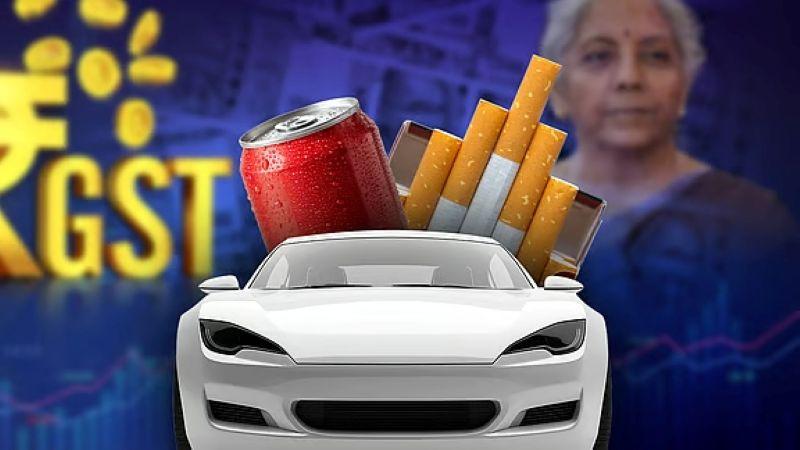
The Goods and Services Tax (GST) rates on certain items, including cigarettes, carbonated drinks, and luxury cars, may soon see a hike, according to government sources. This change is being considered as part of a proposal to replace the existing compensation cess with a new health and green cess, aimed at promoting sustainability and addressing health concerns.
Currently, items like cigarettes, carbonated drinks, an
The Goods and Services Tax (GST) rates on certain items, including cigarettes, carbonated drinks, and luxury cars, may soon see a hike, according to government sources. This change is being considered as part of a proposal to replace the existing compensation cess with a new health and green cess, aimed at promoting sustainability and addressing health concerns.
Currently, items like cigarettes, carbonated drinks, an
In a surprise development, the Senate has passed the No Tax on Tips Act, giving swift legislative approval to a key piece of President Donald Trump’s 2025 tax agenda. Championed as a promise to working-class Americans during Trump’s re-election campaign, the bill provides a significant tax break for service industry workers who receive tips. The legislation, introduced by Republican Senator Ted Cruz of Texas, gained bipartisan support, including from Democratic Senators Jacky Rose
In a surprise development, the Senate has passed the No Tax on Tips Act, giving swift legislative approval to a key piece of President Donald Trump’s 2025 tax agenda. Championed as a promise to working-class Americans during Trump’s re-election campaign, the bill provides a significant tax break for service industry workers who receive tips. The legislation, introduced by Republican Senator Ted Cruz of Texas, gained bipartisan support, including from Democratic Senators Jacky Rose