




















#techregulation
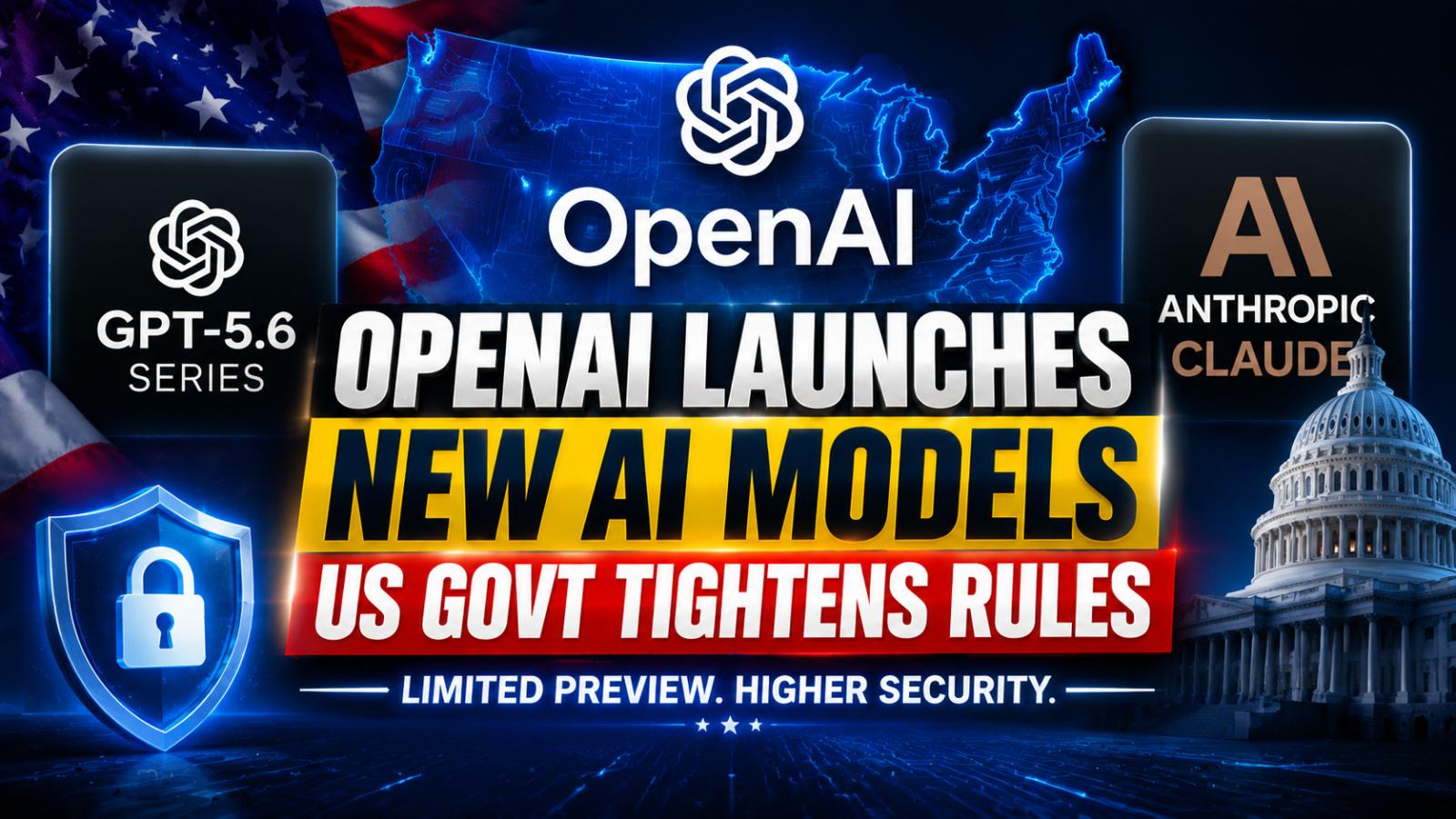
New GPT 5.6 series rollout tied to US government AI security framework
OpenAI begins restricted rollout of new AI model series OpenAI has launched a limited preview of its latest artificial intelligence model series in the United States, restricting access to a small group of trusted partners following coordination with government authorities. The rollout marks one of the most controlled releases in the company’s history, reflecting growing regulatory attention around advanced AI systems and their potential national security implications. Government oversight shapes early deployment strategy The preview follows increased scrutiny from US policymakers, including a recent executive order establishing a voluntary federal review framework for high-capability AI models prior to public release. Under the arrangement, OpenAI briefed government officials on the capabilities of its new models before deployment. Access has been limited to selected US-based organisations, although employees working outside the United States within those organisations may still interact with the system under controlled conditions. The company stated that the decision to restrict access was made in coordination with authorities overseeing AI risk management. GPT 5.6 series introduces tiered model architecture The newly introduced GPT 5.6 series includes three distinct models designed for different use cases. The flagship model, Sol, is positioned for high-performance tasks requiring advanced reasoning capabilities. Terra is optimized for general-purpose applications and everyday workloads, while Luna is designed as a faster and lower-cost alternative for scalable deployment. OpenAI also indicated that once the models are broadly released, Terra will be priced significantly lower than its predecessor, reflecting competitive pressure in the AI sector. Broader US policy shifts impact AI ecosystem The controlled rollout comes amid broader regulatory changes affecting the artificial intelligence industry. In a parallel development, US authorities recently adjusted restrictions on competing AI systems, allowing wider institutional access to previously constrained models following earlier national security concerns. These policy shifts highlight an evolving approach in Washington, balancing innovation in AI development with safeguards intended to reduce misuse risks. The developments also underscore intensifying competition among major AI firms as governments increasingly play a direct role in shaping deployment boundaries.
New GPT 5.6 series rollout tied to US government AI security framework
OpenAI begins restricted rollout of new AI model series OpenAI has launched a limited preview of its latest artificial intelligence model series in the United States, restricting access to a small group of trusted partners following coordination with government authorities. The rollout marks one of the most controlled releases in the company’s history, reflecting growing regulatory attention around advanced AI systems and their potential national security implications. Government oversight shapes early deployment strategy The preview follows increased scrutiny from US policymakers, including a recent executive order establishing a voluntary federal review framework for high-capability AI models prior to public release. Under the arrangement, OpenAI briefed government officials on the capabilities of its new models before deployment. Access has been limited to selected US-based organisations, although employees working outside the United States within those organisations may still interact with the system under controlled conditions. The company stated that the decision to restrict access was made in coordination with authorities overseeing AI risk management. GPT 5.6 series introduces tiered model architecture The newly introduced GPT 5.6 series includes three distinct models designed for different use cases. The flagship model, Sol, is positioned for high-performance tasks requiring advanced reasoning capabilities. Terra is optimized for general-purpose applications and everyday workloads, while Luna is designed as a faster and lower-cost alternative for scalable deployment. OpenAI also indicated that once the models are broadly released, Terra will be priced significantly lower than its predecessor, reflecting competitive pressure in the AI sector. Broader US policy shifts impact AI ecosystem The controlled rollout comes amid broader regulatory changes affecting the artificial intelligence industry. In a parallel development, US authorities recently adjusted restrictions on competing AI systems, allowing wider institutional access to previously constrained models following earlier national security concerns. These policy shifts highlight an evolving approach in Washington, balancing innovation in AI development with safeguards intended to reduce misuse risks. The developments also underscore intensifying competition among major AI firms as governments increasingly play a direct role in shaping deployment boundaries.
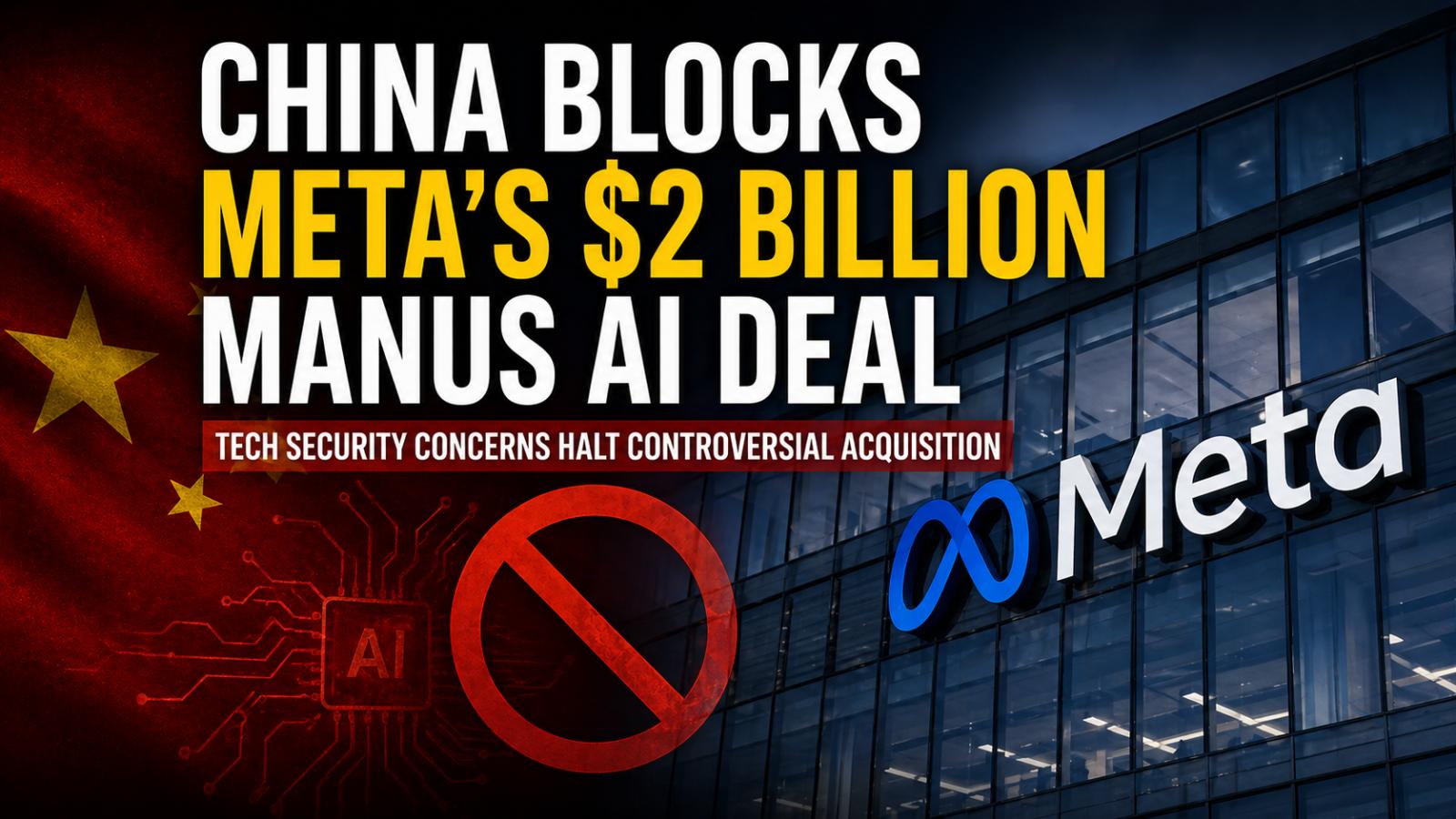
Meta faces setback as China cancels $2B Manus AI startup acquisition
China’s decision to block the acquisition of Manus AI by Meta marks a major shift in global technology deals, as authorities cited concerns over technology transfer and national interests. The country’s top economic planner, the National Development and Reform Commission, ordered the cancellation of th
Meta faces setback as China cancels $2B Manus AI startup acquisition
China’s decision to block the acquisition of Manus AI by Meta marks a major shift in global technology deals, as authorities cited concerns over technology transfer and national interests. The country’s top economic planner, the National Development and Reform Commission, ordered the cancellation of th
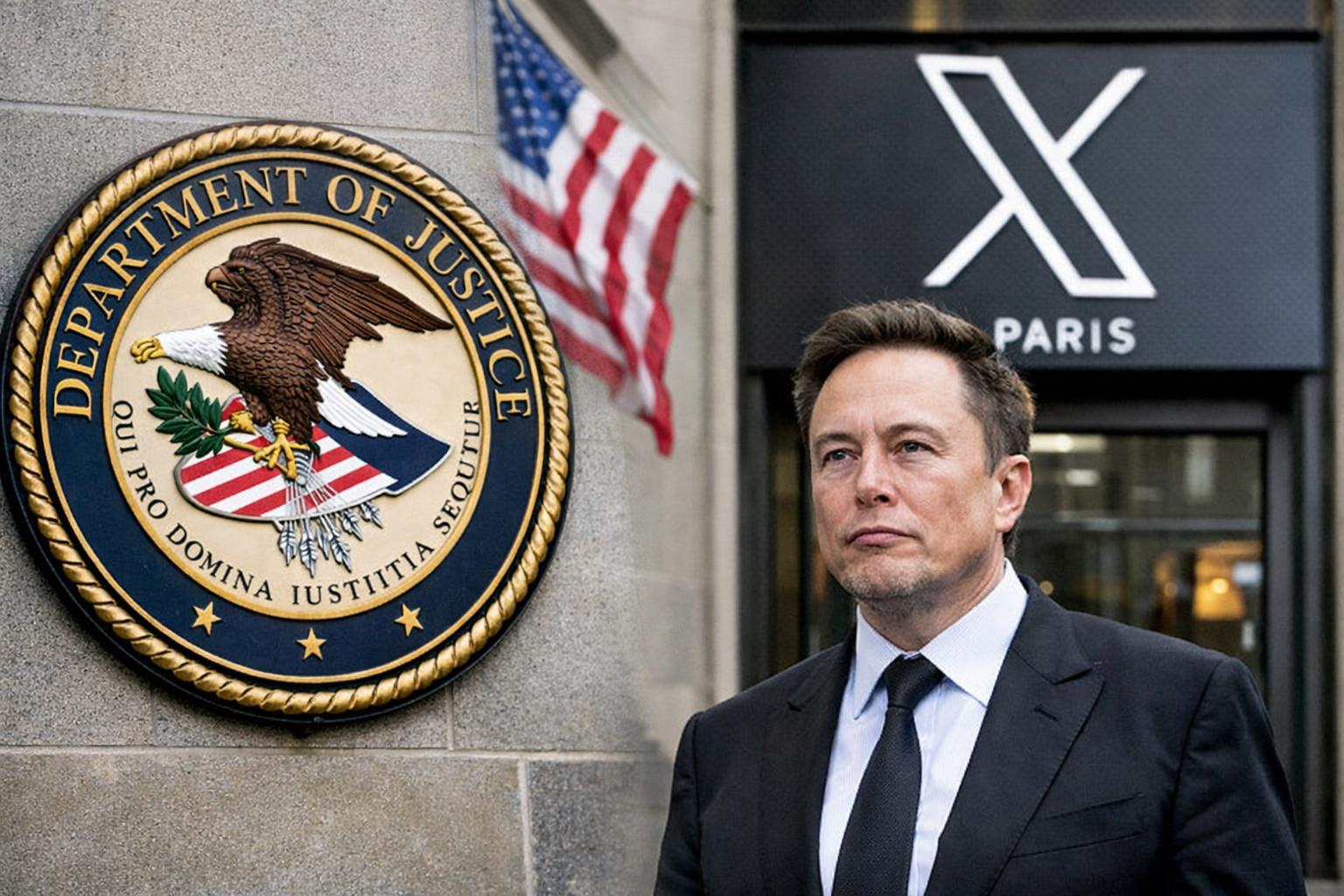
US declines to aid French probe into Elon Musk’s X platform
The U.S. Department of Justice has informed French authorities that it will not support efforts to investigate Elon Musk’s social media platform, X, according to a report published Saturday, April 18, 2026, by
US declines to aid French probe into Elon Musk’s X platform
The U.S. Department of Justice has informed French authorities that it will not support efforts to investigate Elon Musk’s social media platform, X, according to a report published Saturday, April 18, 2026, by
Russia blocks WhatsApp nationwide, launches state-backed MAX messenger
Russia has fully blocked access to M
Russia blocks WhatsApp nationwide, launches state-backed MAX messenger
Russia has fully blocked access to M
Australia to Ban YouTube for Kids Under 16 by 2025, Violators Face $50M Fine
Australia has announced it will ban YouTube for users under the age of 16 starting December 2025. The move comes as part of a broader crackdown on children's access to social media platforms, with YouTube now joining TikTok, Instagram, Facebook, and Snapchat on the restricted list. The decision reverses an earlier exemption for YouTube and follows mounting pressure from the eSafety Commissioner, citing the platform’s exposure risks for minors.
Australia to Ban YouTube for Kids Under 16 by 2025, Violators Face $50M Fine
Australia has announced it will ban YouTube for users under the age of 16 starting December 2025. The move comes as part of a broader crackdown on children's access to social media platforms, with YouTube now joining TikTok, Instagram, Facebook, and Snapchat on the restricted list. The decision reverses an earlier exemption for YouTube and follows mounting pressure from the eSafety Commissioner, citing the platform’s exposure risks for minors.


