








PM Modi strengthens India global ties at G7 Summit in France 2026
Modi’s G7 Visit Highlights India’s Expanding Global Role Prime Minister Narendra Modi’s participation in the 2026 G7 Summit in Évian-les-Bains, France marked a significant moment in India’s global diplomacy, with discussions focusing on economic cooperation, emerging technologies, maritime security and global governance. India positioned itself as a key voice for the Global South while engaging clos
PM Modi strengthens India global ties at G7 Summit in France 2026
Modi’s G7 Visit Highlights India’s Expanding Global Role Prime Minister Narendra Modi’s participation in the 2026 G7 Summit in Évian-les-Bains, France marked a significant moment in India’s global diplomacy, with discussions focusing on economic cooperation, emerging technologies, maritime security and global governance. India positioned itself as a key voice for the Global South while engaging clos
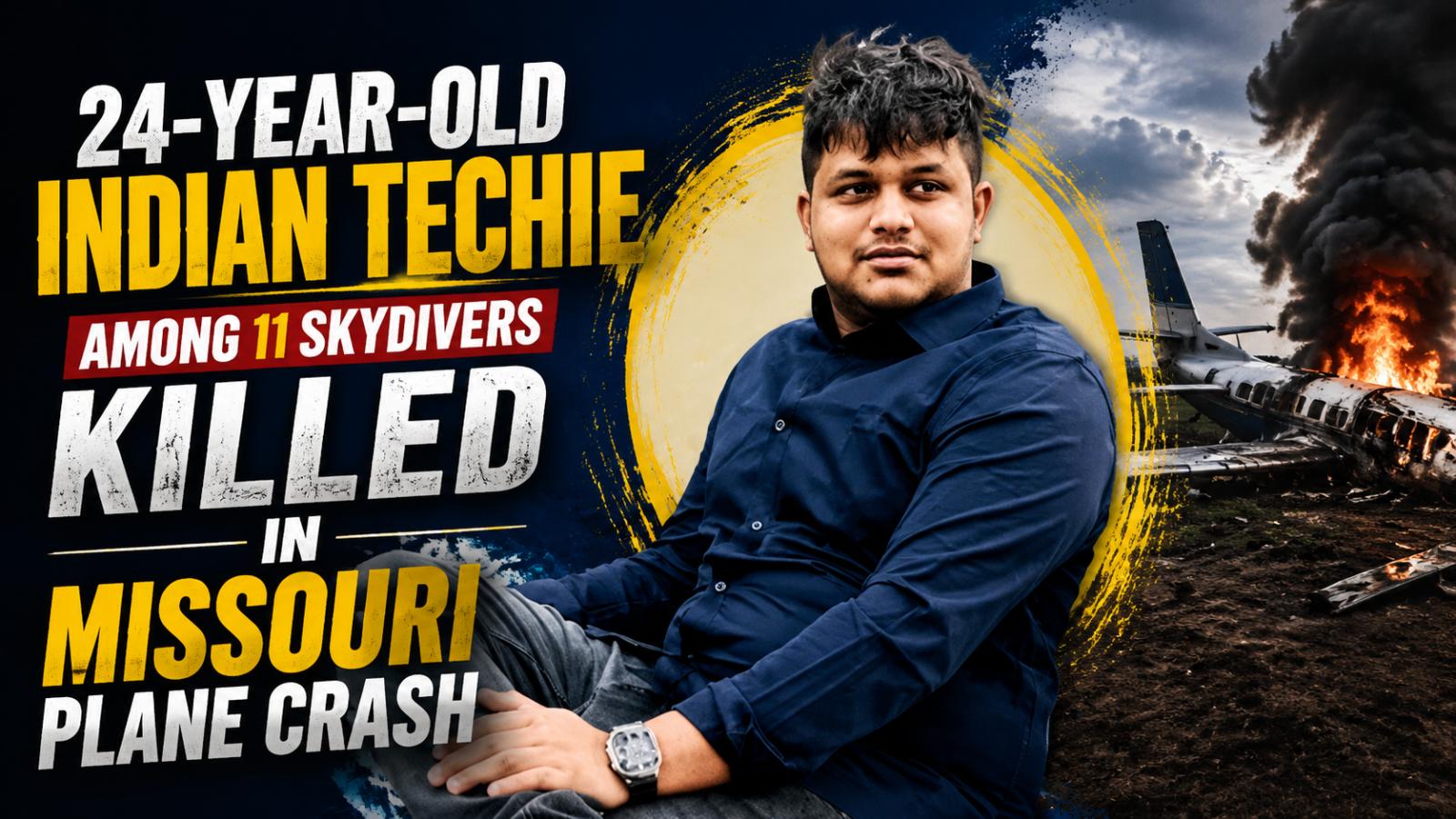
24-year-old Indian techie dies in US skydiving aircraft crash
Tragic skydiving crash claims 12 lives in Missouri A devastating aviation accident in Missouri on Sunday, June 15, 2026, in the United States, has claimed the lives of 12 people, including a 24-year-old Indian tech professional identified as Sai Karthik Varma Datla. The crash occurred shortly after takeoff from Butler Memorial Airport in Bates County, approximately 80 miles south of Kansas City, when a skyd
24-year-old Indian techie dies in US skydiving aircraft crash
Tragic skydiving crash claims 12 lives in Missouri A devastating aviation accident in Missouri on Sunday, June 15, 2026, in the United States, has claimed the lives of 12 people, including a 24-year-old Indian tech professional identified as Sai Karthik Varma Datla. The crash occurred shortly after takeoff from Butler Memorial Airport in Bates County, approximately 80 miles south of Kansas City, when a skyd

Did Erika Kirk Change Her Last Name? No Filing Supports Viral Claim
Did Erika Kirk change her last name? No verified court filing, official statement or Turning Point USA announcement supports the viral claim that she filed to remove “Kirk” from her surname. Did Erika Kirk change her last name? The claim appears to have originated with a Hoops Crave post on X and then spread through reposts that offered no court name, case number, legal document or statement from Kirk or her representatives. Based on the pu
Did Erika Kirk Change Her Last Name? No Filing Supports Viral Claim
Did Erika Kirk change her last name? No verified court filing, official statement or Turning Point USA announcement supports the viral claim that she filed to remove “Kirk” from her surname. Did Erika Kirk change her last name? The claim appears to have originated with a Hoops Crave post on X and then spread through reposts that offered no court name, case number, legal document or statement from Kirk or her representatives. Based on the pu
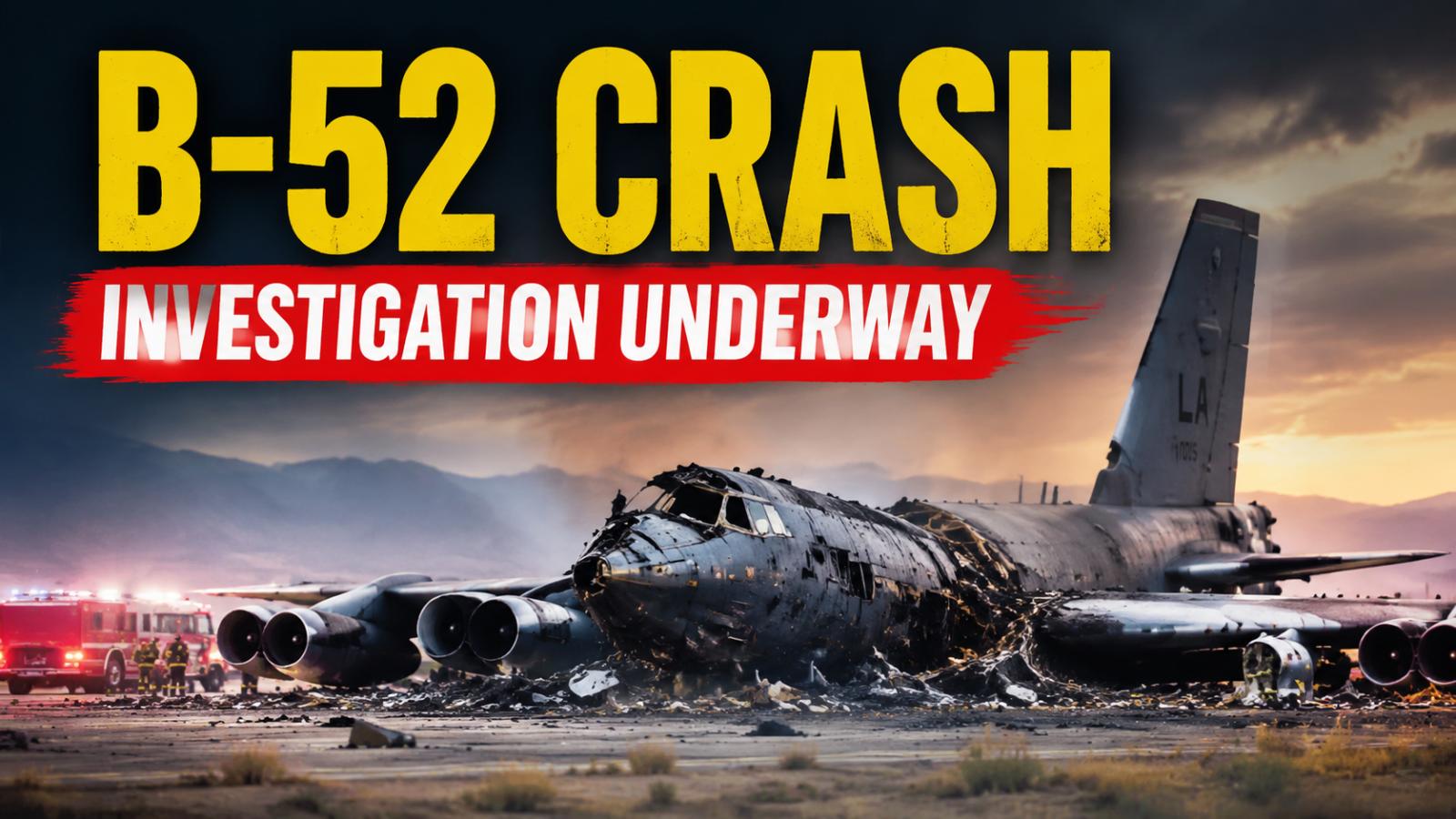
B-52 crash at Edwards Air Force Base under investigation
A serious accident involving a B-52 Stratofortress occurred near Edwards Air Force Base shortly after takeoff, resulting in multiple fatalities among the crew. Early reports indicate the aircraft encountered a critical failure during the initial phase of flight, though officials have not confirmed the exact cause. Emergency response teams were immediately deployed to the site, and flight operations in the area were temporarily reviewed following the incident. Investigation Underway by US Air Force The US Air Force has launched a formal investigation to determine what led to the crash. Focus areas include mechanical performance, maintenance history, and possible operational or environmental factors. Authorities are also reviewing flight data and communication records to reconstruct the final moments before the accident. At this stage, no single cause has been identified, and officials are treating the investigation as open and ongoing. Concerns Over Aging Strategic Fleet The incident has renewed attention on the long-service history of the B-52 fleet, which has remained a central part of US strategic air power for decades. While the aircraft has undergone continuous upgrades, concerns persist about aging airframes, maintenance demands, and operational risks associated with extended service life. Defense analysts often highlight the balance between modernization efforts and the limitations of legacy platforms still in active duty. Cold War Design Still in Active Use Originally developed during the Cold War era, the B-52 was designed for long-range strategic missions and nuclear deterrence roles. Over time, its operational role has shifted toward stand-off strike capabilities, including cruise missile deployment from safer distances. Despite its age, it remains a key component of US strategic aviation planning due to its payload capacity and mission flexibility. Operational Role and Ongoing Upgrades The bomber is typically flown by a multi-member crew and is capable of carrying heavy ordnance loads across intercontinental distances. The US Air Force continues to invest in modernization programs aimed at extending its service life into the coming decades, including engine replacements and avionics upgrades designed to improve efficiency, range, and reliability. However, incidents like this highlight the ongoing challenges of maintaining older strategic aircraft in modern operational environments.
B-52 crash at Edwards Air Force Base under investigation
A serious accident involving a B-52 Stratofortress occurred near Edwards Air Force Base shortly after takeoff, resulting in multiple fatalities among the crew. Early reports indicate the aircraft encountered a critical failure during the initial phase of flight, though officials have not confirmed the exact cause. Emergency response teams were immediately deployed to the site, and flight operations in the area were temporarily reviewed following the incident. Investigation Underway by US Air Force The US Air Force has launched a formal investigation to determine what led to the crash. Focus areas include mechanical performance, maintenance history, and possible operational or environmental factors. Authorities are also reviewing flight data and communication records to reconstruct the final moments before the accident. At this stage, no single cause has been identified, and officials are treating the investigation as open and ongoing. Concerns Over Aging Strategic Fleet The incident has renewed attention on the long-service history of the B-52 fleet, which has remained a central part of US strategic air power for decades. While the aircraft has undergone continuous upgrades, concerns persist about aging airframes, maintenance demands, and operational risks associated with extended service life. Defense analysts often highlight the balance between modernization efforts and the limitations of legacy platforms still in active duty. Cold War Design Still in Active Use Originally developed during the Cold War era, the B-52 was designed for long-range strategic missions and nuclear deterrence roles. Over time, its operational role has shifted toward stand-off strike capabilities, including cruise missile deployment from safer distances. Despite its age, it remains a key component of US strategic aviation planning due to its payload capacity and mission flexibility. Operational Role and Ongoing Upgrades The bomber is typically flown by a multi-member crew and is capable of carrying heavy ordnance loads across intercontinental distances. The US Air Force continues to invest in modernization programs aimed at extending its service life into the coming decades, including engine replacements and avionics upgrades designed to improve efficiency, range, and reliability. However, incidents like this highlight the ongoing challenges of maintaining older strategic aircraft in modern operational environments.
Eight Killed After B-52 Crashes in California
B-52 Crashes After Takeoff Eight people died after a US Air Force B-52 Stratofortress crashed shortly after takeoff from Edwards Air Force Base in California on Monday, officials said. The aircraft was on a routine test mission when it went down at about 11:20 a.m. local time. Air Force officials said the crash was quickly assessed as unsurvivable, and emergency crews responded to the scene within the base??
Eight Killed After B-52 Crashes in California
B-52 Crashes After Takeoff Eight people died after a US Air Force B-52 Stratofortress crashed shortly after takeoff from Edwards Air Force Base in California on Monday, officials said. The aircraft was on a routine test mission when it went down at about 11:20 a.m. local time. Air Force officials said the crash was quickly assessed as unsurvivable, and emergency crews responded to the scene within the base??
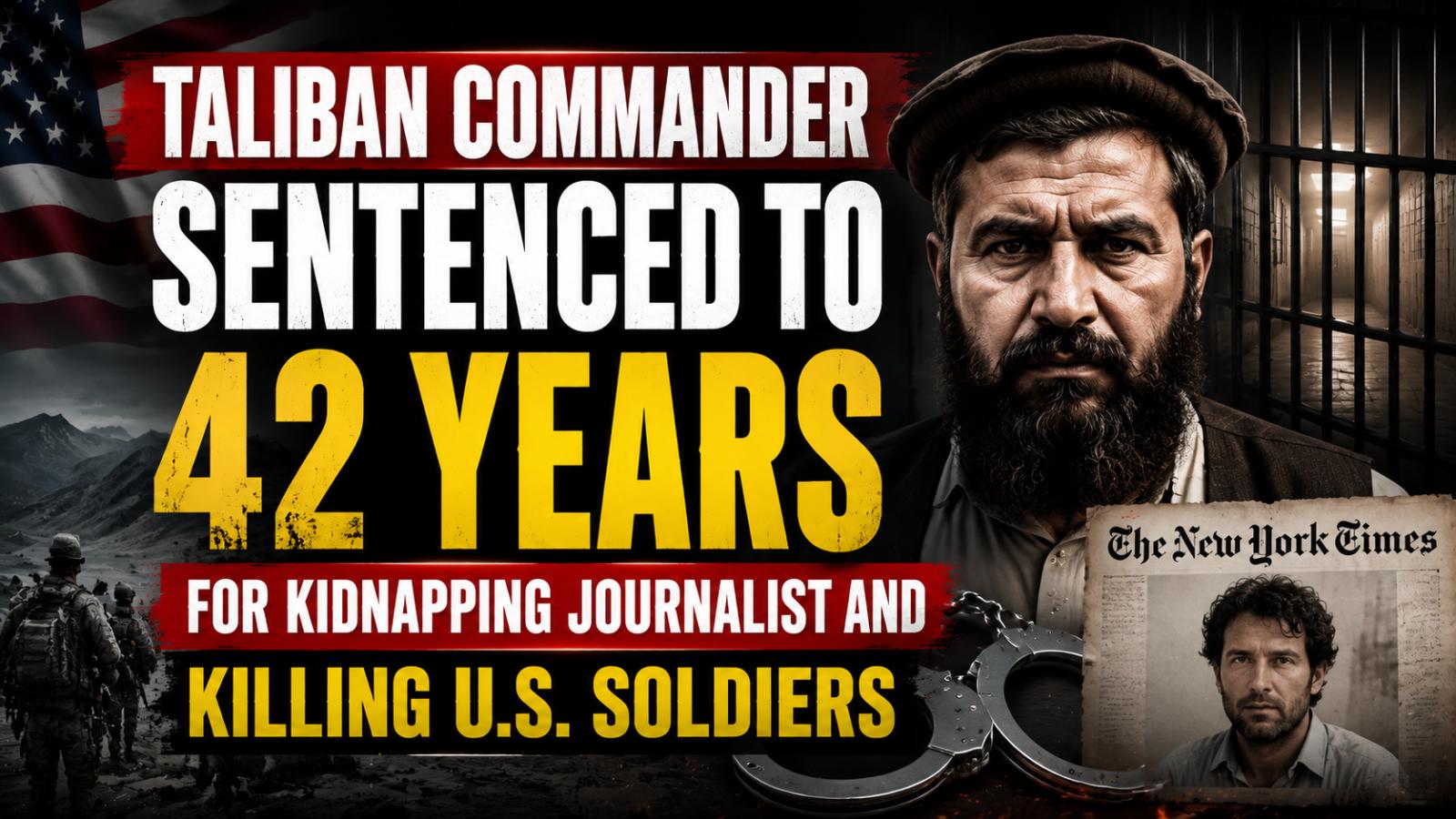
Ex-Taliban commander Haji Najibullah sentenced to 42 years in US prison
Former Taliban Commander Sentenced to 42 Years A former Taliban commander, Haji Najibullah, has been sentenced to 42 years in prison by a U.S. federal court for orchestrating deadly attacks on American troops and kidnapping a New York Times journalist. The 50-year-old pleaded guilty earlier this year to charges of hostage-taking and providing material support for terrorist acts resulting in deaths, accordi
Ex-Taliban commander Haji Najibullah sentenced to 42 years in US prison
Former Taliban Commander Sentenced to 42 Years A former Taliban commander, Haji Najibullah, has been sentenced to 42 years in prison by a U.S. federal court for orchestrating deadly attacks on American troops and kidnapping a New York Times journalist. The 50-year-old pleaded guilty earlier this year to charges of hostage-taking and providing material support for terrorist acts resulting in deaths, accordi

Telangana Youth Shot Dead During Pizza Delivery in New York
The incident reportedly happened on Friday night, June 5, 2026, in New York, USA. A 26-year-old man from Telangana was allegedly shot dead while working as a pizza delivery driver in New York, United States. The victim was reportedly from Gundlapochampally in Medchal district. He had been living in the US and was working part-time as a pizza delivery driver.
Telangana Youth Shot Dead During Pizza Delivery in New York
The incident reportedly happened on Friday night, June 5, 2026, in New York, USA. A 26-year-old man from Telangana was allegedly shot dead while working as a pizza delivery driver in New York, United States. The victim was reportedly from Gundlapochampally in Medchal district. He had been living in the US and was working part-time as a pizza delivery driver.

US Imposes Sanctions on Cuban President Díaz‑Canel
US Imposes Sanctions on Cuban President The United States on Thursday (June 4) imposed fresh sanctions on Cuban President Miguel Díaz‑Canel and several close associates, including members of the Castro family. The actions, announced by the U.S. Treasury Department, are part of a broader effort by Washington to intensify pressure on Cuba’s communist leadership and state institutions, targeting both indi
US Imposes Sanctions on Cuban President Díaz‑Canel
US Imposes Sanctions on Cuban President The United States on Thursday (June 4) imposed fresh sanctions on Cuban President Miguel Díaz‑Canel and several close associates, including members of the Castro family. The actions, announced by the U.S. Treasury Department, are part of a broader effort by Washington to intensify pressure on Cuba’s communist leadership and state institutions, targeting both indi

American Airlines Suspends Six Late-Summer Routes
American Airlines is temporarily suspending six late-summer routes as rising jet fuel costs continue to pressure U.S. airline schedules. The Fort Worth, Texas-based carrier has adjusted select service for August and September, saying affected passengers will be offered alternative travel arrangements or refunds. The airline has said the changes are temporary and do not represent permanent route cuts. American Airlines August September Route Suspensions
American Airlines Suspends Six Late-Summer Routes
American Airlines is temporarily suspending six late-summer routes as rising jet fuel costs continue to pressure U.S. airline schedules. The Fort Worth, Texas-based carrier has adjusted select service for August and September, saying affected passengers will be offered alternative travel arrangements or refunds. The airline has said the changes are temporary and do not represent permanent route cuts. American Airlines August September Route Suspensions

Royal International Air Tattoo 2026 Cancelled Over Iran Tensions
RIAT 2026 Cancelled Amid Iran Tensions The Royal International Air Tattoo (RIAT), one of the world’s largest military and defence airshows, has been cancelled for 2026 due to ongoing military operations connected to the Iran conflict, organisers confirmed on Friday, May 22,2026. Scheduled for July 17–19 at RAF Fairford in southwest England, the event attracts more than 150,000 visitors annually. The active Royal Air For
Royal International Air Tattoo 2026 Cancelled Over Iran Tensions
RIAT 2026 Cancelled Amid Iran Tensions The Royal International Air Tattoo (RIAT), one of the world’s largest military and defence airshows, has been cancelled for 2026 due to ongoing military operations connected to the Iran conflict, organisers confirmed on Friday, May 22,2026. Scheduled for July 17–19 at RAF Fairford in southwest England, the event attracts more than 150,000 visitors annually. The active Royal Air For

Massive US Aircraft Losses Reported During Operation Epic Fury
The United States military has confirmed significant aircraft losses during Operation Epic Fury, with a total of 42 planes, helicopters, and drones affected. Reports compiled from US defense sources, Central Command (CENTCOM) updates, and operational briefings reveal the scale of challenges faced in the Middle East. F-15E Strike Eagle Setbacks Four F-15E Strike Eagles wer
Massive US Aircraft Losses Reported During Operation Epic Fury
The United States military has confirmed significant aircraft losses during Operation Epic Fury, with a total of 42 planes, helicopters, and drones affected. Reports compiled from US defense sources, Central Command (CENTCOM) updates, and operational briefings reveal the scale of challenges faced in the Middle East. F-15E Strike Eagle Setbacks Four F-15E Strike Eagles wer
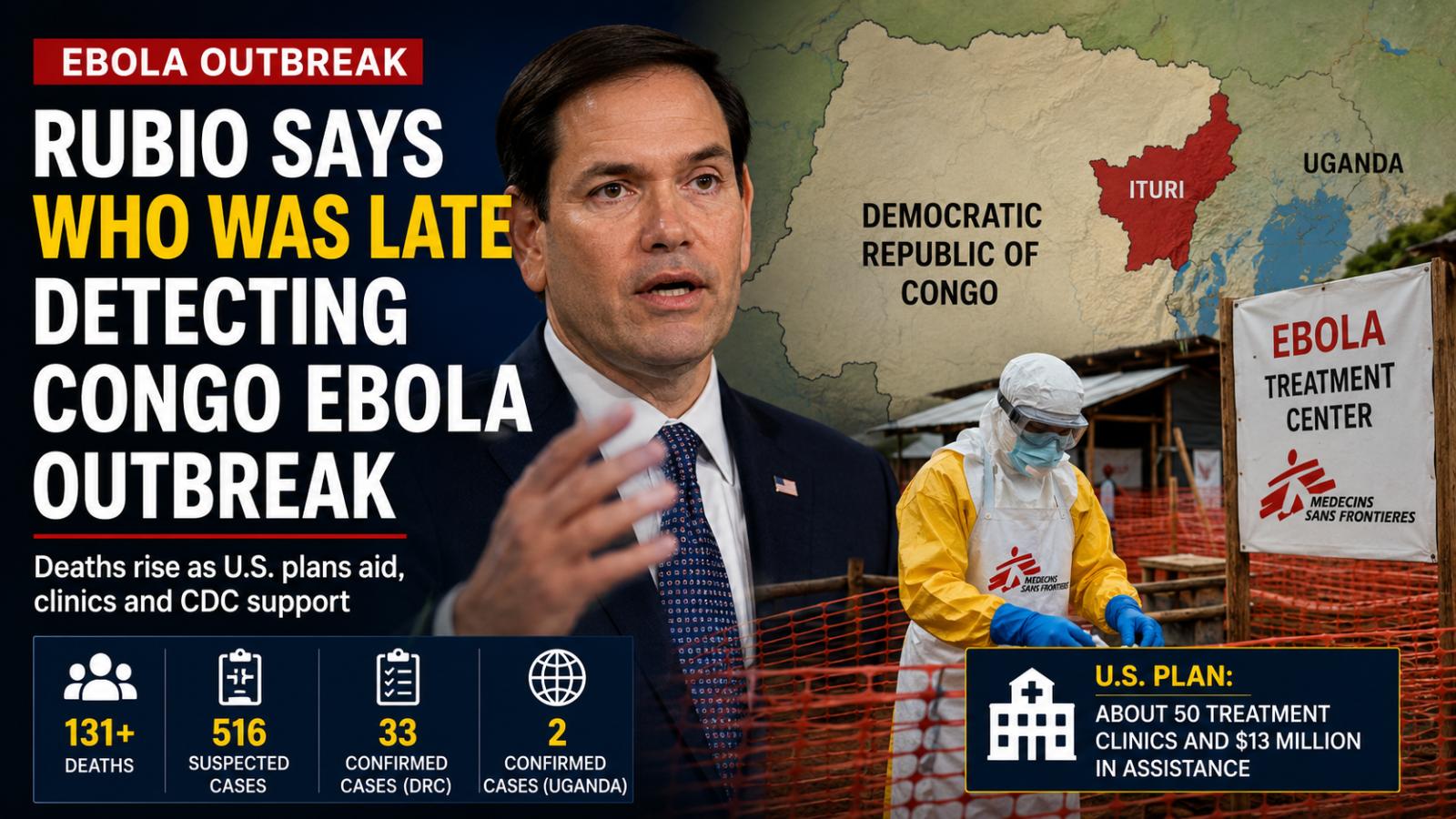
Rubio Says WHO Was Late Detecting Congo Ebola Outbreak as Deaths Rise
U.S. Secretary of State Marco Rubio said on Tuesday, May 19, 2026, that the World Health Organization was “a little late” in detecting the Ebola outbreak spreading in the Democratic Republic of Congo, as deaths continued to rise and Washington prepared support for the response. The outbreak has intensified concern among global health officials because of its speed, suspected death toll and spread in difficult field conditions. Reuters reported at least 131 fatalities linked to t
Rubio Says WHO Was Late Detecting Congo Ebola Outbreak as Deaths Rise
U.S. Secretary of State Marco Rubio said on Tuesday, May 19, 2026, that the World Health Organization was “a little late” in detecting the Ebola outbreak spreading in the Democratic Republic of Congo, as deaths continued to rise and Washington prepared support for the response. The outbreak has intensified concern among global health officials because of its speed, suspected death toll and spread in difficult field conditions. Reuters reported at least 131 fatalities linked to t

Two Fighter Jets Collide During Air Show at Mountain Home AFB, Idaho
Mid-Air Collision at Mountain Home Air Force Base Two US Air Force fighter jets collided mid-air during the Gunfighter Skies Air Show on May 17,2026 at Mountain Home Air Force Base in Idaho. The aircraft came crashing down approximately two miles northwest of the base. In response, the base was immediately placed on lockdown to ensure safety and secure the crash site.
Two Fighter Jets Collide During Air Show at Mountain Home AFB, Idaho
Mid-Air Collision at Mountain Home Air Force Base Two US Air Force fighter jets collided mid-air during the Gunfighter Skies Air Show on May 17,2026 at Mountain Home Air Force Base in Idaho. The aircraft came crashing down approximately two miles northwest of the base. In response, the base was immediately placed on lockdown to ensure safety and secure the crash site.
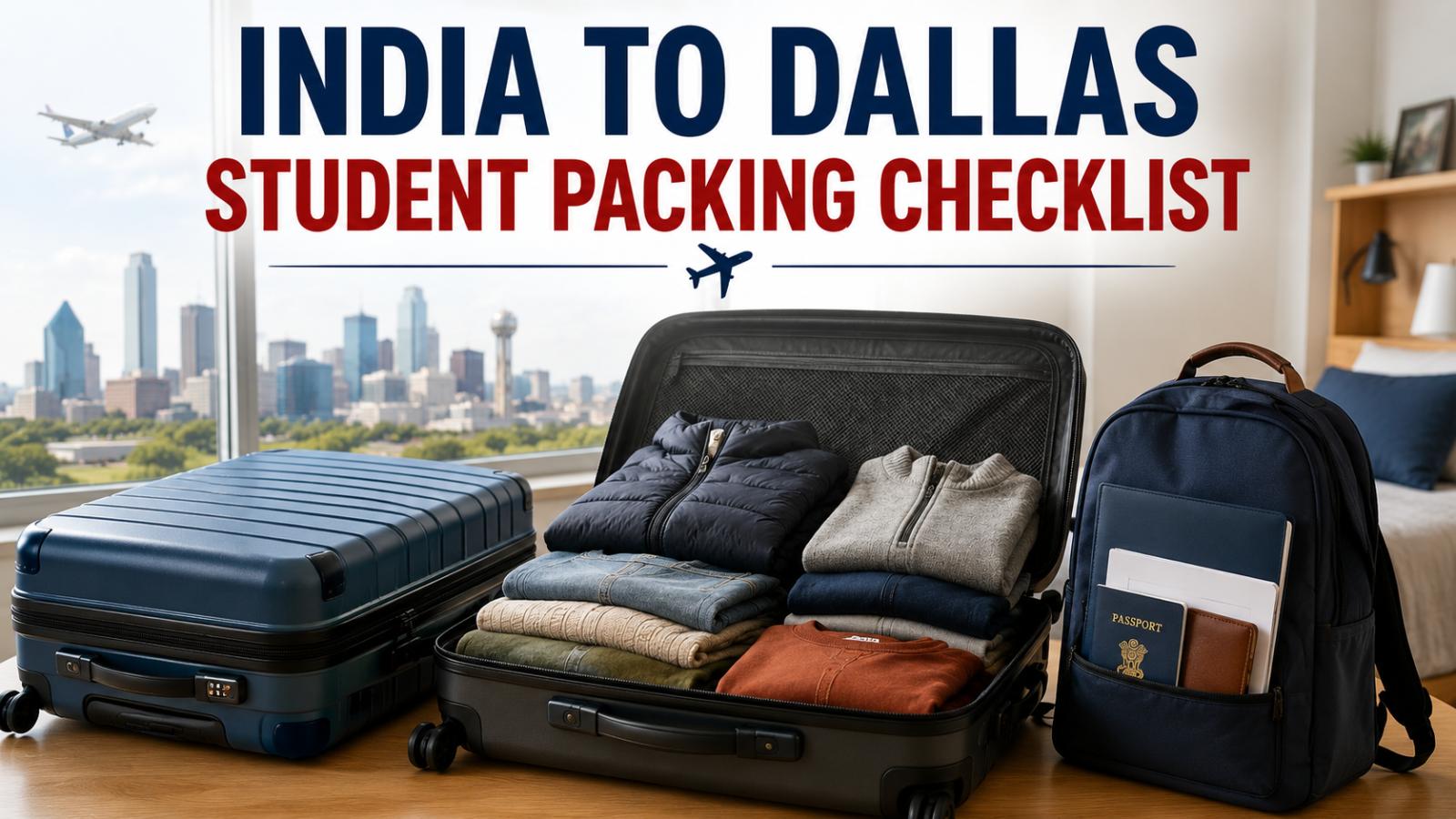
India to Dallas Student Packing Checklist
Traveling from India to Dallas for university is exciting, but packing for the first time can feel confusing. Many students worry about what to carry, what to avoid, how much grocery to pack and which items should go in cabin baggage. This guide gives a practical packing checklist for Indian students moving to Dallas. The goal is simple: carry what helps you during the first few weeks and buy heavy, common items after reaching the United States. Check Your Baggage
India to Dallas Student Packing Checklist
Traveling from India to Dallas for university is exciting, but packing for the first time can feel confusing. Many students worry about what to carry, what to avoid, how much grocery to pack and which items should go in cabin baggage. This guide gives a practical packing checklist for Indian students moving to Dallas. The goal is simple: carry what helps you during the first few weeks and buy heavy, common items after reaching the United States. Check Your Baggage

Indian Student Grocery Packing Guide for Dallas
For Indian students traveling to Dallas for the first time, grocery packing can be confusing. Many students wonder whether they should carry rice, dal, atta, masalas, snacks, ready-to-eat packets or other food items from India. The simple answer is this: carry only a small grocery starter kit for the first one or two weeks. Dallas has a large Indian community and good Indian grocery availability, so students do not need to fill their luggage with food. For most students, grocery packing should be about first-week comfort, not long-term storage. How Much Grocery Should Indian Students Carry to Dallas? For most Indian students, 3 kg to 4 kg of groceries is enough. Even if a student has around 44 kg to 46 kg of check-in luggage, groceries should take only a small part of that space. The remaining luggage is more useful for clothes, winter wear, documents, medicines, laptop items, shoes and student essentials. A practical grocery weight plan looks like this: Spices and masalas: 500g to 700g Ready-to-eat food: 1 kg to 1.5 kg Instant mixes: 500g to 800g Snacks and biscuits: 500g to 800g Tea, coffee or small pickle: 300g to 500g Total ideal grocery weight: 2.5 kg to 3.5 kg Maximum suggested grocery weight: 4 kg Why Carry Groceries From India? Indian students should carry groceries mainly for convenience during the first few days after landing. After reaching Dallas, students may be busy with airport travel, housing setup, university formalities, SIM card, bank account work and transportation. During this time, a few ready-to-eat packets, instant mixes and familiar snacks can be helpful. Some students may also prefer carrying their favorite regional masalas, chutney powder, sambar powder, rasam powder or tea brand because the exact taste may not be immediately available near their apartment. However, students should not treat groceries as the main part of their luggage. Best Grocery Items to Carry From India Students should carry only sealed, branded and commercially packed food items. Good options include: Ready-to-eat vegetarian packets Carry 4 to 6 packets. These are useful during the first few days when cooking may not be possible. Instant breakfast mixes Carry 2 to 3 packets of poha, upma, idli mix, dosa mix or similar items. Small masala packets Carry limited quantities of turmeric powder, chilli powder, garam masala, sambar powder, rasam powder or biryani masala. Regional taste items Students can carry chutney powder, special spice mix or a favorite regional masala if it is properly sealed and labelled. Tea or coffee Carry one small pack if you prefer a specific Indian brand. Snacks Carry 3 to 5 small packets of biscuits, namkeen, khakhra, chikki or dry snacks for travel and the first week. Pickle Carry only one small sealed branded bottle if needed. Pack it carefully in check-in baggage to avoid leakage. What Not to Carry From India: Buy These in Dallas Instead Indian students traveling to Dallas should avoid carrying heavy daily groceries such as rice, dal, atta, oil, ghee, sugar and salt. These items are easily available in Indian grocery stores across the Dallas-Fort Worth area and can be bought after arrival. Carrying these items from India usually does not help much because they take up luggage space, add weight quickly and are not difficult to find in Dallas. A student’s check-in baggage is better used for clothes, winter wear, documents, medicines, personal items and first-week essentials. Students should also avoid carrying fresh fruits, fresh vegetables, curry leaves, coriander leaves, mint leaves, seeds, plants, soil, homemade pickles, homemade chutneys, meat products, egg-based food items and loose masala powders without original labels. These items may create problems during U.S. customs inspection. For regular cooking after arrival, students can buy rice, dal, atta, oil, ghee, vegetables, paneer, frozen chapati, dosa batter, snacks and larger masala packs from local Indian grocery stores in Dallas. The best approach is simple: carry only 3 kg to 4 kg of sealed, dry, branded food items from India and buy heavy regular groceries after reaching Dallas. Should Groceries Go in Check-In or Cabin Baggage? Students should keep almost all groceries in check-in baggage. Check-in baggage is better for: Masala powders Sambar powder Rasam powder Chutney powder Ready-to-eat packets Instant mixes Pickle bottles Tea or coffee Snacks in larger quantities Cabin baggage should carry only small travel snacks such as biscuits, dry fruits, chocolate, protein bars or one small namkeen packet. Avoid keeping pickle, chutney, liquid food, large masala packets or too many powders in cabin baggage. This can create extra security checking during travel. How to Pack Groceries Safely Students should keep grocery packing simple and clean. Use original sealed packets. Do not open and repack masalas into plain covers. Keep all food items together in one transparent plastic bag or pouch inside checked baggage. Double-wrap pickle or liquid-based items. Avoid glass bottles if possible. Keep food away from clothes. Do not carry anything that smells strongly or leaks easily. Keep total grocery weight below 4 kg. U.S. Customs Rule: Declare Food Items Students should declare all food items when entering the United States. If asked at the airport, students can clearly say: “I have sealed Indian dry spices, vegetarian ready-to-eat packets, tea and snacks. I am not carrying fresh fruits, vegetables, meat, seeds or plants.” Declaring food is safer than hiding it. If an officer decides that an item is not allowed, it may be removed, but proper declaration helps avoid bigger problems. What to Buy After Reaching Dallas After arrival, students can buy regular cooking items locally. See our guide to Indian grocery stores in Dallas-Fort Worth for nearby stores, timings and shopping options. After reaching Dallas, students can buy regular Indian groceries locally instead of carrying heavy items from India. Indian grocery stores in the Dallas-Fort Worth area usually sell daily cooking items, Indian snacks, masalas, frozen foods, fresh vegetables and other student-friendly groceries. After arrival, students can use local Indian grocery stores for regular purchases. For store options, read our guide to Indian grocery stores in Dallas-Fort Worth. Final Grocery Packing Checklist Carry from India: 4 to 6 ready-to-eat vegetarian packets 2 to 3 instant breakfast mixes Small masala packets Sambar powder or rasam powder Chutney powder or regional spice mix Tea or coffee A few snacks One small sealed pickle bottle, optional Keep grocery weight around 3 kg to 4 kg maximum. Final Advice for Indian Students Students planning their complete luggage can also read our full India to Dallas student packing checklist for documents, clothes, toiletries, medicines, cabin bag items and first-week essentials For Indian students traveling to Dallas, groceries should be a small comfort kit, not a major part of luggage. The smartest plan is to carry a few sealed food items for the first week and buy regular groceries after reaching Dallas. This keeps luggage lighter, reduces customs risk and gives students more space for important items. Students planning their complete luggage can also read our full India to Dallas student packing checklist.
Indian Student Grocery Packing Guide for Dallas
For Indian students traveling to Dallas for the first time, grocery packing can be confusing. Many students wonder whether they should carry rice, dal, atta, masalas, snacks, ready-to-eat packets or other food items from India. The simple answer is this: carry only a small grocery starter kit for the first one or two weeks. Dallas has a large Indian community and good Indian grocery availability, so students do not need to fill their luggage with food. For most students, grocery packing should be about first-week comfort, not long-term storage. How Much Grocery Should Indian Students Carry to Dallas? For most Indian students, 3 kg to 4 kg of groceries is enough. Even if a student has around 44 kg to 46 kg of check-in luggage, groceries should take only a small part of that space. The remaining luggage is more useful for clothes, winter wear, documents, medicines, laptop items, shoes and student essentials. A practical grocery weight plan looks like this: Spices and masalas: 500g to 700g Ready-to-eat food: 1 kg to 1.5 kg Instant mixes: 500g to 800g Snacks and biscuits: 500g to 800g Tea, coffee or small pickle: 300g to 500g Total ideal grocery weight: 2.5 kg to 3.5 kg Maximum suggested grocery weight: 4 kg Why Carry Groceries From India? Indian students should carry groceries mainly for convenience during the first few days after landing. After reaching Dallas, students may be busy with airport travel, housing setup, university formalities, SIM card, bank account work and transportation. During this time, a few ready-to-eat packets, instant mixes and familiar snacks can be helpful. Some students may also prefer carrying their favorite regional masalas, chutney powder, sambar powder, rasam powder or tea brand because the exact taste may not be immediately available near their apartment. However, students should not treat groceries as the main part of their luggage. Best Grocery Items to Carry From India Students should carry only sealed, branded and commercially packed food items. Good options include: Ready-to-eat vegetarian packets Carry 4 to 6 packets. These are useful during the first few days when cooking may not be possible. Instant breakfast mixes Carry 2 to 3 packets of poha, upma, idli mix, dosa mix or similar items. Small masala packets Carry limited quantities of turmeric powder, chilli powder, garam masala, sambar powder, rasam powder or biryani masala. Regional taste items Students can carry chutney powder, special spice mix or a favorite regional masala if it is properly sealed and labelled. Tea or coffee Carry one small pack if you prefer a specific Indian brand. Snacks Carry 3 to 5 small packets of biscuits, namkeen, khakhra, chikki or dry snacks for travel and the first week. Pickle Carry only one small sealed branded bottle if needed. Pack it carefully in check-in baggage to avoid leakage. What Not to Carry From India: Buy These in Dallas Instead Indian students traveling to Dallas should avoid carrying heavy daily groceries such as rice, dal, atta, oil, ghee, sugar and salt. These items are easily available in Indian grocery stores across the Dallas-Fort Worth area and can be bought after arrival. Carrying these items from India usually does not help much because they take up luggage space, add weight quickly and are not difficult to find in Dallas. A student’s check-in baggage is better used for clothes, winter wear, documents, medicines, personal items and first-week essentials. Students should also avoid carrying fresh fruits, fresh vegetables, curry leaves, coriander leaves, mint leaves, seeds, plants, soil, homemade pickles, homemade chutneys, meat products, egg-based food items and loose masala powders without original labels. These items may create problems during U.S. customs inspection. For regular cooking after arrival, students can buy rice, dal, atta, oil, ghee, vegetables, paneer, frozen chapati, dosa batter, snacks and larger masala packs from local Indian grocery stores in Dallas. The best approach is simple: carry only 3 kg to 4 kg of sealed, dry, branded food items from India and buy heavy regular groceries after reaching Dallas. Should Groceries Go in Check-In or Cabin Baggage? Students should keep almost all groceries in check-in baggage. Check-in baggage is better for: Masala powders Sambar powder Rasam powder Chutney powder Ready-to-eat packets Instant mixes Pickle bottles Tea or coffee Snacks in larger quantities Cabin baggage should carry only small travel snacks such as biscuits, dry fruits, chocolate, protein bars or one small namkeen packet. Avoid keeping pickle, chutney, liquid food, large masala packets or too many powders in cabin baggage. This can create extra security checking during travel. How to Pack Groceries Safely Students should keep grocery packing simple and clean. Use original sealed packets. Do not open and repack masalas into plain covers. Keep all food items together in one transparent plastic bag or pouch inside checked baggage. Double-wrap pickle or liquid-based items. Avoid glass bottles if possible. Keep food away from clothes. Do not carry anything that smells strongly or leaks easily. Keep total grocery weight below 4 kg. U.S. Customs Rule: Declare Food Items Students should declare all food items when entering the United States. If asked at the airport, students can clearly say: “I have sealed Indian dry spices, vegetarian ready-to-eat packets, tea and snacks. I am not carrying fresh fruits, vegetables, meat, seeds or plants.” Declaring food is safer than hiding it. If an officer decides that an item is not allowed, it may be removed, but proper declaration helps avoid bigger problems. What to Buy After Reaching Dallas After arrival, students can buy regular cooking items locally. See our guide to Indian grocery stores in Dallas-Fort Worth for nearby stores, timings and shopping options. After reaching Dallas, students can buy regular Indian groceries locally instead of carrying heavy items from India. Indian grocery stores in the Dallas-Fort Worth area usually sell daily cooking items, Indian snacks, masalas, frozen foods, fresh vegetables and other student-friendly groceries. After arrival, students can use local Indian grocery stores for regular purchases. For store options, read our guide to Indian grocery stores in Dallas-Fort Worth. Final Grocery Packing Checklist Carry from India: 4 to 6 ready-to-eat vegetarian packets 2 to 3 instant breakfast mixes Small masala packets Sambar powder or rasam powder Chutney powder or regional spice mix Tea or coffee A few snacks One small sealed pickle bottle, optional Keep grocery weight around 3 kg to 4 kg maximum. Final Advice for Indian Students Students planning their complete luggage can also read our full India to Dallas student packing checklist for documents, clothes, toiletries, medicines, cabin bag items and first-week essentials For Indian students traveling to Dallas, groceries should be a small comfort kit, not a major part of luggage. The smartest plan is to carry a few sealed food items for the first week and buy regular groceries after reaching Dallas. This keeps luggage lighter, reduces customs risk and gives students more space for important items. Students planning their complete luggage can also read our full India to Dallas student packing checklist.

Xi and Trump Summit at Beijing
Historic Summit Marks a New Phase for US-China Relations On Thursday, May 14, 2026, Chinese President Xi Jinping welcomed US President Donald Trump to Beijing for a high-stakes summit, marking a critical moment in the evolving relationship between the two global powers. Xi set the tone for the summit by stressing the importance of cooperation over confrontation, calling for a stable US-China relationship as a foundation for global stability. “A stable China-US relationship is a
Xi and Trump Summit at Beijing
Historic Summit Marks a New Phase for US-China Relations On Thursday, May 14, 2026, Chinese President Xi Jinping welcomed US President Donald Trump to Beijing for a high-stakes summit, marking a critical moment in the evolving relationship between the two global powers. Xi set the tone for the summit by stressing the importance of cooperation over confrontation, calling for a stable US-China relationship as a foundation for global stability. “A stable China-US relationship is a

MetLife Stadium in East Rutherford Installs Natural Grass for World Cup 2026 FIFA Showpiece
MetLife Stadium Begins World Cup 2026 Grass Upgrade MetLife Stadium in East Rutherford is installing natural grass ahead of the FIFA World Cup 2026, a required move before the New Jersey venue hosts global soccer matches. The upgrade replaces the stadium’s artificial turf with a FIFA-compliant grass surface, giving players the natural pitch conditions required for World Cup games. Why FIFA Requires Natural Grass F
MetLife Stadium in East Rutherford Installs Natural Grass for World Cup 2026 FIFA Showpiece
MetLife Stadium Begins World Cup 2026 Grass Upgrade MetLife Stadium in East Rutherford is installing natural grass ahead of the FIFA World Cup 2026, a required move before the New Jersey venue hosts global soccer matches. The upgrade replaces the stadium’s artificial turf with a FIFA-compliant grass surface, giving players the natural pitch conditions required for World Cup games. Why FIFA Requires Natural Grass F
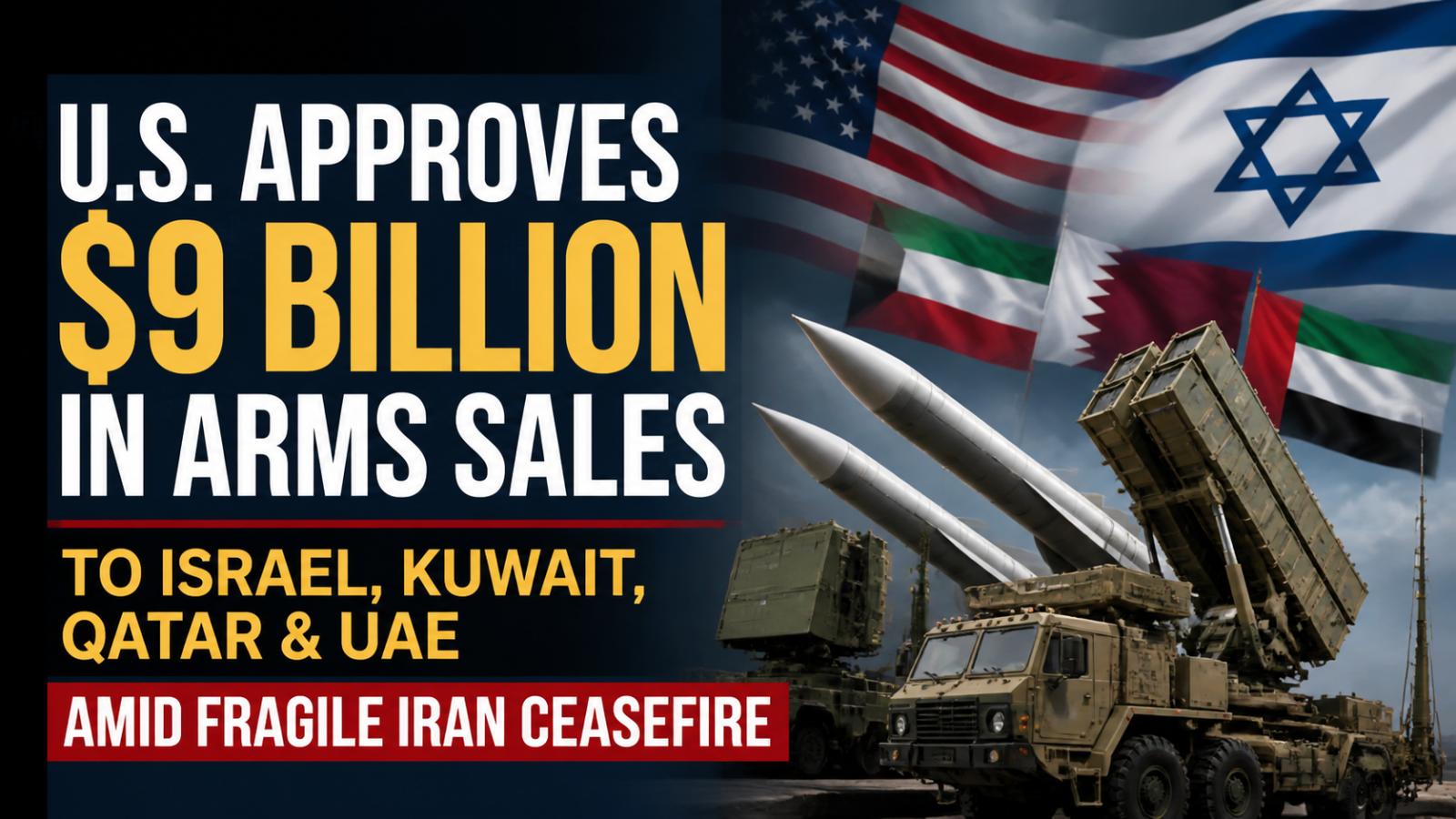
US fast-tracks $9 billion arms deals to Middle East allies
US Authorizes $9 Billion in Arms Sales to Middle East Allies The United States has authorized the expedited sale of arms to Israel, Kuwait, Qatar, and the UAE, totaling nearly $9 billion. This decision, approved by Secretary of State Marco Rubio, bypasses the standard congressional review process and is designed t
US fast-tracks $9 billion arms deals to Middle East allies
US Authorizes $9 Billion in Arms Sales to Middle East Allies The United States has authorized the expedited sale of arms to Israel, Kuwait, Qatar, and the UAE, totaling nearly $9 billion. This decision, approved by Secretary of State Marco Rubio, bypasses the standard congressional review process and is designed t

What is Trump’s final bailout plan for Spirit Airlines? It could prevent liquidation
President Donald Trump said on Friday, May 1, 2026, that his administration had delivered a “final” bailout proposal to Spirit Airlines as the budget airline faces the possibility of liquidation without immediate financial su
What is Trump’s final bailout plan for Spirit Airlines? It could prevent liquidation
President Donald Trump said on Friday, May 1, 2026, that his administration had delivered a “final” bailout proposal to Spirit Airlines as the budget airline faces the possibility of liquidation without immediate financial su

Security footage shows missed dog alerts before White House shooting
DOJ footage shows missed security dog alerts before shooting at WHCD A newly released video from the Justice Department has uncovered crucial details about the attempted shooting at the White House Correspondents' Dinner (WHCD). The footage reveals that a security dog alerted to Cole Tomas Allen’s presence twice, but these warnings went unnoticed, allowing the suspect to fire at a Secret Service officer before being detained. The video, shared by US Attorney Jeanine Pirro on social media platform X, shows Allen walking through the Hilton Hotel the night before the attack. In a chilling moment, the security dog reacts to Allen as he passes, signaling potential danger. However, despite these two distinct alerts, the handler fails to acknowledge the dog's warning, allowing Allen to continue his movement through the hotel. The footage captures the suspect armed with a shotgun, heading toward a security checkpoint where he shoots a Secret Service officer. The video highlights how Allen was moving through the hotel, appearing to “case the area” before the shooting. He can be seen walking through corridors and even passing through a gym in the hours before the more dramatic scene. The footage reveals Allen approaching the magnetometer checkpoint, where he charges past uniformed officers and agents, carrying a long-barrelled firearm. In a slow-motion clip of the video, a Secret Service agent fires three times at Allen, although police have confirmed that Allen was not shot. Instead, Allen was tackled and detained after a brief struggle with security personnel. The officer who was shot survived the attack, thanks to the protection provided by his ballistic vest. Pirro, in her statement, clarified that there is no evidence that friendly fire caused the shooting. She emphasized that the footage had already been provided to the US District Court for further legal action. Allen, a 31-year-old from California, has been charged with attempting to assassinate the president. If convicted, he faces up to life in prison. This latest video offers crucial insight into the incident, showing the missed warnings and the sequence of events that allowed the shooter to carry out the attack.
Security footage shows missed dog alerts before White House shooting
DOJ footage shows missed security dog alerts before shooting at WHCD A newly released video from the Justice Department has uncovered crucial details about the attempted shooting at the White House Correspondents' Dinner (WHCD). The footage reveals that a security dog alerted to Cole Tomas Allen’s presence twice, but these warnings went unnoticed, allowing the suspect to fire at a Secret Service officer before being detained. The video, shared by US Attorney Jeanine Pirro on social media platform X, shows Allen walking through the Hilton Hotel the night before the attack. In a chilling moment, the security dog reacts to Allen as he passes, signaling potential danger. However, despite these two distinct alerts, the handler fails to acknowledge the dog's warning, allowing Allen to continue his movement through the hotel. The footage captures the suspect armed with a shotgun, heading toward a security checkpoint where he shoots a Secret Service officer. The video highlights how Allen was moving through the hotel, appearing to “case the area” before the shooting. He can be seen walking through corridors and even passing through a gym in the hours before the more dramatic scene. The footage reveals Allen approaching the magnetometer checkpoint, where he charges past uniformed officers and agents, carrying a long-barrelled firearm. In a slow-motion clip of the video, a Secret Service agent fires three times at Allen, although police have confirmed that Allen was not shot. Instead, Allen was tackled and detained after a brief struggle with security personnel. The officer who was shot survived the attack, thanks to the protection provided by his ballistic vest. Pirro, in her statement, clarified that there is no evidence that friendly fire caused the shooting. She emphasized that the footage had already been provided to the US District Court for further legal action. Allen, a 31-year-old from California, has been charged with attempting to assassinate the president. If convicted, he faces up to life in prison. This latest video offers crucial insight into the incident, showing the missed warnings and the sequence of events that allowed the shooter to carry out the attack.










