









US–Israel–Iran War | Trump casts doubt on Iran peace deal, says Tehran must act
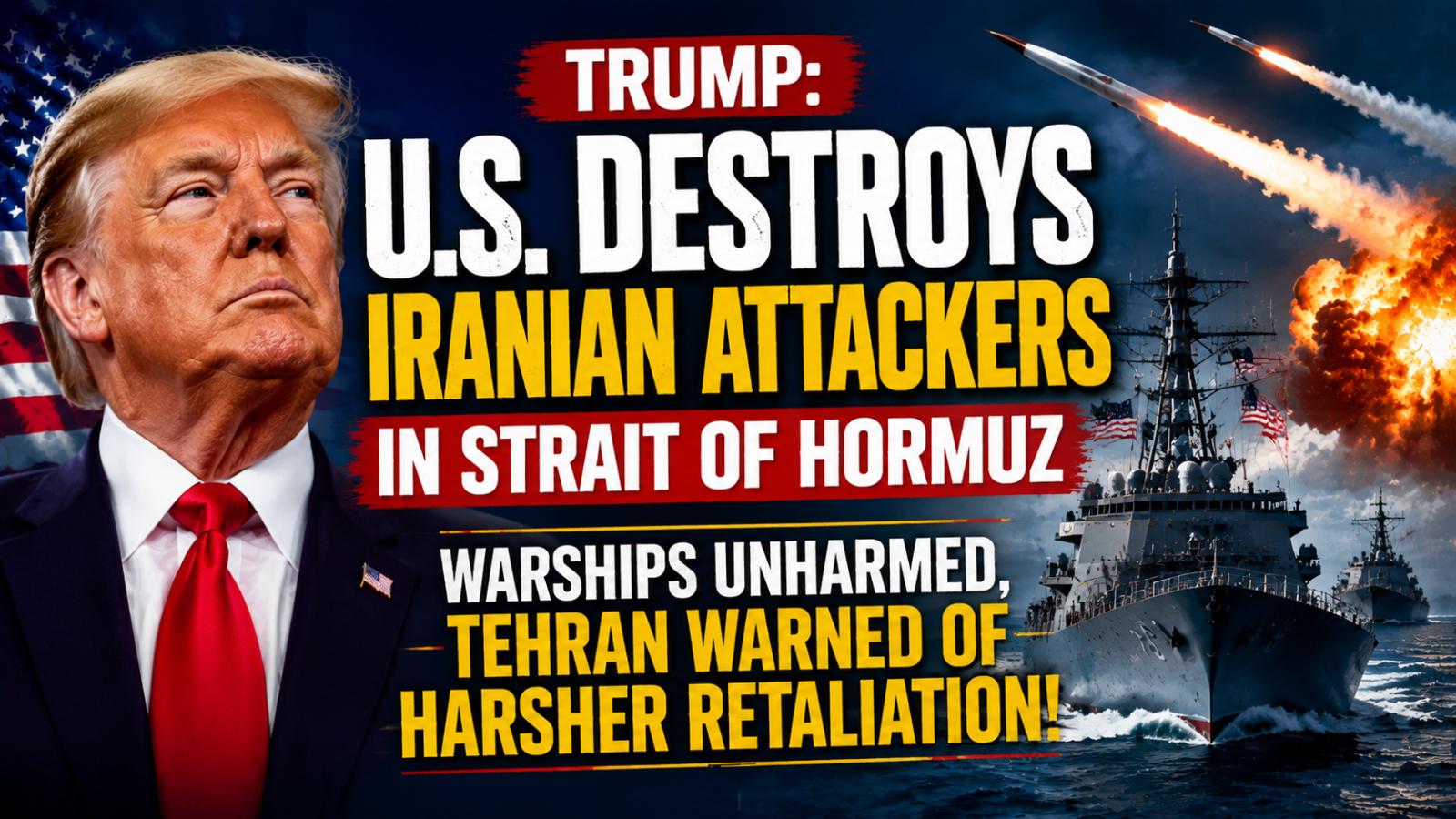
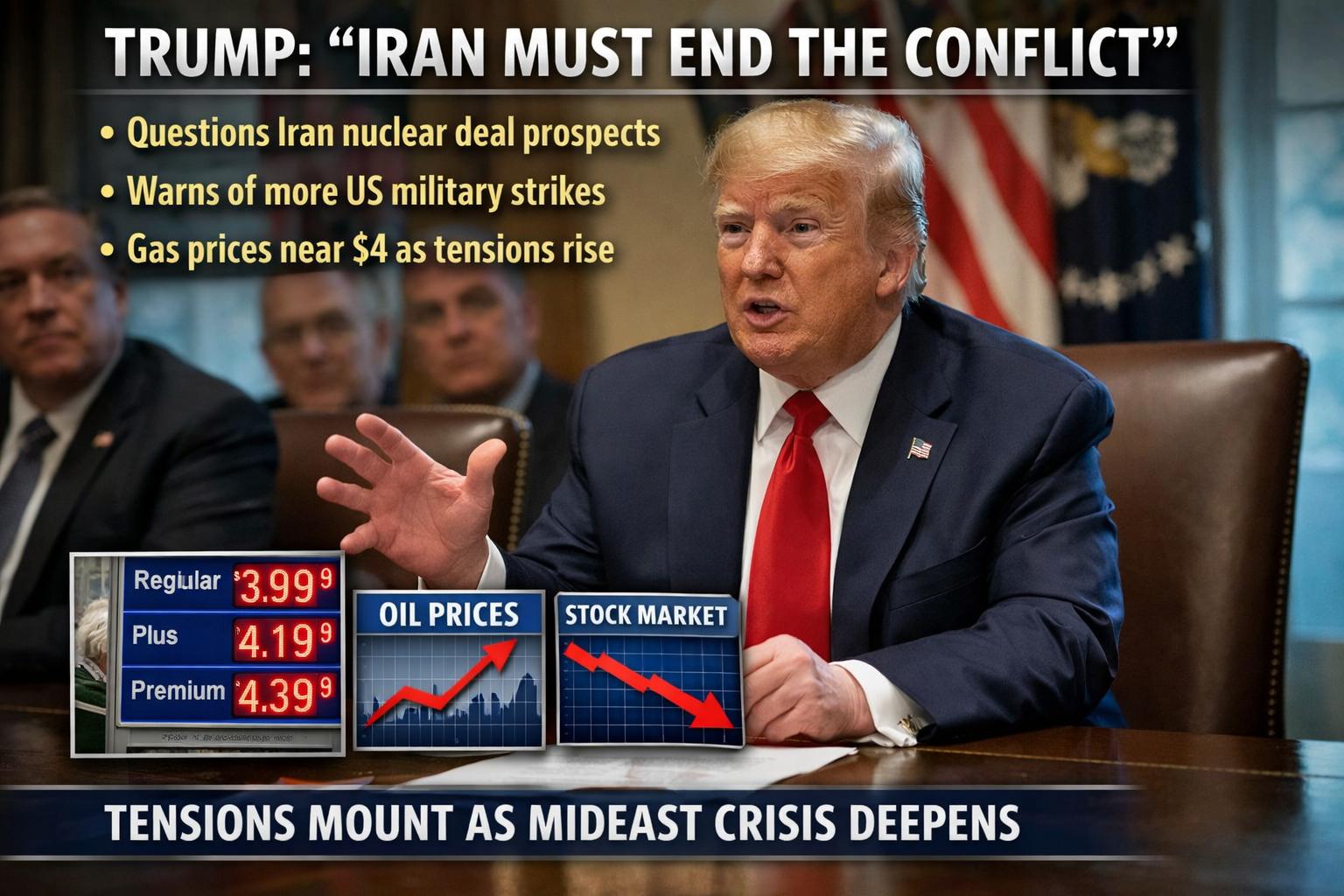
WASHINGTON — March 26, 2026: President Donald Trump on Thursday cast renewed doubt on the likelihood of reaching a peace agreement with Iran, indicating that any meaningful progress would depend on Tehran’s willingness to shift its current stance amid ongoing tensions between the two countries. Speaking during a Cabinet meeting at the White House, Trump emphasized that Iran must take the first step if a deal is to materialize. He expressed uncertainty over wheth
US–Israel–Iran War | Trump casts doubt on Iran peace deal, says Tehran must act
WASHINGTON — March 26, 2026: President Donald Trump on Thursday cast renewed doubt on the likelihood of reaching a peace agreement with Iran, indicating that any meaningful progress would depend on Tehran’s willingness to shift its current stance amid ongoing tensions between the two countries. Speaking during a Cabinet meeting at the White House, Trump emphasized that Iran must take the first step if a deal is to materialize. He expressed uncertainty over wheth
Trump administration sues Harvard over alleged antisemitism violations
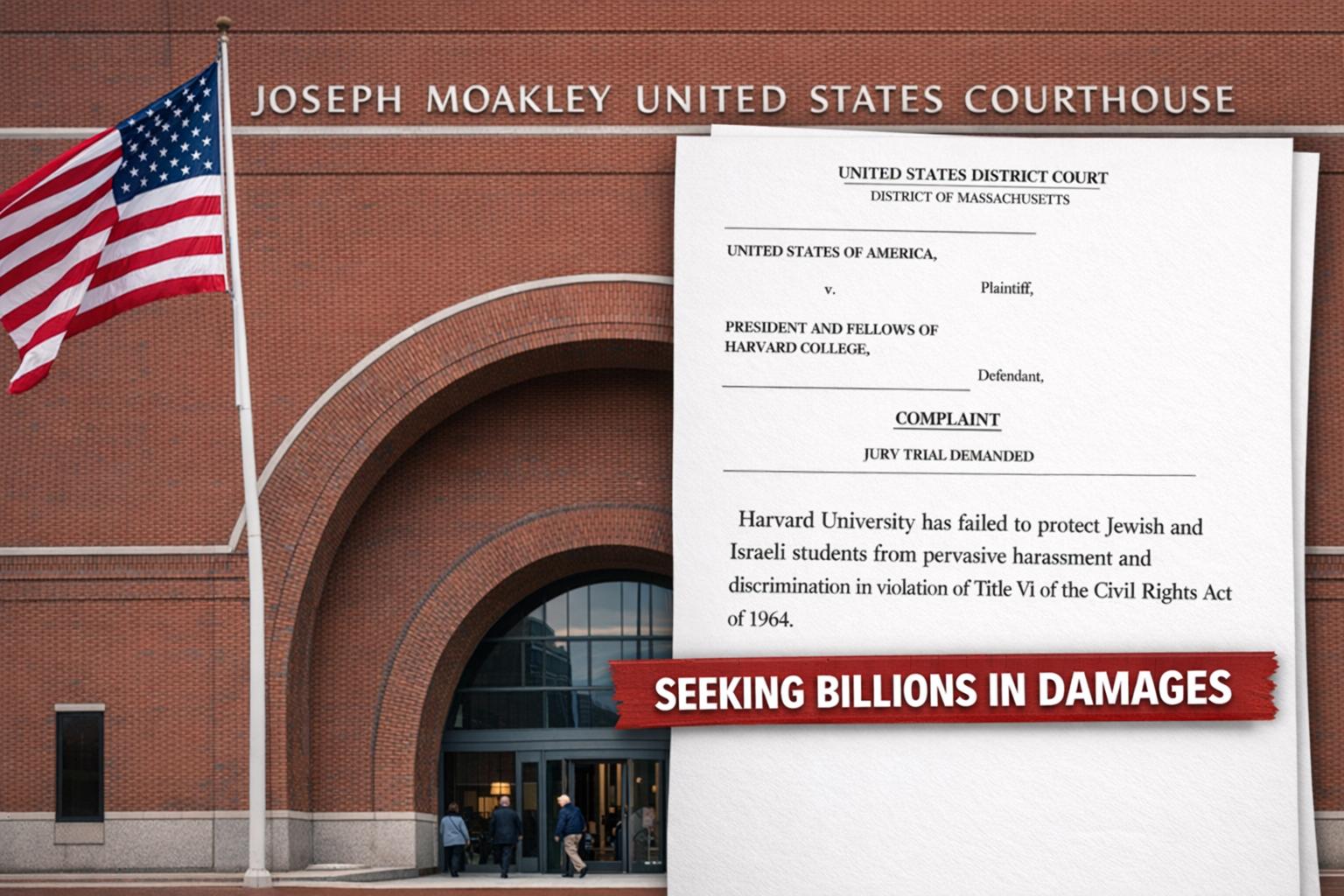
The Trump administration has filed a major lawsuit against Harvard University, alleging violations of civil rights protections for Jewish and Israeli students and faculty. The case, submitted by the Department of Justice in a federal district court in Boston on March 20, 2026, accuses the university of failing to address what officials describe as widespread antisemitism and discriminatory practices on campus. According to the complaint, Harvard is alleged to have ignored repeated incidents
Trump administration sues Harvard over alleged antisemitism violations
The Trump administration has filed a major lawsuit against Harvard University, alleging violations of civil rights protections for Jewish and Israeli students and faculty. The case, submitted by the Department of Justice in a federal district court in Boston on March 20, 2026, accuses the university of failing to address what officials describe as widespread antisemitism and discriminatory practices on campus. According to the complaint, Harvard is alleged to have ignored repeated incidents
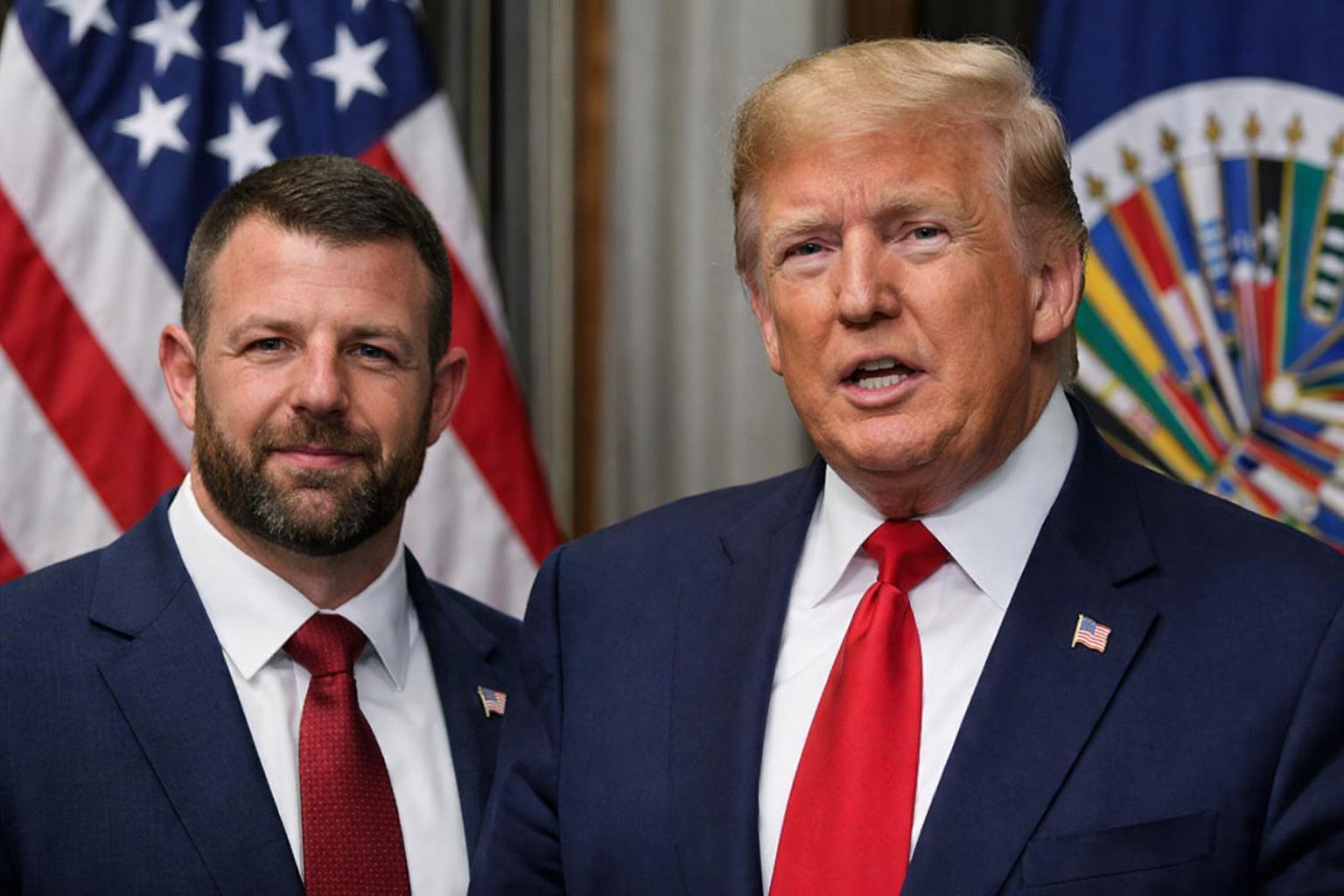
Trump names Markwayne Mullin as homeland security secretary starting March 31
US President Donald Trump on Thursday announced that Senator Markwayne Mullin will become the next United States Secretary of Homeland Security, with the appointment set to take effect on March 31, 2026. The announcement was made through a post on Truth Social, where Trump also revealed that the current secretary, Kristi Noem, will transition to a new role as special envoy for a forthcoming regional security initiative known as “The Shield of the Americas.” According to the pres
Trump names Markwayne Mullin as homeland security secretary starting March 31
US President Donald Trump on Thursday announced that Senator Markwayne Mullin will become the next United States Secretary of Homeland Security, with the appointment set to take effect on March 31, 2026. The announcement was made through a post on Truth Social, where Trump also revealed that the current secretary, Kristi Noem, will transition to a new role as special envoy for a forthcoming regional security initiative known as “The Shield of the Americas.” According to the pres
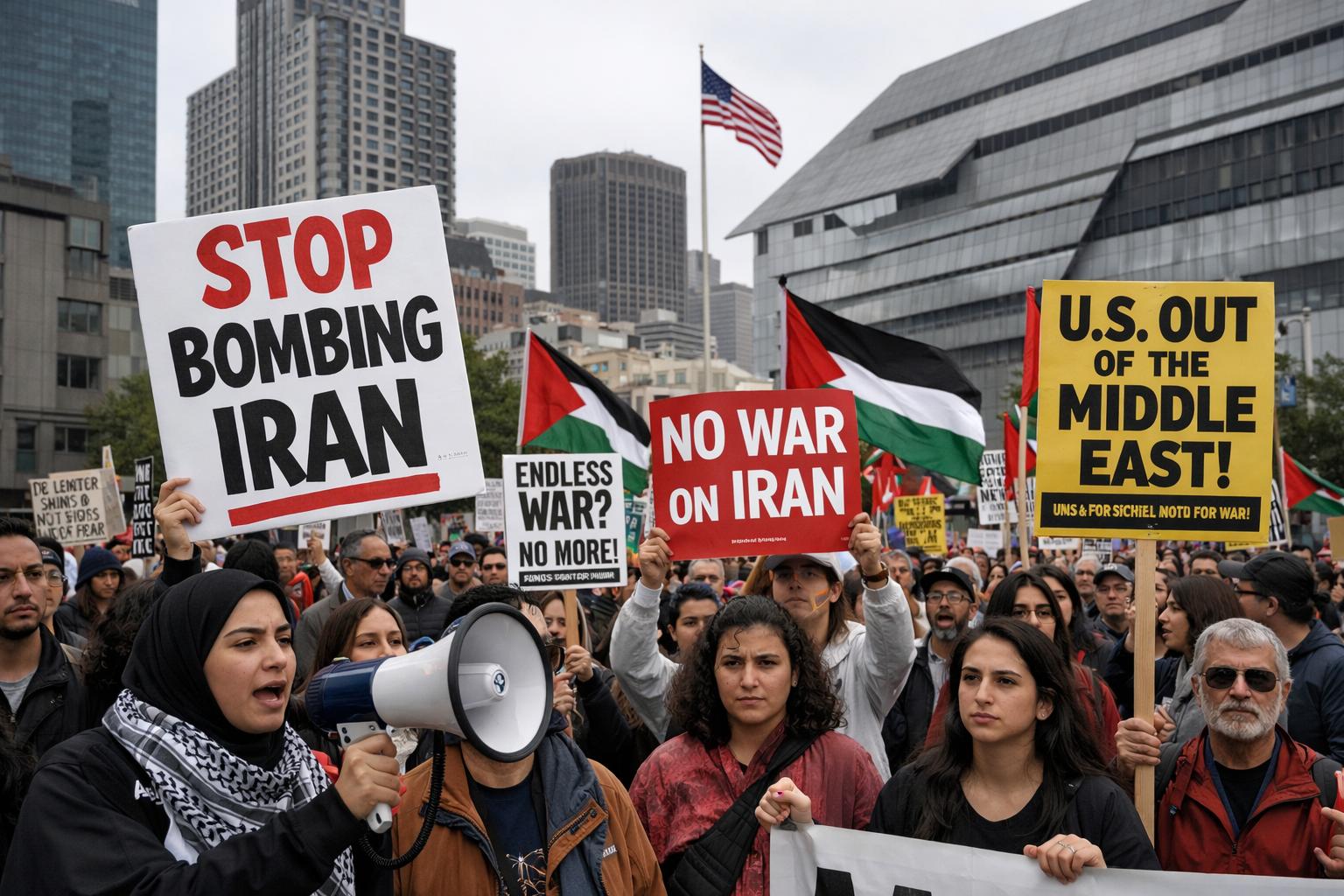
San Francisco protest erupts after U.S. and Israeli strikes on Iran
Protesters gathered Saturday outside the federal building in San Francisco to denounce recent U.S. and Israeli strikes on Iran, assembling less than a day after the military action was announced. Demonstrators later marched through downtown streets, chanting anti-war slogans and calling for an end to U.S. involvement in the Middle East. Participants carried signs criticizing military spending, condemning both major political parties, and expressing opposition to immigration enforcement and forei
San Francisco protest erupts after U.S. and Israeli strikes on Iran
Protesters gathered Saturday outside the federal building in San Francisco to denounce recent U.S. and Israeli strikes on Iran, assembling less than a day after the military action was announced. Demonstrators later marched through downtown streets, chanting anti-war slogans and calling for an end to U.S. involvement in the Middle East. Participants carried signs criticizing military spending, condemning both major political parties, and expressing opposition to immigration enforcement and forei
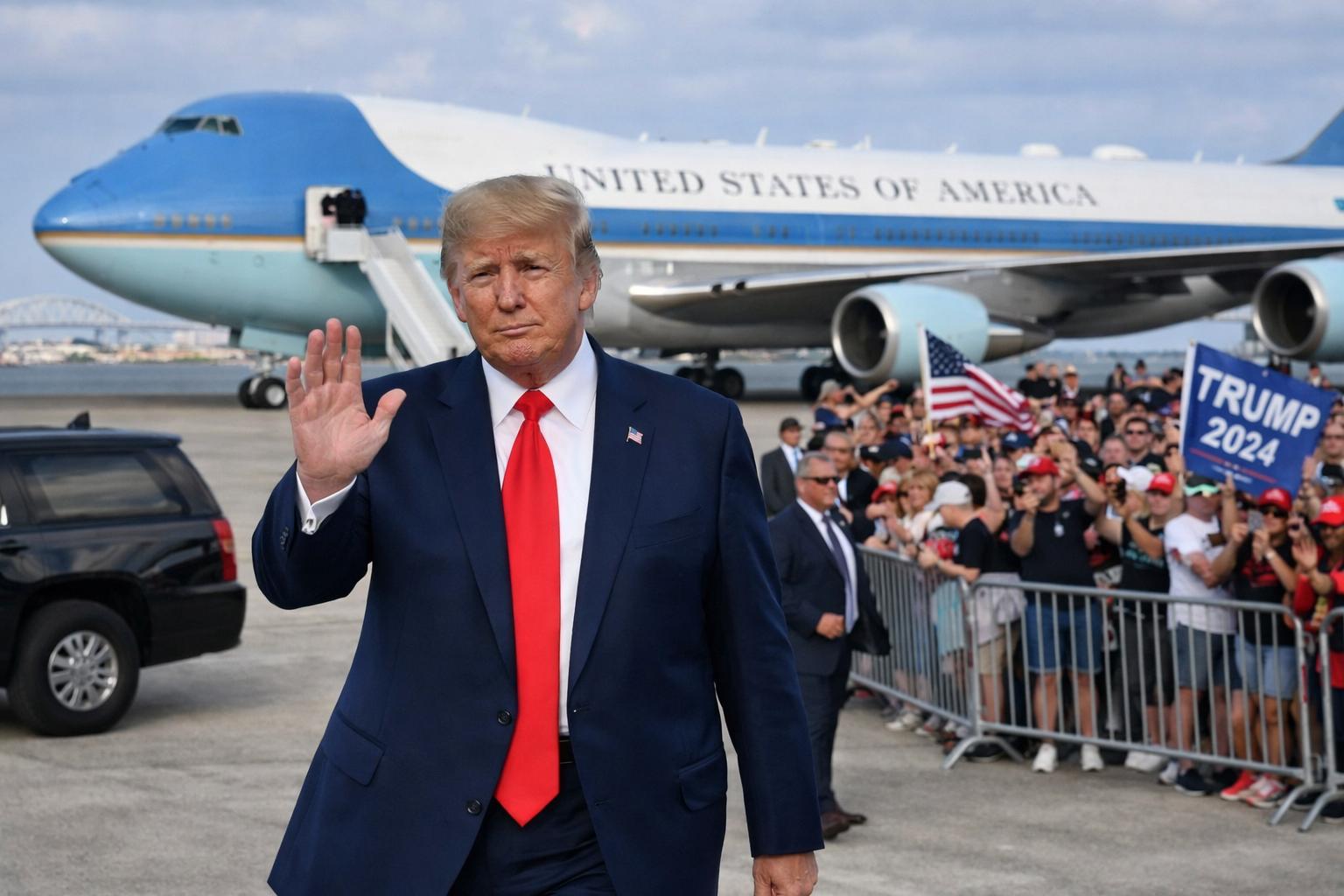
Trump to visit Texas as GOP Senate primary race intensifies
WASHINGTON — President Donald Trump is expected to travel to Texas on Friday, timing his visit with the final day of early voting and just days before the state’s closely watched Republican primary. The trip, confirmed by a White House official, will take place in Corpus Christi, although specific details about the event have not yet been publicly released. State Representative Stan Gerdes said the announcement prompted him to move a previously scheduled campaign appearance with
Trump to visit Texas as GOP Senate primary race intensifies
WASHINGTON — President Donald Trump is expected to travel to Texas on Friday, timing his visit with the final day of early voting and just days before the state’s closely watched Republican primary. The trip, confirmed by a White House official, will take place in Corpus Christi, although specific details about the event have not yet been publicly released. State Representative Stan Gerdes said the announcement prompted him to move a previously scheduled campaign appearance with
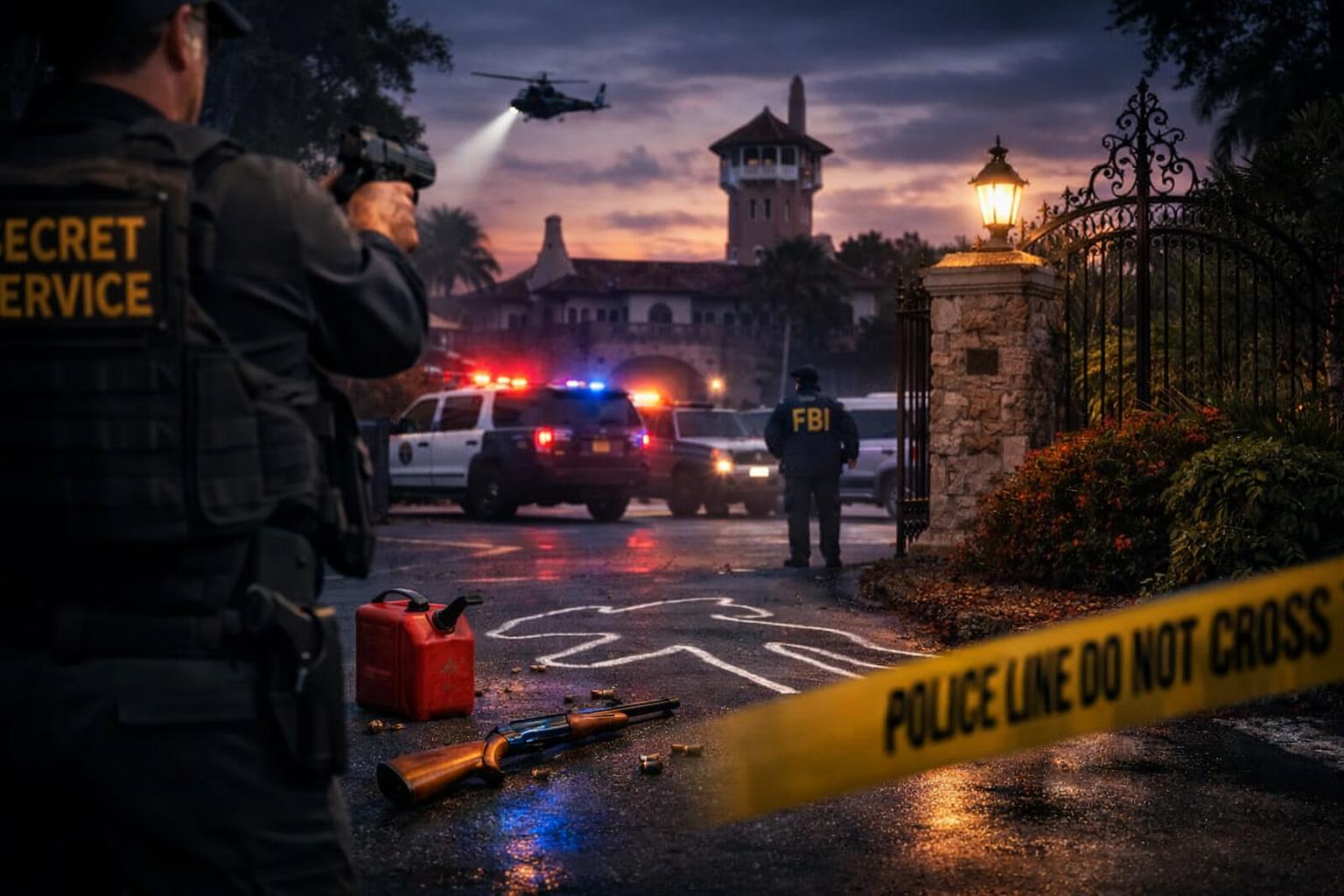
Armed man killed after breaching Trump’s Mar-a-Lago security zone
US Secret Service agents fatally shot an armed man who unlawfully entered the restricted perimeter surrounding President Donald Trump’s Mar-a-Lago estate in Florida early Sunday morning, authorities confirmed. The incident prompted a swift response from both the Secret Service and the Palm Beach County Sheriff’s Office, which assisted at the scene. According to officials, the individual, believed to be in his early 20s, approached the north gate of the West Palm Beach property c
Armed man killed after breaching Trump’s Mar-a-Lago security zone
US Secret Service agents fatally shot an armed man who unlawfully entered the restricted perimeter surrounding President Donald Trump’s Mar-a-Lago estate in Florida early Sunday morning, authorities confirmed. The incident prompted a swift response from both the Secret Service and the Palm Beach County Sheriff’s Office, which assisted at the scene. According to officials, the individual, believed to be in his early 20s, approached the north gate of the West Palm Beach property c
Top Court Limits Trump Tariff Powers Amid India-Russia Oil Dispute
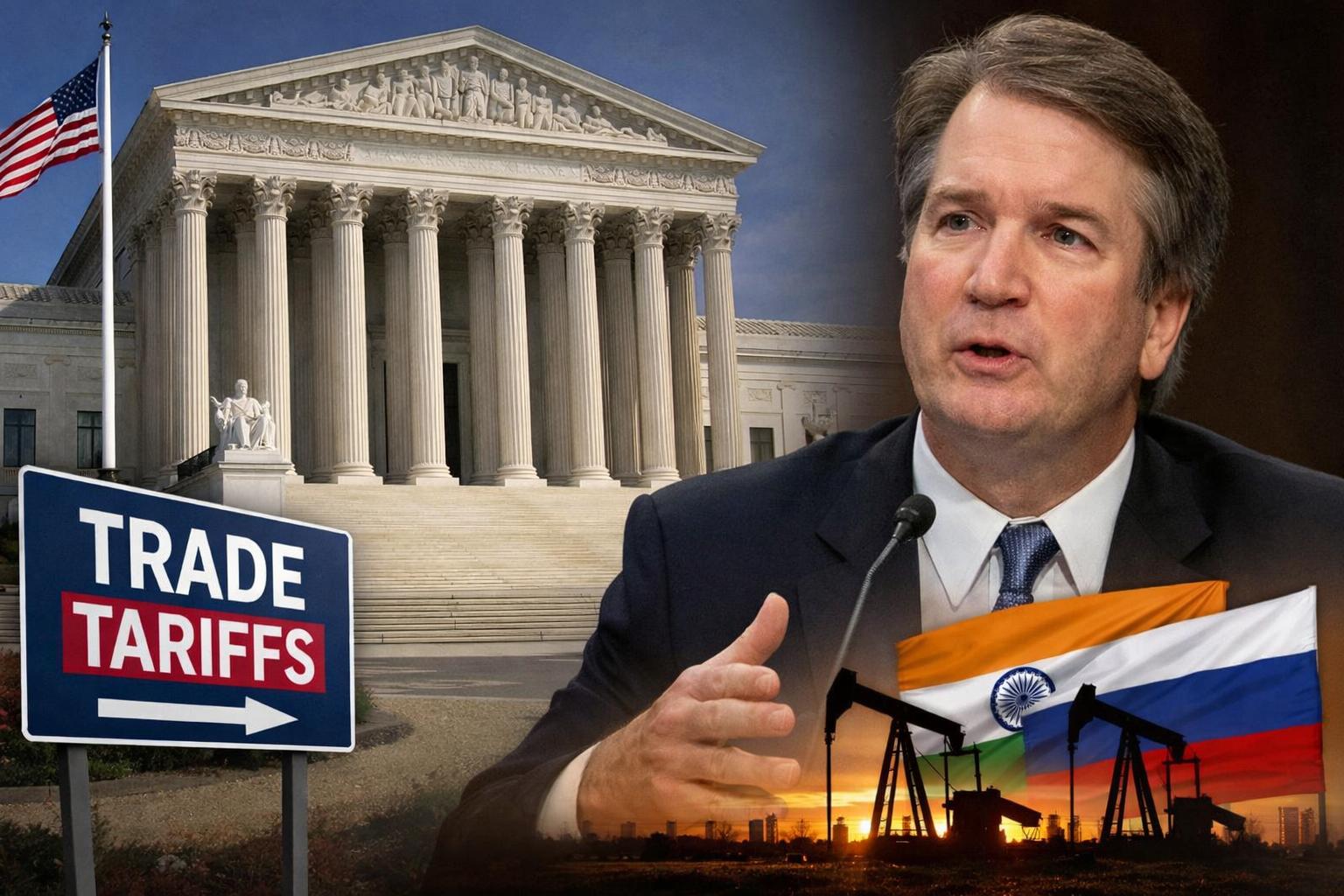
The United States Supreme Court on Friday struck down a series of broad tariffs imposed by President Donald Trump, ruling that the administration had exceeded its authority under federal law. In a closely watched 6–3 decision, the court determined that the International Emergency Economic Powers Act does not authorize the president to unilaterally impose sweeping duties on foreign imports, a finding that could have significant implications for future trade policy and executive power. The ruling addressed the legal limits of presidential authority under the IEEPA, a statute historically used to regulate economic activity during national emergencies. Writing for the majority, the court concluded that the law does not grant the executive branch the expansive tariff powers claimed by the administration. The decision effectively invalidates the contested measures and reinforces congressional oversight over major trade actions. In his dissent, Justice Brett Kavanaugh pointed to the administration’s use of tariffs as a tool of foreign policy leverage, including duties imposed on India over its purchases of Russian oil. He argued that the tariffs were part of sensitive international negotiations and should be viewed within the broader context of the president’s conduct of foreign affairs. Kavanaugh noted that the government had maintained the tariffs helped secure trade concessions from major partners such as China, the United Kingdom and Japan. According to the administration’s position, the measures were intended to open foreign markets to American businesses and support trade agreements valued in the trillions of dollars. The dissent specifically referenced the August 2025 decision to impose a 25 percent tariff on India for what the administration described as direct or indirect imports of Russian Federation oil. At the time, the White House framed the move as part of broader efforts tied to geopolitical negotiations and energy security concerns. The tariffs included a reciprocal component initially set at 25 percent and later reduced to 18 percent. Kavanaugh further observed that the administration subsequently eased the India-specific penalties in February 2026 after the government reported that New Delhi had committed to halting purchases of Russian oil and to increasing imports of American energy products. He argued that such developments demonstrated the traditional diplomatic use of tariffs as leverage in complex international negotiations. Despite these arguments, the majority held that statutory limits must guide the exercise of executive power, even in matters touching on foreign affairs and national security. The court emphasized that significant economic measures with wide domestic consequences require clear authorization from Congress. The decision marks a notable judicial check on presidential trade authority and is likely to influence how future administrations deploy tariffs in pursuit of foreign policy objectives. Legal analysts say the ruling reinforces the principle that emergency economic powers cannot be broadly interpreted to reshape global trade relationships without explicit legislative backing. While the immediate policy effects remain to be fully assessed, the judgment underscores ongoing tensions between the executive branch’s flexibility in foreign affairs and the constitutional role of Congress in regulating commerce. The case is expected to shape debates over trade strategy, energy diplomacy and the scope of presidential economic powers in the years ahead.
Top Court Limits Trump Tariff Powers Amid India-Russia Oil Dispute
The United States Supreme Court on Friday struck down a series of broad tariffs imposed by President Donald Trump, ruling that the administration had exceeded its authority under federal law. In a closely watched 6–3 decision, the court determined that the International Emergency Economic Powers Act does not authorize the president to unilaterally impose sweeping duties on foreign imports, a finding that could have significant implications for future trade policy and executive power. The ruling addressed the legal limits of presidential authority under the IEEPA, a statute historically used to regulate economic activity during national emergencies. Writing for the majority, the court concluded that the law does not grant the executive branch the expansive tariff powers claimed by the administration. The decision effectively invalidates the contested measures and reinforces congressional oversight over major trade actions. In his dissent, Justice Brett Kavanaugh pointed to the administration’s use of tariffs as a tool of foreign policy leverage, including duties imposed on India over its purchases of Russian oil. He argued that the tariffs were part of sensitive international negotiations and should be viewed within the broader context of the president’s conduct of foreign affairs. Kavanaugh noted that the government had maintained the tariffs helped secure trade concessions from major partners such as China, the United Kingdom and Japan. According to the administration’s position, the measures were intended to open foreign markets to American businesses and support trade agreements valued in the trillions of dollars. The dissent specifically referenced the August 2025 decision to impose a 25 percent tariff on India for what the administration described as direct or indirect imports of Russian Federation oil. At the time, the White House framed the move as part of broader efforts tied to geopolitical negotiations and energy security concerns. The tariffs included a reciprocal component initially set at 25 percent and later reduced to 18 percent. Kavanaugh further observed that the administration subsequently eased the India-specific penalties in February 2026 after the government reported that New Delhi had committed to halting purchases of Russian oil and to increasing imports of American energy products. He argued that such developments demonstrated the traditional diplomatic use of tariffs as leverage in complex international negotiations. Despite these arguments, the majority held that statutory limits must guide the exercise of executive power, even in matters touching on foreign affairs and national security. The court emphasized that significant economic measures with wide domestic consequences require clear authorization from Congress. The decision marks a notable judicial check on presidential trade authority and is likely to influence how future administrations deploy tariffs in pursuit of foreign policy objectives. Legal analysts say the ruling reinforces the principle that emergency economic powers cannot be broadly interpreted to reshape global trade relationships without explicit legislative backing. While the immediate policy effects remain to be fully assessed, the judgment underscores ongoing tensions between the executive branch’s flexibility in foreign affairs and the constitutional role of Congress in regulating commerce. The case is expected to shape debates over trade strategy, energy diplomacy and the scope of presidential economic powers in the years ahead.
Global reaction after Supreme Court rules Trump exceeded tariff authority
World leaders and policymakers reacted quickly on Friday after the Supreme Court of the United States ruled that President Donald Trump exceeded his legal authority by imposing sweeping global tariffs, a decision that effectively blocks a key component of his trade policy agenda. The ruling has prompted governments and market observers worldwide to evaluate the potential consequences for international trade, economic stability, and future US trade relations. Speaking at a White House breakfa
Global reaction after Supreme Court rules Trump exceeded tariff authority
World leaders and policymakers reacted quickly on Friday after the Supreme Court of the United States ruled that President Donald Trump exceeded his legal authority by imposing sweeping global tariffs, a decision that effectively blocks a key component of his trade policy agenda. The ruling has prompted governments and market observers worldwide to evaluate the potential consequences for international trade, economic stability, and future US trade relations. Speaking at a White House breakfa
India attends Trump’s Gaza Board of Peace meeting as observer
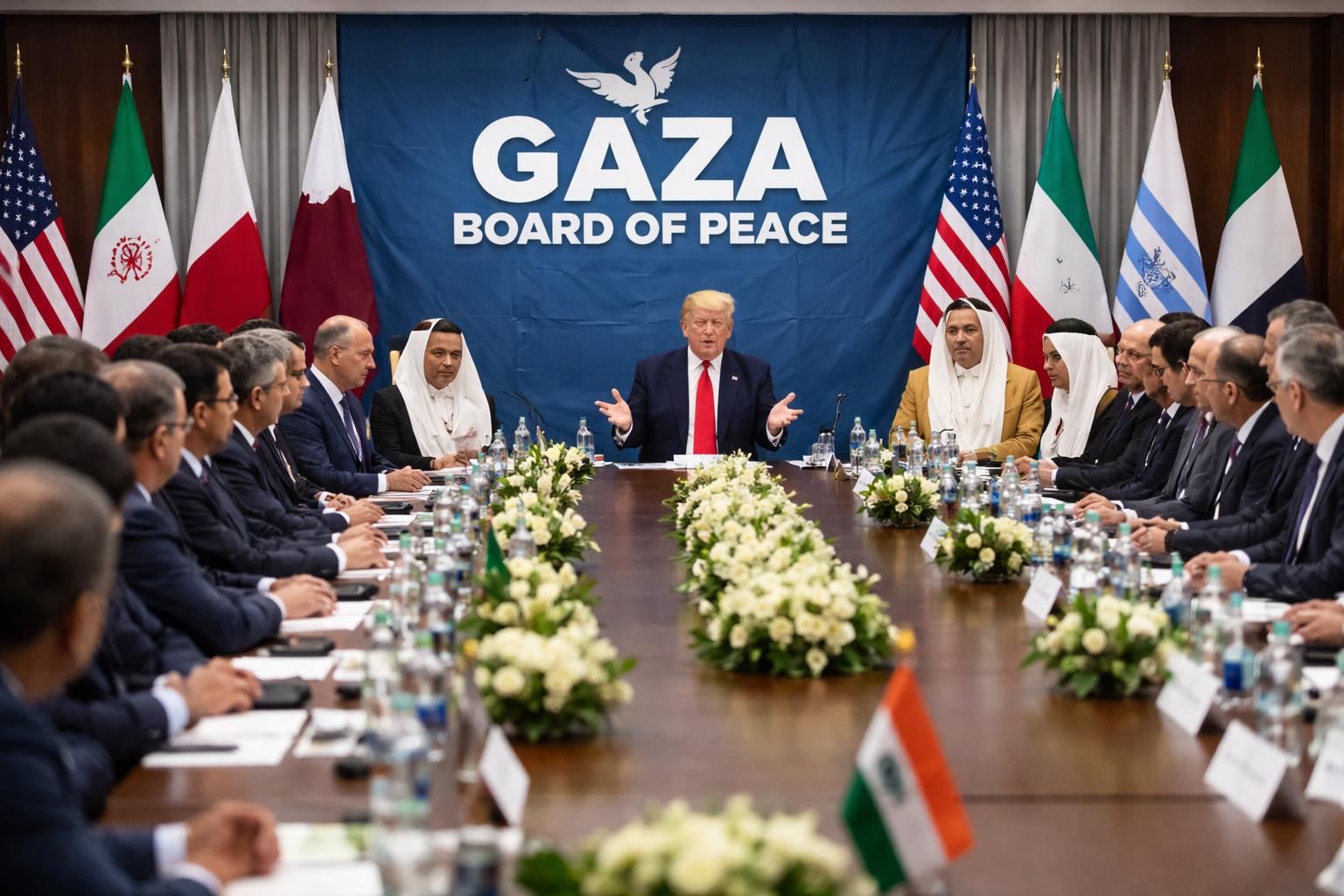
India participated as an observer in the inaugural meeting of United States President Donald Trump’s newly announced Board of Peace initiative focused on Gaza, according to official participant records. The meeting was held at the Donald J. Trump Institute of Peace in Washington, DC, where India was represented by Chargé d’Affaires Namgya Khampa from the Indian embassy. New Delhi has not formally joined the Board of Peace but attended in a limited observer capacity as international discussions around Gaza reconstruction and regional stability continue to evolve. During the launch event, Trump announced a pledge of $10 billion toward the reconstruction of the Gaza Strip, positioning the initiative as a major international effort following the recent ceasefire. Several Muslim-majority countries also committed financial and security support. Leaders from Qatar, Saudi Arabia, and the United Arab Emirates each pledged at least $1 billion, according to officials present at the gathering. The White House Press Secretary later stated that total commitments from participating nations had crossed $6.5 billion, a figure that appeared to exclude the separate US contribution. The Board of Peace was convened in the aftermath of a ceasefire agreement reached in October following negotiations facilitated by the United States in coordination with Qatar and Egypt. The ceasefire aimed to halt nearly two years of intense conflict in Gaza. Under the proposed second phase of the framework, Hamas is expected to be disarmed as part of broader stabilisation measures. The current war was triggered by Hamas’ October 7, 2023 attack on Israel, which led to a large-scale Israeli military response in the Gaza Strip. In a notable development, Morocco announced its readiness to contribute police personnel and officers to the newly proposed International Stabilisation Force, marking what officials described as a first-of-its-kind commitment by an Arab nation in the context of the Gaza peace initiative. The move is seen as part of wider efforts to establish security arrangements alongside reconstruction planning. Prime Minister Narendra Modi was among several global leaders invited by the US President to be associated with the Board of Peace, which was formally announced as part of the second phase of the Israel-Hamas ceasefire framework. India, however, had not been present at the earlier January 22 ceremony in Davos where Trump first unveiled the initiative aimed at fostering long-term peace in Gaza and potentially addressing other global conflicts. The Board of Peace has drawn attention in diplomatic circles due to perceptions that it could emerge as an alternative multilateral platform. Trump has previously suggested that the body “might” replace the United Nations, arguing that existing global institutions have not fully delivered on their mandates. Observers note that the structure, scope, and long-term objectives of the Board of Peace remain under discussion as participating countries evaluate their roles. India’s decision to attend as an observer reflects its cautious diplomatic approach to the evolving Middle East situation. Officials have not indicated any immediate plan to formally join the initiative, but New Delhi continues to monitor developments closely as international stakeholders shape the future framework for Gaza’s reconstruction and regional stability.
India attends Trump’s Gaza Board of Peace meeting as observer
India participated as an observer in the inaugural meeting of United States President Donald Trump’s newly announced Board of Peace initiative focused on Gaza, according to official participant records. The meeting was held at the Donald J. Trump Institute of Peace in Washington, DC, where India was represented by Chargé d’Affaires Namgya Khampa from the Indian embassy. New Delhi has not formally joined the Board of Peace but attended in a limited observer capacity as international discussions around Gaza reconstruction and regional stability continue to evolve. During the launch event, Trump announced a pledge of $10 billion toward the reconstruction of the Gaza Strip, positioning the initiative as a major international effort following the recent ceasefire. Several Muslim-majority countries also committed financial and security support. Leaders from Qatar, Saudi Arabia, and the United Arab Emirates each pledged at least $1 billion, according to officials present at the gathering. The White House Press Secretary later stated that total commitments from participating nations had crossed $6.5 billion, a figure that appeared to exclude the separate US contribution. The Board of Peace was convened in the aftermath of a ceasefire agreement reached in October following negotiations facilitated by the United States in coordination with Qatar and Egypt. The ceasefire aimed to halt nearly two years of intense conflict in Gaza. Under the proposed second phase of the framework, Hamas is expected to be disarmed as part of broader stabilisation measures. The current war was triggered by Hamas’ October 7, 2023 attack on Israel, which led to a large-scale Israeli military response in the Gaza Strip. In a notable development, Morocco announced its readiness to contribute police personnel and officers to the newly proposed International Stabilisation Force, marking what officials described as a first-of-its-kind commitment by an Arab nation in the context of the Gaza peace initiative. The move is seen as part of wider efforts to establish security arrangements alongside reconstruction planning. Prime Minister Narendra Modi was among several global leaders invited by the US President to be associated with the Board of Peace, which was formally announced as part of the second phase of the Israel-Hamas ceasefire framework. India, however, had not been present at the earlier January 22 ceremony in Davos where Trump first unveiled the initiative aimed at fostering long-term peace in Gaza and potentially addressing other global conflicts. The Board of Peace has drawn attention in diplomatic circles due to perceptions that it could emerge as an alternative multilateral platform. Trump has previously suggested that the body “might” replace the United Nations, arguing that existing global institutions have not fully delivered on their mandates. Observers note that the structure, scope, and long-term objectives of the Board of Peace remain under discussion as participating countries evaluate their roles. India’s decision to attend as an observer reflects its cautious diplomatic approach to the evolving Middle East situation. Officials have not indicated any immediate plan to formally join the initiative, but New Delhi continues to monitor developments closely as international stakeholders shape the future framework for Gaza’s reconstruction and regional stability.
Civil rights leader Jesse Jackson dies at 84, tributes pour in worldwide
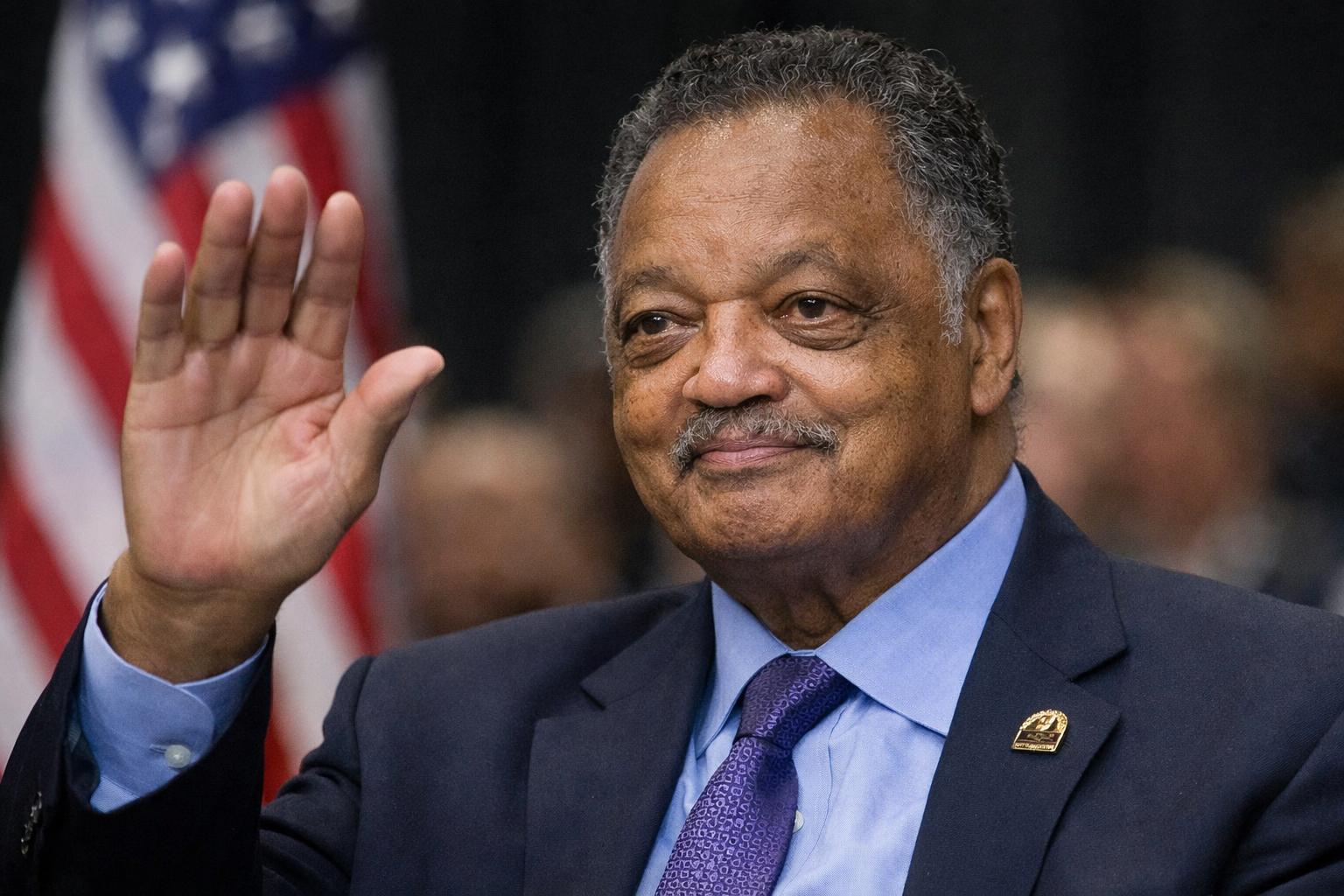
Veteran civil rights leader Jesse Jackson, one of the most influential Black political figures in modern American history, died on Tuesday, February 17, 2026, prompting an outpouring of tributes from political leaders and activists across the globe. He was 84. While the exact cause of death has not been officially confirmed, Jackson had been living for several years with progressive supranuclear palsy, a rare neurological condition that affects movement and speech. Jackson rose to national p
Civil rights leader Jesse Jackson dies at 84, tributes pour in worldwide
Veteran civil rights leader Jesse Jackson, one of the most influential Black political figures in modern American history, died on Tuesday, February 17, 2026, prompting an outpouring of tributes from political leaders and activists across the globe. He was 84. While the exact cause of death has not been officially confirmed, Jackson had been living for several years with progressive supranuclear palsy, a rare neurological condition that affects movement and speech. Jackson rose to national p
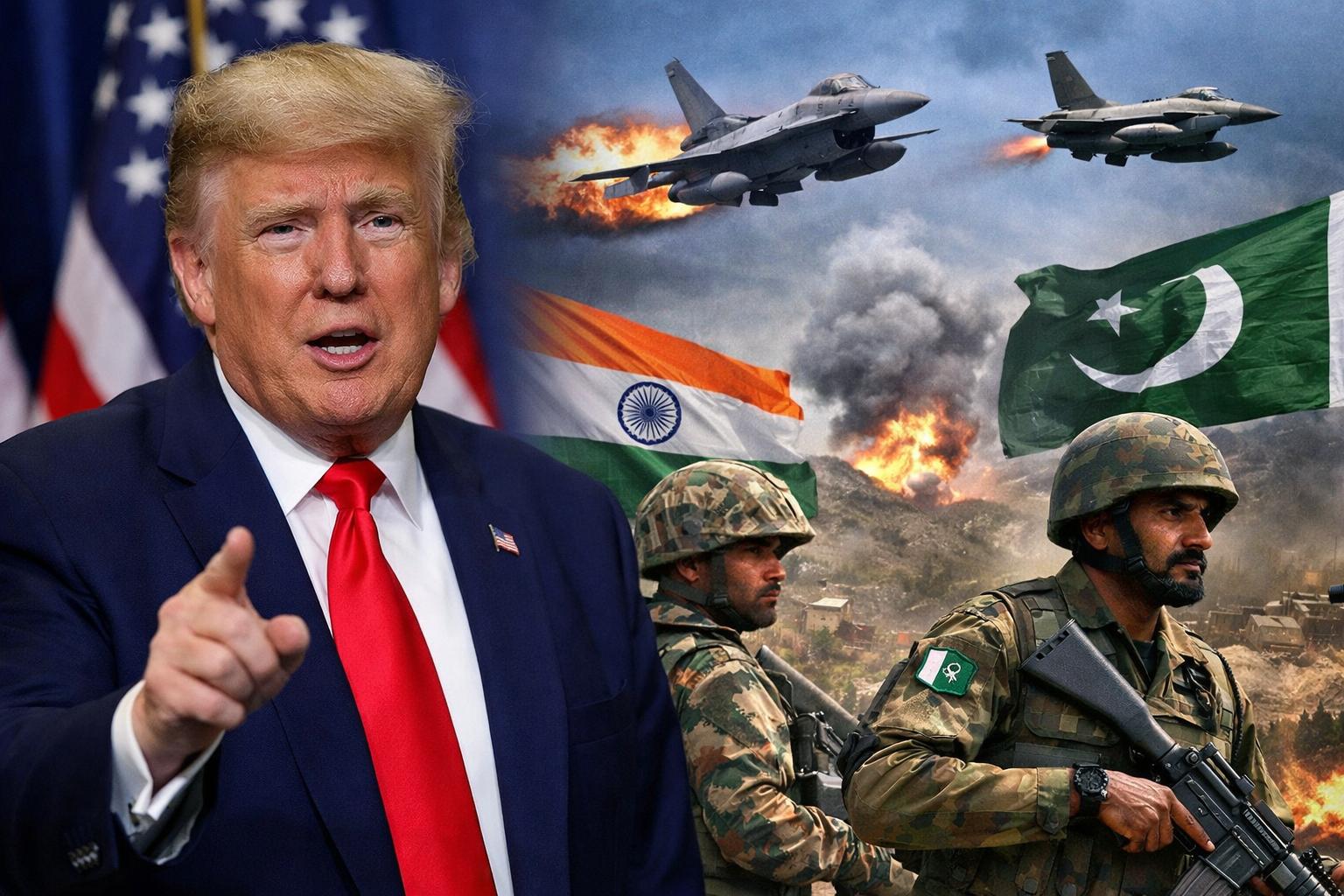
Trump claims tariffs helped halt multiple wars, including India–Pakistan conflict
US President Donald Trump on Tuesday said that tariff threats played a decisive role in resolving several international conflicts during his tenure, claiming that economic pressure through trade measures helped prevent violence and bring rival nations to the negotiating table. In an interview with Fox Business, Trump asserted that at least six of what he described as eight wars were settled after he warned countries that they would face higher tariffs if hostilities continued. Among
Trump claims tariffs helped halt multiple wars, including India–Pakistan conflict
US President Donald Trump on Tuesday said that tariff threats played a decisive role in resolving several international conflicts during his tenure, claiming that economic pressure through trade measures helped prevent violence and bring rival nations to the negotiating table. In an interview with Fox Business, Trump asserted that at least six of what he described as eight wars were settled after he warned countries that they would face higher tariffs if hostilities continued. Among
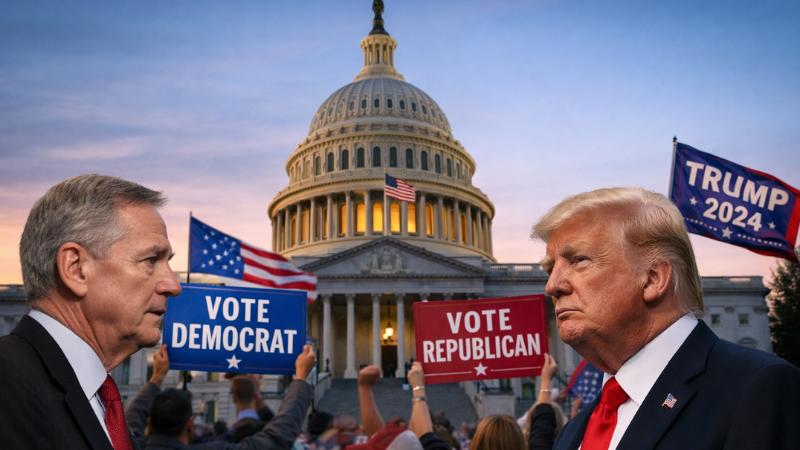
Republicans fear midterm losses as democratic momentum grows in senate races
Senior Republicans are expressing growing concern about the political landscape ahead of the upcoming midterm elections, as internal polling and recent contests suggest that Democrats could make significant gains in both chambers of Congress. Party strategists warn that a surge in Democratic voter enthusiasm could threaten not only control of the House but also the party’s narrow hold on the Senate, raising the stakes for an election cycle already viewed as pivotal for President Donald Trump’s final years in office. According to lawmakers and advisers familiar with the data, private surveys indicate that voter sentiment has shifted in several competitive states, with independents and moderate voters increasingly critical of the administration’s handling of economic conditions and immigration enforcement. While Republicans currently maintain a 53-47 advantage in the Senate, even a modest swing could erase that margin. With Democrats needing a net gain of four seats to reclaim control, strategists say several Republican-leaning states are now firmly in play. President Trump has cautioned allies that losing the House could open the door to renewed investigations and the possibility of another impeachment effort. Party leaders also acknowledge that a Democratic takeover of the Senate would dramatically limit the administration’s legislative agenda, judicial confirmations, and broader influence over federal policy. As a result, the midterms are increasingly being framed within Republican circles as a referendum not only on Congress but on the president’s governing approach. Recent electoral setbacks have intensified these worries. A closely watched special election in North Texas saw a Democratic candidate capture a state Senate seat in a district Trump had previously won comfortably. The upset has been described by several GOP senators as a warning sign that traditional strongholds may no longer be secure. Party officials view the result as evidence that turnout dynamics and shifting voter priorities could reshape races once considered safe. Battleground-state senators have also raised alarms during internal discussions. Lawmakers from Maine and North Carolina, among others, have cautioned colleagues that dissatisfaction with rising costs of living and strict border policies is resonating beyond the Democratic base. They argue that without a clear economic message and improved outreach to independents, the party risks losing ground in suburban and swing districts that often determine control of Congress. Republican leaders are now emphasizing the importance of mobilizing their core supporters. In Texas, Sen. Ted Cruz characterized the recent defeat in Tarrant County as a difficult outcome and stressed that strong turnout will be critical in November. Still, many strategists concede that enthusiasm gaps and evolving demographics could complicate those efforts. With control of the House, Senate seats, and the broader balance of power at stake, both parties are preparing for an intensely competitive campaign season. For Republicans, the coming months may determine whether they can preserve their congressional majority or face a political shift that reshapes the final stretch of the Trump presidency.
Republicans fear midterm losses as democratic momentum grows in senate races
Senior Republicans are expressing growing concern about the political landscape ahead of the upcoming midterm elections, as internal polling and recent contests suggest that Democrats could make significant gains in both chambers of Congress. Party strategists warn that a surge in Democratic voter enthusiasm could threaten not only control of the House but also the party’s narrow hold on the Senate, raising the stakes for an election cycle already viewed as pivotal for President Donald Trump’s final years in office. According to lawmakers and advisers familiar with the data, private surveys indicate that voter sentiment has shifted in several competitive states, with independents and moderate voters increasingly critical of the administration’s handling of economic conditions and immigration enforcement. While Republicans currently maintain a 53-47 advantage in the Senate, even a modest swing could erase that margin. With Democrats needing a net gain of four seats to reclaim control, strategists say several Republican-leaning states are now firmly in play. President Trump has cautioned allies that losing the House could open the door to renewed investigations and the possibility of another impeachment effort. Party leaders also acknowledge that a Democratic takeover of the Senate would dramatically limit the administration’s legislative agenda, judicial confirmations, and broader influence over federal policy. As a result, the midterms are increasingly being framed within Republican circles as a referendum not only on Congress but on the president’s governing approach. Recent electoral setbacks have intensified these worries. A closely watched special election in North Texas saw a Democratic candidate capture a state Senate seat in a district Trump had previously won comfortably. The upset has been described by several GOP senators as a warning sign that traditional strongholds may no longer be secure. Party officials view the result as evidence that turnout dynamics and shifting voter priorities could reshape races once considered safe. Battleground-state senators have also raised alarms during internal discussions. Lawmakers from Maine and North Carolina, among others, have cautioned colleagues that dissatisfaction with rising costs of living and strict border policies is resonating beyond the Democratic base. They argue that without a clear economic message and improved outreach to independents, the party risks losing ground in suburban and swing districts that often determine control of Congress. Republican leaders are now emphasizing the importance of mobilizing their core supporters. In Texas, Sen. Ted Cruz characterized the recent defeat in Tarrant County as a difficult outcome and stressed that strong turnout will be critical in November. Still, many strategists concede that enthusiasm gaps and evolving demographics could complicate those efforts. With control of the House, Senate seats, and the broader balance of power at stake, both parties are preparing for an intensely competitive campaign season. For Republicans, the coming months may determine whether they can preserve their congressional majority or face a political shift that reshapes the final stretch of the Trump presidency.
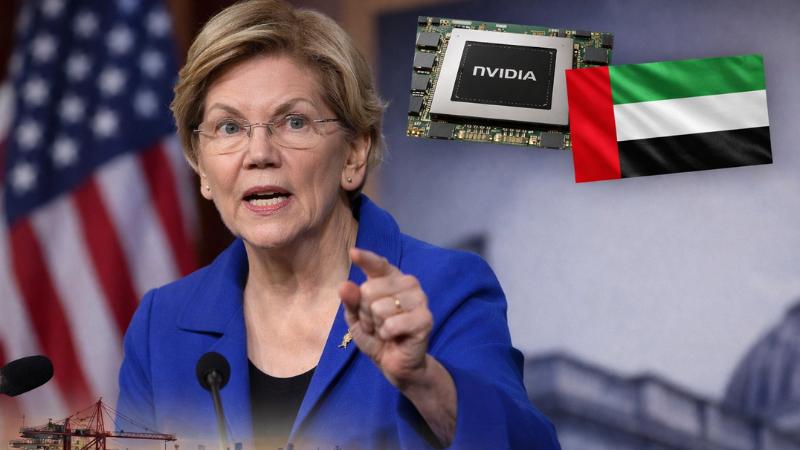
Warren moves to block sale of U.S. AI chips to UAE over security concerns
Sen. Elizabeth Warren of Massachusetts is preparing to introduce a Senate resolution that would formally condemn and seek the reversal of a proposed sale of 500,000 advanced artificial intelligence chips annually to the United Arab Emirates, arguing the transaction could threaten U.S. national security and raise serious ethical questions about conflicts of interest. The measure is expected to be brought to the Senate floor on Thursday, where Warren plans to call for lawmakers to block the exp
Warren moves to block sale of U.S. AI chips to UAE over security concerns
Sen. Elizabeth Warren of Massachusetts is preparing to introduce a Senate resolution that would formally condemn and seek the reversal of a proposed sale of 500,000 advanced artificial intelligence chips annually to the United Arab Emirates, arguing the transaction could threaten U.S. national security and raise serious ethical questions about conflicts of interest. The measure is expected to be brought to the Senate floor on Thursday, where Warren plans to call for lawmakers to block the exp
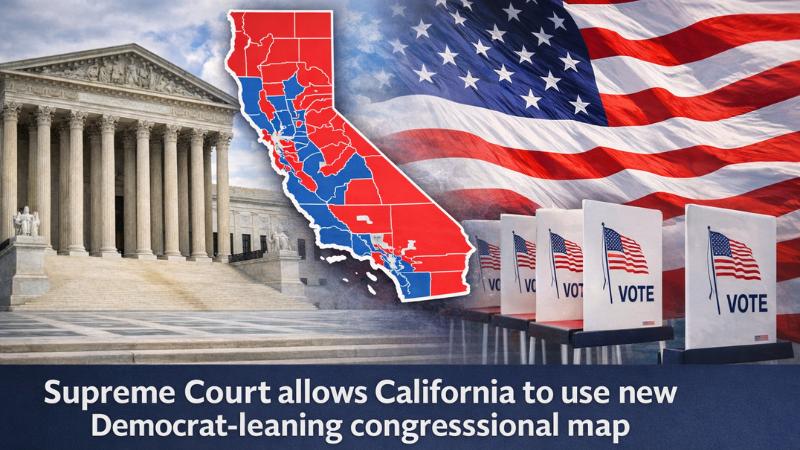
California redistricting plan upheld after justices reject GOP appeal
The Supreme Court has cleared the way for California to use a newly approved congressional map that is expected to benefit Democrats in upcoming elections, rejecting an emergency appeal filed by state Republicans and backed by the Trump administration. The unsigned order, issued without explanation and with no noted dissents, leaves intact district boundaries that could alter the balance of power in several closely contested House races as the country moves toward high-stakes midterm contests
California redistricting plan upheld after justices reject GOP appeal
The Supreme Court has cleared the way for California to use a newly approved congressional map that is expected to benefit Democrats in upcoming elections, rejecting an emergency appeal filed by state Republicans and backed by the Trump administration. The unsigned order, issued without explanation and with no noted dissents, leaves intact district boundaries that could alter the balance of power in several closely contested House races as the country moves toward high-stakes midterm contests
House advances funding bill as Johnson averts shutdown
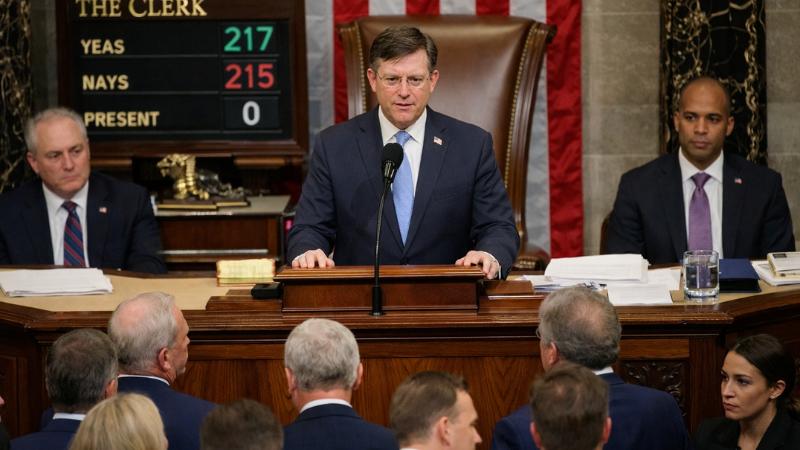
The US House of Representatives moved closer to preventing a government shutdown on Tuesday after Speaker Mike Johnson rallied Republican lawmakers behind a sweeping government funding bill, setting the stage for final passage of legislation designed to keep federal agencies operating through the end of the fiscal year. The procedural victory marked a critical step in advancing the appropriations package and reflected intense negotiations within the Republican conference to maintain unity ahe
House advances funding bill as Johnson averts shutdown
The US House of Representatives moved closer to preventing a government shutdown on Tuesday after Speaker Mike Johnson rallied Republican lawmakers behind a sweeping government funding bill, setting the stage for final passage of legislation designed to keep federal agencies operating through the end of the fiscal year. The procedural victory marked a critical step in advancing the appropriations package and reflected intense negotiations within the Republican conference to maintain unity ahe
Ray Dalio flags risk of capital war as geopolitics unsettle global financial markets
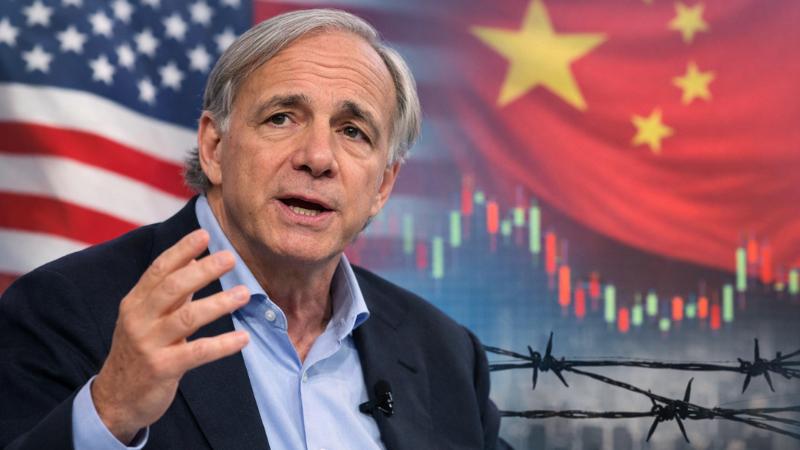
Legendary investor Ray Dalio has cautioned that the global economy is approaching a dangerous tipping point, warning that mounting geopolitical frictions and unstable financial markets could trigger what he describes as a “capital war,” in which nations weaponize money, trade, and investment flows to exert influence over one another. Speaking at the World Governments Summit in Dubai, Dalio said the international system is not yet in such a conflict but is “on the brink,” with conditions that could quickly escalate. He described capital war as a scenario where governments restrict access to markets, impose sanctions, enforce capital controls, or use debt holdings and trade leverage to pressure rivals. According to Dalio, rising mistrust among major economies is increasing the likelihood of these tools being deployed more aggressively. He pointed to growing tensions between the United States and its allies and competitors as a key source of concern. Discussions surrounding Washington’s interest in Greenland, a Danish territory, as well as broader disagreements over trade and security policy, have unsettled investors. Dalio said some European holders of U.S.-denominated assets fear potential sanctions or restrictions, while American policymakers may worry about losing reliable foreign buyers for government debt. European investors have played a significant role in financing U.S. borrowing needs, accounting for a large share of foreign purchases of Treasurys in recent months. Any disruption to those flows could amplify volatility in global markets and increase funding pressures. Dalio noted that “capital, money, matters,” emphasizing that financial interdependence has become both a strength and a vulnerability for the global system. Since returning to office, President Donald Trump has introduced and, at times, rolled back punitive tariffs targeting several trading partners. Those policy shifts have added to market swings and uncertainty. Dalio said similar patterns in the past have often preceded broader economic confrontations, with governments imposing foreign exchange restrictions and tightening controls to protect domestic interests. Drawing parallels with history, he referenced periods leading up to major conflicts, when sanctions and trade barriers intensified rivalries between nations. He suggested that today’s environment could produce comparable strains, particularly in relations between the United States and China, or between the United States and Europe, where trade deficits and capital imbalances remain sensitive issues. Against this backdrop, Dalio reiterated his long-standing view that gold remains an effective hedge during periods of stress. Although prices have fluctuated recently, he said the precious metal continues to serve as a reliable diversifier for portfolios. Rather than focusing on short-term movements, he advised investors, central banks, and sovereign wealth funds to maintain a steady allocation to gold as protection against systemic risk. Ultimately, Dalio urged a disciplined approach to investing, stressing that diversification across assets and regions is the best defense in an increasingly uncertain economic landscape.
Ray Dalio flags risk of capital war as geopolitics unsettle global financial markets
Legendary investor Ray Dalio has cautioned that the global economy is approaching a dangerous tipping point, warning that mounting geopolitical frictions and unstable financial markets could trigger what he describes as a “capital war,” in which nations weaponize money, trade, and investment flows to exert influence over one another. Speaking at the World Governments Summit in Dubai, Dalio said the international system is not yet in such a conflict but is “on the brink,” with conditions that could quickly escalate. He described capital war as a scenario where governments restrict access to markets, impose sanctions, enforce capital controls, or use debt holdings and trade leverage to pressure rivals. According to Dalio, rising mistrust among major economies is increasing the likelihood of these tools being deployed more aggressively. He pointed to growing tensions between the United States and its allies and competitors as a key source of concern. Discussions surrounding Washington’s interest in Greenland, a Danish territory, as well as broader disagreements over trade and security policy, have unsettled investors. Dalio said some European holders of U.S.-denominated assets fear potential sanctions or restrictions, while American policymakers may worry about losing reliable foreign buyers for government debt. European investors have played a significant role in financing U.S. borrowing needs, accounting for a large share of foreign purchases of Treasurys in recent months. Any disruption to those flows could amplify volatility in global markets and increase funding pressures. Dalio noted that “capital, money, matters,” emphasizing that financial interdependence has become both a strength and a vulnerability for the global system. Since returning to office, President Donald Trump has introduced and, at times, rolled back punitive tariffs targeting several trading partners. Those policy shifts have added to market swings and uncertainty. Dalio said similar patterns in the past have often preceded broader economic confrontations, with governments imposing foreign exchange restrictions and tightening controls to protect domestic interests. Drawing parallels with history, he referenced periods leading up to major conflicts, when sanctions and trade barriers intensified rivalries between nations. He suggested that today’s environment could produce comparable strains, particularly in relations between the United States and China, or between the United States and Europe, where trade deficits and capital imbalances remain sensitive issues. Against this backdrop, Dalio reiterated his long-standing view that gold remains an effective hedge during periods of stress. Although prices have fluctuated recently, he said the precious metal continues to serve as a reliable diversifier for portfolios. Rather than focusing on short-term movements, he advised investors, central banks, and sovereign wealth funds to maintain a steady allocation to gold as protection against systemic risk. Ultimately, Dalio urged a disciplined approach to investing, stressing that diversification across assets and regions is the best defense in an increasingly uncertain economic landscape.
Democrat Taylor Rehmet flips Texas Senate District 9 in historic special runoff
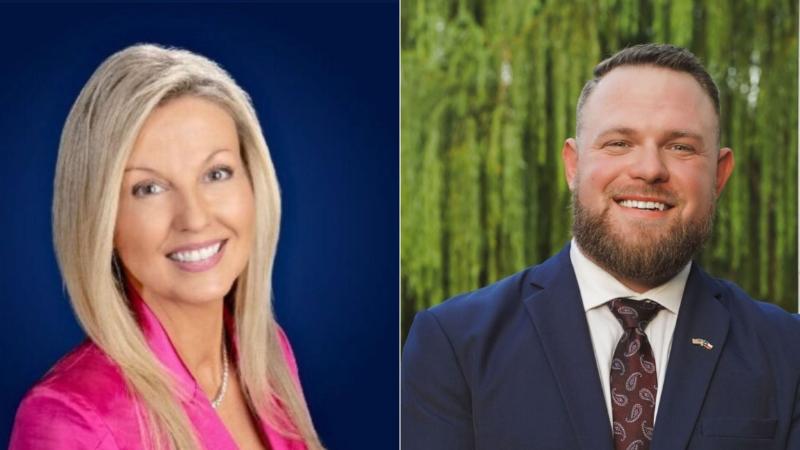
Voters in Tarrant County delivered a significant political upset on Saturday by electing Democrat Taylor Rehmet to represent Texas Senate District 9 in a special runoff election, flipping a seat that had been controlled by Republicans for decades. Rehmet defeated Republican opponent Leigh Wambsganss with 5
Democrat Taylor Rehmet flips Texas Senate District 9 in historic special runoff
Voters in Tarrant County delivered a significant political upset on Saturday by electing Democrat Taylor Rehmet to represent Texas Senate District 9 in a special runoff election, flipping a seat that had been controlled by Republicans for decades. Rehmet defeated Republican opponent Leigh Wambsganss with 5
US government enters partial shutdown after Congress misses 2026 budget deadline
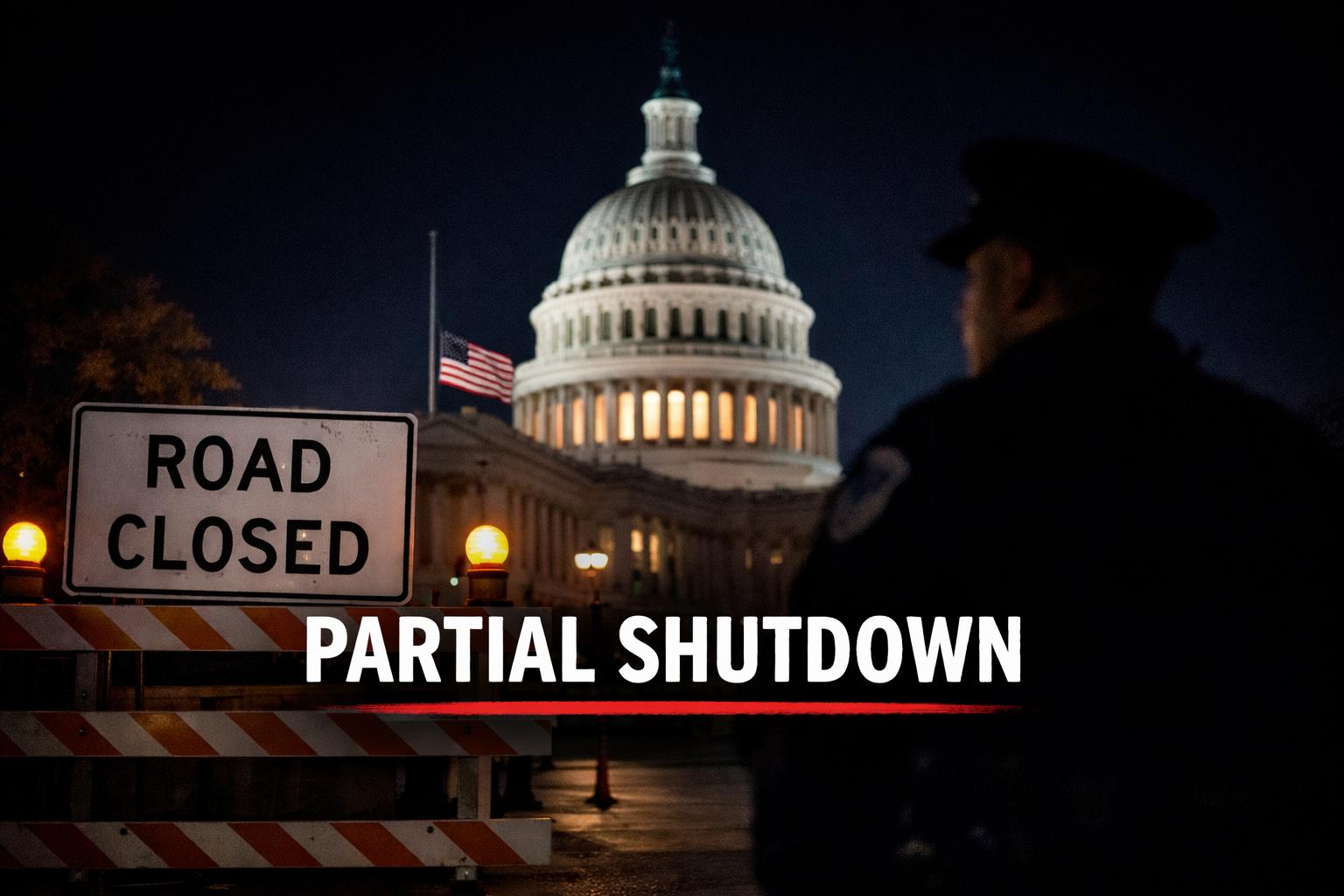
The United States government entered a partial shutdown early Saturday after Congress failed to approve a full federal budget for fiscal year 2026 before the midnight deadline. While the lapse in funding has triggered formal shutdown procedures across several federal departments, congressional leaders from both parties indicated the disruption is likely to be brief, with a Senate-backed agreement expected to move through the House early next week. As a result of the missed deadline, an estim
US government enters partial shutdown after Congress misses 2026 budget deadline
The United States government entered a partial shutdown early Saturday after Congress failed to approve a full federal budget for fiscal year 2026 before the midnight deadline. While the lapse in funding has triggered formal shutdown procedures across several federal departments, congressional leaders from both parties indicated the disruption is likely to be brief, with a Senate-backed agreement expected to move through the House early next week. As a result of the missed deadline, an estim
Senate Democrats threaten DHS funding block as shutdown risk rises
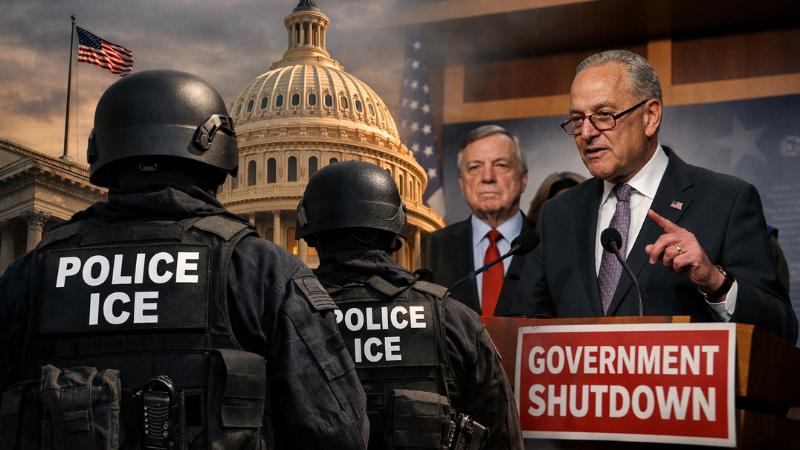
Senate Democrats signaled they are prepared to block a sweeping federal spending measure that includes funding for the Department of Homeland Security, escalating a budget standoff that could bring the federal government closer to a partial shutdown by the end of the week. The dispute centers on Democratic demands for new limits on the administration’s expanded immigration enforcement operations, which Republicans and the White House have so far resisted. The legislation, scheduled for a key procedural vote Thursday morning, would finance Homeland Security along with several other federal agencies. Without Democratic support, the bill lacks the votes needed to advance, setting the stage for a lapse in funding at midnight Friday. Democrats have made clear that unless changes are made to immigration enforcement practices, they will withhold their backing even if it means triggering a shutdown. Late Wednesday, there were indications that negotiations could still yield a temporary solution. According to a person familiar with the private discussions, the White House expressed openness to separating Homeland Security funding from the broader spending package. Under the idea being explored, Homeland Security would receive short-term funding while negotiations continue on Democratic demands, while other agencies covered by the bill would be funded through the end of September. The source spoke on condition of anonymity due to the sensitive nature of the talks. The confrontation has intensified following the deaths of two protesters in Minneapolis, who were fatally shot during encounters with federal agents. The incident has sharpened Democratic criticism of immigration enforcement tactics and added urgency to their push for new restrictions. In response, Senate Democrats outlined specific conditions they want included before allowing the funding bill to move forward. These include requirements for officers to remove face coverings, clearly identify themselves, and obtain warrants before making arrests. Democratic leaders argue that these measures are necessary to restore public trust and ensure accountability. They say support for border security and law enforcement does not extend to practices they describe as excessive or opaque. Without agreement on these points, Democrats insist they are willing to block the bill, even as the deadline to keep the government open approaches. Republicans counter that tying immigration enforcement conditions to must-pass funding legislation risks unnecessary disruption and uncertainty for federal agencies. They maintain that existing laws already provide appropriate oversight and warn that a shutdown would have far-reaching consequences, including delayed services and furloughed workers. The current impasse recalls a government shutdown earlier this year, when lawmakers failed to reach consensus over expiring federal health care subsidies. That standoff resulted in a 43-day shutdown after negotiations collapsed. Although a small group of moderates eventually brokered a deal to reopen the government, party leaders acknowledge that the political dynamics are different this time. Democrats appear more unified, galvanized by recent events and determined to force changes to immigration policy through the budget process. With hours remaining before the funding deadline, the outcome remains uncertain. Negotiators on both sides continue to weigh whether a short-term compromise can avert another shutdown or whether the standoff will once again disrupt federal operations nationwide.
Senate Democrats threaten DHS funding block as shutdown risk rises
Senate Democrats signaled they are prepared to block a sweeping federal spending measure that includes funding for the Department of Homeland Security, escalating a budget standoff that could bring the federal government closer to a partial shutdown by the end of the week. The dispute centers on Democratic demands for new limits on the administration’s expanded immigration enforcement operations, which Republicans and the White House have so far resisted. The legislation, scheduled for a key procedural vote Thursday morning, would finance Homeland Security along with several other federal agencies. Without Democratic support, the bill lacks the votes needed to advance, setting the stage for a lapse in funding at midnight Friday. Democrats have made clear that unless changes are made to immigration enforcement practices, they will withhold their backing even if it means triggering a shutdown. Late Wednesday, there were indications that negotiations could still yield a temporary solution. According to a person familiar with the private discussions, the White House expressed openness to separating Homeland Security funding from the broader spending package. Under the idea being explored, Homeland Security would receive short-term funding while negotiations continue on Democratic demands, while other agencies covered by the bill would be funded through the end of September. The source spoke on condition of anonymity due to the sensitive nature of the talks. The confrontation has intensified following the deaths of two protesters in Minneapolis, who were fatally shot during encounters with federal agents. The incident has sharpened Democratic criticism of immigration enforcement tactics and added urgency to their push for new restrictions. In response, Senate Democrats outlined specific conditions they want included before allowing the funding bill to move forward. These include requirements for officers to remove face coverings, clearly identify themselves, and obtain warrants before making arrests. Democratic leaders argue that these measures are necessary to restore public trust and ensure accountability. They say support for border security and law enforcement does not extend to practices they describe as excessive or opaque. Without agreement on these points, Democrats insist they are willing to block the bill, even as the deadline to keep the government open approaches. Republicans counter that tying immigration enforcement conditions to must-pass funding legislation risks unnecessary disruption and uncertainty for federal agencies. They maintain that existing laws already provide appropriate oversight and warn that a shutdown would have far-reaching consequences, including delayed services and furloughed workers. The current impasse recalls a government shutdown earlier this year, when lawmakers failed to reach consensus over expiring federal health care subsidies. That standoff resulted in a 43-day shutdown after negotiations collapsed. Although a small group of moderates eventually brokered a deal to reopen the government, party leaders acknowledge that the political dynamics are different this time. Democrats appear more unified, galvanized by recent events and determined to force changes to immigration policy through the budget process. With hours remaining before the funding deadline, the outcome remains uncertain. Negotiators on both sides continue to weigh whether a short-term compromise can avert another shutdown or whether the standoff will once again disrupt federal operations nationwide.
Trump criticizes Fed chair Powell over interest rates after FOMC decision
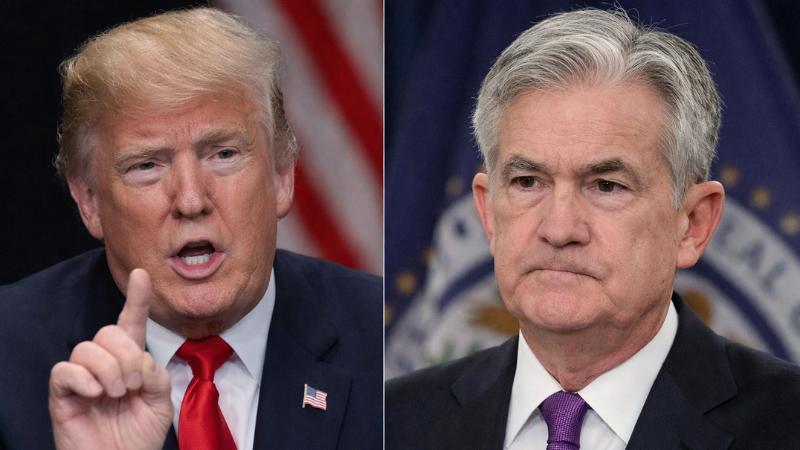
US President Donald Trump sharply criticized Federal Reserve Chair Jerome Powell on Thursday following the central bank’s decision to leave interest rates unchanged, accusing him of delaying necessary rate cuts and undermining the nation’s economic strength, national security and global competitiveness. The comments came shortly after the Federal Open Market Committee announced it would maintain its benchmark interest rate, a move that aligned with market expectations but drew strong poli
Trump criticizes Fed chair Powell over interest rates after FOMC decision
US President Donald Trump sharply criticized Federal Reserve Chair Jerome Powell on Thursday following the central bank’s decision to leave interest rates unchanged, accusing him of delaying necessary rate cuts and undermining the nation’s economic strength, national security and global competitiveness. The comments came shortly after the Federal Open Market Committee announced it would maintain its benchmark interest rate, a move that aligned with market expectations but drew strong poli










