#usrelations
Eduardo Bolsonaro Sentenced Over Foreign Interference Case in Brazil
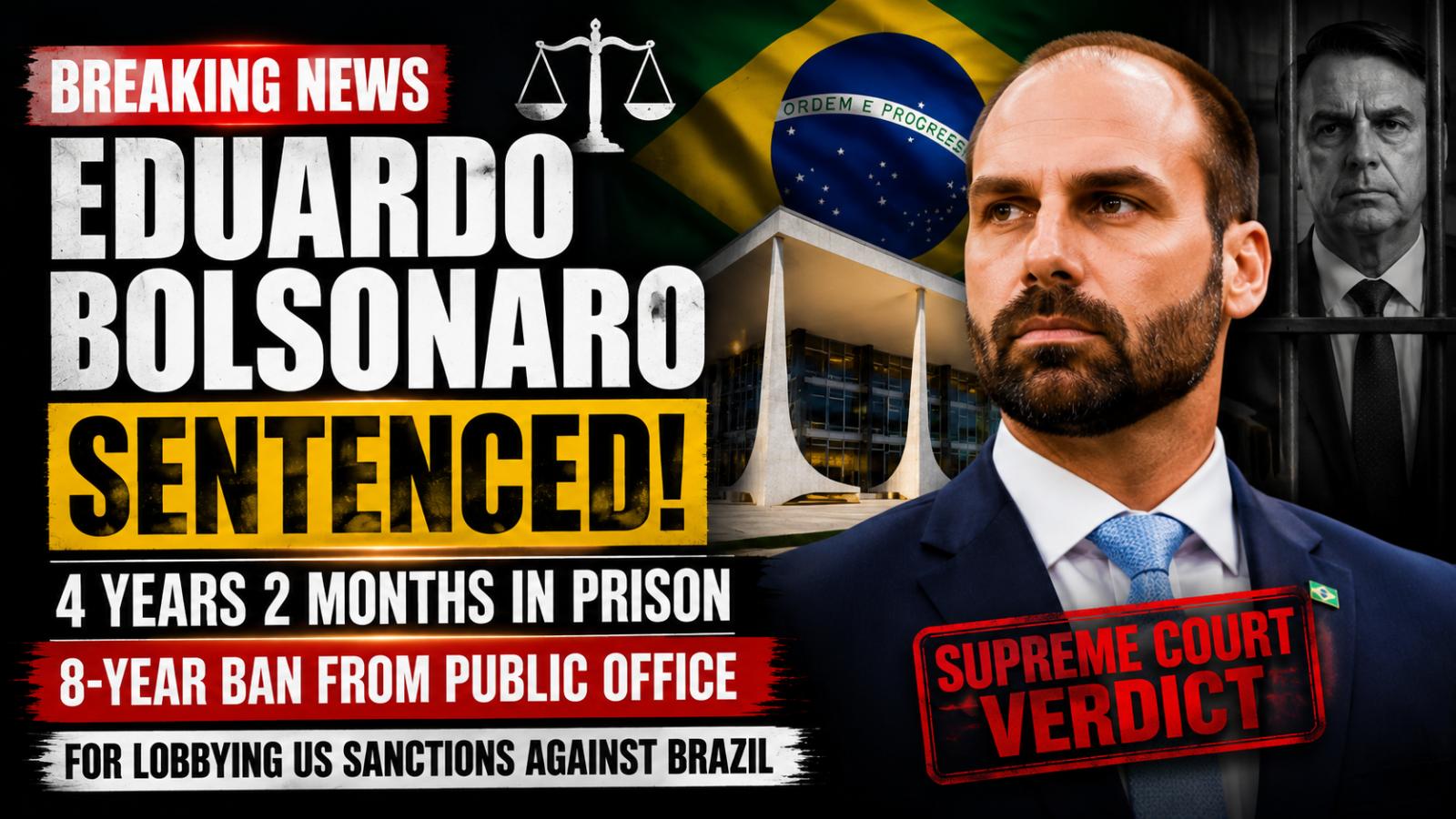
Supreme Court Ruling Against Eduardo Bolsonaro Brazil’s Supreme Court has sentenced Eduardo Bolsonaro to four years and two months in prison after concluding that he attempted to influence foreign governments against his own country during an ongoing high-profile legal case involving his father, former President Jair Bolsonaro. The court also imposed an eight-year ban on holding public office after comple
Eduardo Bolsonaro Sentenced Over Foreign Interference Case in Brazil
Supreme Court Ruling Against Eduardo Bolsonaro Brazil’s Supreme Court has sentenced Eduardo Bolsonaro to four years and two months in prison after concluding that he attempted to influence foreign governments against his own country during an ongoing high-profile legal case involving his father, former President Jair Bolsonaro. The court also imposed an eight-year ban on holding public office after comple
BRICS warships arrive in South Africa for joint naval drills near Cape Town
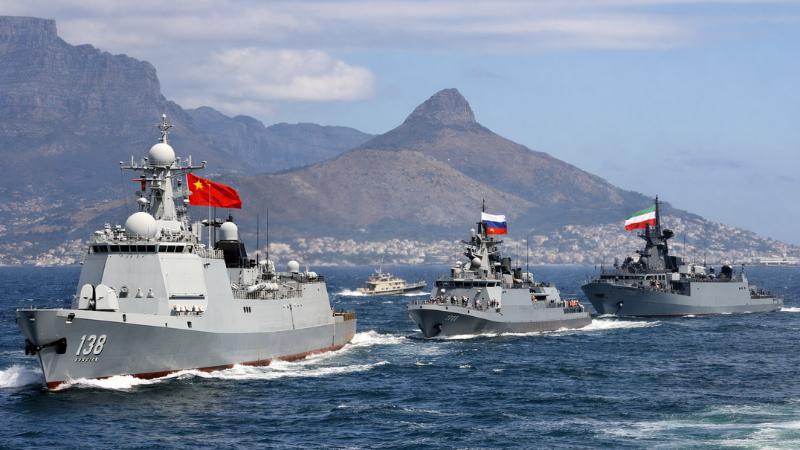
Warships from China, Russia and Iran arrived in South African waters on Friday to participate in a week-long multinational naval exercise off the coast of Cape Town, drawing attention amid heightened global tensions and renewed scrutiny of South Africa’s foreign policy positioning. The exercise, titled “Will for Peace 2026,” is being conducted under the framework of the BRICS group of emerging economies and is scheduled to continue until next Friday. South Africa’s armed forces sa
BRICS warships arrive in South Africa for joint naval drills near Cape Town
Warships from China, Russia and Iran arrived in South African waters on Friday to participate in a week-long multinational naval exercise off the coast of Cape Town, drawing attention amid heightened global tensions and renewed scrutiny of South Africa’s foreign policy positioning. The exercise, titled “Will for Peace 2026,” is being conducted under the framework of the BRICS group of emerging economies and is scheduled to continue until next Friday. South Africa’s armed forces sa
Saudi crown prince’s $1 trillion US pledge sparks questions over sovereign fund liquidity
During his recent visit to the United States, Saudi Arabia’s crown prince, Mohammed bin Salman, made a high-profile commitment to invest $1 trillion in Washington while seated beside the US president at the Oval Office. The announcement underscored the scale of Saudi Arabia’s financial ambitions, but it also renewed debate over whether the kingdom’s sovereign wealth fund has sufficient liquidity to support such a massive pledge at a time when its domestic projects are encountering financial strain. Much of the responsibility for executing the investment promise would likely fall on the Public Investment Fund, the kingdom’s flagship sovereign wealth fund, which has been under increasing pressure due to slowing returns from several large-scale ventures. The Public Investment Fund has for years been at the centre of Saudi Arabia’s economic transformation strategy, financing ambitious projects intended to diversify the nation’s oil-dependent economy. While the fund officially controls assets valued at approximately $1 trillion, a significant portion is tied up in holdings that are difficult to liquidate and lack transparent public valuations. The situation has prompted fund officials, according to people familiar with internal discussions, to caution international partners that future allocations may be scaled back until liquidity conditions improve. This comes at a time when Saudi Arabia is seeking additional capital for ongoing megaprojects that have already absorbed substantial resources. Among the most prominent initiatives facing headwinds is Neom, the futuristic development planned for the kingdom’s northwest. Conceived as a hub for advanced technology, sustainable living, and major tourism attractions, Neom was expected to showcase the scale and innovation of Saudi Arabia’s modernisation efforts. However, the project has encountered delays, rising costs, and questions about its commercial viability. Similar challenges have surfaced across other ventures funded by the PIF, including luxury Red Sea resorts that remain largely unoccupied despite significant investment. These difficulties have intensified scrutiny over the fund’s ability to sustain its commitments while supporting a broad portfolio of domestic developments. Saudi Arabia continues to benefit from substantial oil reserves, but its energy revenues have been constrained by production cuts linked to global market agreements alongside relatively subdued crude prices. As a result, the kingdom is managing a budget deficit and has increased borrowing to support national spending priorities. Analysts note that these fiscal pressures add complexity to the crown prince’s pledge, which arrives at a moment when the government is balancing long-term economic goals with short-term financial realities. The PIF, established in 1971 to support nationally significant industries, grew slowly for decades before being placed under Prince Mohammed’s direct authority in 2015. Since then, the fund has taken on a far more expansive role, backed by injections of government capital, redirected oil revenues, and assets seized under anti-corruption campaigns. Its portfolio now spans global equities, domestic infrastructure, and emerging sectors such as artificial intelligence, reflecting the prince’s drive to position the kingdom as a major player in future technologies. Despite achieving notable gains during periods of rising markets, the fund’s more recent initiatives have faced tougher conditions. In response to financial pressures, the fund’s leadership has reportedly adjusted internal forecasts, restructured teams, and replaced executives overseeing underperforming ventures. Officials have also signalled a shift in focus toward private investments in technology firms, an area viewed as strategically important to the kingdom’s long-term plans. These moves come as global investors track the fund’s evolving strategy, especially given the symbolic weight of the crown prince’s $1 trillion pledge. While signs of strain are evident within the fund’s operations, analysts caution that it is premature to conclude that Saudi Arabia is facing broader economic distress. The kingdom retains substantial financial capacity, and its long-term diversification agenda continues to receive strong state backing. However, the contrast between ambitious international commitments and the financial demands of domestic megaprojects has raised questions about sustainability. Observers will be watching closely to determine whether the kingdom can balance its aspirations abroad with the fiscal realities at home, particularly as the PIF navigates a period of tighter liquidity and heightened scrutiny.
Saudi crown prince’s $1 trillion US pledge sparks questions over sovereign fund liquidity
During his recent visit to the United States, Saudi Arabia’s crown prince, Mohammed bin Salman, made a high-profile commitment to invest $1 trillion in Washington while seated beside the US president at the Oval Office. The announcement underscored the scale of Saudi Arabia’s financial ambitions, but it also renewed debate over whether the kingdom’s sovereign wealth fund has sufficient liquidity to support such a massive pledge at a time when its domestic projects are encountering financial strain. Much of the responsibility for executing the investment promise would likely fall on the Public Investment Fund, the kingdom’s flagship sovereign wealth fund, which has been under increasing pressure due to slowing returns from several large-scale ventures. The Public Investment Fund has for years been at the centre of Saudi Arabia’s economic transformation strategy, financing ambitious projects intended to diversify the nation’s oil-dependent economy. While the fund officially controls assets valued at approximately $1 trillion, a significant portion is tied up in holdings that are difficult to liquidate and lack transparent public valuations. The situation has prompted fund officials, according to people familiar with internal discussions, to caution international partners that future allocations may be scaled back until liquidity conditions improve. This comes at a time when Saudi Arabia is seeking additional capital for ongoing megaprojects that have already absorbed substantial resources. Among the most prominent initiatives facing headwinds is Neom, the futuristic development planned for the kingdom’s northwest. Conceived as a hub for advanced technology, sustainable living, and major tourism attractions, Neom was expected to showcase the scale and innovation of Saudi Arabia’s modernisation efforts. However, the project has encountered delays, rising costs, and questions about its commercial viability. Similar challenges have surfaced across other ventures funded by the PIF, including luxury Red Sea resorts that remain largely unoccupied despite significant investment. These difficulties have intensified scrutiny over the fund’s ability to sustain its commitments while supporting a broad portfolio of domestic developments. Saudi Arabia continues to benefit from substantial oil reserves, but its energy revenues have been constrained by production cuts linked to global market agreements alongside relatively subdued crude prices. As a result, the kingdom is managing a budget deficit and has increased borrowing to support national spending priorities. Analysts note that these fiscal pressures add complexity to the crown prince’s pledge, which arrives at a moment when the government is balancing long-term economic goals with short-term financial realities. The PIF, established in 1971 to support nationally significant industries, grew slowly for decades before being placed under Prince Mohammed’s direct authority in 2015. Since then, the fund has taken on a far more expansive role, backed by injections of government capital, redirected oil revenues, and assets seized under anti-corruption campaigns. Its portfolio now spans global equities, domestic infrastructure, and emerging sectors such as artificial intelligence, reflecting the prince’s drive to position the kingdom as a major player in future technologies. Despite achieving notable gains during periods of rising markets, the fund’s more recent initiatives have faced tougher conditions. In response to financial pressures, the fund’s leadership has reportedly adjusted internal forecasts, restructured teams, and replaced executives overseeing underperforming ventures. Officials have also signalled a shift in focus toward private investments in technology firms, an area viewed as strategically important to the kingdom’s long-term plans. These moves come as global investors track the fund’s evolving strategy, especially given the symbolic weight of the crown prince’s $1 trillion pledge. While signs of strain are evident within the fund’s operations, analysts caution that it is premature to conclude that Saudi Arabia is facing broader economic distress. The kingdom retains substantial financial capacity, and its long-term diversification agenda continues to receive strong state backing. However, the contrast between ambitious international commitments and the financial demands of domestic megaprojects has raised questions about sustainability. Observers will be watching closely to determine whether the kingdom can balance its aspirations abroad with the fiscal realities at home, particularly as the PIF navigates a period of tighter liquidity and heightened scrutiny.
Russia rejects Trump’s ceasefire demand, says peace terms unchanged
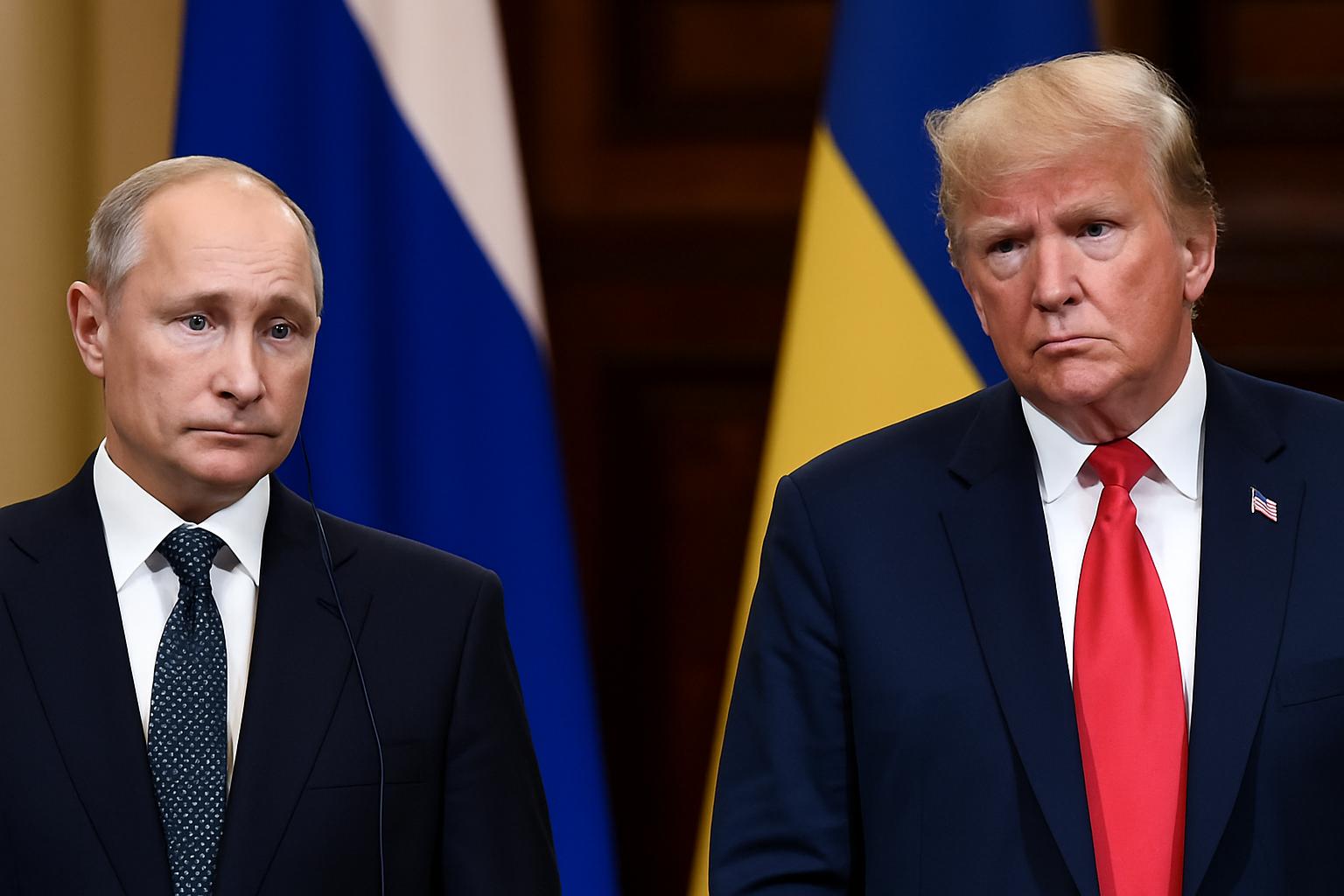
Russia has rejected United States President Donald Trump’s recent demand for an immediate ceasefire in the ongoing war with Ukraine, reaffirming its long-held conditions for peace. The Kremlin’s latest response makes clear that Moscow’s stance on the conflict remains unchanged, despite renewed diplomatic overtures from the U.S. and European allies seeking to end the devastating two-year war. Speaking at a press briefing in Moscow, Russian Foreign Minister Sergei Lavrov dismiss
Russia rejects Trump’s ceasefire demand, says peace terms unchanged
Russia has rejected United States President Donald Trump’s recent demand for an immediate ceasefire in the ongoing war with Ukraine, reaffirming its long-held conditions for peace. The Kremlin’s latest response makes clear that Moscow’s stance on the conflict remains unchanged, despite renewed diplomatic overtures from the U.S. and European allies seeking to end the devastating two-year war. Speaking at a press briefing in Moscow, Russian Foreign Minister Sergei Lavrov dismiss
India Stands Firm Amid U.S. Pressure on Russian Oil
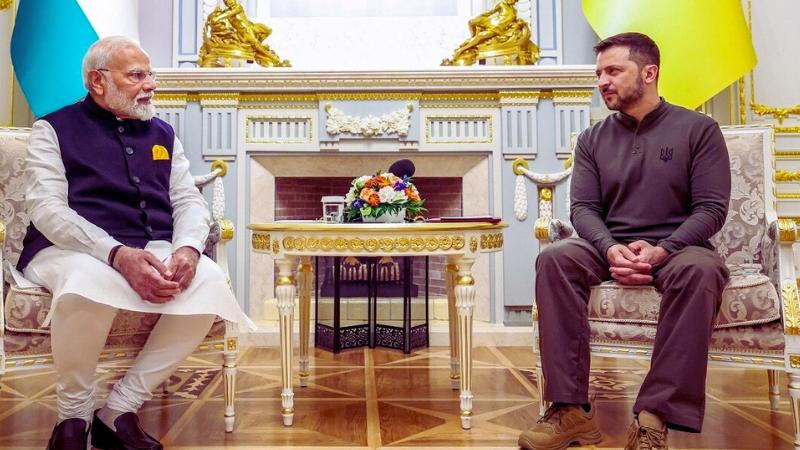
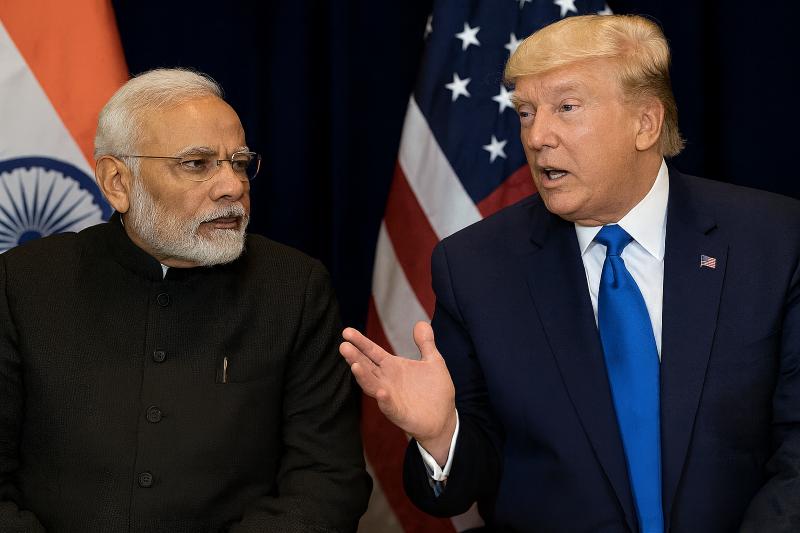
India is once again at the center of global diplomatic attention after former U.S. President Donald Trump claimed that Prime Minister Narendra Modi had agreed to halt Russian oil imports. The Indian government swiftly denied the statement, emphasizing that its energy decisions are made independently and based solely on national interest. This move highlights New Delhi’s determination to maintain strategic autonomy amid increasing international pressure. Over the past two years
India Stands Firm Amid U.S. Pressure on Russian Oil
India is once again at the center of global diplomatic attention after former U.S. President Donald Trump claimed that Prime Minister Narendra Modi had agreed to halt Russian oil imports. The Indian government swiftly denied the statement, emphasizing that its energy decisions are made independently and based solely on national interest. This move highlights New Delhi’s determination to maintain strategic autonomy amid increasing international pressure. Over the past two years
Trump calls BRICS an attack on the dollar, warns of tariffs on member nations
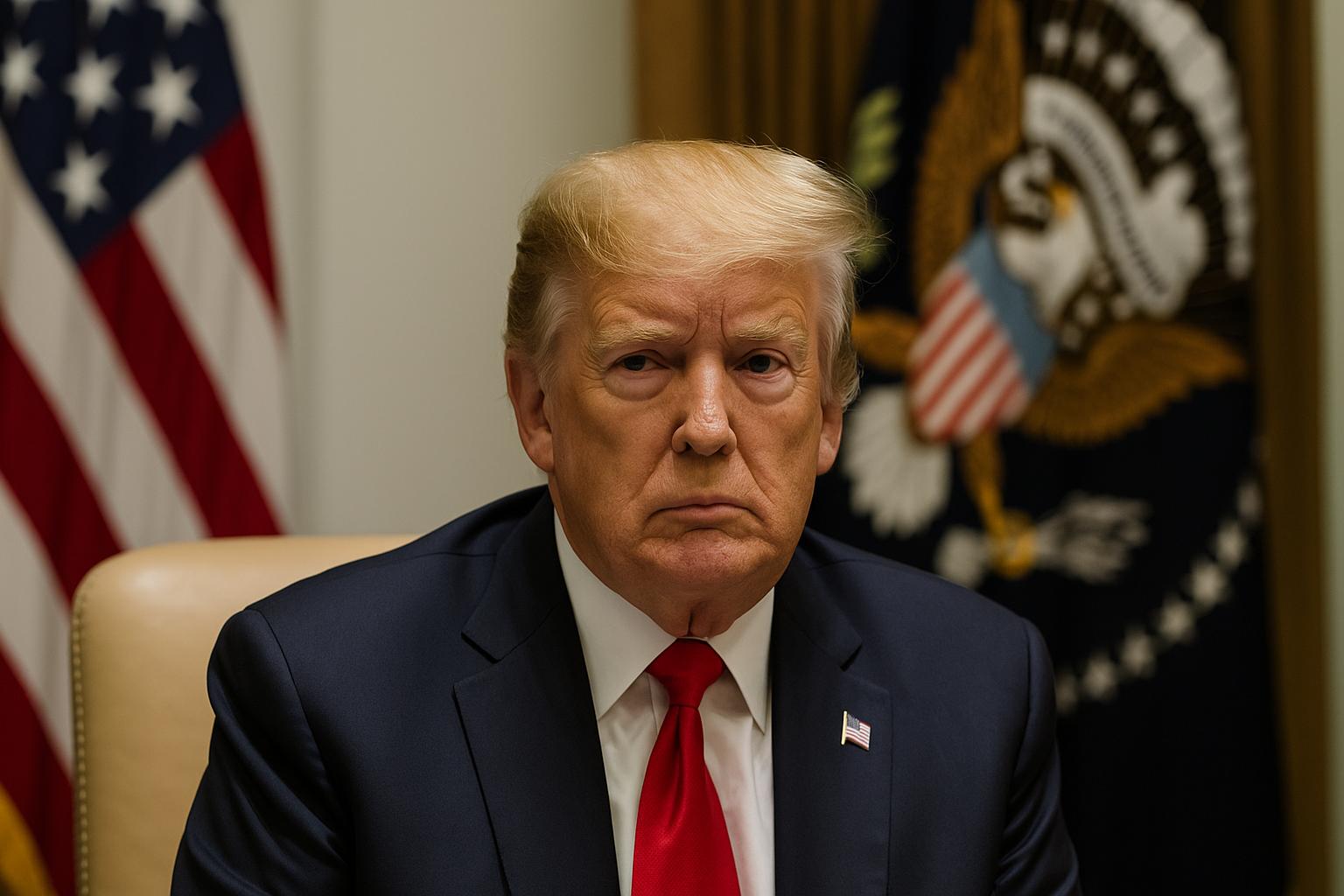
US President Donald Trump has reignited debate over the influence of the BRICS bloc, claiming that the group represents “an attack on the dollar” and warning that countries joining it could face tariffs from the United States. Trump made the remarks during a bilateral lunch with Argentine President Javier Milei at the White House, reiterating his stance on protecting the dominance of the US dollar in global trade. Speaking to reporters, Trump asserted that the United States woul
Trump calls BRICS an attack on the dollar, warns of tariffs on member nations
US President Donald Trump has reignited debate over the influence of the BRICS bloc, claiming that the group represents “an attack on the dollar” and warning that countries joining it could face tariffs from the United States. Trump made the remarks during a bilateral lunch with Argentine President Javier Milei at the White House, reiterating his stance on protecting the dominance of the US dollar in global trade. Speaking to reporters, Trump asserted that the United States woul
India urges US to process student visas fairly and without delay
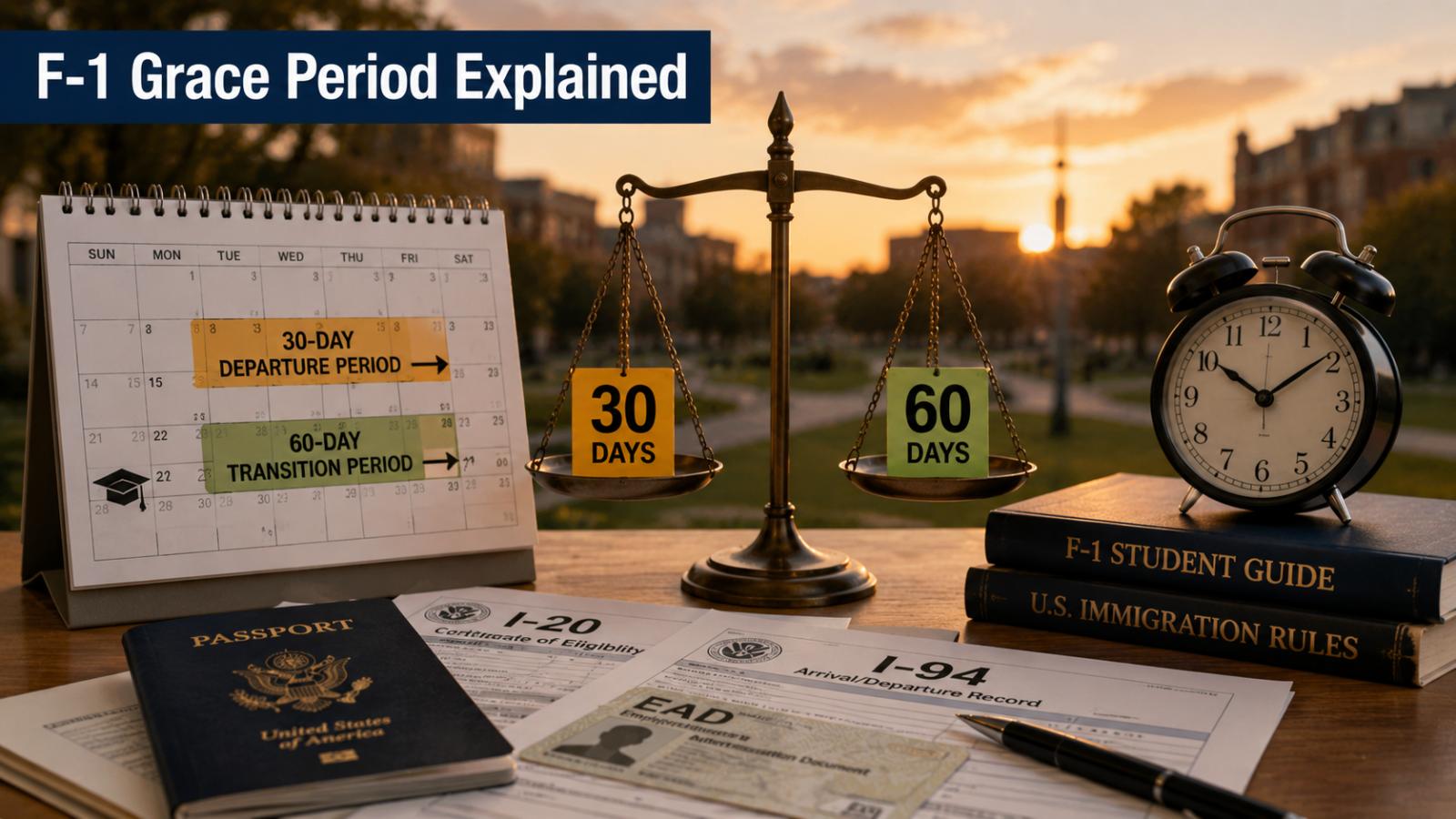
India has urged the United States to ensure that student visa applications from Indian nationals are processed on merit and without unnecessary delays. This appeal follows growing unease among Indian students over recent changes to US visa regulations, which many fear could disrupt their academic plans just as they prepare for the upcoming academic semester. A spokesperson for the Ministry of External Affairs acknowledged the United States’ sovereign right to grant or deny v
India urges US to process student visas fairly and without delay
India has urged the United States to ensure that student visa applications from Indian nationals are processed on merit and without unnecessary delays. This appeal follows growing unease among Indian students over recent changes to US visa regulations, which many fear could disrupt their academic plans just as they prepare for the upcoming academic semester. A spokesperson for the Ministry of External Affairs acknowledged the United States’ sovereign right to grant or deny v