















Meta, Microsoft Warn H-1B Visa Holders: Stay In US Or Return Within 24 Hours
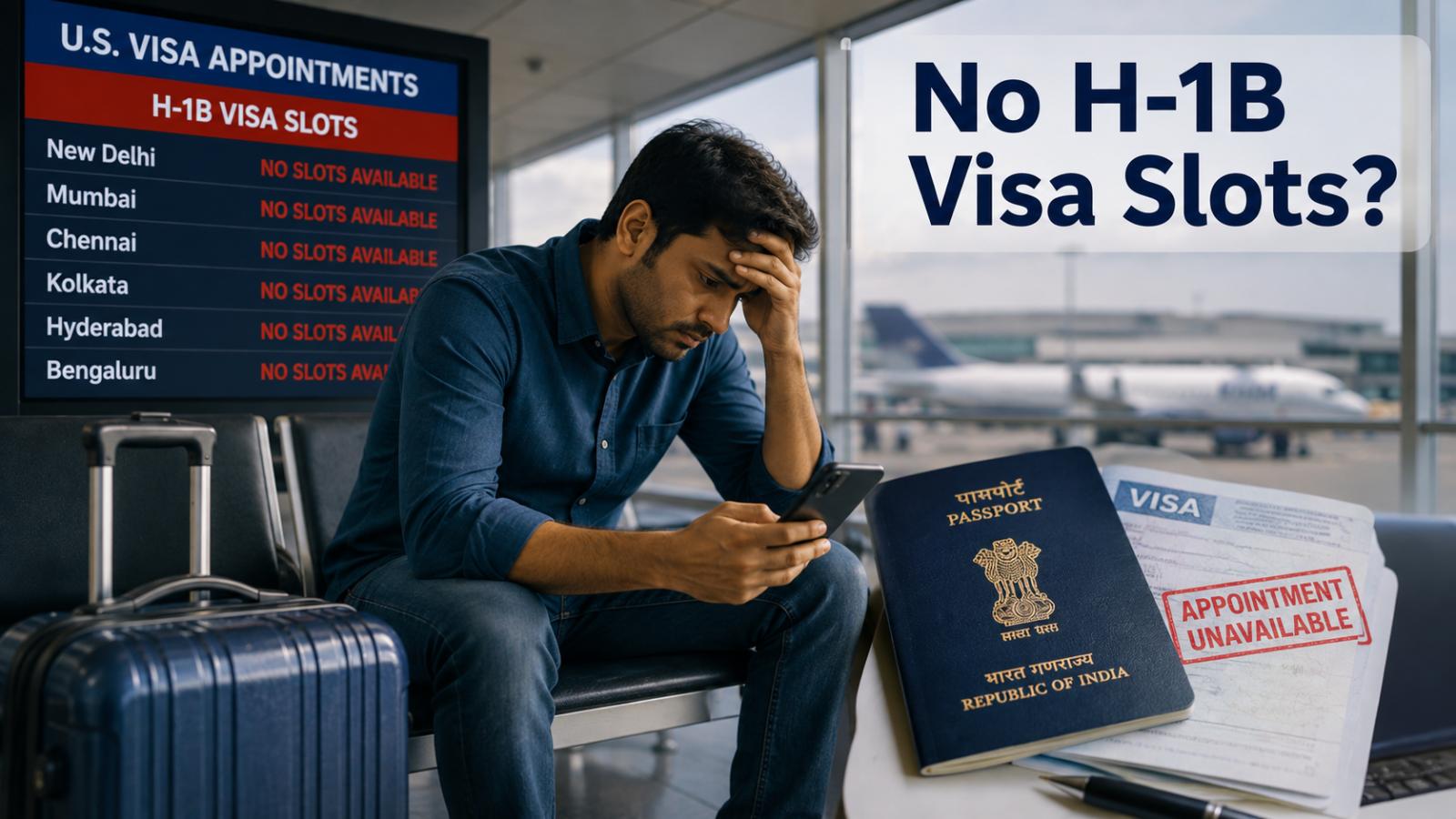
Meta and Microsoft have issued urgent advisories to their H-1B visa employees following US President Donald Trump’s latest immigration crackdown. Internal emails accessed on Saturday revealed that the two tech giants advised foreign workers not to leave the United States for at least 14 days and instructed those currently abroad to return within 24 hours to avoid possible denial of re-entry. Meta’s adviso
Meta, Microsoft Warn H-1B Visa Holders: Stay In US Or Return Within 24 Hours
Meta and Microsoft have issued urgent advisories to their H-1B visa employees following US President Donald Trump’s latest immigration crackdown. Internal emails accessed on Saturday revealed that the two tech giants advised foreign workers not to leave the United States for at least 14 days and instructed those currently abroad to return within 24 hours to avoid possible denial of re-entry. Meta’s adviso
US revokes visas of Indian corporate families over fentanyl precursor links
The United States has taken a strong stand against the illegal fentanyl trade by revoking and denying visas to several Indian corporate executives and their families over alleged links to trafficking of fentanyl precursors. The move was confirmed by the US Embassy in New Delhi, which described the measure as part of Washington’s intensified efforts to combat the flow of synthetic opioids into America. Although the statement did not name the individuals or companies involved, it signaled
US revokes visas of Indian corporate families over fentanyl precursor links
The United States has taken a strong stand against the illegal fentanyl trade by revoking and denying visas to several Indian corporate executives and their families over alleged links to trafficking of fentanyl precursors. The move was confirmed by the US Embassy in New Delhi, which described the measure as part of Washington’s intensified efforts to combat the flow of synthetic opioids into America. Although the statement did not name the individuals or companies involved, it signaled
New US Visa Policy to Impact Indian Applicants as Wait Times Grow Longer
The United States has announced a new policy that could make it harder for foreign nationals, especially Indians, to secure quick non immigrant visas. Under the revised process, applicants for visas such as B1 for business and B2 for tourism will now be required to schedule their interview appointments only in their country of citizenship or legal residence. This effectively closes the option of seeking quicker interview slots abroad, a practice that many travelers from India had been relying
New US Visa Policy to Impact Indian Applicants as Wait Times Grow Longer
The United States has announced a new policy that could make it harder for foreign nationals, especially Indians, to secure quick non immigrant visas. Under the revised process, applicants for visas such as B1 for business and B2 for tourism will now be required to schedule their interview appointments only in their country of citizenship or legal residence. This effectively closes the option of seeking quicker interview slots abroad, a practice that many travelers from India had been relying
US To Review Over 55 Million Visa Holders For Possible Deportation
The United States government has announced a significant escalation in its immigration oversight, with the Department of State confirming that it is reviewing the records of more than 55 million foreigners who currently hold valid US visas. This large-scale review aims to identify potential violations of immigration rules or security threats that could make an individual ineligible to remain in the country. Officials have indicated that the move forms part of an
US To Review Over 55 Million Visa Holders For Possible Deportation
The United States government has announced a significant escalation in its immigration oversight, with the Department of State confirming that it is reviewing the records of more than 55 million foreigners who currently hold valid US visas. This large-scale review aims to identify potential violations of immigration rules or security threats that could make an individual ineligible to remain in the country. Officials have indicated that the move forms part of an
US Launches Pilot Visa Bond Program Imposing Up To $15,000 On High Risk Visitors
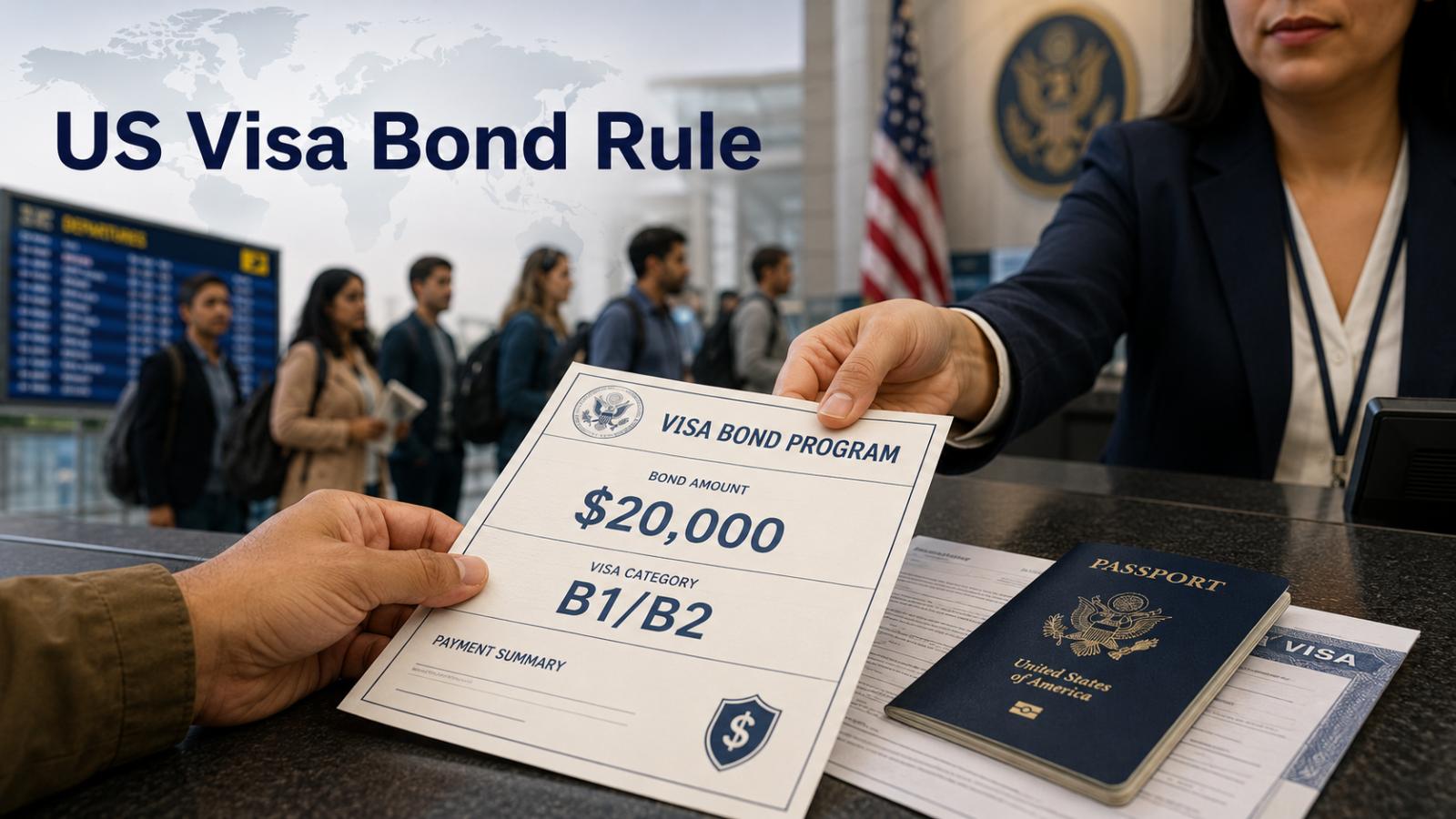
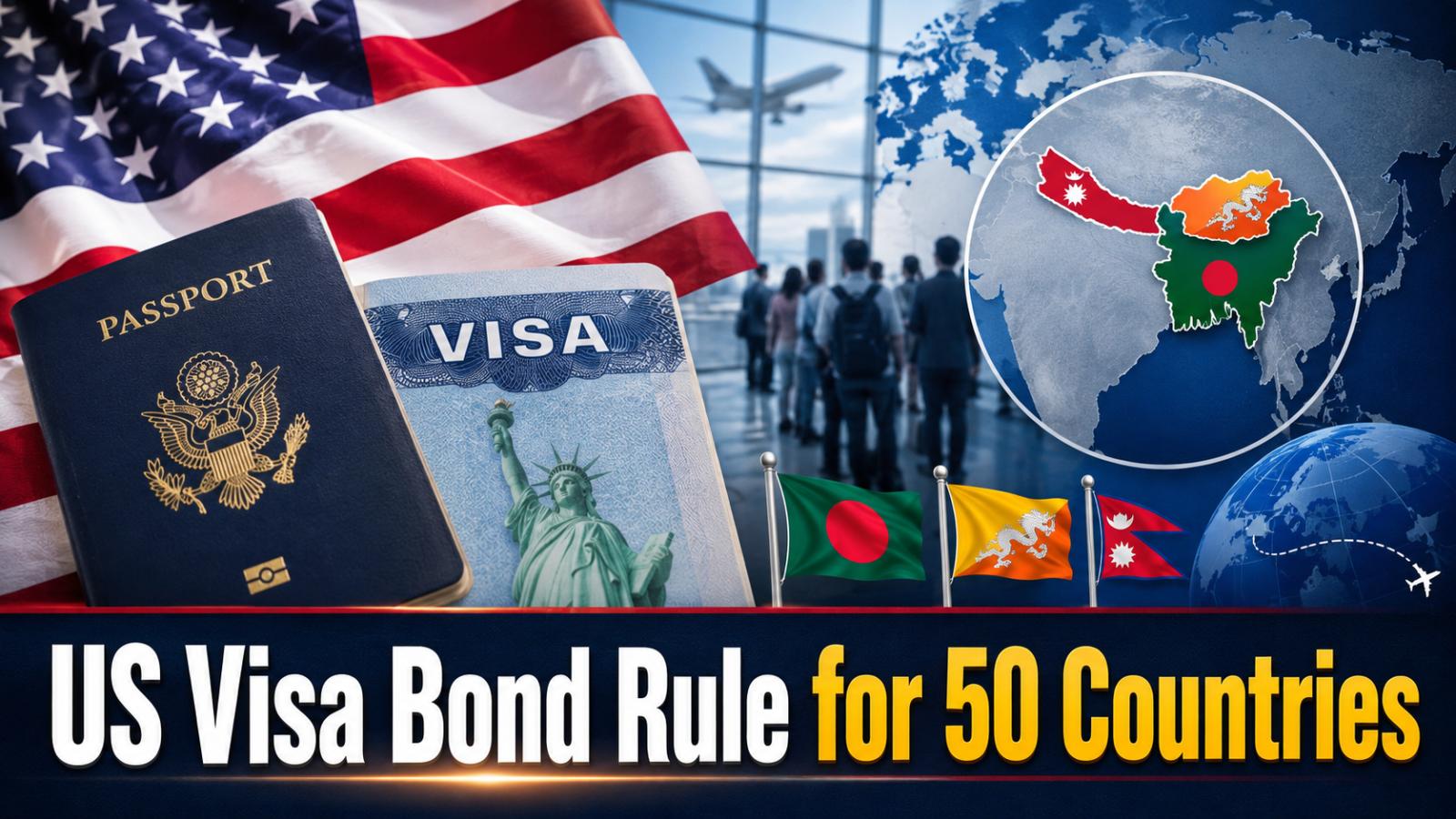
The United States is set to introduce a new visa bond program that could require tourists and business travelers from selected countries to pay bonds of up to $15,000. This pilot program, which will begin on August 20, aims to curb the problem of visitors who overstay their visas and is part of ongoing measures to strengthen immigration enforcement. According to a notice in the Federal Register, the policy grants US consular officers the discretion to impose bonds on individuals coming from nations with high overstay rates or where information for screening and vetting is considered insufficient. This program is scheduled to run for approximately one year. President Donald Trump has consistently made immigration control a hallmark of his administration. His previous measures have included heightened border security and stricter enforcement against illegal immigration. The president also issued a travel ban affecting citizens from 12 nations on national security grounds, illustrating the administration’s aggressive approach toward regulating entry into the United States. The visa bond policy is seen as a continuation of these hardline efforts. The bonds, intended as a financial guarantee to ensure compliance with visa terms, are refundable if the traveler leaves the US within the allowed timeframe. However, if the individual overstays, the bond is forfeited, adding a significant financial penalty to the immigration violation. The new initiative bears similarities to a pilot program launched in November 2020 during Trump’s first term. That earlier version, however, was never fully implemented due to the drastic reduction in global travel caused by the COVID-19 pandemic. With international travel now recovering, the administration has revived the concept, signaling a renewed focus on using economic measures to enforce immigration compliance. This latest move underscores the belief within the administration that stricter measures are needed to deter overstays and protect national security. Under the new policy, US consular officers will have considerable discretion in deciding when to impose bonds and the amounts to be required, up to a maximum of $15,000. The bonds are expected to target visitors from countries identified as having high rates of visa overstays, though specific nations were not named in the initial announcement. Additionally, travelers from countries where authorities cannot adequately provide screening or vetting information may also face these financial requirements. While the program is described as temporary, lasting one year, it could be extended or expanded based on its results. Critics argue that such a measure could discourage legitimate travel, harm tourism, and create additional bureaucratic hurdles for businesses that rely on international visitors. Concerns have also been raised about fairness, as travelers from affected countries may feel unfairly targeted by the new rule. Supporters of the policy, on the other hand, view it as a practical tool to ensure visitors abide by the terms of their stay and reduce instances of unauthorized immigration. The use of financial incentives as a compliance mechanism is expected to be closely monitored by immigration analysts and advocacy groups throughout the duration of the program. The implementation of visa bonds comes at a time when global mobility is slowly returning to pre-pandemic levels. International travelers are expected to navigate an increasingly complex landscape of entry requirements, with nations adopting new measures in response to security and migration concerns. The United States, under the Trump administration, has consistently prioritized stricter immigration rules, framing them as necessary for protecting domestic interests. The decision to enforce bonds reflects this ongoing trend and may set a precedent for future immigration control strategies. The program also highlights the delicate balance between safeguarding borders and maintaining open pathways for tourism and business, both of which contribute significantly to the US economy. Analysts suggest that while the measure may achieve short-term compliance, it could also strain diplomatic relations with countries whose citizens are subjected to the bonds. As the program rolls out, affected nations may seek to negotiate exemptions or push back against what they may perceive as punitive measures. The next year will be critical in determining whether this policy meets its objectives. If the bonds successfully reduce visa overstays without significantly harming tourism or business, they may become a permanent feature of US immigration enforcement. Conversely, if the program creates more complications than benefits, it may face pressure to be scaled back or abandoned. The policy’s impact on travel patterns, international relations, and domestic politics will likely be scrutinized as it unfolds. In summary, the United States’ decision to introduce up to $15,000 visa bonds for certain tourists and business visitors is a bold step in the ongoing effort to tighten immigration control. With the program taking effect on August 20 and running for a year, its success or failure will have wide-reaching implications for travelers, businesses, and the global perception of US immigration policies. As the world watches, this pilot initiative may either serve as a model for future strategies or as an example of the challenges inherent in balancing security with openness.
US Launches Pilot Visa Bond Program Imposing Up To $15,000 On High Risk Visitors
The United States is set to introduce a new visa bond program that could require tourists and business travelers from selected countries to pay bonds of up to $15,000. This pilot program, which will begin on August 20, aims to curb the problem of visitors who overstay their visas and is part of ongoing measures to strengthen immigration enforcement. According to a notice in the Federal Register, the policy grants US consular officers the discretion to impose bonds on individuals coming from nations with high overstay rates or where information for screening and vetting is considered insufficient. This program is scheduled to run for approximately one year. President Donald Trump has consistently made immigration control a hallmark of his administration. His previous measures have included heightened border security and stricter enforcement against illegal immigration. The president also issued a travel ban affecting citizens from 12 nations on national security grounds, illustrating the administration’s aggressive approach toward regulating entry into the United States. The visa bond policy is seen as a continuation of these hardline efforts. The bonds, intended as a financial guarantee to ensure compliance with visa terms, are refundable if the traveler leaves the US within the allowed timeframe. However, if the individual overstays, the bond is forfeited, adding a significant financial penalty to the immigration violation. The new initiative bears similarities to a pilot program launched in November 2020 during Trump’s first term. That earlier version, however, was never fully implemented due to the drastic reduction in global travel caused by the COVID-19 pandemic. With international travel now recovering, the administration has revived the concept, signaling a renewed focus on using economic measures to enforce immigration compliance. This latest move underscores the belief within the administration that stricter measures are needed to deter overstays and protect national security. Under the new policy, US consular officers will have considerable discretion in deciding when to impose bonds and the amounts to be required, up to a maximum of $15,000. The bonds are expected to target visitors from countries identified as having high rates of visa overstays, though specific nations were not named in the initial announcement. Additionally, travelers from countries where authorities cannot adequately provide screening or vetting information may also face these financial requirements. While the program is described as temporary, lasting one year, it could be extended or expanded based on its results. Critics argue that such a measure could discourage legitimate travel, harm tourism, and create additional bureaucratic hurdles for businesses that rely on international visitors. Concerns have also been raised about fairness, as travelers from affected countries may feel unfairly targeted by the new rule. Supporters of the policy, on the other hand, view it as a practical tool to ensure visitors abide by the terms of their stay and reduce instances of unauthorized immigration. The use of financial incentives as a compliance mechanism is expected to be closely monitored by immigration analysts and advocacy groups throughout the duration of the program. The implementation of visa bonds comes at a time when global mobility is slowly returning to pre-pandemic levels. International travelers are expected to navigate an increasingly complex landscape of entry requirements, with nations adopting new measures in response to security and migration concerns. The United States, under the Trump administration, has consistently prioritized stricter immigration rules, framing them as necessary for protecting domestic interests. The decision to enforce bonds reflects this ongoing trend and may set a precedent for future immigration control strategies. The program also highlights the delicate balance between safeguarding borders and maintaining open pathways for tourism and business, both of which contribute significantly to the US economy. Analysts suggest that while the measure may achieve short-term compliance, it could also strain diplomatic relations with countries whose citizens are subjected to the bonds. As the program rolls out, affected nations may seek to negotiate exemptions or push back against what they may perceive as punitive measures. The next year will be critical in determining whether this policy meets its objectives. If the bonds successfully reduce visa overstays without significantly harming tourism or business, they may become a permanent feature of US immigration enforcement. Conversely, if the program creates more complications than benefits, it may face pressure to be scaled back or abandoned. The policy’s impact on travel patterns, international relations, and domestic politics will likely be scrutinized as it unfolds. In summary, the United States’ decision to introduce up to $15,000 visa bonds for certain tourists and business visitors is a bold step in the ongoing effort to tighten immigration control. With the program taking effect on August 20 and running for a year, its success or failure will have wide-reaching implications for travelers, businesses, and the global perception of US immigration policies. As the world watches, this pilot initiative may either serve as a model for future strategies or as an example of the challenges inherent in balancing security with openness.
New US visa policy 2025 brings social media checks, higher fees, stricter rules
Indian applicants seeking a US visa in 2025 face significant changes as new immigration rules take effect under the Trump administration’s “One Big Beautiful Bill Act.” These measures, some already implemented and others scheduled for later in the year, are designed to tighten screening and increase oversight of applicants. They affect almost every category of nonimmigrant visas including student, work, and visitor visas, and will require applicants to adjust their preparati
New US visa policy 2025 brings social media checks, higher fees, stricter rules
Indian applicants seeking a US visa in 2025 face significant changes as new immigration rules take effect under the Trump administration’s “One Big Beautiful Bill Act.” These measures, some already implemented and others scheduled for later in the year, are designed to tighten screening and increase oversight of applicants. They affect almost every category of nonimmigrant visas including student, work, and visitor visas, and will require applicants to adjust their preparati
US reinstates in-person visa interviews for B1/B2 from September 2
The United States is making significant changes to its non-immigrant visa procedures, reinstating mandatory in-person interviews for most applicants under the B1 and B2 visa categories, which cover short-term business and tourist travel. These new regulations will take effect from September 2, 2025, and will affect a broad segment of travelers, especially from countries like India that have a high volume of B1/B2 applicants. According to an official update from the government on J
US reinstates in-person visa interviews for B1/B2 from September 2
The United States is making significant changes to its non-immigrant visa procedures, reinstating mandatory in-person interviews for most applicants under the B1 and B2 visa categories, which cover short-term business and tourist travel. These new regulations will take effect from September 2, 2025, and will affect a broad segment of travelers, especially from countries like India that have a high volume of B1/B2 applicants. According to an official update from the government on J
New $250 US Visa Integrity Fee: Who It Affects, When It Applies, and Refund Conditions
A newly introduced $250 "visa integrity fee" for non-immigrant visa applicants to the United States is raising significant concerns among travelers, students, and immigration professionals. Passed as part of the One Big Beautiful Bill Act, this fee is scheduled to take effect during the United States fiscal year 2025, spanning from October 1, 2024, to September 30, 2025. Although the legislative framework is already in place, the exact implementation date and detailed administrative pr
New $250 US Visa Integrity Fee: Who It Affects, When It Applies, and Refund Conditions
A newly introduced $250 "visa integrity fee" for non-immigrant visa applicants to the United States is raising significant concerns among travelers, students, and immigration professionals. Passed as part of the One Big Beautiful Bill Act, this fee is scheduled to take effect during the United States fiscal year 2025, spanning from October 1, 2024, to September 30, 2025. Although the legislative framework is already in place, the exact implementation date and detailed administrative pr
U visa for crime victims in the US: who qualifies, how to apply, and what to expect
The U nonimmigrant visa, commonly known as the U visa, is a special immigration benefit offered by the United States to noncitizens who have been victims of certain serious crimes and are willing to assist law enforcement or government agencies in the investigation or prosecution of those crimes. Established under the Victims of Trafficking and Violence Protection Act of 2000, the primary goal of the U visa program is to support both public safety and humanitarian needs. It provides a way for
U visa for crime victims in the US: who qualifies, how to apply, and what to expect
The U nonimmigrant visa, commonly known as the U visa, is a special immigration benefit offered by the United States to noncitizens who have been victims of certain serious crimes and are willing to assist law enforcement or government agencies in the investigation or prosecution of those crimes. Established under the Victims of Trafficking and Violence Protection Act of 2000, the primary goal of the U visa program is to support both public safety and humanitarian needs. It provides a way for
Rising EB-1 Visa Scams in India: What Aspirants Must Know Before Applying
The EB-1 visa, informally known as the Einstein visa, is once again in the spotlight, but this time for troubling reasons. From posts on LinkedIn and Telegram to ads on Facebook, a surge of promotions is targeting Indian professionals with claims of guaranteed EB-1 approval. These marketing tactics are appealing to not just elite scientists and researchers, but also to aspiring immigrants looking for a faster route to a green card. The attention around this elite visa category was recently am
Rising EB-1 Visa Scams in India: What Aspirants Must Know Before Applying
The EB-1 visa, informally known as the Einstein visa, is once again in the spotlight, but this time for troubling reasons. From posts on LinkedIn and Telegram to ads on Facebook, a surge of promotions is targeting Indian professionals with claims of guaranteed EB-1 approval. These marketing tactics are appealing to not just elite scientists and researchers, but also to aspiring immigrants looking for a faster route to a green card. The attention around this elite visa category was recently am
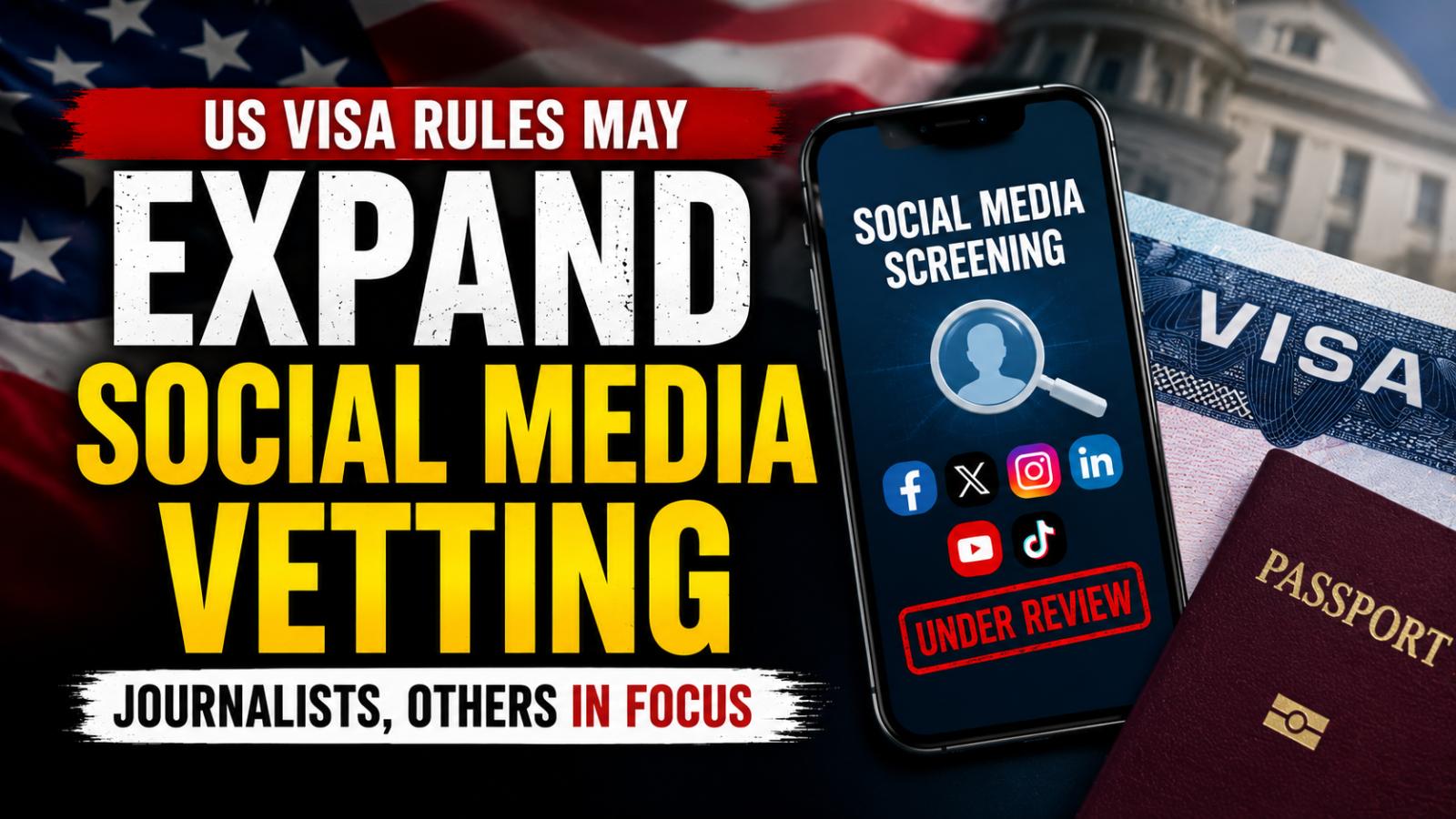
US Tightens Student Visa Rules for India With Mandatory Social Media Profile Checks
The United States has implemented a new directive requiring all nonimmigrant student visa applicants to make their social media accounts publicly accessible as part of enhanced background checks. The announcement, which stems from ongoing efforts by the Trump administration to reinforce visa vetting, mandates applicants for F, M, and J category visas to adjust privacy settings across their social media profiles. This change is designed to allow American consular officials to
US Tightens Student Visa Rules for India With Mandatory Social Media Profile Checks
The United States has implemented a new directive requiring all nonimmigrant student visa applicants to make their social media accounts publicly accessible as part of enhanced background checks. The announcement, which stems from ongoing efforts by the Trump administration to reinforce visa vetting, mandates applicants for F, M, and J category visas to adjust privacy settings across their social media profiles. This change is designed to allow American consular officials to
Trump Considers Expanding US Travel Ban to 36 More Countries
The Trump administration is reportedly considering a major expansion of its travel ban, potentially adding 36 countries to the list of those restricted from entering the United States. This move comes amid President Donald Trump’s broader immigration crackdown, which began in earnest during his second term. Earlier this month, Trump signed a proclamation banning travelers from 12 countries, citing national security concerns and threats posed by foreign t
Trump Considers Expanding US Travel Ban to 36 More Countries
The Trump administration is reportedly considering a major expansion of its travel ban, potentially adding 36 countries to the list of those restricted from entering the United States. This move comes amid President Donald Trump’s broader immigration crackdown, which began in earnest during his second term. Earlier this month, Trump signed a proclamation banning travelers from 12 countries, citing national security concerns and threats posed by foreign t
USCIS Cracks Down on EB-1A Visa Fraud: Green Card Revocations and Reinvestigations Rise
The U.S. Citizenship and Immigration Services (USCIS) is launching a widespread crackdown on fraudulent EB-1A visa applications, particularly targeting individuals who may have manipulated their profiles using low-quality publications, fake citations, and questionable awards. Immigration attorney Rahul Reddy recently revealed that several EB-1A petitions—mostly filed by Indian nationals—are being reopened and reviewed, with some already facing rev
USCIS Cracks Down on EB-1A Visa Fraud: Green Card Revocations and Reinvestigations Rise
The U.S. Citizenship and Immigration Services (USCIS) is launching a widespread crackdown on fraudulent EB-1A visa applications, particularly targeting individuals who may have manipulated their profiles using low-quality publications, fake citations, and questionable awards. Immigration attorney Rahul Reddy recently revealed that several EB-1A petitions—mostly filed by Indian nationals—are being reopened and reviewed, with some already facing rev
New US Visa Policy Targets Foreign Censorship of Platforms Like Twitter, Meta, and Rumble
The United States has introduced a new policy aimed at denying visas to foreign officials who attempt to censor the social media content of American citizens. This move, part of President Donald Trump’s broader strategy to defend free speech, is expected to escalate international tensions over digital censorship and content regulation. Specifically, the policy affects major US technology companies like Twitter, Meta, and Rumble, which operate on a global scale and have increasingly come
New US Visa Policy Targets Foreign Censorship of Platforms Like Twitter, Meta, and Rumble
The United States has introduced a new policy aimed at denying visas to foreign officials who attempt to censor the social media content of American citizens. This move, part of President Donald Trump’s broader strategy to defend free speech, is expected to escalate international tensions over digital censorship and content regulation. Specifically, the policy affects major US technology companies like Twitter, Meta, and Rumble, which operate on a global scale and have increasingly come
US halts new student visa interviews, Indian students explore other global options
In a move that has sent ripples through the global education landscape, the Trump administration announced on Tuesday, May 27, that no new student visa interviews will be scheduled at US embassies worldwide. This sudden policy change is part of a broader strategy to restrict the number of international students entering the United States and has been confirmed through a diplomatic cable issued by US Secretary of State Marco Rubio. Alongside the freeze on visa interviews, the administration al
US halts new student visa interviews, Indian students explore other global options
In a move that has sent ripples through the global education landscape, the Trump administration announced on Tuesday, May 27, that no new student visa interviews will be scheduled at US embassies worldwide. This sudden policy change is part of a broader strategy to restrict the number of international students entering the United States and has been confirmed through a diplomatic cable issued by US Secretary of State Marco Rubio. Alongside the freeze on visa interviews, the administration al
International students face Visa revocation in the US since March
Over 1,000 international students in the U.S. have had their visas revoked or legal status terminated since late March 2025, according to school officials and reports by The Associated Press. The wave of visa cancellations has sparked fear and anxiety among foreign students, especially those with any connection to political protests or activism. Several students have reported being detained without prior notice, often by agents in plain clothes, leading to heightened paranoia on c
International students face Visa revocation in the US since March
Over 1,000 international students in the U.S. have had their visas revoked or legal status terminated since late March 2025, according to school officials and reports by The Associated Press. The wave of visa cancellations has sparked fear and anxiety among foreign students, especially those with any connection to political protests or activism. Several students have reported being detained without prior notice, often by agents in plain clothes, leading to heightened paranoia on c
U.S. Embassy Romania Updates Visa Rules: Matching DS-160 Barcode Required from April 7
The United States Embassy in Romania has announced an important procedural change for all nonimmigrant visa applicants. Effective April 7, all applicants must present a printed copy of their DS-160 confirmation page with a barcode to confirm that the same DS-160 form was used to schedule their visa appointment. Before attending their visa interview, applicants must ensure that the barcode number on the DS-160 form exactly matches the one used to book their appointment on USTrav
U.S. Embassy Romania Updates Visa Rules: Matching DS-160 Barcode Required from April 7
The United States Embassy in Romania has announced an important procedural change for all nonimmigrant visa applicants. Effective April 7, all applicants must present a printed copy of their DS-160 confirmation page with a barcode to confirm that the same DS-160 form was used to schedule their visa appointment. Before attending their visa interview, applicants must ensure that the barcode number on the DS-160 form exactly matches the one used to book their appointment on USTrav
Indian Students See 38% Drop in US F-1 Visa Issuances in 2024
Indian students have witnessed a significant decline in F-1 student visas issued by the United States in 2024. According to the latest data from the US State Department, the number of F-1 visas granted to Indian nationals dropped by 38% in the first nine months of the year. Specifically, 64,008 F-1 visas were issued to Indian students from January to September 2024, down from 1,03,495 in the same period in 2023. This represents the lowest number of F-1 visas granted since 2020, when the pande
Indian Students See 38% Drop in US F-1 Visa Issuances in 2024
Indian students have witnessed a significant decline in F-1 student visas issued by the United States in 2024. According to the latest data from the US State Department, the number of F-1 visas granted to Indian nationals dropped by 38% in the first nine months of the year. Specifically, 64,008 F-1 visas were issued to Indian students from January to September 2024, down from 1,03,495 in the same period in 2023. This represents the lowest number of F-1 visas granted since 2020, when the pande


