
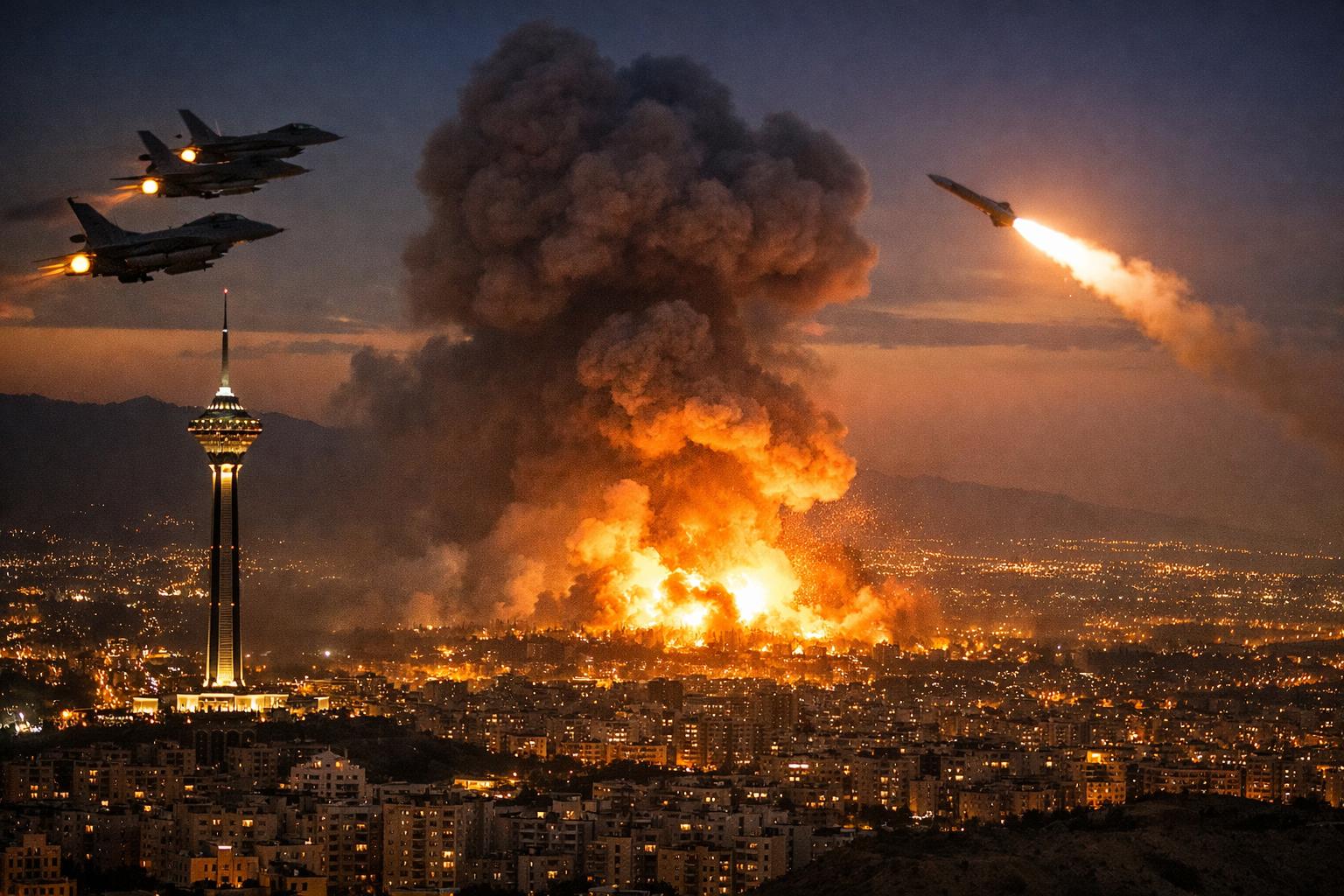











#westasiatensions
West Asia tensions rise as US envoys head to Pakistan for Iran talks
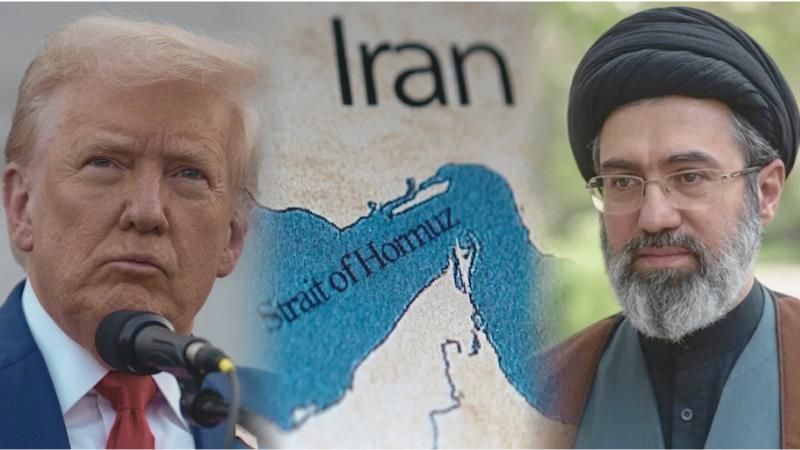
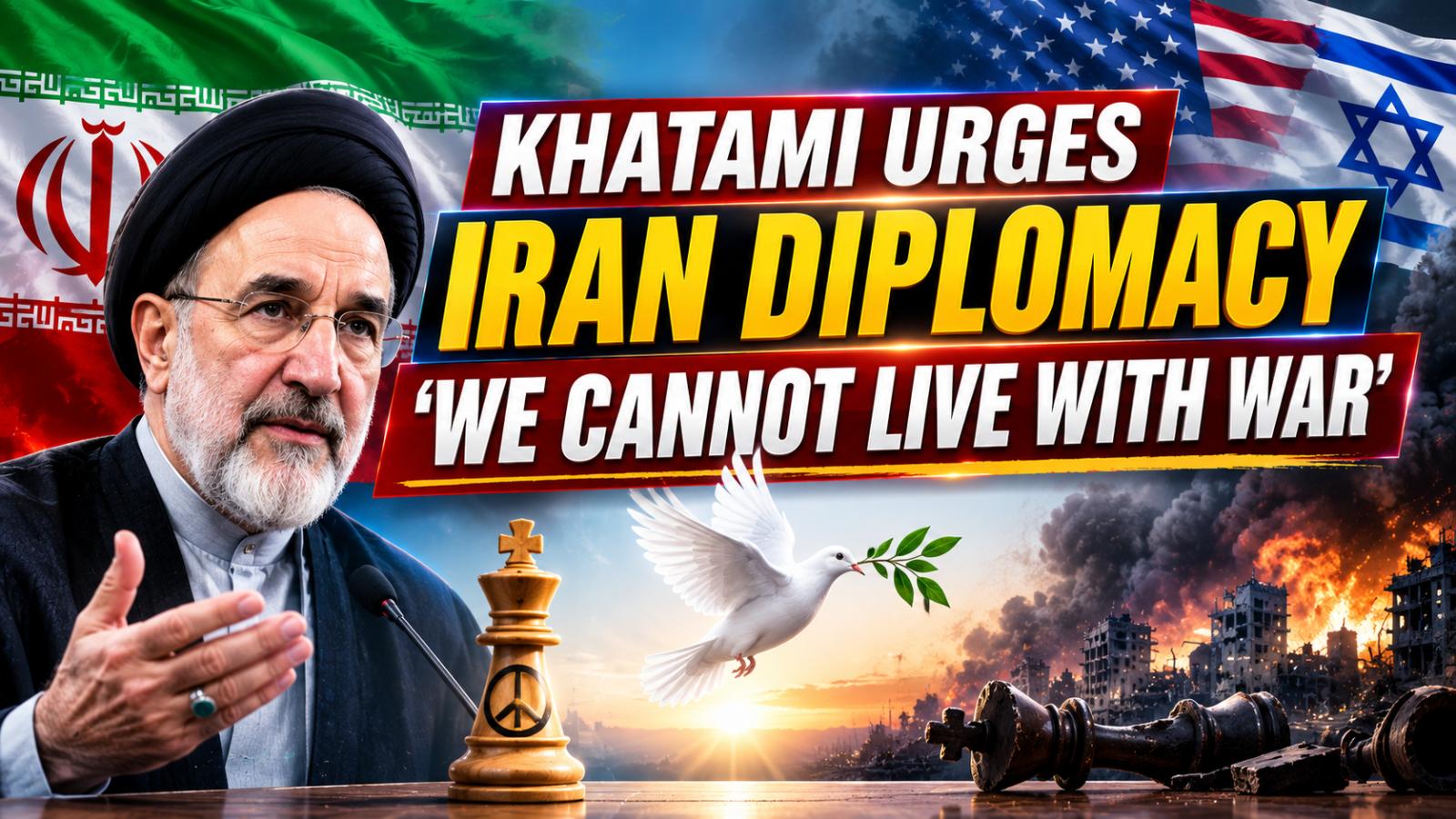
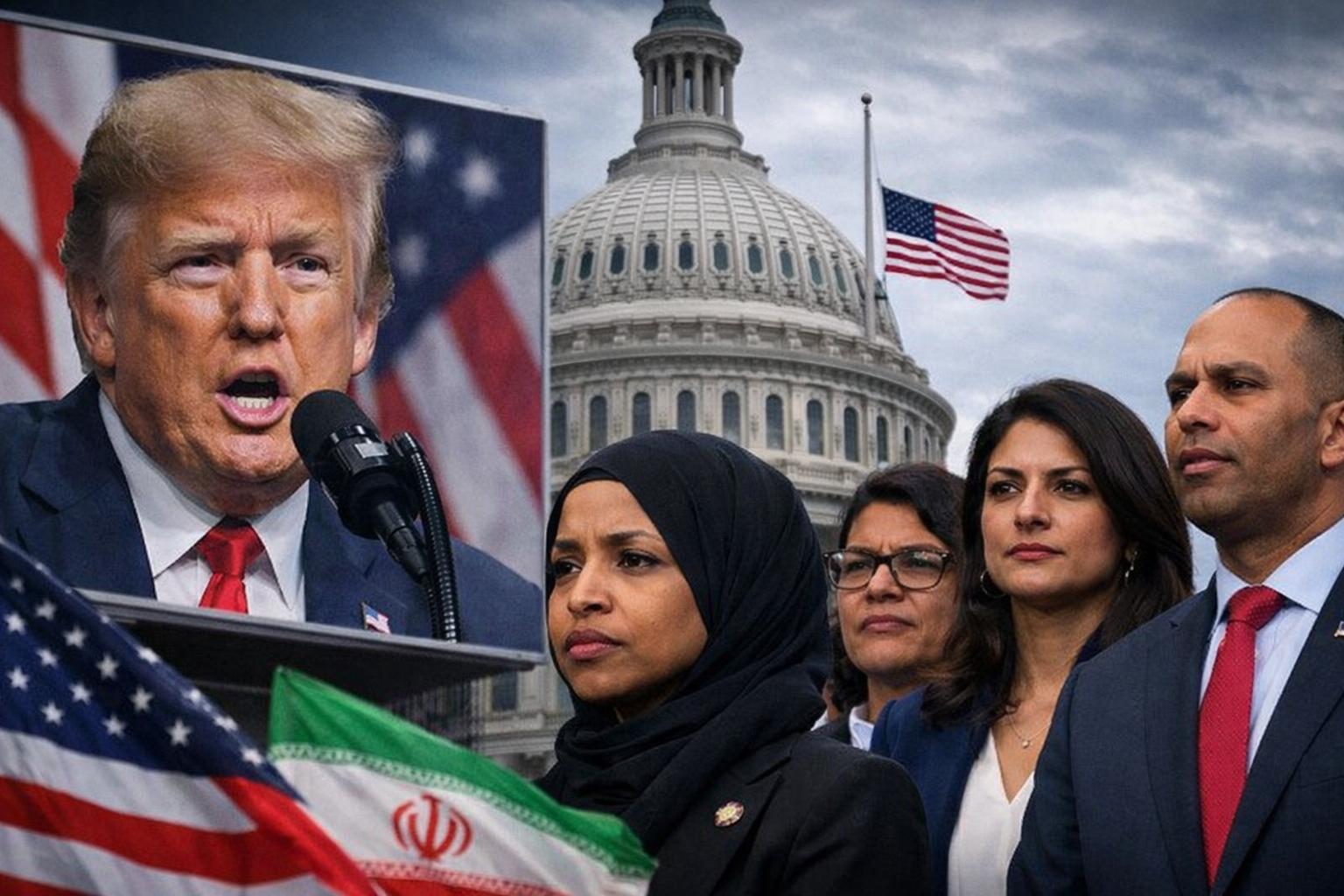
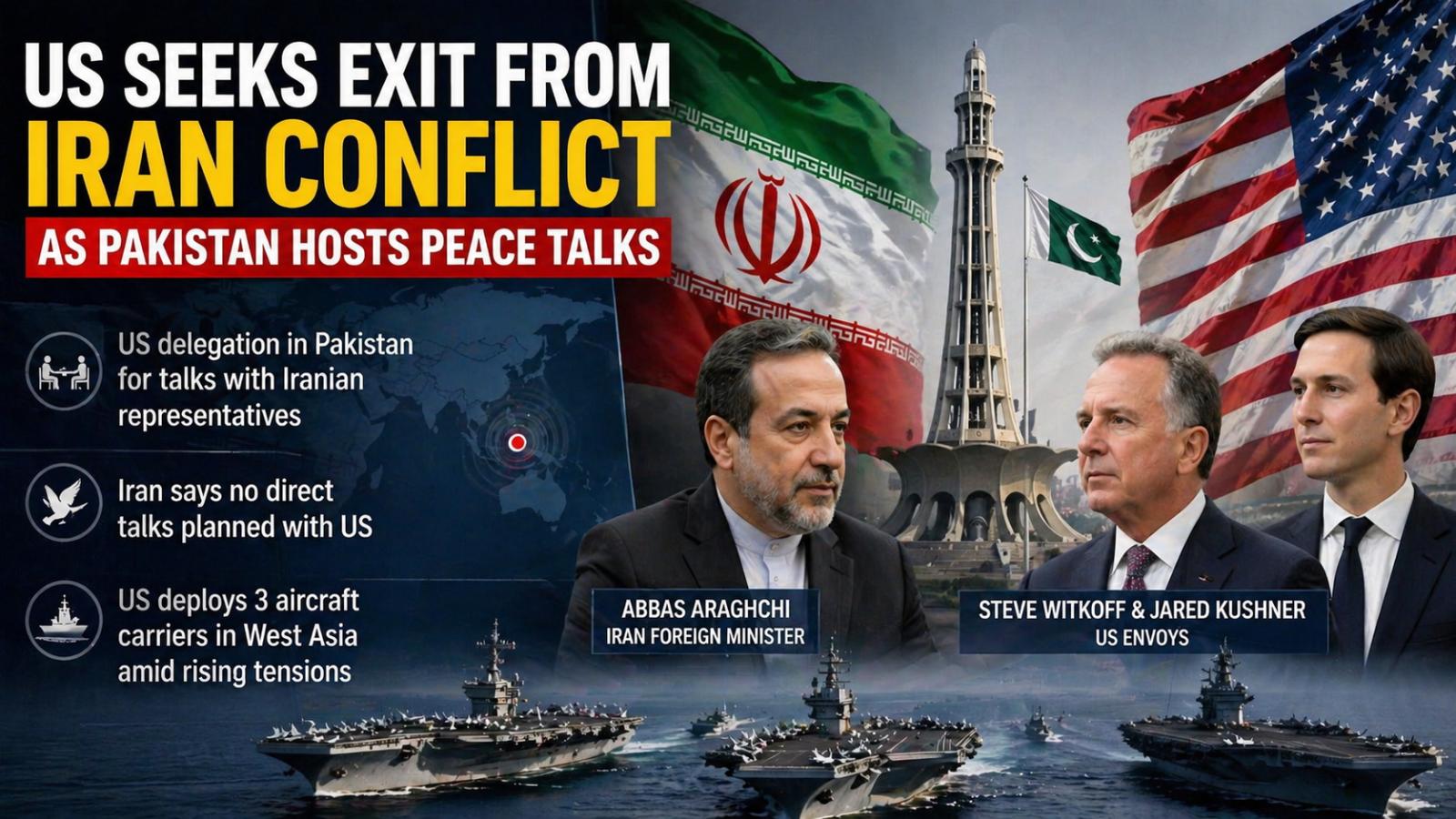
The US Iran conflict has entered a critical phase as Iran’s Defence Ministry claimed that the United States is seeking a “face-saving” way to exit the war, even as Washington sends a delegation to Pakistan for peace talks. The statement highlights growing diplomatic activity alongside rising military tensions in West Asia, with Pakistan emerging as a key mediator in the crisis. According to Iranian media reports, a defence ministry spokesperson said that Iran’s military strength has become dominant in the region, forcing the United States to look for a way out of what it described as a prolonged and difficult conflict. The remarks come at a time when US envoys Steve Witkoff and Jared Kushner are heading to Pakistan for discussions that the White House said would include talks with Iranian representatives. However, Iran has publicly denied plans for direct negotiations with the United States. Iranian Foreign Minister Abbas Araghchi arrived in Islamabad for an official visit and is scheduled to meet senior Pakistani officials. Iranian Foreign Ministry spokesperson Esmaeil Baqaei clarified that the visit is focused on consultations with Pakistan as part of its mediation efforts and not on direct dialogue with the US. He added that Iran’s position would be communicated through Pakistani channels. The diplomatic developments unfold against a backdrop of intensifying West Asia tensions, particularly around the Strait of Hormuz, a vital global oil route. The United States has significantly increased its military presence in the region, deploying three aircraft carrier strike groups, marking the largest such deployment since the Iraq war in 2003. According to US Central Command, the deployment includes more than 200 aircraft and around 15,000 personnel. As both diplomatic and military activities escalate, uncertainty remains over whether meaningful progress toward de-escalation can be achieved. While Pakistan continues its mediation role, the absence of direct Iran-US talks suggests that a resolution may still be distant, keeping the region on edge.
West Asia tensions rise as US envoys head to Pakistan for Iran talks
The US Iran conflict has entered a critical phase as Iran’s Defence Ministry claimed that the United States is seeking a “face-saving” way to exit the war, even as Washington sends a delegation to Pakistan for peace talks. The statement highlights growing diplomatic activity alongside rising military tensions in West Asia, with Pakistan emerging as a key mediator in the crisis. According to Iranian media reports, a defence ministry spokesperson said that Iran’s military strength has become dominant in the region, forcing the United States to look for a way out of what it described as a prolonged and difficult conflict. The remarks come at a time when US envoys Steve Witkoff and Jared Kushner are heading to Pakistan for discussions that the White House said would include talks with Iranian representatives. However, Iran has publicly denied plans for direct negotiations with the United States. Iranian Foreign Minister Abbas Araghchi arrived in Islamabad for an official visit and is scheduled to meet senior Pakistani officials. Iranian Foreign Ministry spokesperson Esmaeil Baqaei clarified that the visit is focused on consultations with Pakistan as part of its mediation efforts and not on direct dialogue with the US. He added that Iran’s position would be communicated through Pakistani channels. The diplomatic developments unfold against a backdrop of intensifying West Asia tensions, particularly around the Strait of Hormuz, a vital global oil route. The United States has significantly increased its military presence in the region, deploying three aircraft carrier strike groups, marking the largest such deployment since the Iraq war in 2003. According to US Central Command, the deployment includes more than 200 aircraft and around 15,000 personnel. As both diplomatic and military activities escalate, uncertainty remains over whether meaningful progress toward de-escalation can be achieved. While Pakistan continues its mediation role, the absence of direct Iran-US talks suggests that a resolution may still be distant, keeping the region on edge.
US-Israel strikes hit Iran’s Kharg Island, raising global oil concerns
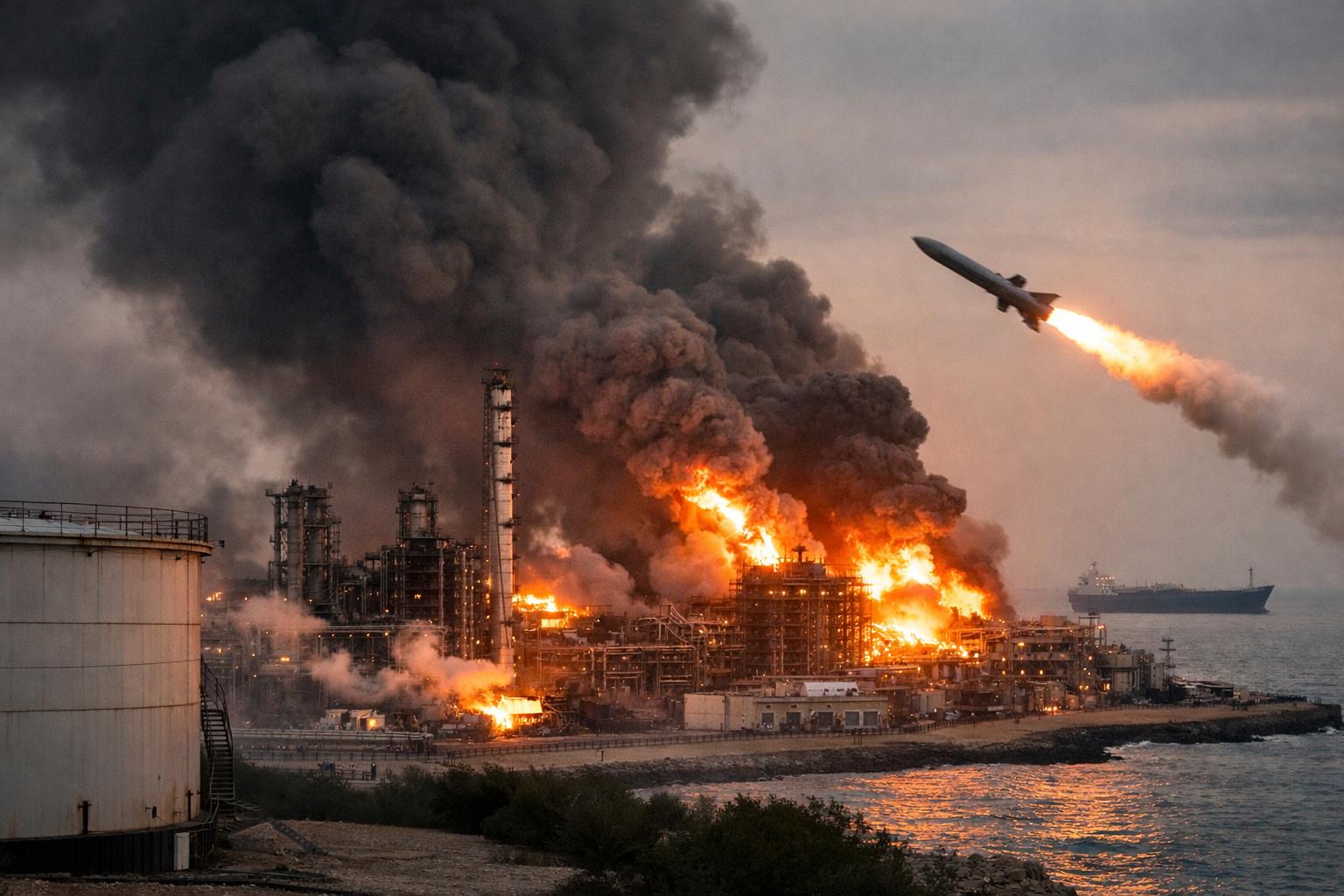
Missile strikes by United States and Israeli forces have reportedly targeted Iran’s strategically vital Kharg Island, significantly escalating tensions in West Asia. According to Iran’s Mehr News, the strikes were reported on Tuesday, April 7, 2026, marking a critical development in the ongoing military campaign known as Operation Epic Fury. Kharg Island, often described as Tehran’s economic lifeline, handles nearly 90% of Iran’s crude oil exports, making it central to globa
US-Israel strikes hit Iran’s Kharg Island, raising global oil concerns
Missile strikes by United States and Israeli forces have reportedly targeted Iran’s strategically vital Kharg Island, significantly escalating tensions in West Asia. According to Iran’s Mehr News, the strikes were reported on Tuesday, April 7, 2026, marking a critical development in the ongoing military campaign known as Operation Epic Fury. Kharg Island, often described as Tehran’s economic lifeline, handles nearly 90% of Iran’s crude oil exports, making it central to globa
US warns Iran amid escalating West Asia conflict and rising regional tensions
Washington: Tensions across West Asia have escalated sharply, with the United States issuing a strong warning to Iran to accept defeat or face significantly intensified military consequences. US officials indicated that further retaliation from Tehran could trigger a broader response, signaling a potential widening of the conflict. Iran, however, has dismissed the possibility of negotiations, reaffirming its intent to continue retaliatory strikes amid ongoing hostilities. Military exchang
US warns Iran amid escalating West Asia conflict and rising regional tensions
Washington: Tensions across West Asia have escalated sharply, with the United States issuing a strong warning to Iran to accept defeat or face significantly intensified military consequences. US officials indicated that further retaliation from Tehran could trigger a broader response, signaling a potential widening of the conflict. Iran, however, has dismissed the possibility of negotiations, reaffirming its intent to continue retaliatory strikes amid ongoing hostilities. Military exchang
Indian embassy relocates students from Tehran amid rising Iran security tensions
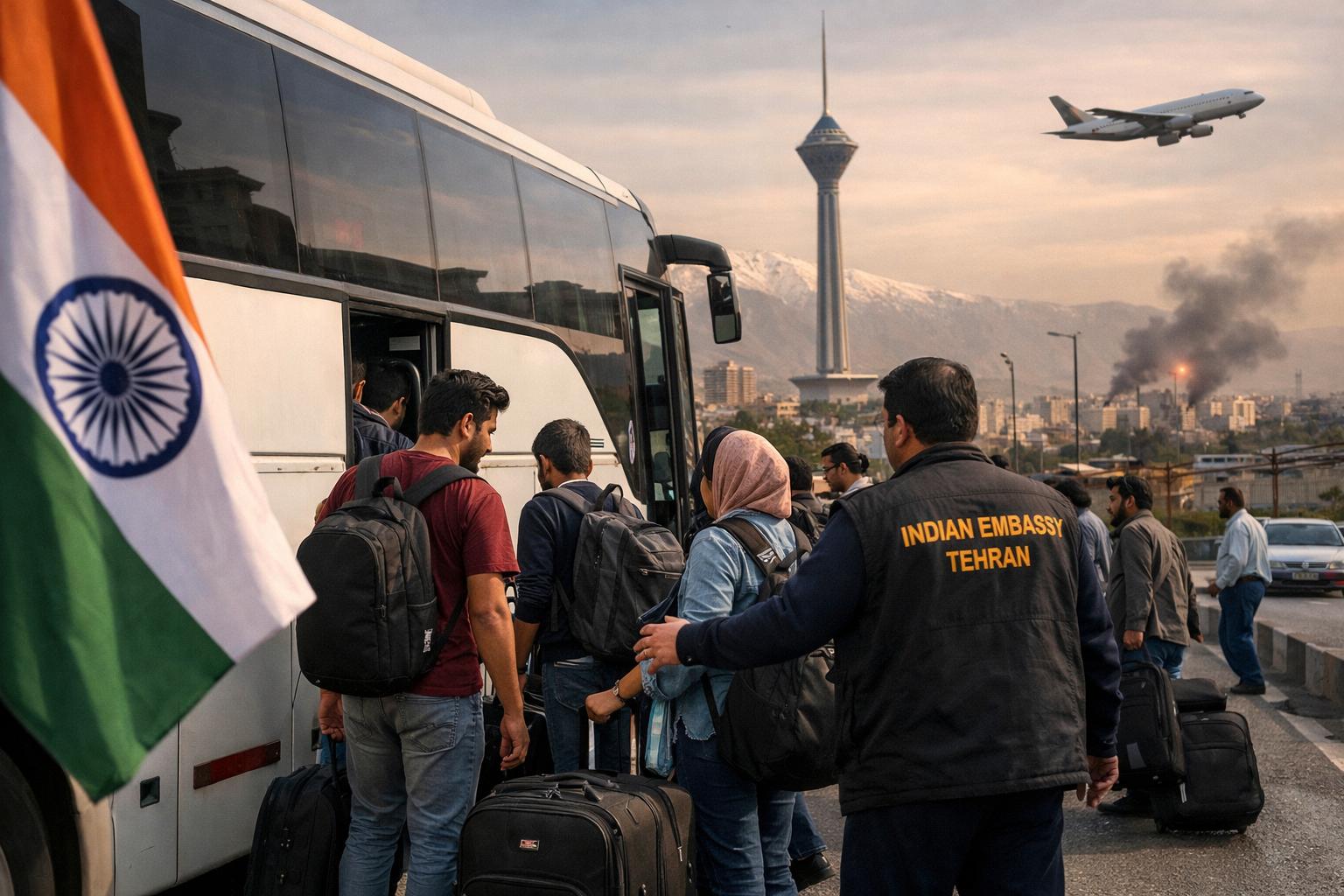
Amid escalating security concerns in Iran, the Indian Embassy in Tehran has relocated most Indian students from the capital to safer locations outside the city. In an advisory issued on March 3, the mission cited a heightened risk perception in Tehran and said transport, food and accommodation had been arranged for those moved. A small number of students remain in the city after declining the relocation offer. The embassy reiterated earlier guidance for Indian nationals still in Ira
Indian embassy relocates students from Tehran amid rising Iran security tensions
Amid escalating security concerns in Iran, the Indian Embassy in Tehran has relocated most Indian students from the capital to safer locations outside the city. In an advisory issued on March 3, the mission cited a heightened risk perception in Tehran and said transport, food and accommodation had been arranged for those moved. A small number of students remain in the city after declining the relocation offer. The embassy reiterated earlier guidance for Indian nationals still in Ira
US and Israel launch strikes on Iran, raising fears of wider West Asia conflict
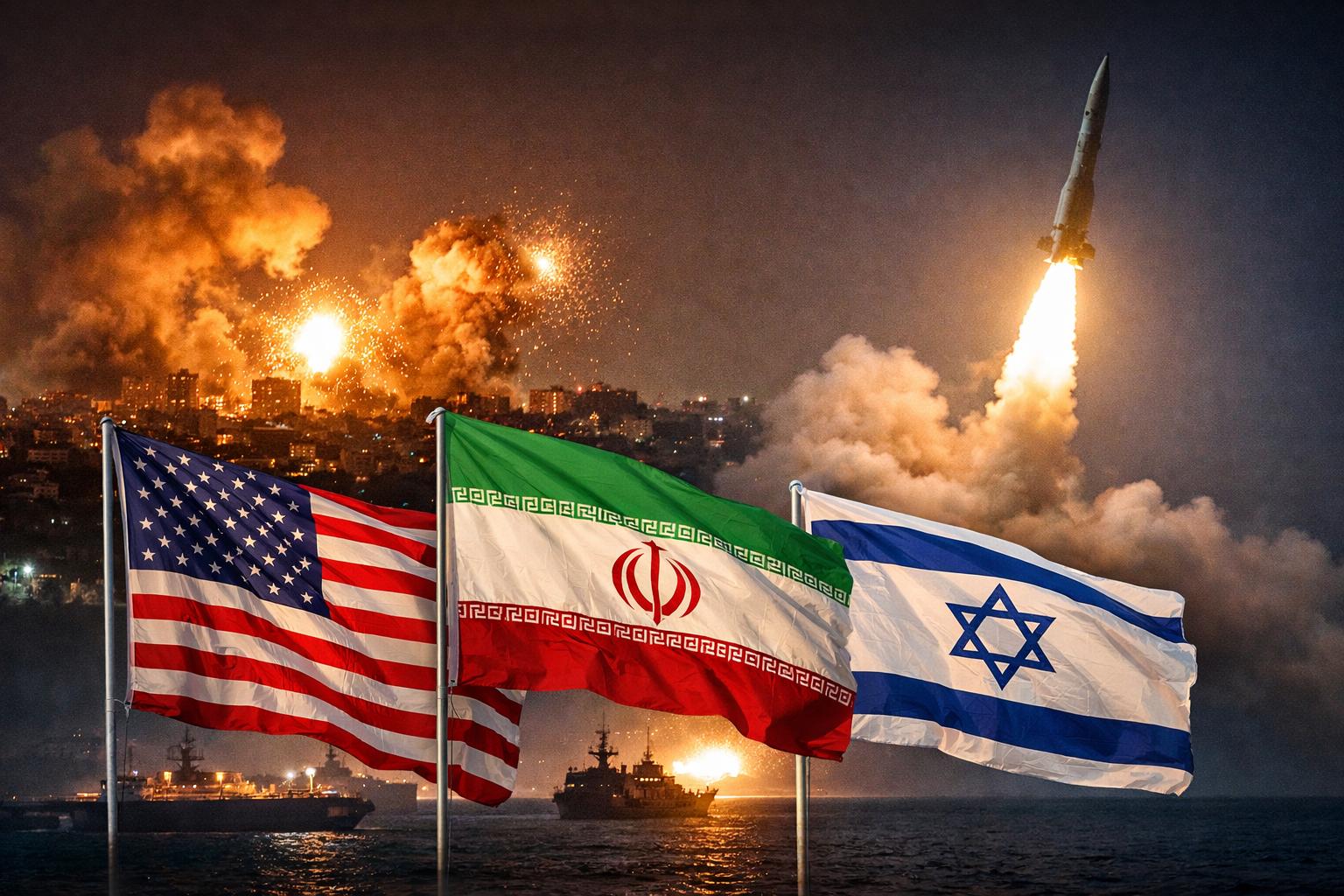
The United States and Israel carried out a coordinated military operation against Iran on February 28, marking a sharp escalation in West Asia tensions and raising concerns about a wider regional conflict. Officials familiar with the development said the strikes were aimed at key military and political targets, including locations linked to Iran’s leadership and nuclear programme. Iranian authorities later responded with missile attacks targeting Israeli territory and facilities used by US for
US and Israel launch strikes on Iran, raising fears of wider West Asia conflict
The United States and Israel carried out a coordinated military operation against Iran on February 28, marking a sharp escalation in West Asia tensions and raising concerns about a wider regional conflict. Officials familiar with the development said the strikes were aimed at key military and political targets, including locations linked to Iran’s leadership and nuclear programme. Iranian authorities later responded with missile attacks targeting Israeli territory and facilities used by US for


