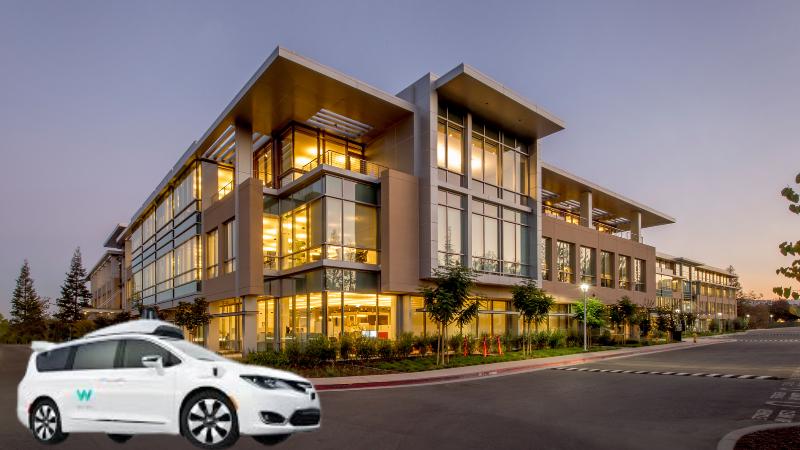
Waymo has taken a major step in its autonomous transportation rollout by expanding driverless ride services into key areas of Silicon Valley. Residents in cities such as Los Altos, Palo Alto, Mountain View, and certain neighborhoods of Sunnyvale can now request rides through the Waymo One app, provided their zip codes fall within newly designated service zones. This gradual rollout follows a similar approach used in earlier launches, with limited initial access and plans to widen service over time.
Users will be informed about area coverage and service availability directly via the app, which will serve as the primary communication platform as operations scale. This latest expansion is part of a broader effort by the company to integrate autonomous technology into everyday urban commuting and reduce reliance on traditional ride-hailing and personal car ownership.
Previously, the service extended from the original launch city into surrounding communities like Daly City and nearby regions. That move helped the company test operations across a more diverse road network and gather feedback for future expansions. In addition, freeway usage was introduced for internal testing, with autonomous cars navigating highways to reduce travel times compared to surface streets. These rides were first offered only to employees before the company began considering public access.
Riders using the service are not subject to extra fees if their autonomous vehicle takes a longer or alternate route due to unexpected traffic or technical routing changes. This policy is aimed at ensuring trust in the system and maintaining cost predictability. Despite the technological optimism, not everyone welcomes the changes. Some local officials expressed concern about the rapid pace of deployment and lack of detailed briefings provided to city and county safety departments. One supervisor highlighted the issue of emergency preparedness, stating that being given only a day’s notice on how autonomous cars will operate on local roads is not adequate.
Public opinion remains mixed. While some residents are excited about the potential for innovative transportation solutions, others worry about safety risks and feel uneasy seeing vehicles operate without a human driver. One longtime resident voiced his hesitation, pointing out that although the technology is impressive, more time is needed before full public rollout feels appropriate and secure.
Earlier this year, expansion efforts across the state faced a temporary hold after officials called for a formal review process to ensure public safety. This review, which was initially expected to pause the rollout for up to four months, was concluded in just under two weeks after the company submitted an updated passenger safety plan. Regulatory approval was granted shortly afterward, allowing the expansion to move forward.
Still, the expedited approval raised eyebrows among some local leaders who felt the review process was too brief to properly address safety and implementation concerns. While the company maintains that its autonomous systems are rigorously tested and continually updated, the rapid pace of change continues to create friction between innovation and local oversight.
The continued rollout in Silicon Valley marks a milestone in the evolution of autonomous transportation. With each city added to the service map, the future of driverless mobility inches closer to becoming part of everyday life. For now, the company remains focused on responsible scaling and adapting to both community feedback and regulatory requirements as it advances its long-term mission to transform the way people move.
Users will be informed about area coverage and service availability directly via the app, which will serve as the primary communication platform as operations scale. This latest expansion is part of a broader effort by the company to integrate autonomous technology into everyday urban commuting and reduce reliance on traditional ride-hailing and personal car ownership.
Previously, the service extended from the original launch city into surrounding communities like Daly City and nearby regions. That move helped the company test operations across a more diverse road network and gather feedback for future expansions. In addition, freeway usage was introduced for internal testing, with autonomous cars navigating highways to reduce travel times compared to surface streets. These rides were first offered only to employees before the company began considering public access.
Riders using the service are not subject to extra fees if their autonomous vehicle takes a longer or alternate route due to unexpected traffic or technical routing changes. This policy is aimed at ensuring trust in the system and maintaining cost predictability. Despite the technological optimism, not everyone welcomes the changes. Some local officials expressed concern about the rapid pace of deployment and lack of detailed briefings provided to city and county safety departments. One supervisor highlighted the issue of emergency preparedness, stating that being given only a day’s notice on how autonomous cars will operate on local roads is not adequate.
Public opinion remains mixed. While some residents are excited about the potential for innovative transportation solutions, others worry about safety risks and feel uneasy seeing vehicles operate without a human driver. One longtime resident voiced his hesitation, pointing out that although the technology is impressive, more time is needed before full public rollout feels appropriate and secure.
Earlier this year, expansion efforts across the state faced a temporary hold after officials called for a formal review process to ensure public safety. This review, which was initially expected to pause the rollout for up to four months, was concluded in just under two weeks after the company submitted an updated passenger safety plan. Regulatory approval was granted shortly afterward, allowing the expansion to move forward.
Still, the expedited approval raised eyebrows among some local leaders who felt the review process was too brief to properly address safety and implementation concerns. While the company maintains that its autonomous systems are rigorously tested and continually updated, the rapid pace of change continues to create friction between innovation and local oversight.
The continued rollout in Silicon Valley marks a milestone in the evolution of autonomous transportation. With each city added to the service map, the future of driverless mobility inches closer to becoming part of everyday life. For now, the company remains focused on responsible scaling and adapting to both community feedback and regulatory requirements as it advances its long-term mission to transform the way people move.