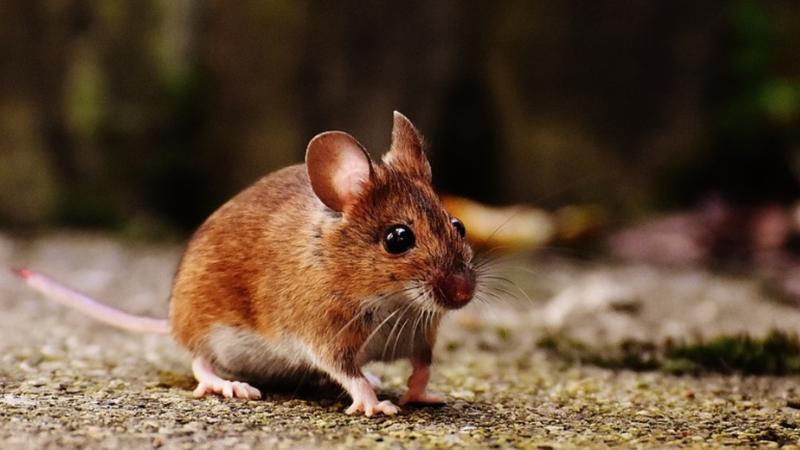
Russia has launched 75 mice aboard its Bion-M No.2 biosatellite for a month-long mission in low-Earth orbit, making a significant step in advancing our understanding of how spaceflight affects living organisms. The mission, which took place on August 20, 2025, is a pivotal research experiment aimed at gathering critical data that will aid in the preparation for human space missions to the Moon, Mars, and beyond.
The Bion-M No.2 biosatellite is a scientific marvel, housing not only the 75 mice but also more than 1,000 fruit flies, plant seeds, and microorganisms. These organisms are carefully placed in a specially designed “miniature mouse hotel,” a high-tech environment equipped with feeding systems, waste disposal, cameras, and sensors that will transmit real-time data back to Earth. This technology will allow scientists to monitor the physiological responses of the mice during their orbital stay, providing valuable insights into how microgravity and space radiation affect biological systems.
Key Experiment Details
The mice onboard Bion-M No.2 are divided into several groups for comparison. One group remains on Earth in normal conditions, another is placed in Earth-based flight hardware, and the third group is in space. This design will help researchers separate the effects of microgravity and cosmic radiation from the natural biological changes that occur in a closed environment.
What sets this experiment apart is the inclusion of genetically modified knockout mice. These mice have been altered to have immune systems that are particularly sensitive to space radiation, making them essential for studying how exposure to higher levels of cosmic radiation about 30% higher than those found at the International Space Station affects immune systems, metabolism, and overall health. This focus on radiation resistance is crucial, as it will inform countermeasures for future human missions to the Moon and Mars.
The experiment’s main objective is to understand how spaceflight and radiation alter physiological systems, especially those involved in immunity and radiation resistance. By studying these effects, scientists hope to gather the data needed to develop medical protocols and materials that will help protect astronauts from the challenges of long-duration space travel.
Additionally, this mission serves as a testing ground for lunar soil simulants. These materials will be studied for their durability in space conditions, contributing to the knowledge necessary for constructing habitats and infrastructure on the Moon.
The results of this experiment are expected to play a critical role in answering a fundamental question in space exploration: how can humans endure the physical challenges of deep space travel, particularly to the Moon and Mars? By studying the effects of spaceflight on living organisms like the 75 mice aboard Bion-M No.2, researchers will be better equipped to address the medical, biological, and environmental challenges of future human missions.