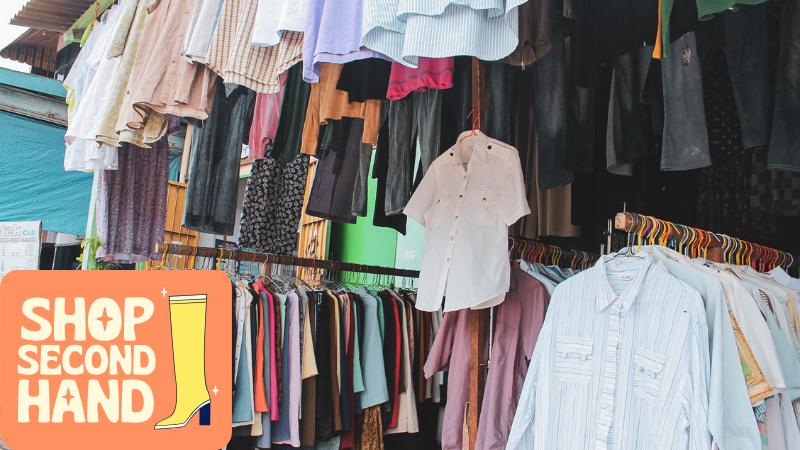
Brittany Burton, co-owner of a consignment store in Somerville, shared that her shop has seen a consistent uptick in customers over the past couple of months. While it’s not certain if the increase is directly linked to the tariffs, the timing suggests a strong connection. Burton expressed hope that these changes might encourage more people to buy local and reduce reliance on fast fashion brands, which are often associated with environmental harm and questionable production practices.
Currently, tariffs on some Chinese goods, including textiles, have reached as high as 145%, significantly affecting the prices of many imported garments. As a result, consumers are seeking more practical shopping options. Secondhand stores not only provide access to more budget-friendly clothing but also offer a way to shop more responsibly. These stores enable buyers to stretch their spending further while reducing demand for newly manufactured goods.
The economic ripple effects of these tariffs extend beyond buying habits. Burton has noticed more people visiting the store to sell items as well. She attributes this to the uncertainty many feel during economic fluctuations. Selling unused items becomes a way to pad savings, gain quick access to cash, and declutter personal spaces. This behavior is not uncommon in times of financial stress and typically coincides with broader economic shifts.
To help those looking to sell items for the highest return, Burton advises inspecting garments carefully. She suggests checking for stains, especially around the neckline and underarms, and recommends steaming or ironing items before bringing them in. Presentation matters in resale, and clean, well-kept items are more likely to be accepted and fetch higher prices.
Beyond local businesses, the rise of the secondhand market is a global trend. Online resale platforms have seen growing numbers of users listing and purchasing pre-owned clothing. The global resale apparel market has expanded rapidly, with billions of dollars in sales driven by both economic necessity and increased awareness of sustainability. Shoppers are finding that buying secondhand is not only cost-effective but also environmentally responsible.
Younger consumers, particularly Gen Z and millennials, are leading the charge in embracing secondhand fashion. This demographic is more environmentally conscious and often more financially cautious, making them well-suited for resale shopping. A cultural shift away from fast fashion is also driving interest in unique, vintage, or higher-quality secondhand pieces.
Many shoppers also enjoy the individuality that comes with secondhand clothing. Unlike mass-produced fashion, items in consignment shops often have character, history, and uniqueness that appeal to those wanting to stand out or align their wardrobe with personal values. As more consumers become aware of the negative impacts of fast fashion—including pollution, waste, and unethical labor practices—buying pre-owned clothing offers a way to contribute to a more sustainable future.
While the high tariffs on Chinese goods may have posed initial concerns for consumers, they appear to be accelerating a shift toward more thoughtful and sustainable shopping behaviors. Secondhand and consignment stores are emerging as practical alternatives, offering both economic relief and environmental benefits. As long as economic pressures persist and consumers remain cautious, the trend toward secondhand fashion is likely to grow and evolve into a lasting part of retail culture.