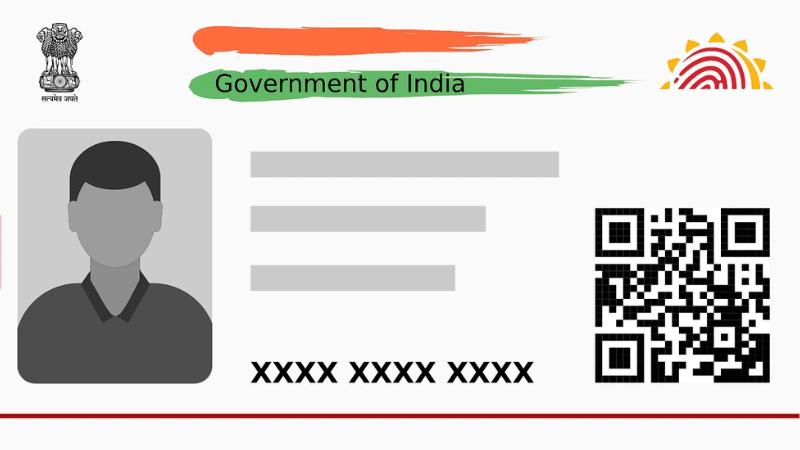
The Unique Identification Authority of India (UIDAI) is set to revolutionize Aadhaar verification by launching a new mobile application that will allow users to share their Aadhaar details securely through a QR code. This initiative aims to eliminate the need for physical photocopies of Aadhaar, offering users the option to share either the full or masked version of their Aadhaar number with complete control and consent.
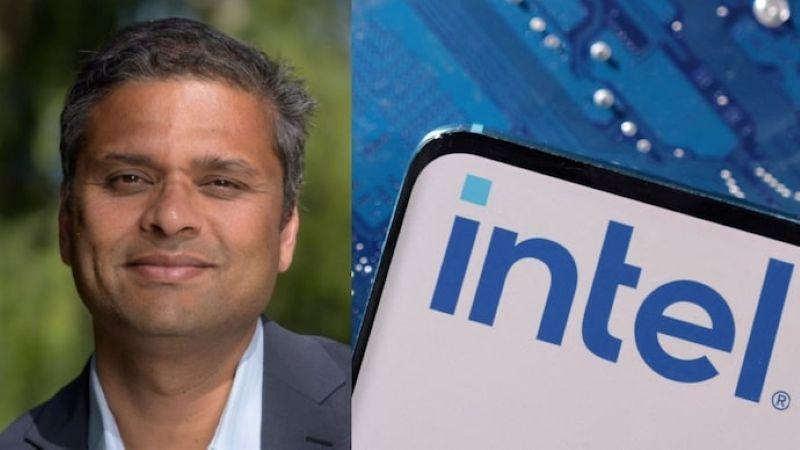
UIDAI CEO Bhuvnesh Kumar highlighted that the app focuses on user privacy, enabling sharing only with explicit consent. The new QR code-based sharing system is designed for common use cases like hotel check-ins, identity verification during train journeys, and property transactions, making the process smoother and more secure.
In addition to QR code sharing, UIDAI plans to roll out a new protocol by November 2025 allowing Aadhaar holders to update key personal information such as name, address, phone number, and date of birth remotely. The only requirement for in-person visits will be for biometric data like fingerprints and iris scans. Currently, around 2,000 of the 100,000 Aadhaar enrolment machines have been upgraded to support this new app ecosystem.
This digital push aims to reduce paperwork, prevent fraud, and speed up service delivery by integrating verified data from government databases including birth certificates, driving licenses, passports, PAN cards, and MNREGA records. Efforts are also underway to include electricity bill databases to streamline address verification.
UIDAI is also focusing on completing biometric updates for children through collaborations with school boards such as CBSE, targeting ages 5–7 and 15–17. An estimated 18 crore biometric updates are still pending nationwide.
Discussions are ongoing with hotels, property developers, and security agencies to integrate this digital Aadhaar verification system into their processes. This development marks a major step toward India’s vision of a more secure, efficient, and paperless digital identity system.