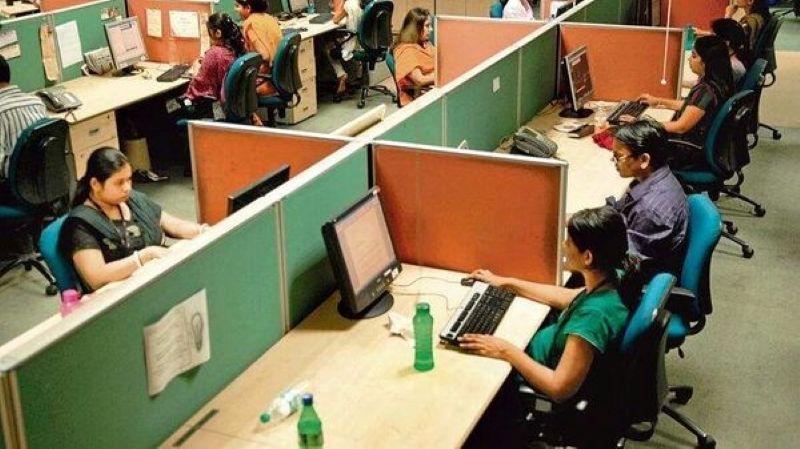
A political and administrative debate has erupted in Chhattisgarh over the BJP-led state government’s intention to reverse the five-day work week policy for government employees. Introduced in February 2022 by the former Congress government, the policy gave Saturdays and Sundays off in exchange for extended working hours during weekdays. It was aimed at enhancing work-life balance, promoting staff well-being, and streamlining public service delivery.
Current Chief Minister Vishnu Deo Sai, however, has suggested that the arrangement may soon be discontinued. He cited growing concerns from senior administrative officials who claim the two-day weekend is reducing productivity, delaying government tasks, and contributing to inefficiencies. According to him, many officials have reported that key administrative meetings on Tuesdays suffer due to pending work from the previous week, worsened by early exits on Fridays.
The possible rollback has triggered immediate backlash from opposition leaders and employee unions. Congress, which had introduced the reform, accused the BJP of regressive policymaking and undermining a system that had begun to deliver measurable workplace benefits. Congress spokesperson Sushil Anand Shukla questioned the logic behind the move and challenged the Chief Minister to recommend a similar rollback at the central government level, which also follows a five-day week.
Employee unions have also voiced their anger, calling the proposed change "disheartening" and threatening agitation if the rollback proceeds without proper consultation. One union leader accused the government of acting on poor advice, adding that the five-day system actually improved focus and efficiency due to adequate rest and personal time.
Supporters of the current system argue that it contributes to employee mental health and morale, while critics within the bureaucracy argue that it hampers time-sensitive governance tasks. The debate is further complicated by a recent uptick in COVID-19 cases in the state. Chhattisgarh has reported more than 100 active cases, raising fresh concerns about administrative preparedness and public service continuity.
The timing of the review has amplified scrutiny of the government's decision-making. Critics say the focus should be on modernizing systems and enabling flexible work structures instead of reverting to outdated work norms. The Chief Minister has maintained that the final decision will be based on holistic feedback and the state’s administrative needs.
The outcome of this debate could shape broader conversations around government work culture in India, especially as states balance between performance metrics and employee welfare. A final announcement is expected in the coming weeks, and stakeholders across the board are bracing for its potential impact.