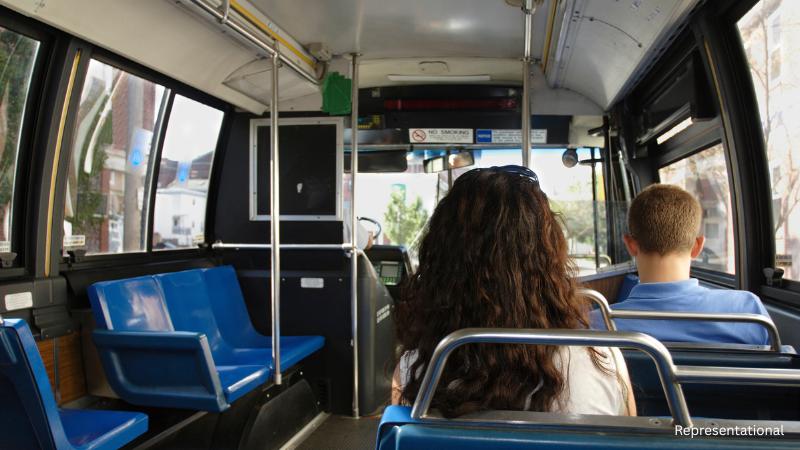
Kylie Clark, a Los Gatos resident, is one of many frustrated by the current state of transportation. She serves on a local transit advisory committee but finds it challenging to attend meetings using public transit. A trip that takes about 25 minutes by car can require nearly two hours each way by bus, an impractical option for anyone with a full schedule. For those without access to a car or the ability to afford regular repairs, the system can lead to reduced mobility and a lower quality of life.
In Los Gatos, there is just one bus route that passes directly through town and two that operate near its borders. Although the expected wait time is between 25 and 55 minutes, buses frequently arrive late or not at all, according to regular riders. In Cupertino, there are eight bus routes, including a mix of rapid and standard services. However, some routes offer significantly less coverage compared to neighboring areas, with wait times stretching to over an hour in some cases.
The West Valley has struggled for years with transportation equity. While other areas in the county, particularly those with higher population density and lower average incomes, have seen improved transit investment, cities like Los Gatos and Cupertino have lagged behind. This gap has created a two-tiered system in which residents in less-connected communities are more reliant on personal vehicles to meet everyday needs.
Campbell is the exception among West Valley cities. It took a major step toward transit integration years ago with the opening of the Vasona Light Rail line, which includes three stops in the city and a direct connection to downtown San Jose. Alongside this rail service, Campbell also benefits from seven bus routes, offering residents more reliable and flexible public transportation options than neighboring cities.
Transit officials say that service planning is influenced by a variety of factors including population density, budget constraints, road layout, and community input. More densely populated areas tend to receive more frequent service because they allow routes to carry higher volumes of riders. However, this model often leaves out communities that are more spread out or designed around car use, such as many neighborhoods in the West Valley.
Balancing service across a county with such geographic and demographic diversity has proven difficult. Officials point out that although demand in the West Valley exists, lower density and infrastructure limitations can reduce efficiency. Still, the current system creates a challenge for those who cannot drive or afford a vehicle, effectively isolating parts of the population from opportunities and services available to others.
Residents and advocates argue that long-term solutions must involve creative planning and inter-agency cooperation. Proposals include expanding microtransit options, adding flexible shuttle systems, and making better use of existing roadways for public transportation. These solutions, however, require both funding and a commitment to ensuring that transit equity extends to all corners of the county.
Without attention to the specific needs of West Valley communities, the current transportation structure will continue to create barriers for those who rely on public transit. For many residents, particularly those living in Los Gatos and Cupertino, public transportation remains inconsistent, inconvenient, and insufficient to meet daily needs. A more inclusive and balanced approach to planning could not only improve quality of life for these communities but also reduce overall traffic congestion and contribute to environmental sustainability.
As the region continues to grow, residents are calling for action to ensure that reliable and efficient transportation is not a privilege limited to a few but a public service available to all.