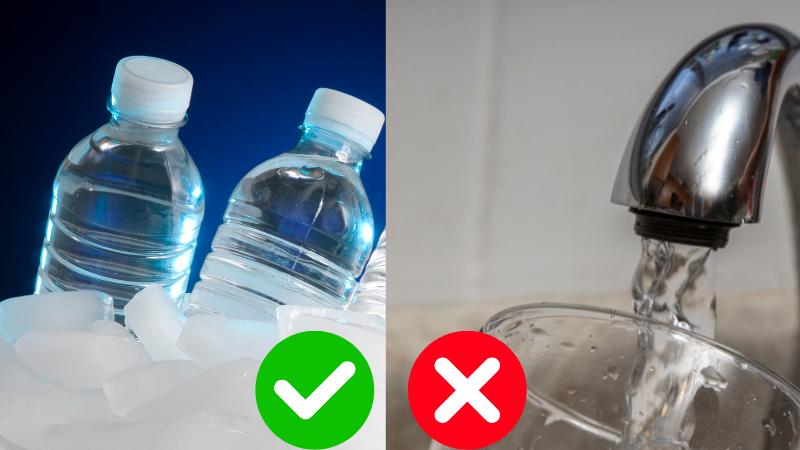
Williams Bay in Wisconsin faced a major public health concern ahead of Labor Day weekend as elevated nitrite levels in the village water supply forced restaurants and businesses to quickly adapt to ensure customer safety. The contamination, traced to nitrification of ammonia within the water system, raised alarms for both residents and visitors preparing to enjoy one of the final summer holiday weekends. As a result, multiple restaurants in Williams Bay made immediate changes, switching to bottled water and bagged ice from outside sources in order to continue serving their guests without risking exposure.
One of the most prominent local establishments was ordered to close temporarily after the initial warning, leaving many diners uncertain about Labor Day plans. However, health officials later cleared the venue to reopen once it had secured an alternative water and ice supply for all food and beverages. This allowed the restaurant to assure guests that every precaution had been taken to create a safe dining environment. Nearby eateries followed similar procedures, publicly announcing that they would not serve tap water or use local ice until the issue was resolved. Instead, they relied on bottled water for drinking and cooking, and adjusted their beverage offerings by providing bottled sodas and select drinks in liter containers to replace affected soda fountain lines.
The Williams Bay water system has faced scrutiny for some time, with the Wisconsin Department of Natural Resources notifying the village back in 2021 that nitrite levels were trending upward. Although long-term improvements were planned with a completion goal of late 2025, the recent spike prompted an urgent short-term response. Officials stated that they expect the temporary order to be lifted within a couple of weeks once stability returns to the system. Until then, both residents and businesses are required to avoid direct consumption of village tap water.
Public health experts have warned that nitrite contamination can pose significant risks, especially for vulnerable groups such as infants and pregnant individuals. Research has linked high nitrite levels in drinking water to conditions such as blue baby syndrome, certain birth defects, and even long-term cancer risks. Short-term exposure can also lead to symptoms like difficulty breathing, irritability, fatigue, and a bluish tinge around the lips, fingertips, or face. These warnings have heightened awareness among local families and visitors, many of whom are taking extra precautions by purchasing bottled water for daily use.
Despite the disruption, businesses in Williams Bay have shown resilience and community spirit by adapting quickly to protect their customers while keeping operations running. Restaurant owners have emphasized that their priority is public safety, even if it means temporary changes in dining experiences. For many, this includes added expenses for sourcing water and ice from outside the village, as well as adjusting menus and beverage offerings to accommodate the limitations. Yet, given the importance of Labor Day weekend to local tourism and dining, these measures have been widely accepted as necessary.
The incident highlights the broader challenges faced by communities dealing with aging infrastructure and the risks posed by water contamination. Williams Bay’s situation has sparked discussion across Wisconsin about the need for accelerated water system improvements and proactive safety measures. For now, the village remains hopeful that this short-term disruption will soon be resolved, allowing both residents and visitors to enjoy the natural beauty and hospitality of the area without concern.
As the last big holiday weekend of the summer unfolds, restaurants and businesses in Williams Bay continue to welcome guests with reassurances that every precaution has been taken to safeguard their health. While the tap water remains off-limits for now, the community’s swift response has ensured that dining and gathering can still take place, reflecting both resilience and commitment to public well-being.