The Smithsonian’s National Museum of Asian Art in the United States has announced that it will return three historic bronze sculptures to India after concluding that the works were illegally removed from temple sites in Tamil Nadu. The decision follows an extensive provenance review of the museum’s South Asian collection and marks a significant step in addressing the long-standing issue of illicit trafficking of cultural heritage.
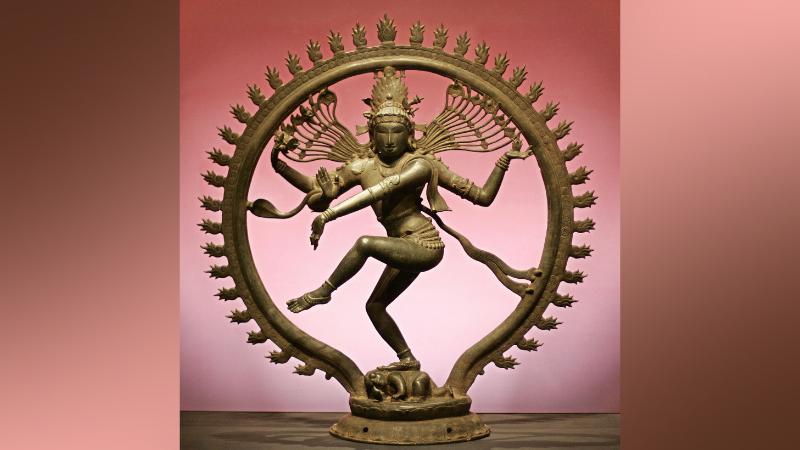
The most prominent of the sculptures slated for return is a bronze depiction of Shiva Nataraja, dating to around A.D. 990. Created during the Chola period, the sculpture represents the Hindu deity Shiva in his cosmic dance, symbolizing the cycle of creation and destruction. The figure shows Shiva dancing upon a demon that embodies ignorance, encircled by a ring of fire and standing on a lotus base. Art historians regard this form as one of the most visually powerful and symbolically rich representations in Indian art, revered both within India and among global audiences.
Alongside the Shiva Nataraja, the museum will repatriate a Somaskanda sculpture from the 12th century, also from the Chola period. This bronze depicts Shiva seated with his consort Parvathy and their son Skanda, reflecting devotional traditions that were central to temple worship in medieval South India. The third work to be returned is a 16th-century bronze titled Saint Sundarar With Paravai, dating to the Vijayanagar period, which portrays the revered Shaivite saint with his companion.
The museum stated that the return of these works reflects its commitment to ethical museum practices and responsible stewardship. A comprehensive review was initiated to determine whether any objects in the collection had been unlawfully acquired. During this process, researchers uncovered evidence that raised serious concerns about the origins of the three bronzes.
The Shiva Nataraja entered the museum’s collection in 2002 through a New York art gallery. Subsequent investigation revealed inconsistencies in the documentation associated with the acquisition, including the inability to verify the gallery’s listed address. Researchers later established that the sculpture appeared in photographs taken at a Tamil Nadu temple during the 1950s, confirming that it had been removed from its original religious setting.
Further inquiry connected the gallery to a network involved in the trafficking of stolen antiquities. Court records have shown that individuals associated with this network engaged in smuggling cultural objects from South Asia and falsifying provenance records to introduce them into the international art market. In recent years, other institutions have also returned comparable works linked to the same sources.
The Somaskanda and Saint Sundarar With Paravai sculptures were donated to the museum in 1987 as part of a major private collection. Their provenance came under scrutiny after a tip prompted researchers to consult archival material held by the French Institute of Pondicherry. Photographs from the 1950s in the institute’s archives showed both sculptures installed in temples in Tamil Nadu, providing clear evidence that they had been stolen and exported illegally.
Experts note that bronze sculptures from South Indian temples have been frequent targets of theft due to their artistic value and global demand. Replicas have circulated widely in tourist markets, while original works disappeared from sacred sites, often leaving communities without objects of worship that had been central to their cultural and religious identity for centuries.
The Smithsonian’s decision is being viewed as part of a broader international movement toward repatriation and accountability in the museum sector. By returning these sculptures, the institution acknowledges the importance of restoring cultural heritage to its place of origin and reinforces growing global standards for transparency and ethical collecting practices.


 Joyful
0%
Joyful
0%
 Cool
0%
Cool
0%
 Thrilled
0%
Thrilled
0%
 Upset
0%
Upset
0%
 Unhappy
0%
Unhappy
0%